Places on Earth Where Radiation is Shockingly High
Most people think of radiation as something that only exists in sci-fi movies or nuclear power plants. The truth is, radiation exists all around us in varying levels, and some places on our planet have dangerously high amounts of it.
These spots aren’t just curiosities for scientists. They’re real locations where the air, soil, and water carry invisible threats that can harm anyone who gets too close.
Let’s look at some of the most radioactive places you can find on Earth today. Some are off-limits for good reason, while others still have people living nearby.
Chernobyl Exclusion Zone
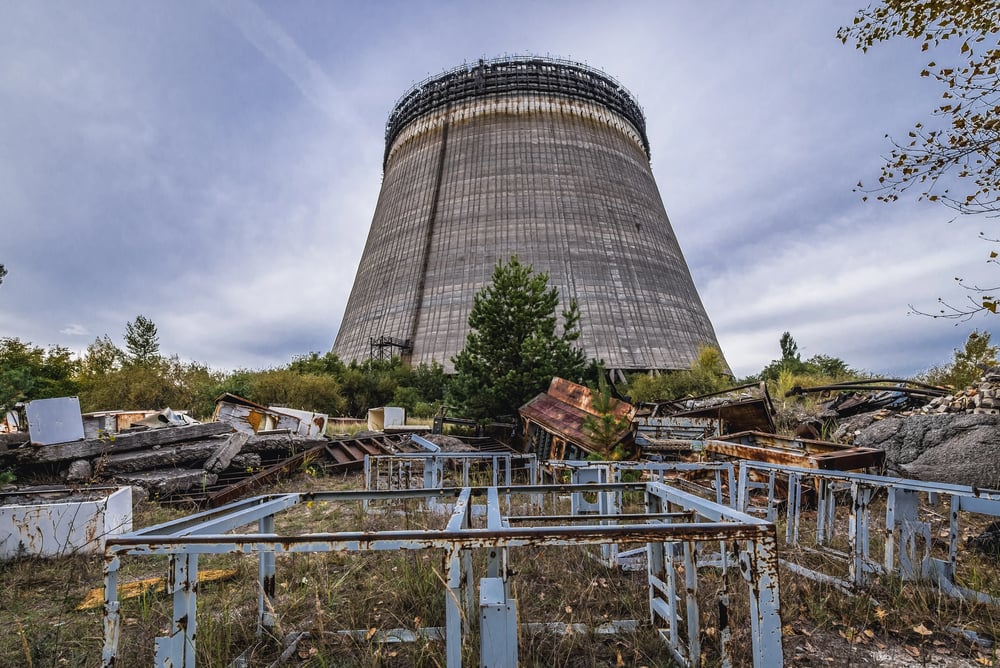
The 1986 disaster at Chernobyl in Ukraine released massive amounts of radioactive material into the environment. Today, the exclusion zone around the failed reactor stretches for about 1,000 square miles.
Radiation levels in certain spots remain deadly, particularly near the reactor itself and in the infamous Red Forest where trees absorbed so much radiation they turned a rusty color before dying. Wildlife has returned to the area, but scientists have found genetic mutations in the animals that live there.
Fukushima Exclusion Zone

Japan’s Fukushima Daiichi nuclear plant suffered a catastrophic meltdown in 2011 after a massive earthquake and tsunami hit the coast. The Japanese government evacuated everyone within 12 miles of the plant.
Some areas have been cleaned up enough for limited human activity, but radiation hotspots still exist throughout the zone. Contaminated water from the plant continues to be a major concern more than a decade later.
Mailuu-Suu
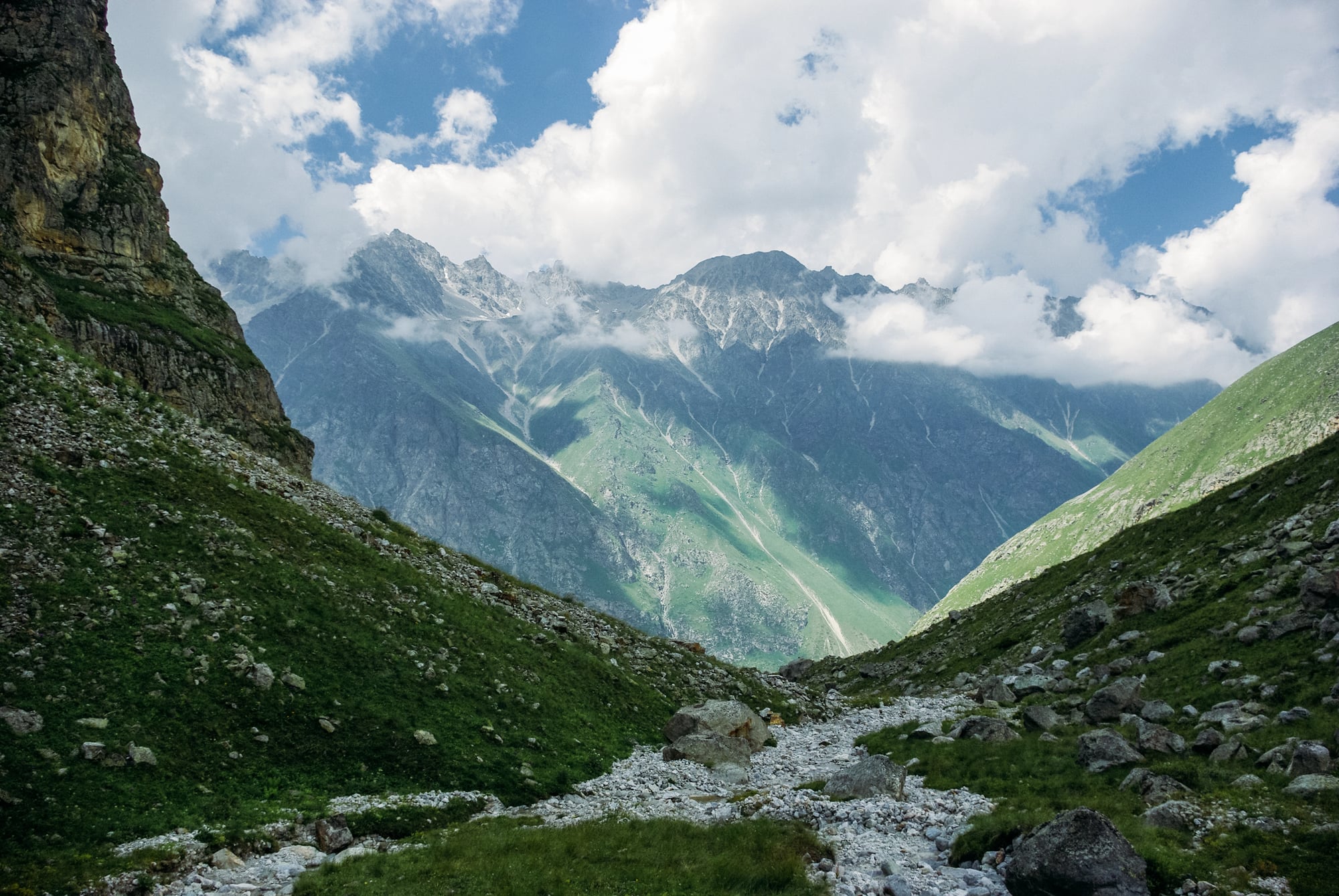
This small town in Kyrgyzstan sits on top of nearly 2 million cubic meters of radioactive waste. The Soviet Union mined uranium here during the Cold War and left behind poorly secured waste dumps.
Heavy rains and earthquakes threaten to wash this material into rivers that millions of people downstream depend on for water. The World Bank has called it one of the most dangerous pollution sites on the planet.
Hanford Site
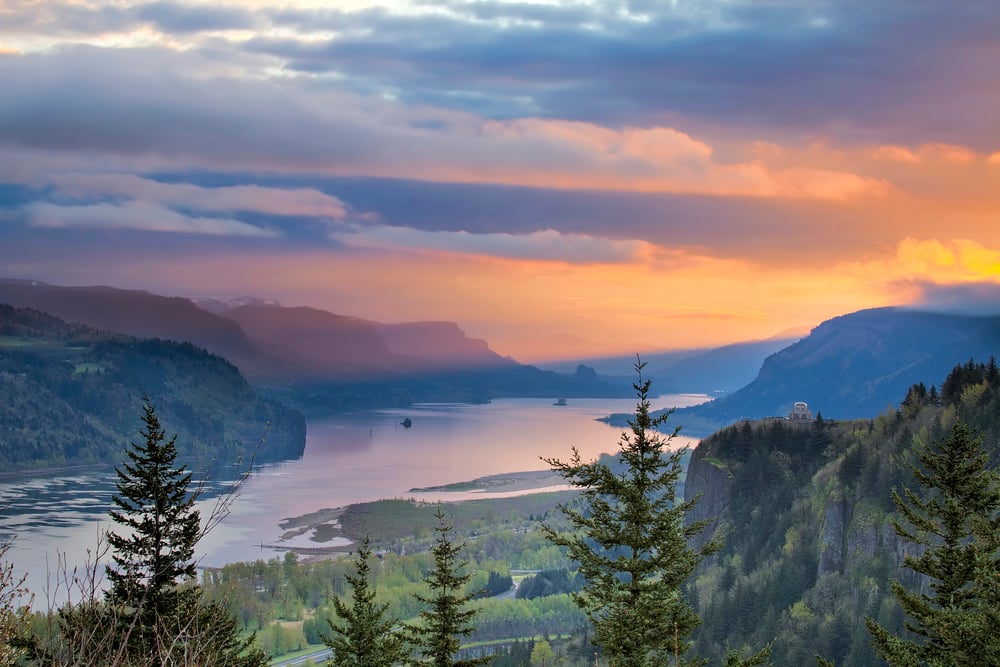
Washington State’s Hanford Site produced plutonium for America’s nuclear weapons program during World War II and the Cold War. The facility covers about 580 square miles along the Columbia River.
Decades of weapons production left behind 53 million gallons of radioactive waste stored in underground tanks, many of which are leaking. Cleanup efforts have been ongoing since the 1980s, but the job won’t be finished for decades.
Polygon Test Site
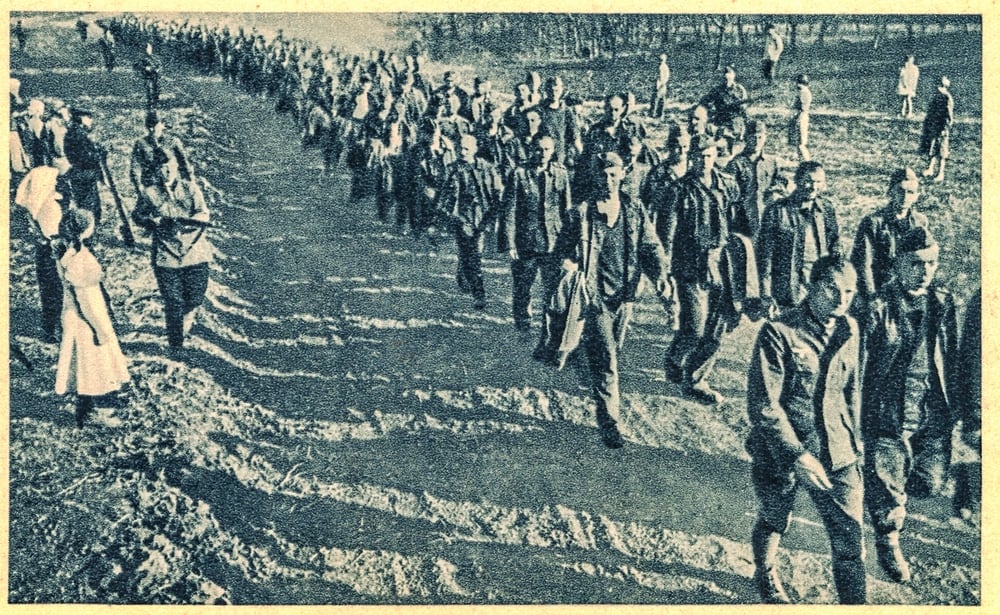
The Soviet Union conducted 456 nuclear tests at this facility in Kazakhstan between 1949 and 1989. The explosions scattered radioactive fallout across a massive area, affecting hundreds of thousands of people.
Many residents in nearby villages developed cancers and other health problems. Even though testing stopped in 1991, radiation levels in parts of the site remain dangerously high.
Sellafield
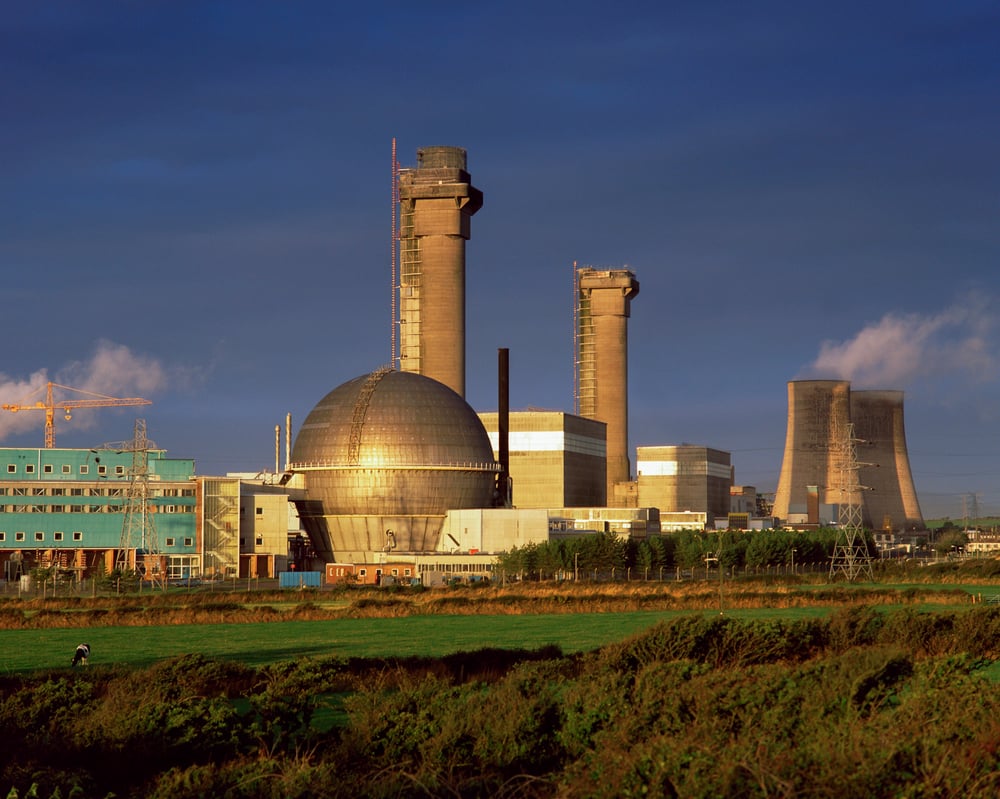
This nuclear facility on England’s northwest coast has been operating since the 1940s. It started as a plutonium production site and later became a reprocessing plant for nuclear fuel.
Sellafield has experienced numerous accidents and leaks over the years. The Irish Sea near the plant contains elevated radiation levels from decades of discharges, though the facility insists current operations are safe.
Mayak Production Association

Russia’s Mayak plant in the Ural Mountains has one of the worst nuclear safety records in history. A 1957 explosion at the facility released radiation across thousands of square miles, but the Soviet government kept it secret for decades.
The plant also dumped massive amounts of radioactive waste into the Techa River for years. Communities along the river still deal with contamination today.
Goiânia
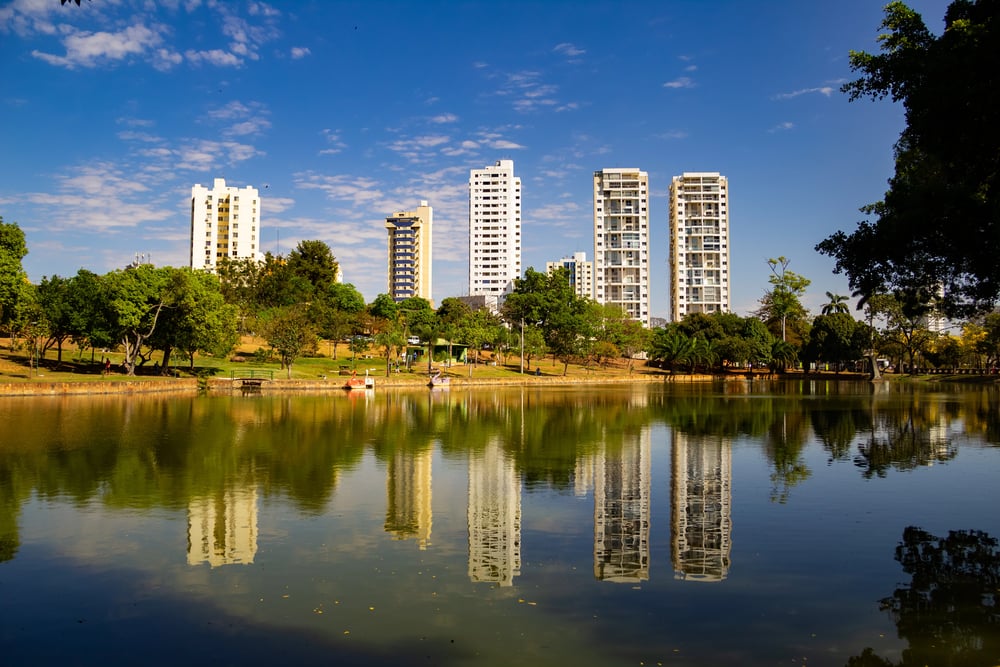
This Brazilian city became the site of one of the worst radiological accidents in history in 1987. Scavengers broke into an abandoned cancer treatment clinic and stole a radiotherapy machine containing cesium-137.
They broke open the machine and were fascinated by the glowing blue powder inside. Four people died from radiation exposure, and over 100,000 residents had to be monitored for contamination.
Ramsar

The coastal city of Ramsar in northern Iran has some of the highest natural background radiation levels anywhere on Earth. The radiation comes from underground springs rich in radium that people have used for their supposed healing properties.
Some buildings in the area have radiation levels ten times higher than what’s found in Chernobyl’s exclusion zone. Interestingly, studies of long-term residents haven’t shown the health problems scientists would expect.
Pripyat
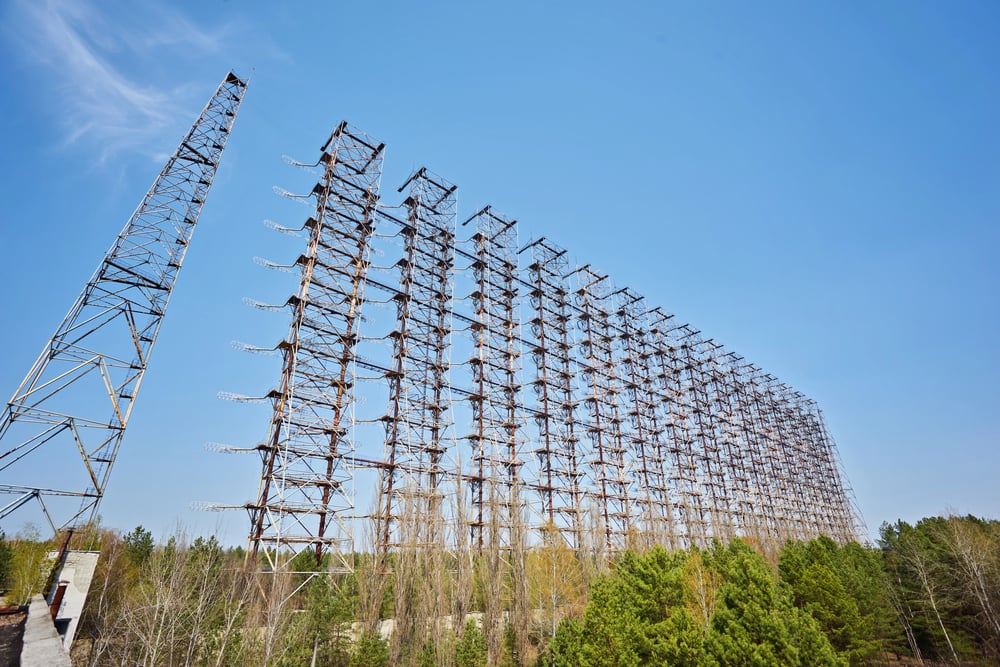
This Ukrainian city once housed 50,000 people who worked at the Chernobyl plant and their families. Everyone evacuated within 36 hours of the 1986 disaster, leaving behind an entire city frozen in time.
Radiation levels vary throughout Pripyat, with some buildings and areas being far more dangerous than others. The abandoned amusement park, which never officially opened, has become an eerie symbol of the disaster.
Guarapari
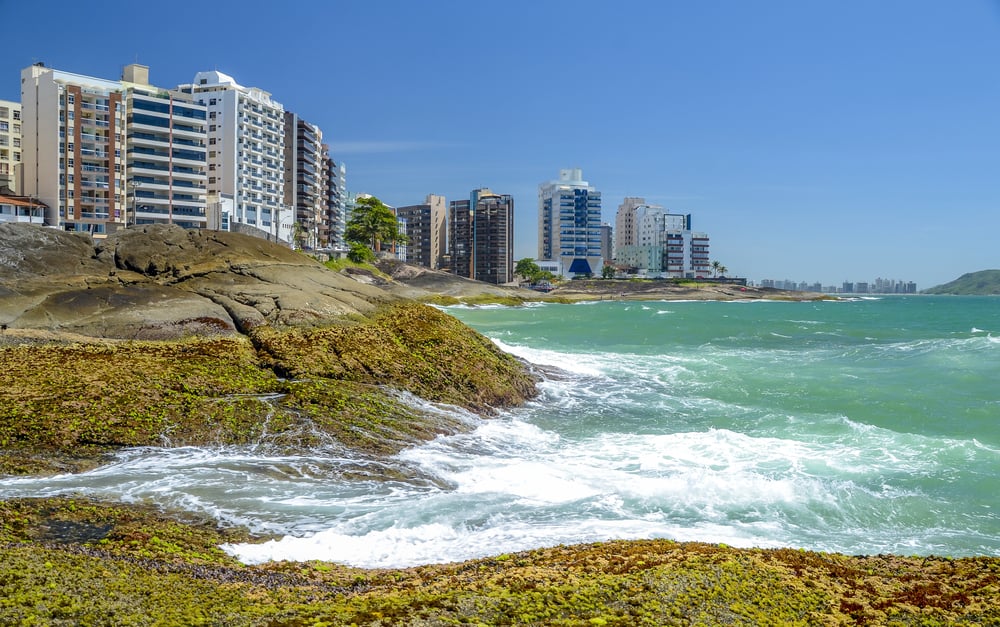
Brazil’s Guarapari beaches attract tourists despite having naturally high radiation levels from monazite sand that contains thorium. The radiation on these beaches can be several times higher than normal background levels.
People sunbathe and swim there regularly, and the town markets itself as a health resort. Scientists continue to debate whether the elevated radiation poses real health risks to beachgoers.
The Somali Coast
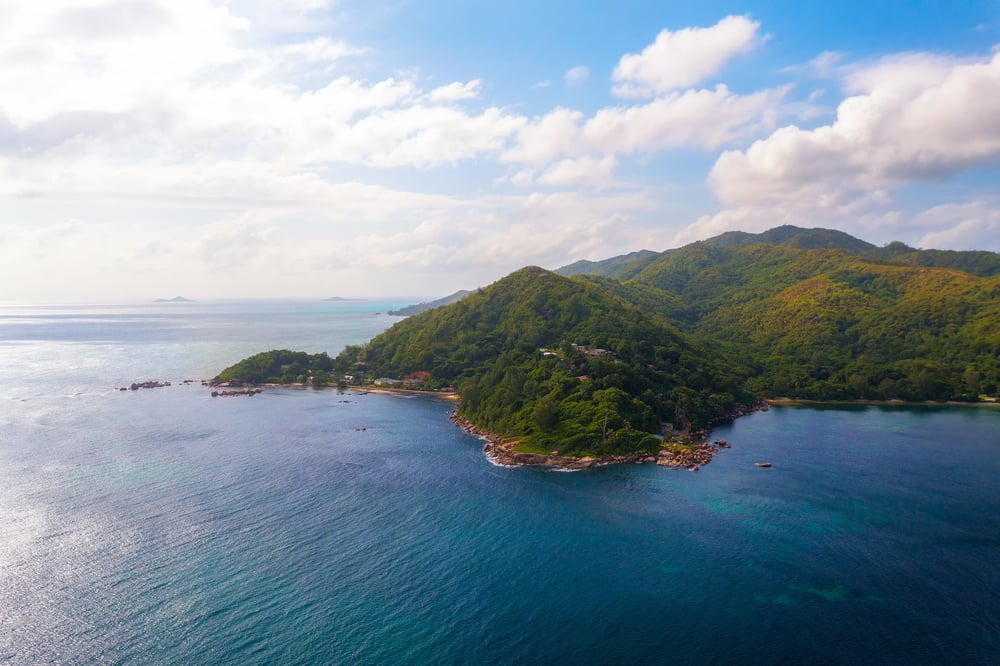
European companies illegally dumped barrels of nuclear and toxic waste off Somalia’s coast during the 1980s and 1990s. The 2004 tsunami broke open many of these containers and washed radioactive material onto beaches.
Residents in coastal villages have reported unusual health problems, and the United Nations confirmed the presence of radioactive waste. The full extent of contamination remains unknown because the region’s instability prevents thorough investigation.
Church Rock
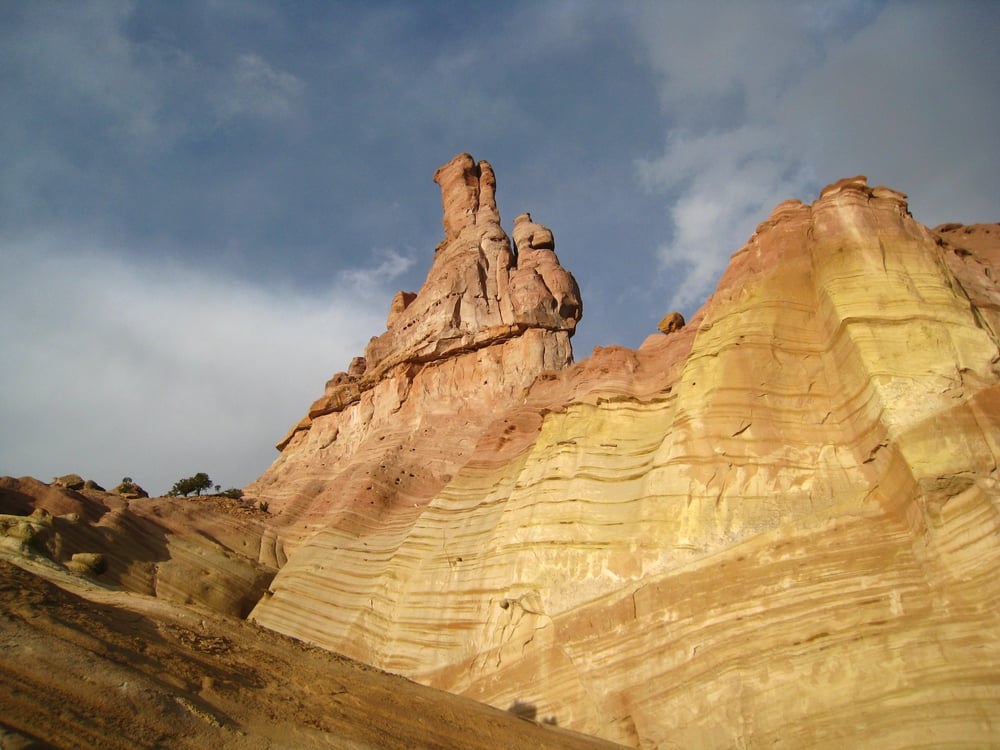
New Mexico’s Church Rock holds the distinction of being the site of the largest release of radioactive material in U.S. history. A uranium mill tailings dam broke in 1979, spilling over 1,000 tons of solid waste and 93 million gallons of acidic, radioactive water into the Puerco River.
The spill affected Navajo communities downstream. Cleanup has been slow, and elevated radiation levels persist in the area.
Mediterranean Seafloor
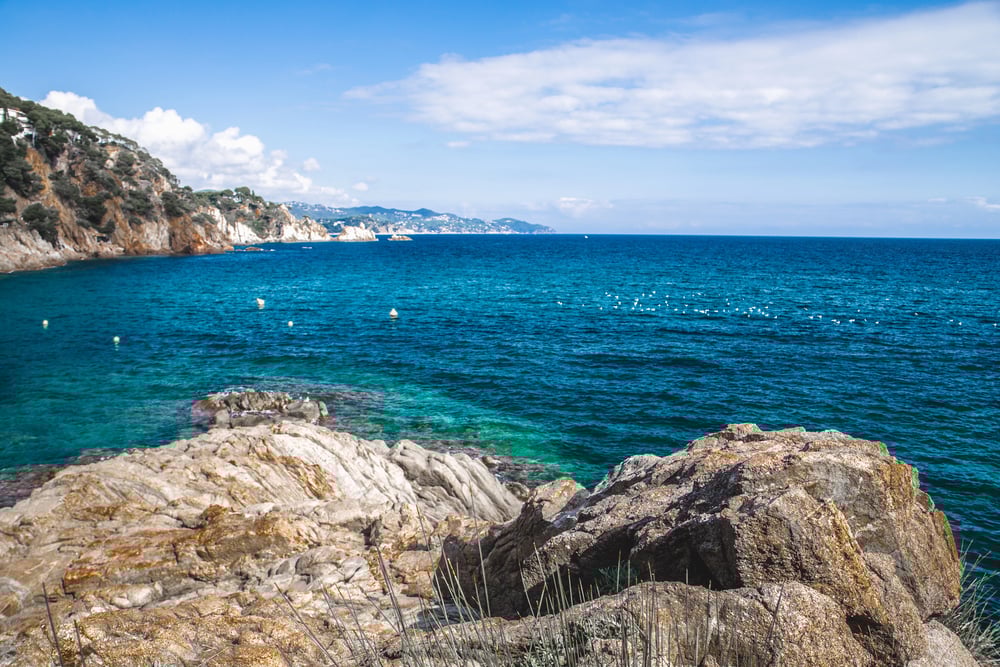
The Mediterranean Sea conceals a hidden radioactive legacy from decades of nuclear activity. Several countries dumped low-level radioactive waste into deep waters, and at least two nuclear submarines have sunk in the Mediterranean.
Italy’s coastline near the Garigliano nuclear plant shows elevated radiation levels from past operations. While most of the sea is safe, certain spots contain concentrated radioactive material.
Lochalsh

This remote area in the Scottish Highlands experienced radioactive contamination from a nearby nuclear power station and research facility. Dounreay nuclear plant operated from 1955 to 1994 and left behind significant contamination.
Radioactive particles have washed up on nearby beaches, and cleanup crews have been working for years to make the site safe. The Scottish government has committed billions to the decades-long decommissioning project.
The reality we live with
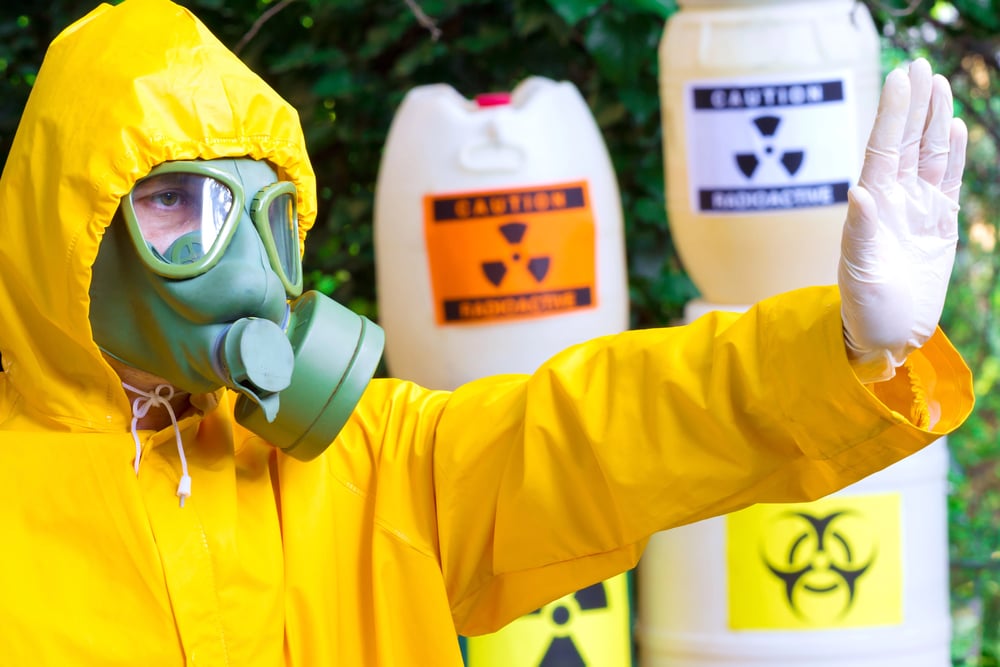
Radiation isn’t going away from these places anytime soon. Some of these sites will remain dangerous for thousands of years, a sobering reminder of nuclear technology’s double-edged nature.
While governments work on cleanup efforts, these contaminated zones serve as warnings about the long-term consequences of nuclear accidents and careless waste disposal. The invisible threat of radiation continues to shape the lives of people living near these areas, long after the events that caused the contamination have faded from headlines.
More from Go2Tutors!

- The Romanov Crown Jewels and Their Tragic Fate
- 13 Historical Mysteries That Science Still Can’t Solve
- Famous Hoaxes That Fooled the World for Years
- 15 Child Stars with Tragic Adult Lives
- 16 Famous Jewelry Pieces in History
Like Go2Tutors’s content? Follow us on MSN.



