15 Wild Facts About Flamingos and Their Diet
Flamingos are some of the most recognizable birds on the planet, standing tall on stick-thin legs with feathers that range from soft pink to brilliant crimson. But behind that famous appearance lies an eating system so bizarre and efficient that it puts most other birds to shame.
These wading birds have evolved into nature’s most elegant filter feeders, with dietary habits that directly shape everything from their iconic color to their survival in some of the harshest environments on Earth.Here is a list of 15 wild facts about flamingos and their diet that reveal just how extraordinary these birds really are.
They’re Born Gray and Earn Their Pink

Flamingo chicks hatch with gray or white downy feathers and stay that way for the first couple of years of life. The vibrant pink color develops gradually as they consume carotenoid-rich foods like algae and brine shrimp.
The transformation isn’t instant; it takes multiple molting cycles before young flamingos sport the signature hue that makes the species so famous.
Their Color Comes Straight From Their Food

Beta-carotene and other carotenoid pigments found in algae and crustaceans get broken down by enzymes in the liver and deposited into feathers, skin, and beaks. The intensity of a flamingo’s color depends entirely on how much pigment is in its diet, which is why Caribbean flamingos are usually bright red and orange while flamingos in drought-stricken areas may appear pale pink.
If flamingos stopped eating carotenoid-rich foods, their new feathers would grow pale or even white.
Like Go2Tutors’s content? Follow us on MSN.
They Eat Upside Down
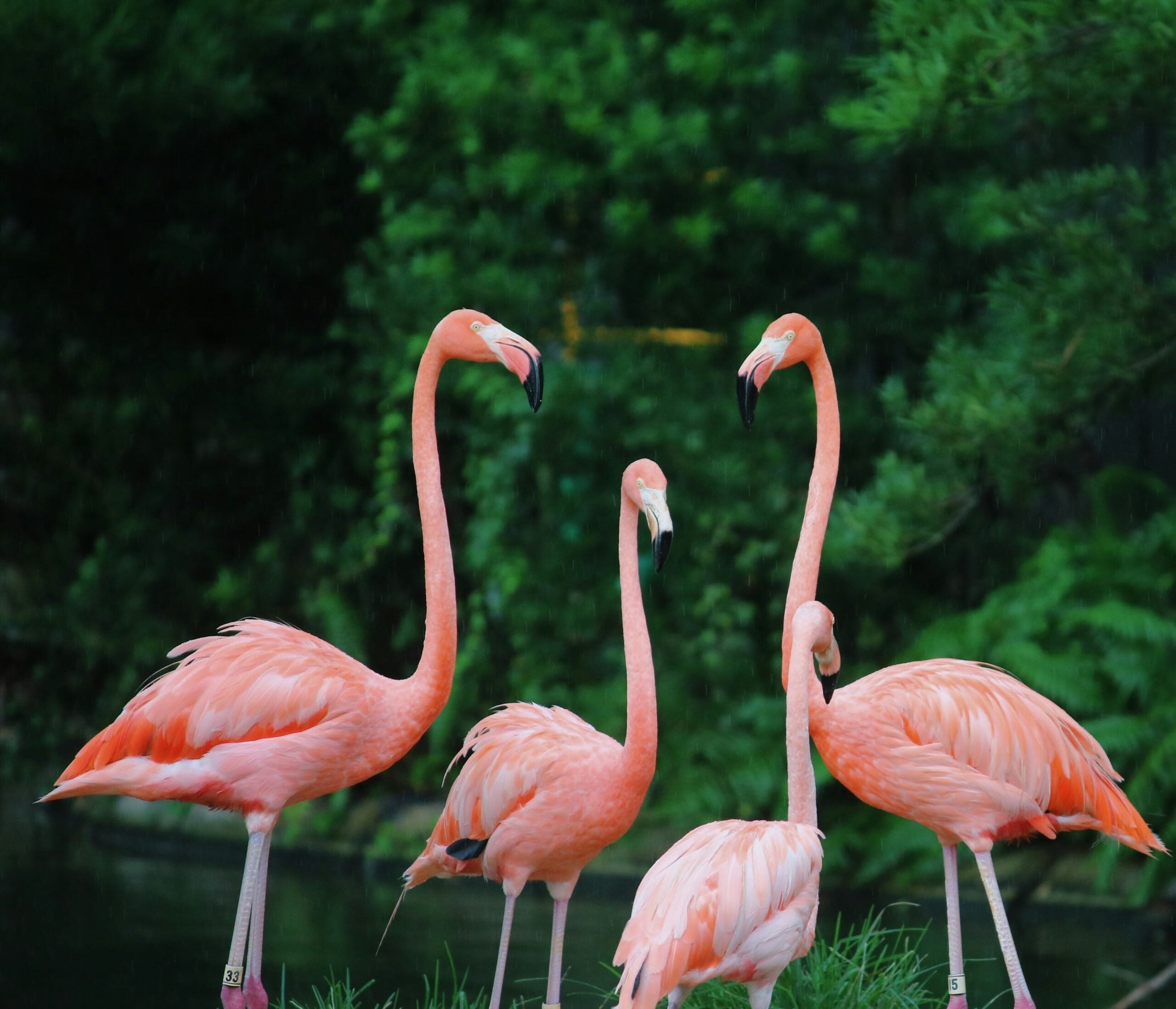
When feeding, flamingos place their heads upside down in the water with their bills pointed toward their feet, then sweep side to side. This weird posture isn’t a mistake; their L-shaped beaks are specifically designed to work in this inverted position, creating vortices that stir up prey from the bottom.
What looks clumsy is actually a masterclass in physics.
Their Tongues Work Like Pistons
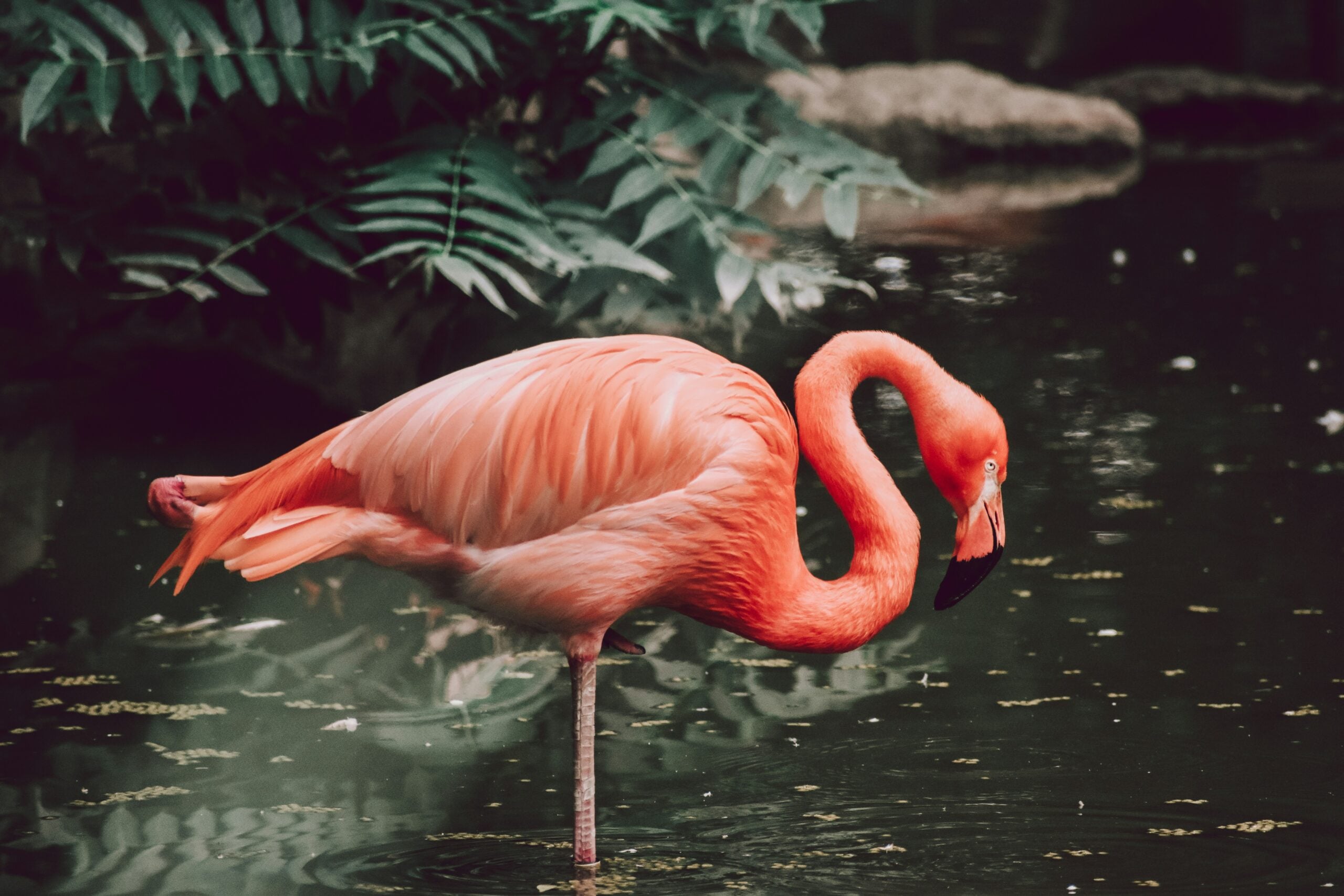
The flamingo tongue acts like a piston, pumping water in and out of the bill to filter food. Lesser flamingos pump water through their bills an astonishing 20 times per second, while Caribbean flamingos operate at a slower but still impressive 4 to 5 times per second.
This rapid-fire action creates a current that draws food-laden water through the filtering system.
They Have Built-In Sieves
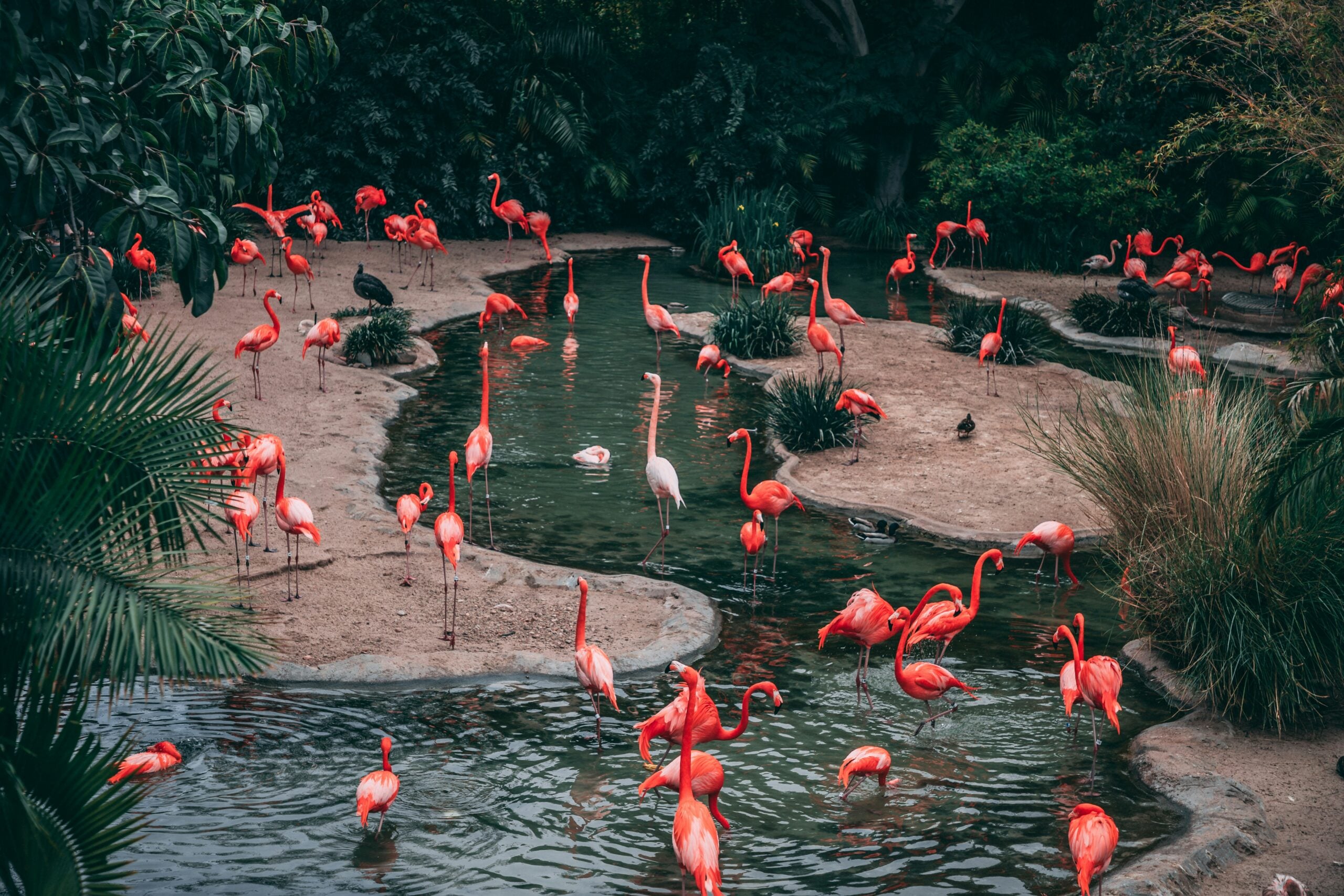
Comb-like structures called lamellae line the edges of a flamingo’s bill and act as filters, trapping shrimp, algae, and other small organisms while letting water escape. The size and structure of these lamellae vary by species, with some flamingos having fine filters for microscopic algae and others having coarser filters for larger prey.
Think of them as nature’s custom-built strainers, each species equipped for its preferred menu.
Like Go2Tutors’s content? Follow us on MSN.
Different Species Have Different Diets
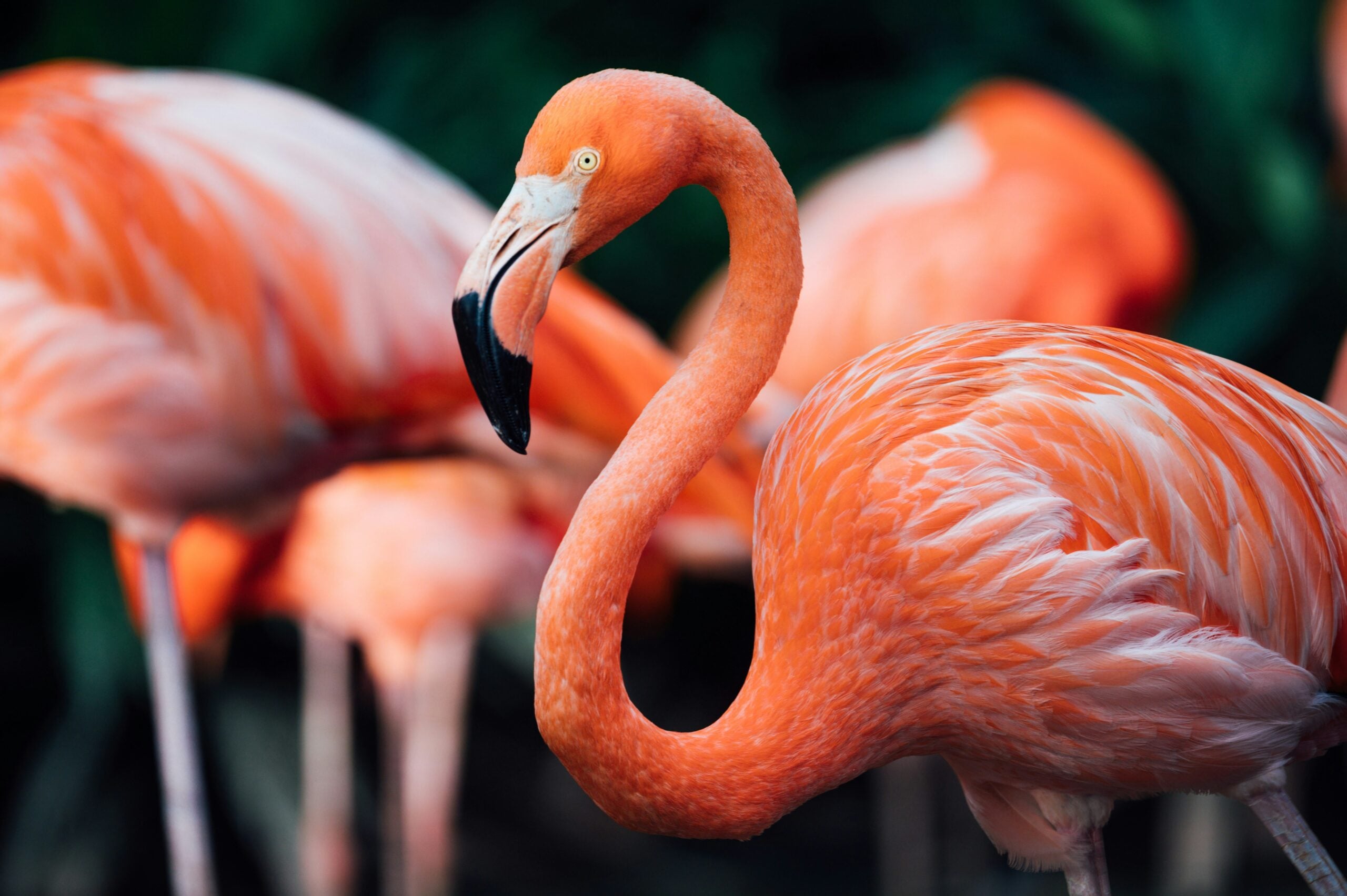
Lesser, James’s, and Andean flamingos have deep-keeled bills and feed mainly on algae and diatoms, while Greater, Caribbean, and Chilean flamingos have shallow-keeled bills and consume insects, aquatic invertebrates, and small fish. This dietary specialization allows multiple flamingo species to coexist in the same habitat without competing for resources.
Each species has evolved to exploit a different food niche.
They Stomp Their Feet to Stir Up Dinner
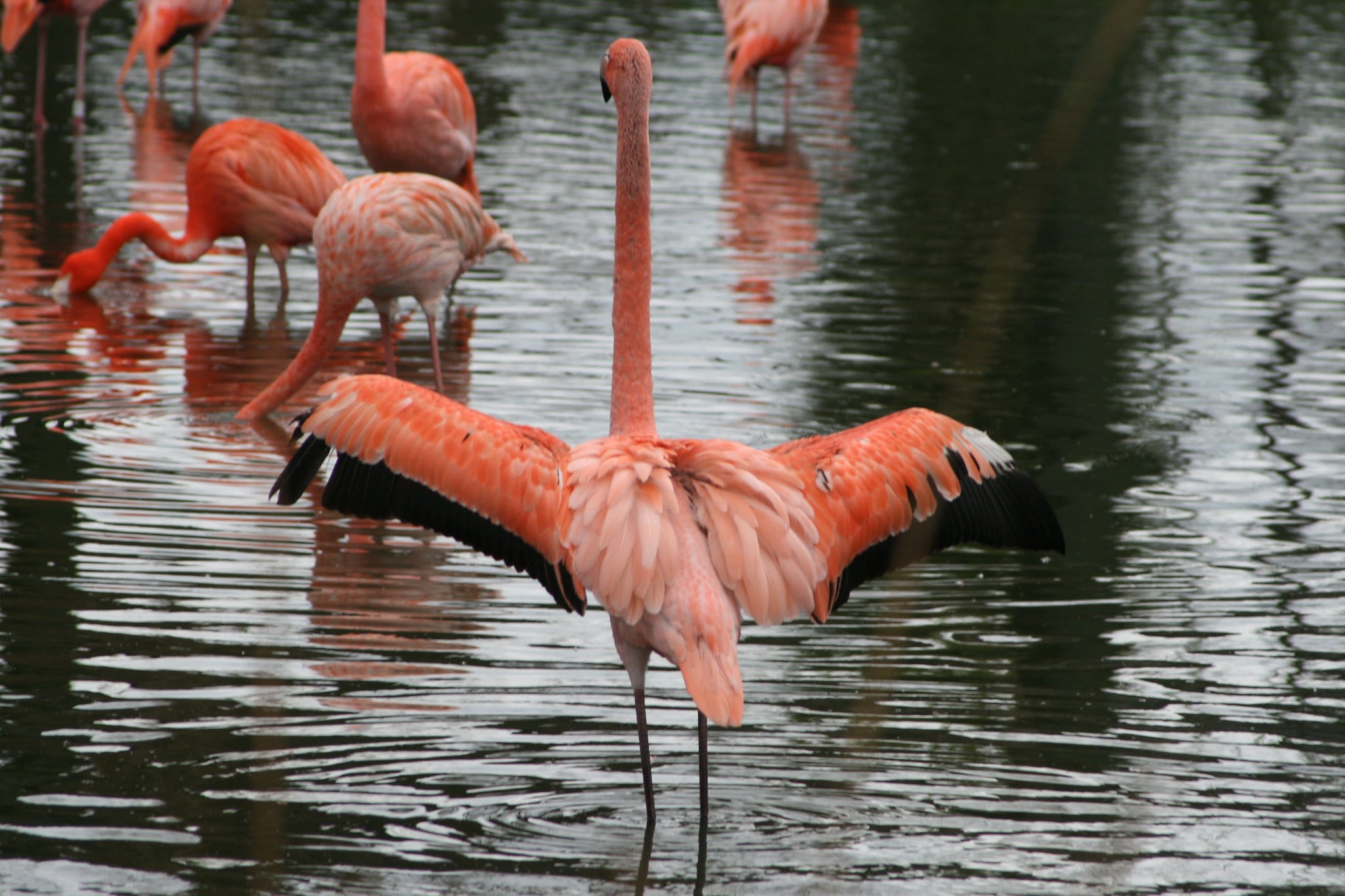
Flamingos stamp their webbed feet on the muddy bottom to create vortices that push food particles toward their bills. The asymmetry in their toe and web structure helps direct these vortices to exactly where their beaks are positioned.
It’s like having a built-in food delivery system powered by simple foot stomps.
They Can Drink Boiling Hot and Salty Water
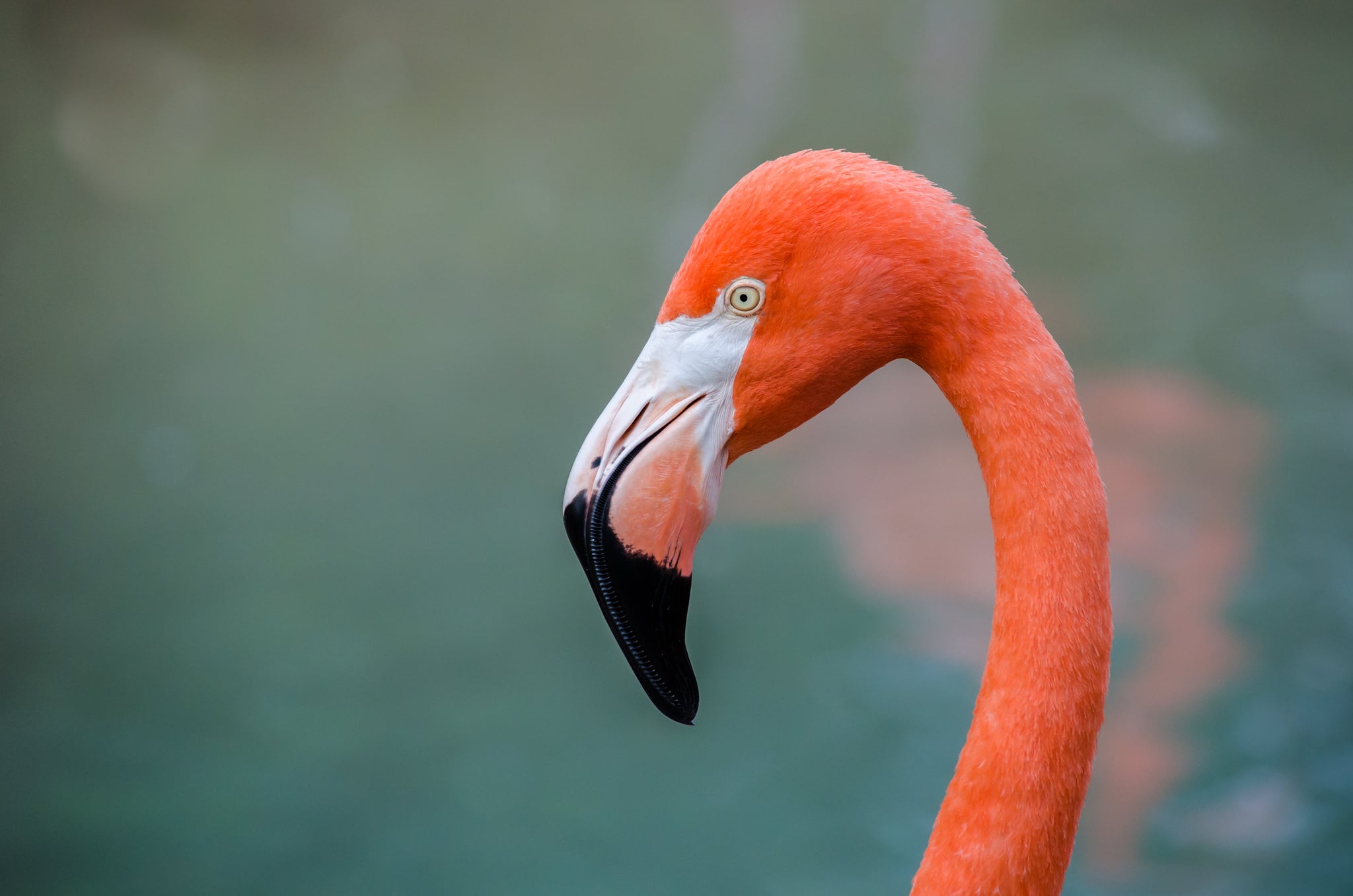
Flamingos have specialized glands under their eyes that remove excess salt from their bodies, allowing them to drink both freshwater and saltwater. Some species breed and raise young in extremely salty alkaline lakes with carbonate salt concentrations so corrosive they can burn skin, making the water uninhabitable for most animals.
These birds have evolved to thrive where others can’t even survive.
Like Go2Tutors’s content? Follow us on MSN.
A Single Flamingo Can Eat Thousands of Shrimp Daily
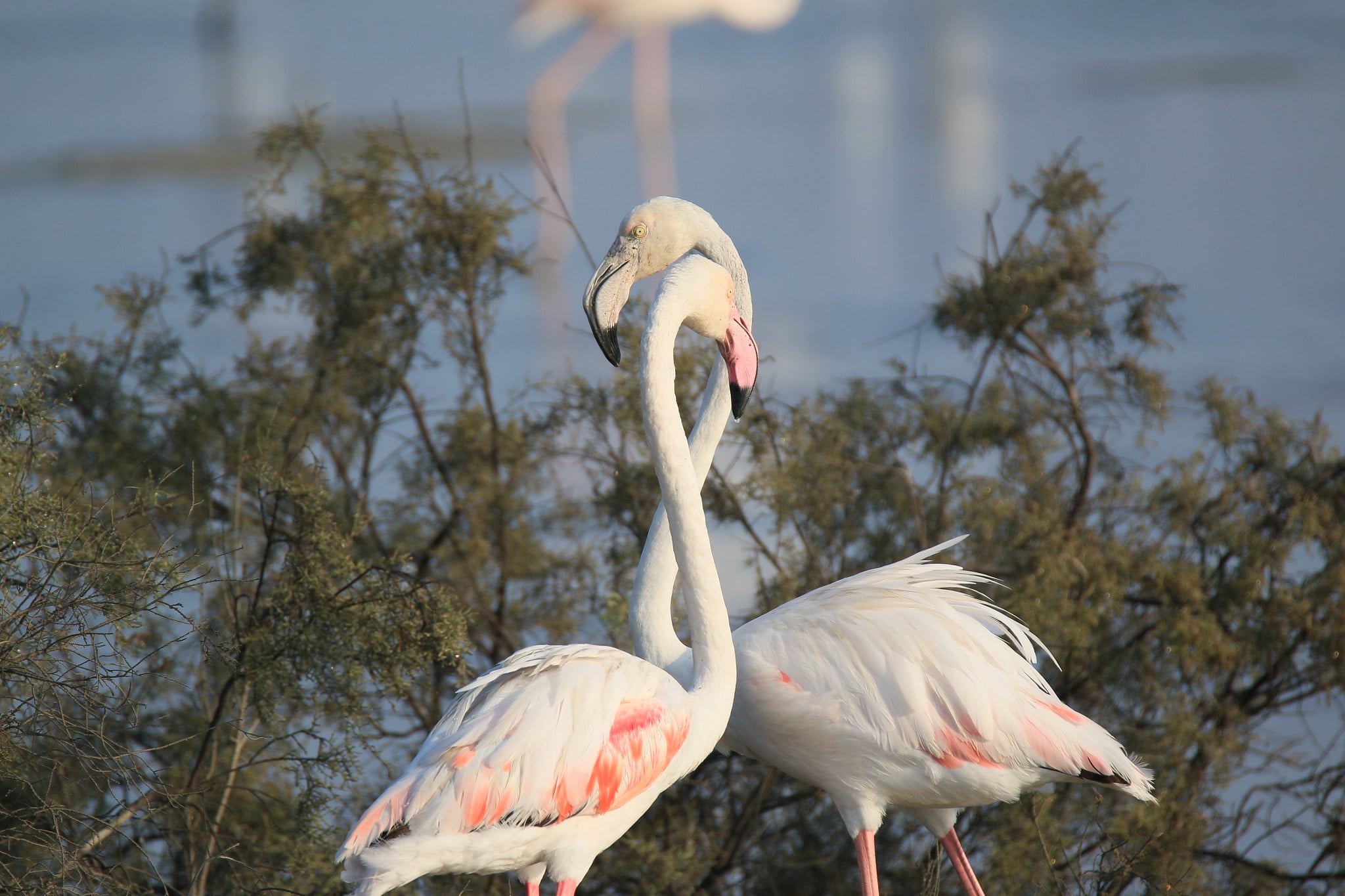
Flamingos can consume thousands of brine shrimp in a single day, which provides both essential nutrients and the pigments that affect their coloration. Caribbean flamingos need about 270 grams of dry food weight daily.
That’s a staggering amount of tiny organisms to filter from the water, but their efficient feeding system makes it possible.
They Feed Their Chicks Blood-Red Milk
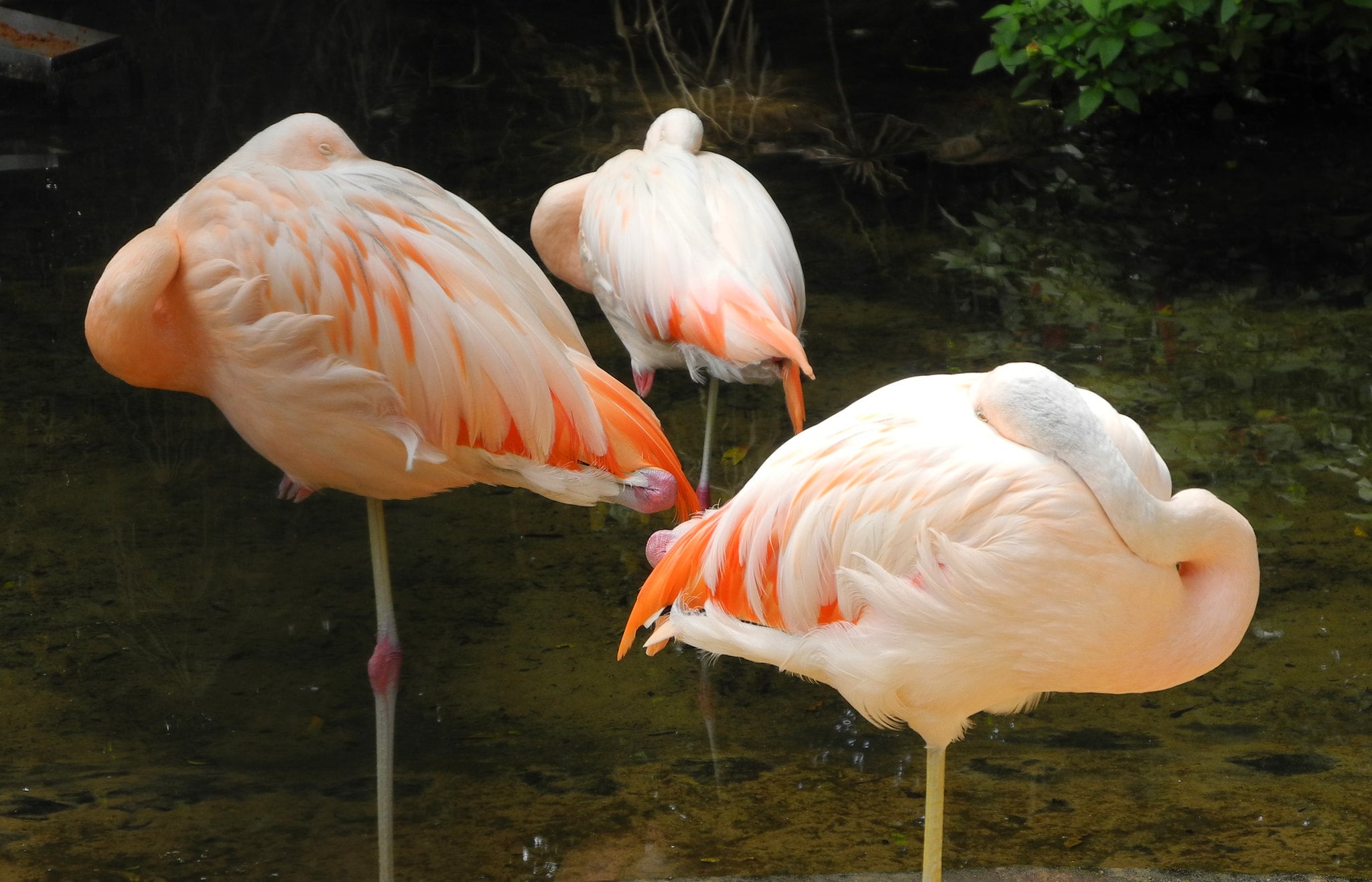
Both male and female flamingos produce a substance called crop milk from glands in their upper digestive tract, which they regurgitate to feed their young. This milk is bright red because it contains the same carotenoid pigments that give adult flamingos their pink color, along with high levels of fat and protein.
It looks shockingly violent, but it’s actually a nutritious meal perfectly suited for chicks whose beaks aren’t developed enough to filter feed yet.
Their Bills Are Reversed Compared to Other Birds
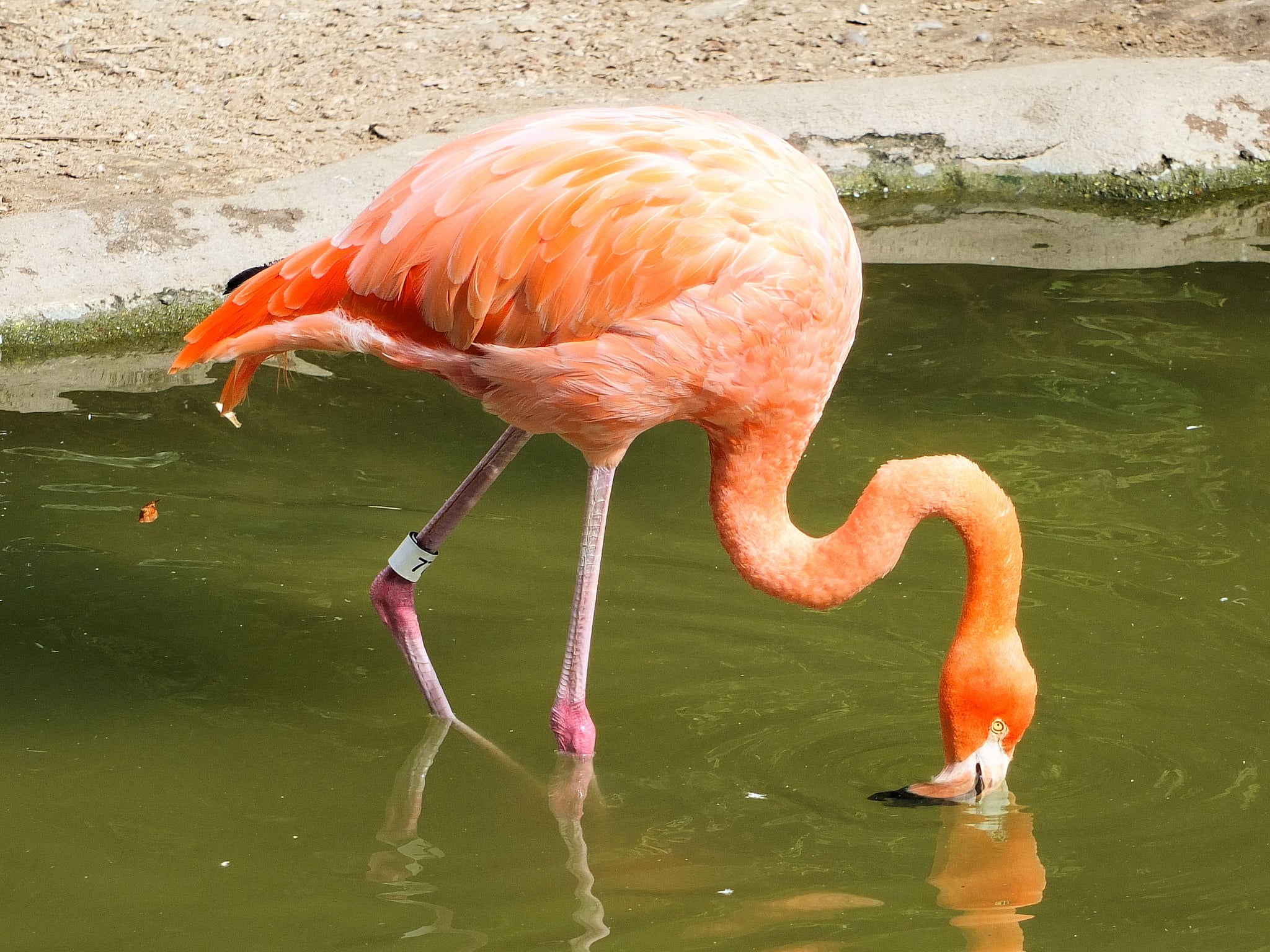
In flamingos, the lower bill is much larger and stronger than the upper one, which is the opposite of most birds. The upper jaw is movable rather than rigidly fixed to the skull.
This reversed structure is a key adaptation for their unique upside-down feeding style.
Like Go2Tutors’s content? Follow us on MSN.
They Create Mini Tornadoes While Feeding
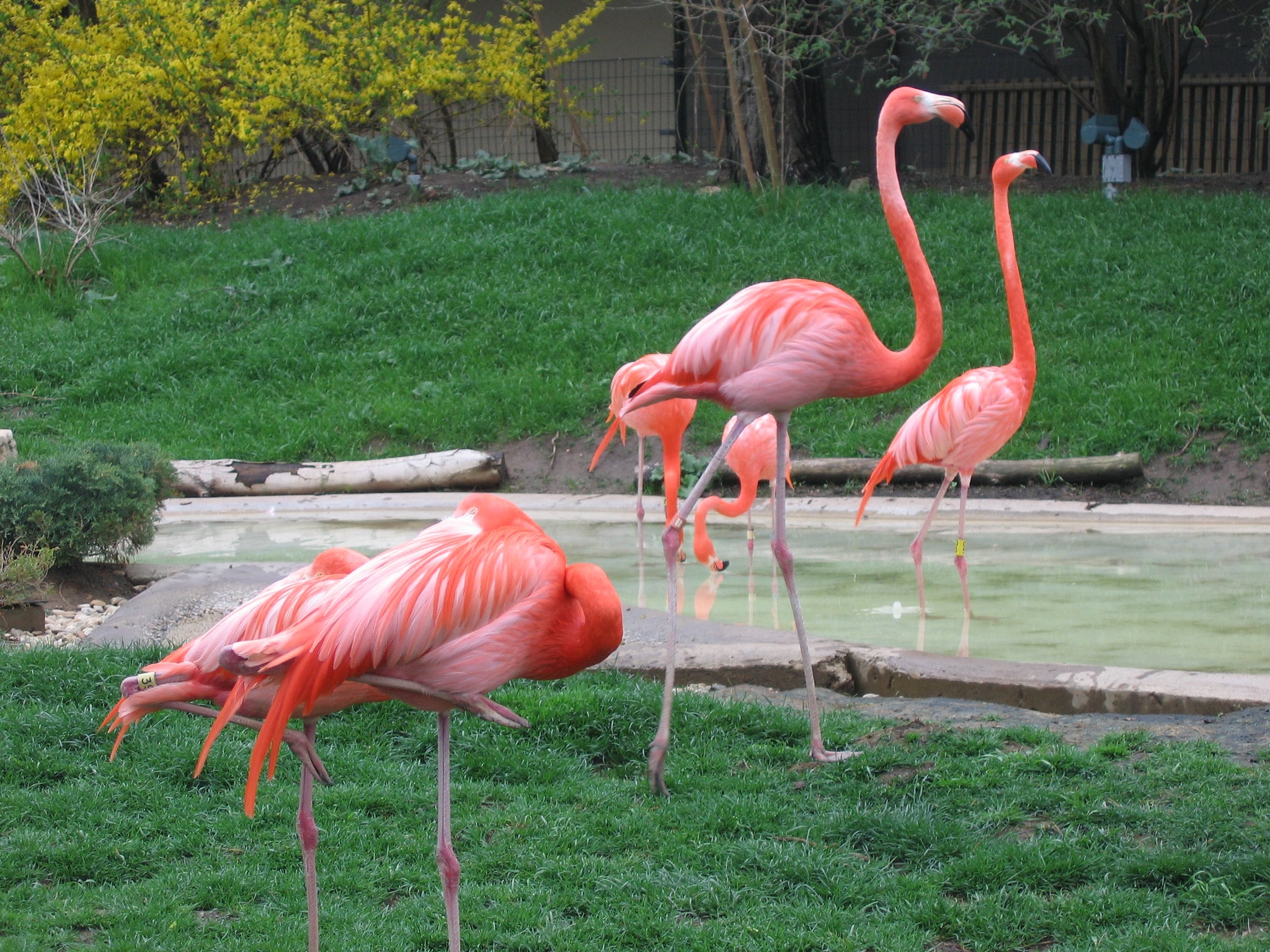
When flamingos bob their heads up from the water, the L-shaped bill creates tiny vortices that stir up prey and trap it long enough for the bird to duck back in and scoop it up. Even their chattering motion produces directional flow that pulls food toward their beaks.
Every movement is designed to manipulate water and maximize food capture.
Zoo Flamingos Need Color Supplements
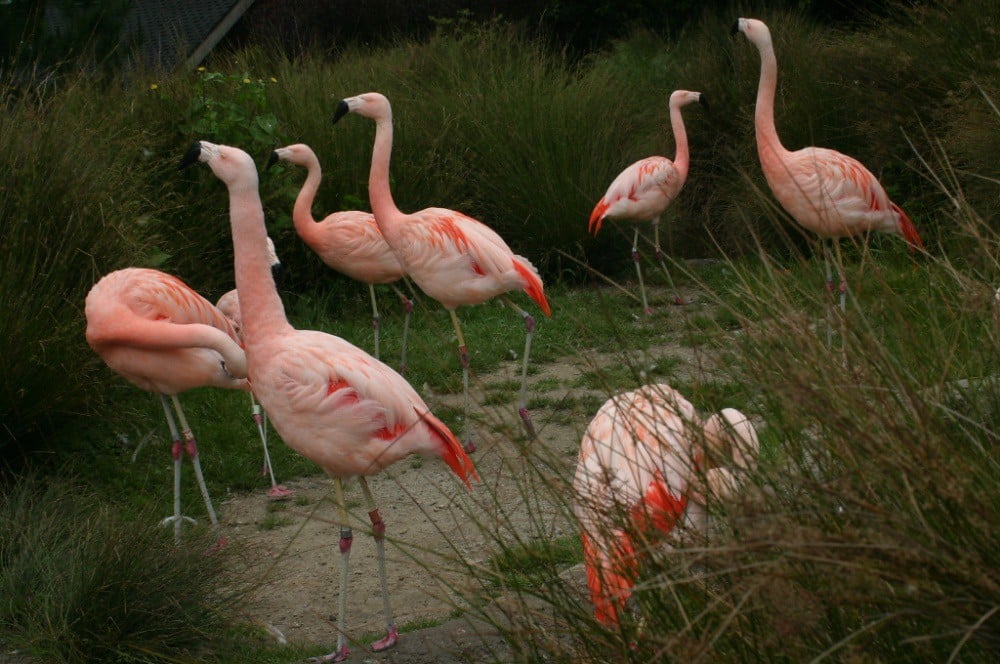
In captivity, flamingos require special diets enriched with carotenoid pigments to maintain their pink coloration. Initially, zoos fed them carrots, red peppers, and dried shrimp, but synthetic canthaxanthin is now commonly added to flamingo pellets to ensure they stay vibrantly colored.
Without these supplements, captive flamingos would gradually fade to white or pale pink.
Parent Flamingos Lose Color While Raising Chicks
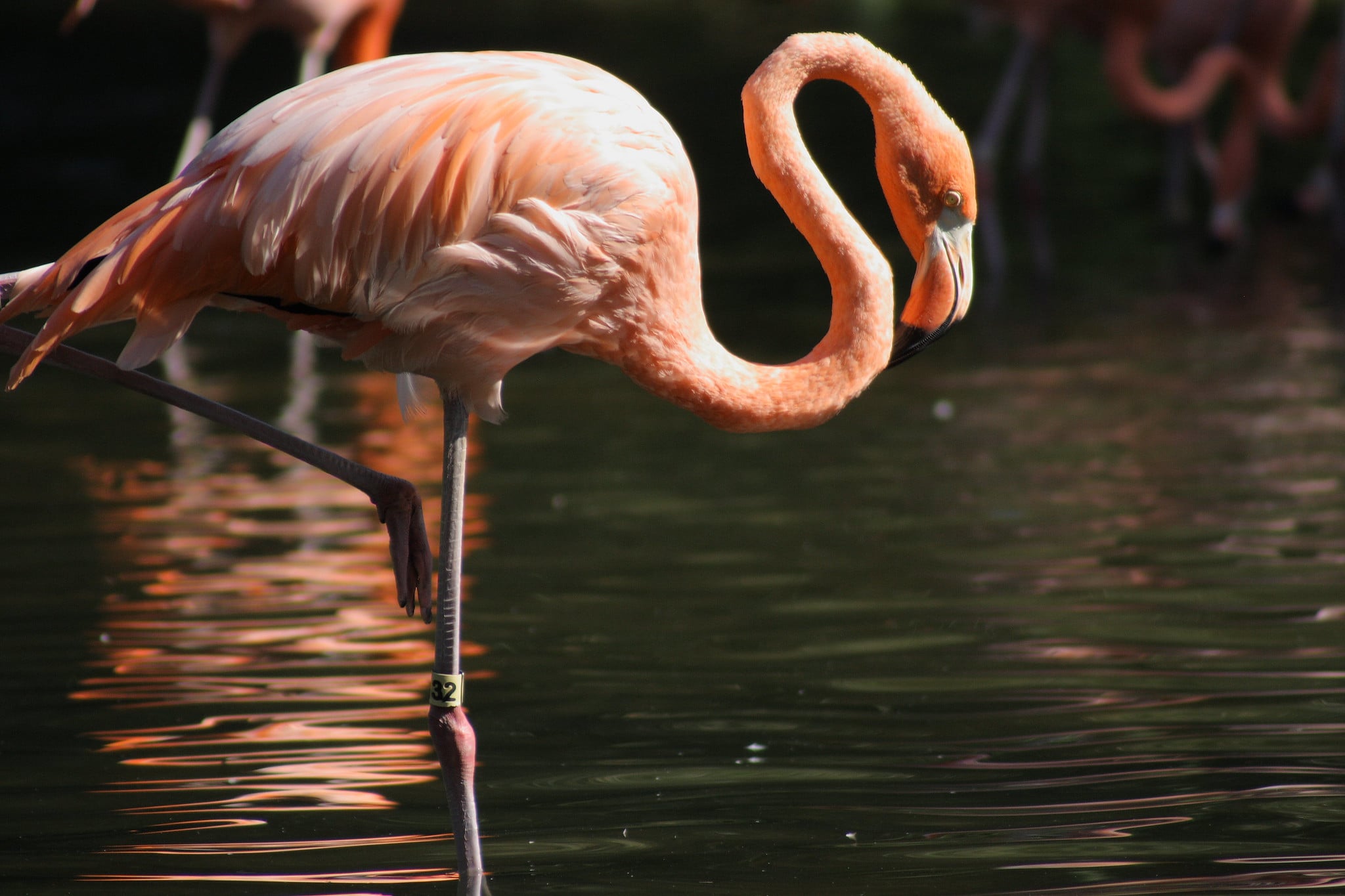
Male and female flamingos may lose some of their pink coloration while raising young. Producing crop milk for up to six months demands significant energy and resources, which can deplete the carotenoid pigments stored in their bodies.
It’s a visible sign of the parental investment these birds make in their offspring.
Like Go2Tutors’s content? Follow us on MSN.
Their Feeding System Inspired Engineering Solutions
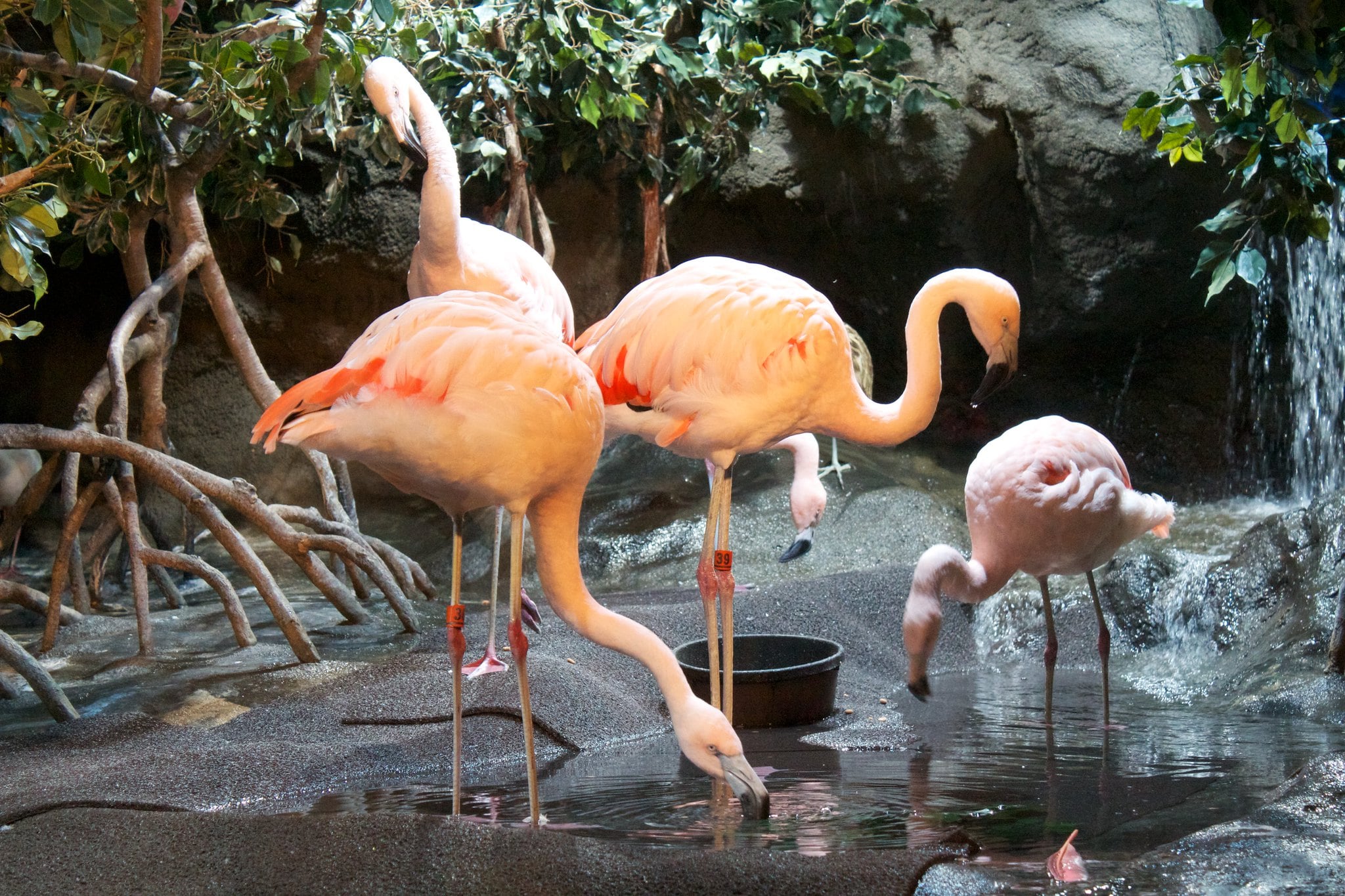
Researchers studying flamingo feeding behavior discovered that the vortex-inducing techniques flamingos use could help improve water filtration systems that frequently clog with debris. Experiments show that beak chattering can improve particle capture rates by about seven times.
Scientists are now using flamingo-inspired methods to develop better ways to filter pollutants and microorganisms from water.
Where Pink Meets Purpose
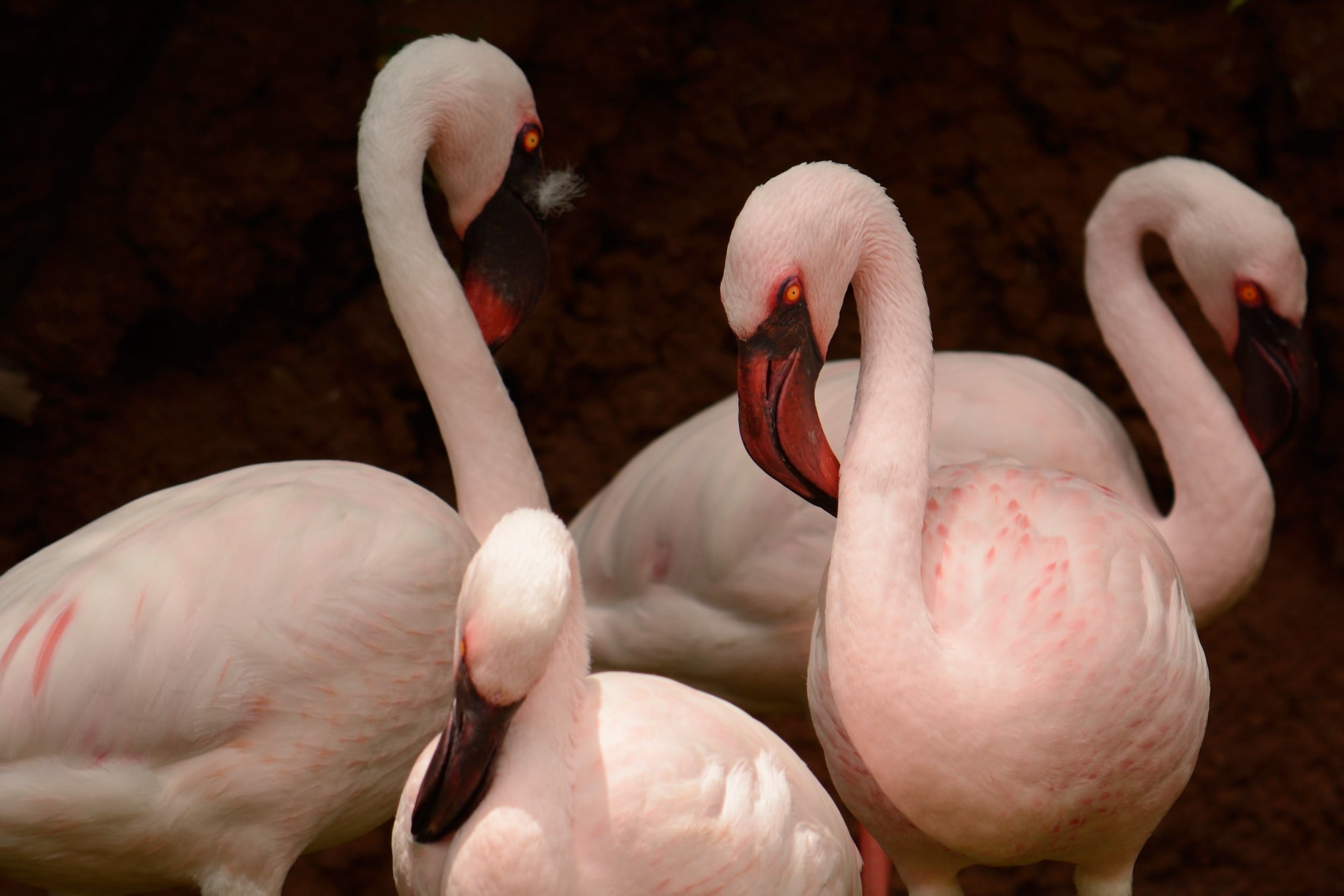
Flamingos demonstrate that evolution solves issues in a stylish way. These birds’ carotenoid-powered coloring, piston-like tongues, and upside-down feeding strategy aren’t just oddities; they’re well-designed adaptations that enable them to thrive in some of the most harsh wetland environments on Earth.
Flamingos have made dietary specialization an art form, from the Caribbean lagoons to the East African soda lakes. Remember that beneath its graceful exterior is a feeding machine that has been in the making for millions of years the next time you see one standing on one leg in seemingly impossible water.
More from Go2Tutors!

- 16 Historical Figures Who Were Nothing Like You Think
- 12 Things Sold in the 80s That Are Now Illegal
- 15 VHS Tapes That Could Be Worth Thousands
- 17 Historical “What Ifs” That Would Have Changed Everything
- 18 TV Shows That Vanished Without a Finale
Like Go2Tutors’s content? Follow us on MSN.