15 Famous Photographs That Almost Never Got Taken
Photography’s a weird game of chance. You’re in the right spot with your camera, or you’re not. But some of history’s most famous shots nearly vanished before they ever existed—saved by gut instincts, dumb luck, or photographers who wouldn’t quit when everything fell apart.
These stories show us something important: behind every iconic image sits a moment where it could’ve all gone sideways. Here are 15 famous photographs that almost never got taken.
The Afghan Girl
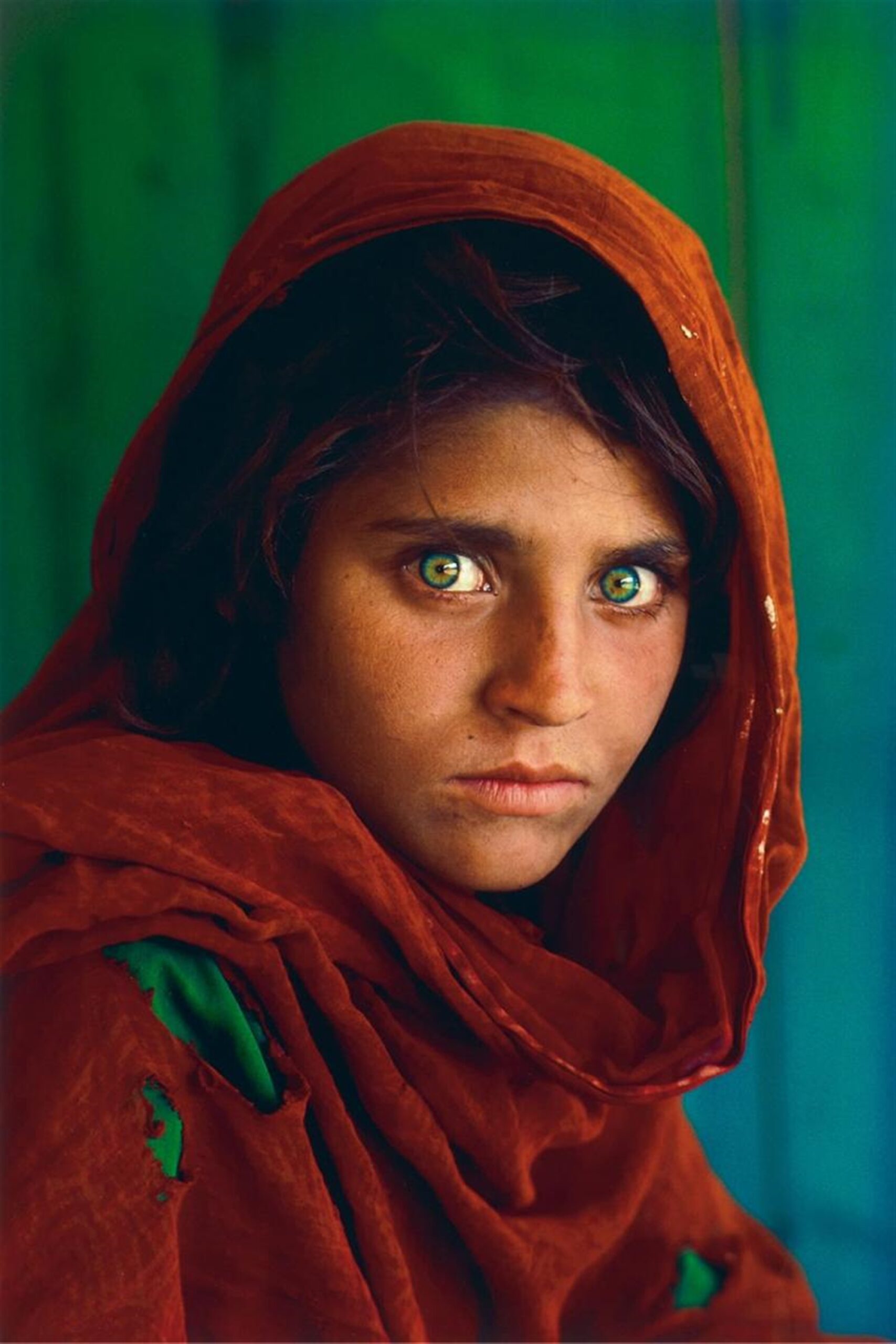
Steve McCurry was wrapping up a assignment in Pakistan when he spotted Sharbat Gula in a refugee classroom. She didn’t want her picture taken—not at first, anyway.
McCurry had to work through a translator, waiting patiently while she made up her mind. When she finally looked straight into his lens, he captured what would become National Geographic’s most recognizable cover, though he had no clue about its future impact.
Lunch Atop a Skyscraper
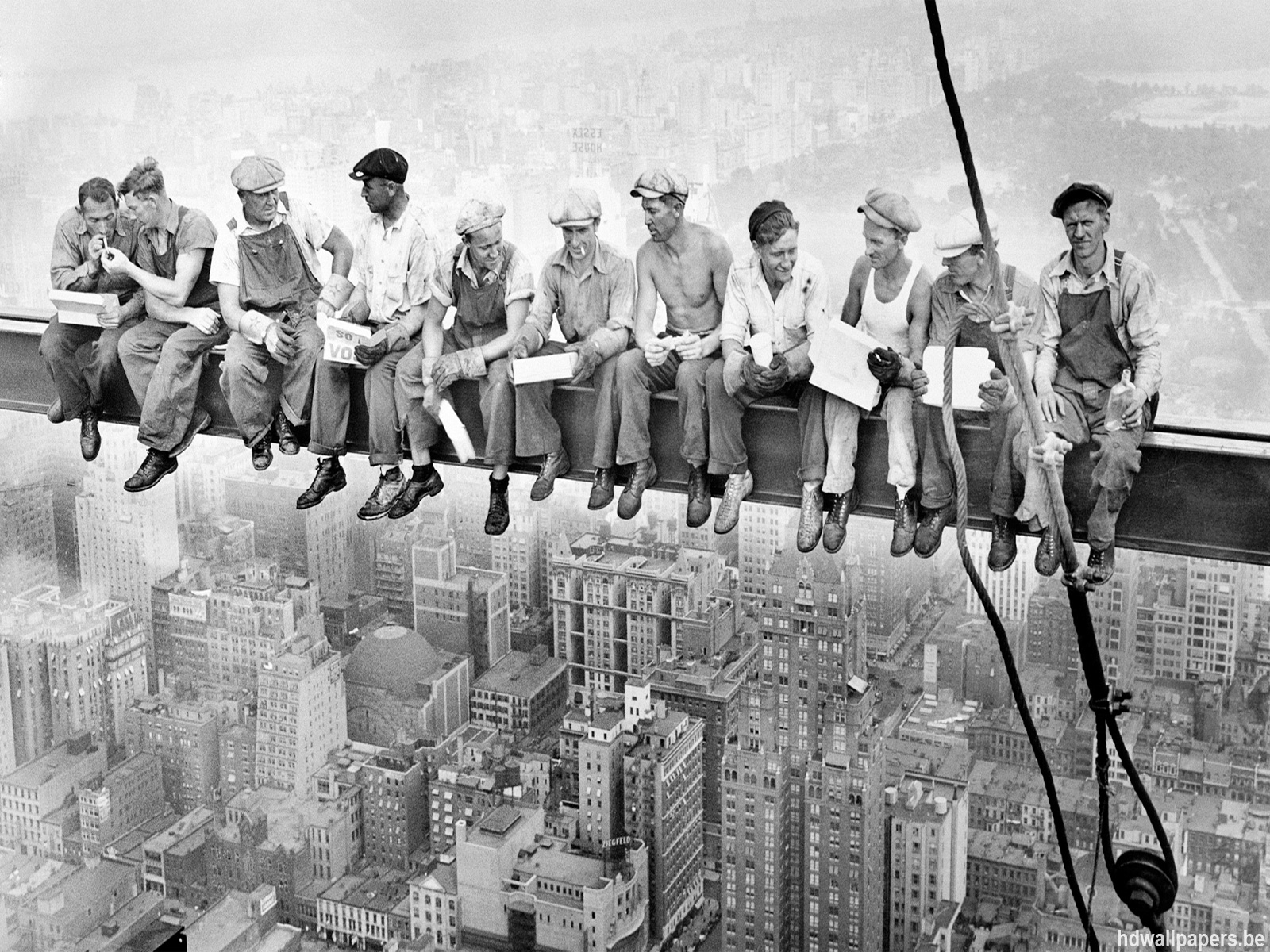
This image of construction workers casually eating lunch on a steel beam above New York almost disappeared because nobody knows who actually took it. The shot was part of Rockefeller Center’s publicity campaign, yet the original negatives nearly got lost in the Bettmann Archive.
What makes it even crazier? This wasn’t some candid moment—it was staged, but those workers really were sitting up there without safety equipment.
The Beatles Abbey Road
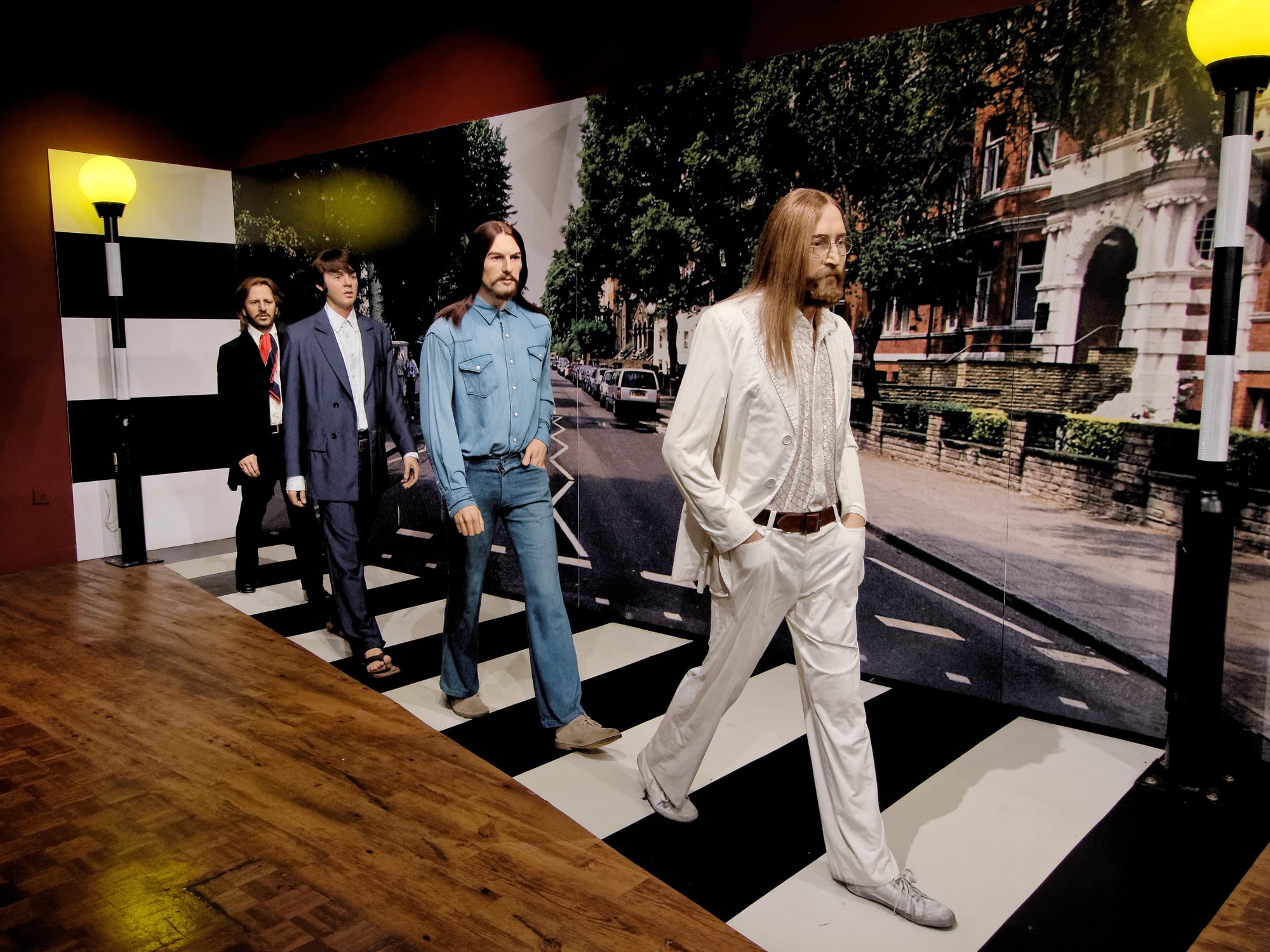
Iain Macmillan had exactly ten minutes to capture the Abbey Road cover while a police officer held up London traffic. The Beatles walked across that zebra crossing just six times—Macmillan shot six frames total.
The fifth frame became legendary, but if they’d taken any longer, the whole concept would’ve been scrapped due to traffic chaos.
Migrant Mother
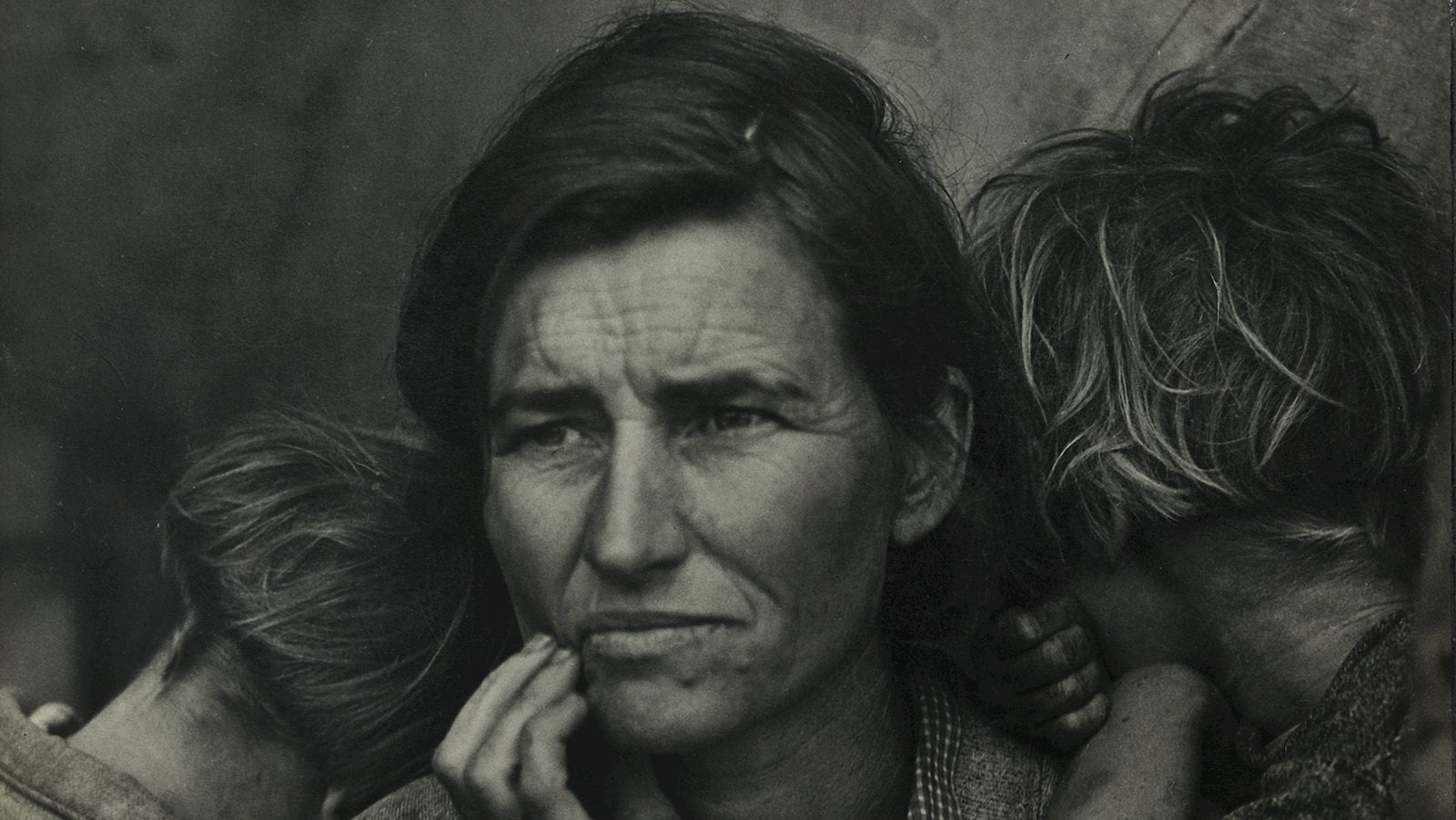
Dorothea Lange drove right past the pea picker’s camp in, thinking she had enough material. Something pulled her back though—she later described it as being drawn ‘like a magnet.’
Those final shots of Florence Owens Thompson and her children became the most powerful images of the Great Depression. Without that strange intuition, this defining photograph might not exist.
V-J Day in Times Square
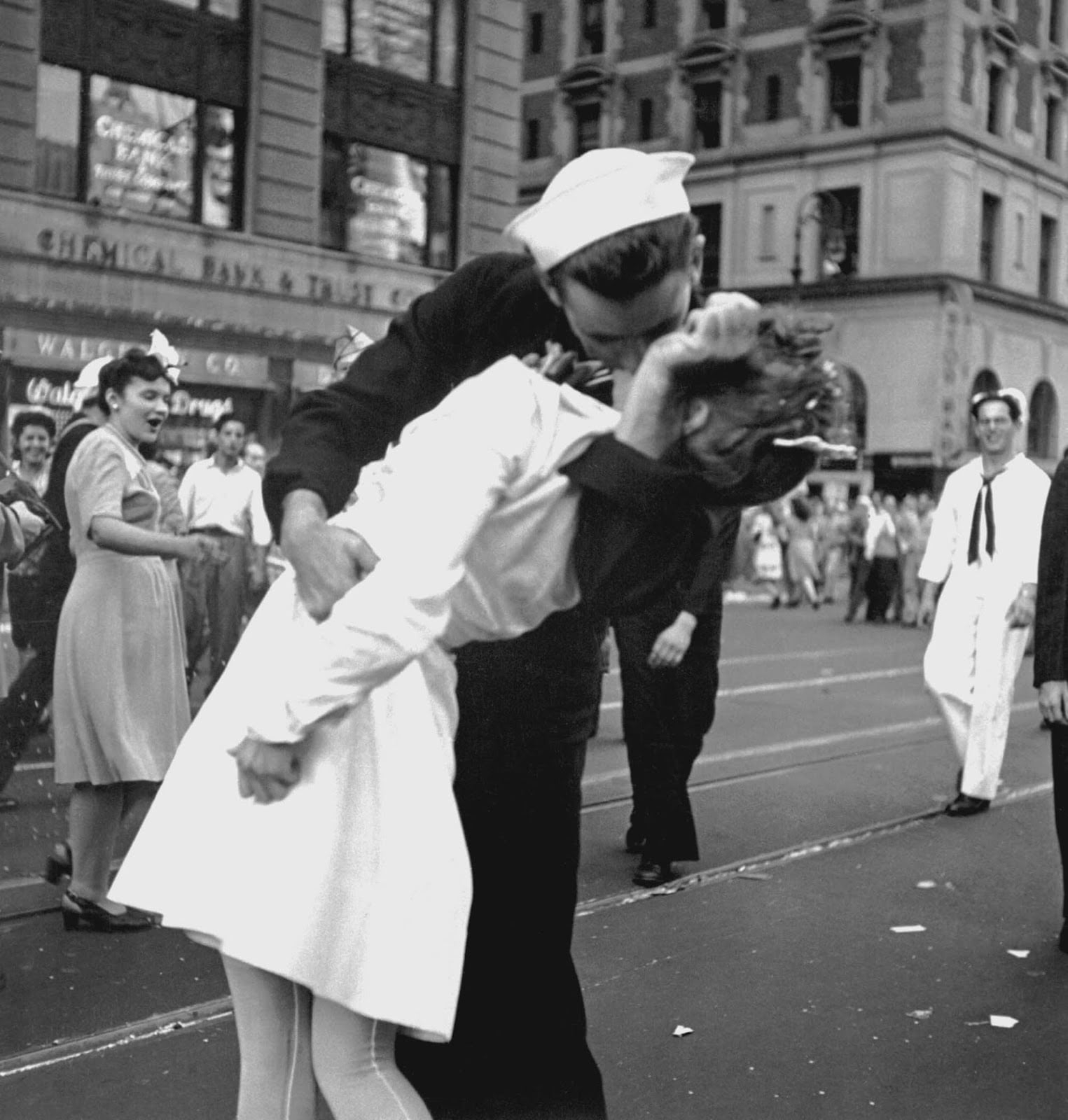
Alfred Eisenstaedt was using completely wrong camera settings when he stumbled onto Times Square on August, Japan had just surrendered, and he spotted that sailor grabbing a nurse for a kiss.
The lighting was terrible for his Leica, but he fired off several shots anyway—not knowing if any would turn out. One became the most celebrated photograph of the twentieth century.
Falling Man
Richard Drew’s haunting September eleventh photograph almost stayed buried because editors thought it was too disturbing. Drew captured a man falling from the North Tower, yet most newspapers refused to publish it.
Those that did faced serious backlash. The image nearly vanished into obscurity until people recognized its historical importance—though Drew himself didn’t grasp what he’d captured until much later.
Tank Man
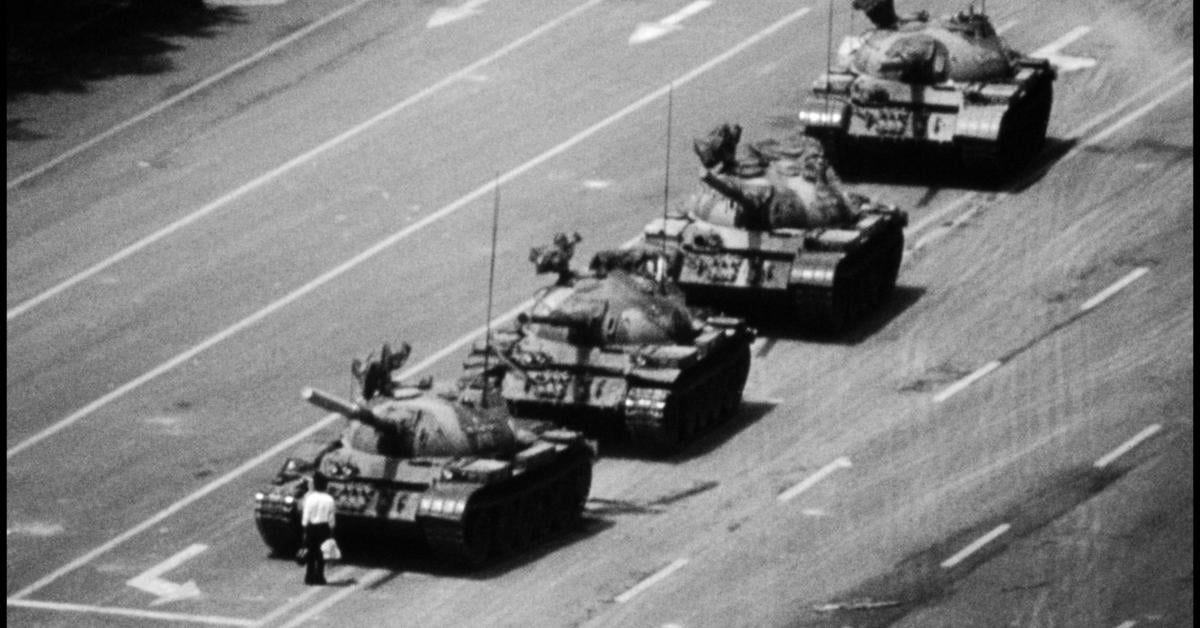
Jeff Widener’s Tiananmen Square photograph almost never reached the world since Chinese authorities were actively blocking coverage. Widener was recovering from a head injury when he shot the image from his hotel balcony—then had to smuggle the film out in a thermos.
Other photographers captured the same scene, but their images got confiscated or destroyed.
Earthrise
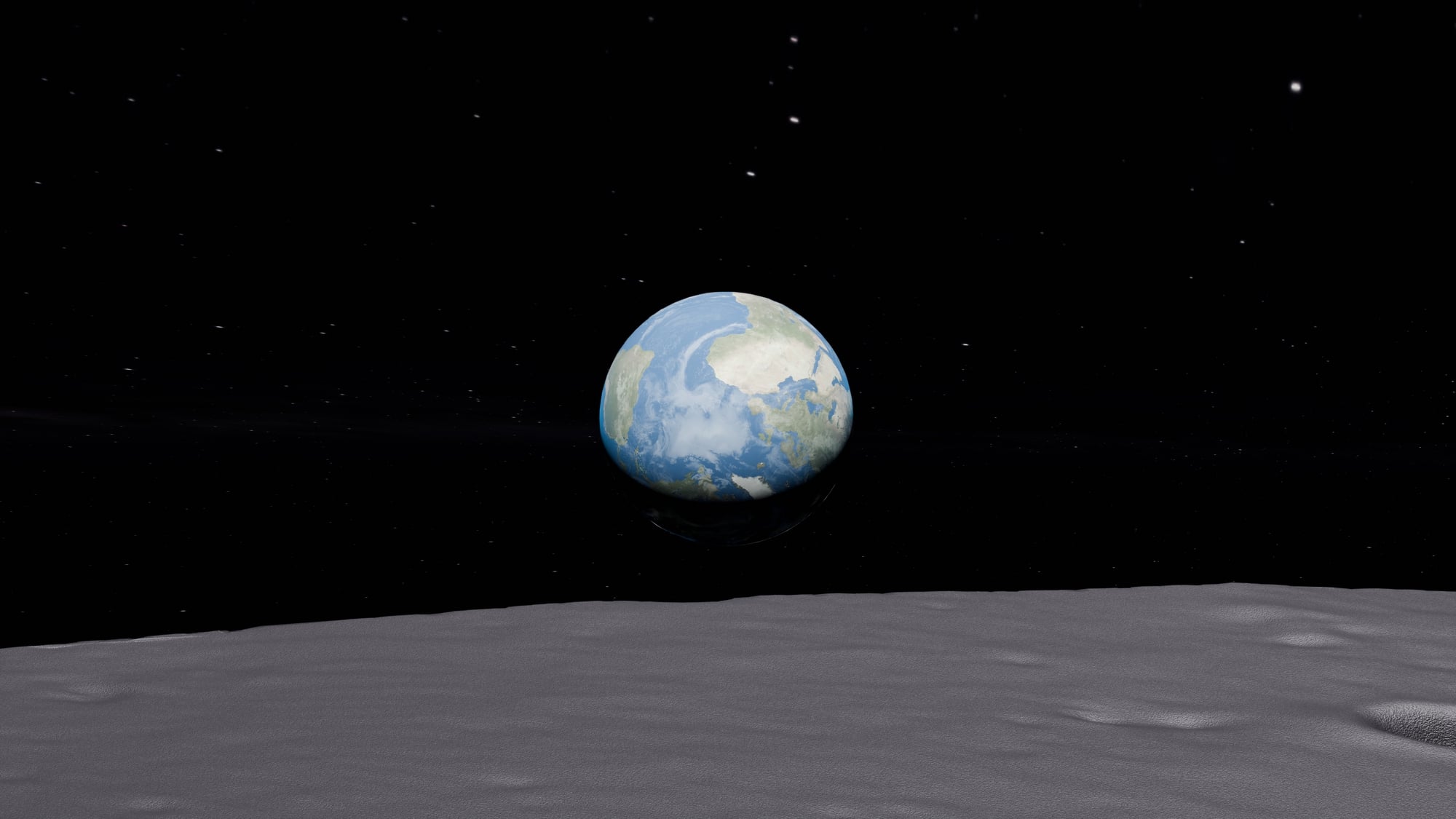
William Anders’ Earth-over-lunar-horizon shot during Apollo wasn’t even planned. The astronauts were photographing the moon’s surface when Anders noticed Earth appearing over the horizon.
He scrambled to find color film, later admitting he wasn’t sure the image would work. This spontaneous photograph changed how humanity sees our planet.
The Vulture and the Little Girl
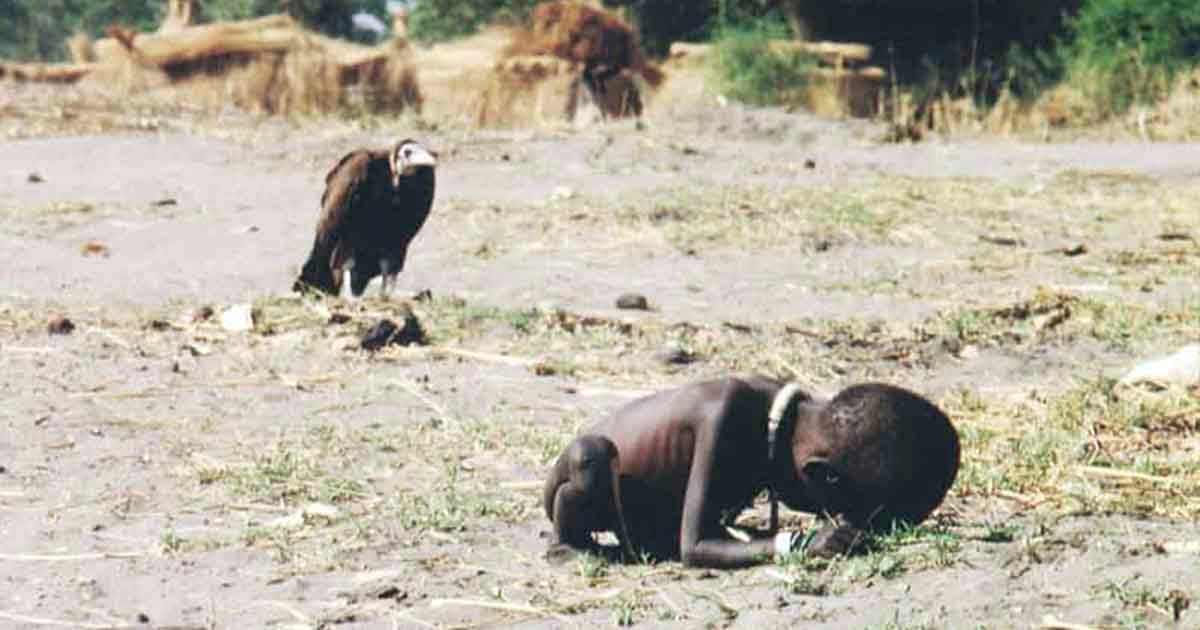
Kevin Carter’s Pulitzer-winning photograph from Sudan almost didn’t happen because he initially found the scene too disturbing to document. He waited minutes for the vulture to spread its wings while wrestling with whether to intervene or capture the moment.
The photograph brought international attention to Sudan’s famine, though it sparked intense debate about photographers’ responsibilities.
Gandhi and the Spinning Wheel
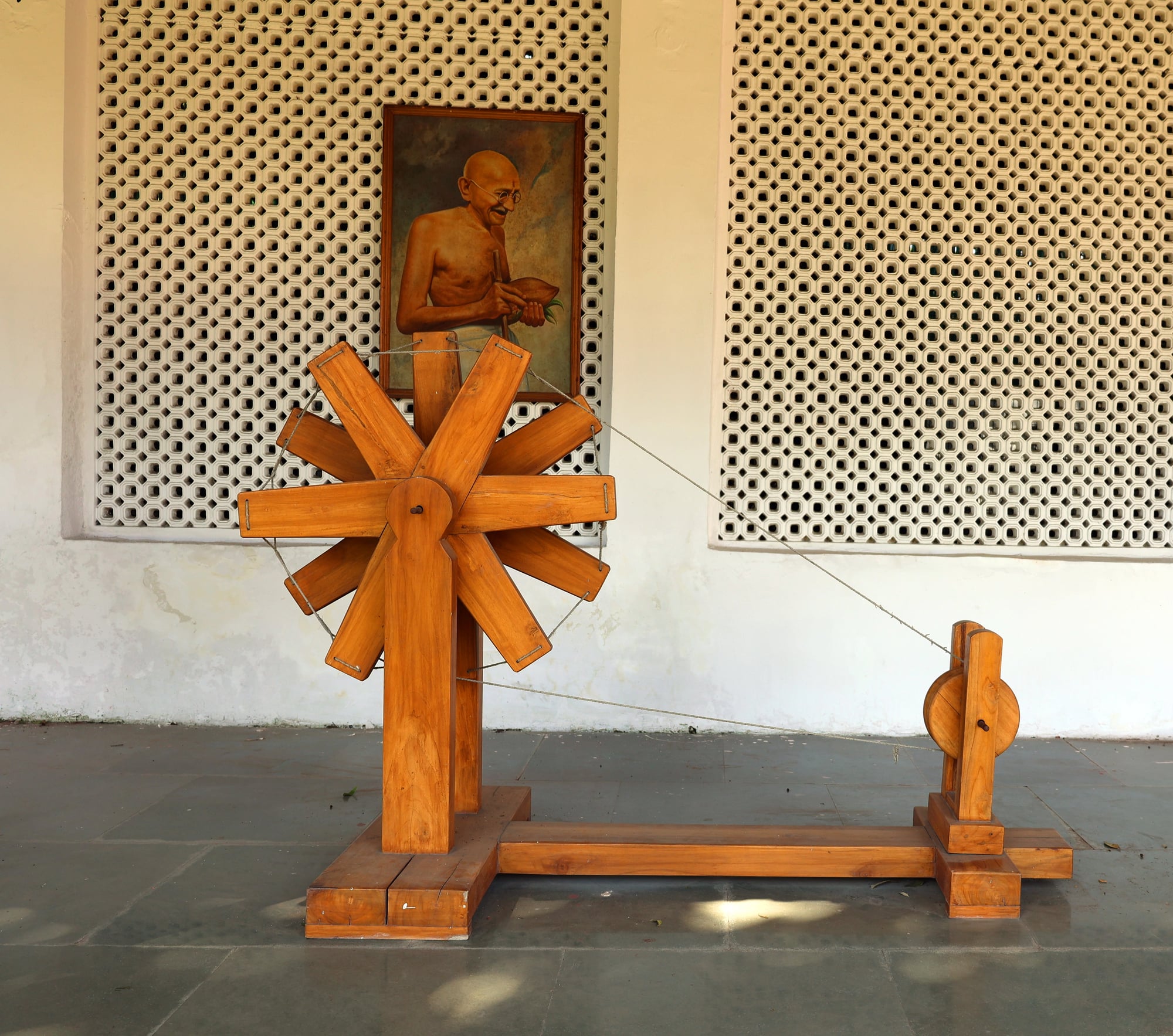
Margaret Bourke-White’s iconic Gandhi portrait nearly didn’t exist because his assistant refused photography during evening prayers. Bourke-White waited hours for permission—then got told she could only use two flash bulbs.
She composed the shot beforehand and had one chance to nail it. The resulting image, taken hours before Gandhi’s assassination, became one of photography’s most powerful portraits.
Che Guevara
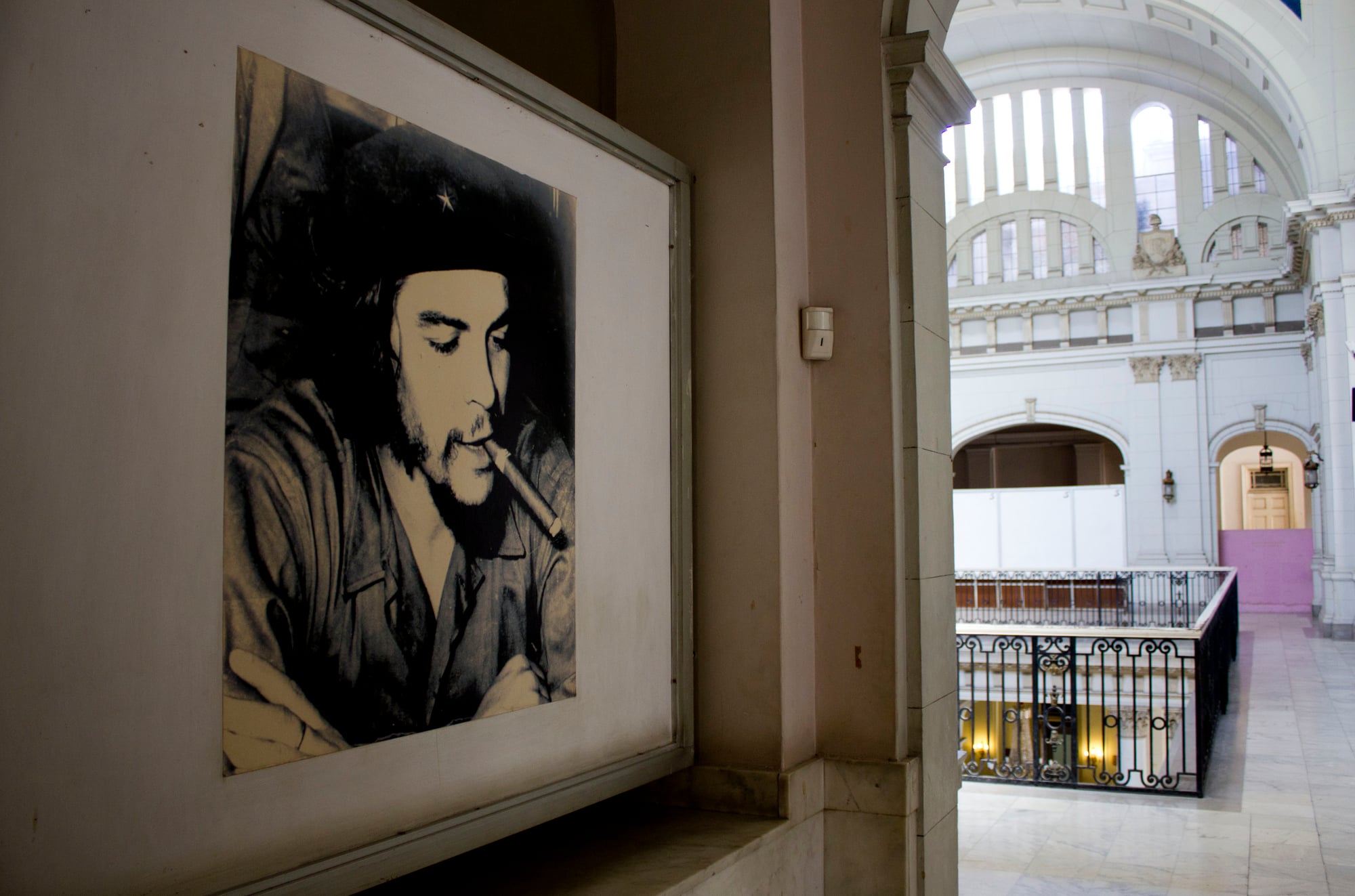
Alberto Korda’s famous Che Guevara portrait at a memorial service almost went completely unnoticed. His newspaper never published the photograph initially.
It collected dust in Korda’s files for years until the counterculture movement made Che an icon. The image later became one of history’s most reproduced photographs, though Korda never saw royalties from its use.
Muhammad Ali vs. Sonny Liston
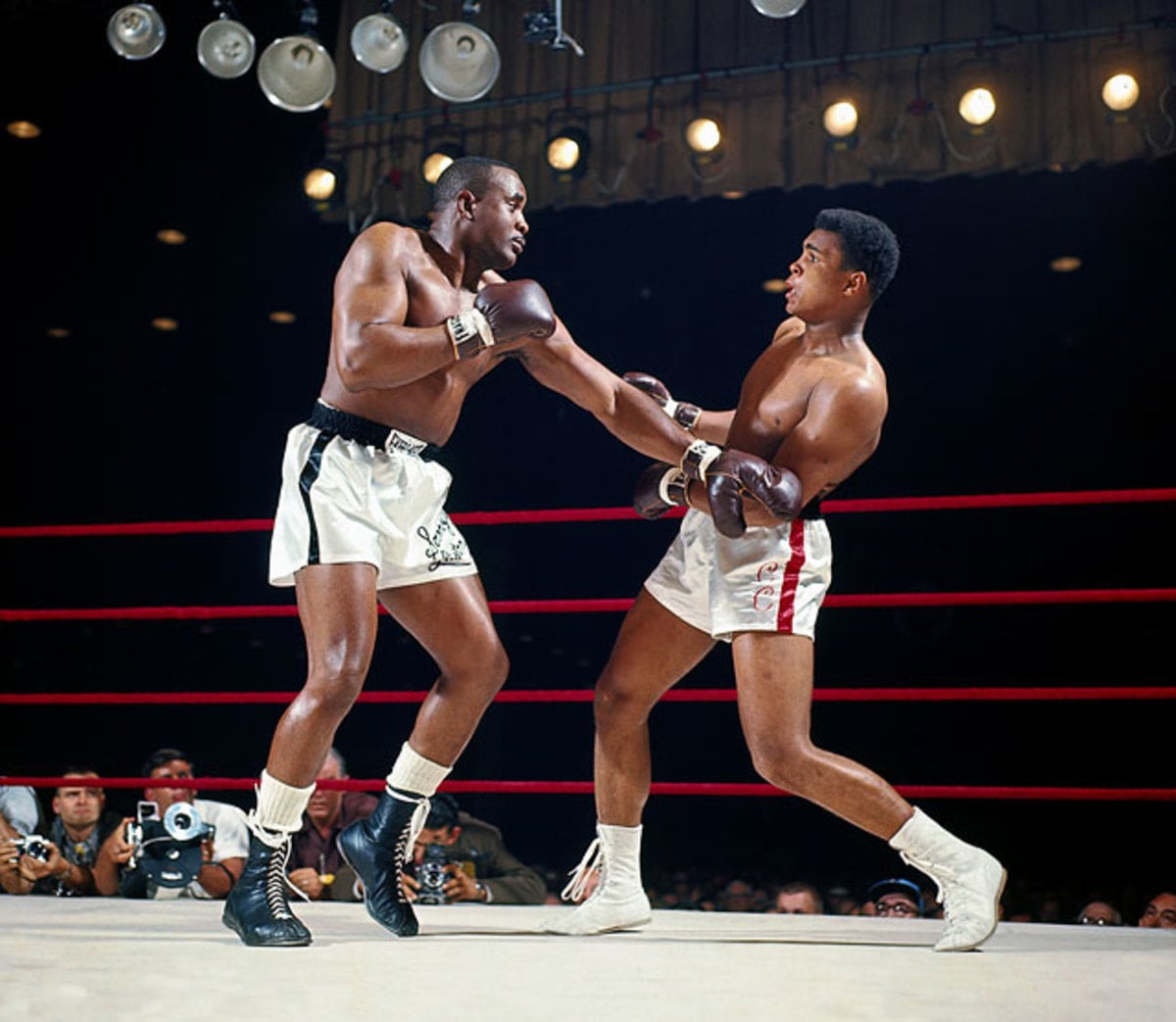
Neil Leifer’s dramatic shot of Ali standing over fallen Sonny Liston almost didn’t get captured because Leifer was positioned wrong when Liston went down. The knockout punch happened incredibly fast.
Most photographers missed it entirely, while Leifer had to quickly reposition himself to capture Ali’s triumphant pose. Many people at ringside didn’t even see the punch that dropped Liston.
The Hindenburg Disaster
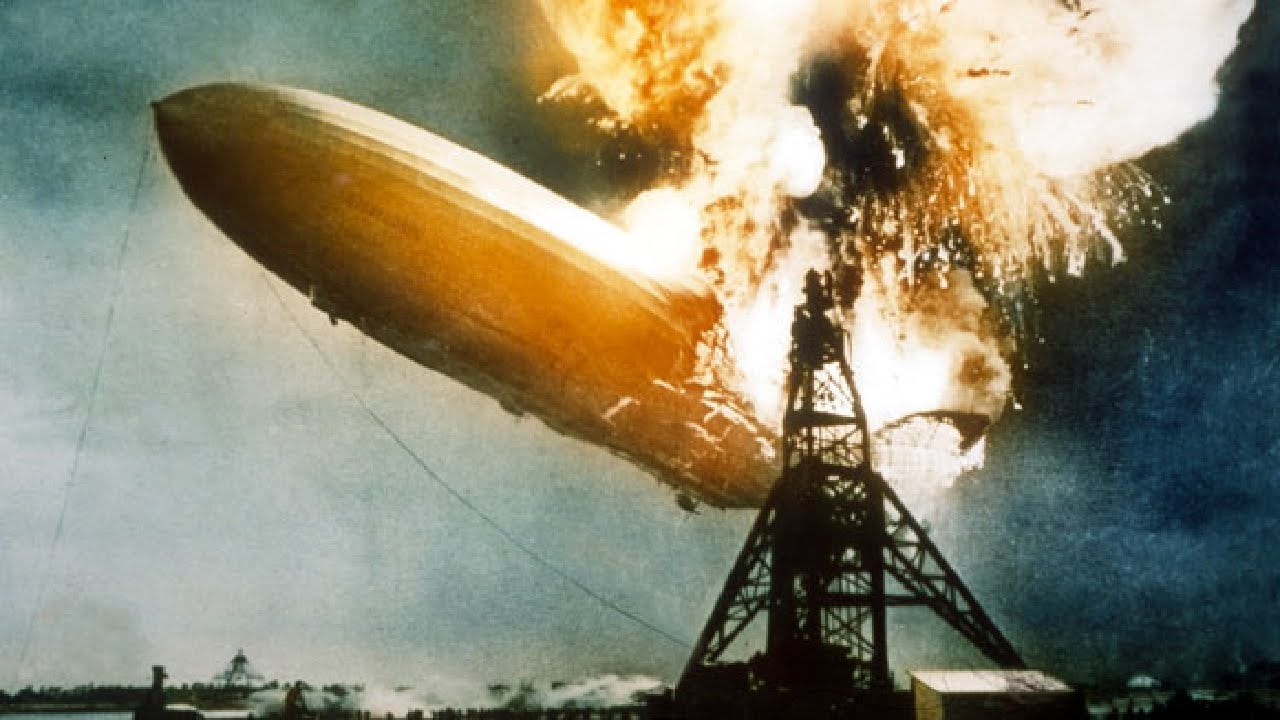
Murray Becker’s explosion photographs almost weren’t captured because he started too far from the landing site. When the airship caught fire, Becker had to run closer while shooting blindly through the chaos.
His camera settings weren’t right for the dramatic flames, yet the resulting images became the definitive record of one of the twentieth century’s most shocking disasters.
John Lennon’s Last Photo
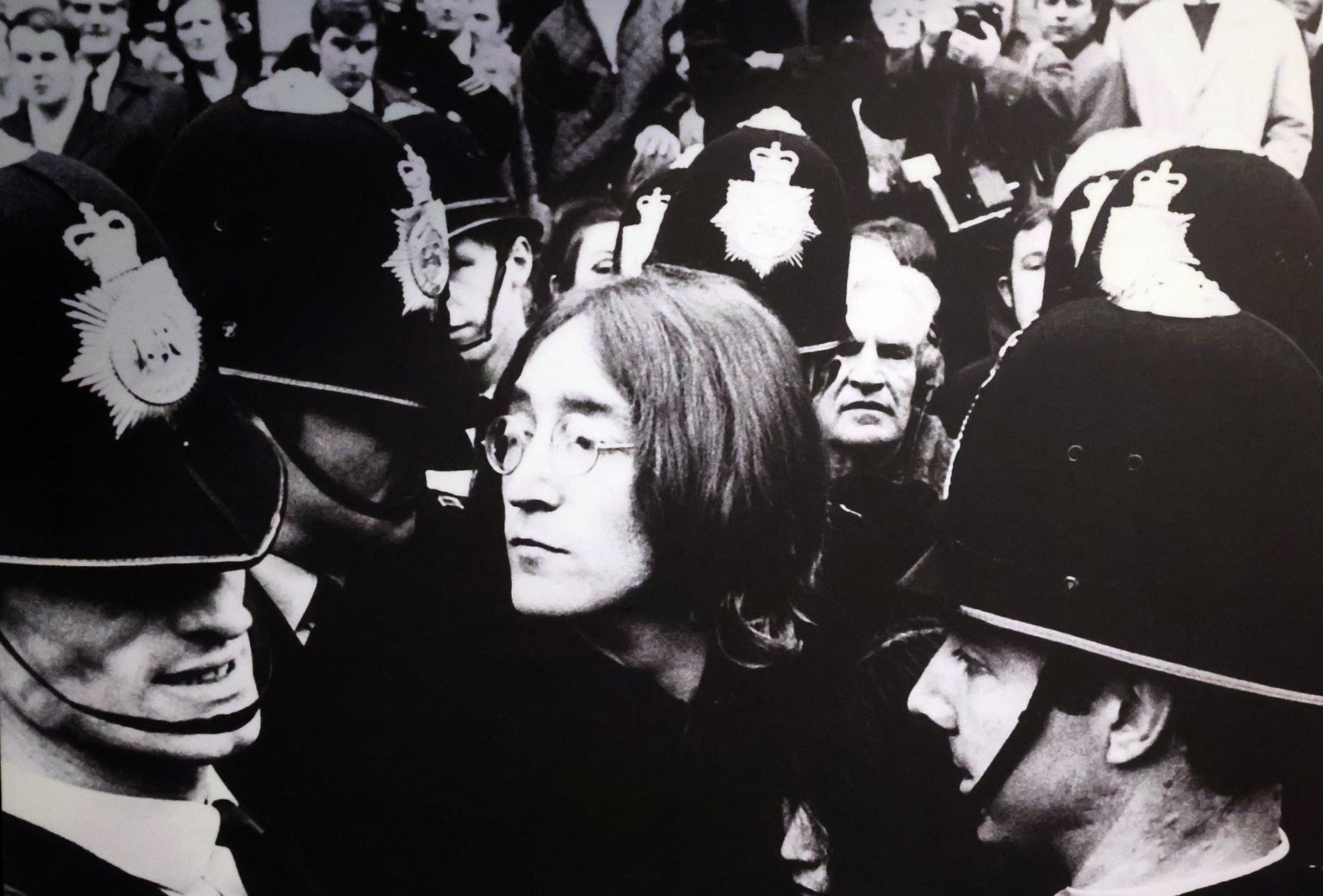
Annie Leibovitz’s intimate Lennon-Ono portrait almost didn’t happen because Yoko initially refused to undress for the shot. Leibovitz wanted both of them unclothed, but Ono would only agree to Lennon being unclothed.
The resulting image of Lennon curled around clothed Ono became even more powerful. It was taken just hours before Lennon’s murder, and Leibovitz later said the compromise made the photograph more emotionally resonant.
The Blue Marble
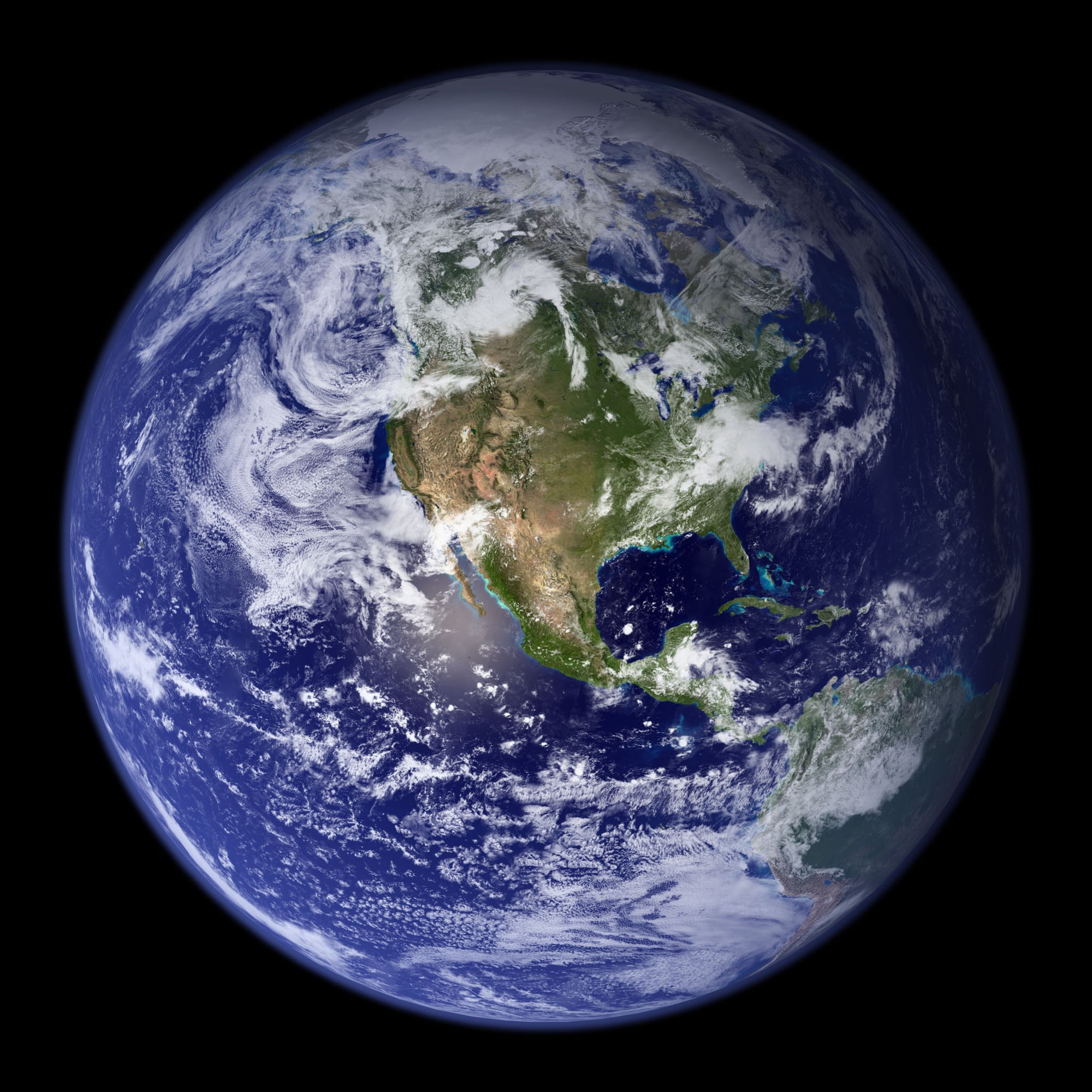
Apollo’s full-Earth photograph almost didn’t happen because NASA mission planners didn’t prioritize Earth photography. The crew focused on lunar objectives when they captured this image during their moon journey.
It was one of the few times humans were positioned far enough from Earth to photograph the entire illuminated planet. The image became an environmental movement symbol, though it was essentially accidental.
Lightning Never Strikes the Same Way Twice
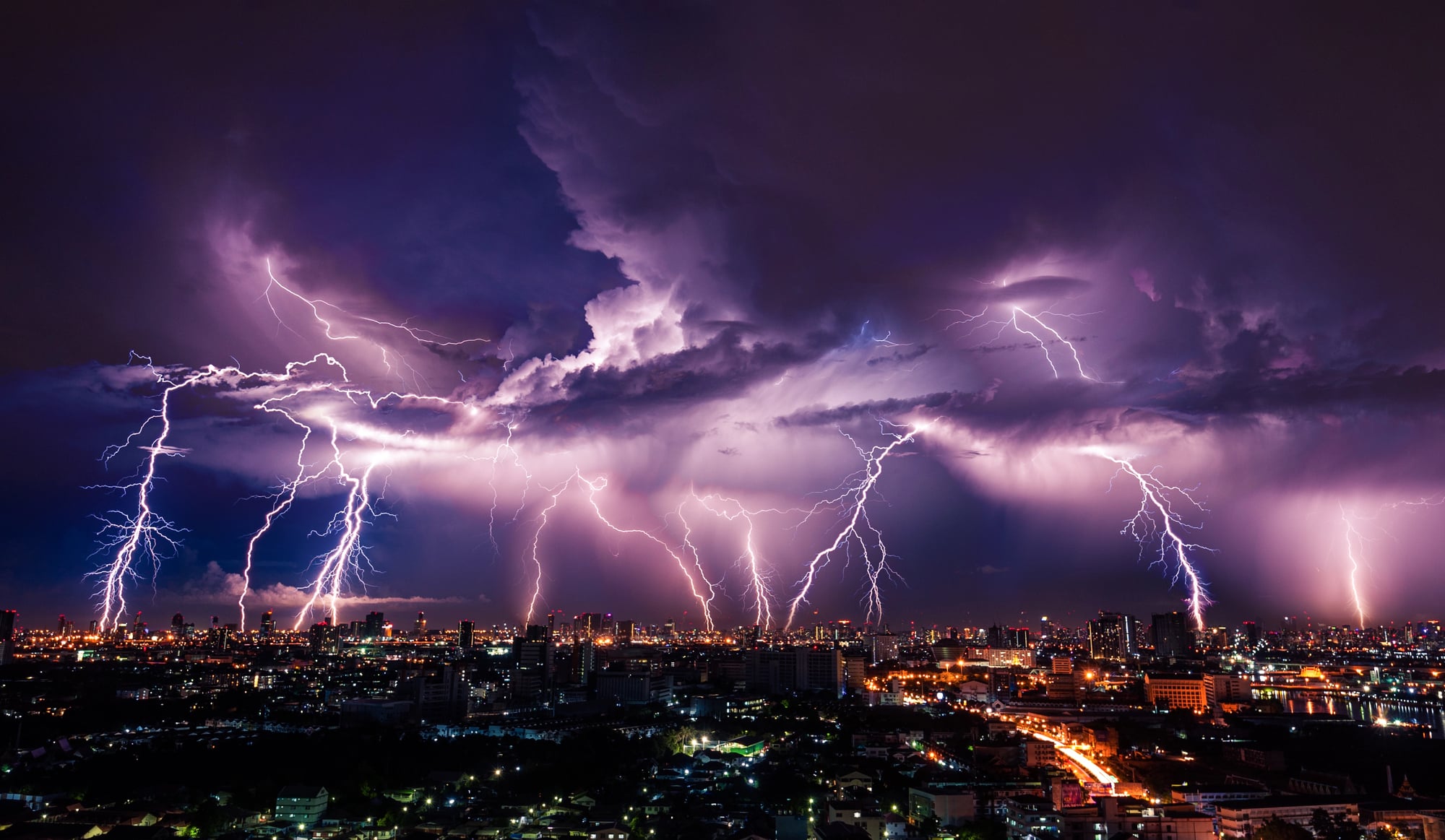
These photographs prove that memorable images often emerge from uncertainty, quick thinking, and pure chance. Traffic-stopping Beatles, astronauts accidentally revolutionizing planetary perspective, photographers brave enough to take shots when everything could go wrong—they all remind us that iconic photographs aren’t just about technical skill.
They’re about recognizing extraordinary moments when they appear unexpectedly, often in the most ordinary circumstances.
More from Go2Tutors!

- The Romanov Crown Jewels and Their Tragic Fate
- 13 Historical Mysteries That Science Still Can’t Solve
- Famous Hoaxes That Fooled the World for Years
- 15 Child Stars with Tragic Adult Lives
- 16 Famous Jewelry Pieces in History
Like Go2Tutors’s content? Follow us on MSN.