14 Hotels Where Famous Historical Deals Were Made
Grand hotels have always served as more than just places to sleep. These establishments became neutral ground where world leaders, business tycoons, and political masterminds gathered to hammer out agreements that shaped our modern world. Behind their elegant facades and luxurious lobbies, some of history’s most consequential negotiations took place over fine dining and expensive whiskey.
Here is a list of 14 hotels where famous historical deals were made.
The Willard InterContinental, Washington D.C.
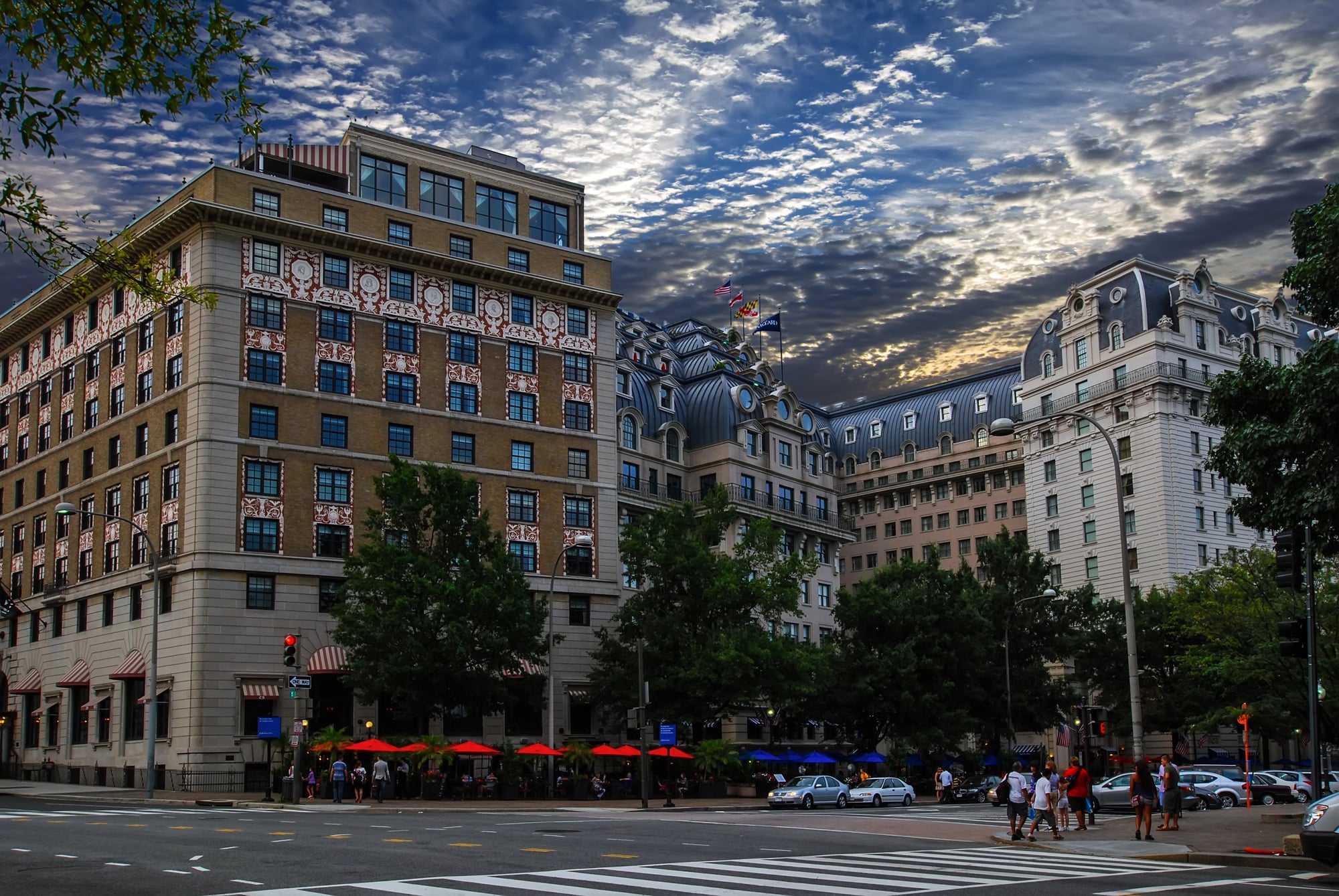
Political wheeling and dealing practically built this hotel’s reputation from the ground up. Abraham Lincoln stayed here before his inauguration, while Ulysses S. Grant coined the term ‘lobbyist’ after encountering influence peddlers in the Willard’s ornate lobby.
The hotel witnessed countless backroom negotiations that shaped American policy during the Civil War era and beyond.
Hotel Adlon, Berlin
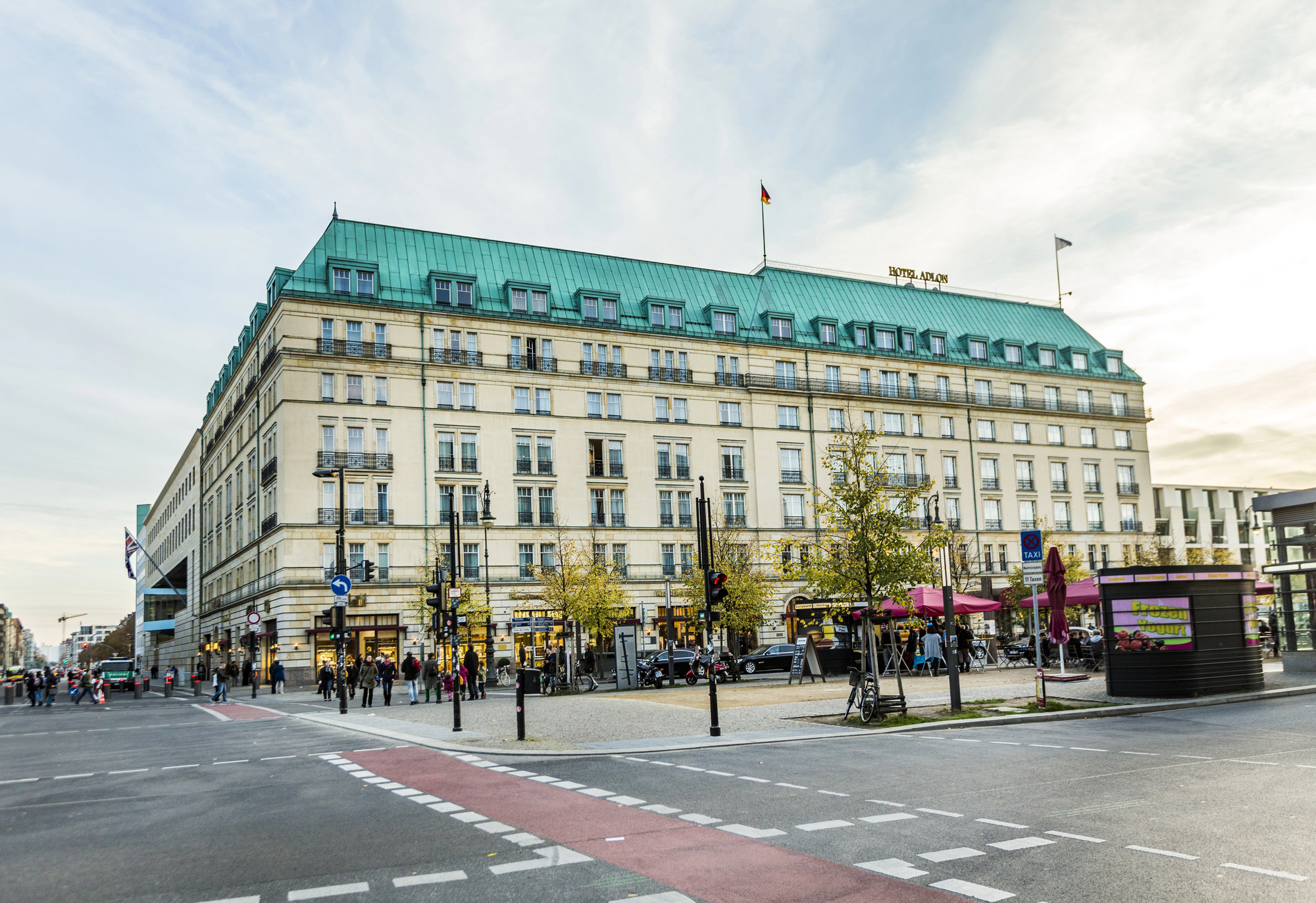
Before its destruction in World War II, the original Adlon hosted secret diplomatic meetings that influenced European politics for decades. Kaiser Wilhelm II regularly entertained foreign dignitaries here, while later guests included everyone from Thomas Edison to Charlie Chaplin.
The hotel’s location near the Brandenburg Gate made it the perfect venue for discreet international negotiations.
The Plaza Hotel, New York
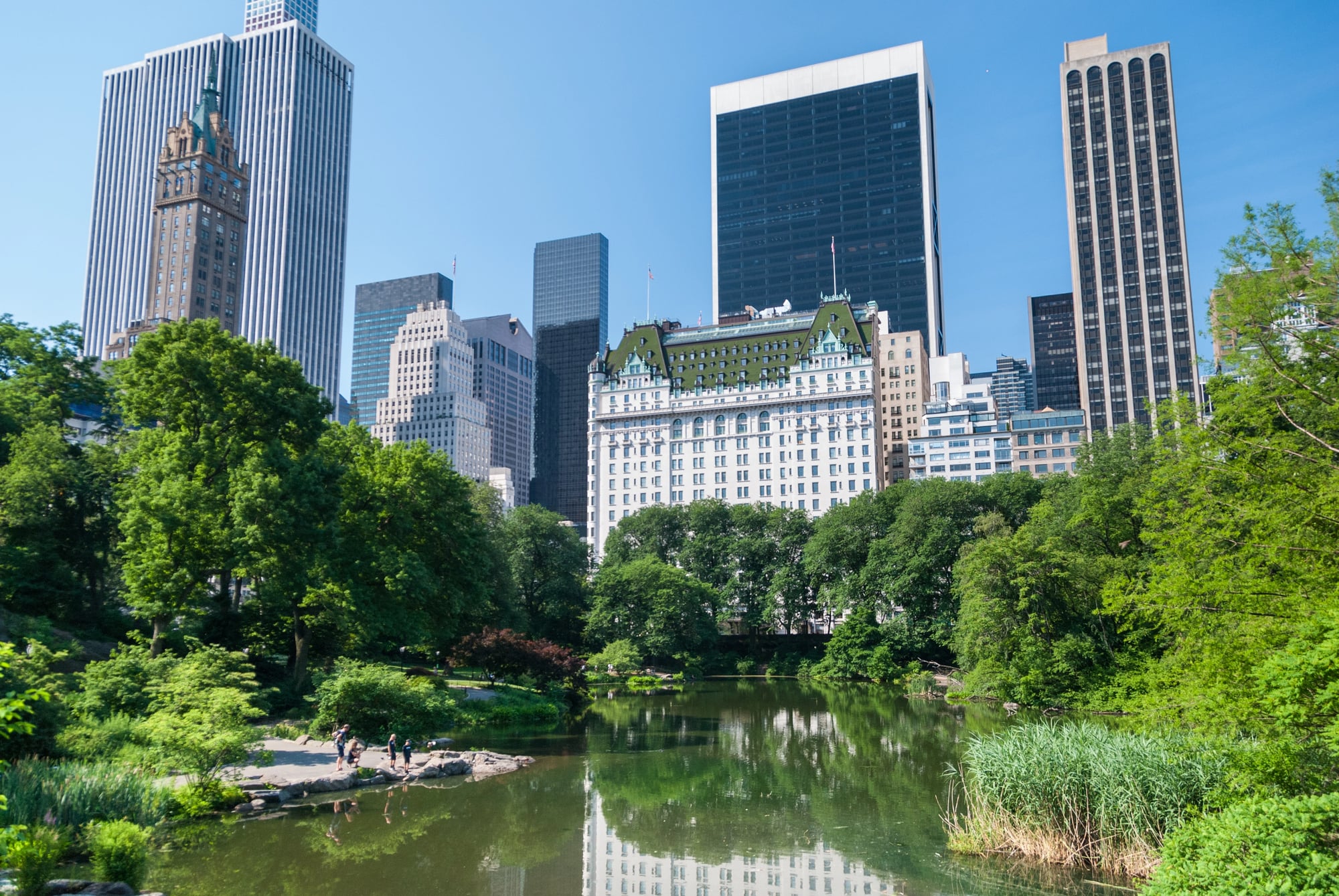
This Fifth Avenue landmark became the unofficial headquarters for major business deals throughout the 20th century. Real estate moguls and Wall Street titans chose the Plaza’s Oak Room for mergers that created some of America’s largest corporations.
The hotel’s prestige made it the natural choice when powerful people needed to project success during important negotiations.
Raffles Hotel, Singapore
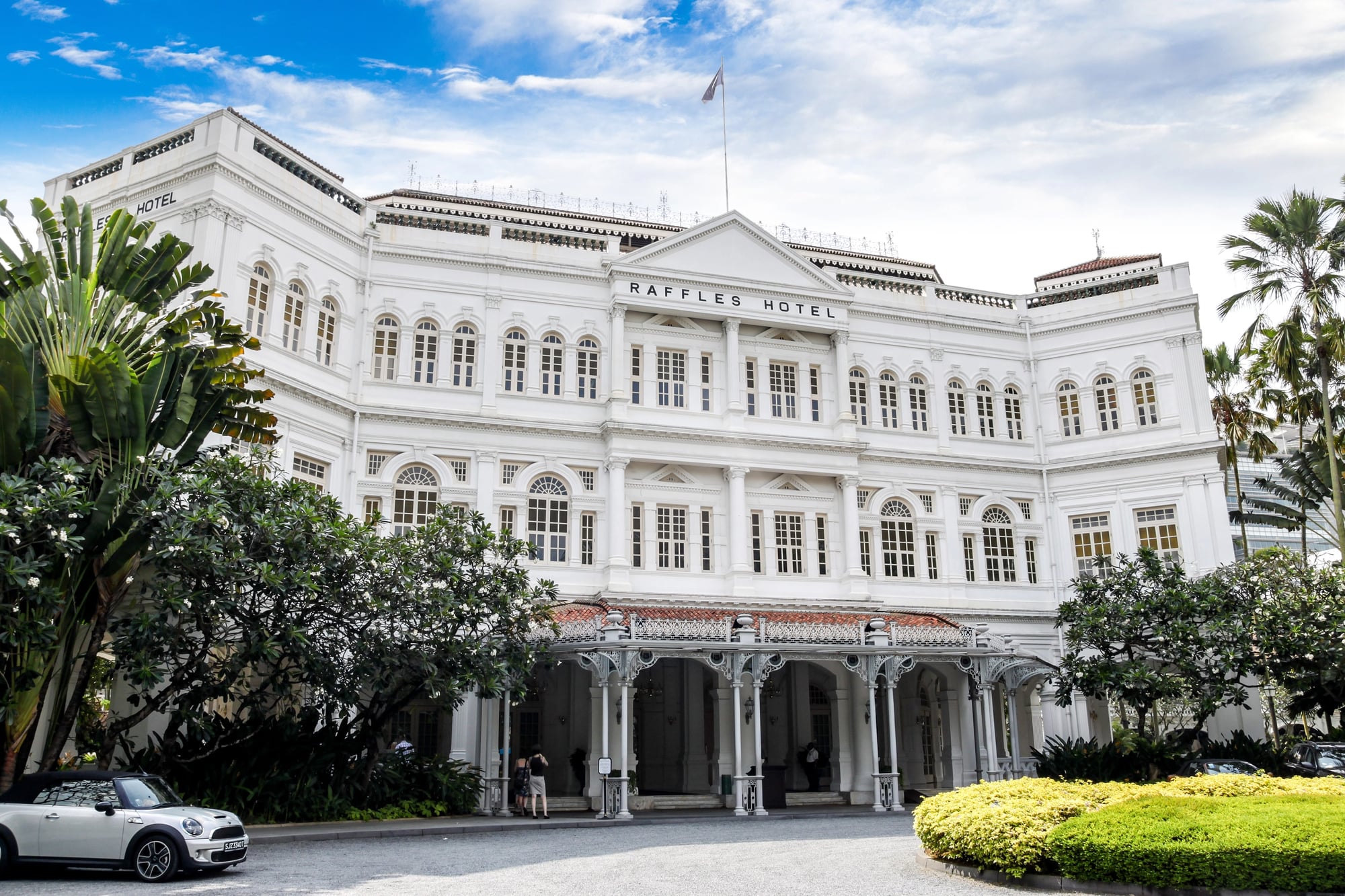
Colonial administrators and international traders used Raffles as their base for agreements that shaped Southeast Asian commerce. The famous Long Bar witnessed handshake deals worth millions as rubber barons and shipping magnates carved up trading routes.
British officials often entertained Asian leaders here while negotiating treaties that would influence the region for generations.
Hotel des Bergues, Geneva
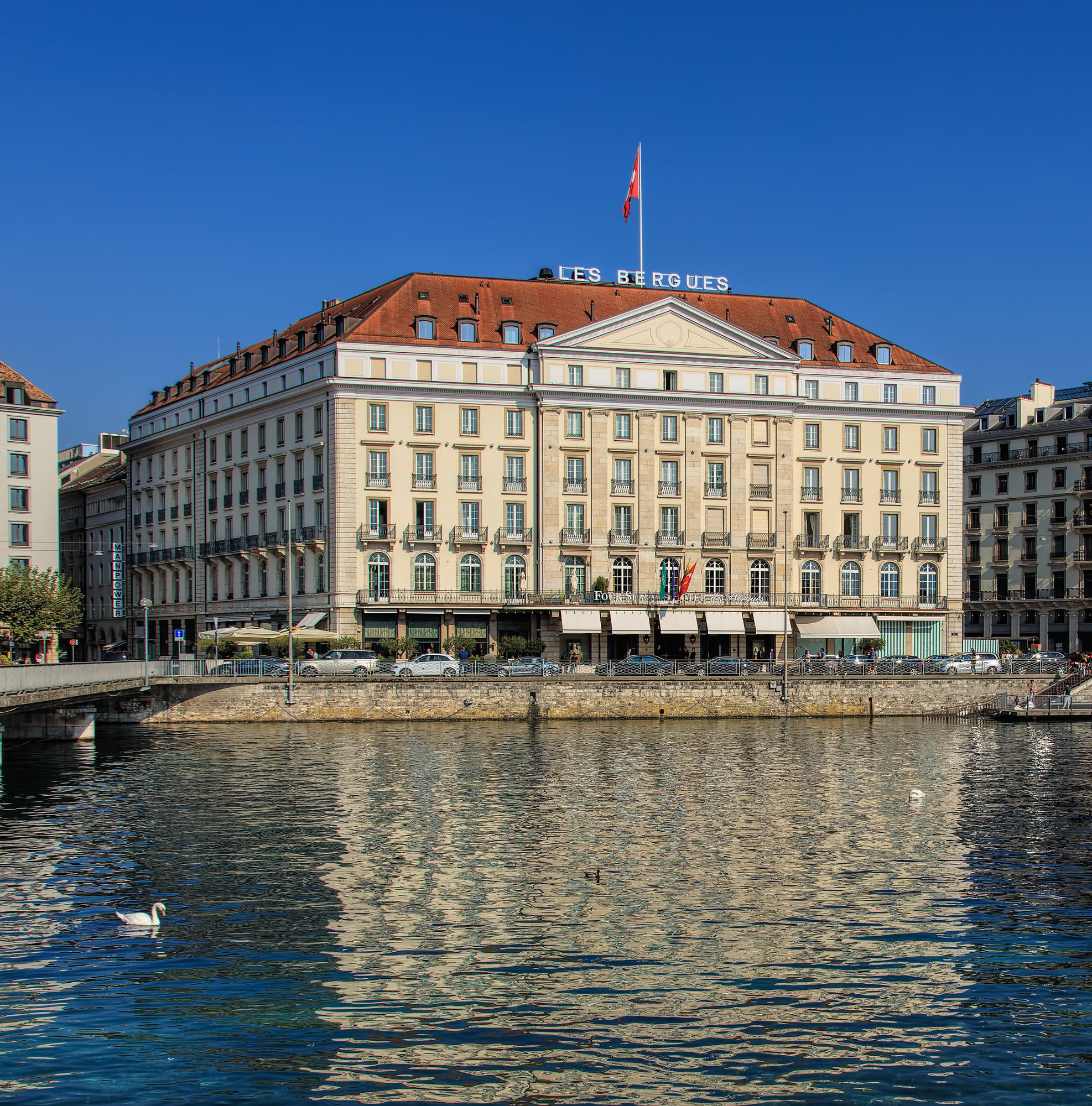
Switzerland’s neutrality made this lakeside hotel the perfect location for sensitive international negotiations — especially during both world wars. Diplomats from opposing sides could meet without raising suspicions since everyone came to Geneva for ‘health reasons.’
The hotel’s discretion became legendary among European intelligence services.
The Savoy, London
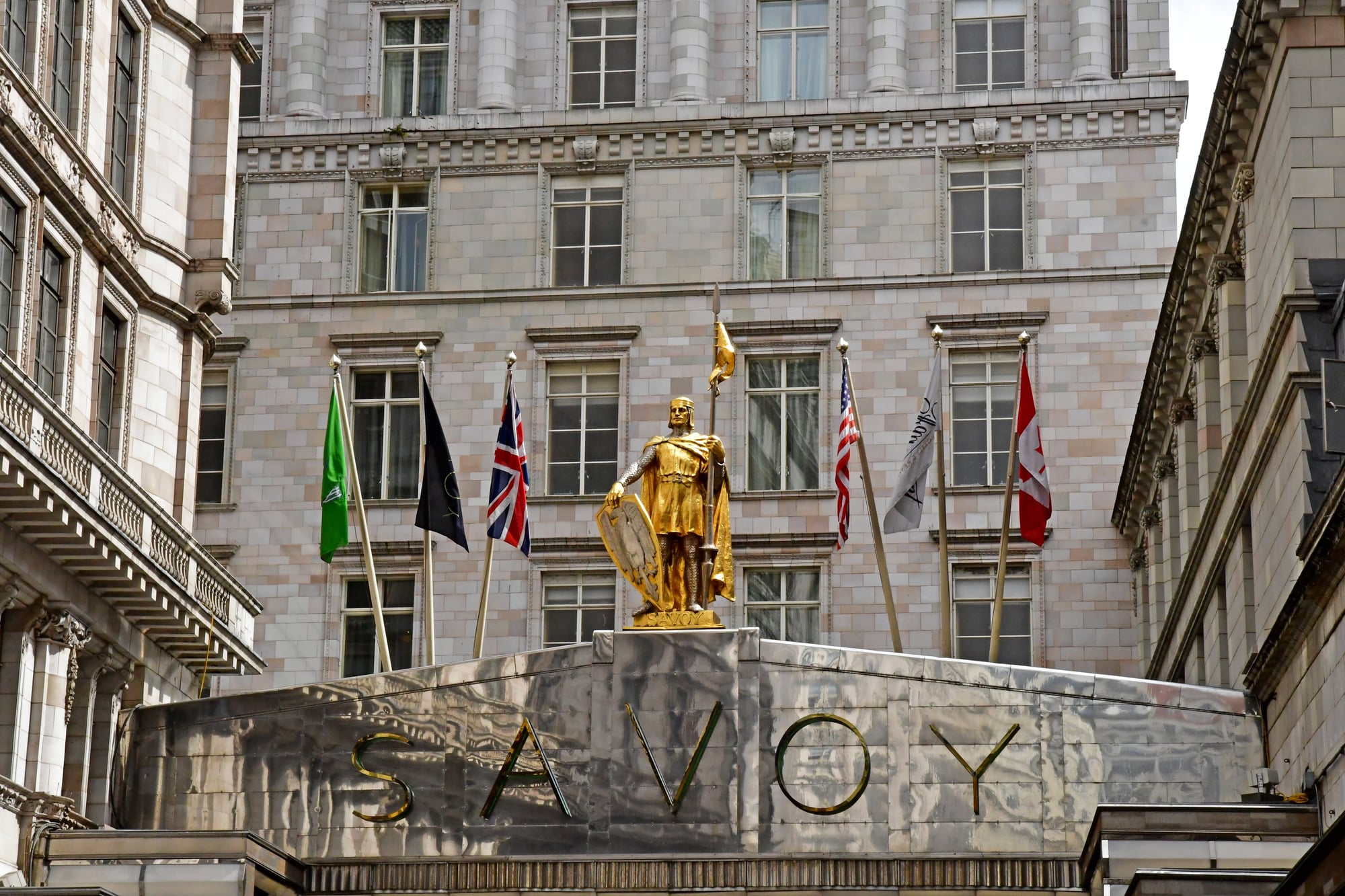
British aristocrats and international power brokers transformed the Savoy into Europe’s unofficial diplomatic center during the early 1900s. Winston Churchill frequently entertained allies here while planning wartime strategies, though the hotel also hosted German industrialists before hostilities began.
The American Bar became famous for deals struck over cocktails between courses.
Hotel Nacional, Havana
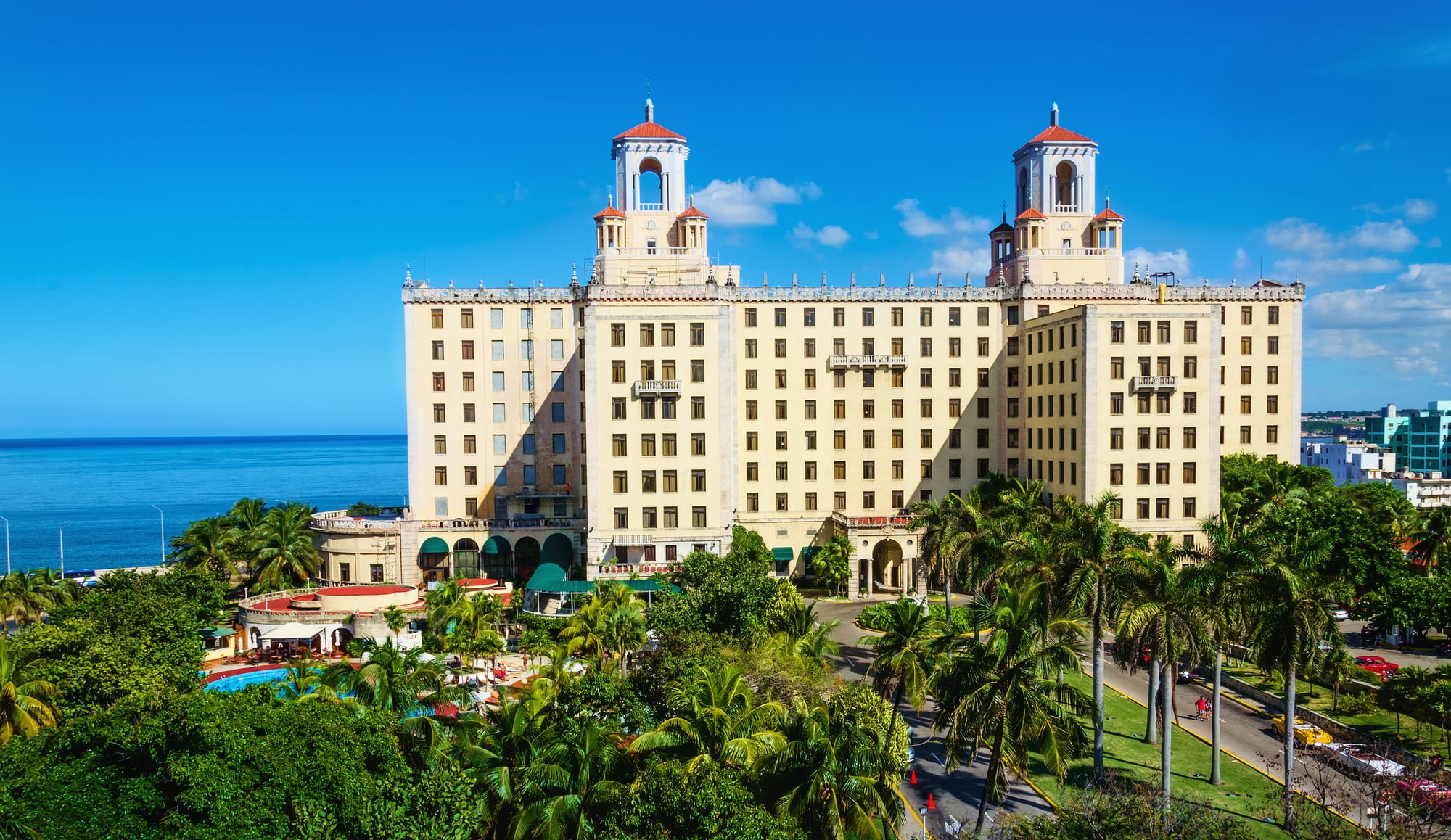
Before Castro’s revolution, this Havana institution attracted American businessmen and government officials negotiating Cuba’s future. Meyer Lansky and other organized crime figures also used the hotel for meetings that would influence Caribbean gambling operations.
The hotel’s rooftop garden provided perfect cover for conversations that couldn’t happen in Washington.
Waldorf Astoria, New York
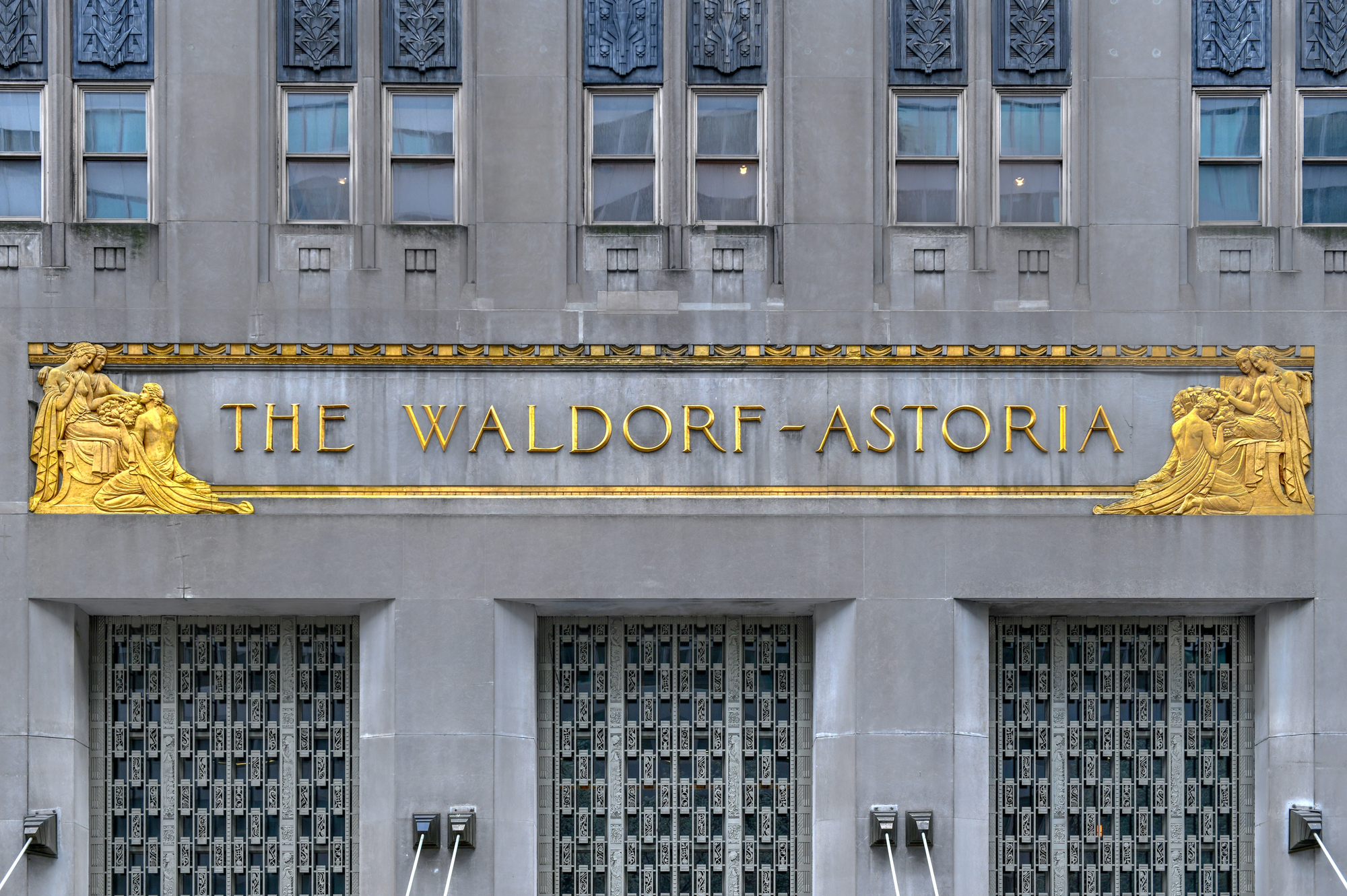
Presidential suites at the Waldorf hosted world leaders who shaped international relations throughout the Cold War era. The hotel’s Peacock Alley became famous for chance encounters between diplomats that led to major breakthroughs.
Herbert Hoover maintained a permanent residence here, using it as an unofficial diplomatic outpost long after leaving office.
Grand Hotel, Stockholm
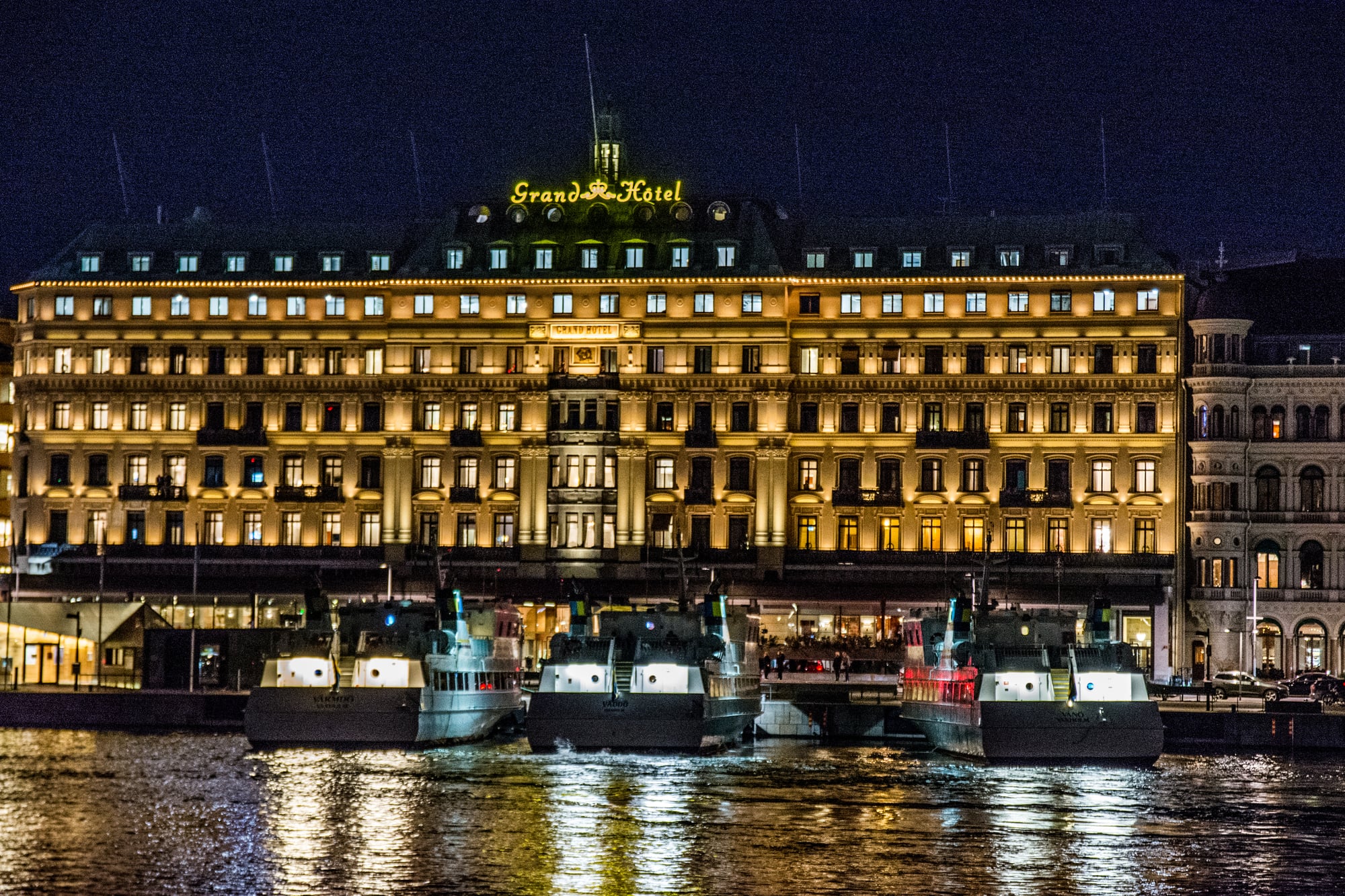
Sweden’s neutral status during World War II made this hotel a crucial meeting point for intelligence operations and prisoner exchanges. Raoul Wallenberg planned his Budapest rescue missions from rooms overlooking Stockholm’s harbor, while other guests included Nazi officials and Allied spies.
The hotel’s staff became experts at managing conflicting loyalties.
Hotel Imperial, Vienna
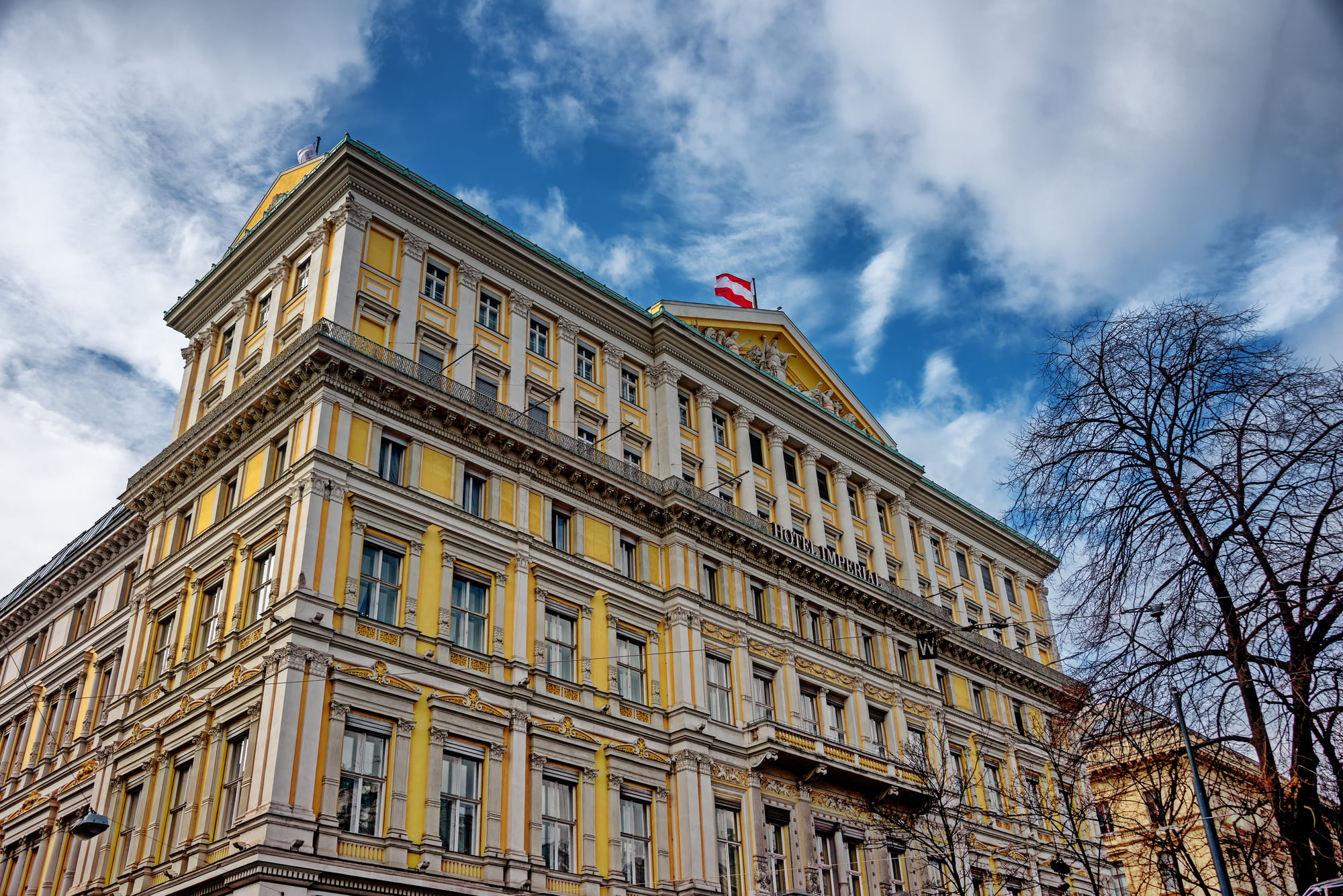
The Habsburg dynasty’s former palace became Austria’s premier diplomatic venue after converting to a hotel in 1873. European royalty and their ministers used its grand ballrooms for treaty negotiations that redrew national boundaries.
The hotel maintained its political importance even after the empire’s collapse — especially during Cold War summits.
Hotel Vier Jahreszeiten, Hamburg
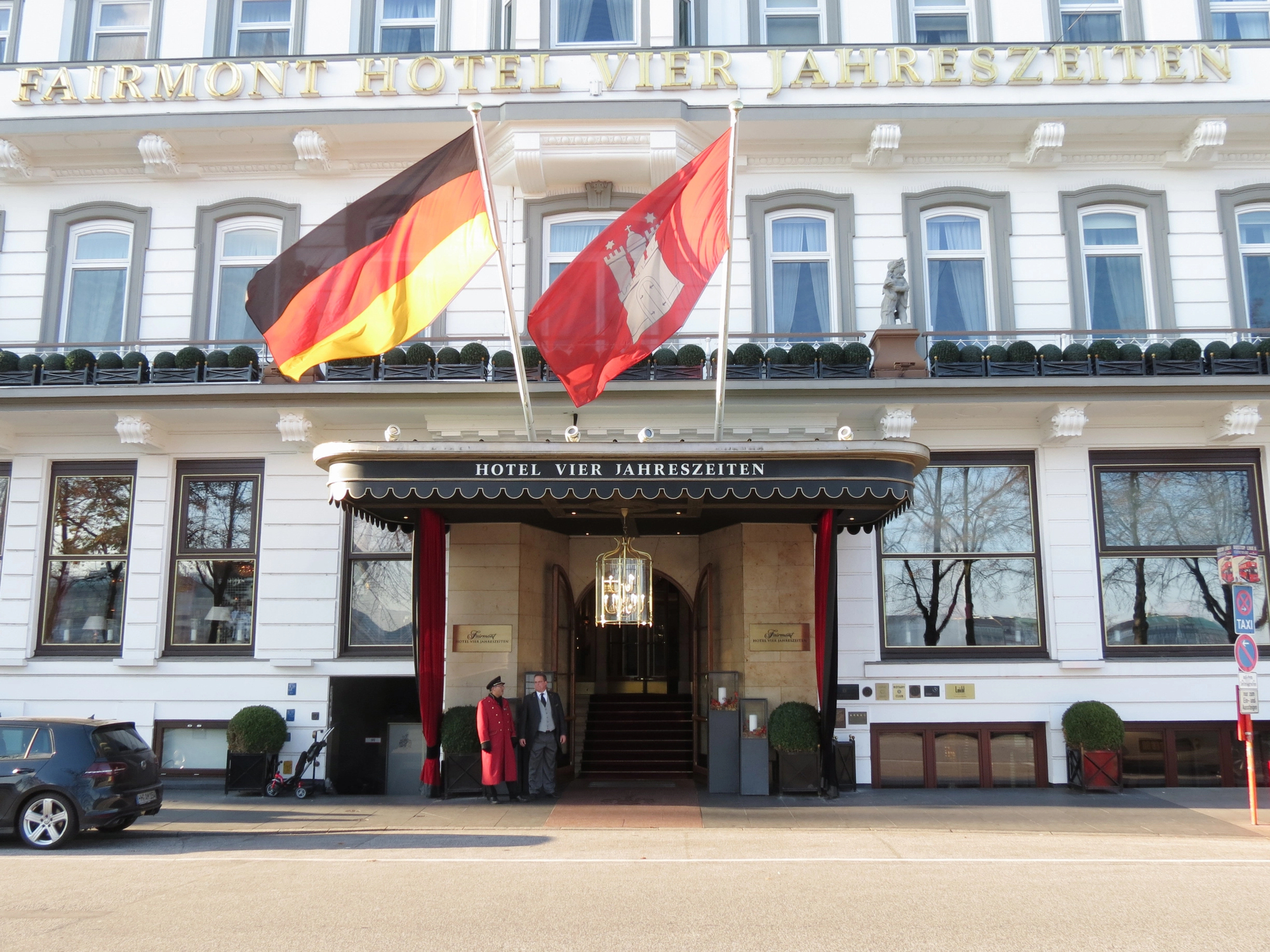
German industrialists and international financiers chose this Hanseatic League city hotel for deals that shaped European banking in the early 20th century. The Warburg family and other prominent merchants entertained foreign partners here while arranging loans that funded everything from railroads to wars.
Hamburg’s status as a free port made such negotiations particularly valuable.
Claridge’s, London
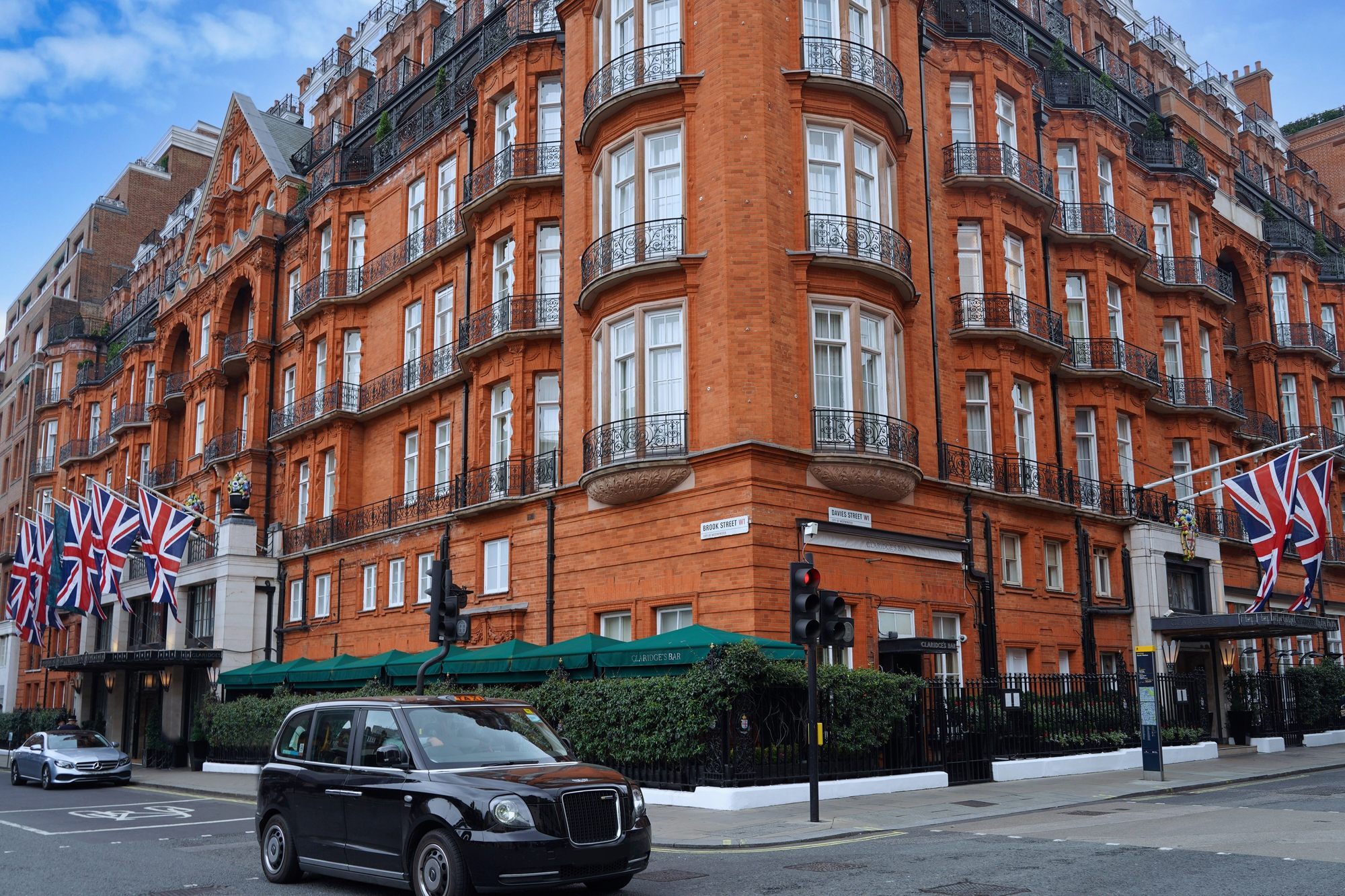
British intelligence services practically operated from Claridge’s during both world wars, using its reputation for discretion to cover sensitive operations. Exiled European royalty lived here while plotting their returns to power, often with British government backing.
The hotel’s concierge service became legendary for arranging meetings that officially never happened.
The St. Regis, New York
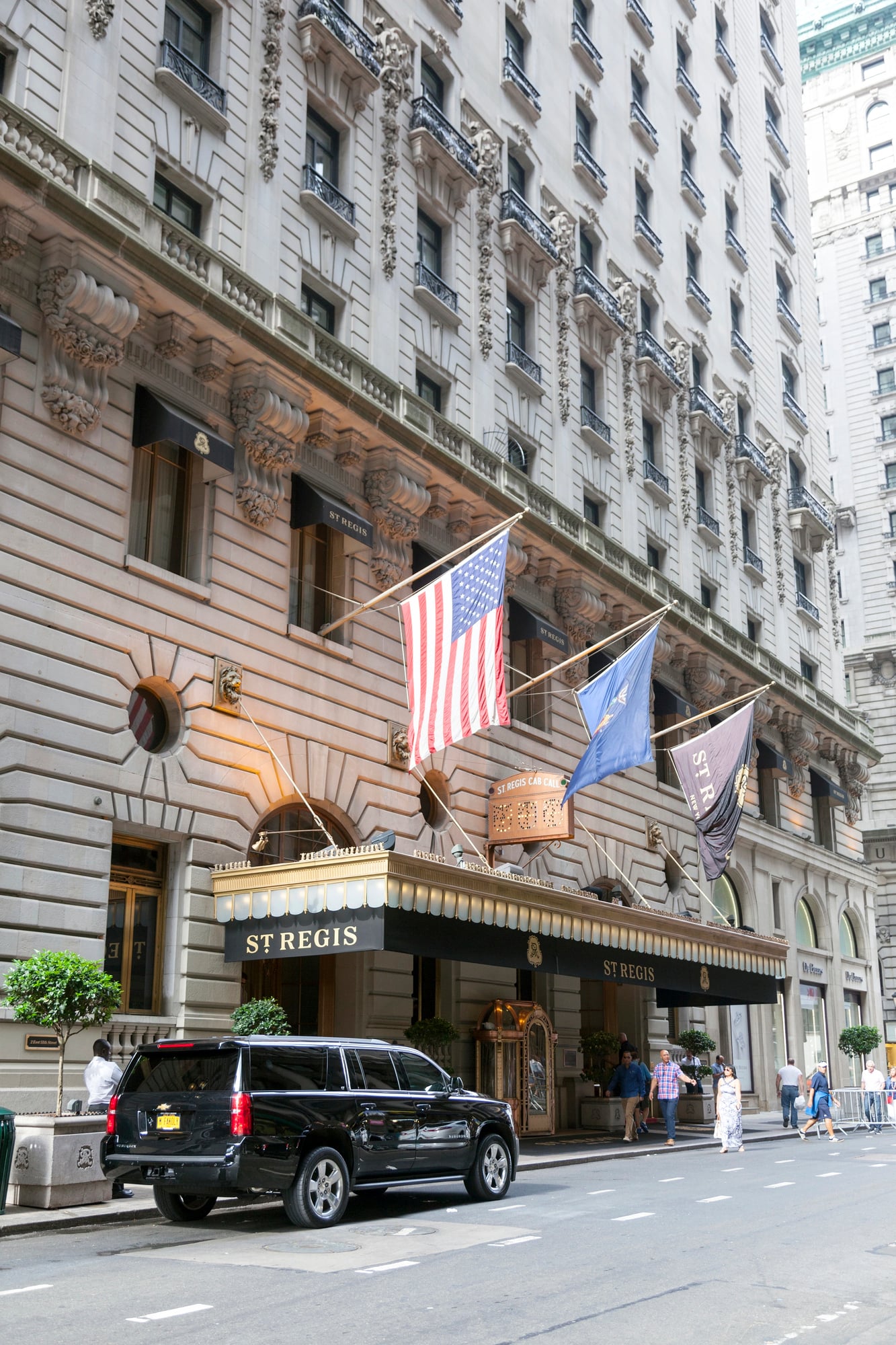
John Jacob Astor built this hotel as his personal headquarters for real estate deals that transformed Manhattan’s landscape. Later guests included business leaders who carved up American industries during the trust-building era of the early 1900s.
The King Cole Bar became famous for handshake agreements worth millions in today’s money.
Hotel Metropole, Brussels
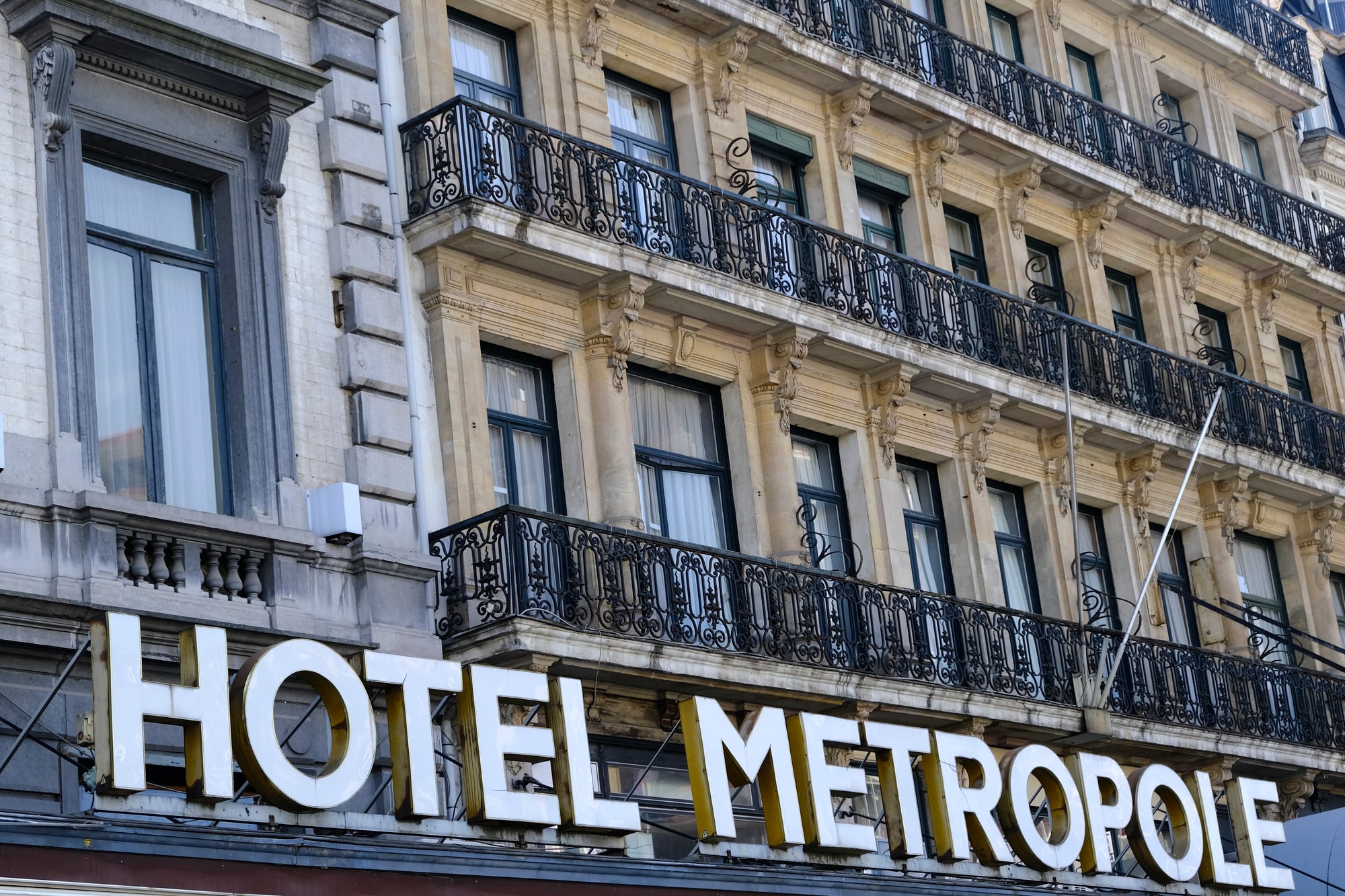
As the unofficial capital of Europe, Brussels attracted diplomats who used the Metropole for European Union negotiations long before the EU officially existed. The hotel’s location near major government buildings made it convenient for ministers who needed to shuttle between formal sessions and private discussions.
Belgian neutrality provided perfect cover for sensitive multinational talks.
Where Power Still Gathers
These grand hotels remind us that history’s biggest decisions often happened over dinner rather than in government offices. The combination of luxury, privacy, and neutral territory made them irresistible to people who preferred handshake deals to formal ceremonies.
Today’s business leaders and politicians still understand this appeal, though modern security concerns have moved many negotiations behind more heavily guarded doors.
The tradition continues in different forms, yet few venues can match the elegance and discretion that made these hotels legendary among history’s power brokers.
More from Go2Tutors!

- The Romanov Crown Jewels and Their Tragic Fate
- 13 Historical Mysteries That Science Still Can’t Solve
- Famous Hoaxes That Fooled the World for Years
- 15 Child Stars with Tragic Adult Lives
- 16 Famous Jewelry Pieces in History
Like Go2Tutors’s content? Follow us on MSN.