18 Home Security Gadgets Worth Considering
Home security has evolved far beyond the basic alarm systems of the past. Today’s technology offers smart, interconnected devices that can transform your house into a fortress while keeping things surprisingly user-friendly.
From cameras that recognize faces to sensors that detect the slightest vibration, modern security gadgets provide layers of protection that work together seamlessly. The best part about current security technology is how it adapts to your lifestyle rather than forcing you to change your routines.
Here is a list of 18 home security gadgets that could make a real difference in protecting your property and giving you peace of mind.
Smart Video Doorbell
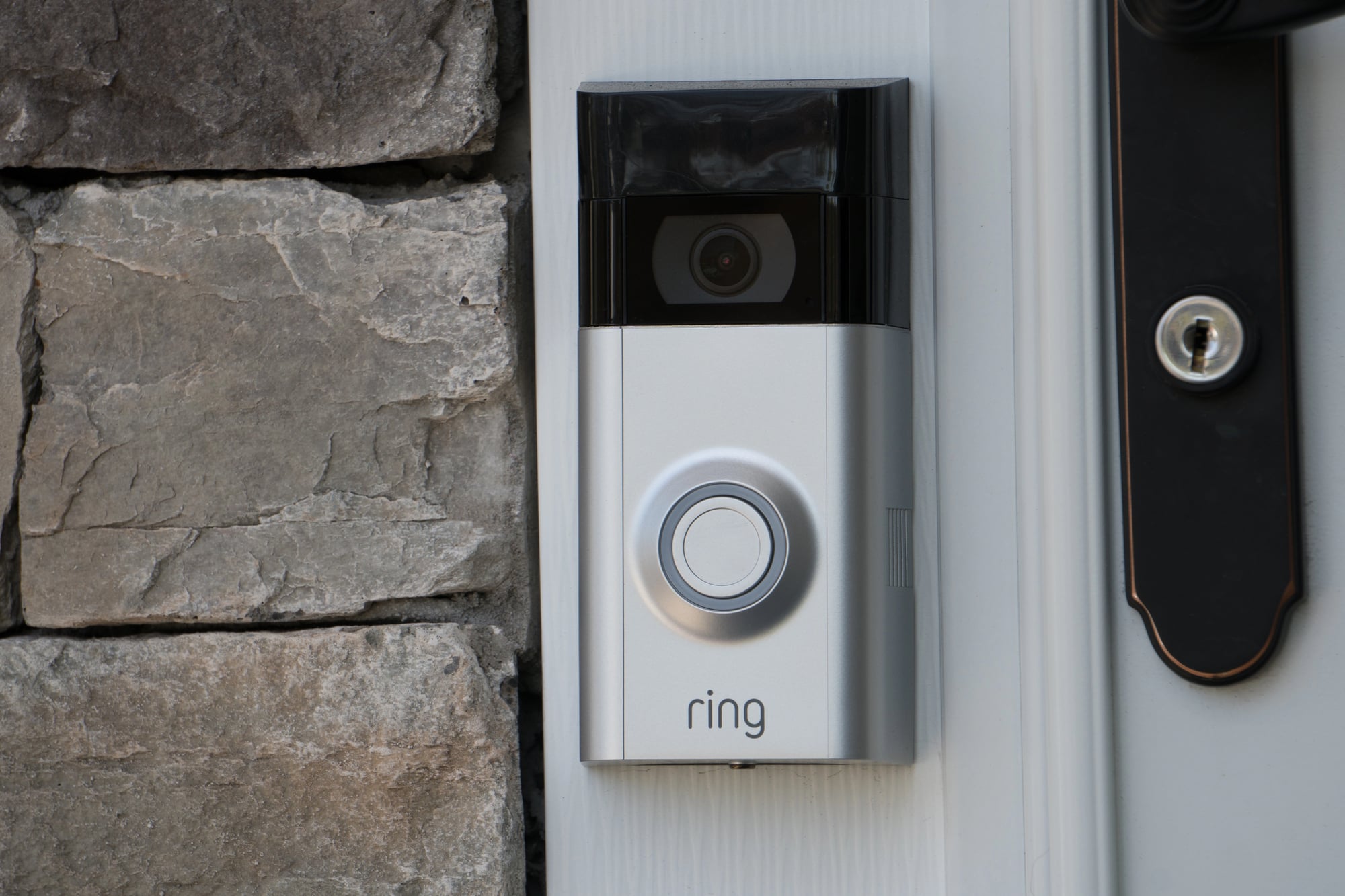
A smart video doorbell acts like having a personal security guard at your front door 24/7. These devices let you see, hear, and speak with visitors whether you’re home or halfway across the country.
Most models send instant alerts to your phone when someone approaches, and many can distinguish between people, packages, and animals to reduce false alarms.
Motion-Activated Security Cameras
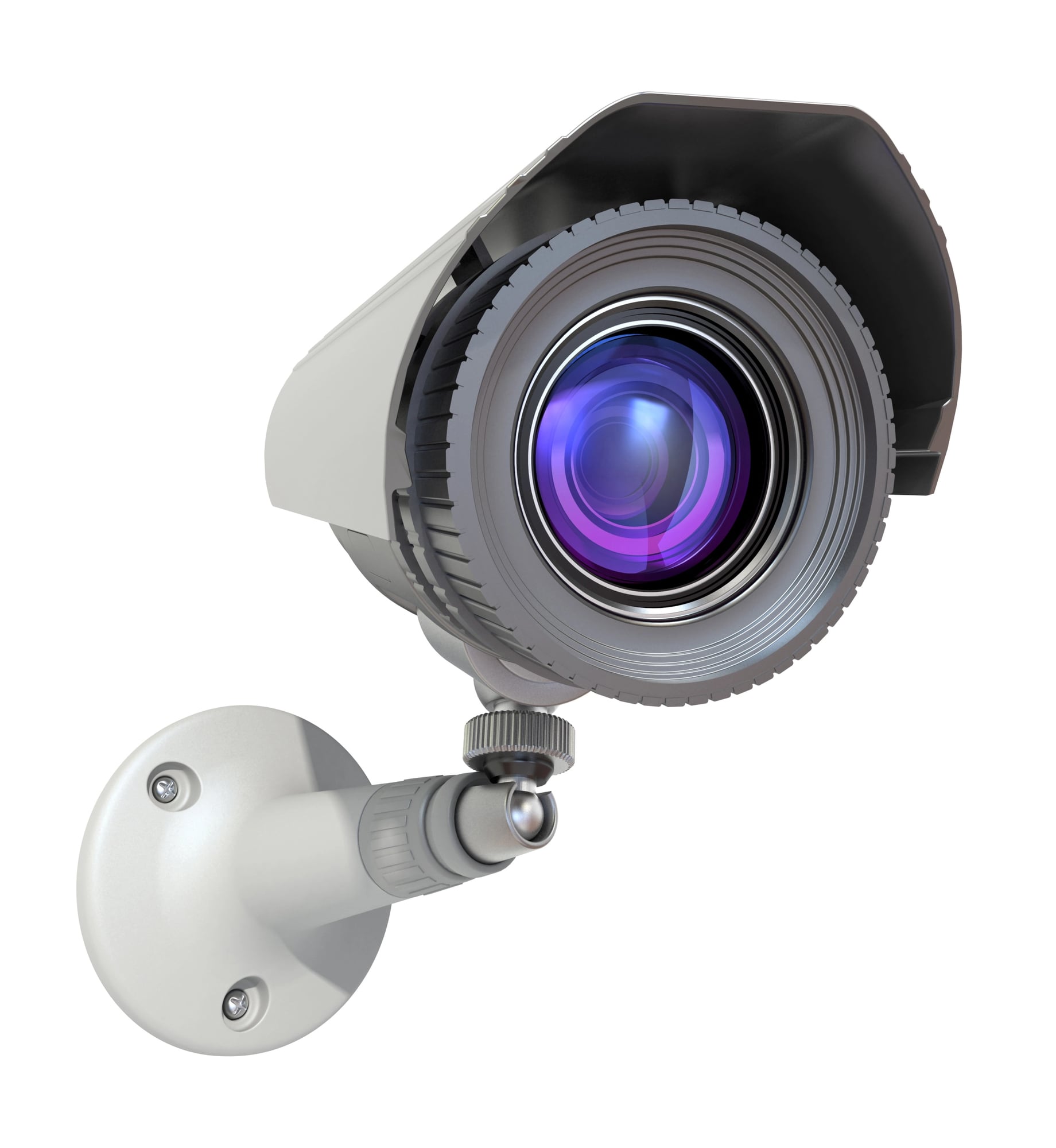
Outdoor security cameras with motion detection serve as your home’s eyes when you’re not around. They automatically start recording when movement is detected and can send real-time alerts to your smartphone.
Many newer models offer color night vision and weatherproof designs that withstand everything from scorching summers to freezing winters.
Smart Door Locks
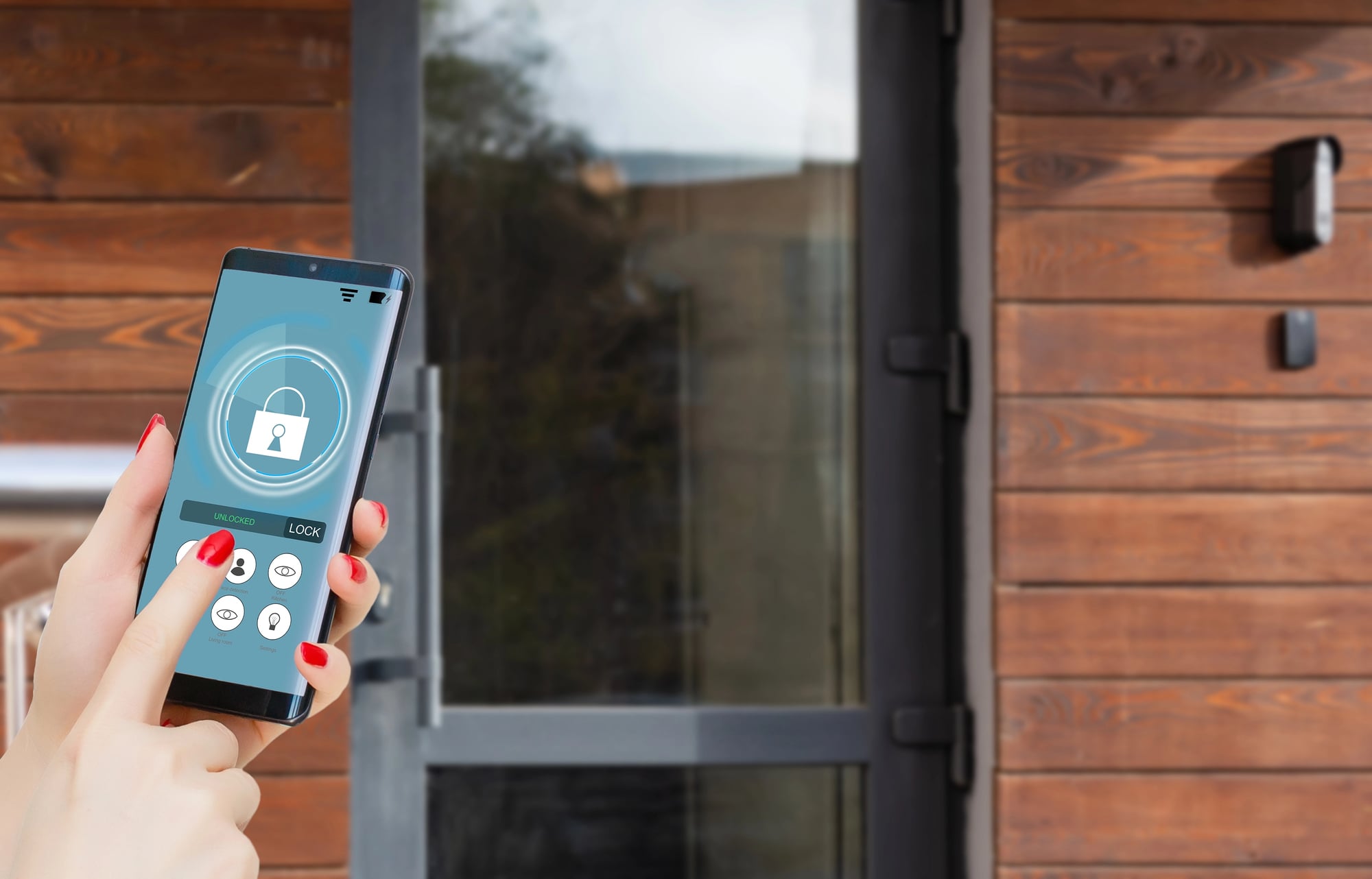
Smart locks eliminate the worry of lost keys while providing multiple ways to secure your home. You can unlock your door using a smartphone app, keypad code, or even your fingerprint.
Some models automatically lock behind you and can grant temporary access codes to guests or service providers that expire after a set time.
Window and Door Sensors
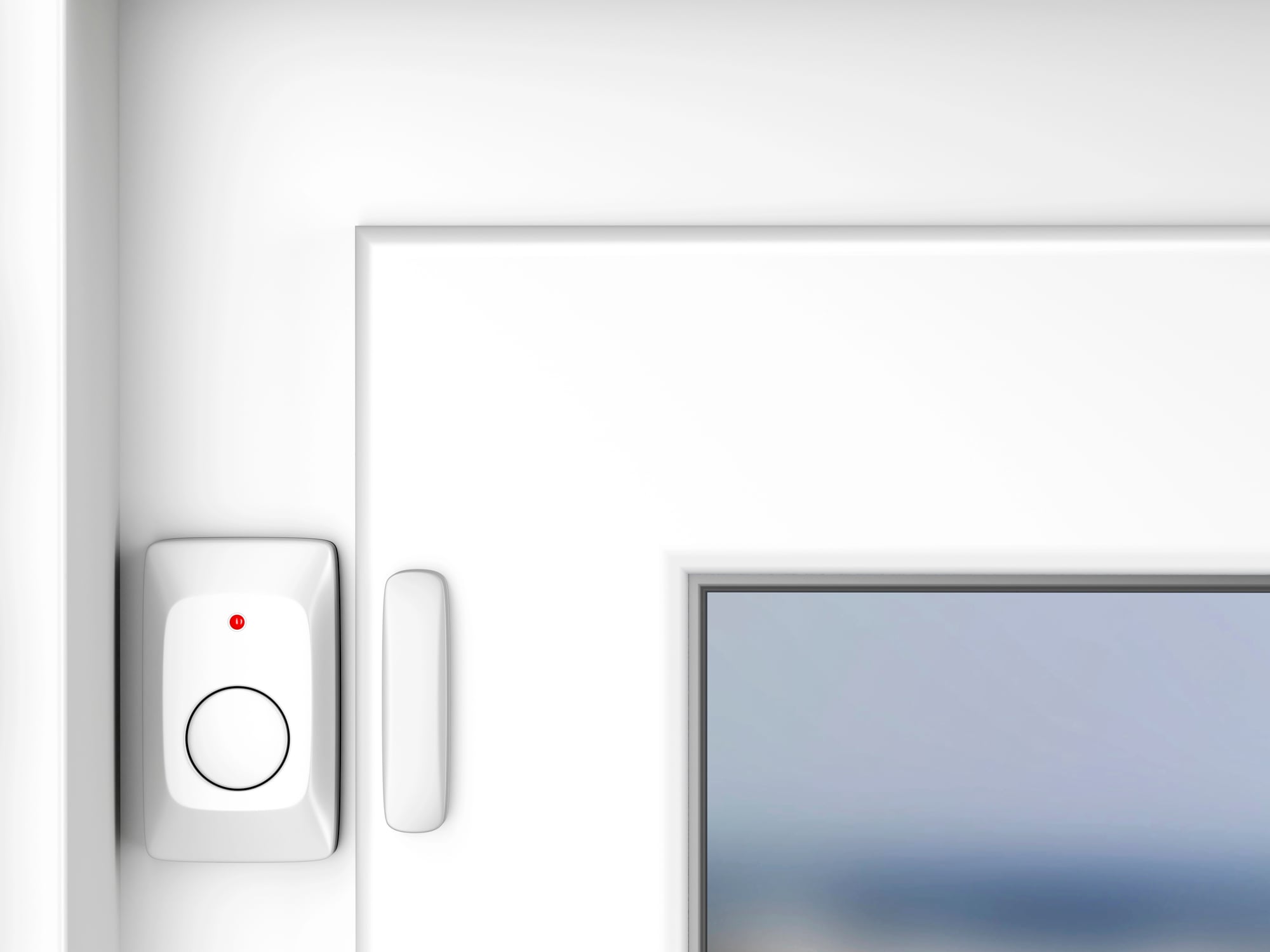
These small devices attach to windows and doors to detect when they’re opened unexpectedly. They’re practically invisible once installed but provide a crucial early warning system.
Most connect wirelessly to your main security hub and can trigger lights, alarms, or notifications when activated.
Security System Hub
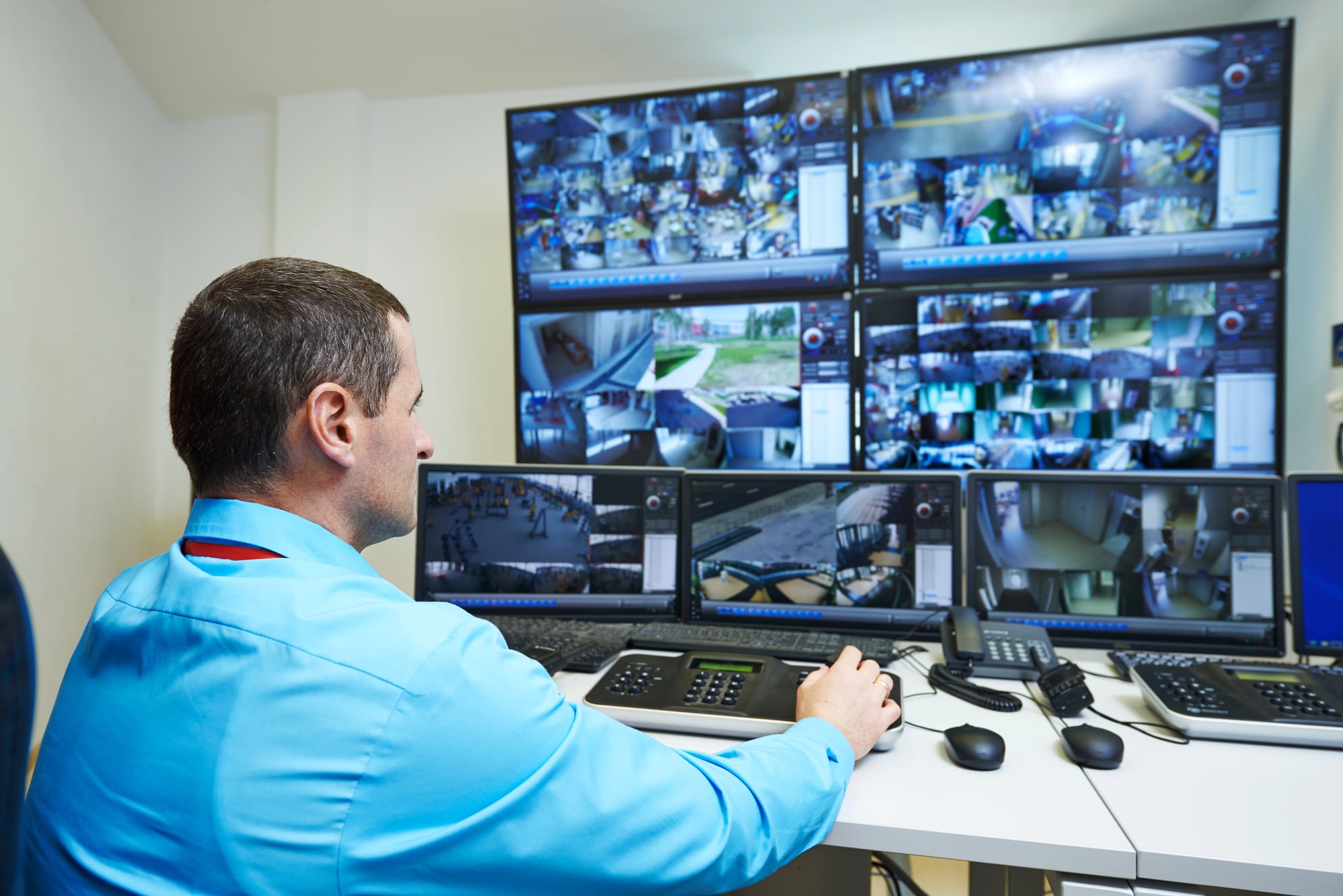
A central hub connects all your security devices into one cohesive system. Think of it as the brain that coordinates everything from cameras to sensors to smart locks.
Modern hubs often include backup cellular connections, so they keep working even if someone cuts your internet or power lines.
Glass Break Detectors
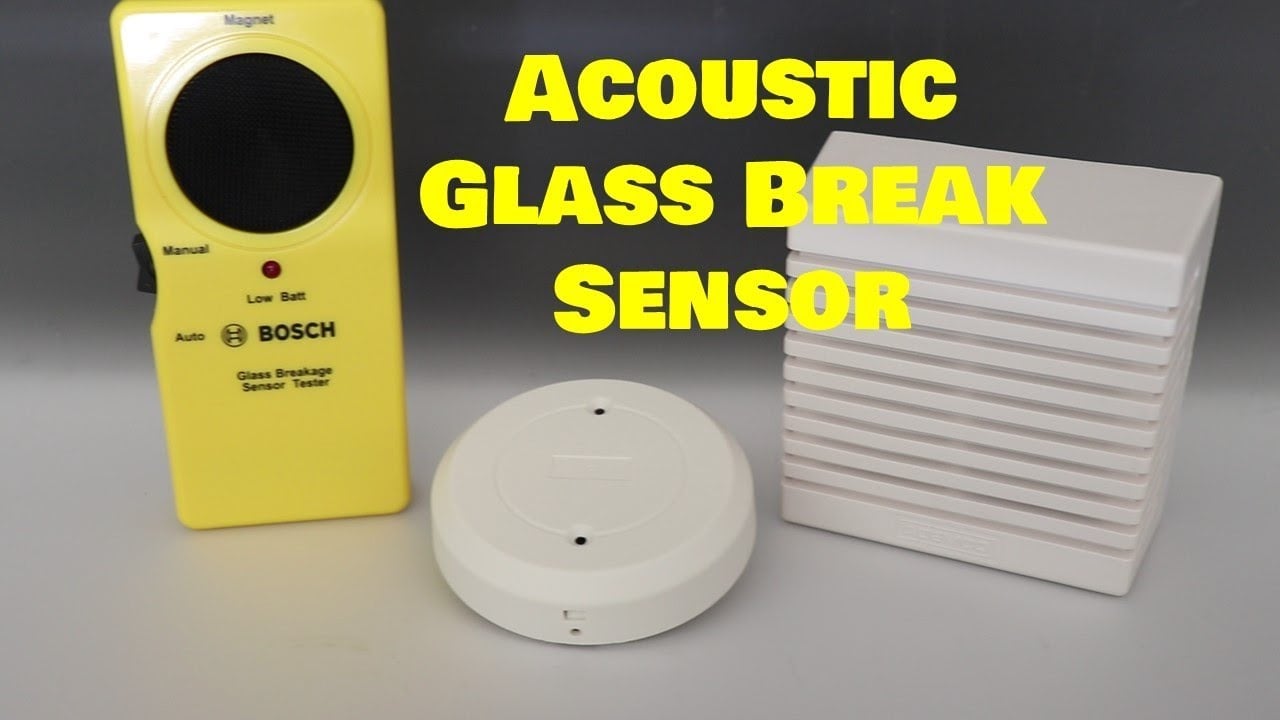
Glass break sensors listen for the specific sound frequency of breaking glass and can detect it from across a room. They’re particularly useful for protecting large windows or sliding glass doors that might be vulnerable entry points.
Unlike window sensors, these work even if an intruder breaks the glass without opening the window.
Smart Flood Lights
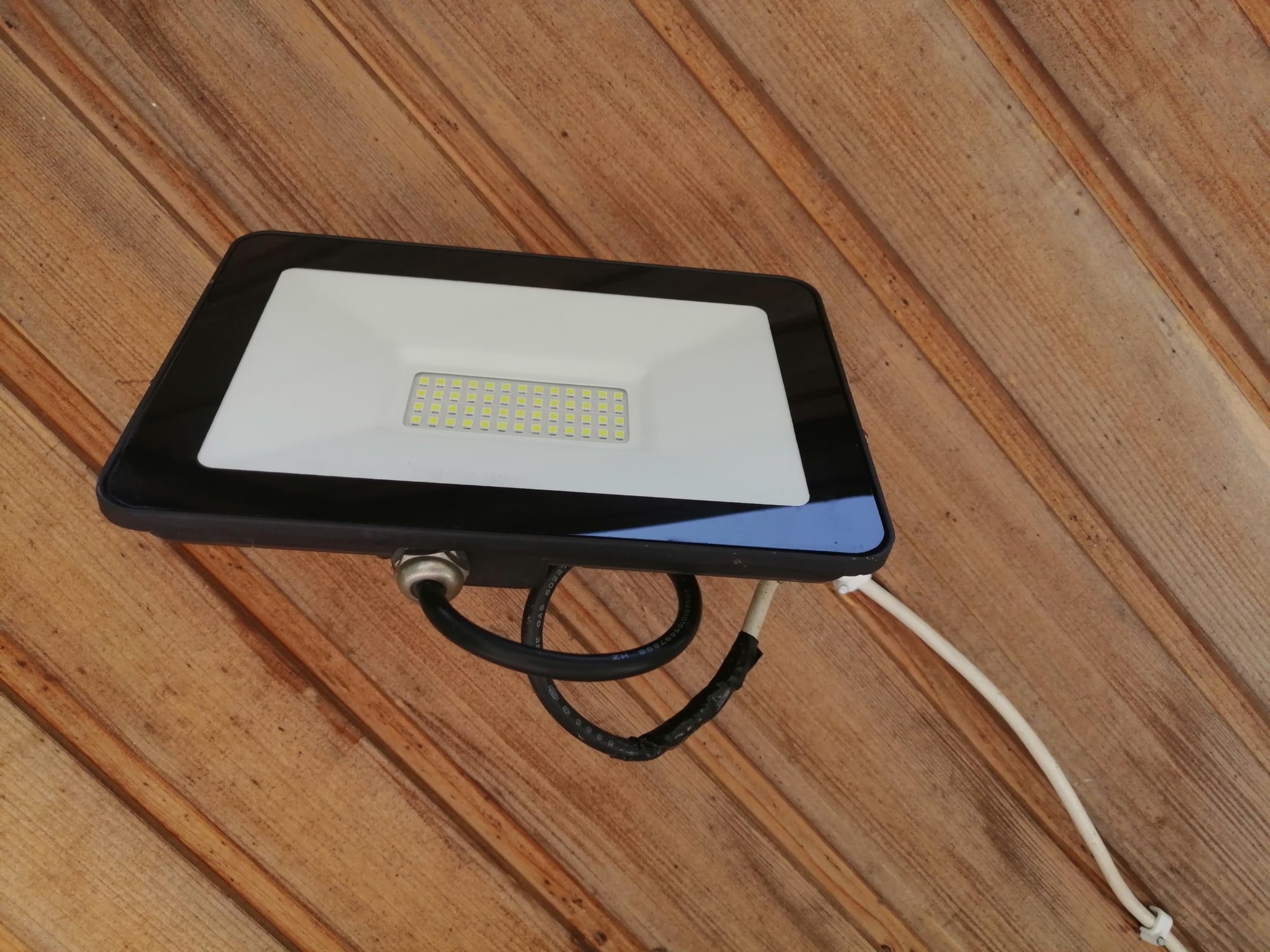
Motion-activated flood lights serve double duty by illuminating dark areas and startling potential intruders. Smart versions let you control brightness, set schedules, and receive notifications when they activate.
Some models include built-in cameras or speakers for added functionality.
Driveway Alarm Systems
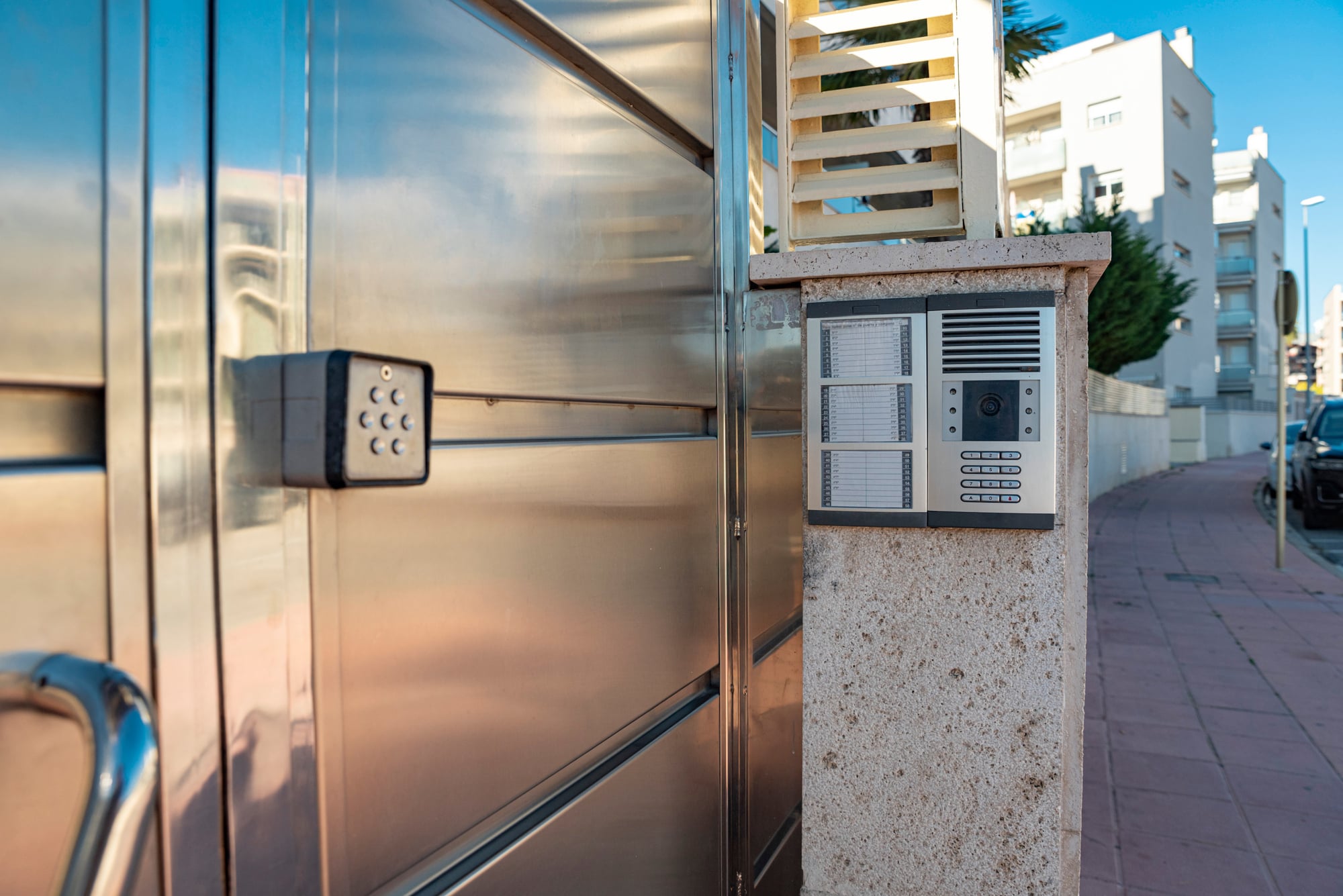
Driveway sensors detect vehicles or people approaching your property long before they reach your front door. They use infrared beams or vibration detection to monitor driveways up to 1,000 feet away.
This early warning system gives you time to see who’s coming and prepare accordingly.
Indoor Security Cameras
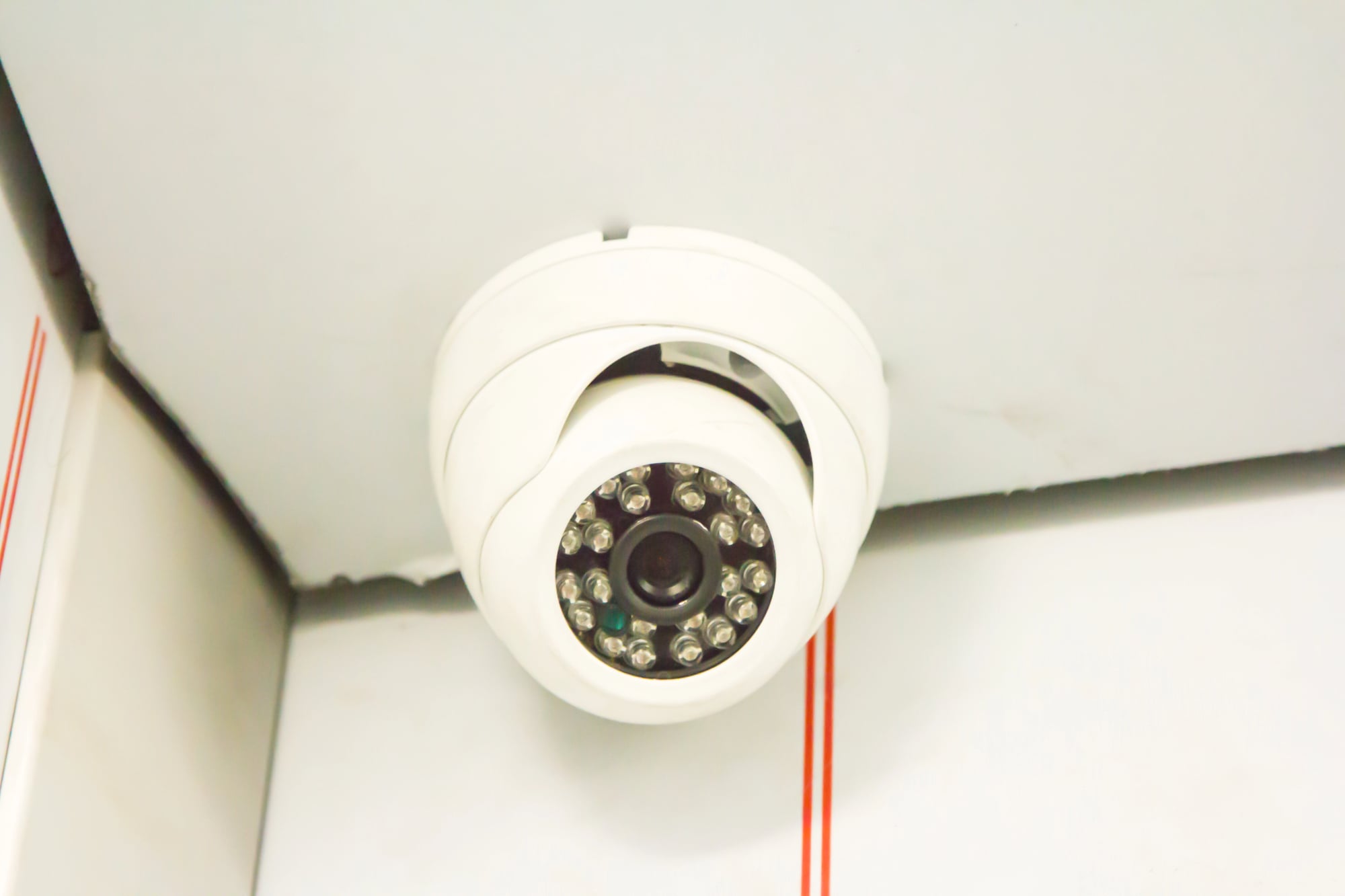
Indoor cameras keep watch over the inside of your home and can help monitor everything from package deliveries to pet activities. Many offer two-way audio, so you can communicate with family members or even scare off intruders.
Look for models with local storage options to avoid monthly cloud fees.
Smart Smoke and Carbon Monoxide Detectors
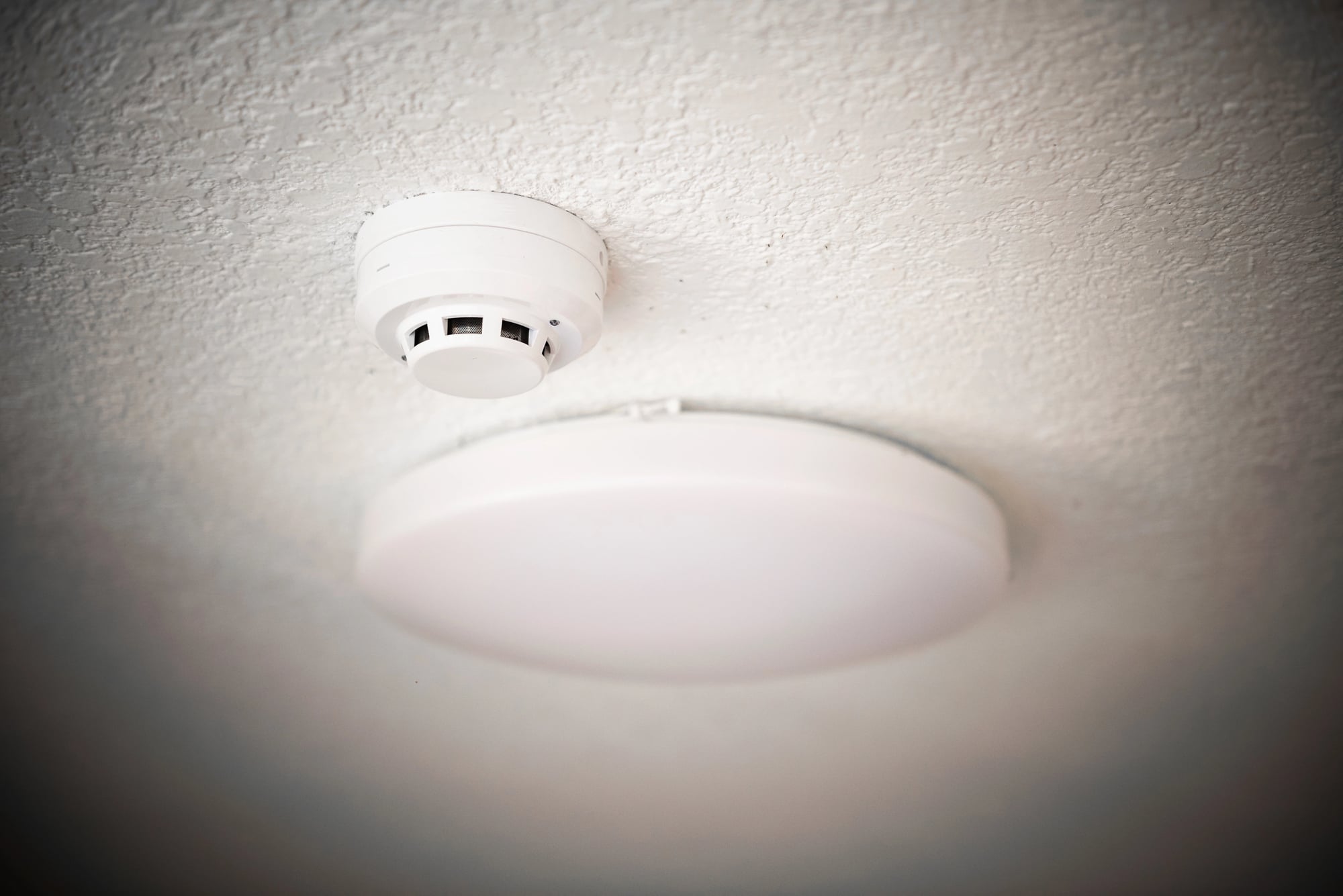
Smart smoke detectors do more than just beep when there’s danger—they send alerts to your phone and can even tell you which room has the problem. Some models include built-in emergency lighting and can automatically contact emergency services.
They’re particularly valuable because fires and gas leaks can happen whether you’re home or not.
Security Cameras with Facial Recognition
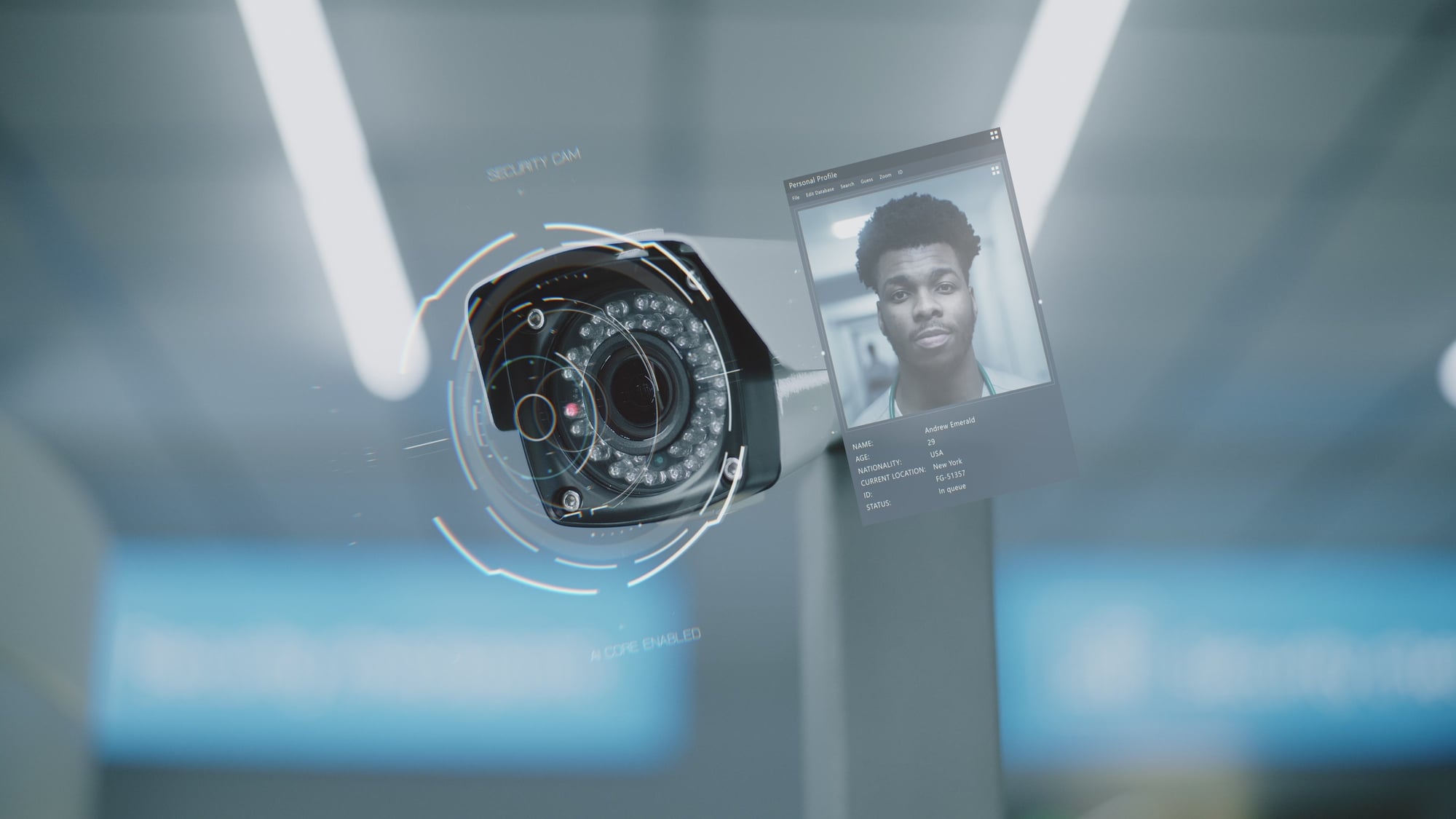
Cameras with facial recognition technology can learn to identify family members, friends, and regular visitors. This means you’ll get fewer false alarms and can quickly spot when someone unfamiliar is on your property.
Some systems can even create custom alert messages like ‘Mom just arrived home’ or ‘Unknown person detected.’
Panic Buttons

Wearable panic buttons provide instant access to help during emergencies. Modern versions can connect to your smartphone, security system, or monitoring service with the press of a button.
They’re especially useful for elderly family members or anyone who might need quick assistance.
Smart Window Blinds

Automated blinds can make your home look occupied even when you’re away by opening and closing on schedule. Some models include sensors that automatically adjust based on sunlight or temperature.
While not traditional security devices, they’re excellent for maintaining the illusion that someone’s always home.
Wireless Security Cameras
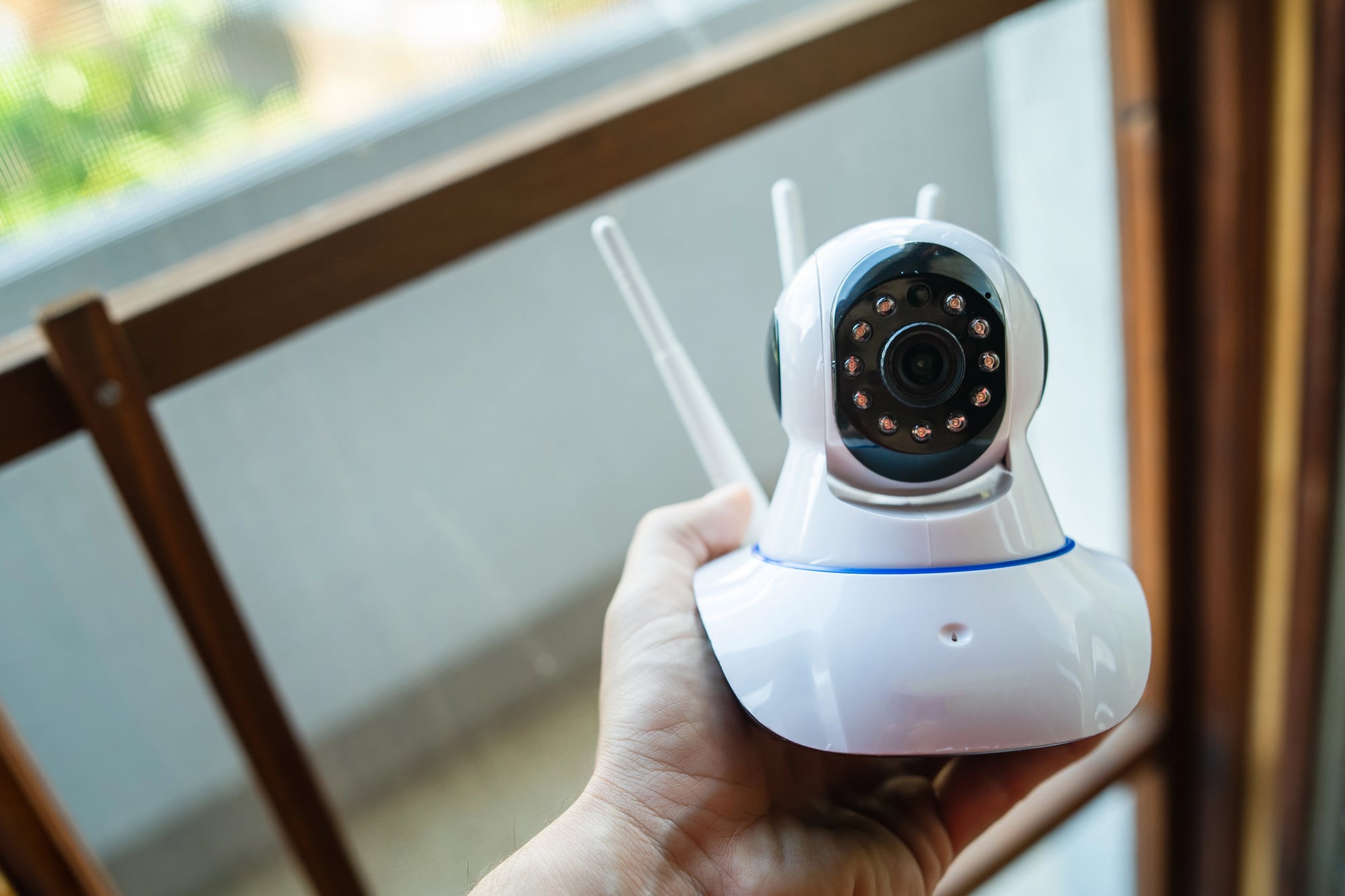
Battery-powered wireless cameras can be placed anywhere without worrying about power outlets or running cables. They’re perfect for monitoring remote areas like sheds, garages, or the far corners of your property.
Most offer months of battery life and weather-resistant designs.
Smart Garage Door Openers
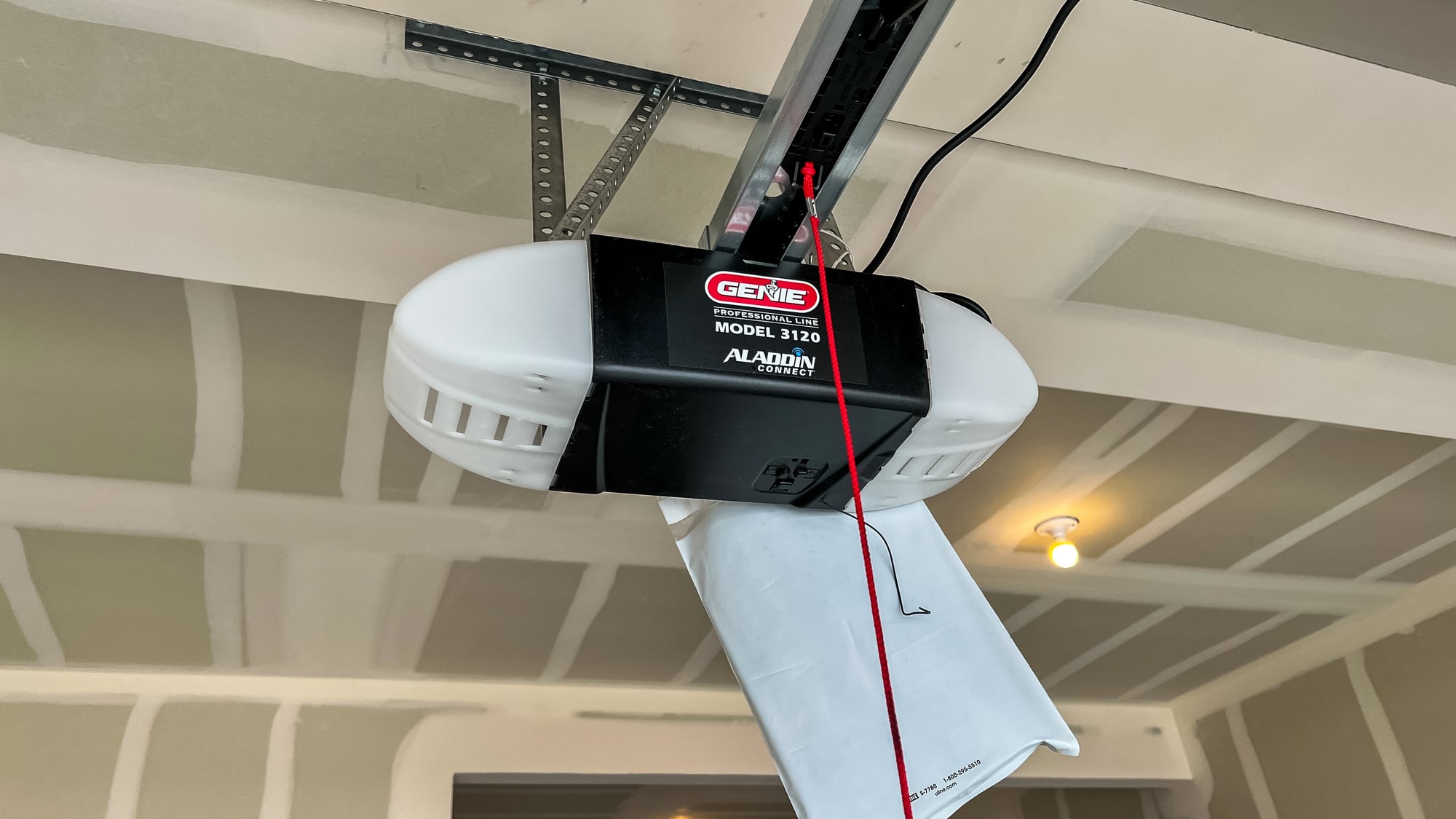
Smart garage door controllers let you monitor and control your garage door from anywhere. They’ll send alerts if you accidentally leave it open and can automatically close it after a set time.
Some models include built-in cameras to verify who’s entering or leaving through the garage.
Vibration Sensors
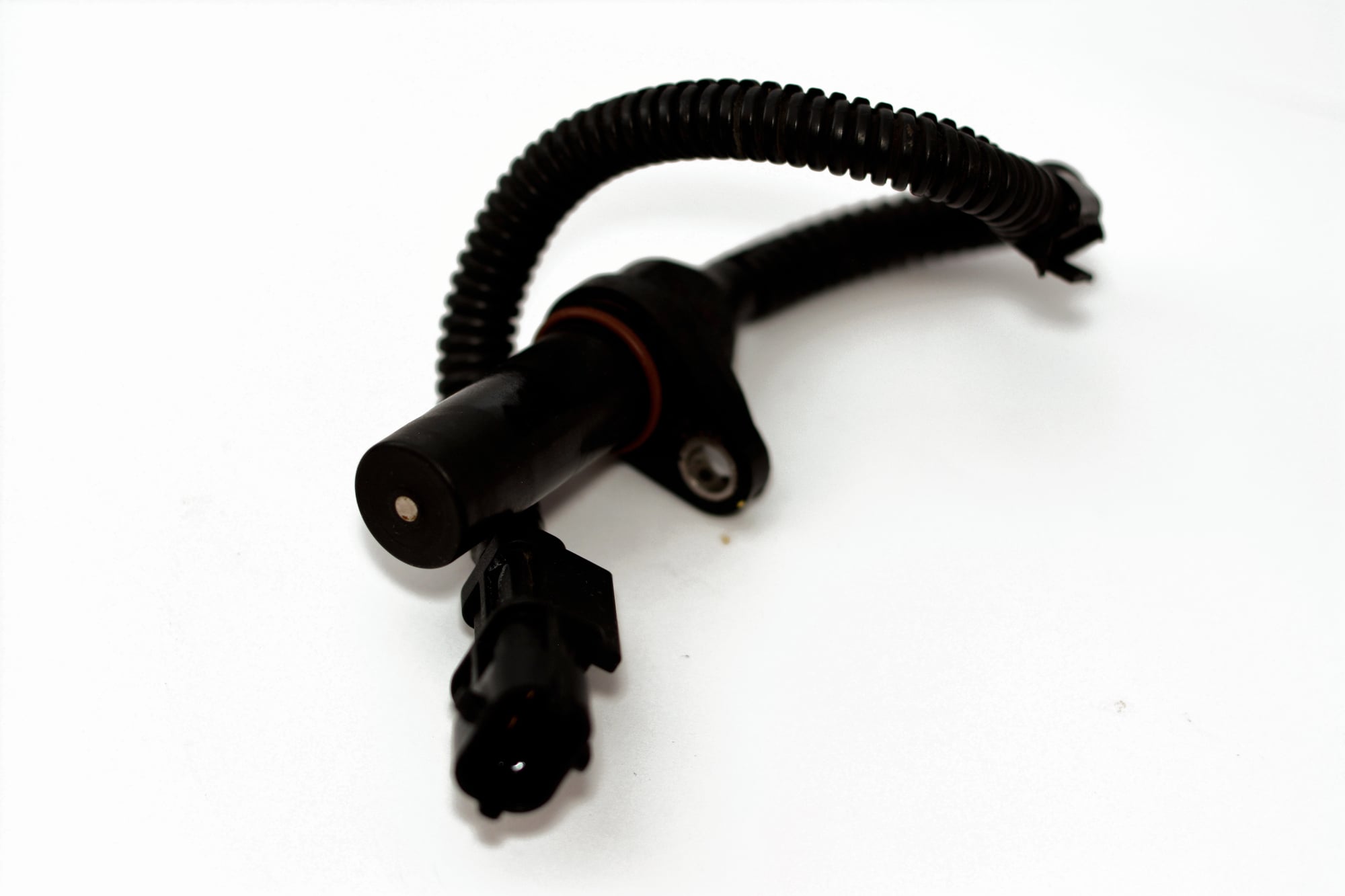
Vibration detectors can sense when someone is trying to break through walls, windows, or doors by detecting the physical vibrations from impacts. They’re particularly useful for protecting safes, gun cabinets, or basement windows that might be out of sight.
These sensors can distinguish between normal household vibrations and suspicious activity.
Smart Sirens and Alarms
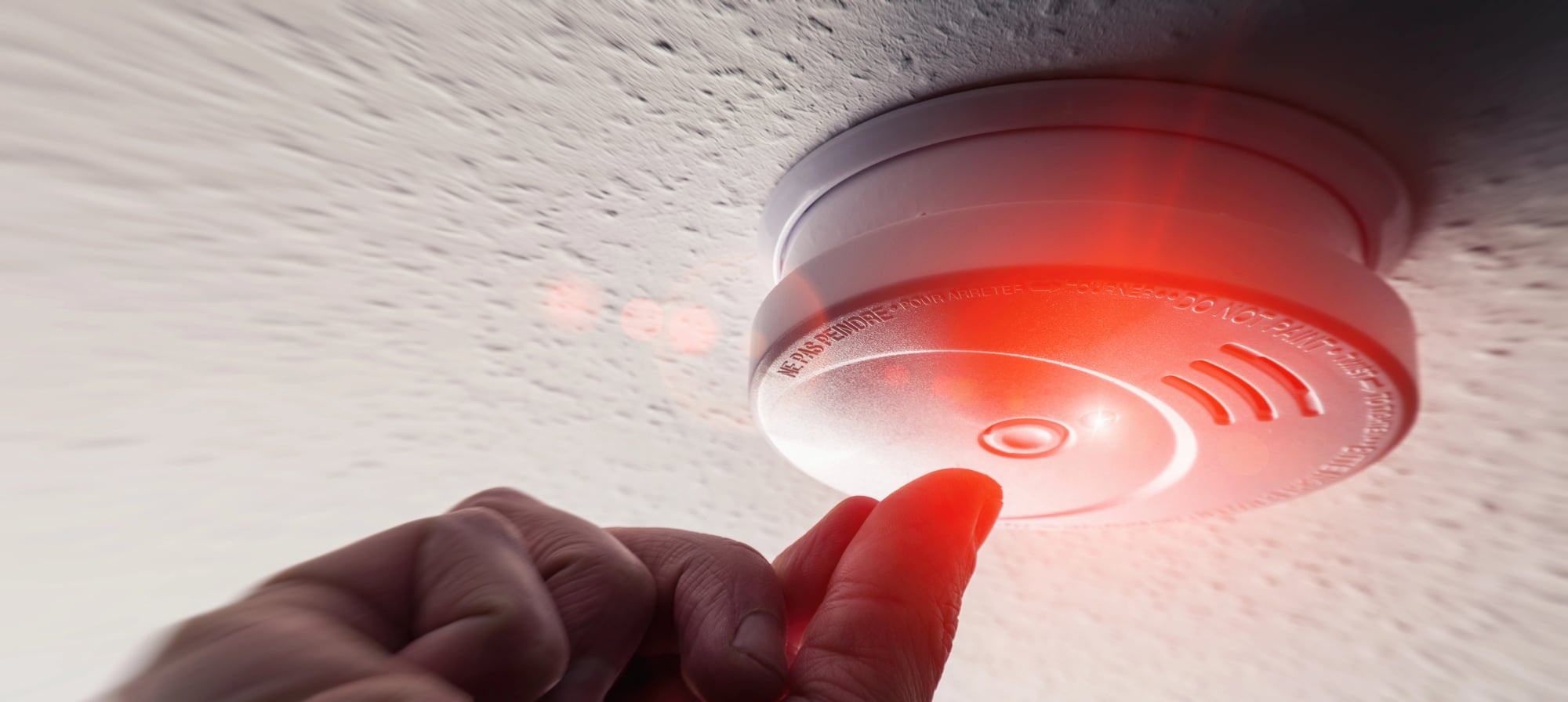
Modern alarm systems offer much more than loud sirens—they can flash lights, send smartphone alerts, and even make announcements through built-in speakers. Some models can play different sounds for different types of alerts, so you instantly know whether it’s a break-in, fire, or just a low battery warning.
Personal Security Cameras
Small, portable cameras can be placed temporarily in areas where you suspect unusual activity. These devices often include night vision and motion detection in packages small enough to hide easily.
They’re perfect for monitoring babysitters, service workers, or investigating mysterious sounds in the middle of the night.
The Connected Home Advantage
Modern security technology works best when devices communicate with each other to create a comprehensive protection network. A smart home security system can automatically turn on lights when cameras detect motion, lock doors when the alarm is set, and send detailed alerts that help you understand exactly what’s happening.
The key is choosing devices that work together rather than creating a collection of isolated gadgets that don’t share information.
More from Go2Tutors!

- The Romanov Crown Jewels and Their Tragic Fate
- 13 Historical Mysteries That Science Still Can’t Solve
- Famous Hoaxes That Fooled the World for Years
- 15 Child Stars with Tragic Adult Lives
- 16 Famous Jewelry Pieces in History
Like Go2Tutors’s content? Follow us on MSN.