Food Early Pioneers Ate to Survive the Old West
The Old West wasn’t glamorous. The trail was long, the weather was brutal, and grocery stores were a concept that hadn’t been invented yet.
Pioneers heading west had to carry everything they needed, find what they could along the way, and make do with ingredients that most people today wouldn’t recognize as food. What they ate kept them alive — barely, sometimes — and shaped the culinary traditions of an entire region.
Hardtack — The Bread That Refused to Die

Hardtack was a simple flour-and-water cracker baked until nearly all moisture was gone. That’s it.
No salt, no fat, no flavor. It had the texture of a roof tile and could survive months without spoiling, which is exactly why pioneers loved it.
You could soften it in water or coffee, fry it in grease, or just gnaw through it raw. It wasn’t pleasant.
But it was portable, it kept, and it filled you up. Hardtack showed up in soldiers’ packs during the Civil War and in settlers’ wagons headed across the plains.
If you were hungry enough, it tasted fine.
Salt Pork — Fat That Did a Lot of Heavy Lifting

Salt pork was pork belly or fatback packed in salt to preserve it. It was dense, salty, and rich in fat — three things a body desperately needs when walking ten miles a day across open terrain.
Pioneers used it mostly as a cooking fat. You’d throw a slab into a pan and let it render down, then cook your beans or vegetables in the drippings.
Sometimes they’d eat the pork itself, though it needed soaking first to pull out some of the salt. It kept for weeks without refrigeration, which made it one of the most practical foods on the trail.
Beans — Simple, Dense, and Worth Every Minute of Cooking

Dried beans were a staple of pioneer life. Pinto beans, navy beans, black-eyed peas — the specific variety depended on the region, but the general idea was the same everywhere.
Cheap, dense with protein, and able to last for months when dried. The catch was the cooking time.
Beans took hours over an open fire, which meant planning ahead. Cowboys and settlers often started a pot in the morning and let it go all day.
When beans were cooked with a chunk of salt pork or a bone, the flavor came together in a way that made a rough camp feel almost comfortable.
Cornmeal — The Ingredient That Did Everything
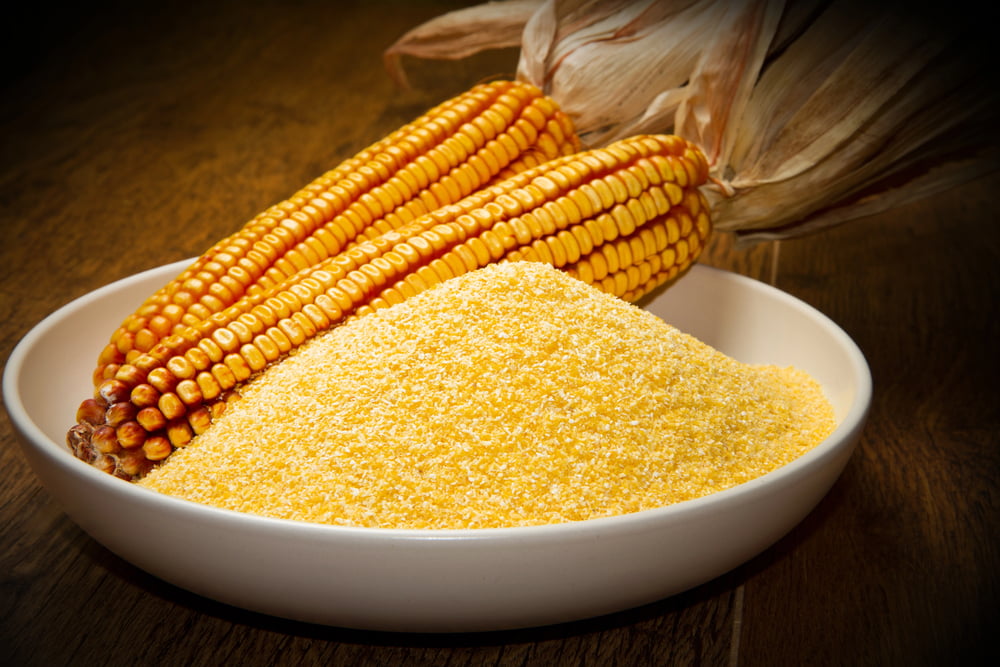
Cornmeal was everywhere in the 19th century American West. It came from corn that was dried and ground, lasted a long time in storage, and could be turned into a dozen different things depending on what else you had on hand.
Mixed with water, it became johnnycakes — flat cornbread cooked directly on a griddle or even on a flat rock over a fire. Mixed with a little more water, it became mush, which was basically a thick porridge.
Neither was exciting. But cornmeal was cheap, widely available, and packed enough calories to keep a person moving.
Jerky — Meat That Traveled Without Spoiling

Preserving meat on the trail meant either salting it or drying it. Drying gave you jerky — thin strips of beef or venison that had been salted and left in the sun or over a low fire until most of the moisture was gone.
Jerky was dense. A handful could get you through most of a day.
It was also tough enough to chew through, which slowed you down and made you feel fuller than you actually were. Pioneers made their own, though they also traded with Native American communities for pemmican — a similar product made from dried meat mixed with rendered fat and dried berries.
Pemmican had even more calories per ounce and stored exceptionally well.
Sourdough — The Living Culture You Carried

Sourdough starter wasn’t just a recipe. It was a living culture that pioneers maintained and protected across hundreds of miles of trail.
The starter — a fermented mix of flour and water — acted as a leavening agent, making bread rise without commercial yeast. Keeping the starter alive required feeding it regularly and keeping it warm.
Some settlers reportedly slept with their starter jar in cold weather to keep it from dying. In return, it gave them bread, flapjacks, and biscuits throughout the journey.
A good sourdough culture was a genuine asset, and many families kept theirs going for decades.
Wild Game — Whatever the Land Offered
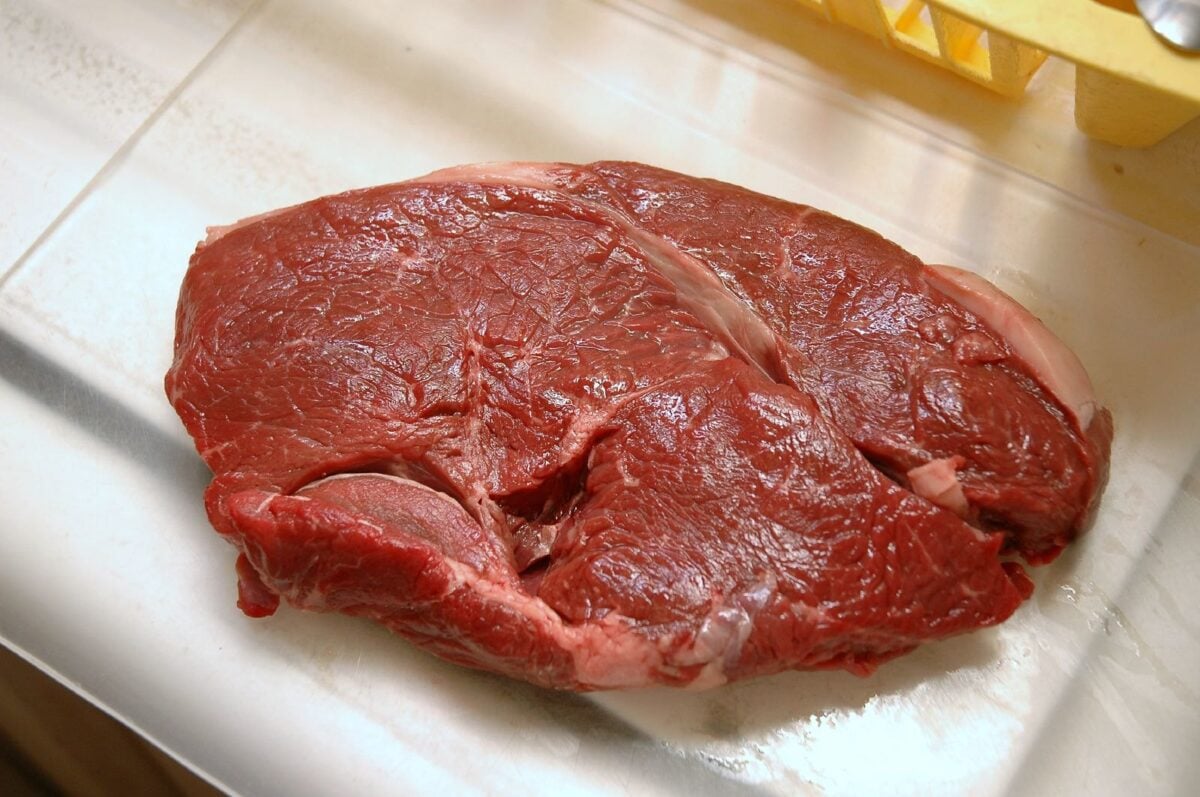
When provisions ran low, hunters went out. Buffalo were the most significant source of wild meat on the plains, and before their populations were decimated in the 1870s and 1880s, they were hunted regularly. A single buffalo provided hundreds of pounds of meat, a hide for shelter or clothing, and fat for cooking.
Smaller games filled in the gaps. Deer, rabbits, prairie dogs, wild turkey, and grouse all ended up in the pot.
Near rivers, fish and crawfish rounded out the diet. Skilled hunters could keep a wagon train fed for days.
Those without hunting skills had to stretch their rations further than was comfortable.
Prairie Turnips and Wild Roots

Native plants fed people long before European settlers arrived, and pioneers who paid attention learned quickly which ones were edible. Prairie turnips — also called Indian breadroot — were starchy roots found across the Great Plains.
They could be eaten raw, boiled, or dried and ground into flour. Wild onions grew in many regions and added flavor to otherwise bland meals.
Cattail roots and shoots were edible when prepared correctly. In the desert Southwest, prickly pear cactus provided both water and nutrition. Knowing your local plants wasn’t just a skill — it was sometimes the difference between making it through a hard week and not making it at all.
Dried Fruit — A Small Piece of Something Sweet
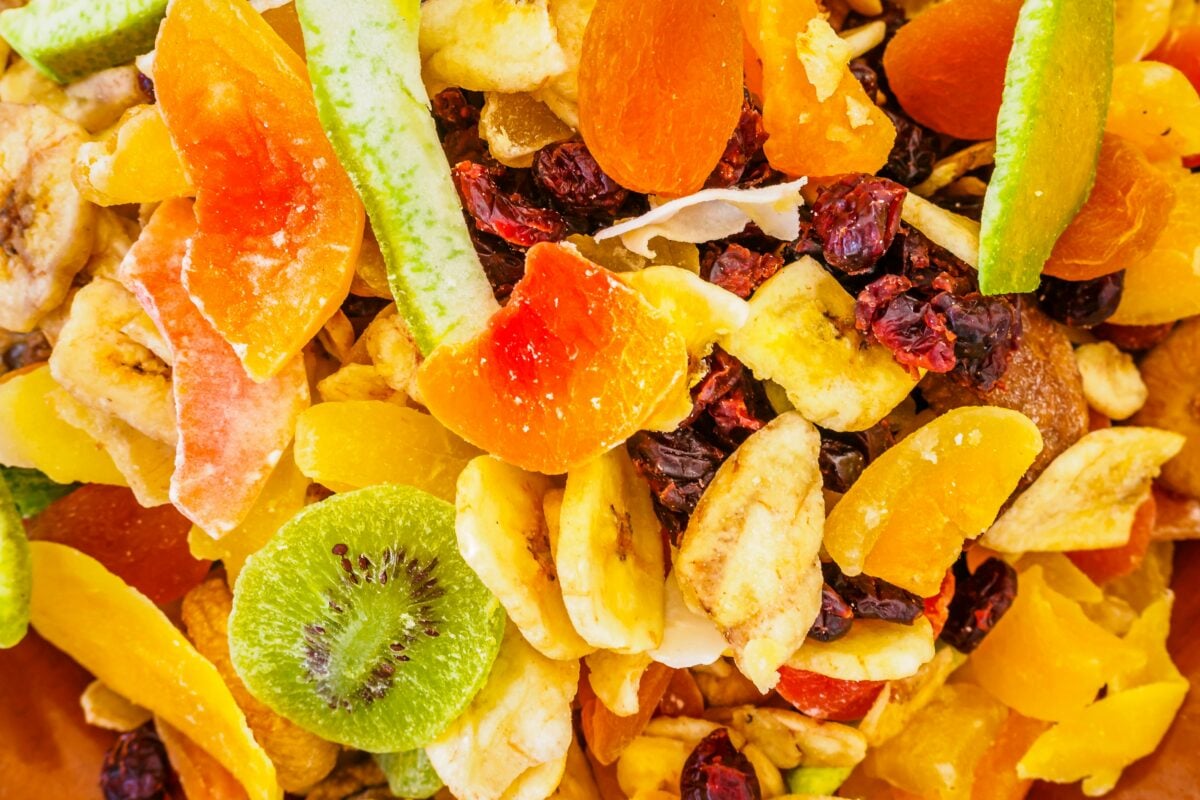
Dried fruit was one of the few sweet things pioneers carried with them. Raisins, dried apples, and dried peaches were common.
They packed well, kept for months, and provided vitamins that trail food often lacked. People ate them plain as a snack or rehydrated them with water to make a simple stewed fruit.
Mixed into cornmeal mush or biscuit dough, they lifted an otherwise punishing meal into something almost worth looking forward to. The sugar content also gave a real energy boost, which mattered at the end of a long day.
Coffee — Black, Strong, and Non-Negotiable

Coffee on the trail was a serious matter. Pioneers carried green coffee beans and roasted them fresh over the fire, grinding them with whatever was available — sometimes just crushing them with a rock.
The resulting brew was strong and often gritty, but it was hot, it had caffeine, and it gave people something to look forward to. Water on the trail was frequently suspect — rivers carried disease, and still water was worse.
Coffee, boiled for a while over a fire, was safer to drink. That practical reality reinforced a cultural habit, and coffee became embedded in Western life in a way that still shows up today in the American cowboy image.
Molasses — When You Needed Something Sweet and Lasting
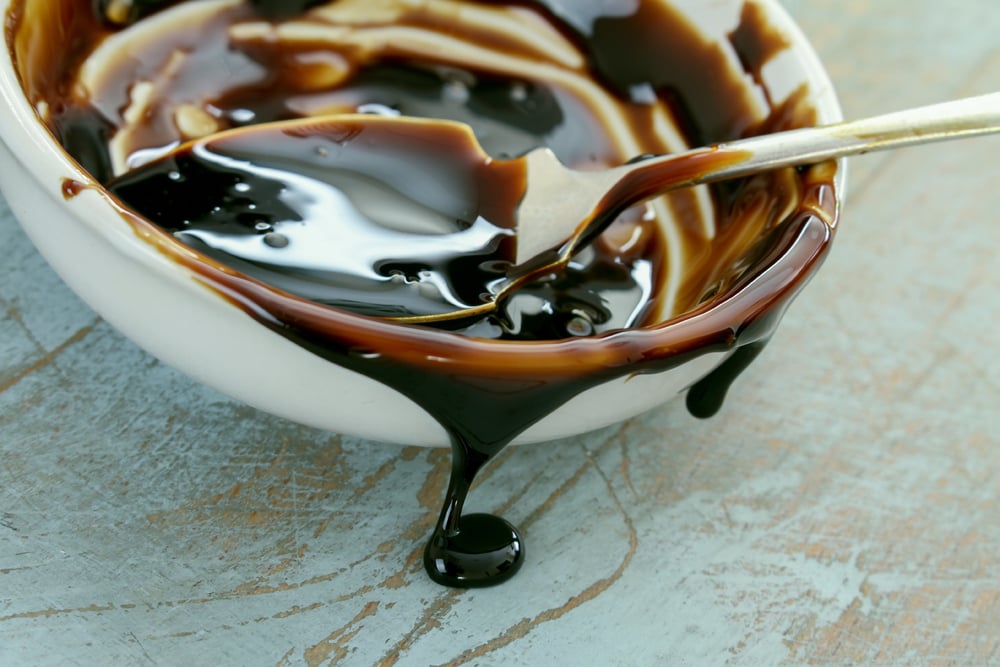
Refined sugar was expensive and rare. Molasses was the practical substitute. It came from sugarcane processing and was thick, dark, and intensely sweet.
A small jug went a long way. Pioneers used molasses to sweeten cornbread, stir into coffee, and mix into beans for a dish that became the ancestor of Boston baked beans.
It also provided iron and other minerals that trail food often lacked. You wouldn’t call it a delicacy, but stirred into hot cornmeal on a cold morning, it did the job.
Canned Goods — Technology That Changed Everything

Halfway through the 1800s, shelves in Western shops began holding cans of food. Beans came sealed tight.
So did tomatoes, oysters, even fruit – each sitting stiff on wooden counters. Weight was an issue.
Cost too. Still, these tins brought tastes you could not find in jerky or salted grain.
Fresh food vanished fast on long trips, yet metal tins held up when packed right. Along dusty routes soldiers kept stores behind thick walls, so folks passing by might trade for something beyond salt meat.
Tomatoes sealed tight in cans became a favorite pick – sharp flavor punched through bland meals while fighting off weakness from missing nutrients. Scurvy crept in where diets stayed flat, but jars with red pulp offered quiet protection.
Lard An Essential Frontier Staple

Pork fat’s quiet presence faded when kitchens changed, yet back in the 1800s across America’s frontier, it mattered deeply. Made by slowly melting down fatty tissue, this creamy substance browned potatoes in skillets, softened dough into flaky rounds, sealed jars of ham beneath glossy shields, while also soothing rough hands and chapped faces.
A tiny portion held loads of fuel, perfect for those using up huge reserves while hiking. Because they were baked with lard, biscuits carried a dense mouthfeel and deep taste, almost like eating something hearty after a long day.
The act of frying things in animal fat shaped how many dishes tasted across the South and West, year after year.
Foraging – Eating What You Left Behind

Packed tight though it was, supplies always gave out before the journey did. To make up for what was missing, travelers turned to gathering wild plants.
Some knowledge came by watching tribes who already lived on the land, some from pages in worn guides, yet most of it arrived through mistakes that taught better choices later. Hunger didn’t care much for pickiness.
Chokecherries, serviceberries, wild plums – gathered only when ripe – were gobbled at once or left to dry slowly in sunlit rows. Fat and protein came mostly from walnuts, sometimes pine nuts if they could be found.
When supplies ran thin, pots held whatever wasn’t nailed down. Pioneer journals mention stews made of things like boiled shoe leather, grain meant for horses, even strips of inner bark when snow stayed too long.
Few ever faced such hunger. Yet knowing it could come made settlers pause at each scrap of food found along the way.
What the Trail Left Behind
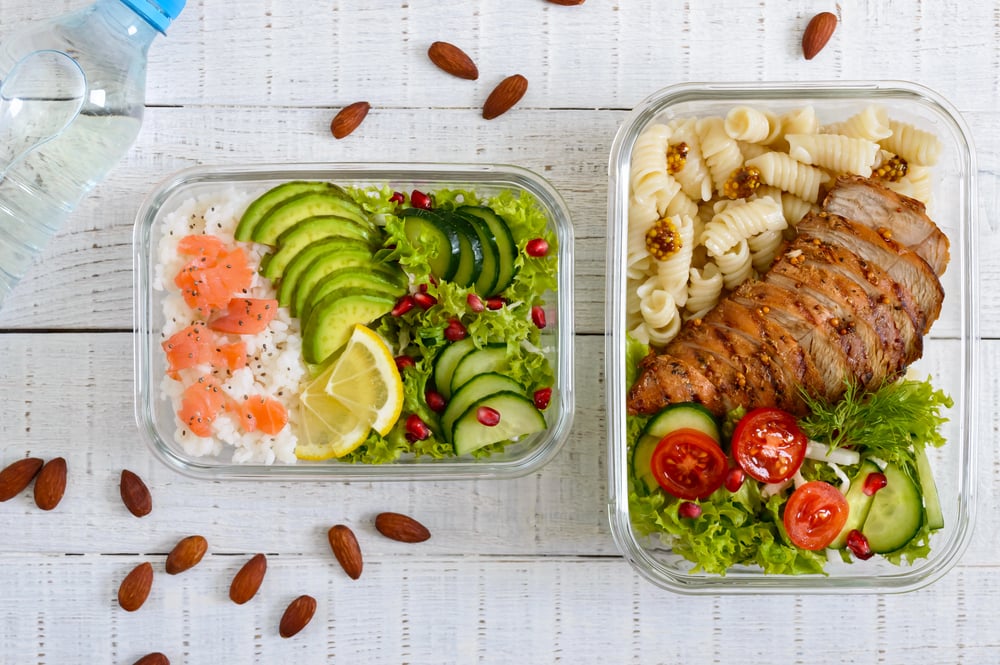
Packed meals didn’t start with fancy ideas or free time. They began because people had to eat.
Those moving west took food that lasted, moved well, survived rough trips – whatever the ground gave them. Salt preserved meat.
Fat stored energy. Dry grains filled bellies.
Every scrap mattered. Nothing got left behind.
Baked earth and long winters shaped what landed on plates across America. Sourdough rises slow in San Francisco, handed down like breath.
Down South and through the middle states, beans simmer beside dense cornbread, quiet staples. Black coffee runs thick, unsweetened, built for waking before dawn.
Not charm or memory drives these meals. Necessity carved them into place.
People stretched every scrap because waste meant hunger. Survival cooked the meal, then stayed at the table.
More from Go2Tutors!

- The Romanov Crown Jewels and Their Tragic Fate
- 13 Historical Mysteries That Science Still Can’t Solve
- Famous Hoaxes That Fooled the World for Years
- 15 Child Stars with Tragic Adult Lives
- 16 Famous Jewelry Pieces in History
Like Go2Tutors’s content? Follow us on MSN.