16 Wildlife Making Surprising Urban Comebacks
Cities used to be considered wildlife deserts where only pigeons and rats could survive. But something remarkable has been happening over the past few decades as conservation efforts and urban planning changes have created unexpected opportunities for wild animals to reclaim metropolitan areas.
Here’s a list of 16 wildlife species making surprising urban comebacks. These success stories show how adaptable nature can be when given even small chances to recover.
Peregrine Falcons
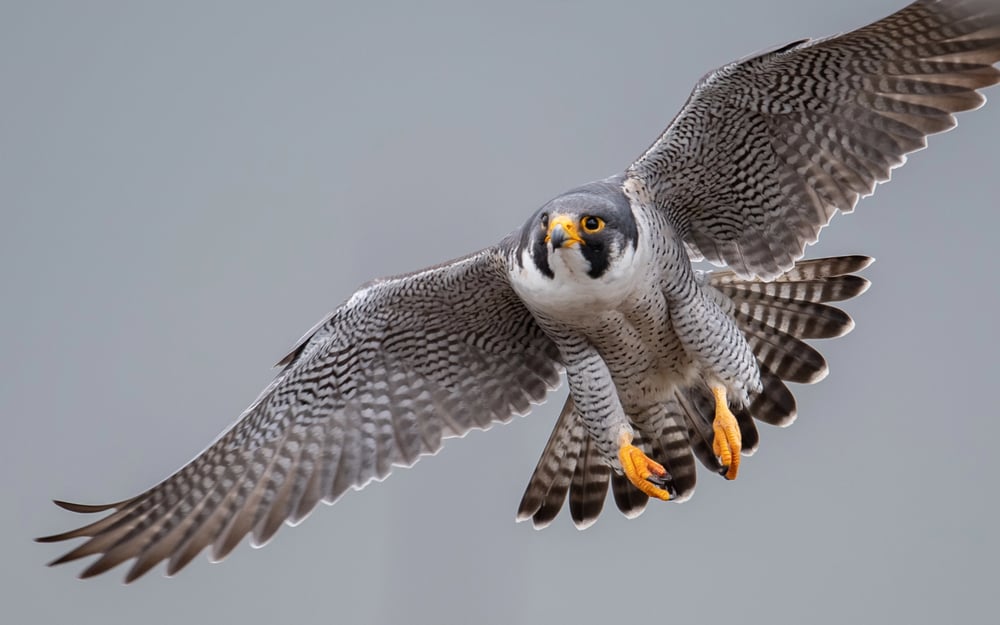
These fastest birds on Earth have discovered that city skyscrapers make perfect substitutes for their traditional cliff nesting sites. Urban areas provide abundant prey in the form of pigeons and starlings, plus tall buildings offer ideal hunting perches.
Major cities like New York, Chicago, and San Francisco now host thriving peregrine populations that were nearly extinct just 50 years ago.
Coyotes

Once confined to western deserts, coyotes have adapted remarkably well to city life and can now be found in every major American metropolitan area. They’ve learned to hunt at night, use storm drains as highways, and raise families in urban parks and golf courses.
Their intelligence and adaptability have made them one of the most successful urban wildlife comeback stories.
Like Go2Tutors’s content? Follow us on MSN.
Wild Turkeys

These large birds have become common sights in suburban neighborhoods from Boston to San Francisco, strutting down sidewalks and stopping traffic. Urban areas provide plenty of food sources through bird feeders, gardens, and food scraps, while parks and green spaces offer roosting sites.
Some cities now have turkey populations so robust that they’ve become minor traffic hazards.
Black Bears

Bear sightings in cities from Colorado to Connecticut have increased dramatically as populations recover and urban sprawl pushes into their habitat. They’ve learned that garbage cans, bird feeders, and fruit trees provide easy meals compared to foraging in the wild.
Most urban bear encounters are peaceful, but their presence has forced cities to develop ‘bear aware’ programs and wildlife-proof trash containers.
White-Tailed Deer

Suburban areas have become deer paradise, offering manicured landscapes full of tasty plants without natural predators. Many cities now have deer populations that exceed what the surrounding forests can support.
These urban deer have lost much of their fear of humans and can often be seen grazing in parks, golf courses, and residential yards.
Like Go2Tutors’s content? Follow us on MSN.
River Otters

Clean water initiatives have brought otters back to urban waterways they hadn’t inhabited for over a century. Cities like Seattle, Chicago, and Washington, D.C., now have established otter populations living in their rivers and harbors.
These playful mammals serve as indicators of improving water quality and healthier urban ecosystems.
Great Blue Herons
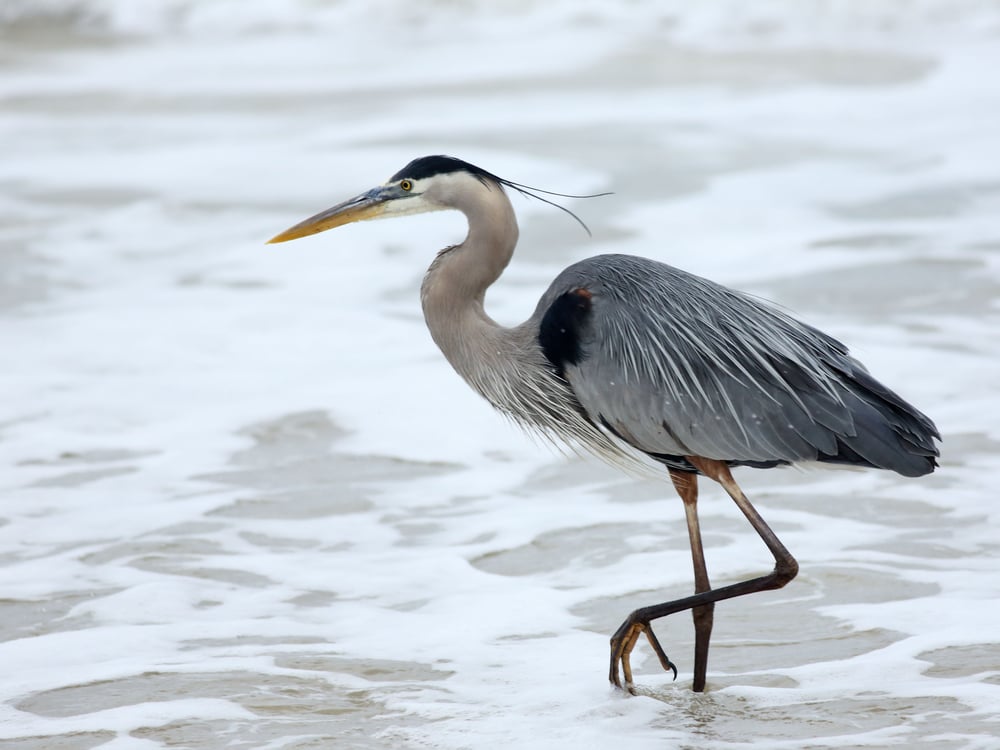
These majestic wading birds have established colonies in city parks and along urban waterways as fish populations recover in cleaned-up rivers and lakes. They’ve adapted to nesting in trees near busy streets and hunting in constructed wetlands and retention ponds.
Their presence signals that urban water bodies are becoming healthy enough to support complex food webs.
Bobcats

These elusive wild cats have quietly moved into cities across the American West, using green corridors and undeveloped lots to navigate urban landscapes. They primarily hunt rabbits, rodents, and birds, helping control pest populations without most residents ever knowing they’re there.
Trail cameras have revealed that bobcats are far more common in cities than previously thought.
Like Go2Tutors’s content? Follow us on MSN.
Bald Eagles

The recovery of America’s national bird includes surprising urban success stories, with eagles now nesting in cities along major rivers and coastlines. Urban areas often provide excellent fishing opportunities and tall structures for nesting, plus reduced persecution compared to rural areas.
Cities like Minneapolis, Seattle, and Washington D.C. now host breeding pairs that have become local celebrities.
Foxes

Both red and gray foxes have adapted well to city life, finding that urban areas offer abundant food sources and fewer large predators than rural environments. They’ve learned to navigate traffic, hunt in parks, and even raise kits under porches and in storm drains.
Urban foxes often live longer than their rural counterparts due to reduced hunting pressure.
Raccoons

These masked bandits have become so successful in cities that urban raccoon populations often exceed rural densities. Their intelligence and dexterity make them perfectly suited for navigating human environments and accessing food sources.
Some urban raccoons have even learned to wash their food in decorative fountains or swimming pools.
Like Go2Tutors’s content? Follow us on MSN.
Cooper’s Hawks

These bird-hunting specialists have thrived in cities where feeders attract large numbers of songbirds, creating concentrated prey sources. Urban Cooper’s hawks have adapted their hunting techniques to navigate between buildings and have learned that backyard bird feeders are reliable hunting grounds.
Their success has helped control urban bird populations naturally.
Opossums

North America’s only native marsupial has quietly expanded its range northward as cities provide warmer microclimates and abundant food sources. Urban opossums help control pest populations by eating insects, rodents, and even venomous snakes.
Despite their fierce appearance when threatened, they’re generally harmless and provide valuable pest control services.
Mountain Lions

These large predators have been spotted with increasing frequency in cities throughout the American West, following deer populations and greenway corridors into metropolitan areas. While encounters remain rare, their presence demonstrates how large predators can adapt to fragmented landscapes.
Urban mountain lions typically avoid human contact and primarily hunt deer and smaller mammals.
Like Go2Tutors’s content? Follow us on MSN.
Monarch Butterflies

Urban pollinator gardens and native plant initiatives have created stepping stones for migrating monarchs through cities they once avoided. Rooftop gardens, community plots, and deliberately planted milkweed corridors now support monarch reproduction in metropolitan areas.
Cities have become crucial stopover points in the monarch’s epic migration journey.
Moose

These massive animals have started appearing in northern cities as populations recover and urban sprawl encroaches on their habitat. Urban moose create unique challenges because of their size and unpredictable behavior, but they demonstrate how even the largest wildlife can adapt to human-dominated landscapes.
Cities like Anchorage and several Canadian metropolitan areas now regularly deal with moose visitors.
Wild Neighbors in Concrete Jungles

These urban wildlife recoveries represent a fundamental shift in how we think about cities and nature coexisting. What seemed impossible just decades ago has become routine as cleaner environments, wildlife corridors, and changing attitudes create space for wild animals in metropolitan areas.
The success of these species shows that cities don’t have to be ecological dead zones, and that with thoughtful planning, urban areas can support surprising biodiversity alongside human populations.
Like Go2Tutors’s content? Follow us on MSN.
More from Go2Tutors!

- 16 Restaurant Chains That Went Too Fast
- 12 Things Sold in the 80s That Are Now Illegal
- 15 VHS Tapes That Could Be Worth Thousands
- 17 Historical “What Ifs” That Would Have Changed Everything
- 18 TV Shows That Vanished Without a Finale
Like Go2Tutors’s content? Follow us on MSN.



