15 Neighborhood Watch Traditions That Worked
Back when neighbors actually knew each other’s names, community safety wasn’t left to chance. Families looked out for one another through simple yet effective practices that kept entire neighborhoods secure. These weren’t elaborate security systems or formal programs — just ordinary people doing extraordinary things for their communities.
Modern technology has certainly changed how we approach home security, though many of these time-tested methods still prove remarkably effective today. Here’s a list of 15 neighborhood watch traditions that actually made a difference in keeping communities safe.
Morning Coffee Circuit

Early risers made their rounds with coffee cups in hand, checking on elderly neighbors and noting anything unusual. This casual patrol disguised itself as friendly socializing — yet provided comprehensive surveillance of the entire block. Neighbors learned each other’s routines and could spot disruptions immediately.
Children’s Safety Network

Parents coordinated pickup schedules and established emergency contacts for every child on the block. Kids knew which houses offered safe havens and which neighbors could help during emergencies — creating multiple layers of protection throughout the community. School buses became mobile communication centers where parents exchanged daily updates.
Porch Light Protocol

Exterior lights stayed on until everyone returned home safely each evening. Neighbors could tell at a glance who was still out and when unexpected visitors arrived — this simple system provided instant visual confirmation of household status. Dark houses during unusual hours triggered immediate welfare checks.
Regular Walking Groups

Evening strolls weren’t just exercise but informal security patrols that covered every street systematically. Walking groups varied their routes and schedules while maintaining visibility throughout the neighborhood — deterring potential troublemakers through consistent presence. These casual gatherings fostered relationships while providing natural surveillance.
Vacation House Monitoring

Traveling families never worried about empty homes because neighbors stepped in automatically. Mail collection, lawn maintenance, and periodic interior checks kept properties looking occupied — while rotating car positions in driveways suggested ongoing activity. House sitters often stayed overnight during extended absences.
Shared Tool Networks
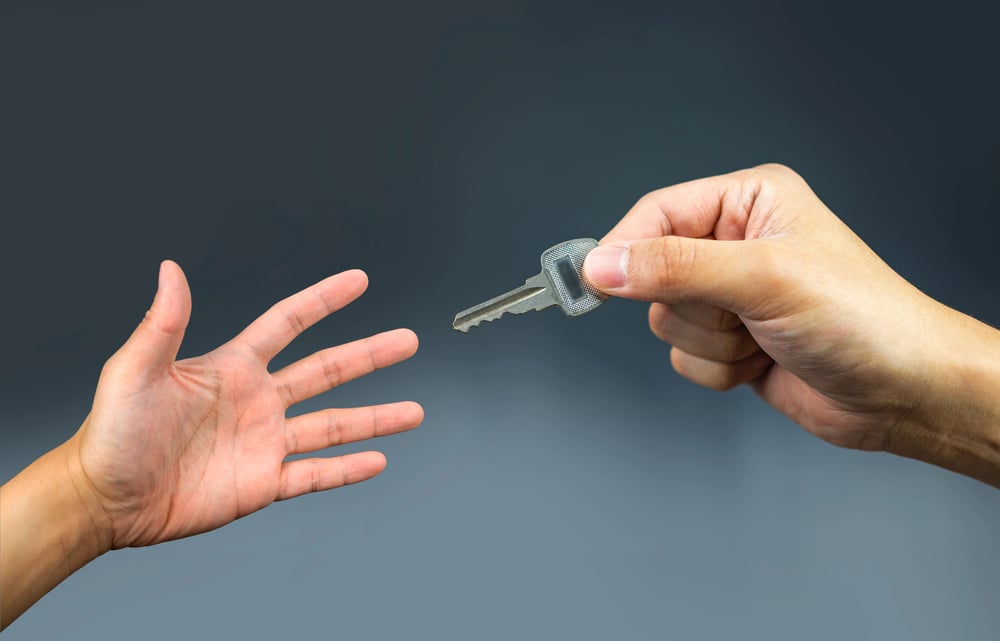
Tool lending created legitimate reasons for neighbors to visit each other regularly throughout the week. These exchanges provided opportunities to check on household welfare and observe any concerning changes — while building the social bonds that made communities stronger. Borrowed equipment required return visits that extended the security network.
Window Watchers

Retired neighbors often positioned themselves near front windows during peak hours, becoming unofficial sentries for their blocks. Their presence deterred package theft and suspicious activity — while providing friendly waves to familiar faces. These voluntary observers knew everyone’s vehicles and typical schedules.
Block Party Planning

Annual gatherings brought entire neighborhoods together and strengthened the relationships that made watch programs effective. Planning committees met regularly throughout the year — creating ongoing communication networks that extended far beyond party preparation. Strong social bonds translated directly into better security cooperation.
Emergency Contact Trees

Phone chains ensured that important information reached every household quickly during crises or suspicious incidents. Designated callers contacted specific neighbors who then reached their assigned contacts — creating redundant communication systems that functioned even when individual links failed. Everyone knew their role in the information network.
Youth Activity Monitoring

Teenagers received gentle supervision from multiple neighbors who knew their families and schedules well. This wasn’t intrusive surveillance but caring oversight that kept kids accountable — while providing early intervention when problems developed. Multiple adult relationships gave young people various trusted sources for guidance and support.
Delivery Coordination

Neighbors accepted packages for each other and monitored service personnel visiting the area during daytime hours. This system prevented theft while ensuring that workers had witnesses present during their activities. Package recipients often left notes indicating which neighbor held their deliveries.
Pet Walking Networks
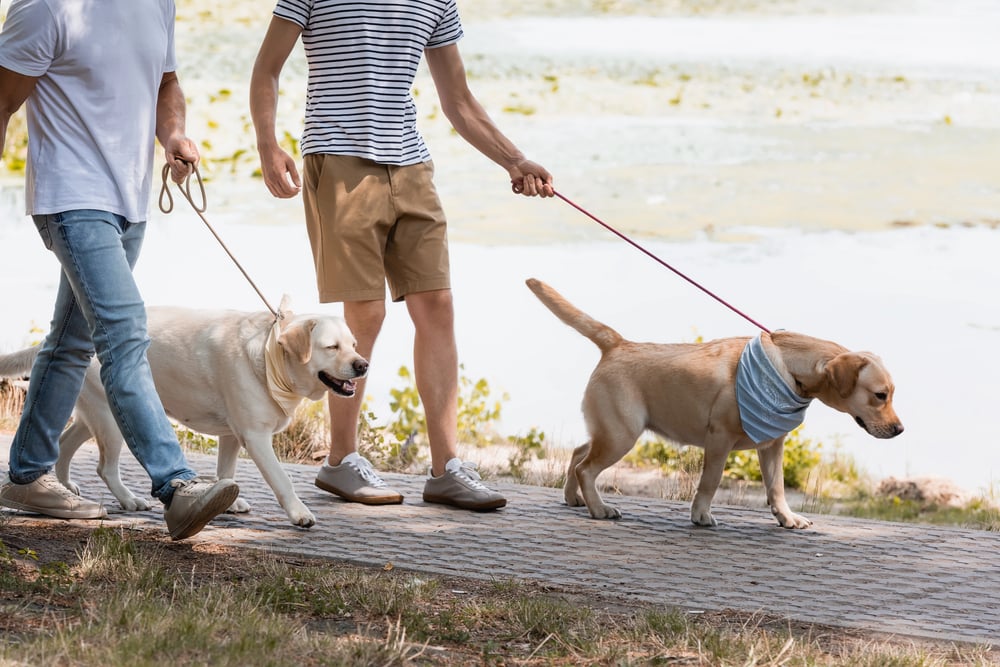
Dog owners coordinated schedules to maintain constant neighborhood presence throughout the day and evening. These walking routes covered different areas at various times while providing natural opportunities to observe and report unusual activity. Pet owners became familiar faces whose presence deterred criminal behavior.
Newcomer Integration

Established residents actively welcomed new neighbors and educated them about local customs and safety practices. Welcome committees delivered information packets and introduced newcomers to key community members during their first weeks. Quick integration meant faster adoption of established security protocols.
Seasonal Maintenance Cooperation

Snow removal, leaf collection, and general upkeep became community efforts that kept neighborhoods looking well-maintained and cared for. Visible community pride discouraged vandalism and other destructive behavior while providing regular opportunities for neighbor interaction. Shared labor created stronger social connections.
Information Sharing Systems
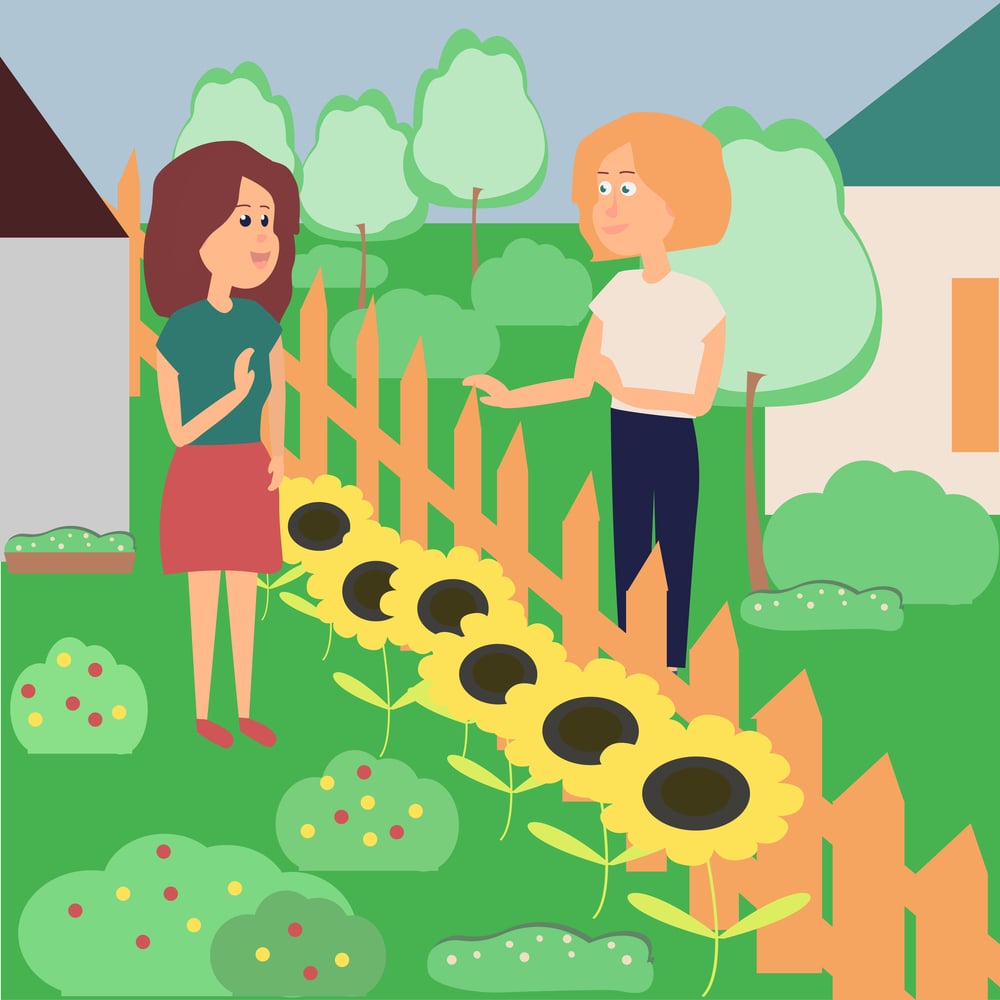
Neighbors exchanged updates about suspicious vehicles, unusual activity, and local crime trends through informal communication networks. Important safety information spread quickly through casual conversations and organized meetings that kept everyone informed. Knowledge sharing enabled proactive rather than reactive security measures.
Community Bonds That Endure

These neighborhood watch traditions succeeded because they recognized that security emerges from social connection rather than technological solutions alone. Communities where people knew and cared about each other naturally developed protective instincts that extended beyond individual property lines. While modern life has certainly complicated these simple approaches, the fundamental principle remains unchanged: neighbors who communicate effectively create safer environments for everyone. The most sophisticated alarm systems can’t replace the vigilance that comes from genuine community relationships and shared responsibility for collective wellbeing.
More from Go2Tutors!

- 16 Historical Figures Who Were Nothing Like You Think
- 12 Things Sold in the 80s That Are Now Illegal
- 15 VHS Tapes That Could Be Worth Thousands
- 17 Historical “What Ifs” That Would Have Changed Everything
- 18 TV Shows That Vanished Without a Finale
Like Go2Tutors’s content? Follow us on MSN.