18 Countries Where American Tourists Make Embarrassing Mistakes
American travelers pack their enthusiasm but often forget their cultural homework. Good intentions can’t prevent awkward moments when visitors assume their home customs work everywhere.
These blunders aren’t born from malice — they happen because cultural differences remain invisible until you’re already standing in them. Smart preparation transforms potential disasters into delightful discoveries filled with authentic local connections.
Here’s a list of 18 countries where American tourists regularly step into cultural quicksand that simple research could have prevented.
Japan
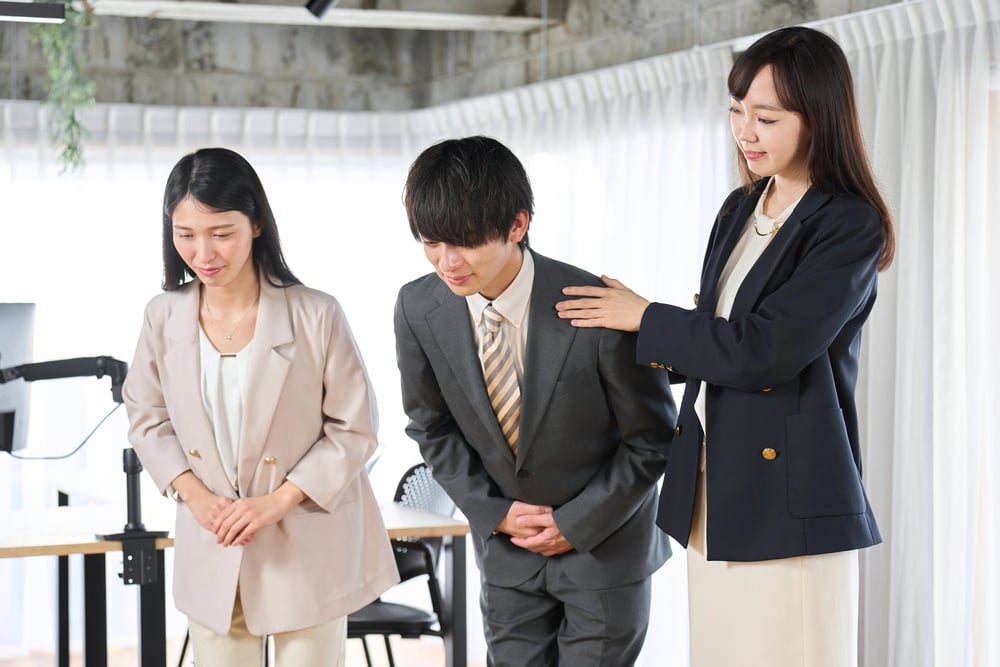
Bowing depth matters tremendously, though most Americans either overdo formal situations or skip the gesture entirely during casual encounters. Shoe protocols inside homes and temples perplex visitors constantly — while chatting loudly on trains violates sacred silence rules.
Gift presentation requires specific wrapping techniques that go way beyond slapping on some ribbon.
India
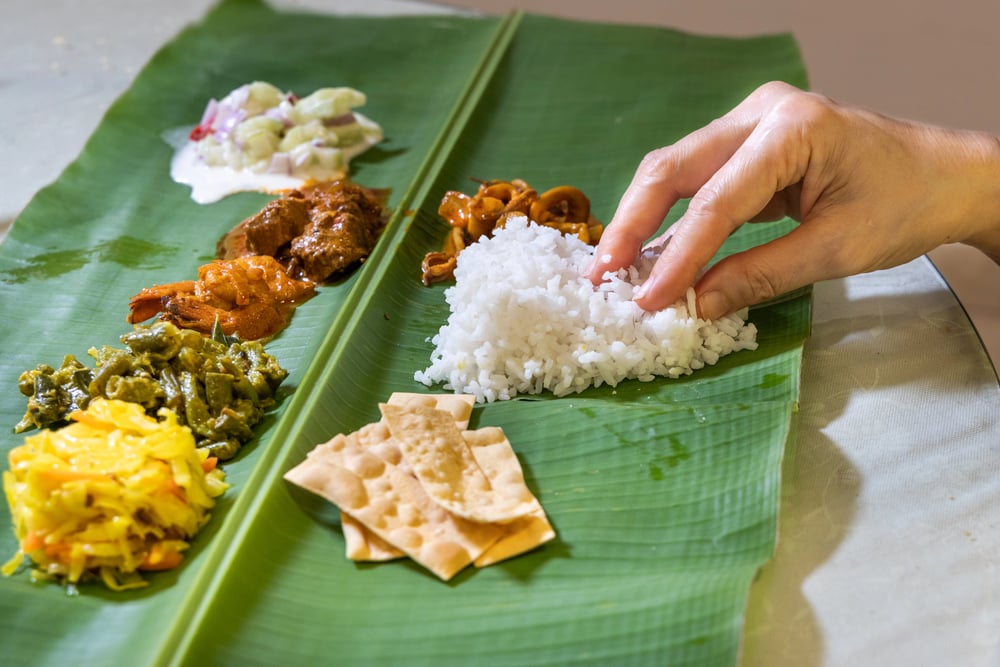
Communal dining customs emphasize hand etiquette that leaves Americans guessing which fingers to use for what purpose. Feet pointing toward people or religious imagery creates serious problems — yet tourists wander around completely oblivious to this major taboo.
Temple photography rules shift dramatically between locations, sparking heated arguments with protective religious authorities.
Like Go2Tutors’s content? Follow us on MSN.
Thailand

Royal family reverence runs so deep that casual comments about the monarchy can land visitors in actual legal trouble. Single-finger pointing replaces open-hand gestures in polite society — though Americans point away without realizing they’re being incredibly rude.
Head contact, even innocent interactions with children, crosses spiritual boundaries that locals consider absolutely sacred.
Germany
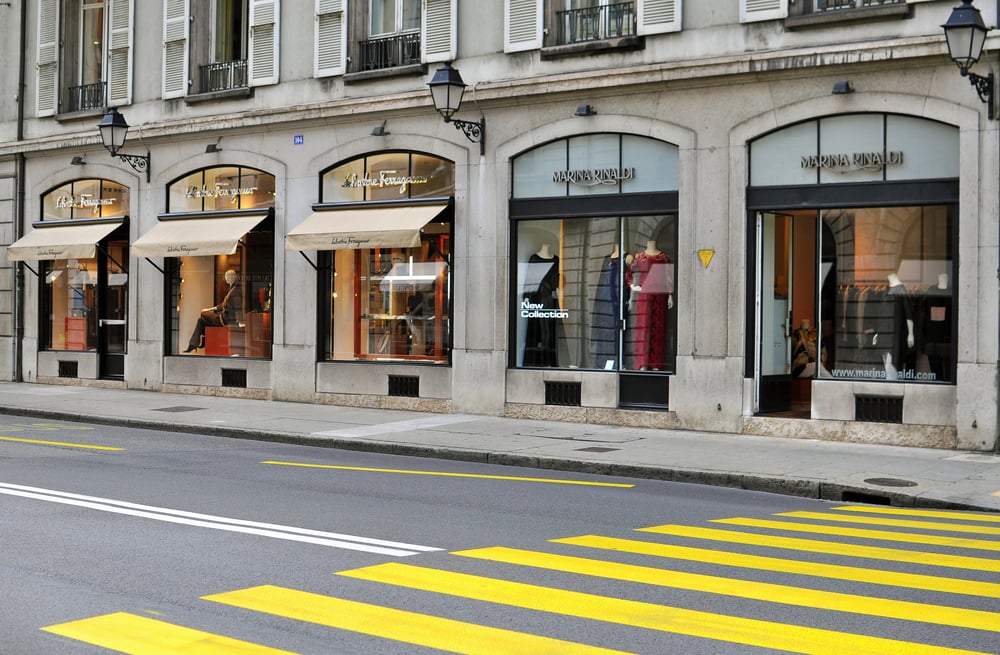
— Photo by Krasnevsky
Punctuality standards make American “fashionably late” arrivals seem disrespectful rather than casual. German directness often startles visitors who expect diplomatic conversation approaches — while this frankness gets mistaken for hostility instead of honesty.
Sunday shopping shutdowns catch unprepared tourists who assume retail operates on familiar schedules.
China

Color symbolism and numerical significance in gift-giving can accidentally send devastating messages to confused recipients. Business card exchanges demand two-handed presentations — while casual handling disrespects someone’s professional identity completely.
Public affection makes locals uncomfortable, though American couples often ignore these deeply held cultural sensitivities.
Like Go2Tutors’s content? Follow us on MSN.
South Korea
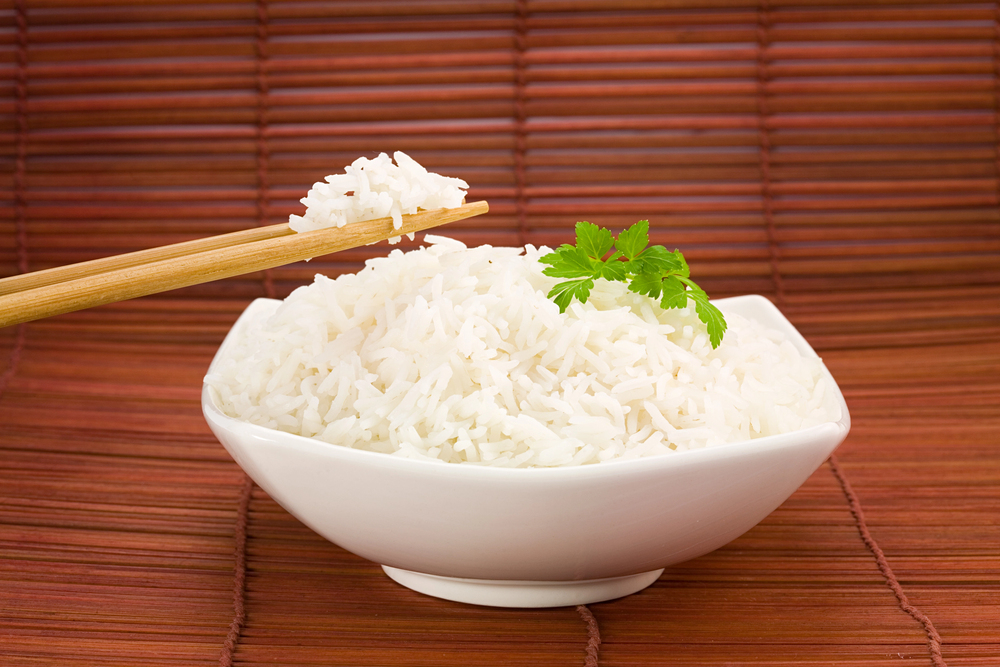
Age-based social hierarchies determine conversation patterns in ways that Americans rarely grasp or follow appropriately. Chopstick placement involves multiple taboos regarding rice bowls and communal dishes — mistakes that telegraph ignorance instantly.
Shoe removal extends far beyond homes into restaurants and traditional venues where tourists show up wearing sneakers.
France
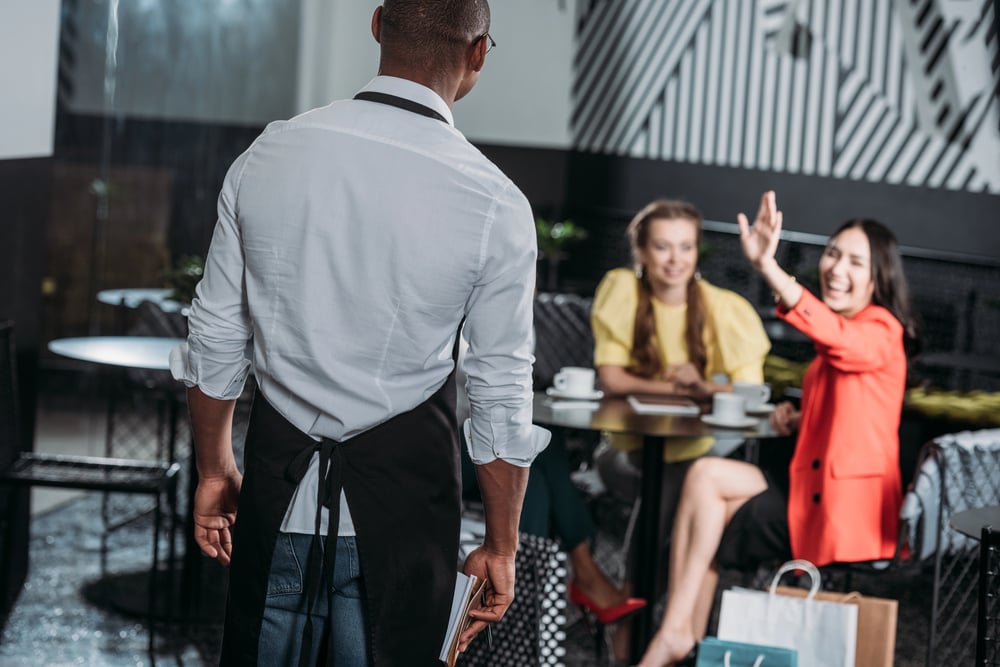
Restaurant protocols include greeting rituals and wine knowledge that many Americans completely lack. Loud public conversations breach French social contracts — while inappropriate religious site attire results in embarrassing entry denials.
Language effort trumps fluency every time, yet tourists often skip even basic phrase attempts.
United Kingdom
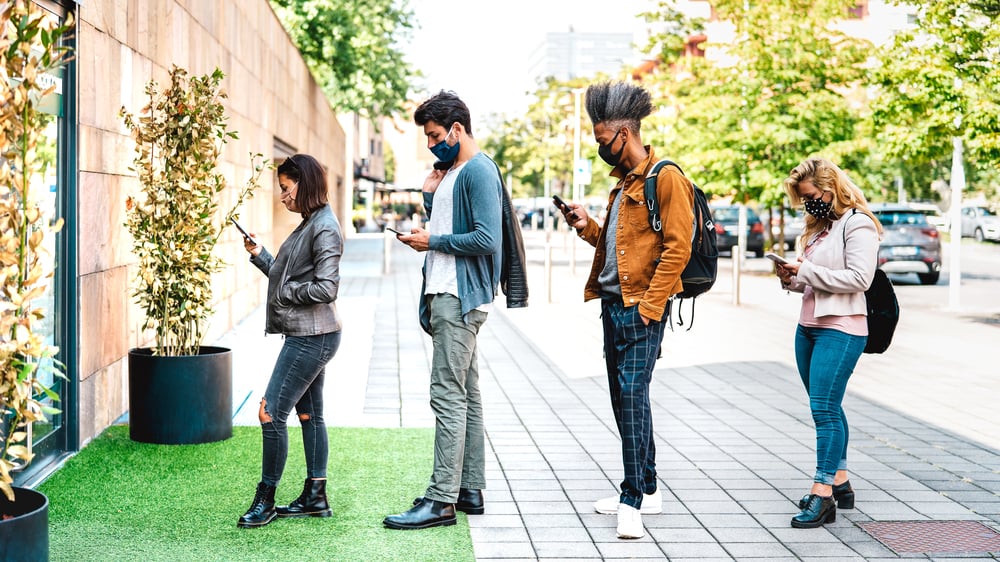
Queue discipline follows unwritten laws that Americans violate through impatience or simple ignorance of the rules. Pub traditions involve round-buying customs and ordering procedures — while tipping practices differ substantially from American restaurant habits.
Regional accents create communication breakdowns that embarrass everyone involved.
Like Go2Tutors’s content? Follow us on MSN.
Russia

Flower quantities require odd numbers for living people — even numbers being reserved strictly for funerals and memorial occasions. A stranger smiling appears suspicious rather than friendly — generating uncomfortable encounters for naturally outgoing Americans.
Home invitation ceremonies include elaborate shoe rituals and gift expectations that catch visitors off guard.
Brazil

Physical proximity norms include cheek kissing and close conversation distances that make Americans squirm — though avoiding these customs seems cold and antisocial to locals. Beach culture follows specific clothing standards and behavioral protocols — while typical American beach habits often cross local boundaries.
Spanish assumptions create immediate barriers since Portuguese dominates communication.
Italy

Meal timing operates on completely different schedules than American dining patterns, with restaurants opening much later than anticipated. Cappuccino restrictions limit consumption to morning hours only — ordering it after dinner instantly identifies tourists.
Religious venue dress codes demand covered shoulders and long pants regardless of sweltering weather conditions.
Like Go2Tutors’s content? Follow us on MSN.
Egypt

Photography restrictions around government installations can create serious legal complications for oblivious tourists. Bargaining applies to most transactions — while paying sticker prices suggests either extreme wealth or complete ignorance.
Prayer time sensitivity affects business hours and social interactions throughout daily routines.
Mexico

Tipping extends beyond restaurants to include service providers that Americans wouldn’t normally compensate at home. Personal space expectations differ significantly from American comfort zones — while stepping back from close conversations appears rude rather than polite.
Regional cuisine variations mean ordering “Mexican food” won’t guarantee recognizable flavors.
Australia

Casual vocabulary includes slang expressions that Americans misinterpret or deploy incorrectly in wrong contexts. Wildlife safety guidelines exist for legitimate reasons — though tourists frequently ignore warnings about genuinely dangerous animals and plants.
Public drinking laws restrict alcohol consumption in areas where American cities would permit it.
Like Go2Tutors’s content? Follow us on MSN.
Turkey

Religious observances require behavior modifications during prayer periods and holidays that impact business operations and social gatherings. Hand gestures carry different meanings than American interpretations — while innocent signals can provoke serious offense unexpectedly.
Hospitality traditions include intricate tea ceremonies and gift protocols that most tourists handle clumsily.
Netherlands
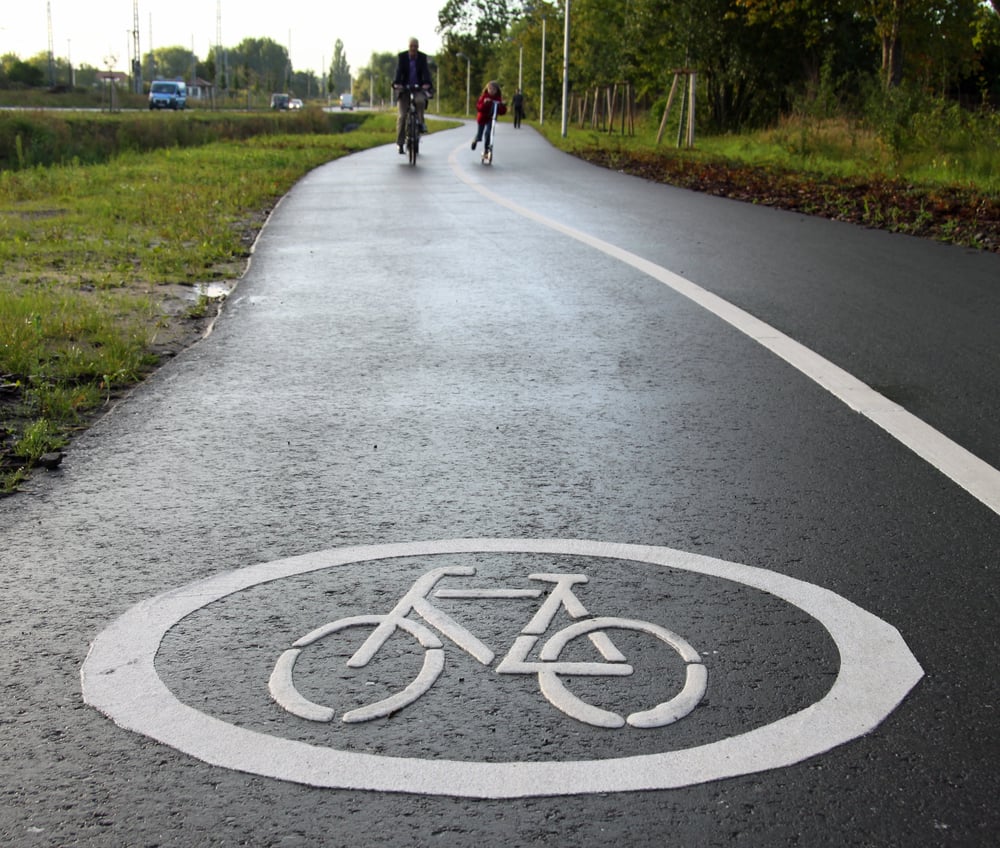
Bicycle traffic follows complex regulations that pedestrians violate constantly — creating hazardous situations and irritated cyclists everywhere. Coffee shop categories distinguish between establishments serving actual coffee versus those offering different experiences entirely.
Direct communication makes American politeness appear manipulative or dishonest.
Morocco

Negotiation culture requires specific techniques and social protocols that Americans find uncomfortable or execute poorly. Religious sensitivity impacts clothing decisions and behavioral adjustments — particularly during Ramadan when eating patterns change completely.
Language combinations of Arabic, French, and Berber create communication obstacles for English-dependent tourists.
Like Go2Tutors’s content? Follow us on MSN.
Singapore
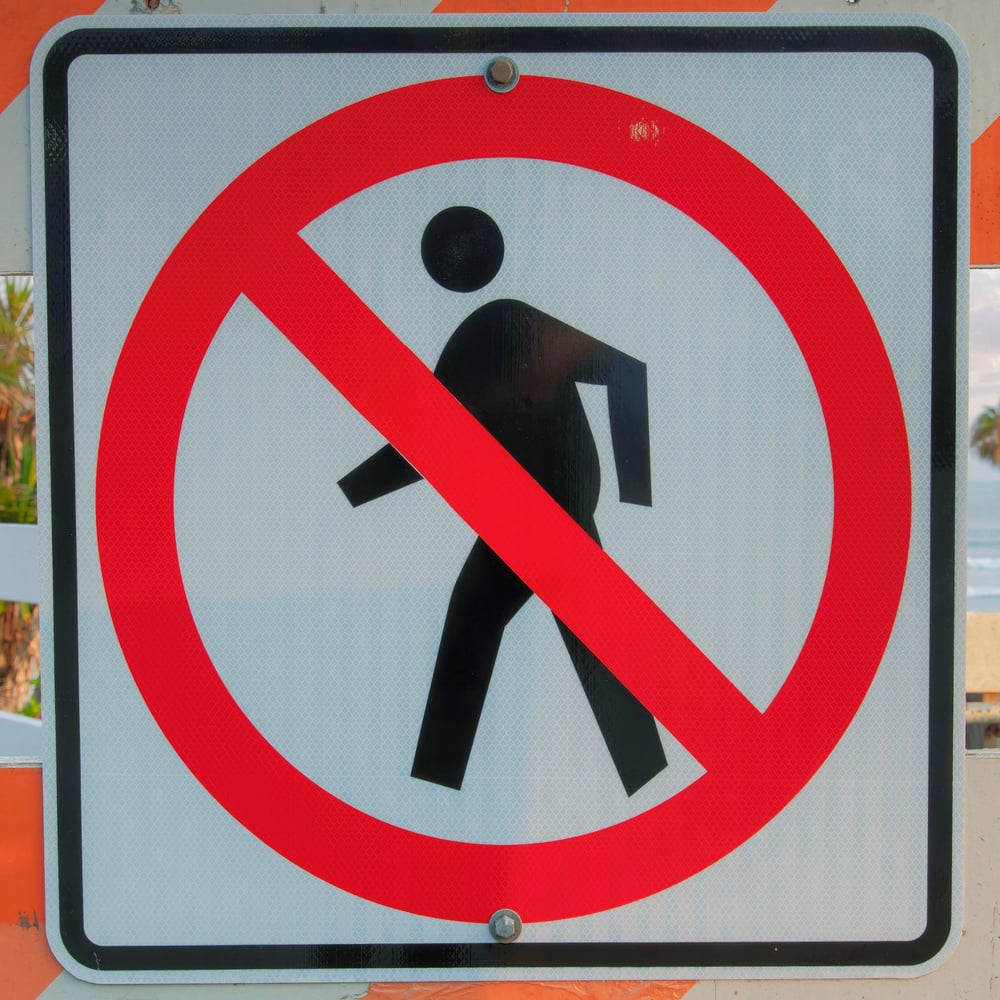
Legal enforcement includes substantial fines for infractions that seem trivial to American sensibilities — jaywalking, littering, or gum possession among them. Multi-ethnic dining etiquette varies between Chinese, Malay, and Indian establishments — while wrong utensil choices demonstrate cultural insensitivity.
Public conduct standards exceed typical American noise and behavior expectations.
Beyond Good Intentions

These cultural stumbles underscore why preparation beats assumption when crossing international boundaries. Americans who study local customs beforehand create positive impressions while sidestepping situations that can ruin entire vacations.
Meaningful travel emerges from respectful cultural exchange rather than accidental offense, and those magical moments happen when visitors demonstrate genuine interest in understanding different worldviews. The effort invested in cultural research pays dividends through authentic connections that expand perspectives far beyond any guidebook description or tourist attraction experience.
More from Go2Tutors!

- 16 Historical Figures Who Were Nothing Like You Think
- 12 Things Sold in the 80s That Are Now Illegal
- 15 VHS Tapes That Could Be Worth Thousands
- 17 Historical “What Ifs” That Would Have Changed Everything
- 18 TV Shows That Vanished Without a Finale
Like Go2Tutors’s content? Follow us on MSN.