17 Strange Sleep Habits from Around the World
Sleep might seem like the most universal human experience, yet the way people catch their Z’s varies dramatically across the globe. While you might think your bedtime routine is pretty standard, cultures worldwide have developed fascinating approaches to rest that would probably leave you scratching your head.
From communal snoozing arrangements to peculiar timing schedules, these practices often stem from centuries-old traditions, climate adaptations, or simply cultural preferences that have stood the test of time. Here is a list of 17 strange sleep habits from around the world that showcase just how different our nightly rituals can be.
Spanish Siesta Culture

The Spanish siesta isn’t just a tourist stereotype — it’s a deeply ingrained cultural practice that affects entire cities. Though shops close and streets empty between 2 and 5 PM, millions of people don’t just disappear. They head home or find quiet spots for an afternoon nap.
This tradition evolved partly due to Spain’s intense afternoon heat, making it impractical to work during the hottest part of the day.
Japanese Inemuri
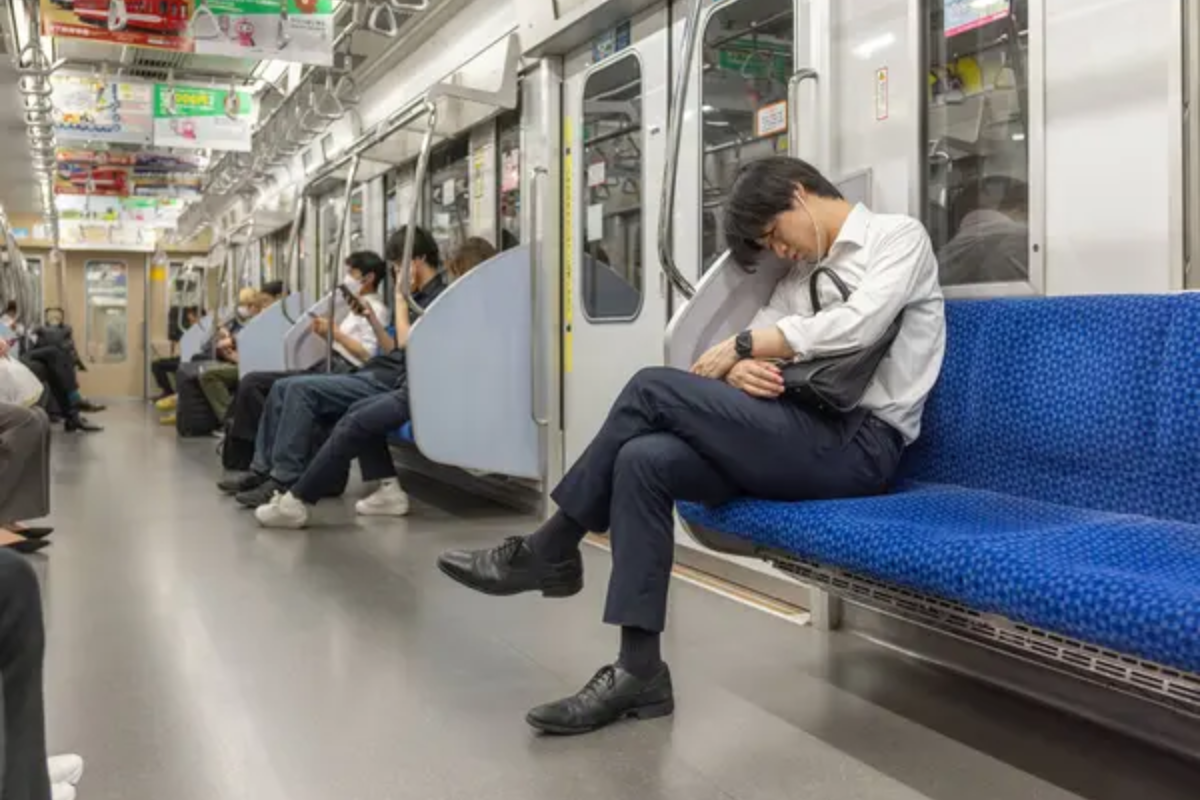
In Japan, falling asleep in public places like trains, parks, or even during meetings is not only acceptable — it’s sometimes seen as a sign of dedication. Called ‘inemuri,’ this practice suggests that someone has worked so hard they’re exhausted, which can actually earn respect rather than criticism.
The key? Maintaining an upright posture to show you’re still somewhat alert and ready to engage if needed.
Like Go2Tutors’s content? Follow us on MSN.
Scandinavian Outdoor Napping

Nordic parents routinely leave their babies outside in strollers during nap time, even in freezing temperatures. This practice — common in countries like Norway, Sweden, and Denmark — is believed to boost immune systems while improving sleep quality.
Babies are bundled up in special arctic sleeping gear. They can nap outdoors in temperatures as low as 5 degrees Fahrenheit.
Guatemalan Worry Dolls

Guatemalan children place tiny handmade dolls under their pillows before bed, telling each doll about their worries and fears. According to tradition, the dolls will take away these concerns while the child sleeps — ensuring peaceful rest.
These colorful little figures, no bigger than an inch tall, are woven from scraps of fabric and represent an ancient Mayan custom.
Botswanan Floor Sleeping
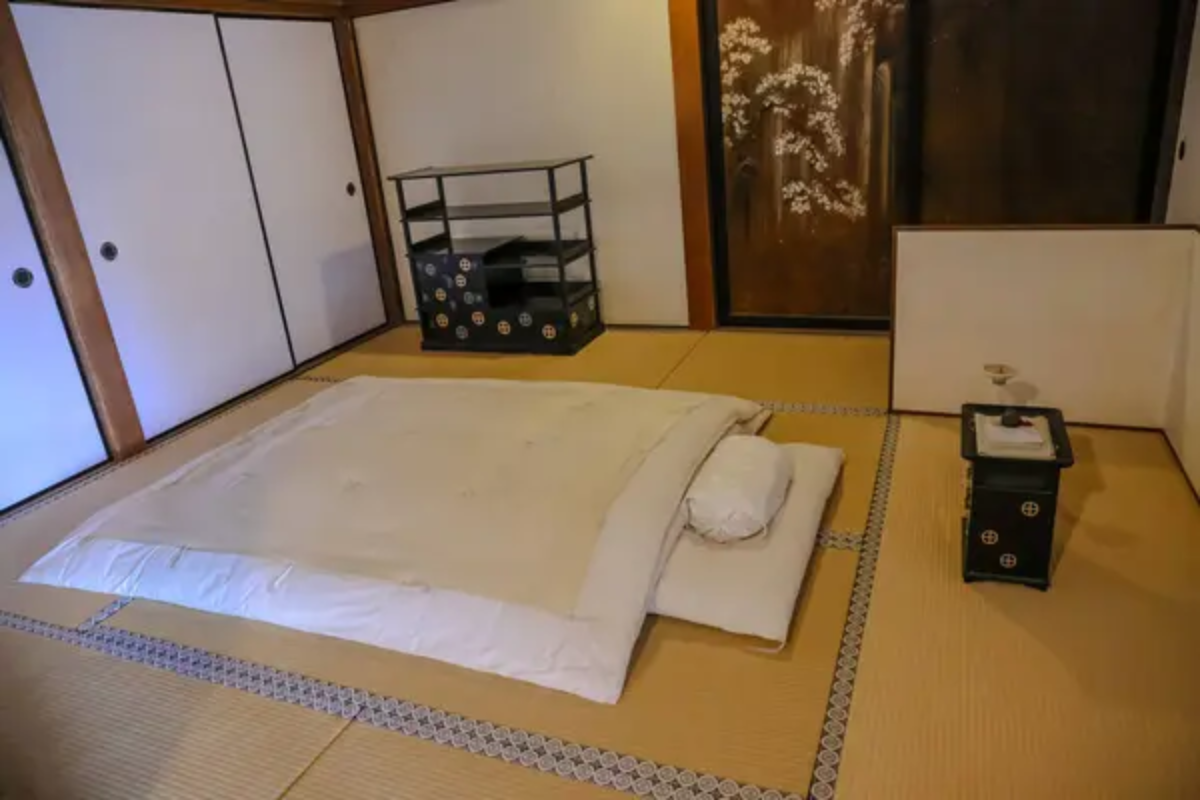
In Botswana, many people prefer sleeping directly on the floor rather than on elevated beds. They believe it keeps them closer to ancestral spirits while providing better back support. Families often sleep together on woven mats in the same room — which also helps with temperature regulation in the desert climate.
This practice is so common that many modern homes are designed with smooth, comfortable flooring specifically for sleeping.
Like Go2Tutors’s content? Follow us on MSN.
Italian Pennichella
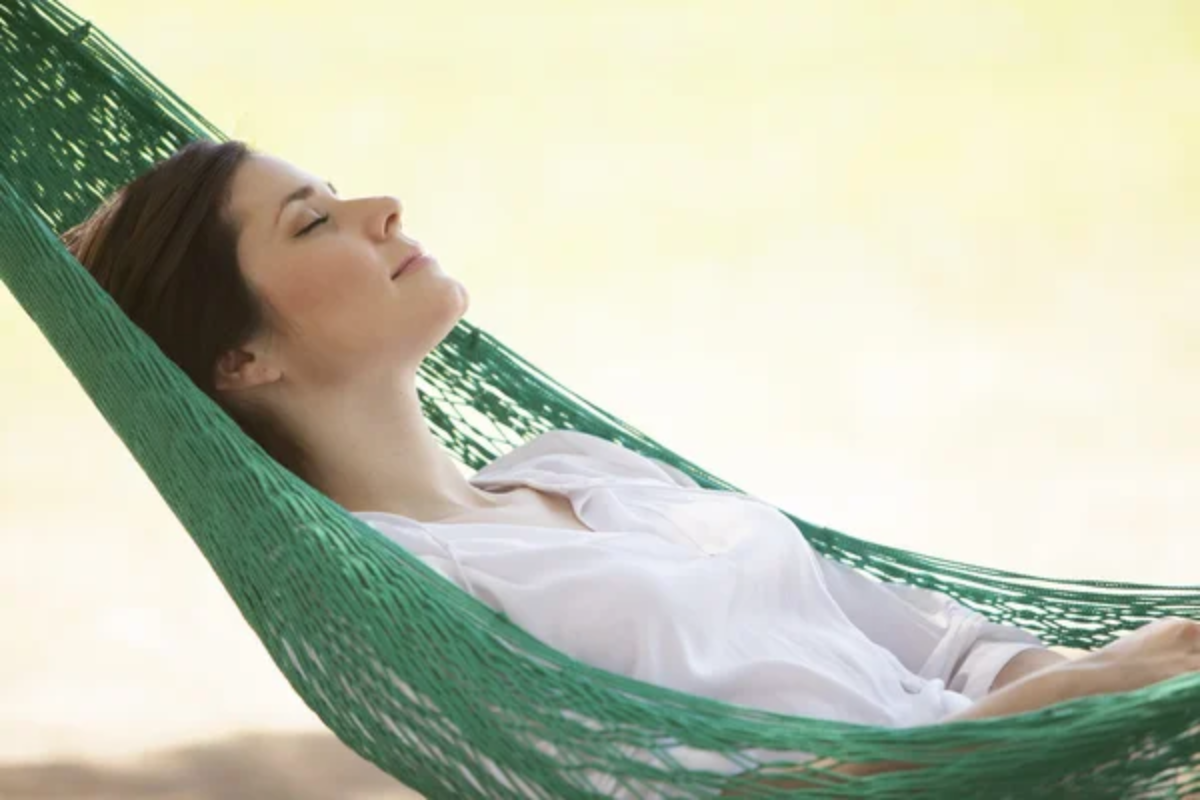
Southern Italians practice ‘pennichella’ — a post-lunch nap that can last anywhere from 30 minutes to two hours. Unlike the Spanish siesta, this rest period focuses more on digestion rather than avoiding heat.
Many Italian families gather at home for large lunches followed by communal napping, strengthening family bonds while recharging for the evening.
Balinese Communal Sleep
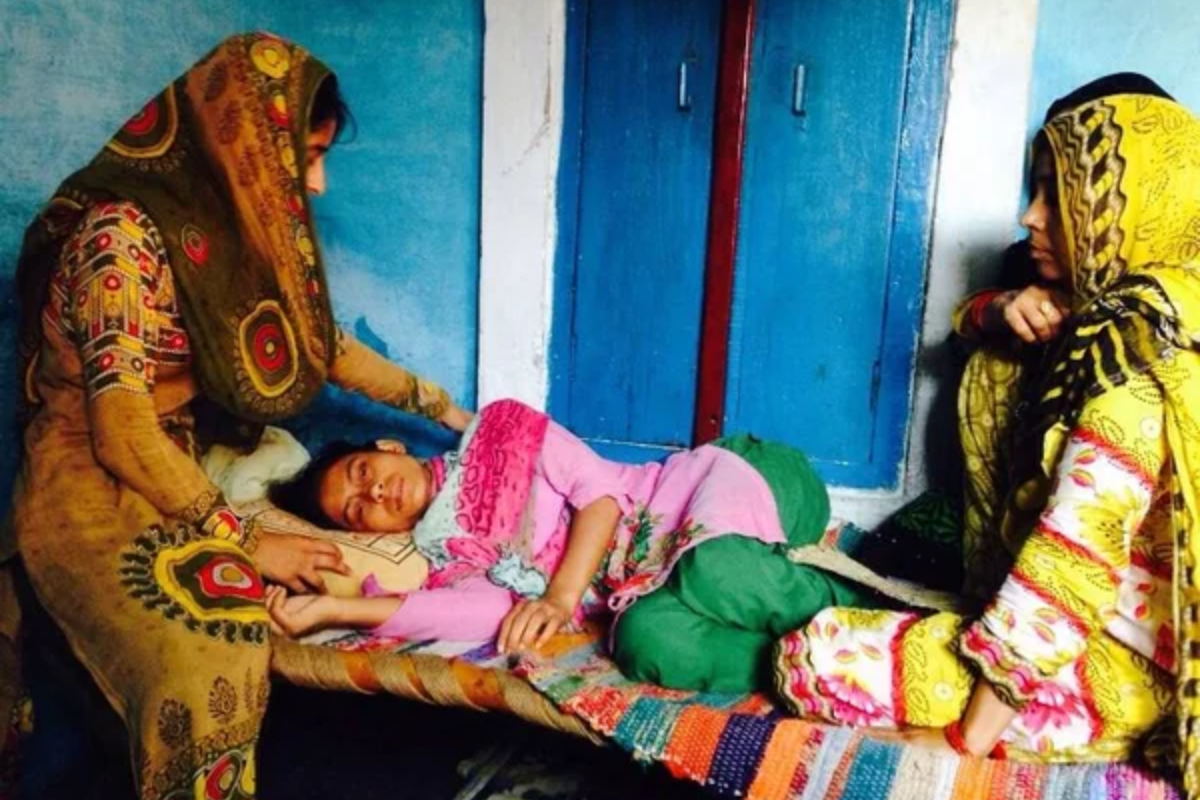
Traditional Balinese families often sleep together in one large room, with multiple generations sharing the same space. This arrangement isn’t just about saving space — it’s believed to strengthen family unity while providing protection from evil spirits during vulnerable sleep hours.
The practice also helps regulate sleep schedules naturally, since family members tend to wake at similar times.
Siberian Ice Swimming

Some Siberian communities practice sleeping outdoors immediately after taking dips in frozen rivers or lakes. This extreme temperature shock followed by rest in sub-zero conditions is believed to boost circulation — plus mental toughness.
Practitioners wrap themselves in thick furs. They sleep on snow beds, claiming it leads to deeper, more refreshing sleep.
Like Go2Tutors’s content? Follow us on MSN.
Afghan Charpoy Culture
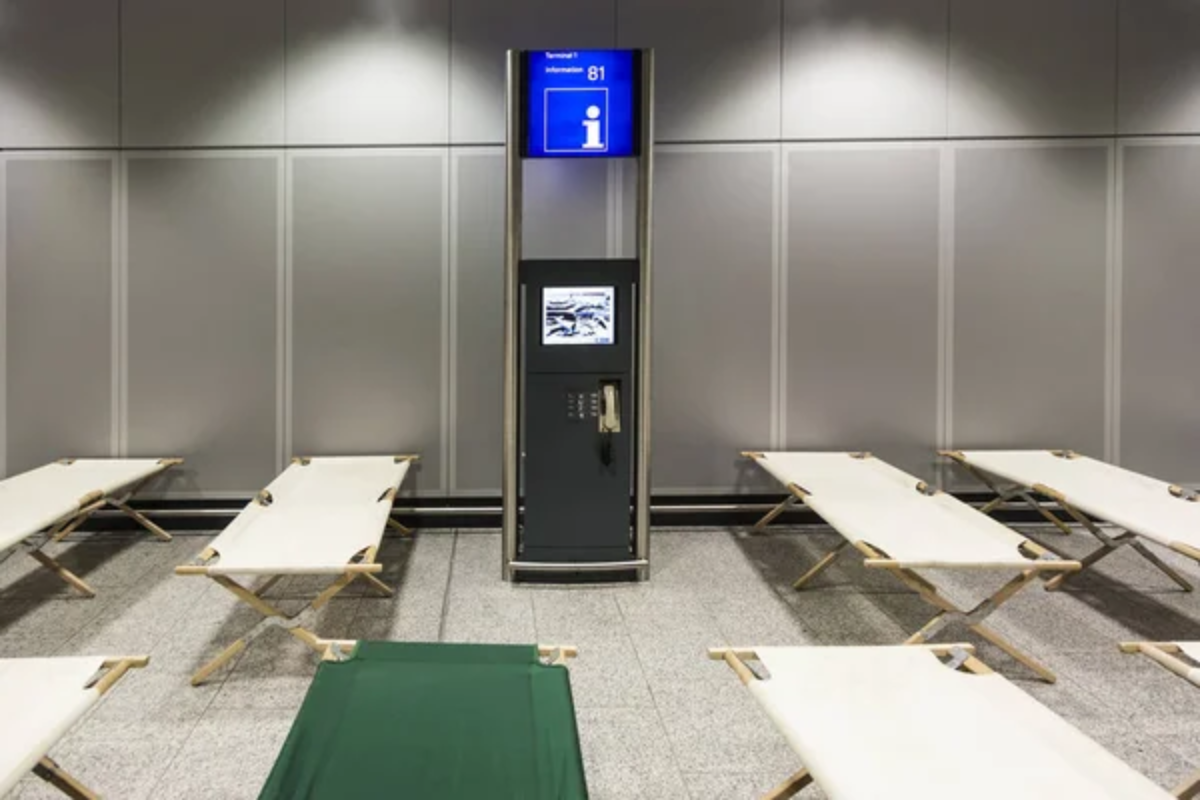
In Afghanistan, traditional rope beds called ‘charpoys’ are moved outside during warm months — and entire families sleep under the stars. These portable beds are perfect for the nomadic lifestyle while handling hot climate conditions.
They allow for cooling breezes plus natural temperature regulation. The practice also serves as social time, with neighbors often placing their charpoys close together for evening conversations.
Brazilian Hammock Villages

Many Brazilian communities — particularly in the Amazon region — sleep exclusively in hammocks strung between trees or posts. These suspended beds provide protection from ground-dwelling insects while allowing air circulation in the humid climate.
Entire families might sleep in hammocks within the same room, creating a gentle swaying motion that many find deeply relaxing.
Inuit Communal Warmth
Traditional Inuit communities share large family beds covered with multiple layers of animal furs, with several family members sleeping together for warmth. Body heat sharing isn’t just practical in Arctic conditions; it’s essential for survival.
The arrangement follows specific protocols about positioning based on age and family relationships, ensuring everyone stays warm throughout the freezing night.
Like Go2Tutors’s content? Follow us on MSN.
Mexican Hamaca Time
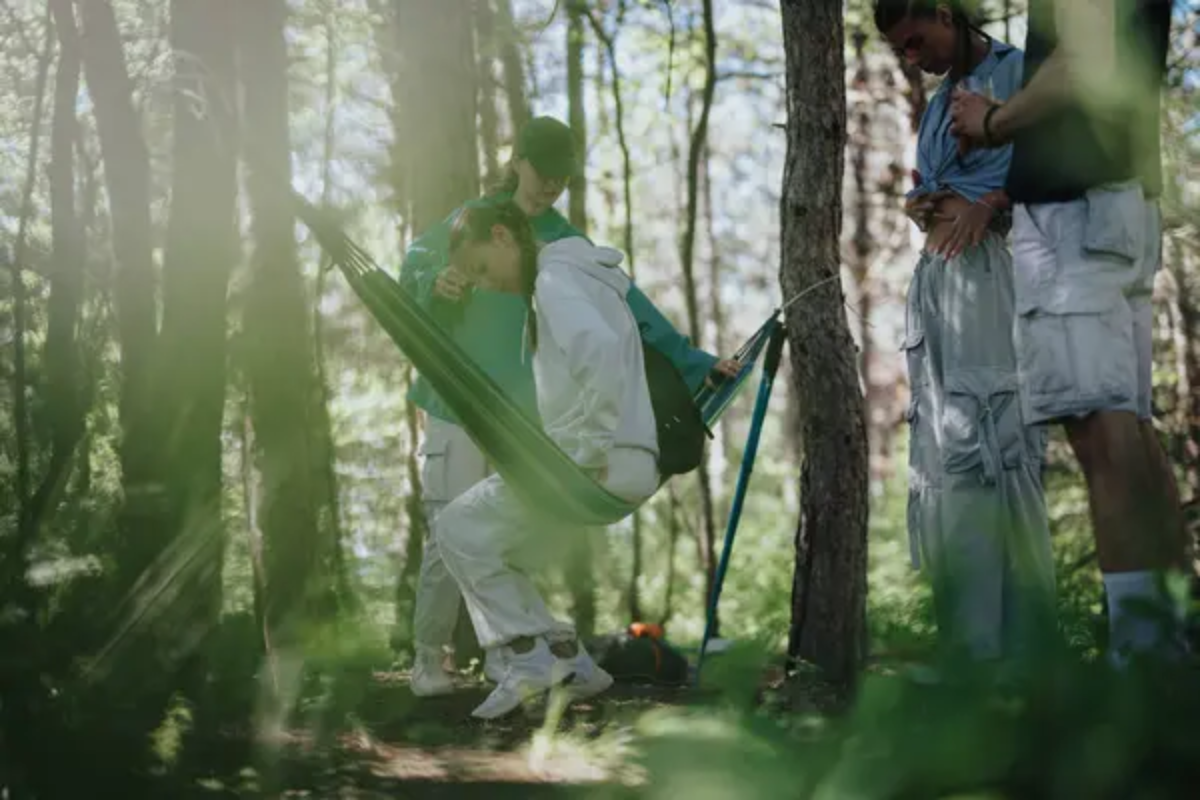
In Mexico’s Yucatan Peninsula, hammocks remain the preferred sleeping method for many families, especially in rural areas. These aren’t just backup sleeping options; they’re the primary beds, often passed down through generations.
The gentle rocking motion combined with breathable material makes them perfect for the tropical climate, though many people claim they can’t sleep well on regular mattresses anymore.
Mongolian Ger Arrangements
Mongolian nomads sleeping in traditional gers (yurts) follow strict placement rules based on social hierarchy plus spiritual beliefs. The family head sleeps on the north side, considered most honorable, while children and guests have designated areas.
Everyone sleeps on the floor using thick felt mats, yet the arrangement changes based on seasons and family circumstances.
Ethiopian Coffee Ceremony Naps
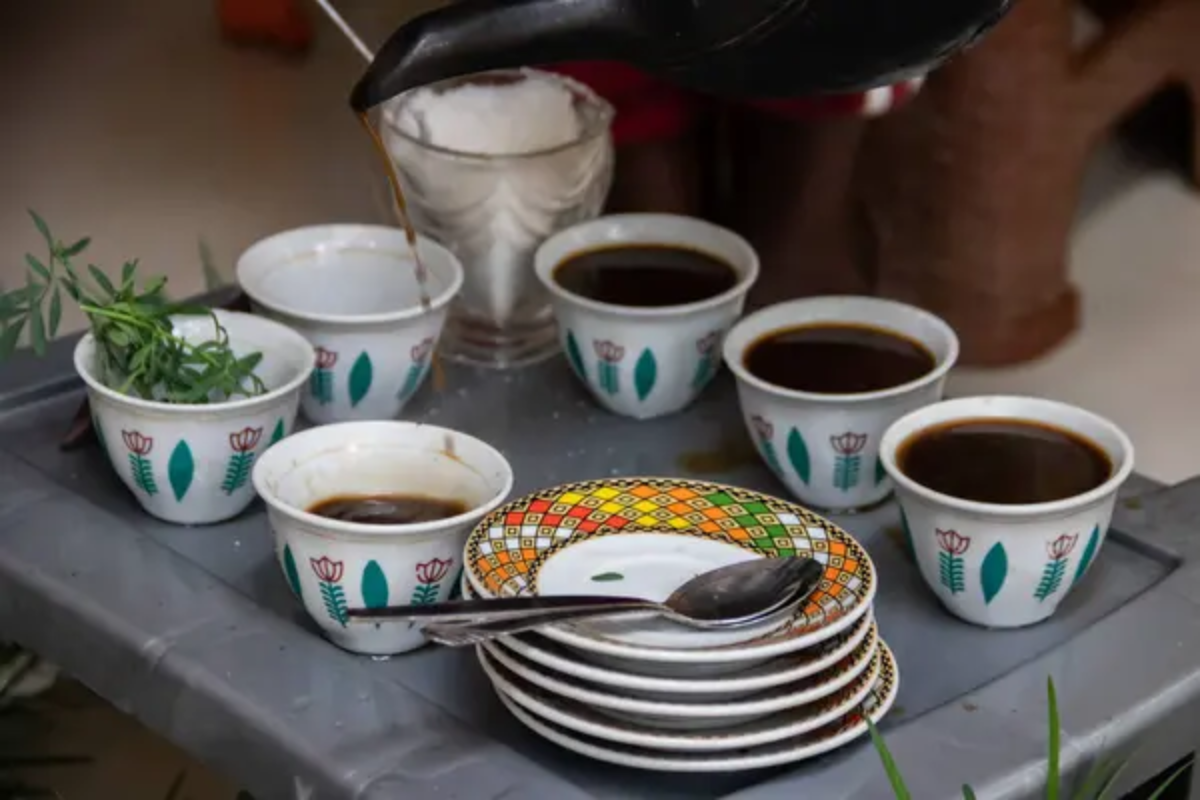
In Ethiopian culture, the afternoon coffee ceremony is often followed by a communal nap session. After the elaborate three-round coffee ritual, participants frequently settle down for rest in the same room where the ceremony took place.
This combination of caffeine followed by group napping might seem counterintuitive, though the social bonding and timing work together to create a unique rest experience.
Like Go2Tutors’s content? Follow us on MSN.
Fijian Bure Sleeping
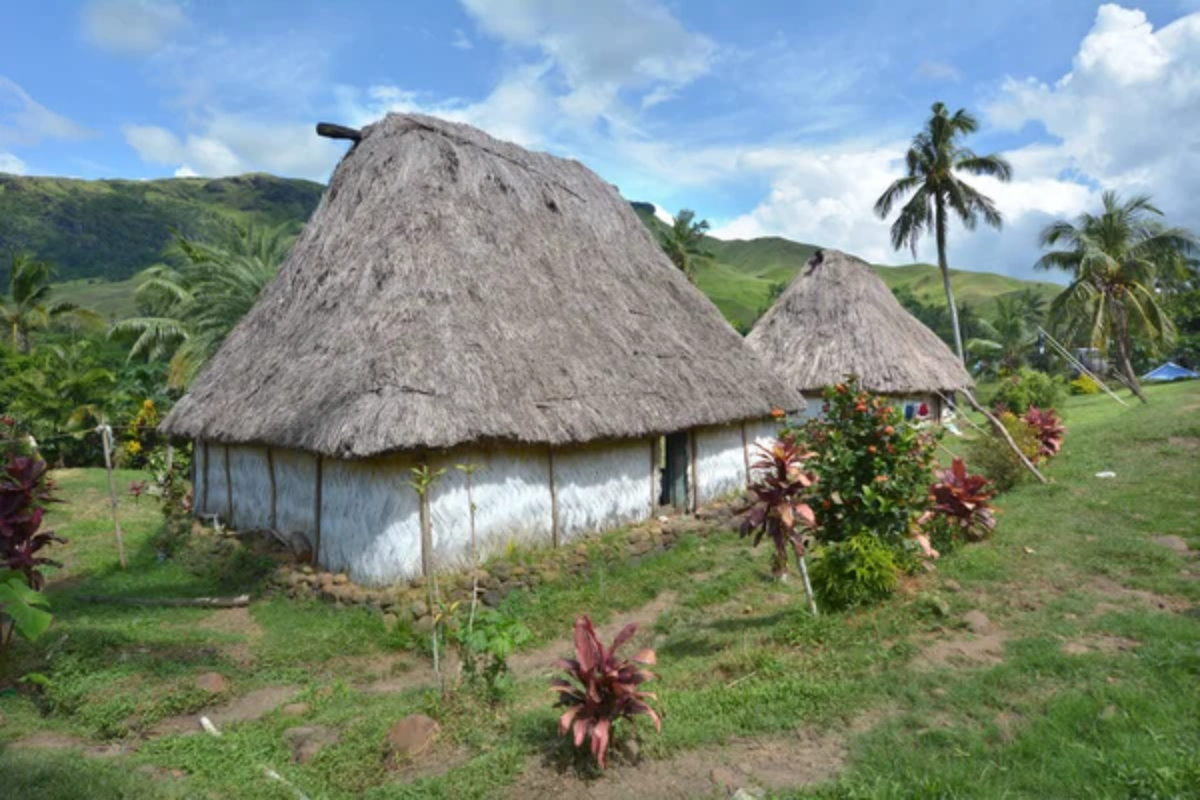
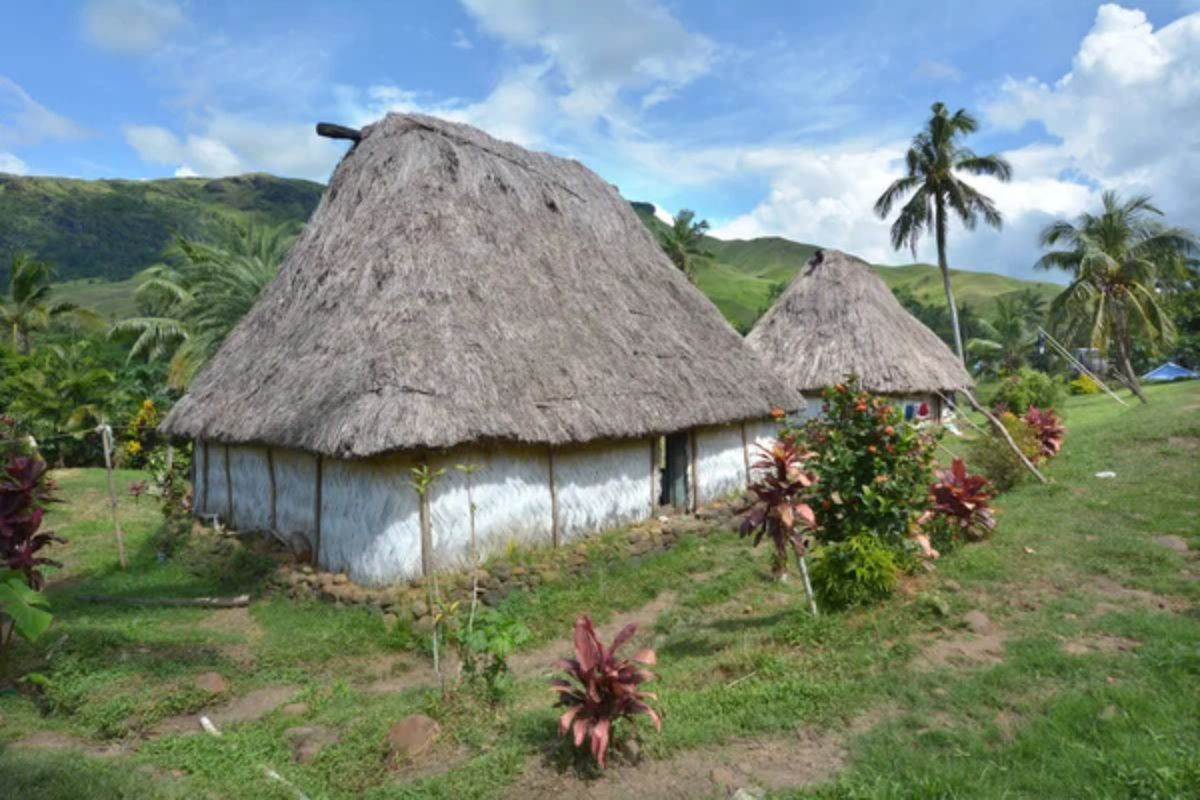
Traditional Fijian bure houses are designed specifically for communal sleeping, with raised platforms where entire extended families rest together. The elevated sleeping area provides protection from floods while allowing air circulation, yet the communal aspect strengthens family ties.
Sleeping arrangements follow traditional hierarchies, with elders getting choice positions and specific protocols for visitors.
Russian Banya Sleep
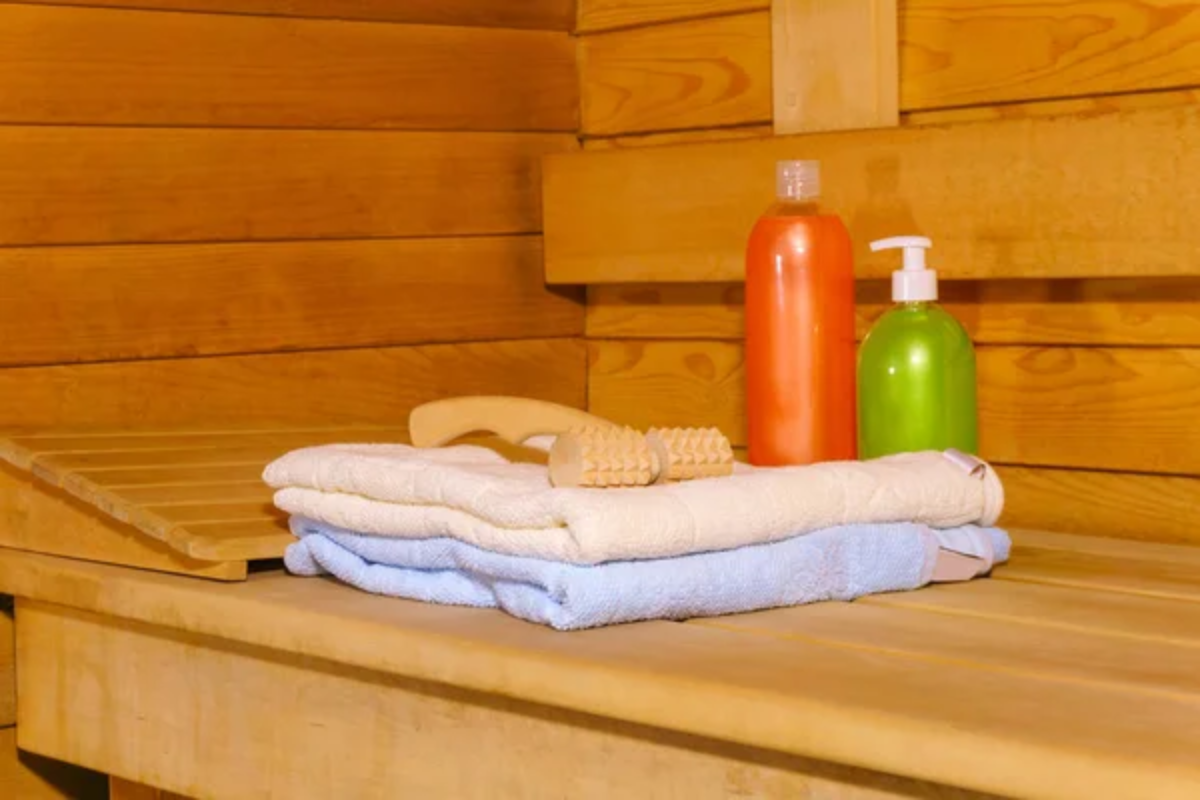
After intense Russian bathhouse sessions, many people practice immediate deep sleep in cool rooms or even outdoors in winter. The extreme temperature contrast from hot steam to cold air is believed to trigger profound relaxation and therapeutic sleep.
Some Russians specifically time their banya visits to induce this type of restorative rest, claiming it provides better sleep quality than any medication.
Tibetan High-Altitude Rest
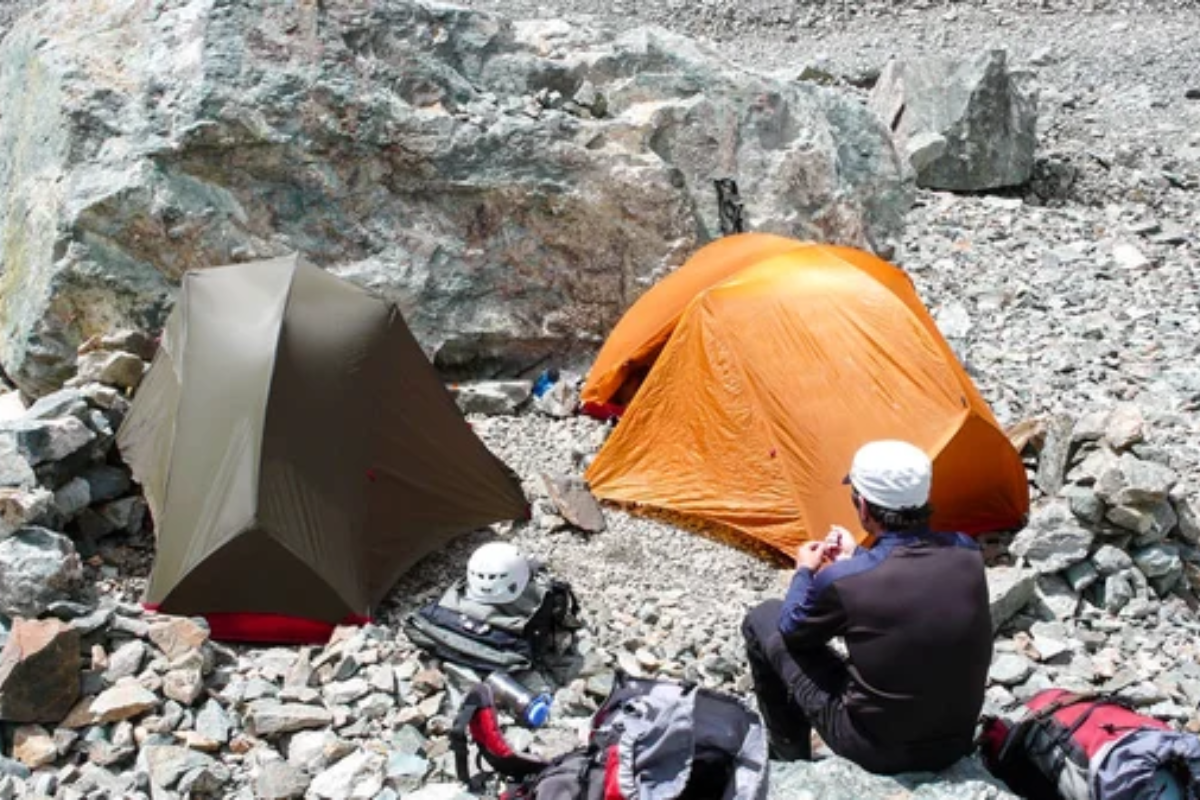
Tibetan communities have developed unique sleep practices to cope with high-altitude conditions where oxygen levels are significantly lower. Many sleep in semi-upright positions propped against walls or thick cushions to ease breathing, while families often sleep closer together to share warmth and monitor each other’s breathing.
These adaptations have become so ingrained that many Tibetans feel uncomfortable sleeping flat even at lower altitudes.
Like Go2Tutors’s content? Follow us on MSN.
Dreams That Cross Continents
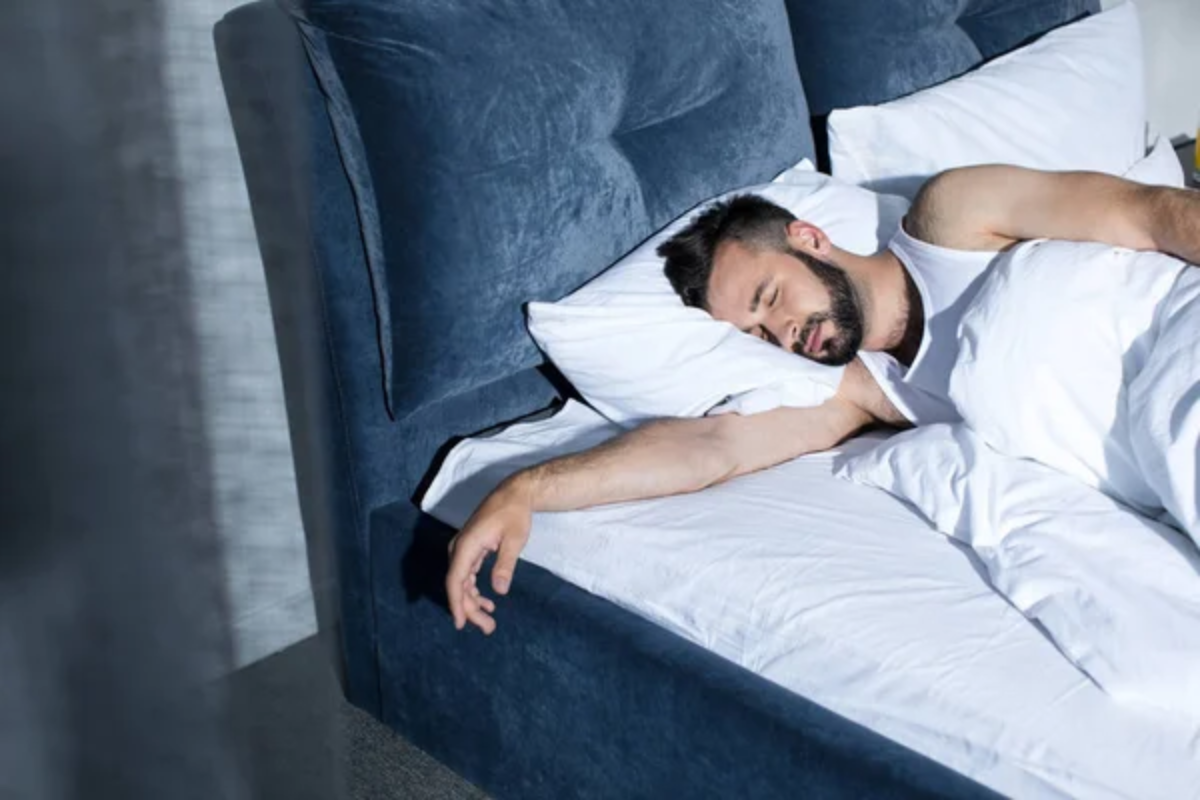
These diverse sleep traditions remind us that rest is far more than just closing our eyes and hoping for the best. Each culture has adapted its approach to sleep based on climate, social structures, available materials, and spiritual beliefs, creating practices that often serve multiple purposes beyond simple rest.
What might seem strange or uncomfortable to outsiders often represents generations of wisdom about what works best in specific environments and communities.
More from Go2Tutors!

- 16 Restaurant Chains That Went Too Fast
- 12 Things Sold in the 80s That Are Now Illegal
- 15 Strange Things People Have Tried to Ban (And Failed)
- 16 Collectibles People Tossed Out Too Soon
- 17 Myths from Your Childhood That Were Actually Based on Real Things
Like Go2Tutors’s content? Follow us on MSN.