14 Watch-Collecting Mistakes That Cost People Fortunes
Collecting watches seems simple enough at first glance. Buy beautiful timepieces, enjoy wearing them, maybe make some money along the way. Reality tells a different story entirely, where even experienced enthusiasts can lose tens of thousands through what appear to be minor oversights. The horological world is littered with expensive lessons learned too late.
Market dynamics shift constantly while authentication challenges grow more complex each year, creating traps that catch both newcomers and veterans alike. Here is a list of 14 watch-collecting mistakes that cost people fortunes.
Buying Fakes
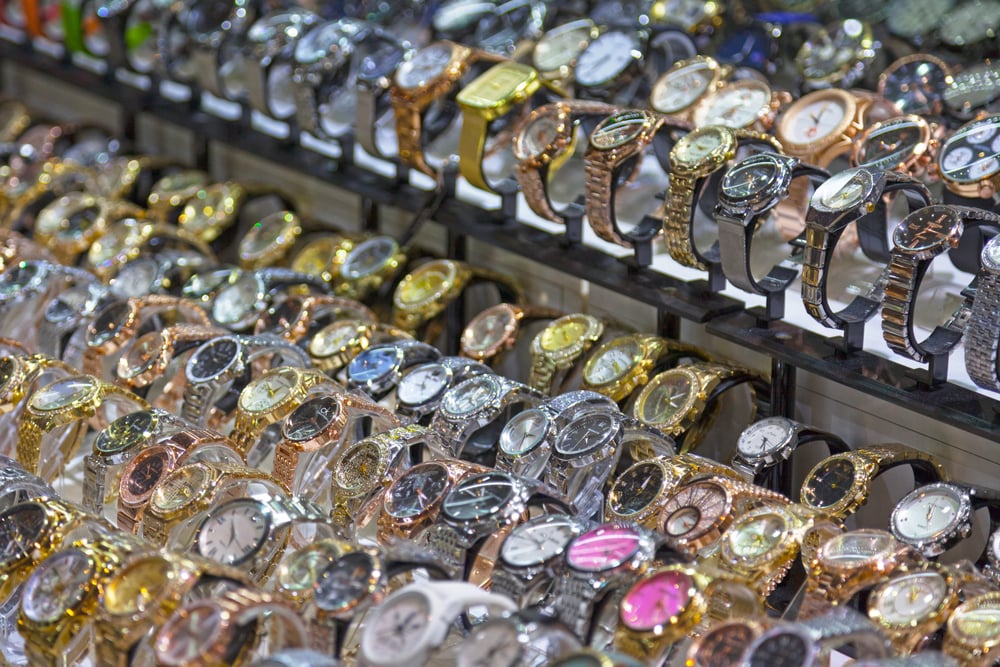
Sophisticated counterfeits now fool seasoned dealers and auction houses — not just weekend shoppers scrolling through online listings. Someone might spend years proudly wearing their “investment grade” Daytona only to discover it’s worth absolutely nothing during an insurance appraisal. Authentication services cost a fraction of what you’ll lose if that dream watch turns out to be an elaborate fake.
Missing Service Records
Documentation gaps destroy resale value faster than physical damage in many cases — since buyers need proof of proper maintenance throughout a watch’s life. A pristine-looking vintage Datejust without service history will sell for significantly less than an identical piece with complete paperwork, regardless of apparent condition. Smart money follows the paper trail.
Retail Overpaying
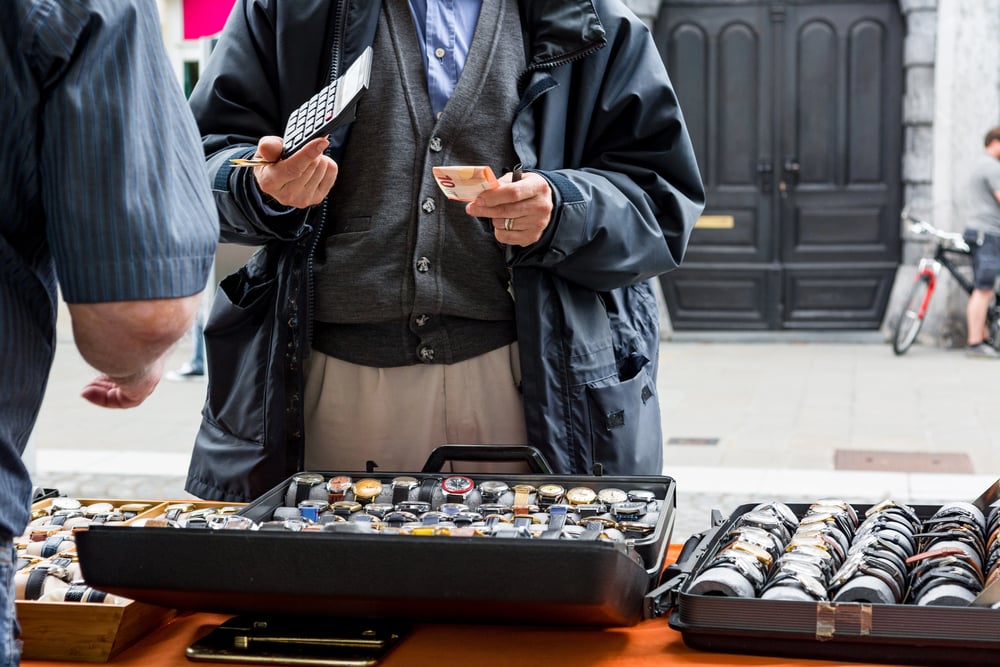
Boutiques charge full MSRP while grey market dealers offer identical pieces at substantial discounts — yet impulse buyers regularly ignore this price difference. New watch depreciation hits the moment you leave the store, since secondary markets typically trade below retail pricing. Quick research prevents paying premium prices for readily available inventory.
Brand Obsession
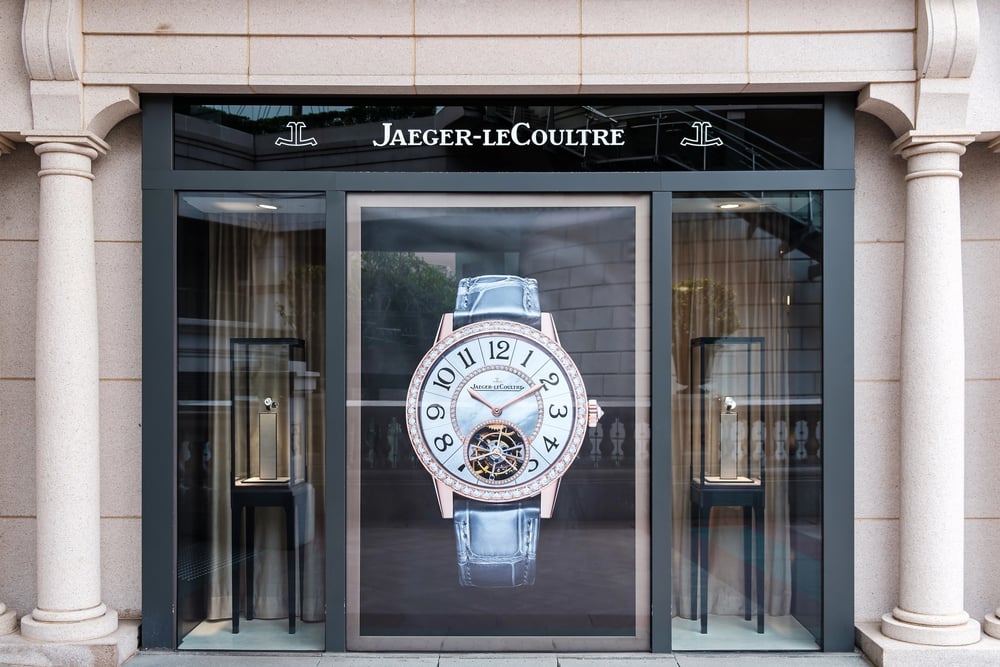
Prestigious names like Patek Philippe command attention, though exceptional manufacturers like Vacheron Constantin or Jaeger-LeCoultre often deliver superior value propositions. Brand worship creates blind spots that prevent recognition of outstanding craftsmanship from less marketed companies — missing opportunities for both horological appreciation and financial returns.
Poor Storage

Environmental factors silently destroy movements through humidity damage, temperature fluctuations, or magnetic interference — requiring expensive repairs that exceed many watches’ actual worth. Professional storage solutions protect investments better than bedroom drawers where conditions vary wildly throughout seasons. Prevention costs far less than restoration.
Modified Watches

“Franken” pieces assembled from mismatched components across different production periods fool casual observers — while knowledgeable collectors immediately recognize the authenticity issues. These altered timepieces trade at massive discounts compared to original examples, since serious buyers won’t risk purchasing compromised pieces regardless of visual appeal.
Auction Fever

Competitive bidding environments create emotional decision-making that overrides rational value assessment — pushing final prices well beyond sensible market levels. The thrill of winning often costs more than the satisfaction justifies, leaving bidders with expensive trophies rather than sound investments. Setting firm limits beforehand prevents costly enthusiasm.
Skipping Insurance
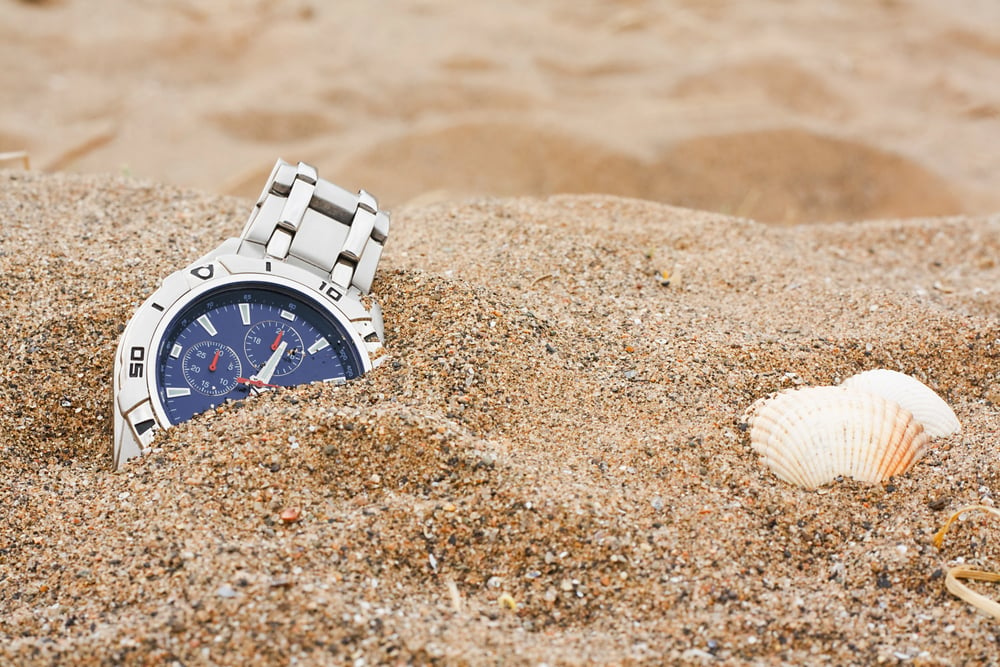
Theft or natural disasters can wipe out entire collections instantaneously — while standard homeowner’s policies provide minimal coverage for high-value timepieces. Specialized insurance costs relatively little compared to replacement expenses, though many collectors skip this fundamental protection until it’s too late. Risk management shouldn’t be optional.
Following Trends

Fashion cycles in watchmaking shift rapidly while fundamental quality characteristics remain constant — creating boom-and-bust scenarios for trend followers. The recent steel sports watch mania inflated prices artificially, and corrections are already eliminating those temporary gains for late adopters. Timeless design principles outlast temporary market enthusiasm.
Poor Research
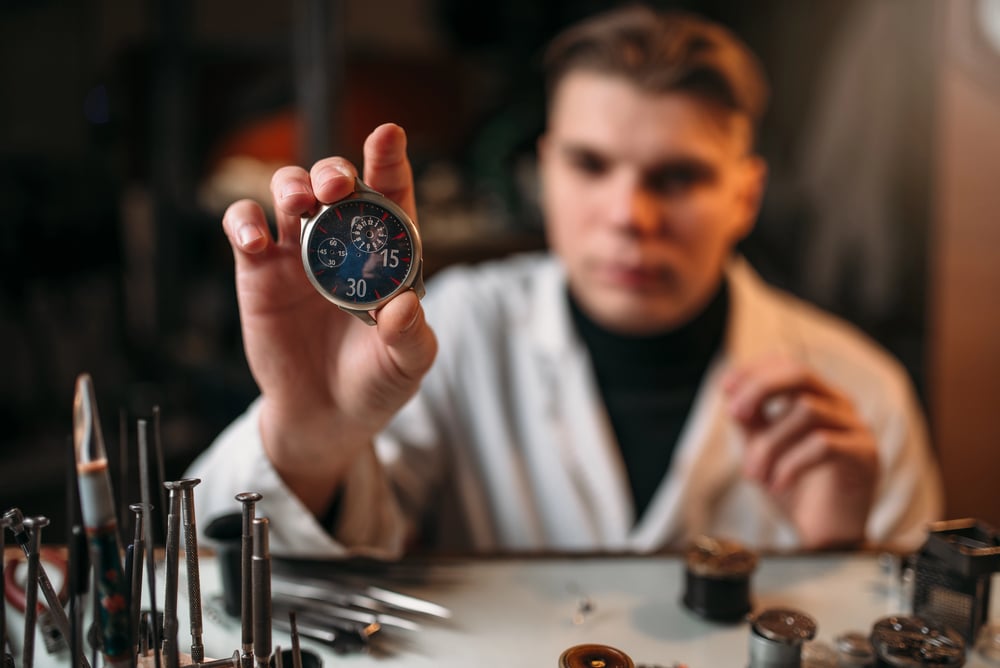
Marketing departments exaggerate rarity claims to justify premium pricing — leading collectors to overpay for pieces that aren’t nearly as exclusive as advertised. Production numbers require independent verification since manufacturer statements often prioritize sales over accuracy — particularly regarding “limited editions” that aren’t actually limited.
Bad Timing

Luxury goods markets experience predictable cycles, with savvy participants buying during downturns and selling near peaks to optimize returns. Market entry during bubble periods or panic selling during temporary corrections destroys wealth through poor timing decisions. Patience and market awareness create profitable opportunities.
Condition Misjudgment
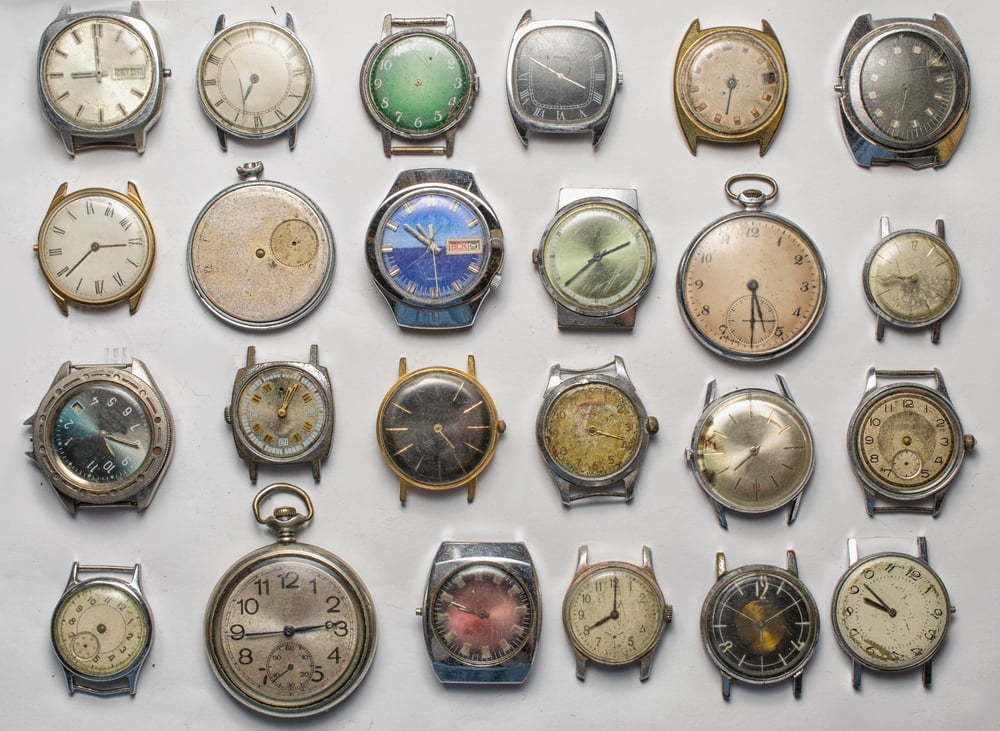
Damaged pieces appear like bargains until restoration estimates reveal the true costs involved in bringing them back to acceptable standards. Professional restoration work frequently exceeds the finished watch’s market value, especially for common models without exceptional provenance or rarity. Condition assessment skills prevent expensive miscalculations.
No Exit Strategy
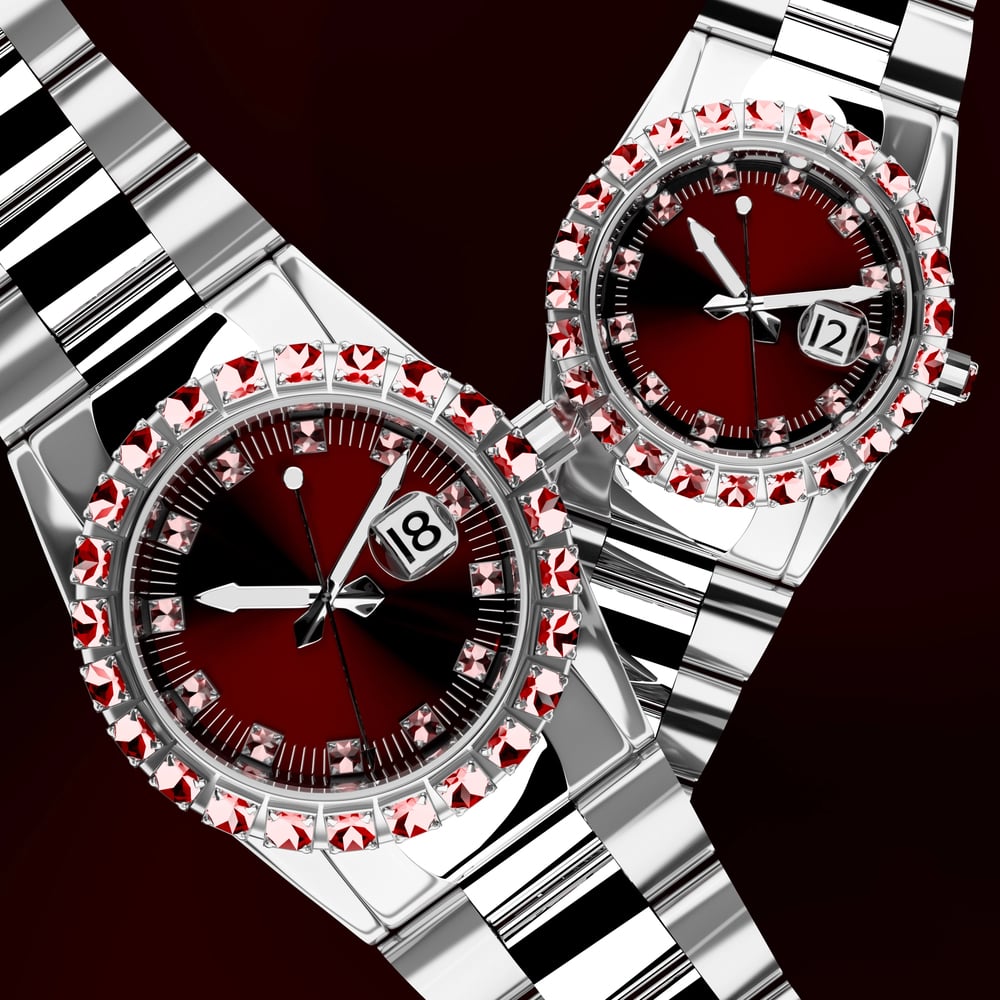
Accumulating watches without considering eventual liquidation methods creates illiquid portfolios that can’t be converted to cash efficiently when circumstances change. Different timepieces require specific selling approaches, from auction houses for rare pieces to specialized dealers for common models. Understanding these channels prevents costly disposal mistakes.
Overconcentration
Investing excessive capital in single pieces creates dangerous portfolio concentration that can devastate overall wealth when specific brands or models fall from favor. Diversification across price ranges, manufacturers, and historical periods provides protection against market shifts that might affect particular segments disproportionately. Balance prevents catastrophic losses from individual mistakes.
Expensive Lessons in Precision

These pitfalls demonstrate how watch-collecting demands the same disciplined approach required for any serious investment activity, combining passion with analytical rigor rather than relying on emotion alone. What appears to be a straightforward hobby of acquiring beautiful objects actually involves complex market dynamics, authentication challenges, and preservation requirements that can make or break financial outcomes over time. Success comes from treating timepiece acquisition as both an art and a science, where preparation and knowledge prevent the costly education that has bankrupted countless enthusiasts who learned these lessons the hard way.
More from Go2Tutors!

- The Romanov Crown Jewels and Their Tragic Fate
- 13 Historical Mysteries That Science Still Can’t Solve
- Famous Hoaxes That Fooled the World for Years
- 15 Child Stars with Tragic Adult Lives
- 16 Famous Jewelry Pieces in History
Like Go2Tutors’s content? Follow us on MSN.



