11 Vintage Appliances Built to Last Forever
Walk into any modern kitchen showroom and you’ll find sleek appliances packed with smart features, touchscreens, and promises of convenience. Yet flip through old family photos or visit your grandmother’s house, and you might spot that same avocado-green refrigerator from 1975 still humming along perfectly.
There’s something to be said for the way things used to be made, back when manufacturers built appliances like tanks rather than disposable gadgets. These vintage workhorses didn’t need annual service calls or replacement parts every few years. They were engineered with thick steel, heavy-duty motors, and simple mechanisms that could be fixed with basic tools.
Here’s a list of 11 vintage appliances that were truly built to last forever.
KitchenAid Stand Mixers
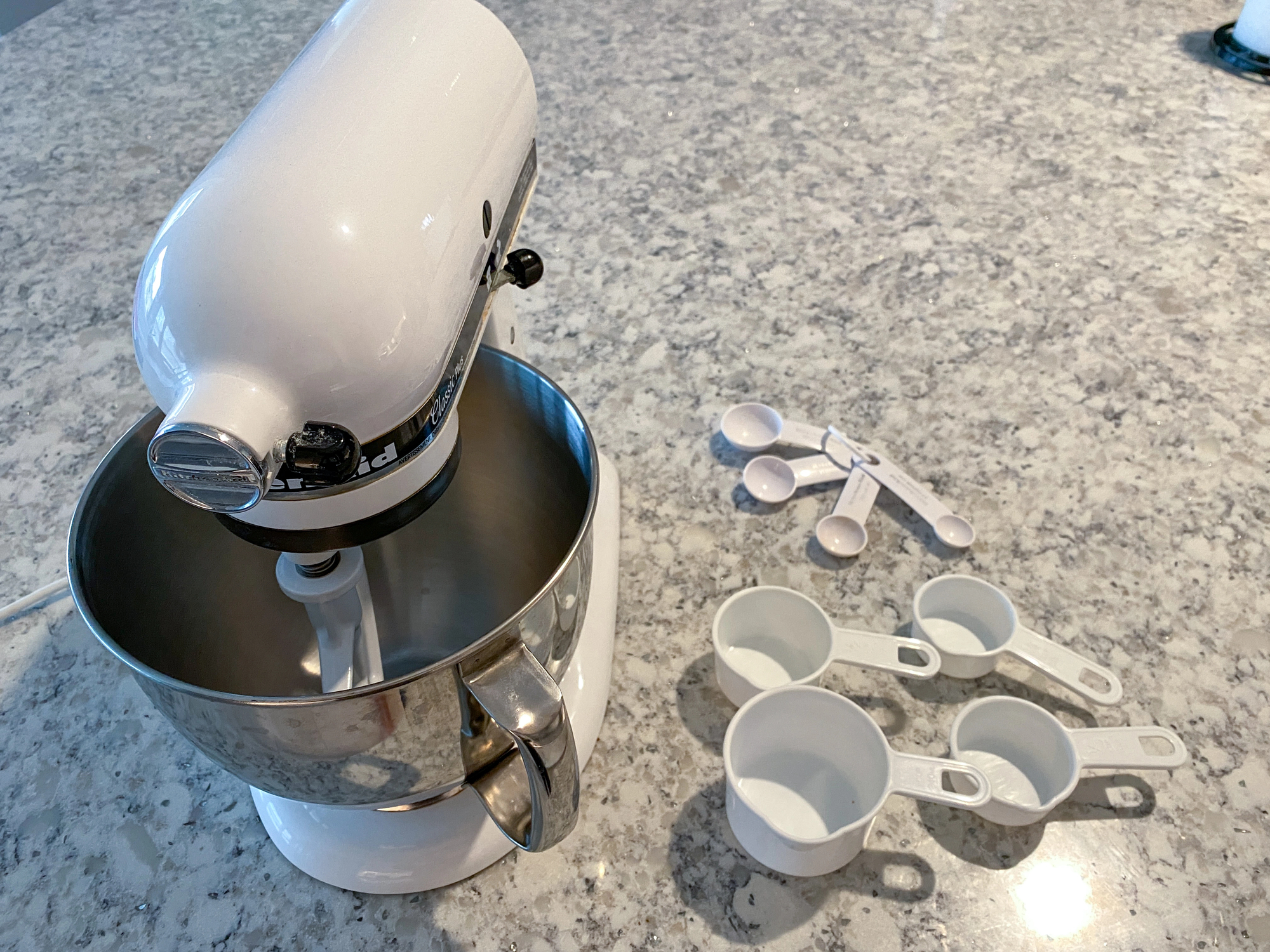
The classic KitchenAid stand mixer with its distinctive tilt-head design became a kitchen icon for good reason. These mixers from the 1950s through 1980s featured all-metal construction; powerful motors that could handle heavy bread dough without breaking a sweat.
Unlike modern versions with more plastic components, vintage KitchenAids were built like small industrial machines. Often passed down through generations of bakers, they’re still churning out perfect batches decades later.
Maytag Wringer Washers
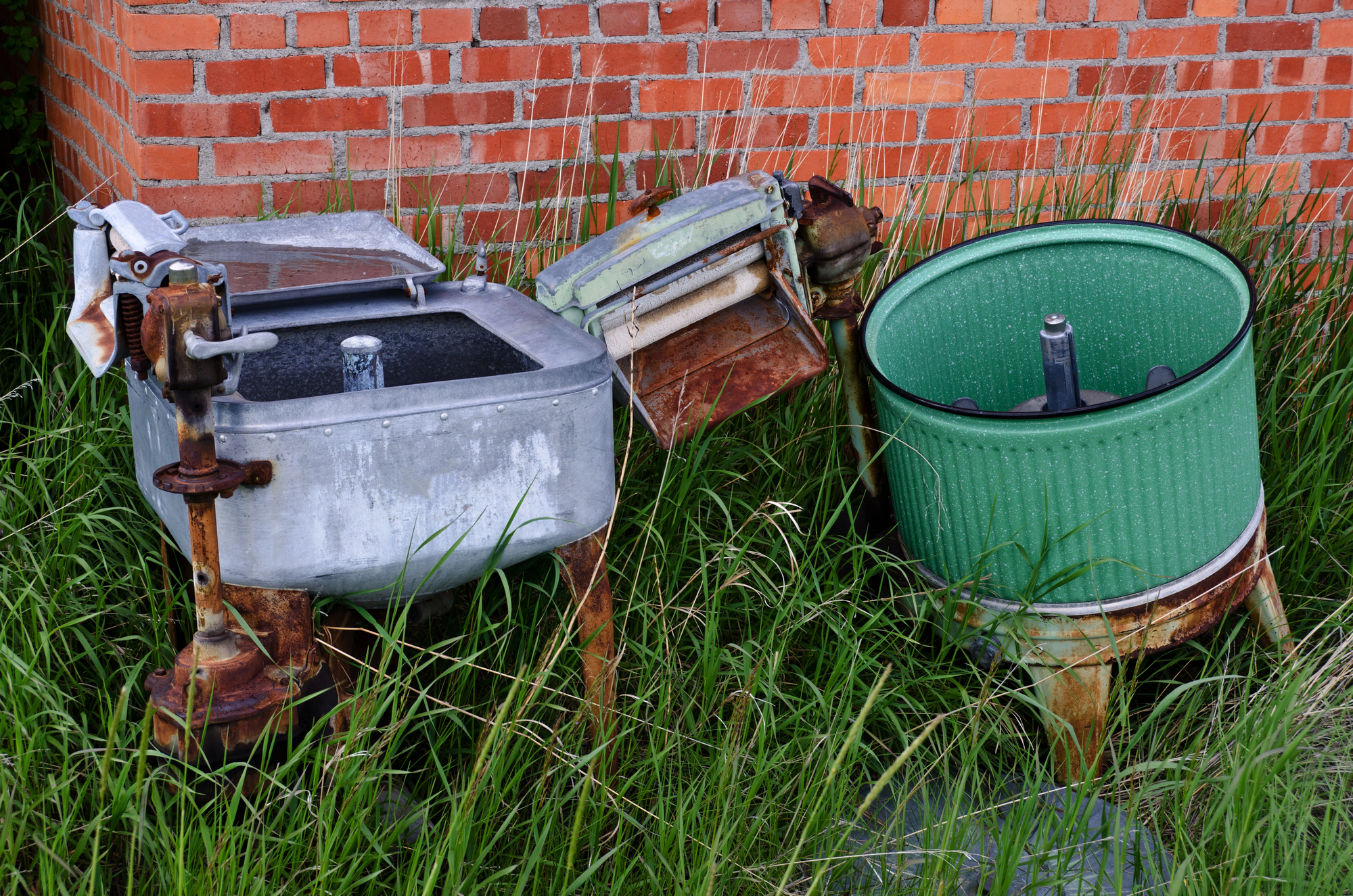
Before automatic washing machines took over, Maytag’s wringer washers were the gold standard for laundry day. These machines featured cast-iron construction and could wash clothes for decades without major repairs.
The wringer mechanism, while requiring some skill to operate safely, was incredibly durable and effective at removing water from clothes.
Like Go2Tutors’s content? Follow us on MSN.
Sunbeam Mixmaster
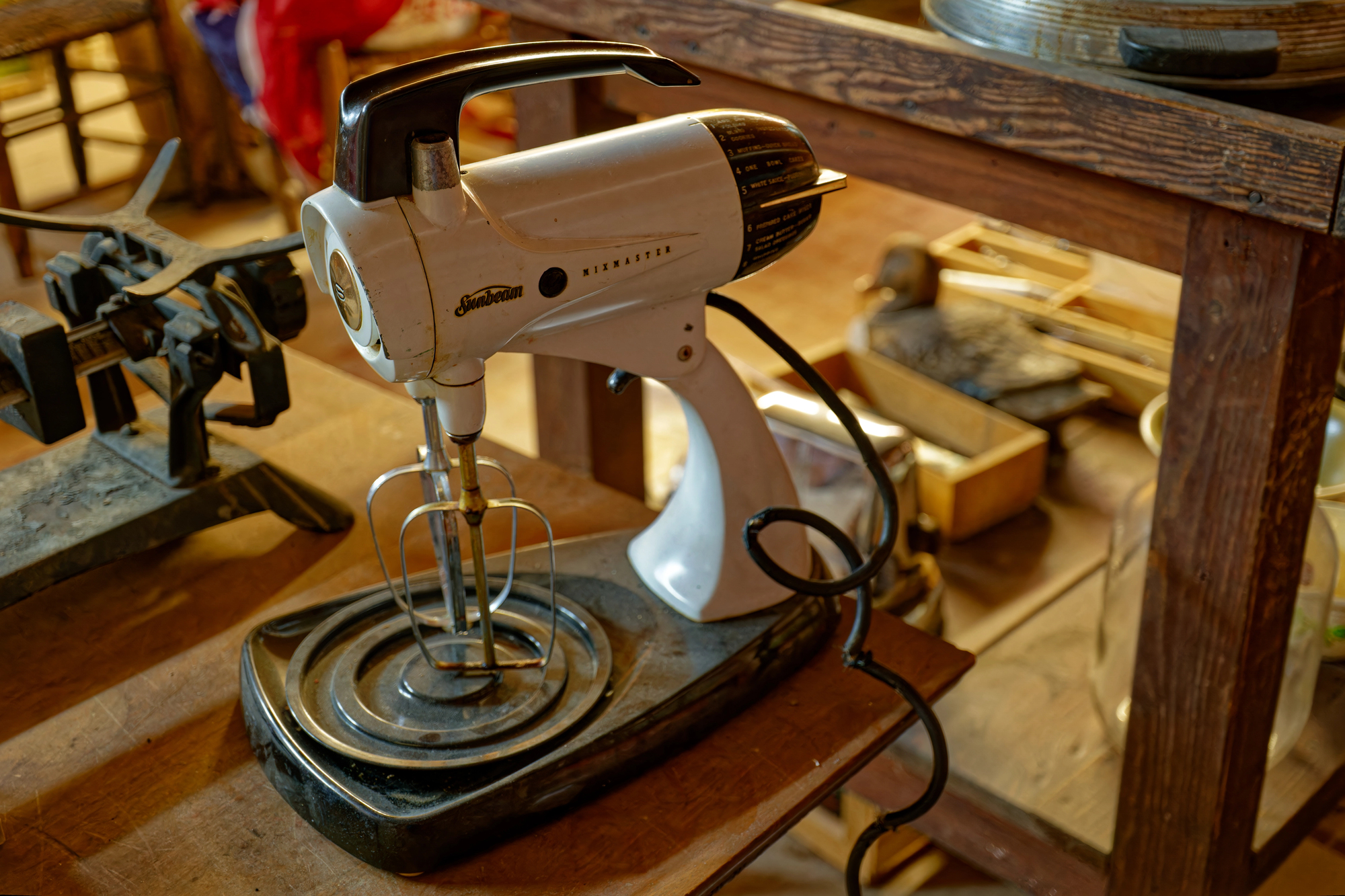
The Sunbeam Mixmaster dominated American kitchens from the 1930s through the 1960s with its distinctive Art Deco styling. Bulletproof construction made these hand mixers legendary.
Heavy-duty motors housed in metal casings could mix cake batter though they’d whip cream for years without wearing out. Many vintage Mixmasters still work perfectly today; they’ve outlasted several generations of their modern replacements.
Frigidaire Refrigerators
Frigidaire refrigerators from the 1950s and 1960s were built like bank vaults. Thick insulation combined with compressors designed to run for decades.
These units often featured simple mechanical controls instead of electronic circuits, making them easier to repair and less prone to failure. The rounded corners plus chrome handles became design classics that modern manufacturers still try to emulate.
General Electric Monitor Top Refrigerators

The GE Monitor Top refrigerator, produced from 1927 to 1956, earned its reputation as one of the most reliable appliances ever made. The sealed cooling system was so dependable that GE offered a five-year warranty when most appliances came with none.
These refrigerators featured a distinctive round compressor on top (giving them their nickname) and incredibly thick steel construction.
Like Go2Tutors’s content? Follow us on MSN.
Hoover Constellation Vacuum Cleaners
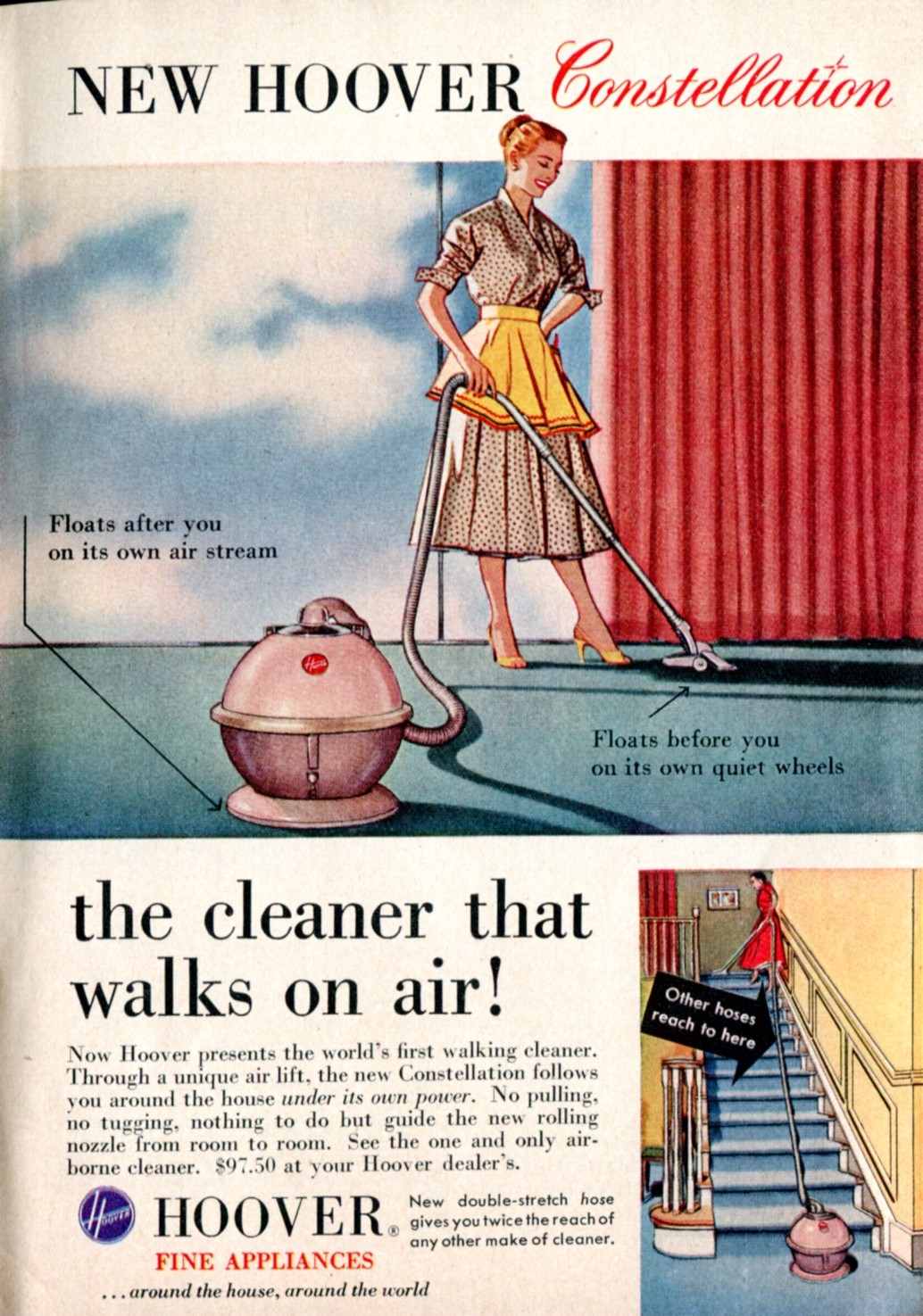
The Hoover Constellation looked like something from a science fiction movie with its spherical canister design that floated on its own airflow. Produced from the 1950s through 1970s, these vacuums featured powerful motors combined with simple mechanical systems that rarely broke down.
The unique floating design also made them incredibly maneuverable around furniture: a genuine innovation for its time.
Westinghouse Roaster Ovens

Westinghouse roaster ovens from the mid-20th century were built like miniature commercial ovens. Heavy steel construction paired with precise temperature controls made them kitchen workhorses.
These countertop units could roast entire turkeys and bake casseroles with consistent results year after year. The thick insulation and sturdy heating elements made them incredibly energy-efficient for their time.
Amana Radarange Microwave Ovens
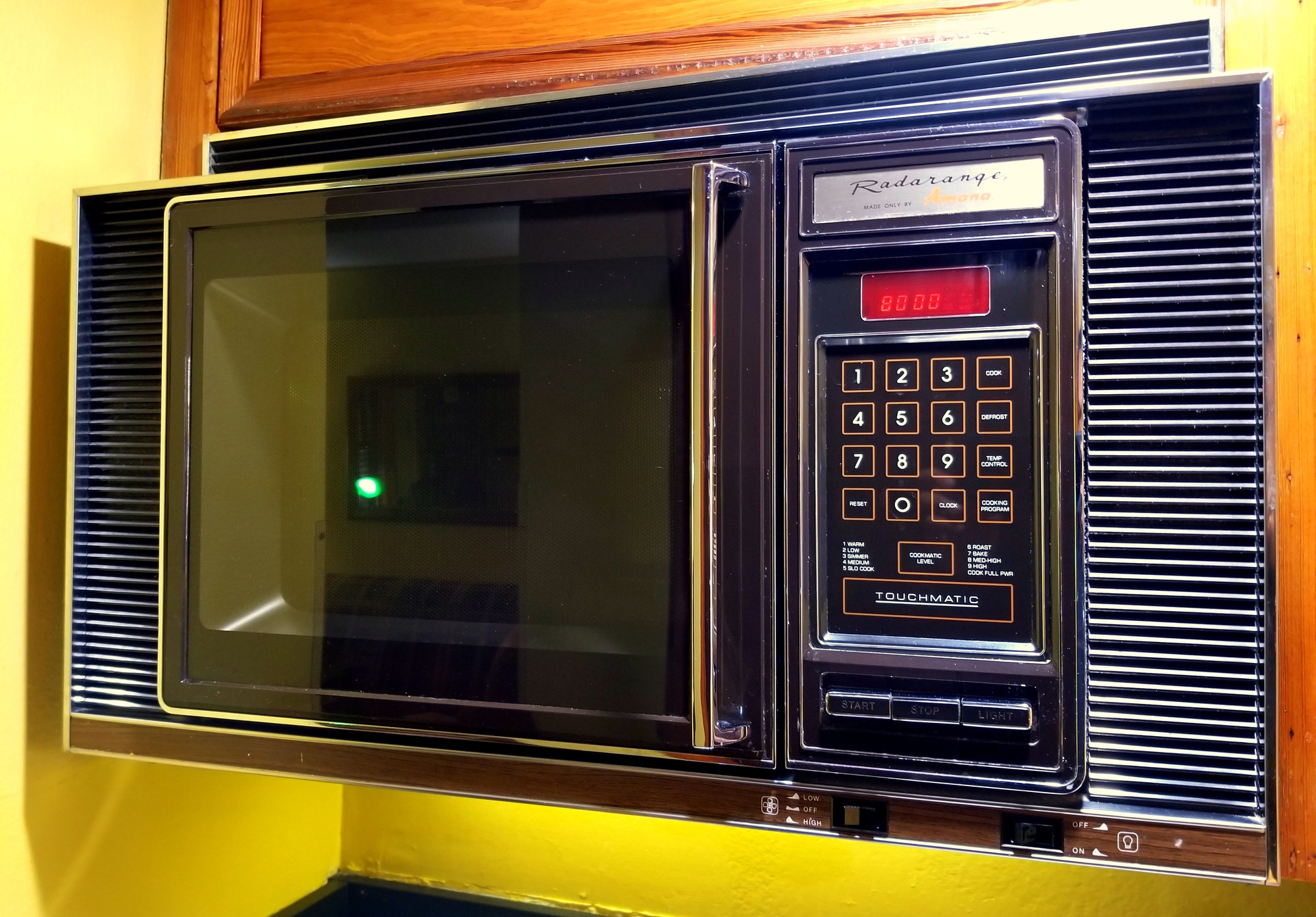
Amana’s early Radarange microwave ovens from the late 1960s and 1970s were massive countertop units built like military equipment. These microwaves featured thick steel construction and mechanical timers that could withstand constant use in commercial kitchens.
Though they lacked the convenience features of modern units, their basic heating mechanisms were incredibly reliable.
Like Go2Tutors’s content? Follow us on MSN.
Speed Queen Washers
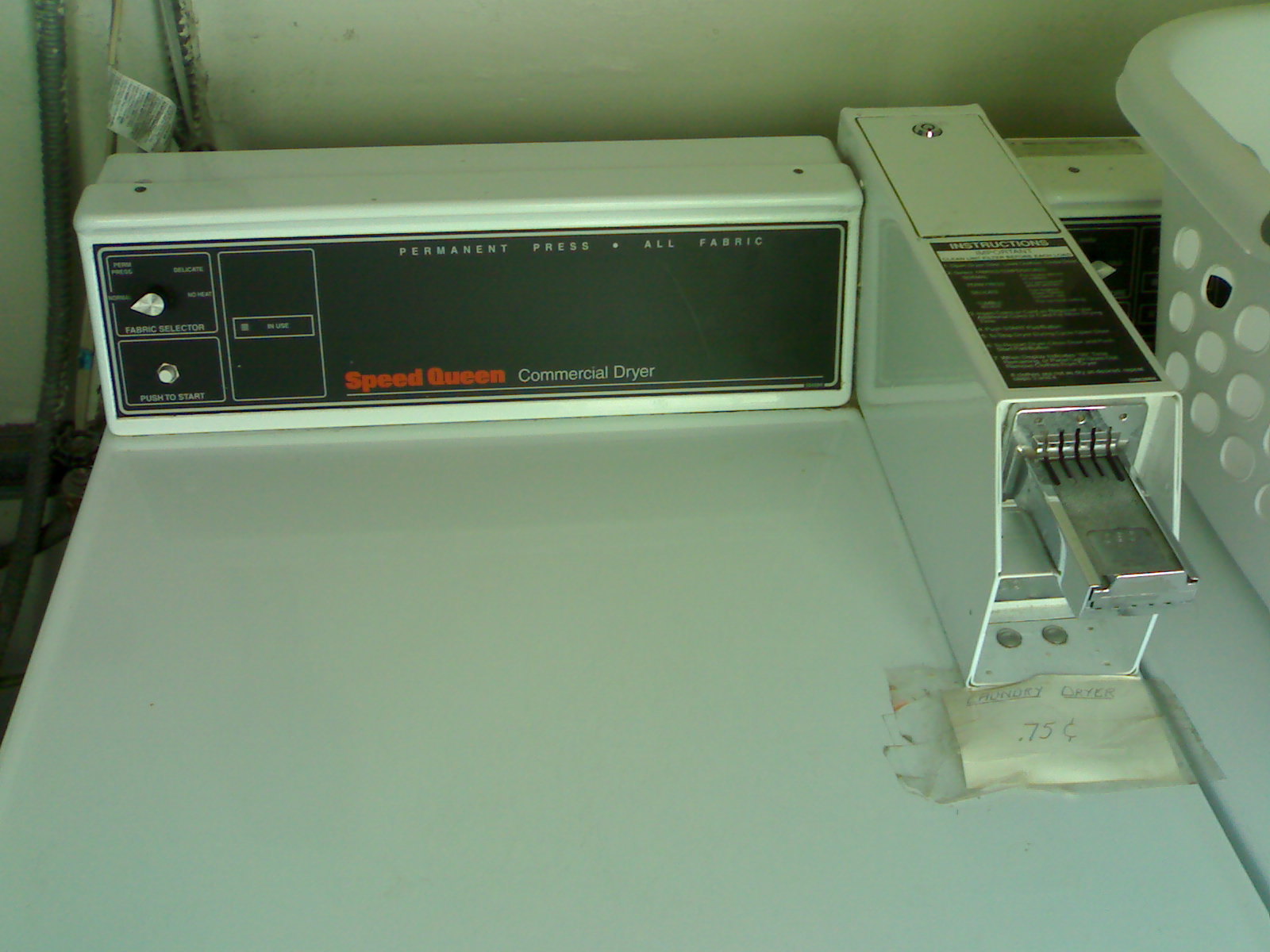
Speed Queen built commercial-grade washing machines for home use, featuring heavy-duty transmissions and stainless steel tubs that could handle large loads for decades. These washers from the 1960s through 1980s used simple mechanical controls.
Robust water pumps rarely needed replacement. The company’s focus on durability over fancy features made them favorites in large families.
Norge Appliances
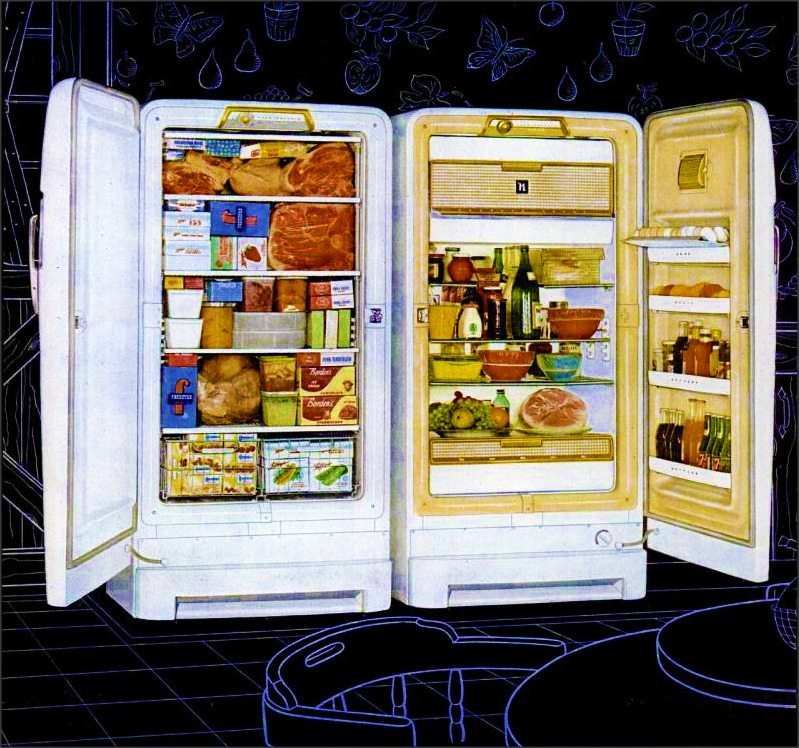
Norge appliances, produced from the 1940s through 1970s, were built by a company that also manufactured commercial refrigeration equipment. Their home appliances inherited the same heavy-duty construction and reliable mechanical systems used in restaurants and stores.
Norge refrigerators and ranges featured thick steel cabinets. Components were designed for constant use, not occasional weekend cooking.
Magic Chef Ranges
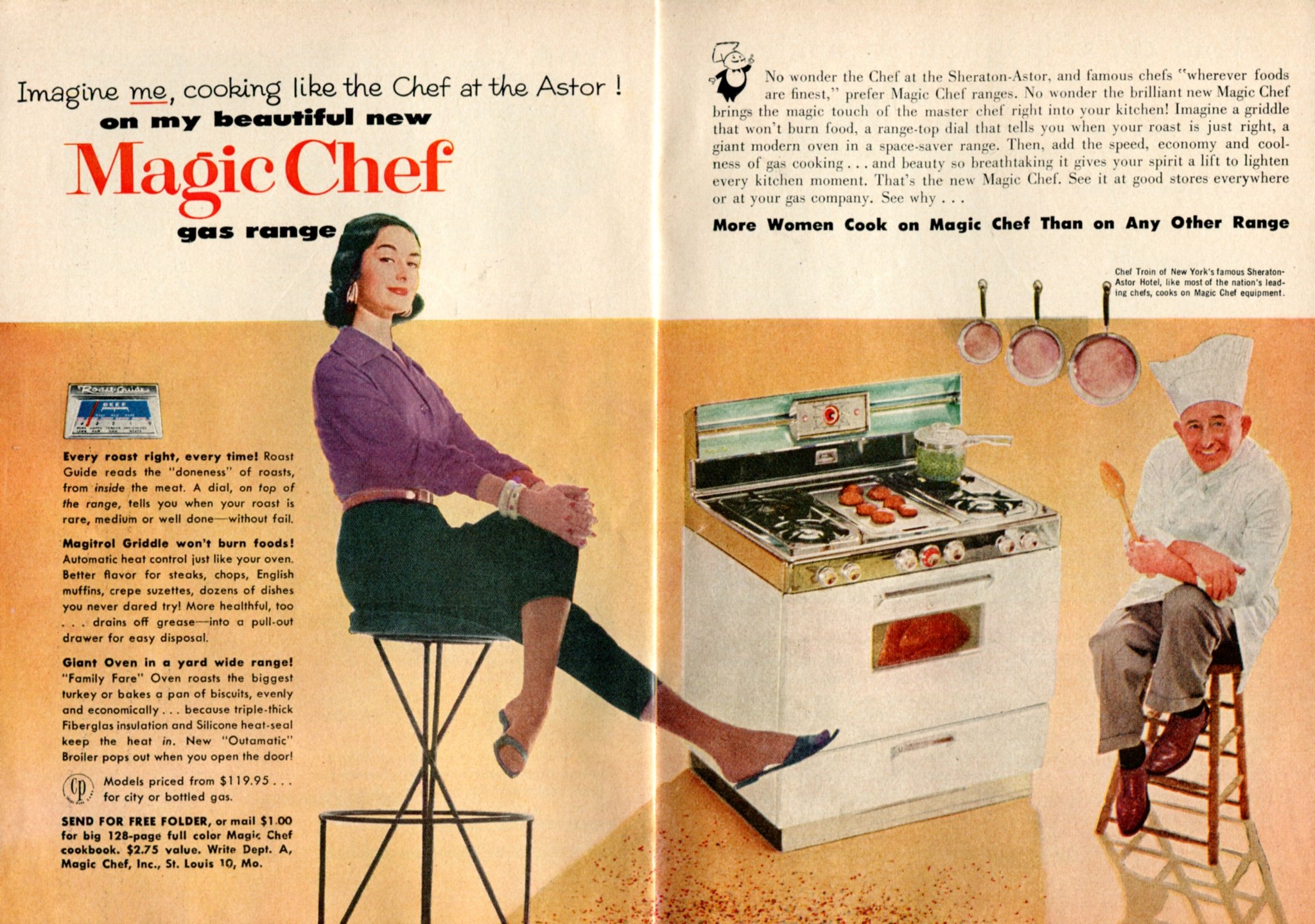
Magic Chef gas ranges from the mid-20th century were built like commercial equipment with heavy cast-iron burner grates and thick steel oven boxes. These ranges featured simple mechanical controls and pilot lights that could operate reliably for decades with minimal maintenance.
The company’s focus on durability made their appliances popular in both homes and restaurants.
Like Go2Tutors’s content? Follow us on MSN.
When Durability Was the Default
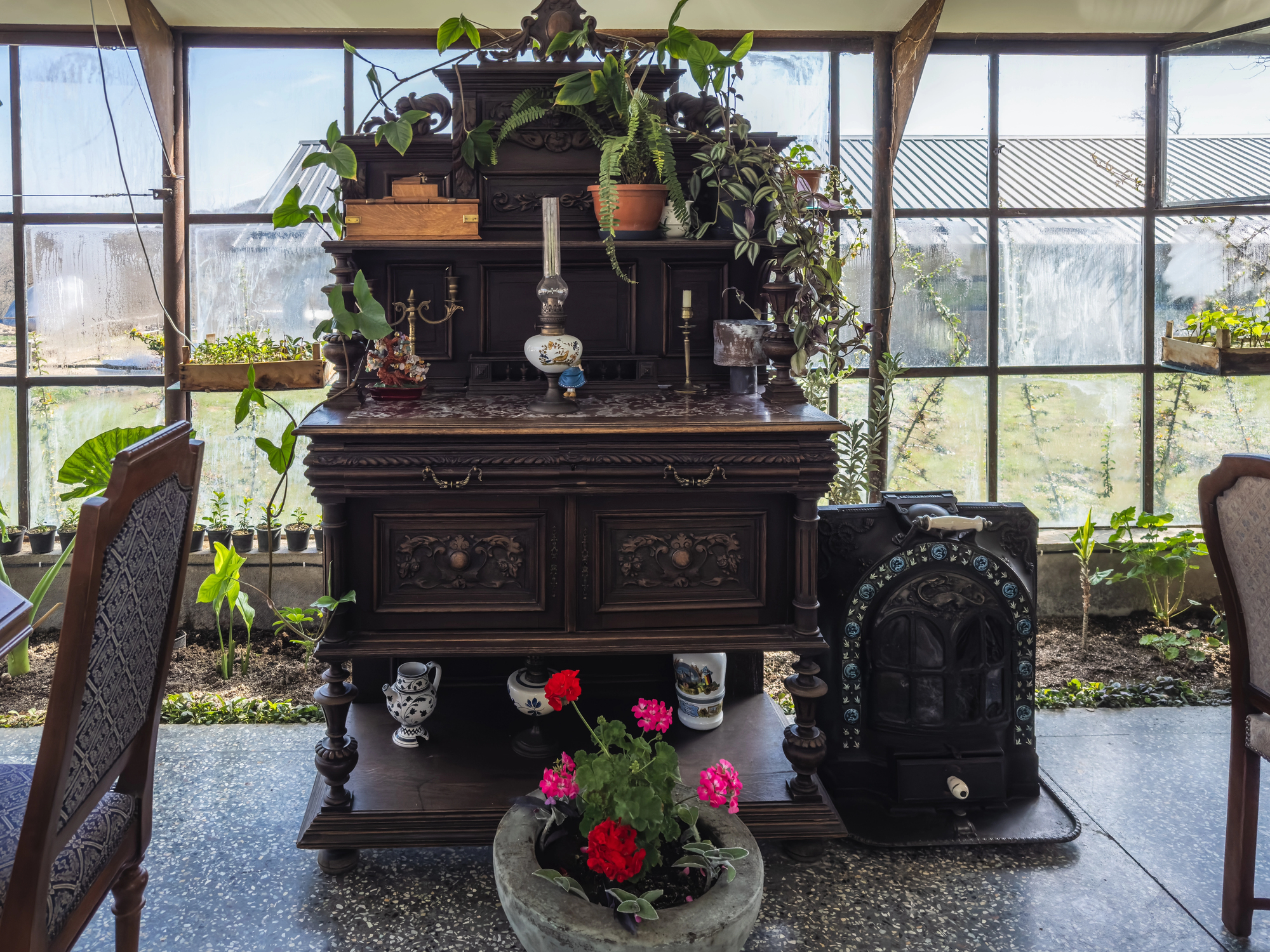
These vintage appliances remind us of an era when manufacturers competed on build quality rather than planned obsolescence. The thick steel construction, powerful motors, and mechanical simplicity that defined these machines created appliances that could serve multiple generations of families.
While modern appliances offer convenience and energy efficiency, they rarely match the longevity of their vintage predecessors. Perhaps there’s a lesson in looking backward as we design the kitchen appliances of tomorrow.
More from Go2Tutors!

- 16 Historical Figures Who Were Nothing Like You Think
- 12 Things Sold in the 80s That Are Now Illegal
- 15 VHS Tapes That Could Be Worth Thousands
- 17 Historical “What Ifs” That Would Have Changed Everything
- 18 TV Shows That Vanished Without a Finale
Like Go2Tutors’s content? Follow us on MSN.