17 CGI Achievements That Changed Hollywood
Computer-generated imagery (CGI) didn’t just change how movies look — it reshaped how they’re made. What began as basic wireframes in the ‘70s evolved into detailed, photorealistic visuals that today’s audiences accept without a second thought. Over the decades, CGI has gone from a novelty to a storytelling staple.
These 17 moments weren’t just technical feats. They opened doors for entire genres and inspired new ways for filmmakers to dream. From digital knights to alien moons, these achievements didn’t just support the story — they became the story.
Tron’s Digital World
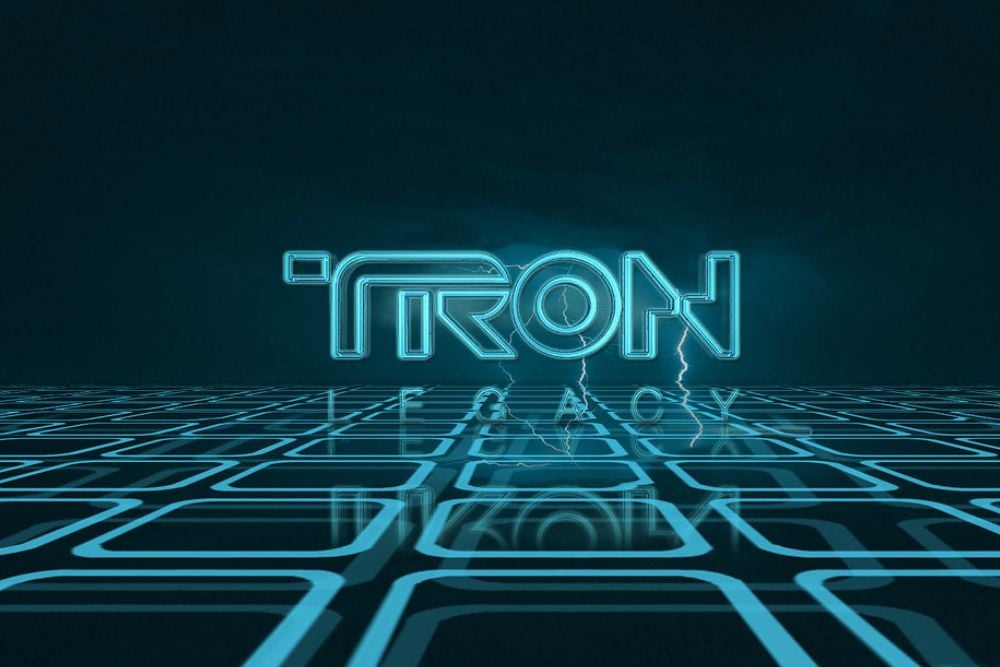
Disney’s Tron (1982) was ahead of its time. It was the first major motion picture to drop actors into a fully digital world — a neon-lit grid of wireframe landscapes that felt like stepping into a video game. Though only about 15 minutes of the film was pure CGI, it was groundbreaking.
By today’s standards, it looks simple, even crude. But back then, it was bold. Tron proved that computers could do more than just enhance scenes — they could create entire worlds.
The Last Starfighter’s Spaceship Battles

In 1984, The Last Starfighter made a bold move: it replaced miniature models with full CGI for its outer space battles. The film used a Cray supercomputer to generate 27 minutes of digital space sequences — something no one had dared attempt at the time.
The result? A smoother, more dynamic sense of movement in battle scenes, and a glimpse into the future of sci-fi visuals.
Young Sherlock Holmes’ Stained Glass Knight

A seemingly small moment with a huge legacy — in 1985, Young Sherlock Holmes introduced the first fully CGI character in a live-action film: a stained glass knight stepping out of a church window. The short sequence, created by a young Pixar, only lasted about 30 seconds, but it was a game changer.
It showed that digital characters could not only exist in real-world settings — they could interact with them believably.
The Abyss’ Water Tentacle
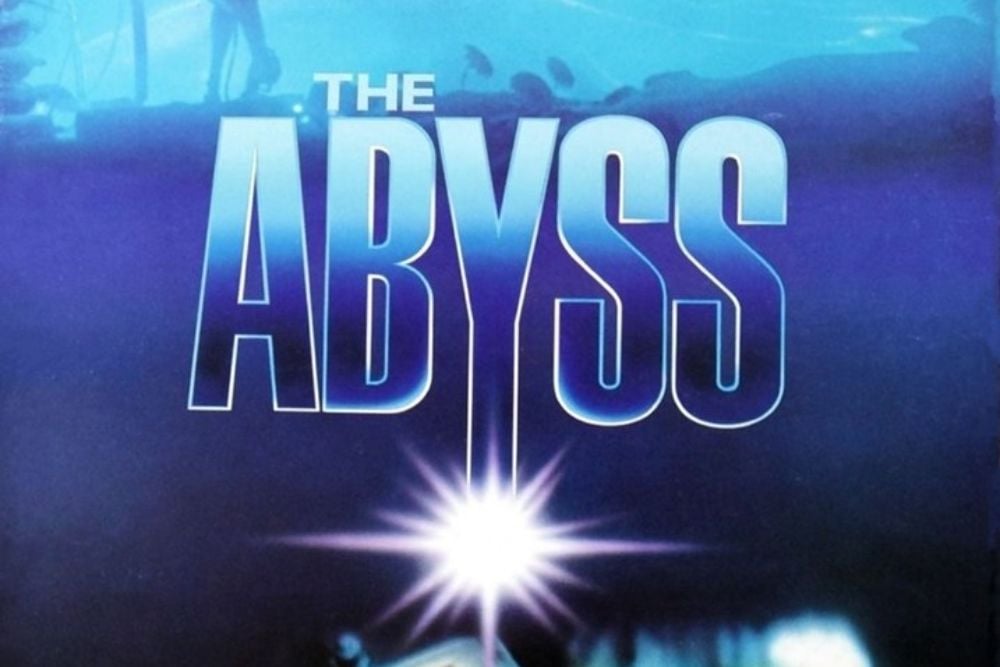
James Cameron’s The Abyss (1989) took liquid CGI to a whole new level. A water tentacle that mimicked human facial expressions may not sound earth-shattering today, but at the time, it was pure sci-fi made real.
Industrial Light & Magic had to invent new ways to simulate water’s reflective and fluid properties — a foundation that would pave the way for more ambitious effects in the years ahead.
Terminator 2’s Liquid Metal T-1000

Two years later, Cameron upped the ante. Terminator 2: Judgment Day (1991) introduced the T-1000, a shape-shifting robot made of liquid metal. This wasn’t just a cool visual — it was a dramatic character brought to life entirely through CGI.
The seamless transitions between forms and the T-1000’s screen presence proved that digital characters could do more than pop in for a moment — they could carry emotional weight.
Jurassic Park’s Photorealistic Dinosaurs
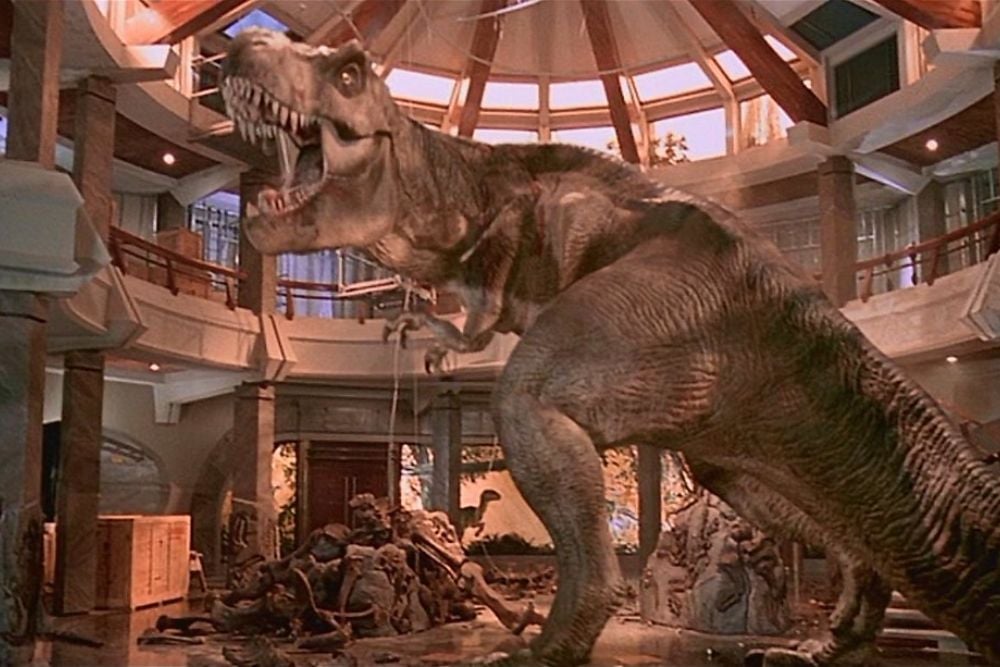
In 1993, Jurassic Park didn’t just show dinosaurs — it made them real. Spielberg and ILM combined CGI with animatronics to bring T. rexes and raptors to life in a way audiences had never seen.
Using motion capture and cutting-edge texture mapping, the team achieved a level of realism that turned skepticism into awe. It was the moment CGI proved it could replace practical effects at scale.
Forrest Gump’s Digital Environments

Forrest Gump (1994) quietly broke new ground by inserting Tom Hanks into archival footage and historic moments with astonishing realism. Whether shaking hands with JFK or delivering a speech at a protest, the compositing work blended new and old footage seamlessly.
It wasn’t flashy, but it was vital — it opened the door for digital integration in dramatic storytelling.
Toy Story’s Full CGI Animation
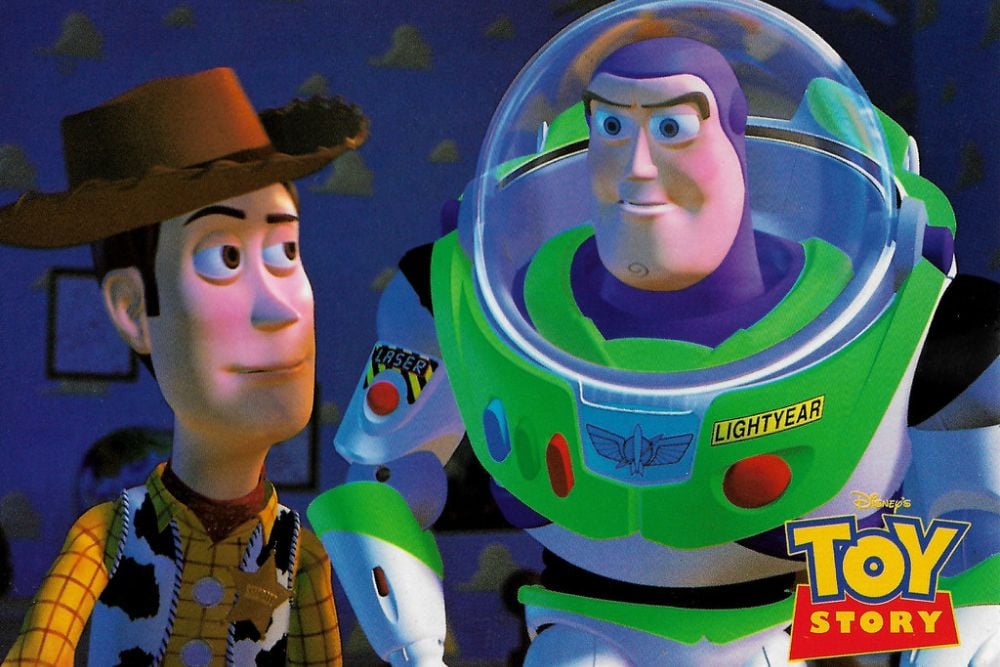
In 1995, Pixar did the unthinkable: they made the first full-length film animated entirely with CGI. Toy Story wasn’t just a technical marvel — it was a heartwarming hit.
The film’s success proved that audiences didn’t need hand-drawn characters or puppets to care. This one movie reshaped the animation industry permanently.
The Matrix’s Bullet Time

In 1999, The Matrix changed the action game with its now-iconic “bullet time” effect. By using a rig of still cameras and advanced interpolation, the Wachowskis froze moments in time and spun the camera around moving subjects.
The effect was so influential that it became a visual shorthand for superhuman perception — and a favorite for parodies for years to come.
Gladiator’s Digital Colosseum

Ridley Scott’s Gladiator (2000) rebuilt ancient Rome — digitally. Through a blend of CGI and matte painting, the filmmakers created the Colosseum in full grandeur, packed with digital crowds and sweeping architecture.
This approach made historical epics far more scalable. No need to fly extras to Tunisia — CGI could fill the seats.
The Lord of the Rings’ Gollum

With The Two Towers (2002), Peter Jackson and Weta Digital introduced a CGI character with true depth: Gollum. Powered by Andy Serkis’ motion-captured performance, Gollum wasn’t just visually convincing — he was emotionally rich.
This was a pivotal moment where technology and acting merged to deliver one of the most memorable characters in fantasy cinema.
Spider-Man’s Web-Swinging

In 2002’s Spider-Man, CGI stepped in where stunts fell short. For the first time, a digital double of a human character performed fast, fluid, and otherwise impossible moves.
The technique — switching seamlessly between Tobey Maguire and a digital Spidey — laid the groundwork for the superhero action sequences that define today’s blockbusters.
Pirates of the Caribbean’s Davy Jones

By 2006, Pirates of the Caribbean: Dead Man’s Chest introduced Davy Jones, a CGI character so complex it required new simulation systems. His tentacled face and slimy skin were fully animated and yet utterly believable.
This wasn’t just a cool design — it was a character, with emotion and nuance. And it raised the bar for digital creature work.
Avatar’s Performance Capture Revolution

Avatar (2009) didn’t just use performance capture — it redefined it. James Cameron built new tools to track actors’ facial expressions and movements in real-time, within a virtual environment.
Actors could now see their digital selves while performing. This level of immersion changed how digital characters were created — and it’s the standard now.
Life of Pi’s Digital Tiger

In 2012’s Life of Pi, the tiger known as Richard Parker was so lifelike, many viewers didn’t realize it wasn’t real. The digital tiger required fur simulation, muscle tracking, and perfect syncing with water and lighting.
The result? A CGI animal that could show fear, curiosity, and emotion — without looking animated.
Dawn of the Planet of the Apes’ Digital Apes

The 2014 sequel brought an entire society of digital apes to life — each one motion-captured, each with a distinct personality. Weta’s performance capture and rendering technology gave these apes believable expressions and interactions.
The work proved that not just one, but dozens of digital characters could share the screen — and still feel human.
The Jungle Book’s All-Digital Environment

In 2016, Disney’s The Jungle Book put a single human boy in an entirely digital world. Every animal, tree, and weather pattern was created from scratch — and it worked.
The environment was so realistic, you could forget it was CGI at all. It showed how far visual effects had come — to the point where a fully digital setting could be invisible.
When Pixels Became Indistinguishable from Reality
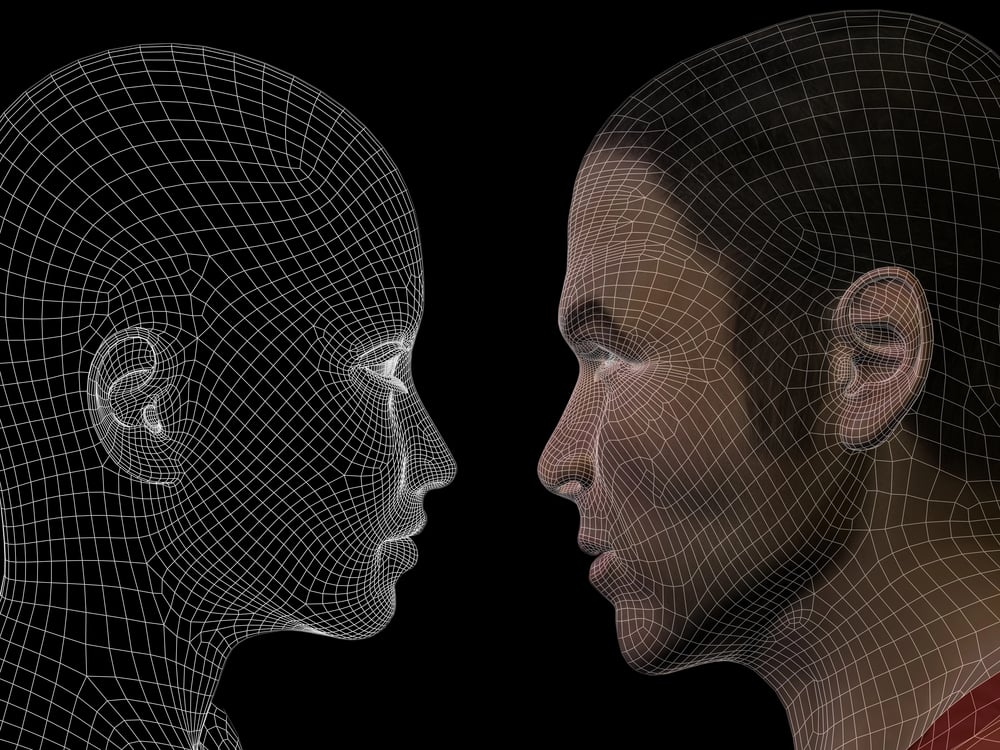
These moments weren’t just visual tricks — they were turning points. Together, they transformed Hollywood from a place dependent on practical effects into one powered by limitless digital possibilities. Each leap forward built on the last, accelerating what movies could show — and how.
Today, many CGI effects are so seamless you don’t even notice them. And that’s the real magic — not making you see the effect, but making you believe it was always there.
More from Go2Tutors!

- The Romanov Crown Jewels and Their Tragic Fate
- 13 Historical Mysteries That Science Still Can’t Solve
- Famous Hoaxes That Fooled the World for Years
- 15 Child Stars with Tragic Adult Lives
- 16 Famous Jewelry Pieces in History
Like Go2Tutors’s content? Follow us on MSN.



