Countries with the shortest average height
Height differences across the world tell fascinating stories about history, health, and culture. While some countries like the Netherlands tower above the rest with their tall populations, others have much shorter average heights that reflect different circumstances and challenges. These differences can be quite dramatic, with gaps of 20 centimeters or more between the tallest and shortest nations.
Let’s explore which countries have the shortest average heights and discover the interesting reasons behind these patterns.
Timor-Leste leads the list
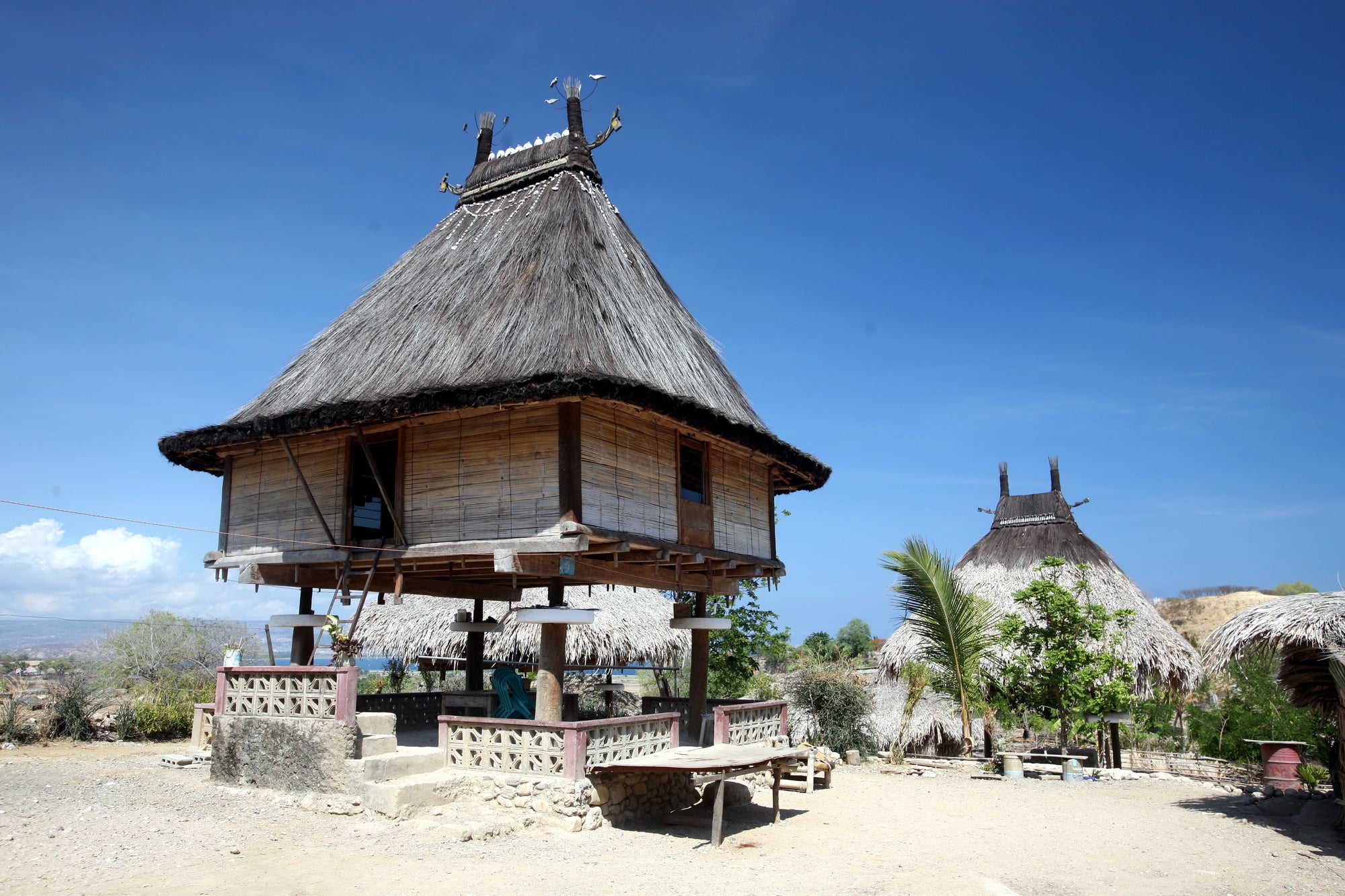
Timor-Leste has the shortest average male height at 160.1 cm, making it the country with the shortest stature worldwide. This Southeast Asian nation gained independence only in 2002, after decades of conflict and occupation.
The country’s challenging history included periods of poor nutrition and limited healthcare access. These factors contributed to generations of people who didn’t reach their full height potential during their crucial growing years.
Laos comes in second place
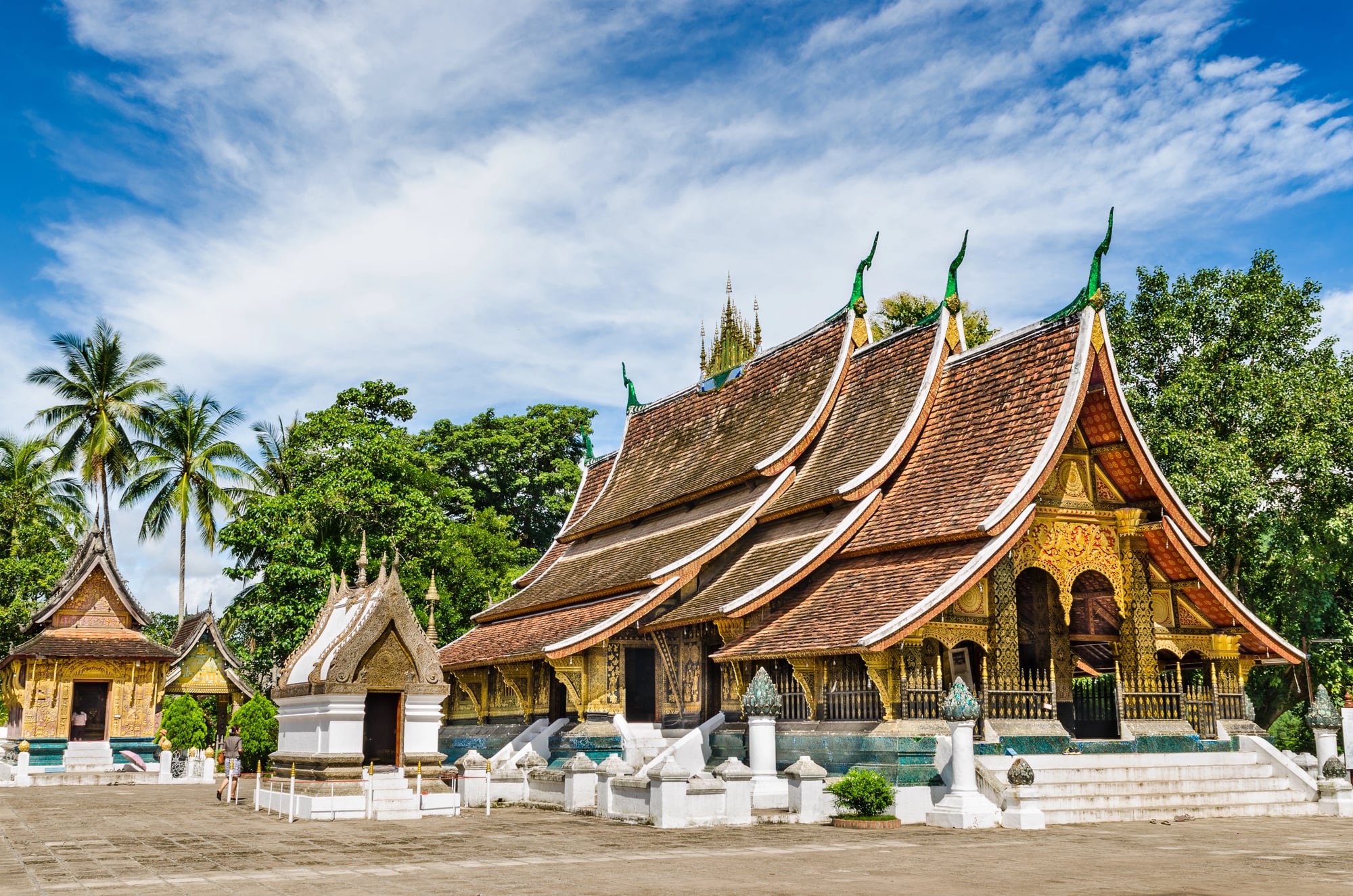
Laos ranks 2nd with 162.8 cm for average male height, just slightly taller than Timor-Leste. This landlocked country in Southeast Asia has faced economic challenges and food security issues for many years.
Rural areas often struggle with access to varied nutrition and healthcare services. The mountainous terrain and limited infrastructure have historically made it difficult to distribute food and medical care to all regions equally.
Solomon Islands ties for third
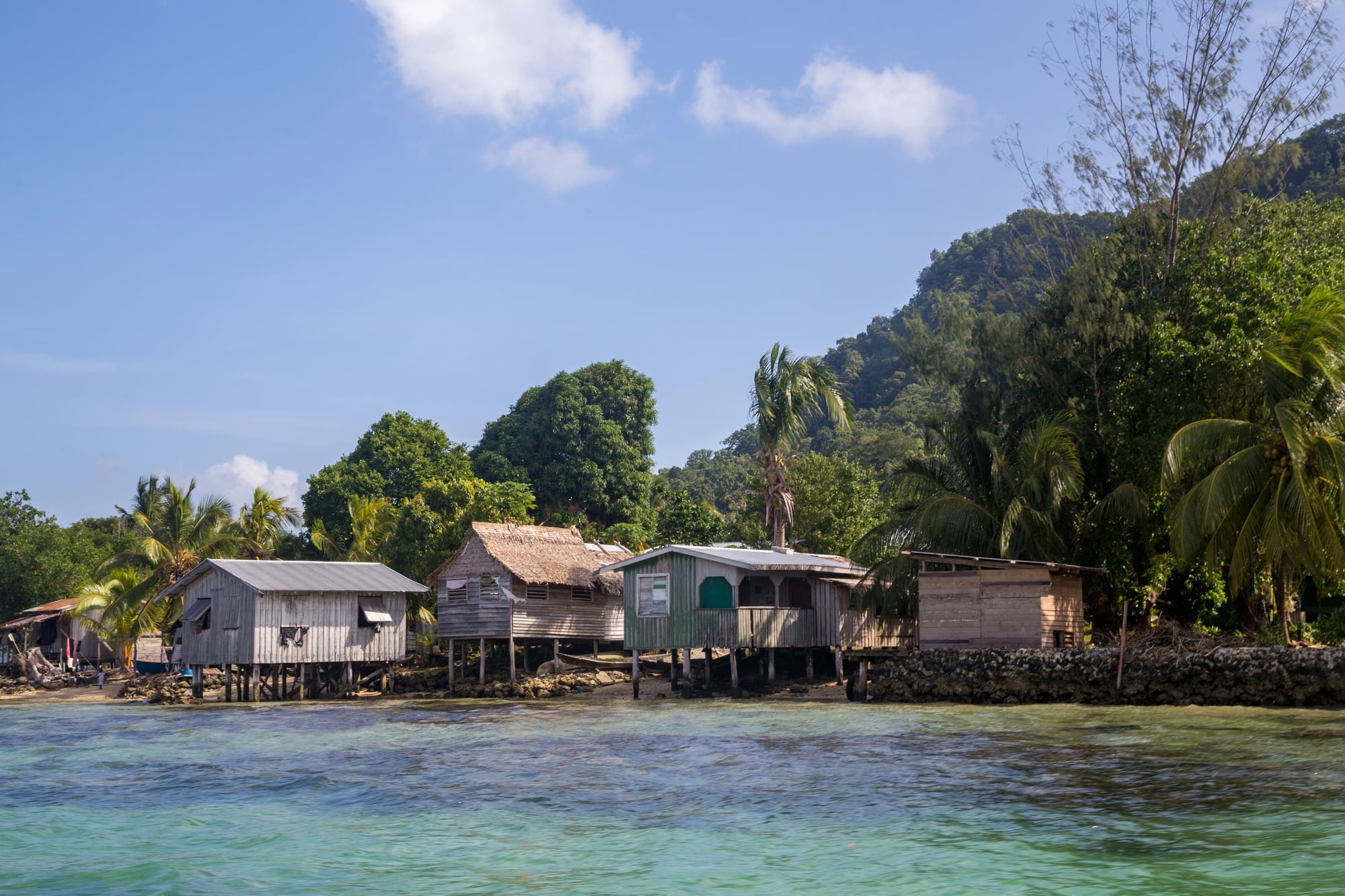
Solomon Islands and Papua New Guinea tie for 3rd place at 163.1 cm in average male height. The Solomon Islands, scattered across the Pacific Ocean, face unique challenges as a small island nation.
Limited agricultural diversity and dependence on imported foods can affect nutritional variety. The isolated location makes it expensive to bring in diverse food options, which can impact childhood nutrition and growth.
Papua New Guinea shares third place
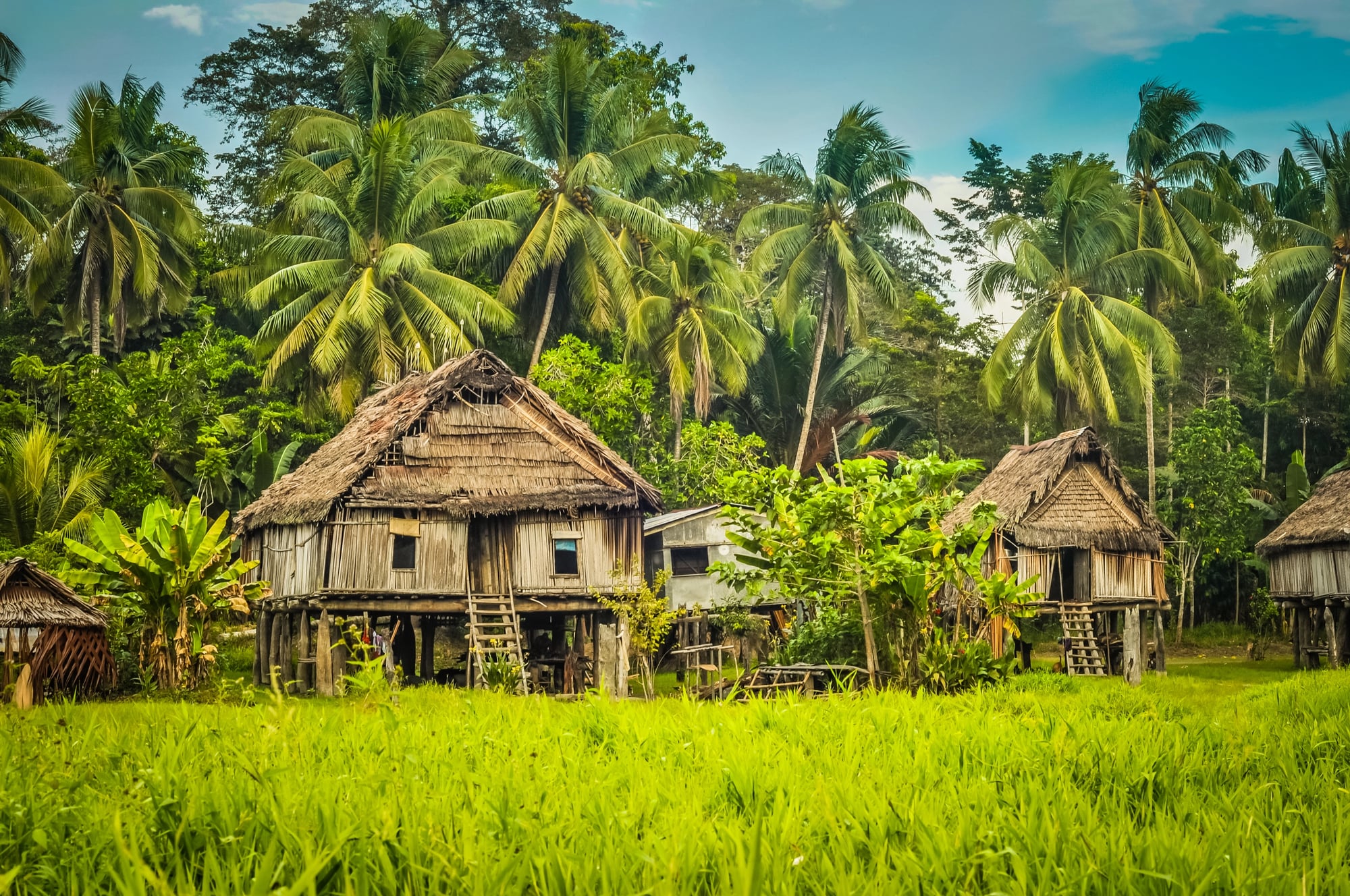
Papua New Guinea also measures 163.1 cm for average male height, tying with the Solomon Islands. This country has incredible cultural diversity with over 800 languages spoken across its territory.
Many communities live in remote mountain areas with limited access to modern healthcare and varied nutrition. Traditional diets, while culturally important, may not always provide all the nutrients needed for maximum height growth.
Mozambique takes fourth position

Mozambique ranks 4th with 164.3 cm in average male height. This African country has recovered from decades of civil war that ended in the 1990s.
The conflict disrupted food systems and healthcare infrastructure for many years. Malnutrition during childhood can have lasting effects on adult height, and the country is still working to rebuild and improve nutrition access for its growing population.
Guatemala ties for fifth place

Guatemala, Nepal, and Yemen tie for 5th position at 164.4 cm each in average male height. Guatemala has significant inequality between different regions and social groups.
Many indigenous communities face poverty and limited access to healthcare and nutrition. The country has one of the highest rates of childhood stunting in Latin America, which directly affects adult height.
Nepal shares fifth position
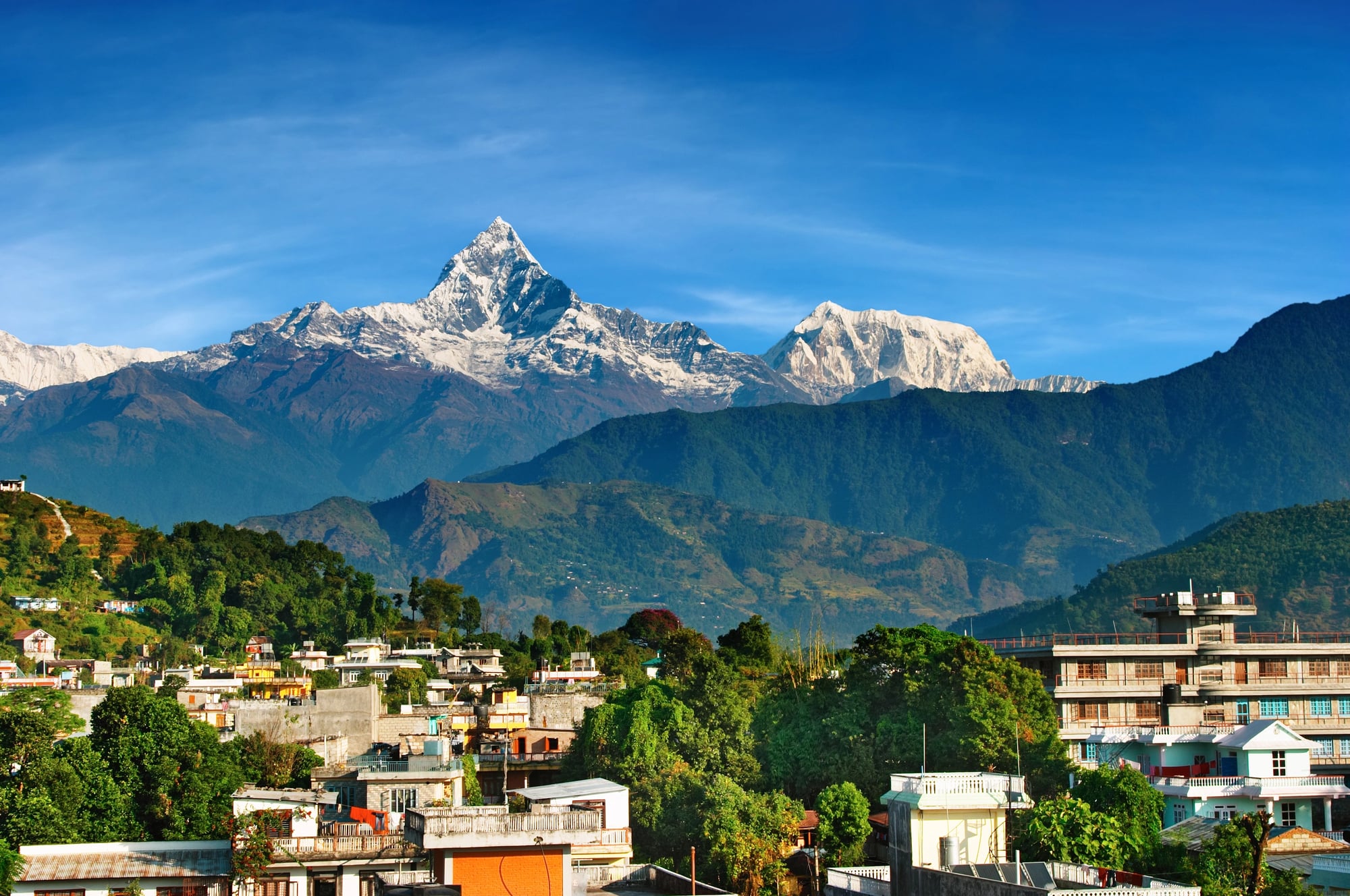
Nepal also measures 164.4 cm for average male height. This mountainous Himalayan country faces geographical challenges that affect food distribution and healthcare access.
Many communities live in remote mountain areas where transportation is difficult. Traditional diets may lack certain nutrients needed for optimal growth, and poverty affects many families’ ability to provide diverse nutrition.
Yemen completes the fifth place tie

Yemen rounds out the 164.4 cm average with Guatemala and Nepal. This Middle Eastern country has faced ongoing conflict and humanitarian crises that severely impact nutrition and healthcare.
Food insecurity affects millions of people, including children during their crucial growth periods. The ongoing challenges make it difficult for many families to access adequate nutrition consistently.
Bangladesh holds sixth place
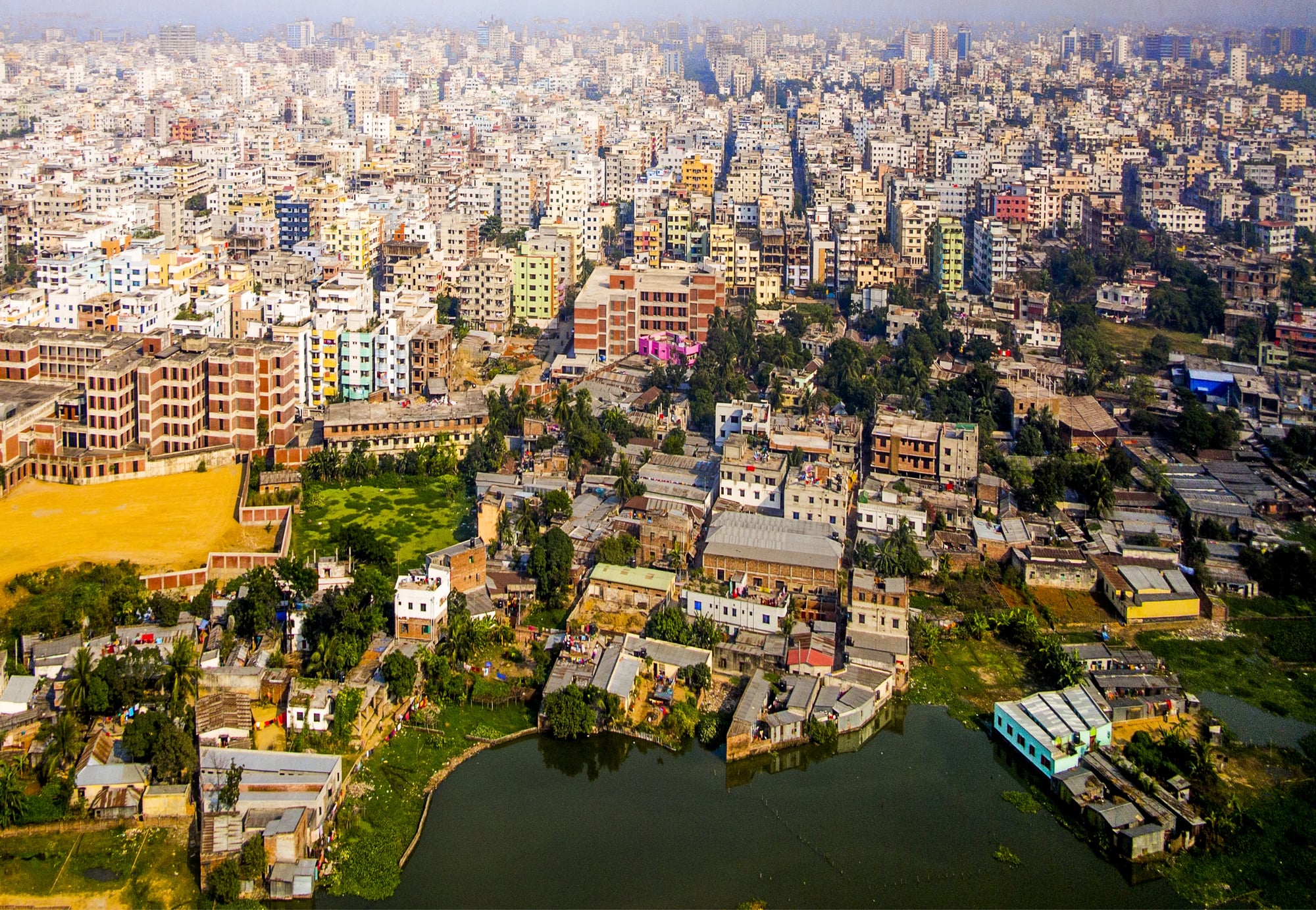
Bangladesh in 6th place for shortest average male height faces challenges from its dense population and frequent natural disasters. Flooding and cyclones regularly disrupt food production and distribution systems.
Despite improvements in recent years, many rural areas still struggle with poverty and limited access to diverse nutrition. The country has made progress in reducing malnutrition, but historical challenges still affect average height.
Nutrition plays the biggest role

The most direct causes are inadequate nutrition (not eating enough or eating foods that lack growth-promoting nutrients) according to health experts. Children need specific nutrients during their growth years to reach their full height potential.
Protein, calcium, vitamins, and minerals all play crucial roles in bone growth and development. When these nutrients are missing from diets during childhood, it can permanently affect adult height.
From genes to dinner plates: the full picture

The countries with the shortest average heights show us how complex factors work together to influence human growth. While genetics play some role, the conditions that cause such consistently smaller statures come from a combination of genetics and development factors such as health and nutrition.
Understanding these patterns helps us see that height differences between countries reflect much more than just natural variation. They tell stories of historical challenges, economic realities, and the ongoing human struggle to provide every child with the nutrition and healthcare they need to reach their full potential. The good news is that with proper support, these patterns can change over time as countries improve their health and nutrition systems.
More from Go2Tutors!

- The Romanov Crown Jewels and Their Tragic Fate
- 13 Historical Mysteries That Science Still Can’t Solve
- Famous Hoaxes That Fooled the World for Years
- 15 Child Stars with Tragic Adult Lives
- 16 Famous Jewelry Pieces in History
Like Go2Tutors’s content? Follow us on MSN.