15 Foods That Naturally Ferment
Fermentation isn’t just a trendy health buzzword—it’s one of humanity’s oldest food preservation methods. From ancient civilizations storing grain to modern kombucha bars, we’ve been harnessing beneficial bacteria and wild yeasts to transform ordinary ingredients into something extraordinary.
The process happens when microorganisms break down sugars and starches, creating probiotics, enhanced flavors, and foods that can last months without refrigeration. Nature has a way of kickstarting fermentation in many foods without any help from us.
Here is a list of 15 foods that naturally ferment when left to their own devices.
Grapes
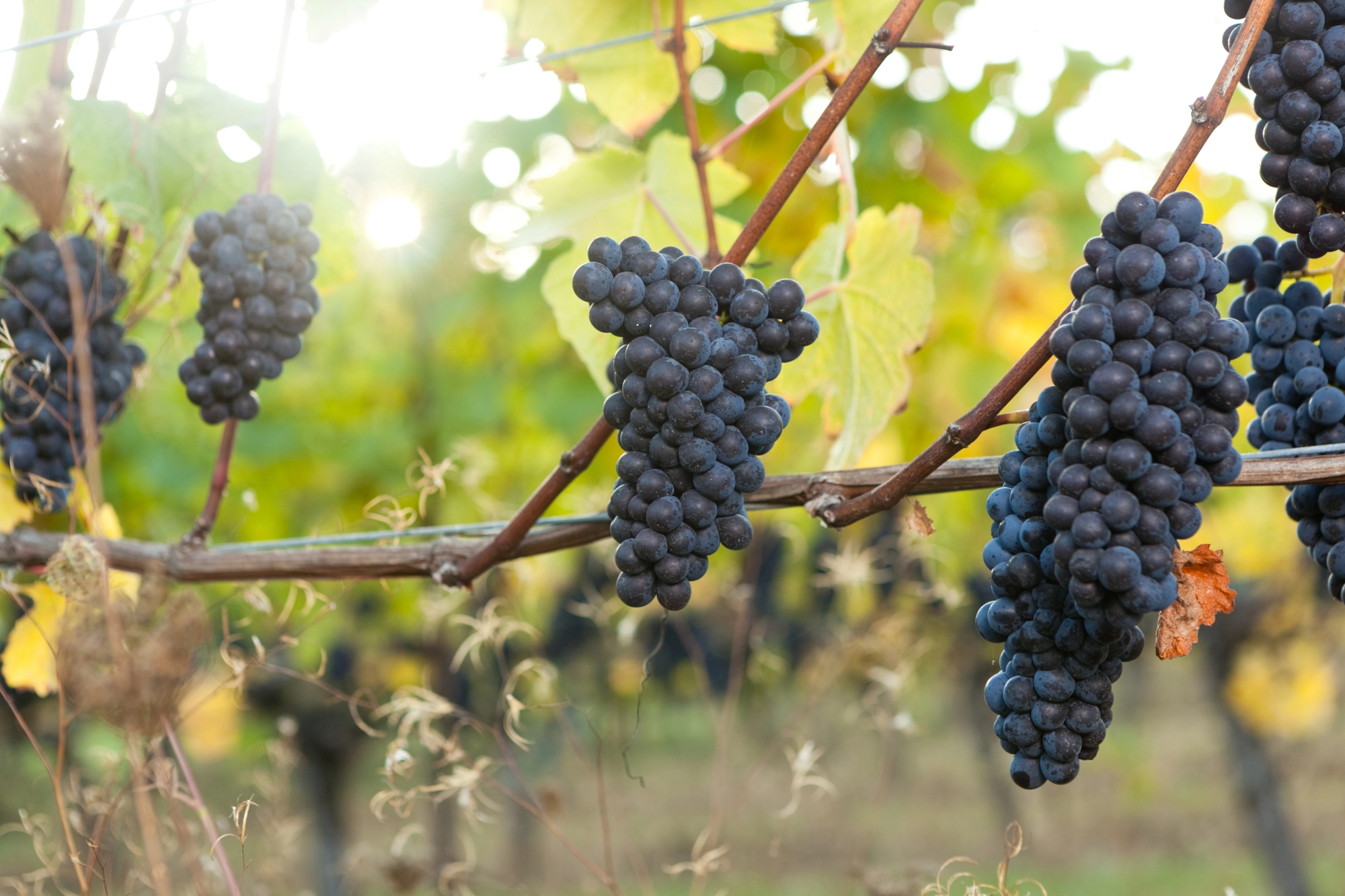
Grapes contain wild yeasts on their skins that begin fermenting the fruit’s natural sugars almost immediately after harvest. This process transforms grape juice into wine without adding anything artificial.
The bloom you see on fresh grapes isn’t just for show—it’s actually a collection of naturally occurring yeasts waiting to get to work.
Even if you just crush grapes and leave them sitting out, fermentation will begin within 24 hours as the yeasts consume the fruit’s abundant sugars.
Cabbage
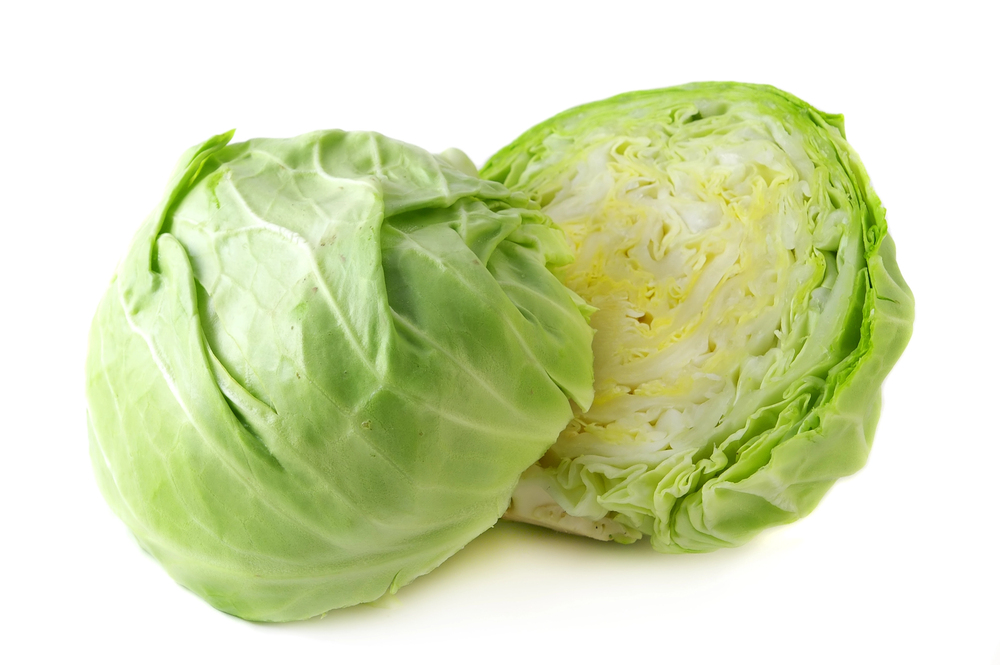
Raw cabbage naturally ferments into sauerkraut through lacto-fermentation, a process driven by beneficial bacteria already present on the leaves. When you salt cabbage and pack it tightly, you create an oxygen-free environment where good bacteria thrive while harmful microorganisms can’t survive.
The Lactobacillus bacteria naturally found on cabbage leaves converts the vegetable’s sugars into lactic acid, giving sauerkraut its characteristic tangy flavor and preserving qualities.
Like Go2Tutors’s content? Follow us on MSN.
Apples
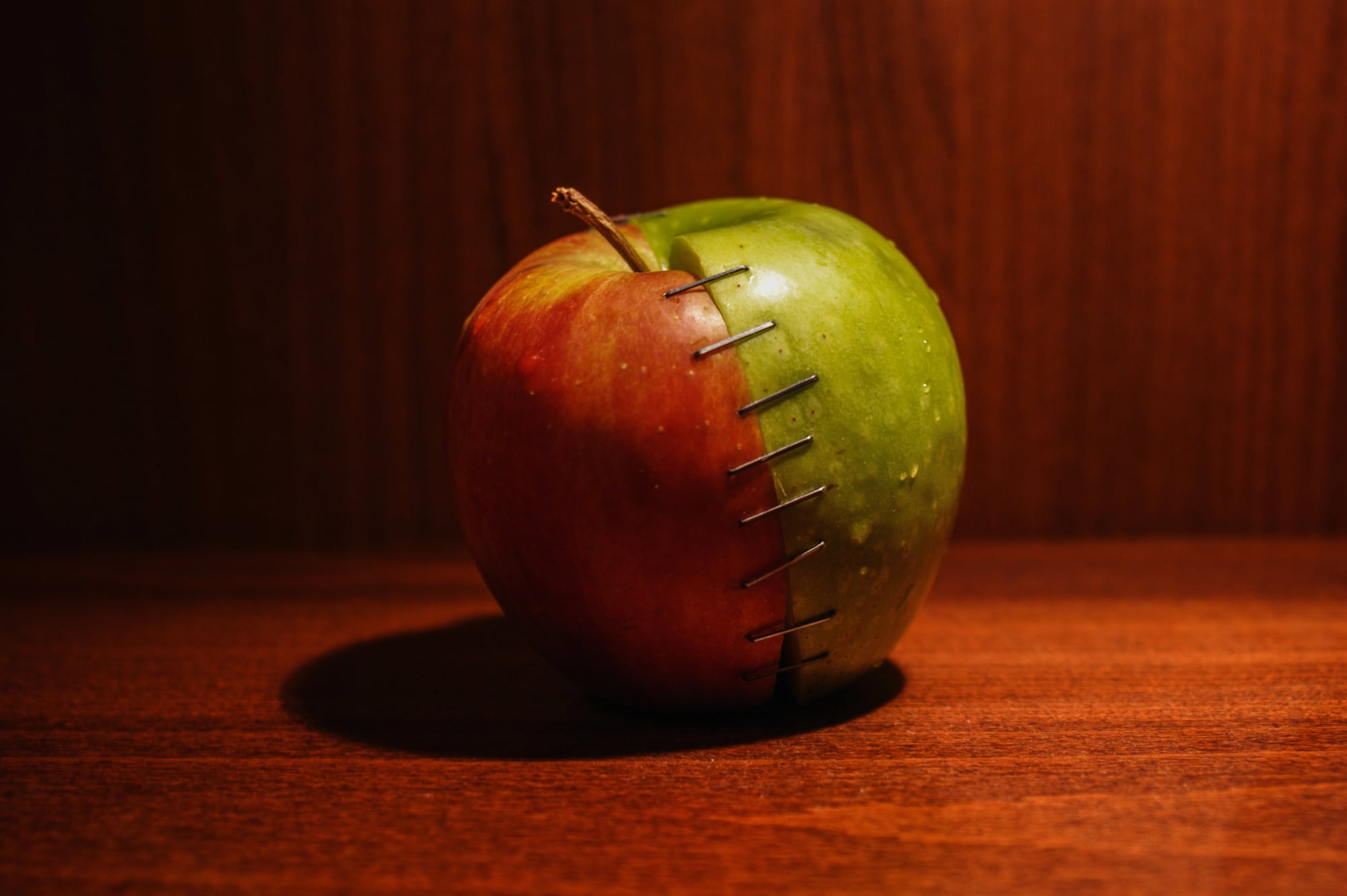
Apples ferment naturally due to the wild yeasts living on their skin and the fruit’s high sugar content. Left to sit, apple juice transforms into hard cider as these yeasts convert the natural fructose into alcohol.
Even whole apples will begin fermenting from the inside out if stored long enough in the right conditions. This is why you might notice a slightly fizzy or alcoholic taste in apples that have been sitting in your fruit bowl for too long.
Milk
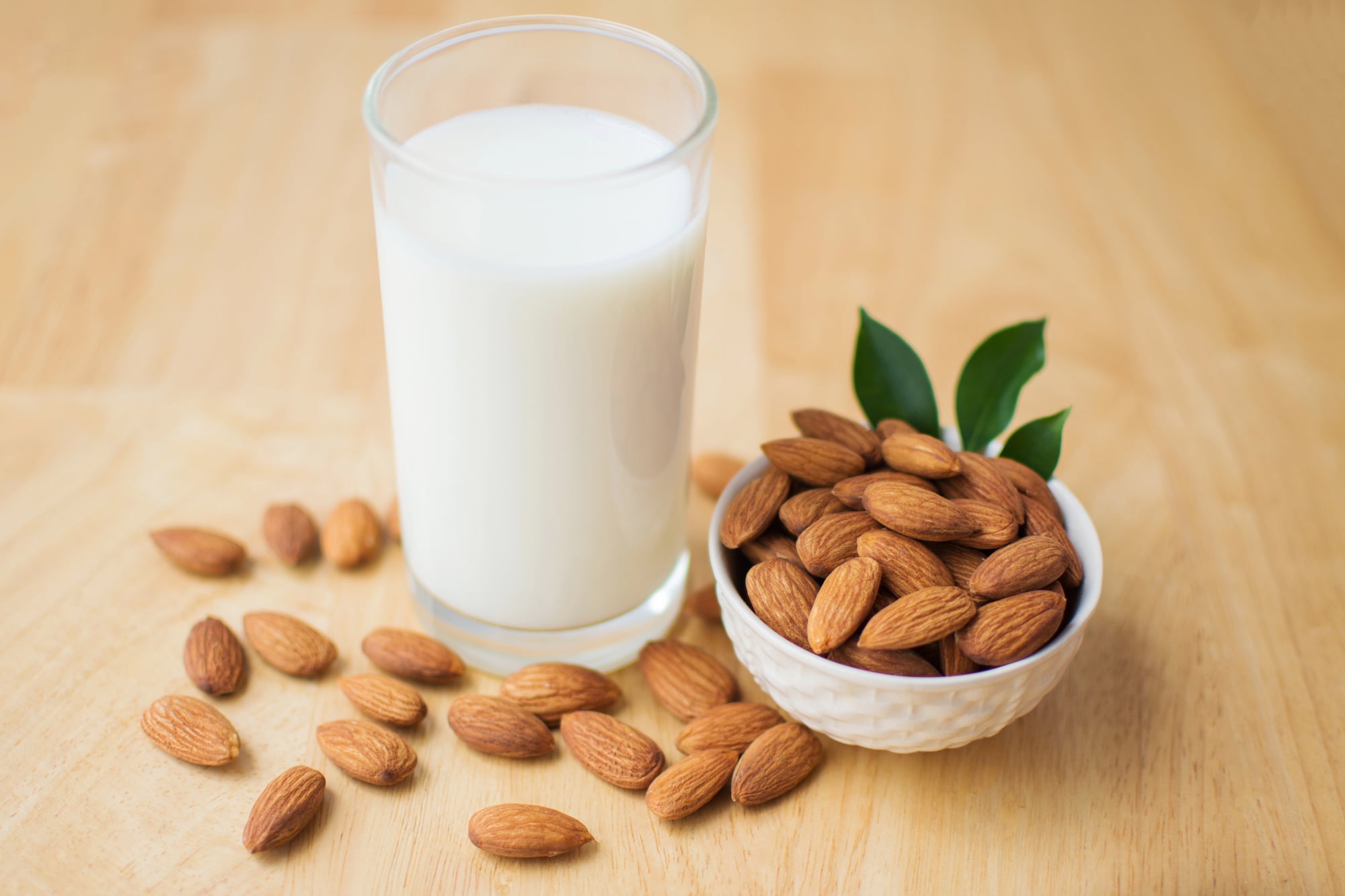
Raw milk contains natural bacteria that will cause it to sour and ferment if left at room temperature. Unlike pasteurized milk that simply spoils, raw milk transforms into a tangy, thick substance similar to buttermilk or kefir.
The naturally occurring lactic acid bacteria in raw milk consume the lactose and produce lactic acid, which gives fermented milk its distinctive sour taste and thick consistency.
Honey
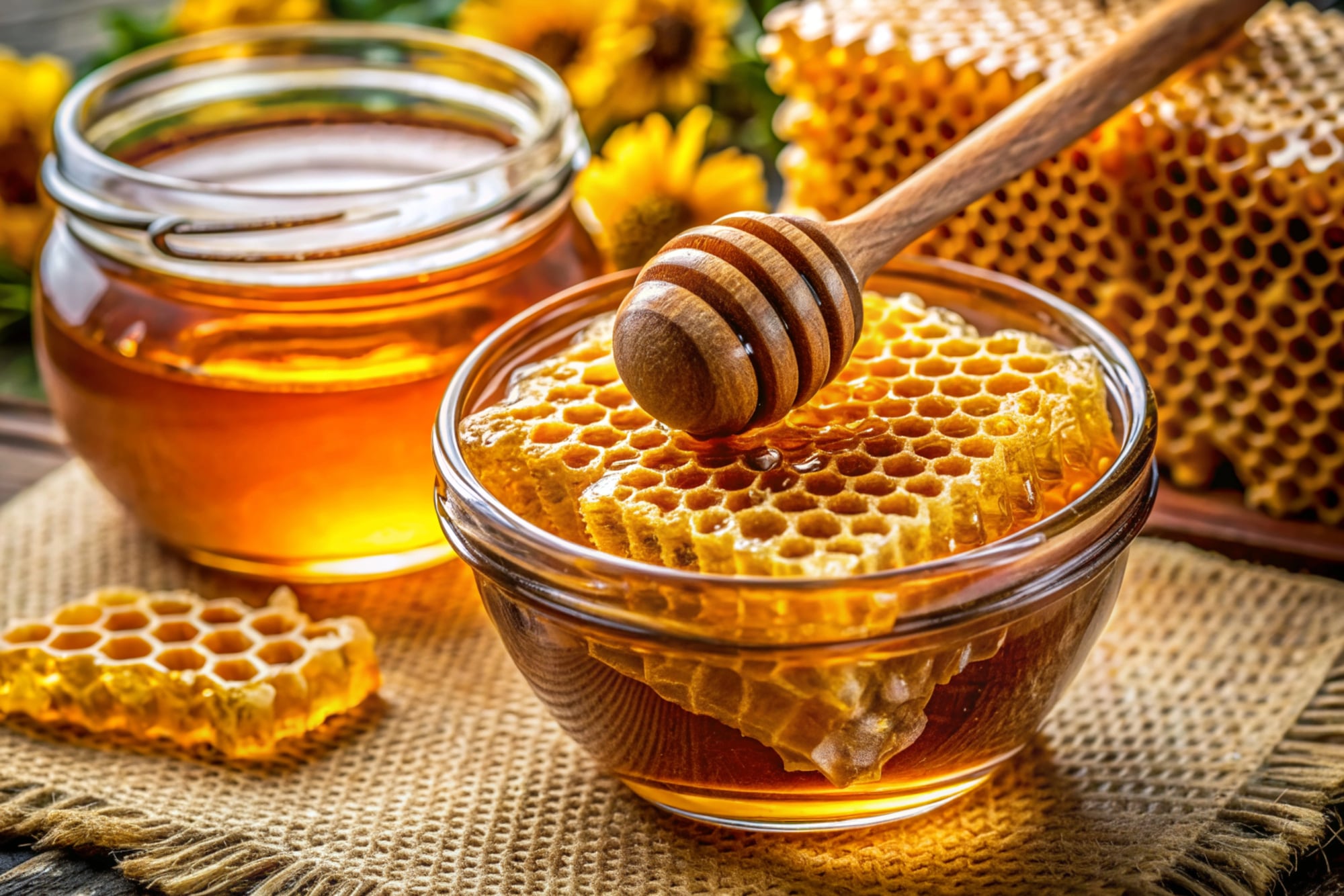
Pure honey can ferment naturally when its moisture content rises above 18 percent, usually from exposure to humidity or dilution with water. Wild yeasts present in the environment can trigger fermentation in honey, creating mead-like alcoholic beverages.
Ancient civilizations often discovered fermented honey accidentally, leading to some of the world’s first alcoholic drinks. The fermentation process transforms honey’s natural sugars into alcohol and carbon dioxide, creating a bubbly, mildly alcoholic beverage.
Like Go2Tutors’s content? Follow us on MSN.
Rice
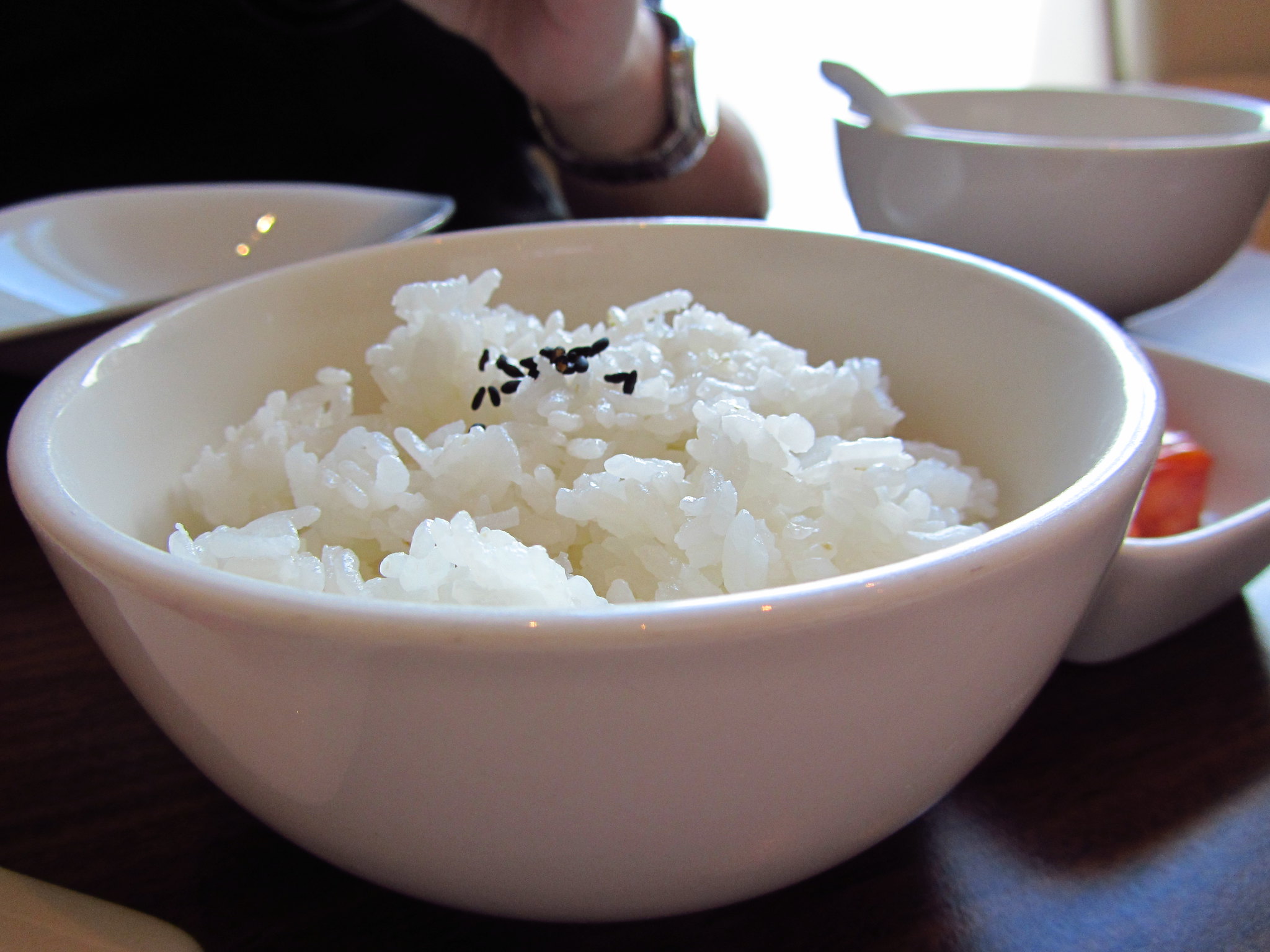
Cooked rice left at room temperature will naturally ferment due to bacteria and wild yeasts in the environment. Many Asian cultures have traditional fermented rice dishes that rely on this natural process, creating foods with enhanced nutritional profiles and unique flavors.
The starches in rice provide perfect food for naturally occurring microorganisms, which break them down into simpler sugars and then into beneficial compounds.
Sourdough Flour
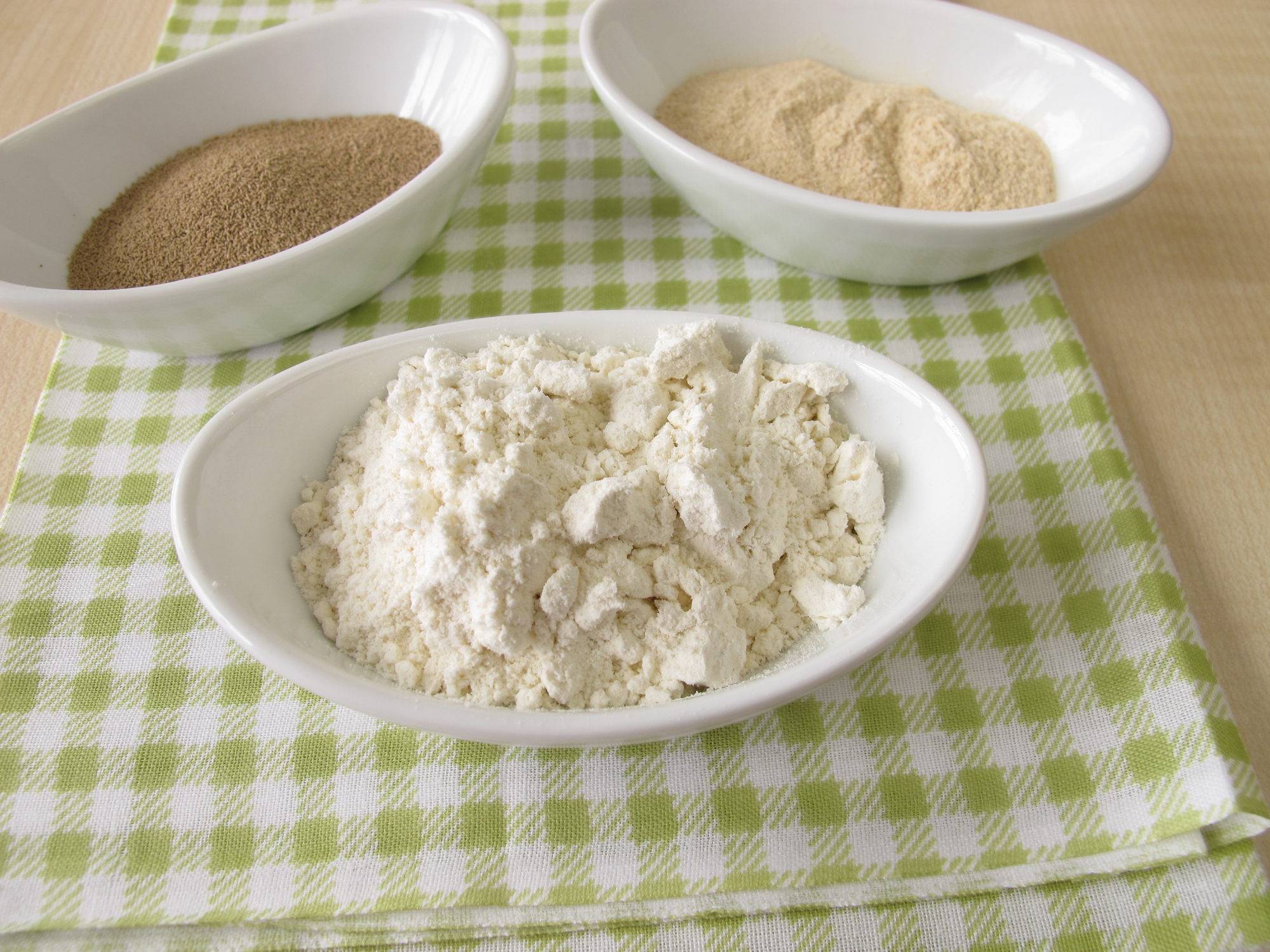
Flour mixed with water naturally captures wild yeasts and bacteria from the air, creating a living sourdough starter. This process happens because flour contains natural enzymes and the mixture provides an ideal environment for wild microorganisms to establish themselves.
Within days, the flour-water mixture begins bubbling and developing the characteristic sour smell that gives sourdough its name. The wild yeasts and bacteria work together to ferment the starches in flour, creating the leavening power that makes sourdough bread rise.
Cucumbers
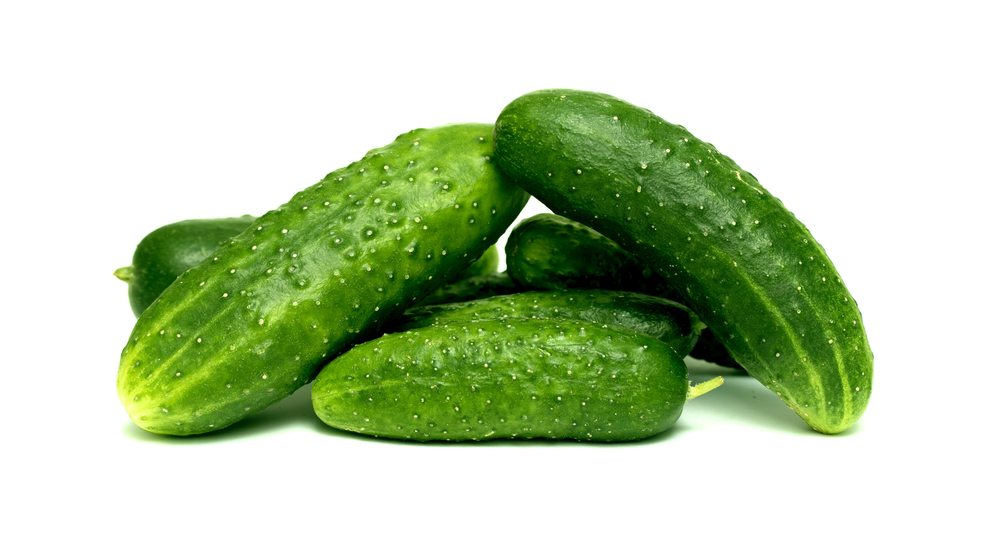
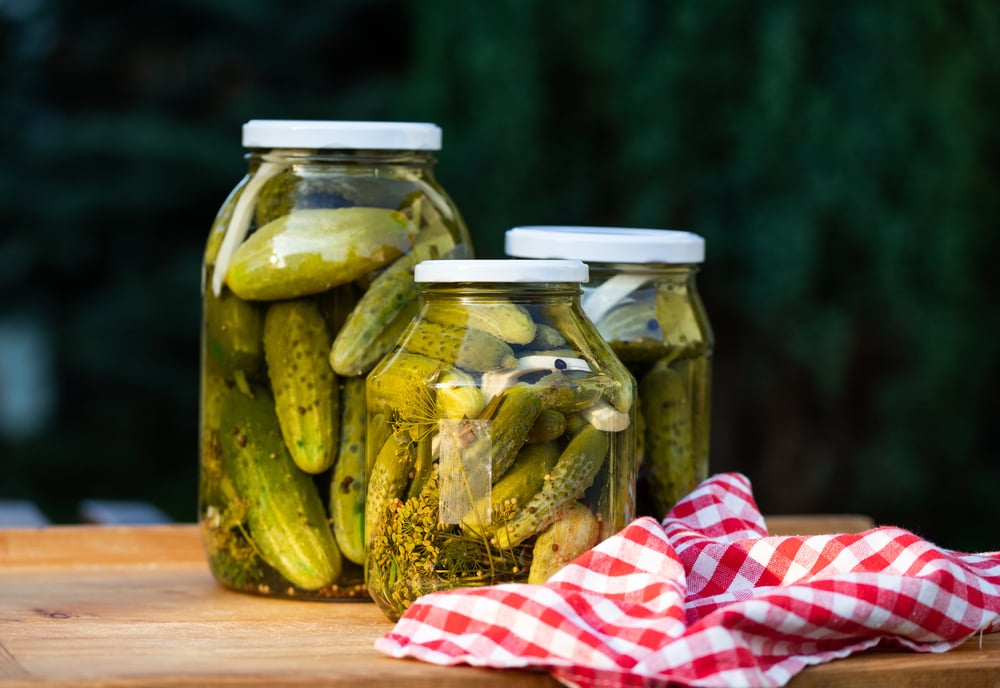
Fresh cucumbers naturally ferment in salt water due to beneficial bacteria on their skins, transforming them into pickles without vinegar. The process relies on the same lacto-fermentation that creates sauerkraut, where naturally present Lactobacillus bacteria convert sugars into lactic acid.
Traditional dill pickles were made this way for centuries before vinegar-based quick pickles became popular. The natural fermentation creates a tangy flavor while preserving the cucumbers and adding beneficial probiotics.
Like Go2Tutors’s content? Follow us on MSN.
Garlic
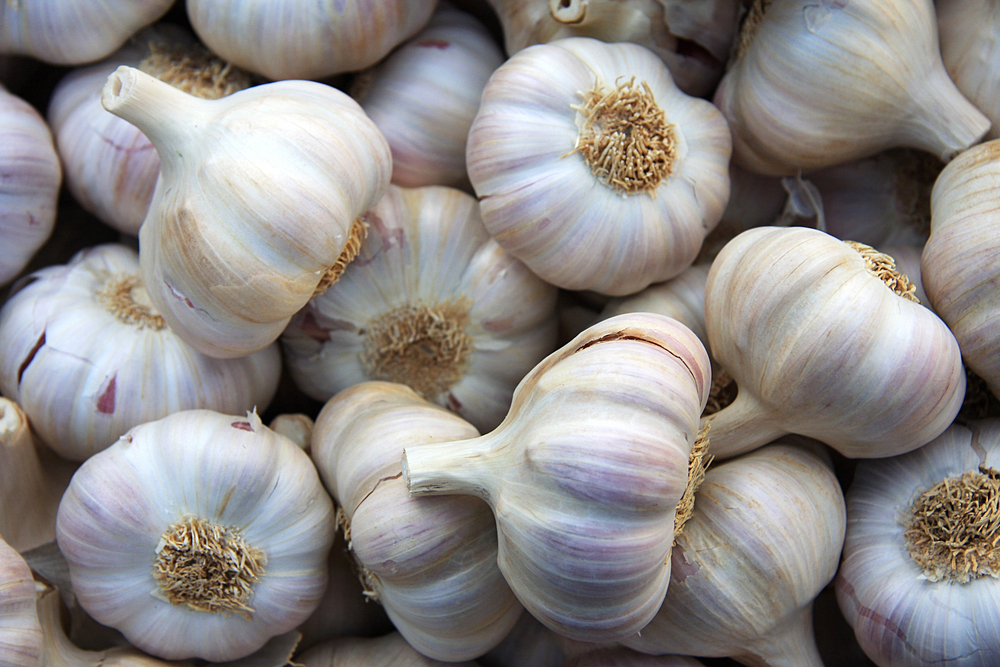
Garlic can ferment naturally when stored in oil or honey, creating compounds with enhanced flavors and potential health benefits. The natural sugars in garlic provide food for beneficial bacteria, while the bulb’s natural enzymes help kickstart the fermentation process.
Fermented garlic develops a mellow, sweet flavor that’s less harsh than raw garlic but more complex than cooked garlic. This transformation happens because fermentation breaks down some of garlic’s sharp compounds while creating new flavor molecules.
Tea
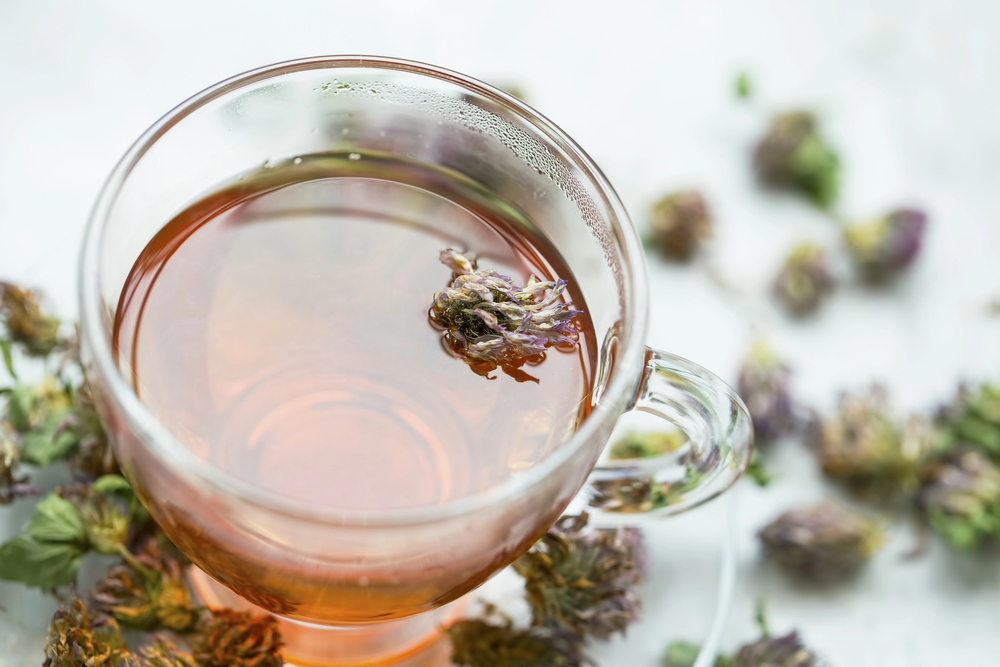
Certain types of tea naturally ferment through beneficial bacteria and yeasts, with pu-erh tea being the most famous example. The tea leaves undergo microbial fermentation that can continue for years, developing deeper, more complex flavors over time.
Kombucha also relies on tea’s natural ability to support fermentation when combined with a SCOBY (symbiotic culture of bacteria and yeast). The tannins and other compounds in tea provide nutrients for fermenting microorganisms while the natural sugars fuel the process.
Carrots
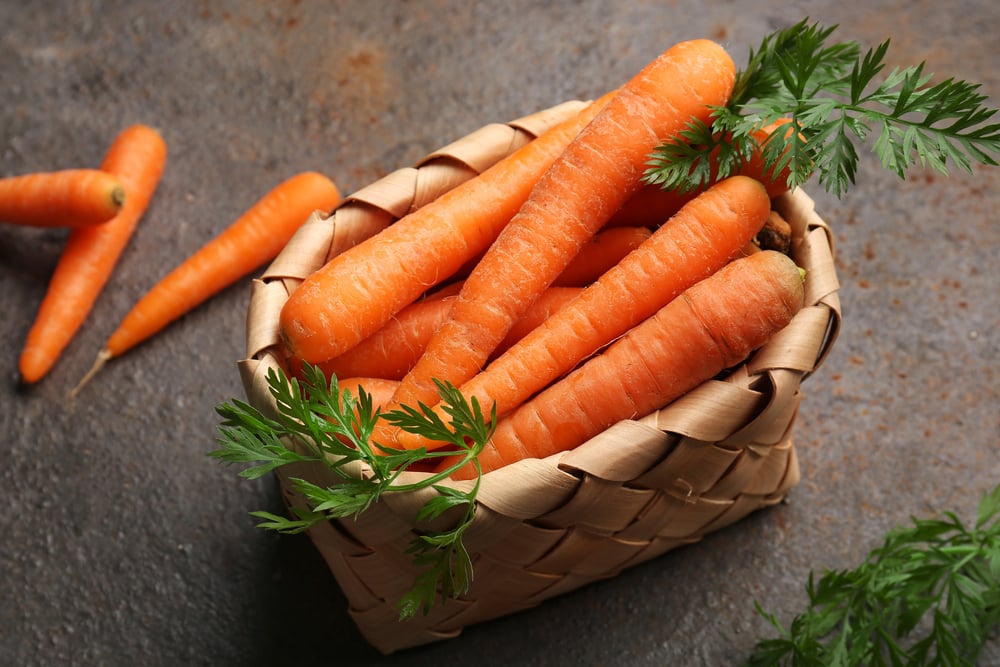
Carrots naturally ferment in salt water through lacto-fermentation, similar to cucumbers and cabbage. The natural sugars in carrots provide food for beneficial bacteria already present on the vegetable’s surface.
Traditional Middle Eastern and European cuisines feature naturally fermented carrots as preserved vegetables that could last through winter months. The fermentation process maintains the carrots’ crunch while developing a tangy flavor and creating beneficial probiotics.
Like Go2Tutors’s content? Follow us on MSN.
Beans
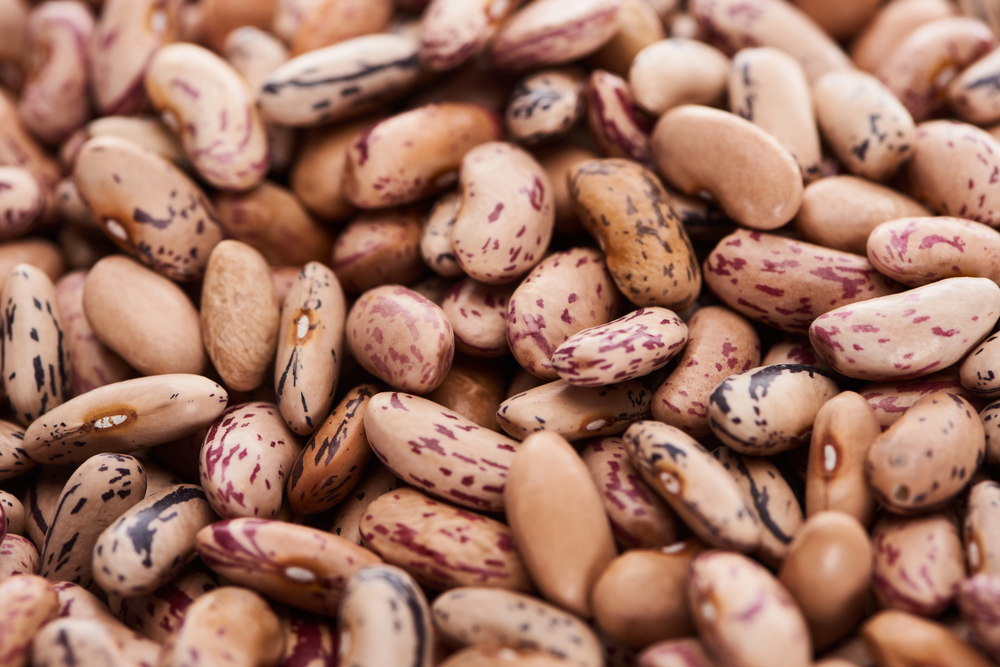
Cooked beans naturally ferment when left in their cooking liquid, developing complex flavors and enhanced digestibility. Many traditional cultures have fermented bean dishes that rely on naturally occurring bacteria to transform the legumes.
The starches and proteins in beans provide ideal nutrients for beneficial microorganisms, which break down compounds that can cause digestive discomfort. This natural fermentation process creates foods like tempeh and natto, though these typically use specific starter cultures for consistency.
Onions
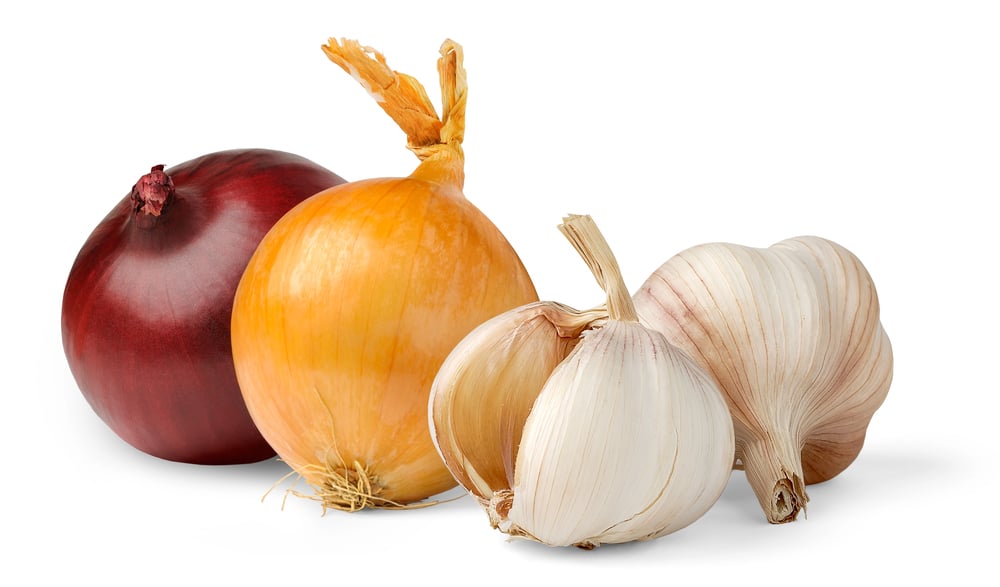
Onions can naturally ferment in salt water or honey, creating preserved vegetables with enhanced flavors and extended shelf life. The natural sugars in onions feed beneficial bacteria, while the vegetable’s enzymes help initiate the fermentation process.
Fermented onions develop a milder, sweeter flavor compared to raw onions while maintaining their nutritional benefits. Traditional food preservation methods often relied on this natural fermentation to store onions through seasons when fresh vegetables weren’t available.
Beets
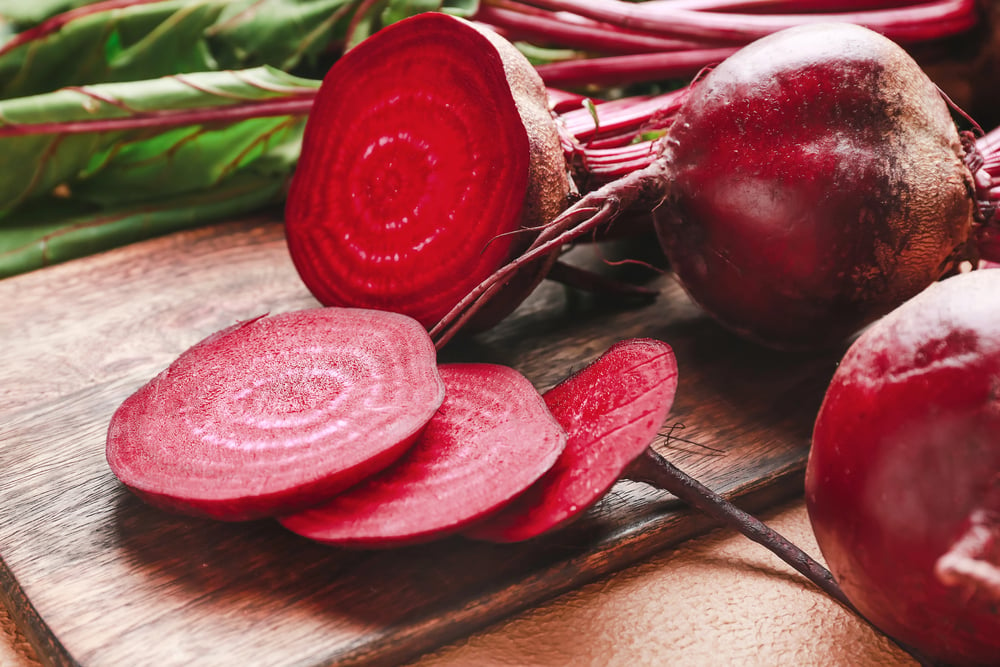
Beets naturally ferment due to their high sugar content and the beneficial bacteria present on their surface. Traditional kvass, a fermented beet beverage, relies on this natural fermentation process to create a tangy, slightly effervescent drink.
The natural sugars in beets provide abundant food for fermenting microorganisms, while the vegetable’s earthy flavors develop complexity through fermentation. Salt-brined fermented beets maintain their vibrant color while developing probiotics and enhanced digestibility.
Like Go2Tutors’s content? Follow us on MSN.
Corn
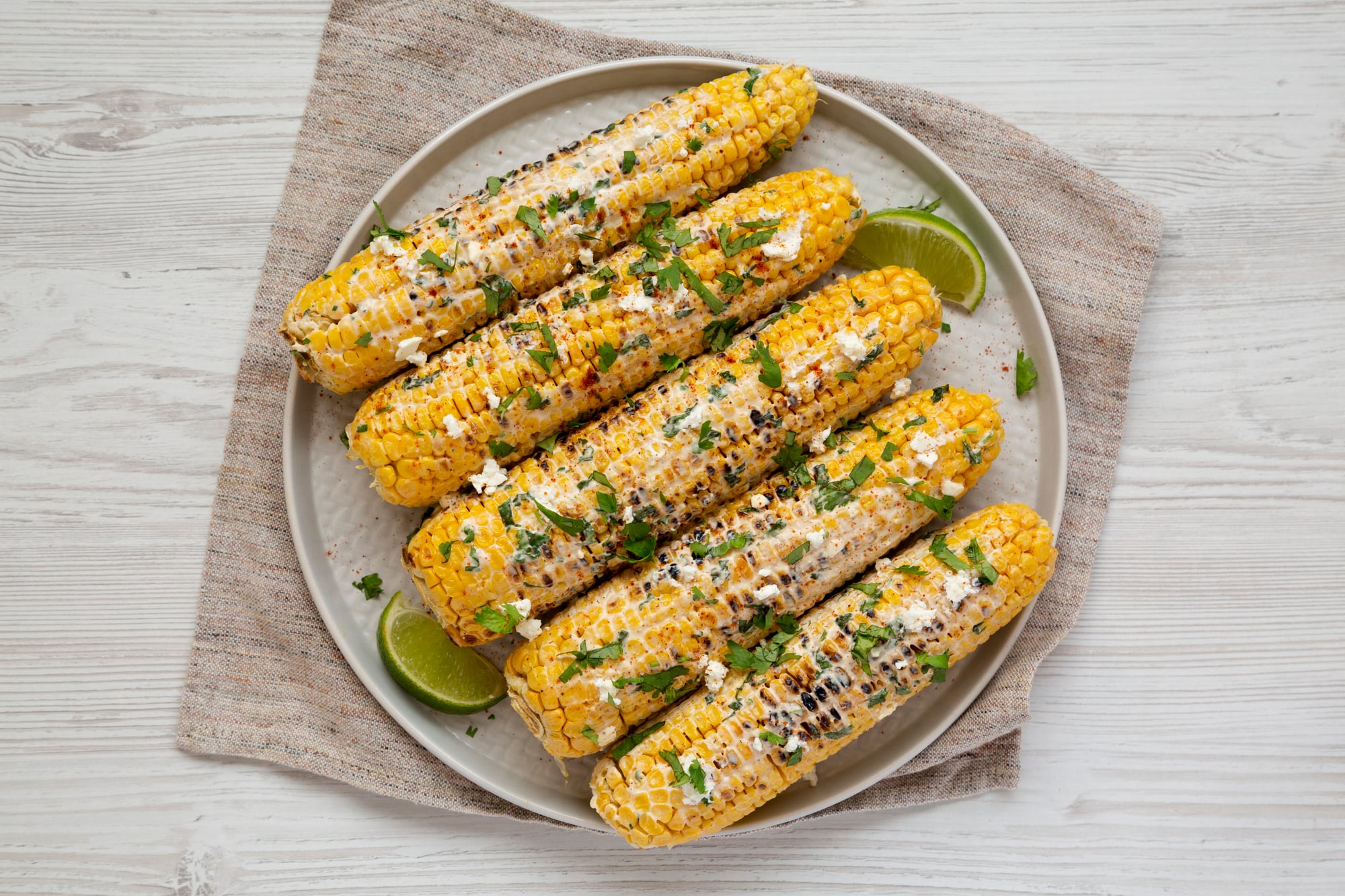
Corn naturally ferments when ground and mixed with water, creating traditional foods like masa harina and chicha. The starches in corn break down through natural fermentation, making nutrients more available and creating unique flavors.
Traditional corn fermentation relies on naturally occurring lactic acid bacteria to preserve the grain and improve its nutritional profile. Many indigenous cultures developed fermented corn beverages and foods that provided sustenance and probiotics long before people understood the science behind fermentation.
Ancient Wisdom Meets Modern Understanding
These naturally fermenting foods represent thousands of years of human experience with preservation and nutrition. What our ancestors discovered through necessity, modern science now explains through microbiology and nutrition research.
The beneficial bacteria and yeasts that naturally ferment these foods create probiotics that support digestive health while developing complex flavors impossible to achieve through cooking alone. Understanding how foods naturally ferment connects us to traditional food wisdom while opening possibilities for creating healthier, more flavorful meals in our own kitchens.
More from Go2Tutors!

- 16 Historical Figures Who Were Nothing Like You Think
- 12 Things Sold in the 80s That Are Now Illegal
- 15 VHS Tapes That Could Be Worth Thousands
- 17 Historical “What Ifs” That Would Have Changed Everything
- 18 TV Shows That Vanished Without a Finale
Like Go2Tutors’s content? Follow us on MSN.



