12 Times Typos Changed Historical Documents
History’s filled with monumental moments, grand declarations, and documents that shaped our world. Sometimes, though, the most fascinating stories come from the smallest mistakes—those tiny slip-ups that somehow snuck past everyone involved and ended up permanently etched in the historical record.
From ancient scribes working by candlelight to modern-day printers rushing to meet deadlines, human error has left its mark on some of humanity’s most important documents. Here are 12 times when simple typos managed to change historical documents forever.
The Gutenberg Bible’s Missing Letters
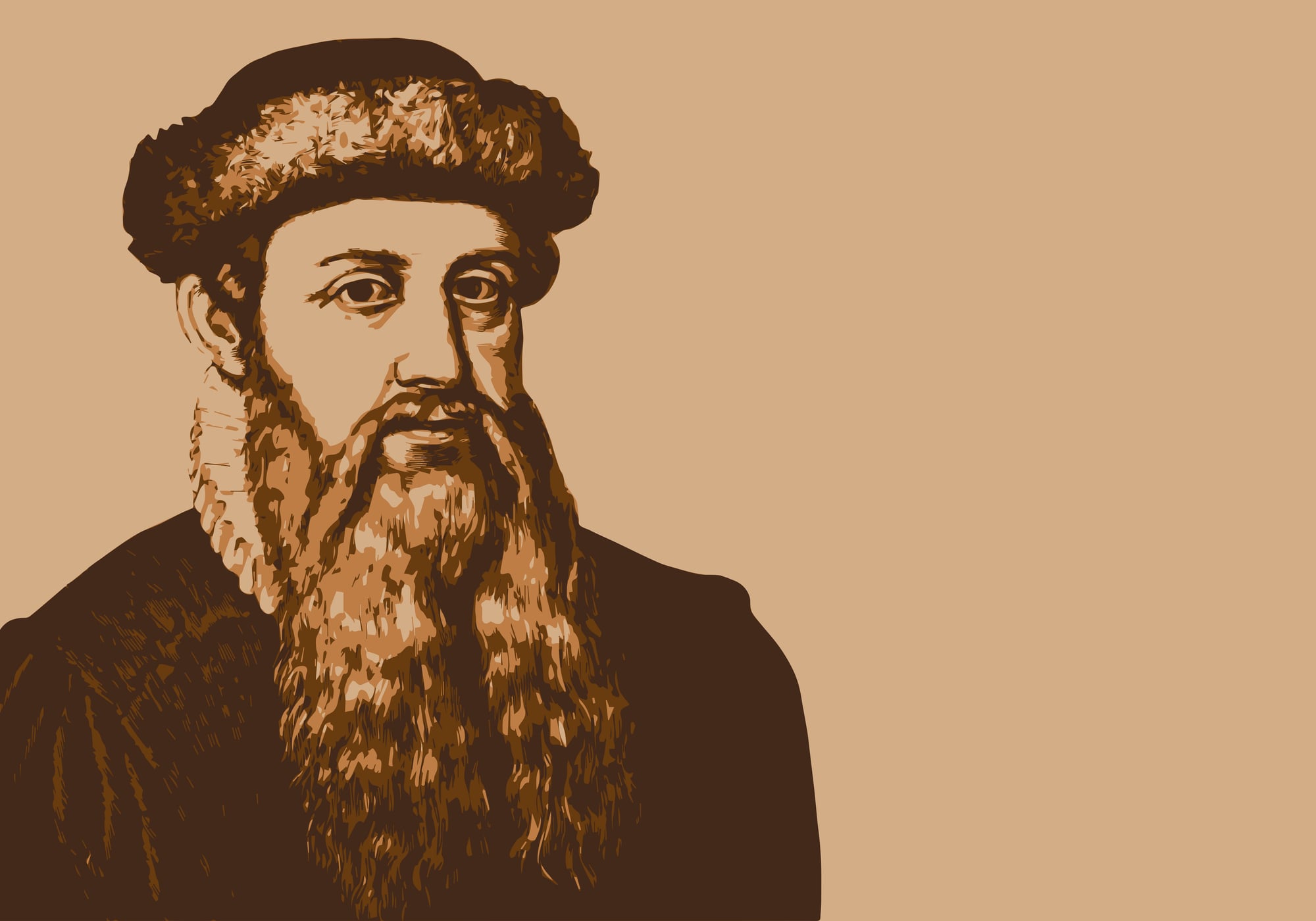
Even Johannes Gutenberg—the father of modern printing—wasn’t immune to errors. Several copies of his famous 42-line Bible contain missing letters and words that scribes had to fill in by hand later.
One particularly notable copy has ‘Psalm’ spelled as ‘Salm’ throughout an entire section. These mistakes actually make surviving copies more valuable to collectors, proving that being wrong can sometimes be quite profitable.
The Treaty of Paris Typo

The 1783 Treaty of Paris officially ended the American Revolutionary War, yet it contains a geographic error that caused boundary disputes for decades. The treaty describes the border between the United States and British North America as running through the ‘Long Lake’ instead of ‘Lake of the Woods’—a seemingly minor mistake that led to territorial confusion.
This geographic mix-up wasn’t fully resolved until the Webster-Ashburton Treaty of 1842.
Like Go2Tutors’s content? Follow us on MSN.
The Constitution’s Spelling Mistakes
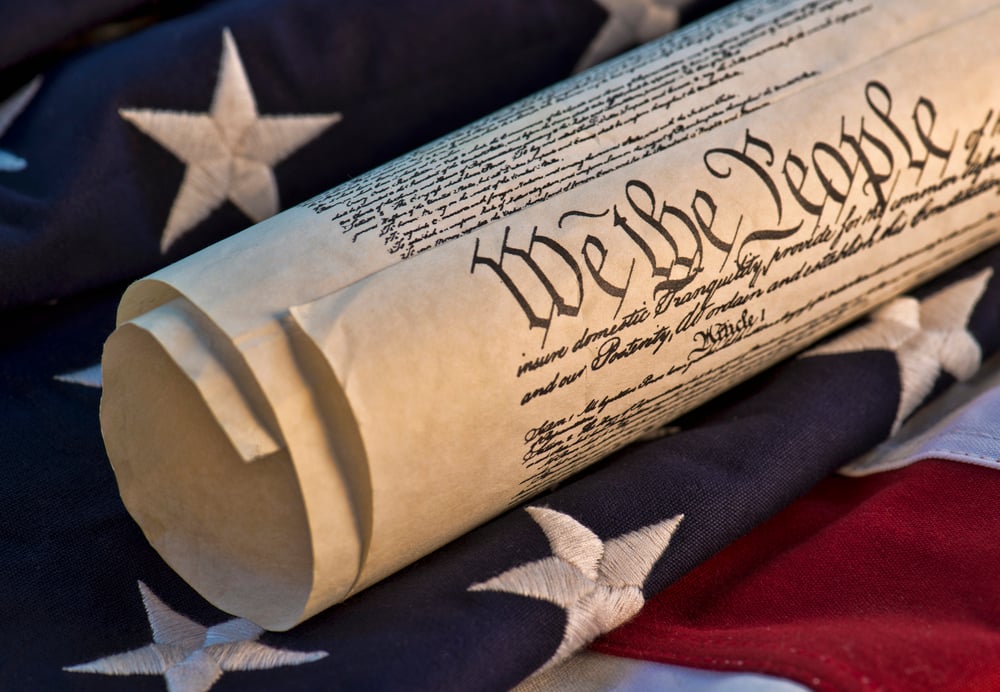
The original U.S. Constitution contains several spelling errors that would make any modern editor cringe. ‘Pennsylvania’ appears as ‘Pensylvania,’ missing one ‘n.’
Additionally, the phrase ‘between the said States’ shows up as ‘between the sd States’—an abbreviated word that looks more like a typo than intentional shorthand. These errors remain in the original document displayed at the National Archives.
The Magna Carta’s Latin Slips
The 1215 Magna Carta, one of history’s most important legal documents, contains several Latin grammatical errors that medieval scholars would’ve caught immediately. One section uses ‘libertas’ (freedom) in the wrong grammatical case—making the sentence technically incorrect.
These mistakes suggest the scribes were working under intense pressure, probably trying to get multiple copies ready quickly for distribution across England.
The Declaration of Independence Draft Error

Thomas Jefferson’s original draft contained the phrase ‘life, liberty, and the pursuit of property’ before it was changed to ‘happiness.’ However, in one early printing, a typesetter accidentally included both versions in the same paragraph.
This created a confusing sentence that mixed Jefferson’s original idea with the final approved text—only a few copies of this mixed-up version survive.
Like Go2Tutors’s content? Follow us on MSN.
The King James Bible Printing Errors
The 1611 King James Bible, despite being one of the most carefully edited books in history, still managed to slip through with several typos. One edition famously printed ‘Printers have persecuted me without cause’ instead of ‘Princes have persecuted me without cause’ in Psalm 119:161—quite the occupational hazard.
Another version changed ‘fishers’ to ‘fishes’ in Matthew 4:19, completely altering Jesus’s metaphor about his disciples.
The Bill of Rights Capitalization Chaos
The original Bill of Rights contains inconsistent capitalization that would drive modern copy editors absolutely nuts. Some amendments capitalize random nouns mid-sentence, while others don’t capitalize words that clearly should be.
The Fourth Amendment capitalizes ‘Houses, Papers, and Effects’ yet leaves ‘unreasonable searches’ in lowercase—these inconsistencies reflect the rushed nature of the document’s production.
The Emancipation Proclamation’s Date Error
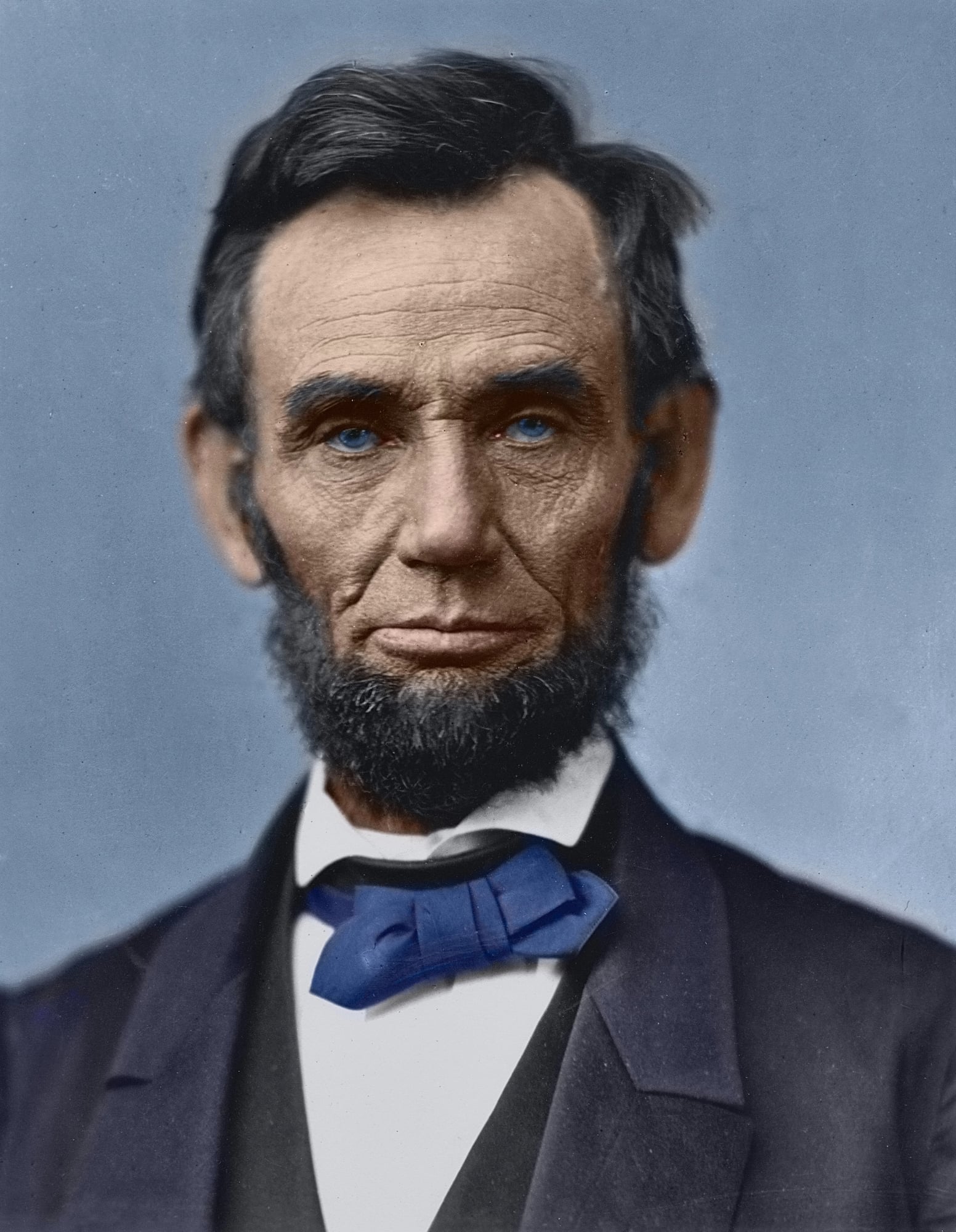
Abraham Lincoln’s Emancipation Proclamation was initially printed with the wrong year in several copies. Instead of 1863, some versions listed the date as 1862—which would’ve been historically confusing since Lincoln hadn’t even announced his intention to issue the proclamation until late 1862.
The error was caught and corrected, though not before several hundred copies had already been distributed to newspapers.
Like Go2Tutors’s content? Follow us on MSN.
The Gettysburg Address Transcription Errors
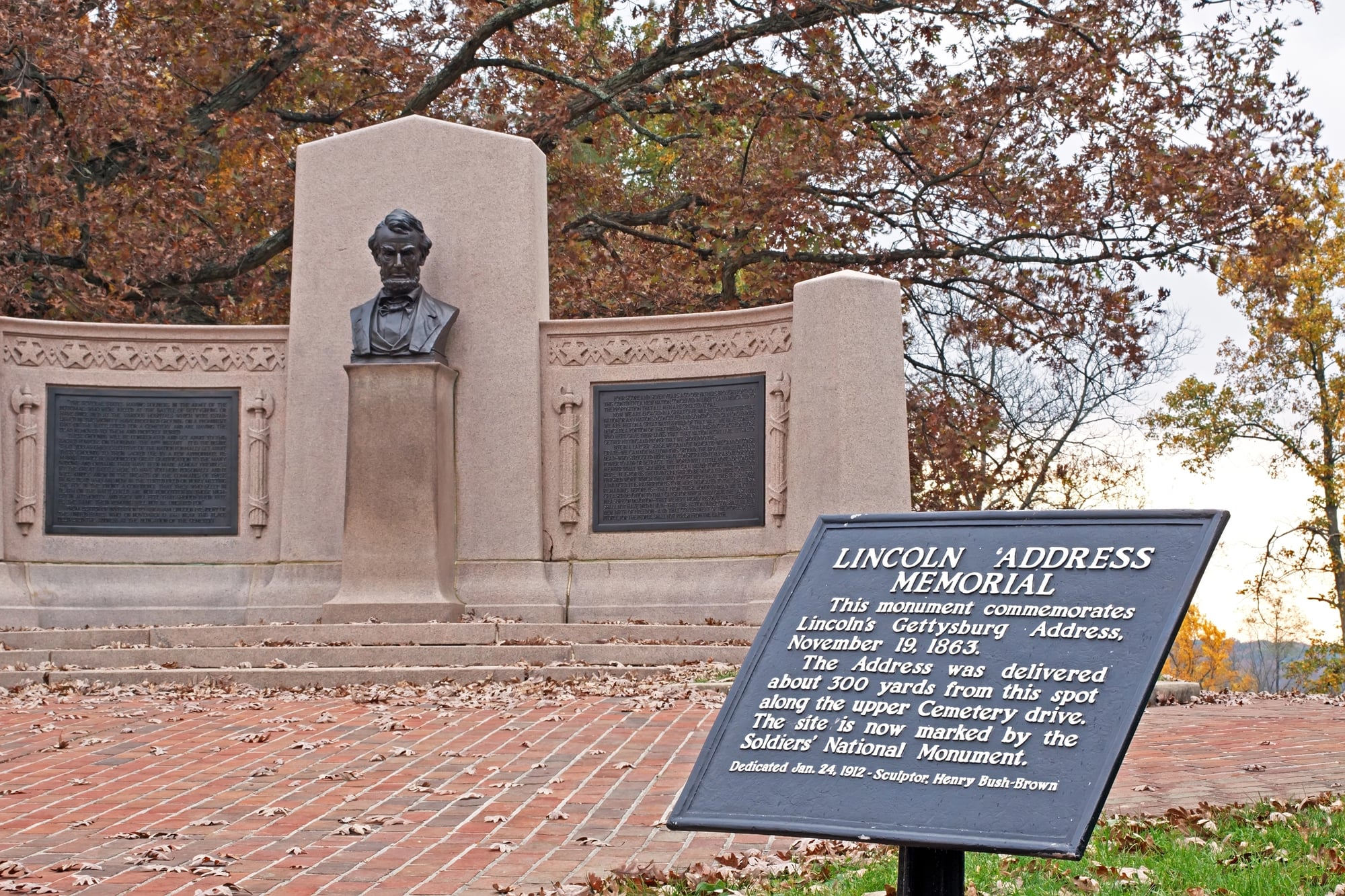
Several newspaper transcriptions of Lincoln’s Gettysburg Address contain errors that changed the meaning of key phrases. One version printed ‘four score and seven years ago’ as ‘four score and seventeen years ago,’ which would have placed America’s founding in 1846 instead of 1776.
Another transcription changed ‘government of the people’ to ‘government for the people,’ subtly altering Lincoln’s democratic message.
The United Nations Charter Typo

The original United Nations Charter, signed in 1945, contains a typo in Article 27 that no one noticed until decades later. The phrase ‘concurring votes of the permanent members’ was printed as ‘concurring votes of the permanent memberss’ with an extra ‘s.’
This tiny error appears in the official document that established the UN Security Council’s voting procedures.
The NATO Treaty’s Translation Error

The 1949 North Atlantic Treaty contains a translation error in the French version that slightly changes the meaning of Article 5, the mutual defense clause. The English version refers to an attack on ‘one or more’ member nations, whereas the French translation suggests ‘one and more,’ implying that multiple countries must be attacked simultaneously.
This discrepancy caused some diplomatic head-scratching during the Cold War.
Like Go2Tutors’s content? Follow us on MSN.
The European Union Constitution’s Currency Confusion

The proposed European Union Constitution from 2004 contained an error that mixed up currency symbols in the economic sections. One paragraph referred to amounts in ‘euros’ while using the British pound symbol, creating confusion about which currency the regulations actually covered.
Though the constitution was never ratified, this mistake highlighted the challenges of creating documents that work across multiple languages and monetary systems.
When Mistakes Become History

These typographical errors remind us that even the most important documents in human history were created by fallible people working under pressure, often with limited time and resources. What makes these mistakes fascinating isn’t just their existence—it’s how they’ve become part of the historical record themselves.
Modern scholars study these errors to understand the conditions under which these crucial documents were produced. They examine the technology available at the time and the human stories behind the grand historical narratives.
In many cases, these small mistakes have become just as historically significant as the intended text. Sometimes our errors teach us just as much as our successes.
More from Go2Tutors!

- 16 Historical Figures Who Were Nothing Like You Think
- 12 Things Sold in the 80s That Are Now Illegal
- 15 VHS Tapes That Could Be Worth Thousands
- 17 Historical “What Ifs” That Would Have Changed Everything
- 18 TV Shows That Vanished Without a Finale
Like Go2Tutors’s content? Follow us on MSN.