16 Race Cars That Pushed Engineering Limits
Racing breeds innovation like nothing else. When victory depends on fractions of seconds, engineers throw conventional wisdom out the window and chase every possible advantage. These aren’t your typical weekend track cars—they’re rolling laboratories that pushed automotive technology into uncharted territory, often decades before similar innovations reached everyday vehicles.
Some breakthroughs came from desperate attempts to find speed, while others emerged from rule changes that forced creative solutions. Yet all of these machines redefined what was possible in automotive engineering, leaving lasting impacts that extended far beyond the racetrack. Here is a list of 16 race cars that pushed engineering limits and forever changed motorsports.
Mercedes-Benz W196
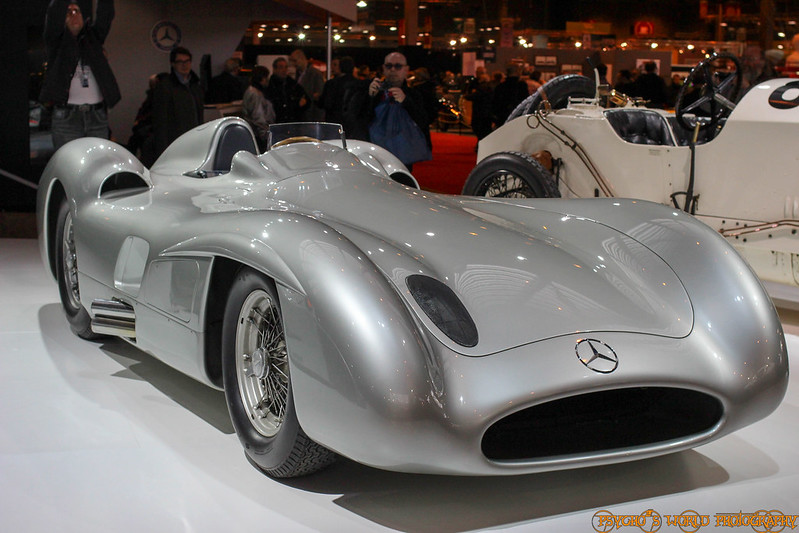
The 1954 Mercedes W196 introduced fuel injection to Formula 1 racing when most road cars still used carburetors. Mercedes developed the Bosch mechanical fuel injection system specifically for racing—creating precise fuel delivery that maximized power while improving reliability. The technology gave Mercedes a significant advantage during their dominant 1954-55 seasons and eventually became standard equipment on performance cars worldwide.
Chaparral 2J
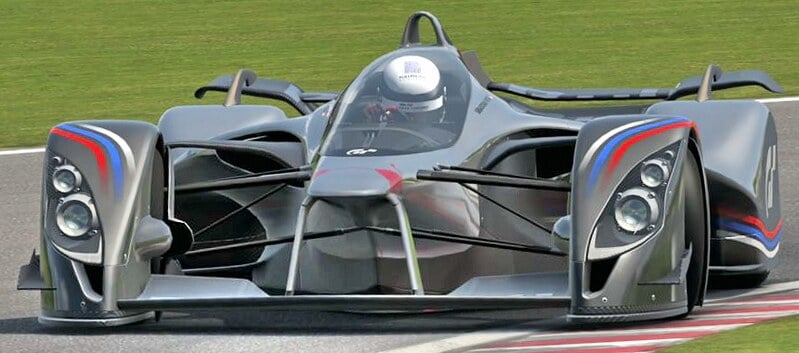
Jim Hall’s 1970 Chaparral 2J featured two fans that sucked air from underneath the car, creating massive downforce through ground effect aerodynamics. The system used a separate snowmobile engine to power the fans—generating downforce that increased with speed rather than decreasing like traditional wings. Though banned after one season, the 2J’s ground effect principles revolutionized race car design and influenced Formula 1 development for decades.
Porsche 917
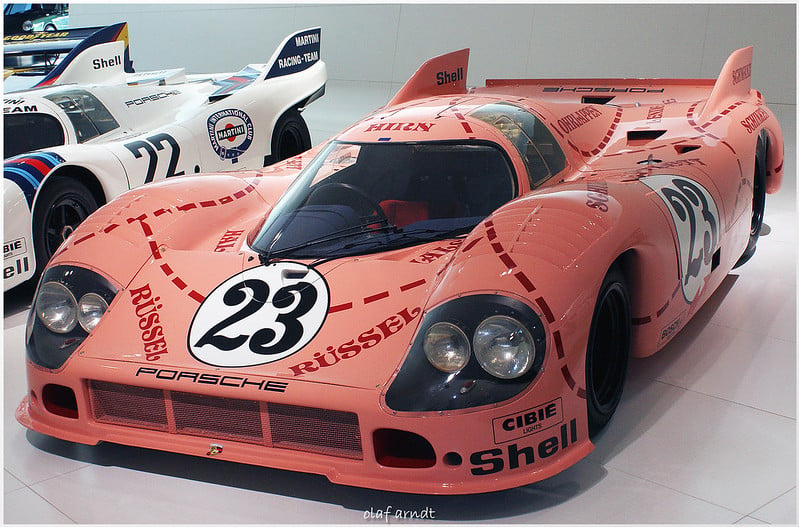
The 1970 Porsche 917 pushed lightweight construction to extreme limits, using magnesium space frames and experimental materials that made the car incredibly fast yet terrifyingly dangerous. Porsche engineers prioritized speed above all else—creating a machine that could exceed 240 mph on Le Mans’ long straights while weighing less than 1,800 pounds. The 917’s advanced aerodynamics and materials science influenced both racing and road car development throughout the 1970s.
McLaren MP4/1

The 1981 McLaren MP4/1 became Formula 1’s first carbon fiber monocoque chassis, replacing traditional aluminum construction with space-age composite materials. McLaren partnered with aerospace companies to develop manufacturing techniques that created structures stronger and lighter than anything previously possible—though the technology was so expensive that only top teams could afford it initially. Carbon fiber construction eventually became standard throughout motorsports and trickled down to high-end road cars.
Audi Quattro Rally Car

Audi’s 1980 Quattro rally car introduced all-wheel drive to top-level motorsports, transforming rally racing from rear-wheel drive dominance to AWD necessity. The system distributed power to all four wheels through sophisticated differentials—providing traction advantages that made traditional rear-wheel drive cars obsolete almost overnight. Audi’s rally success with AWD technology directly influenced their road car development and sparked an industry-wide shift toward all-wheel drive performance vehicles.
Williams FW14B
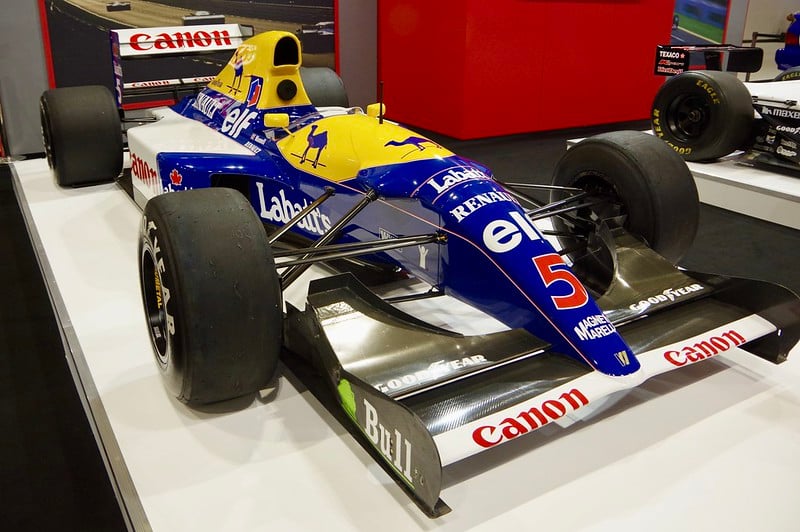
The 1992 Williams FW14B featured active suspension, traction control, and semi-automatic transmission that represented the pinnacle of Formula 1’s electronic era. The car’s computer systems constantly adjusted suspension settings hundreds of times per second—maintaining optimal aerodynamics and handling regardless of track conditions. These advanced electronics were so effective that the FIA banned most of them the following year, though similar technologies eventually appeared in luxury road cars.
Lotus 79

The 1978 Lotus 79 perfected ground effect aerodynamics through carefully shaped sidepods that created powerful downforce without the drag penalties of traditional wings. Designer Colin Chapman used venturi tunnels to accelerate airflow underneath the car—generating downforce that allowed cornering speeds previously thought impossible. The 79’s ground effect design became so dominant that other teams quickly copied the concept, fundamentally changing Formula 1 car architecture.
Ferrari 333 SP
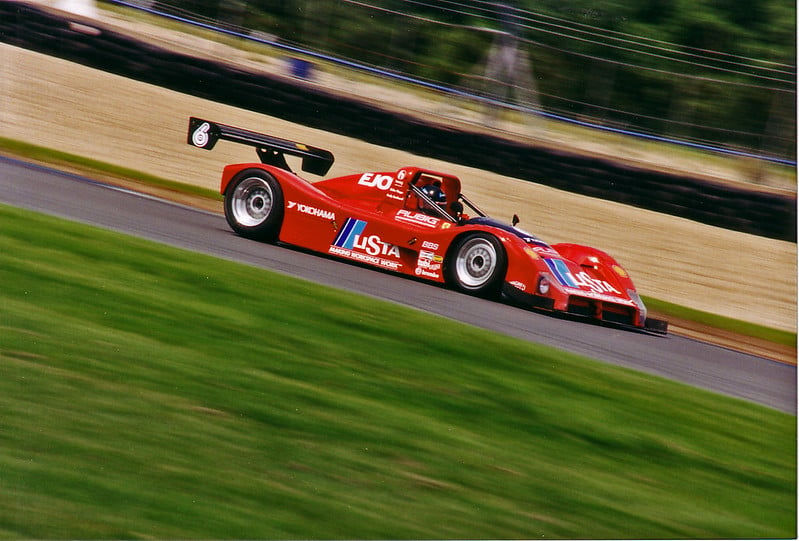
The 1994 Ferrari 333 SP introduced carbon fiber construction and advanced aerodynamics to American sports car racing when most competitors still used traditional materials. Ferrari applied Formula 1 technology to sports car racing—creating a machine that dominated IMSA competition through superior engineering rather than just horsepower. The 333 SP’s success demonstrated how advanced materials and aerodynamics could overcome pure power advantages.
Jaguar XJR-9
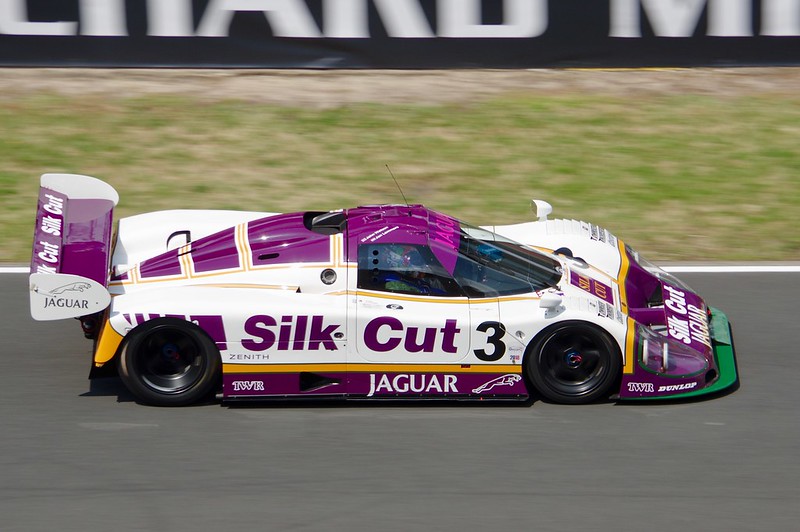
The 1988 Jaguar XJR-9 featured advanced carbon fiber bodywork and sophisticated aerodynamics that helped it win Le Mans while showcasing British engineering excellence. Jaguar developed proprietary carbon fiber techniques—creating bodywork that was both lighter and more aerodynamically efficient than aluminum alternatives. The XJR-9’s victory at Le Mans represented a triumph of advanced materials science over traditional construction methods.
Peugeot 405 T16 Pikes Peak
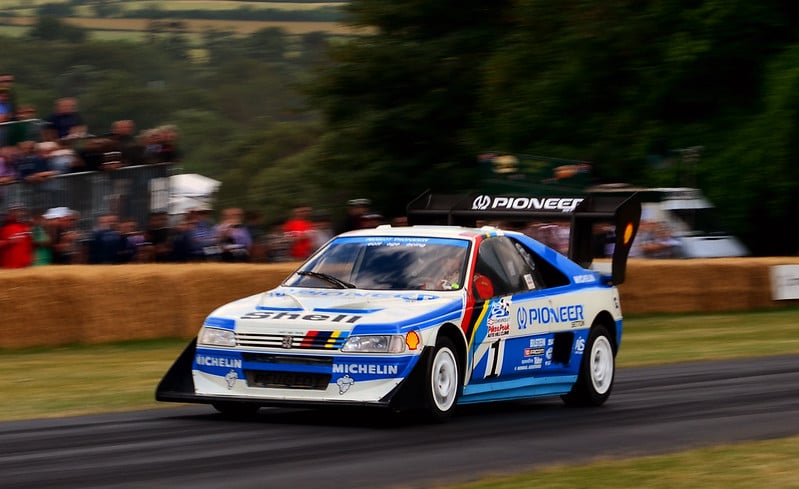
The 1988 Peugeot 405 T16 Pikes Peak featured massive aerodynamic downforce generation through wings and ground effects that created more downforce than the car’s actual weight. Peugeot engineers designed the car specifically for Pikes Peak’s unique challenges—creating aerodynamics so extreme that the car could theoretically drive upside down at speed. The 405 T16’s record-setting performance demonstrated how purpose-built aerodynamics could overcome altitude and traction disadvantages.
Toyota TS050 Hybrid
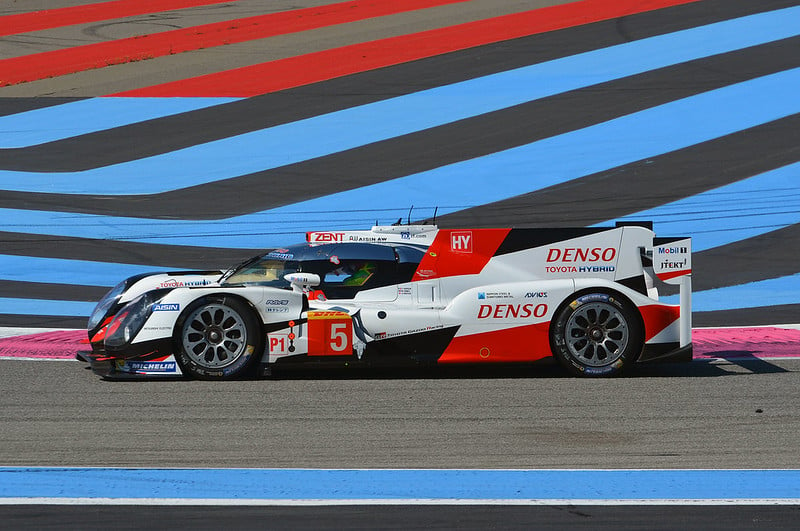
The modern Toyota TS050 Hybrid combines a naturally aspirated V6 engine with advanced hybrid systems that recover energy from braking and exhaust heat. The car’s energy recovery systems store power in supercapacitors rather than traditional batteries, allowing instant power deployment for overtaking and acceleration. Toyota’s hybrid technology in the TS050 directly influenced their road car development and demonstrated the performance potential of electrified powertrains.
Brabham BT46B Fan Car
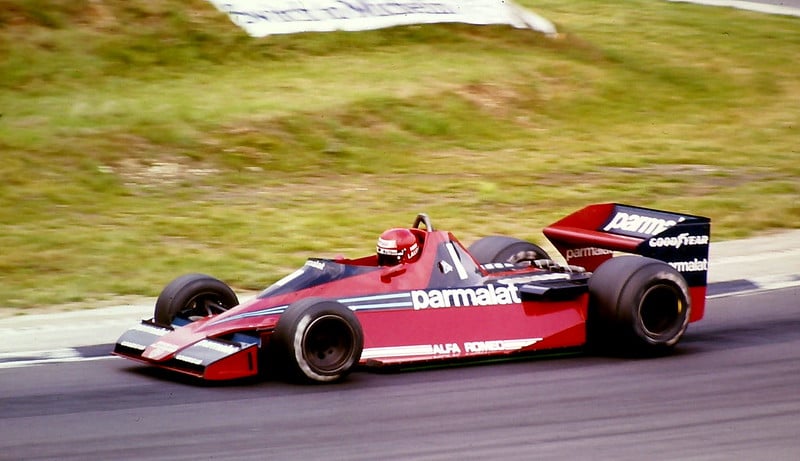
The 1978 Brabham BT46B featured a massive cooling fan that also created ground effect downforce, though it was banned after winning its only race. Designer Gordon Murray used the fan to cool the engine while simultaneously sucking air from underneath the car, creating enormous downforce without traditional aerodynamic devices. The fan car concept was so effective that other teams protested its legality, leading to its immediate prohibition despite technical compliance with regulations.
Nissan R90CK
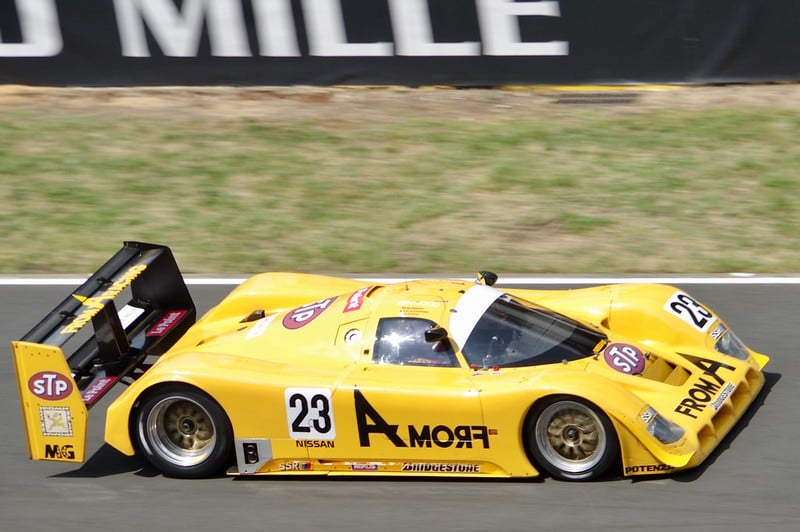
The 1990 Nissan R90CK introduced active aerodynamics to sports car racing through computer-controlled wings and body panels that adjusted automatically based on speed and cornering forces. The system optimized aerodynamic efficiency in real-time, reducing drag on straights while maximizing downforce in corners. Nissan’s active aerodynamics technology was decades ahead of its time and influenced modern supercars that feature similar adaptive systems.
McLaren F1 GTR
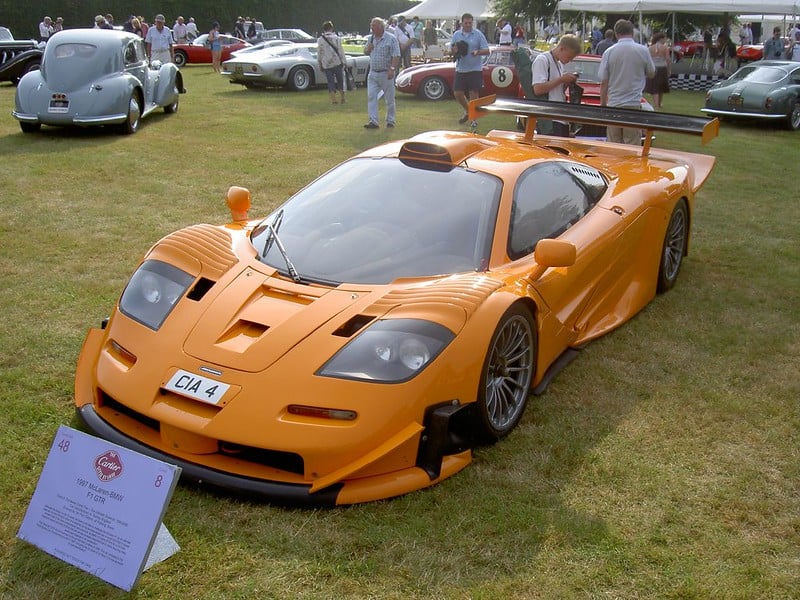
The 1995 McLaren F1 GTR adapted the world’s fastest road car for racing by adding extreme aerodynamics and reducing weight to create a Le Mans-winning machine. McLaren’s engineers stripped luxury features while adding massive wings and diffusers that generated enormous downforce at the expense of top speed. The F1 GTR’s victory at Le Mans demonstrated how road car technology could be successfully adapted for top-level motorsports competition.
Audi R18 e-tron quattro
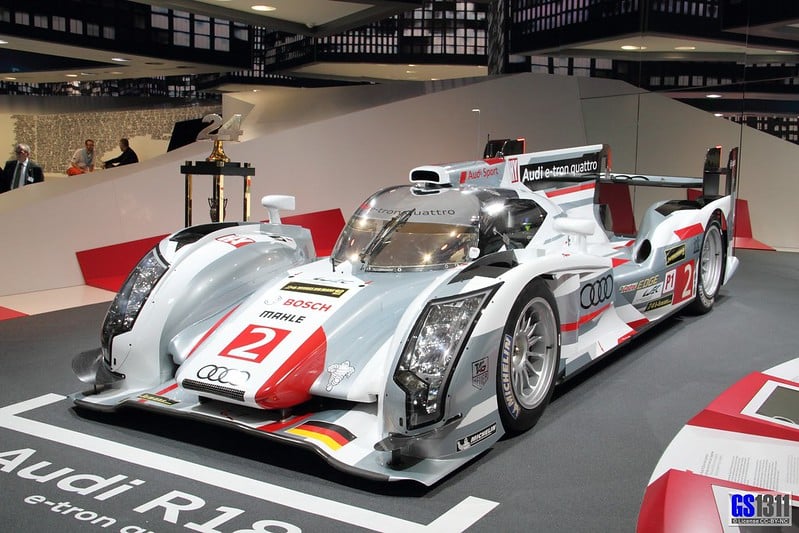
The 2012 Audi R18 e-tron quattro combined diesel engine efficiency with hybrid energy recovery systems that revolutionized endurance racing fuel strategies. The car recovered energy during braking and stored it in a flywheel system, then deployed that power to the front wheels for four-wheel drive acceleration out of corners. Audi’s diesel-hybrid combination proved so successful that other manufacturers abandoned gasoline engines to compete with similar technology.
Red Bull X2010
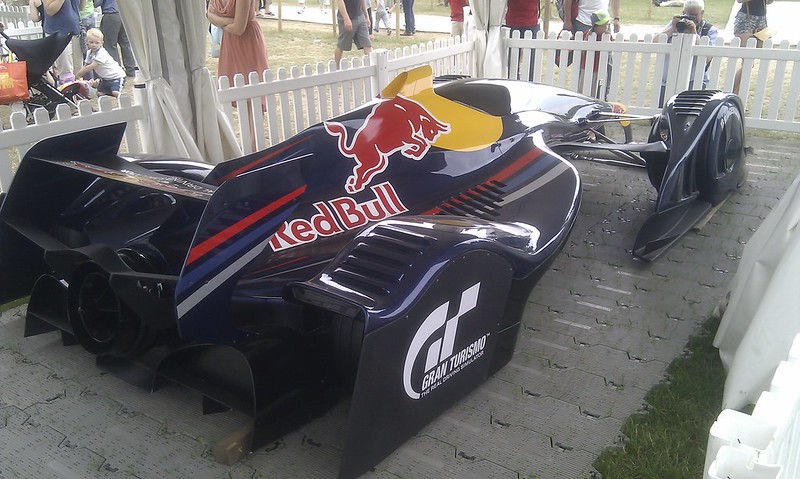
The 2010 Red Bull X2010 concept car pushed theoretical aerodynamics to absolute limits through design unconstrained by racing regulations or practical considerations. Designer Adrian Newey created a machine with fan-assisted ground effects and extreme aerodynamics that could theoretically generate several times its own weight in downforce. While never raced, the X2010 demonstrated the ultimate potential of aerodynamic design when freed from regulatory constraints.
Laboratories on Wheels

These revolutionary race cars prove that motorsports serves as the ultimate testing ground for automotive innovation. Each machine pushed specific aspects of engineering beyond previous limits, often creating technologies that wouldn’t reach road cars for decades. The relentless pursuit of speed continues driving automotive development forward, with modern race cars serving as glimpses into the future of transportation technology. Racing’s demand for constant improvement ensures that the next breakthrough is always just one engineering leap away.
More from Go2Tutors!

- The Romanov Crown Jewels and Their Tragic Fate
- 13 Historical Mysteries That Science Still Can’t Solve
- Famous Hoaxes That Fooled the World for Years
- 15 Child Stars with Tragic Adult Lives
- 16 Famous Jewelry Pieces in History
Like Go2Tutors’s content? Follow us on MSN.



