18 Ancient Wonders of the World That Have Completely Disappeared
Time has a way of erasing even the most magnificent human achievements. While everyone knows about the Great Pyramid of Giza — the only surviving wonder from the ancient world’s famous list — countless other architectural marvels have vanished entirely from the face of the earth.
Some fell to earthquakes, others to war, and many simply crumbled under the relentless weight of centuries. These lost wonders represent more than just impressive construction projects.
What remains of them now exists only in ancient texts, fragmented ruins, and our imagination. They were symbols of entire civilizations, expressions of religious devotion, and demonstrations of human ambition that reached toward the heavens.
Hanging Gardens of Babylon
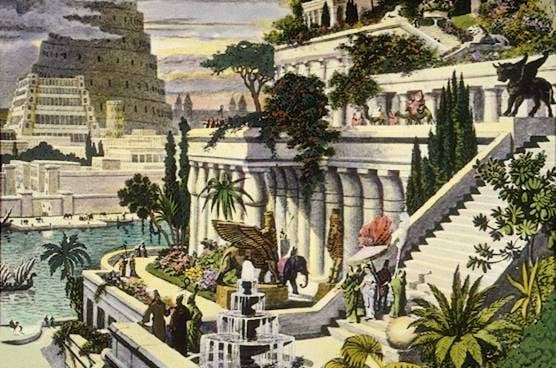
The Hanging Gardens never actually hung from anything. They were terraced gardens, built in ascending levels that created the illusion of a green mountain rising from the desert.
King Nebuchadnezzar II supposedly constructed them around 600 BCE to please his homesick wife, who missed the lush hills of her homeland. No archaeological evidence has ever been found.
Some historians question whether they existed at all, while others believe they may have been in Nineveh instead of Babylon. Either way, if they were real, they’re completely gone now.
Colossus of Rhodes
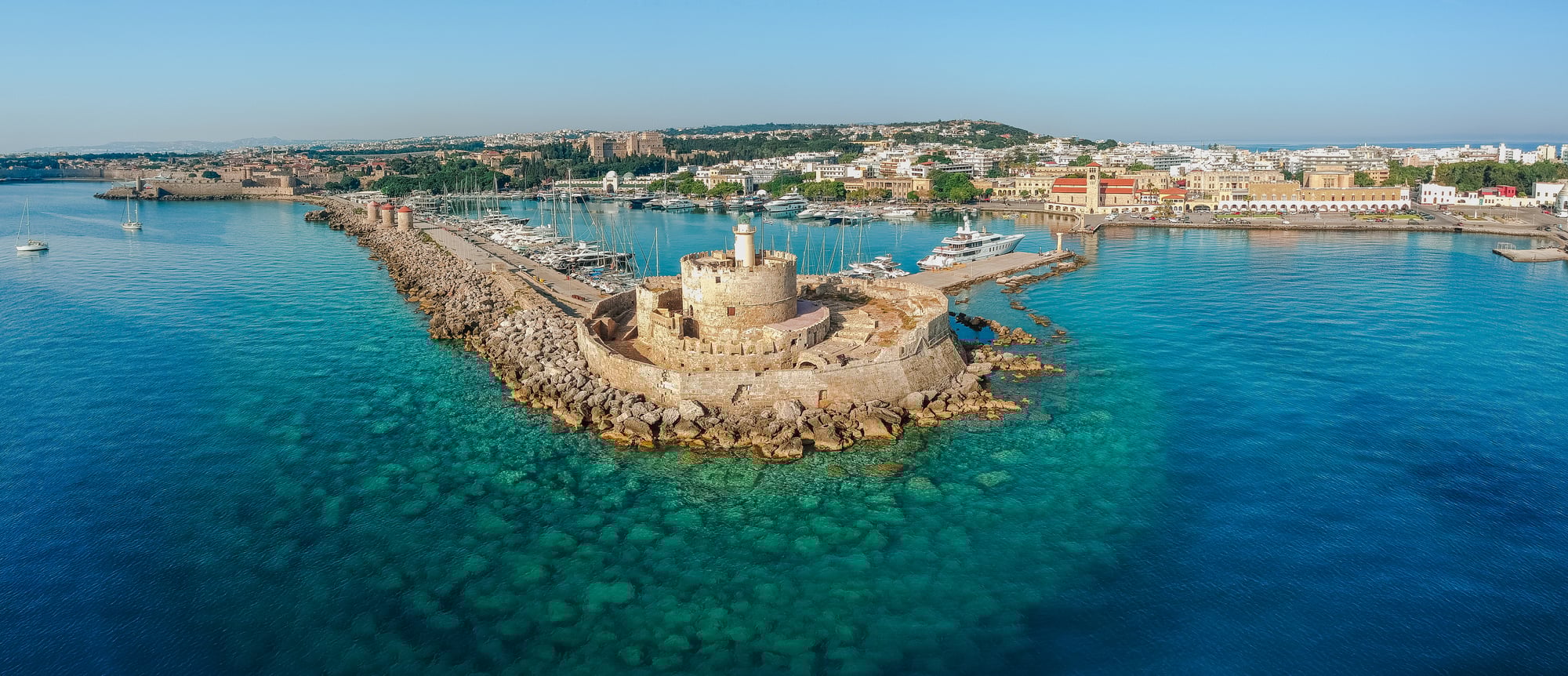
Picture a bronze giant straddling the harbor entrance of Rhodes, so massive that ships sailed between its legs (though historians now know this detail, while dramatic, probably wasn’t accurate — but the statue was still enormous, standing about 108 feet tall and taking twelve years to build using iron tie bars and brass plates over a stone framework). The Colossus represented Helios, the sun god, and celebrated Rhodes’ victory over Cyprus.
Its glory was short-lived because an earthquake toppled it in 226 BCE, just 54 years after completion. Remarkably stubborn.
And even in ruins, it remained a tourist attraction for nearly 900 years — people traveled from across the Mediterranean just to see the fallen pieces. But eventually, Arab forces sold the bronze for scrap, loading it onto 900 camels (or so the story goes), and the wonder disappeared entirely.
Lighthouse of Alexandria
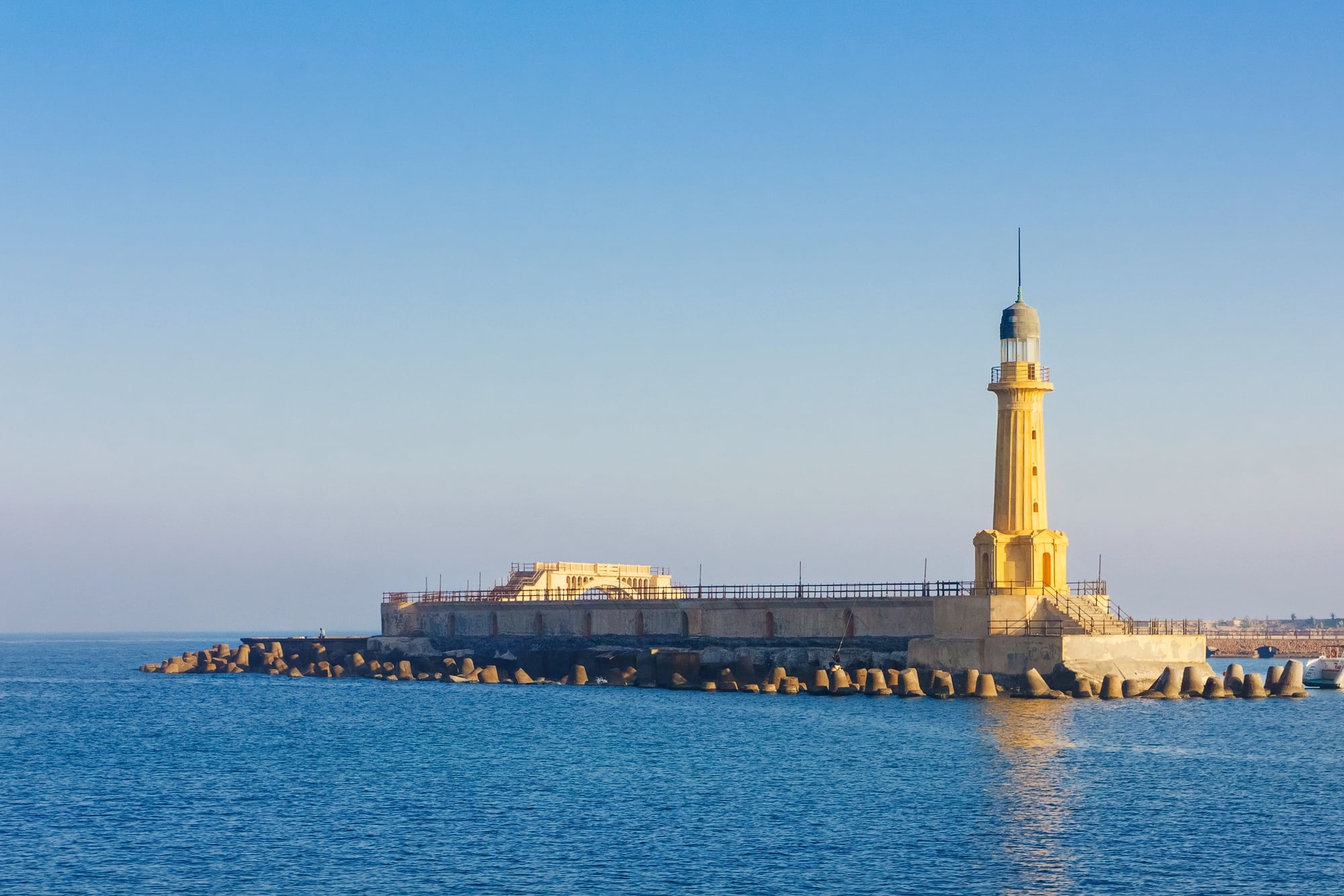
There’s something almost defiant about building a lighthouse that tall. The Pharos of Alexandria stretched roughly 350 feet into the sky — a three-tiered tower that guided ships safely into one of the ancient world’s busiest harbors.
Its light, amplified by polished bronze mirrors, could reportedly be seen from 35 miles away. The lighthouse stood for over 1,500 years, weathering storms and political upheavals with the kind of architectural stubbornness that makes you respect the builders.
It survived the fall of the Ptolemaic dynasty, Roman rule, and the rise of Islam. But even the most determined structures have limits.
A series of earthquakes between 956 and 1323 CE finally brought it down, piece by piece, until nothing remained but rubble that locals eventually used to build a medieval fortress.
Mausoleum at Halicarnassus
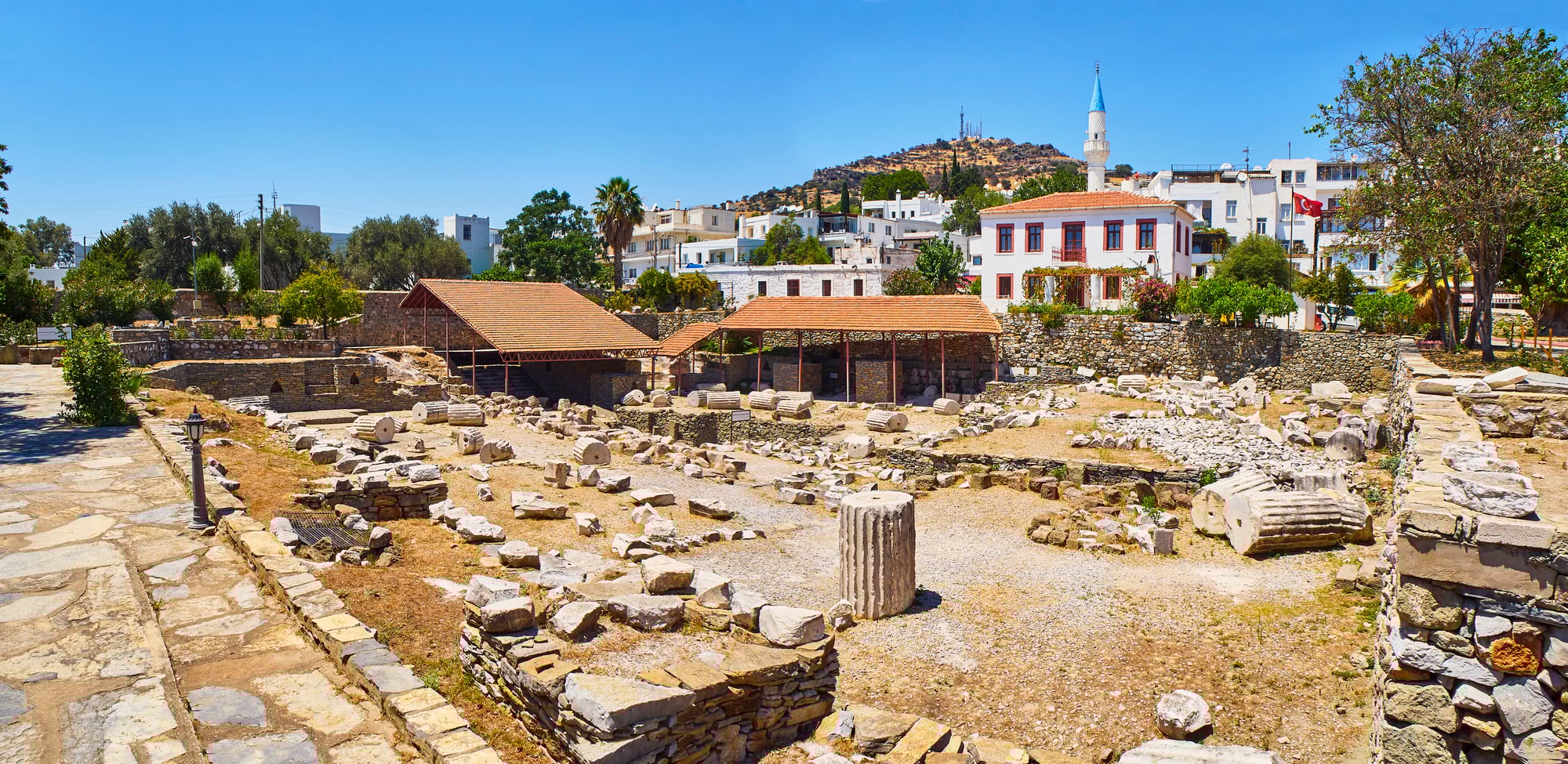
Grief makes people do extraordinary things. Queen Artemisia built this tomb for her husband, King Mausolus, and it became so famous that we still use his name for elaborate burial monuments today.
The structure combined Greek, Egyptian, and Persian architectural elements — a bold mix that shouldn’t have worked but absolutely did. Four renowned sculptors each decorated one side, turning the tomb into a collaborative masterpiece.
Earthquakes eventually damaged it, and crusading knights finished the job by using its stones for a castle. Some of the surviving sculptures ended up in the British Museum, which is about as far from Halicarnassus as you can get.
Library of Alexandria
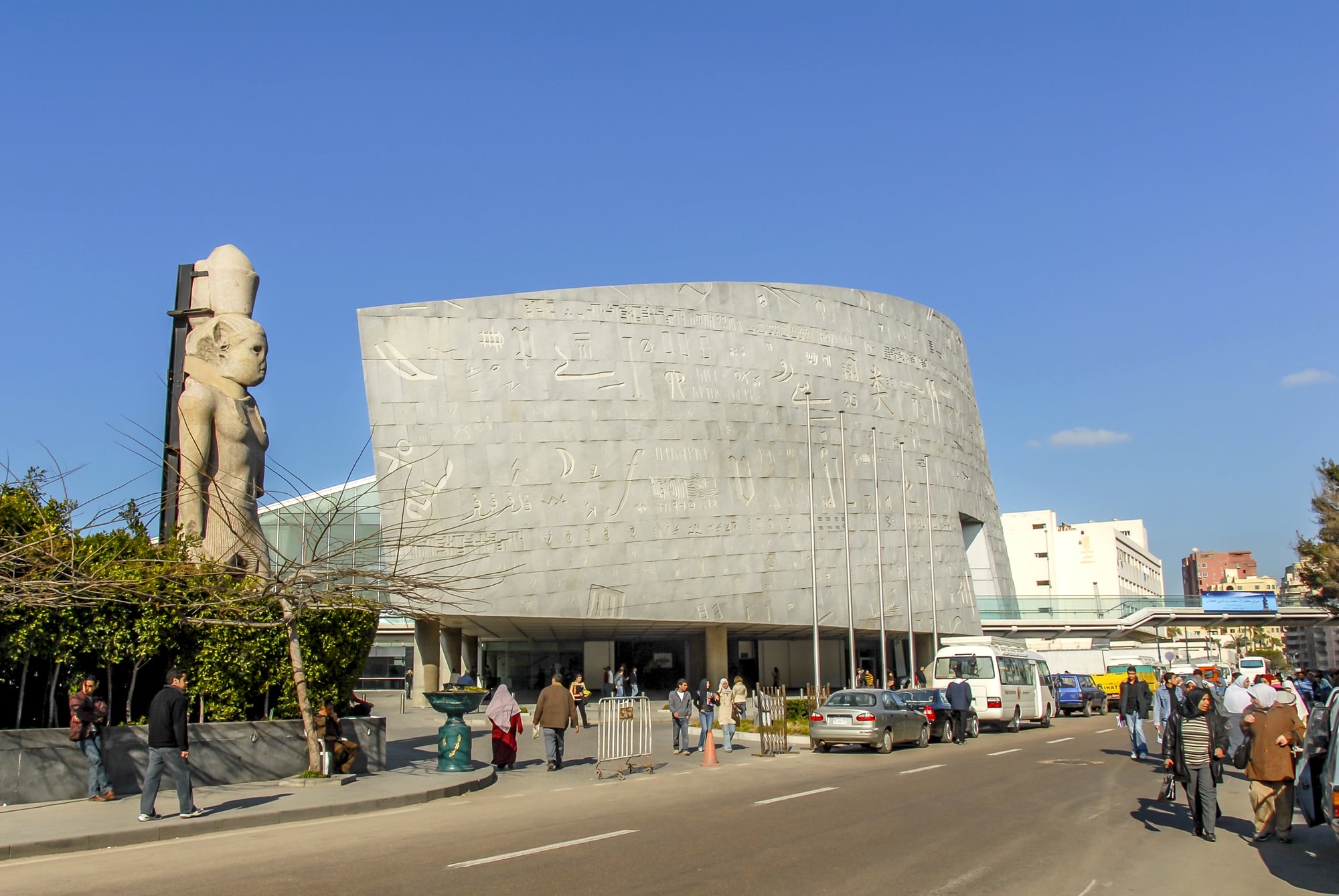
Books don’t survive fire, floods, or simple neglect (which turns out to be more destructive than any dramatic event). The Library of Alexandria was arguably humanity’s first attempt at collecting all knowledge in one place.
Scholars estimate it held between 400,000 and 700,000 scrolls covering everything from mathematics to poetry to medicine. But libraries require constant care, funding, and political support.
As Alexandria’s importance declined, so did support for its intellectual institutions. The library didn’t disappear in a single catastrophic fire, despite popular belief.
It faded gradually — budget cuts, declining interest, competing priorities. The scrolls were sold, scattered, or simply left to decay.
By the time anyone thought to preserve what remained, there wasn’t enough left worth preserving.
Palace of Ctesiphon
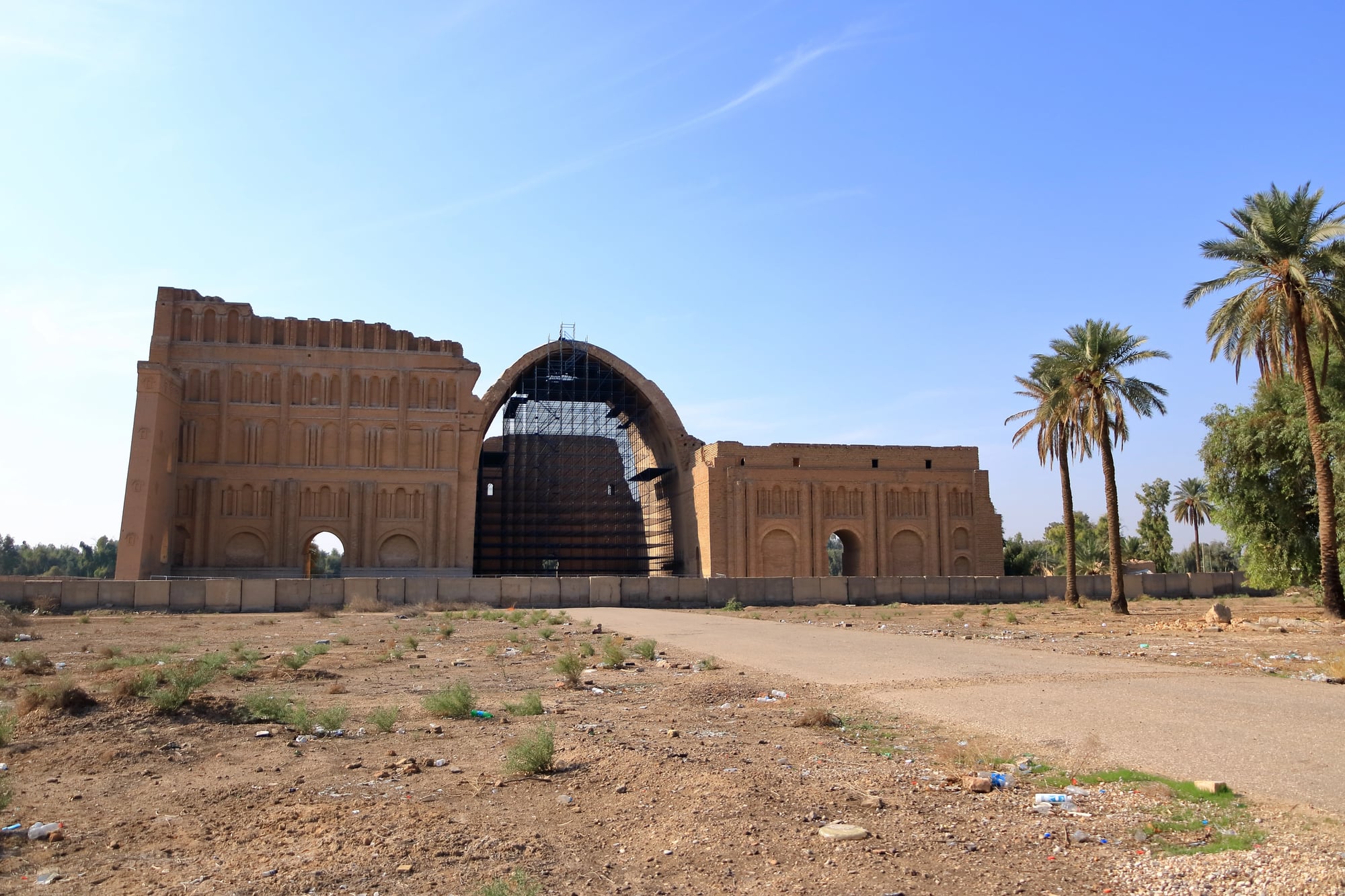
The Taq Kasra — the great arch of Ctesiphon — was an engineering marvel that defied every rule about how wide an unsupported brick arch could span. At 84 feet across and rising 115 feet high, it anchored a palace complex that served as the winter capital of the Parthian and Sassanian empires for over 700 years.
The arch stood alone after the rest of the palace crumbled, like a massive doorway leading to nothing. Travelers described it with a mixture of awe and melancholy — this remnant of imperial power that once hosted Persian kings and received ambassadors from Rome and China.
It survived until 1888, when floods finally undermined its foundations enough that the structure collapsed into the Tigris River.
Circus Maximus
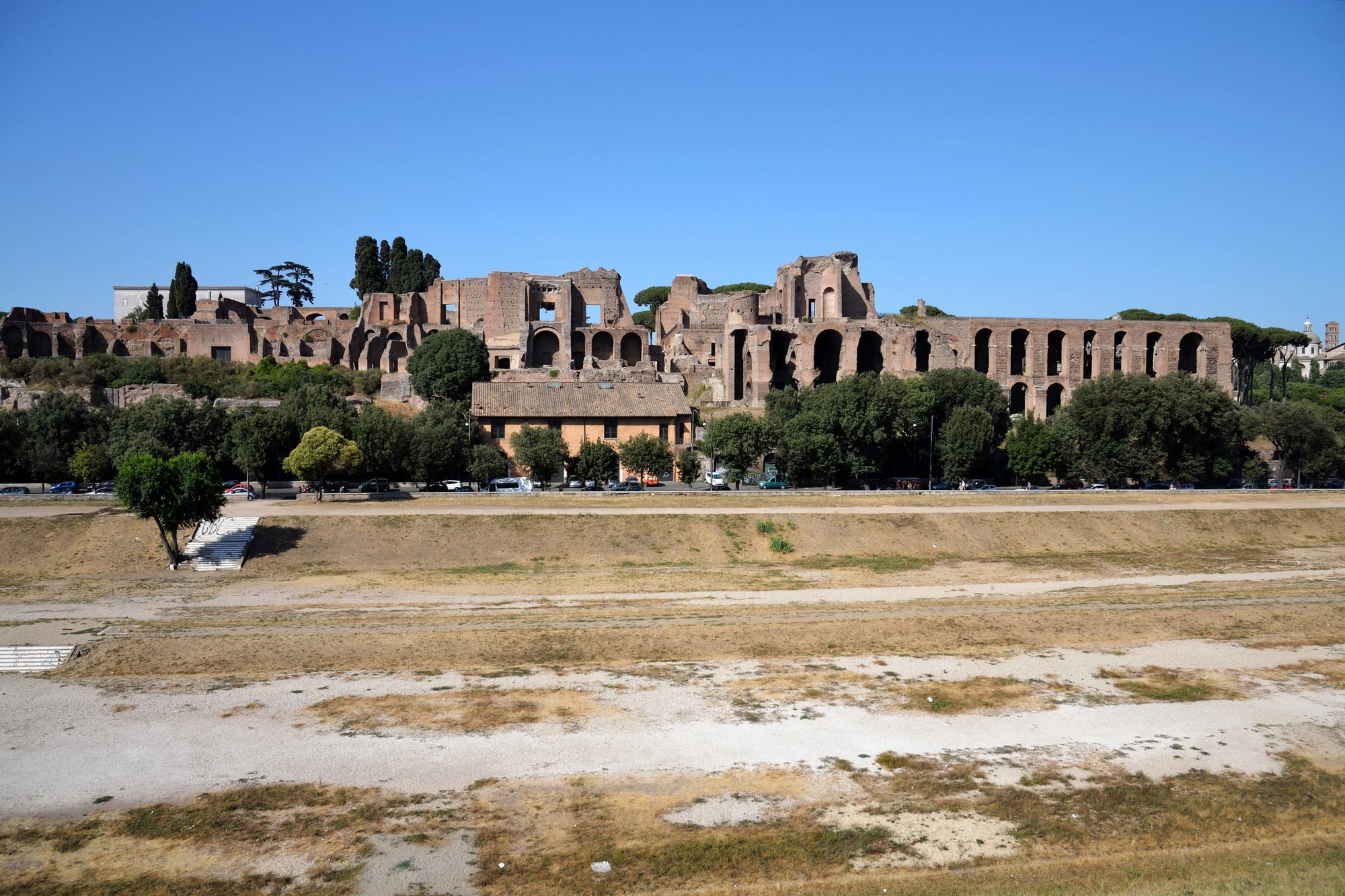
Romans didn’t do anything small. The Circus Maximus could hold 250,000 spectators — roughly a quarter of Rome’s population — who came to watch chariot races that were equal parts sport and blood sport.
The oval track stretched 2,000 feet long, surrounded by marble seats that rose in tiers so steep they required retaining walls. For over a thousand years, the Circus hosted games that made gladiatorial combat look tame.
Charioteers became celebrities, horses had fan clubs, and betting was rampant. But when the empire fell and the games ended, Romans treated their greatest entertainment venue like a quarry.
They stripped away the marble, hauled off the bronze fittings, and eventually built houses in the depression where the track used to be.
Now it’s a public park where joggers run roughly the same oval that once thundered with horses.
Nero’s Golden House
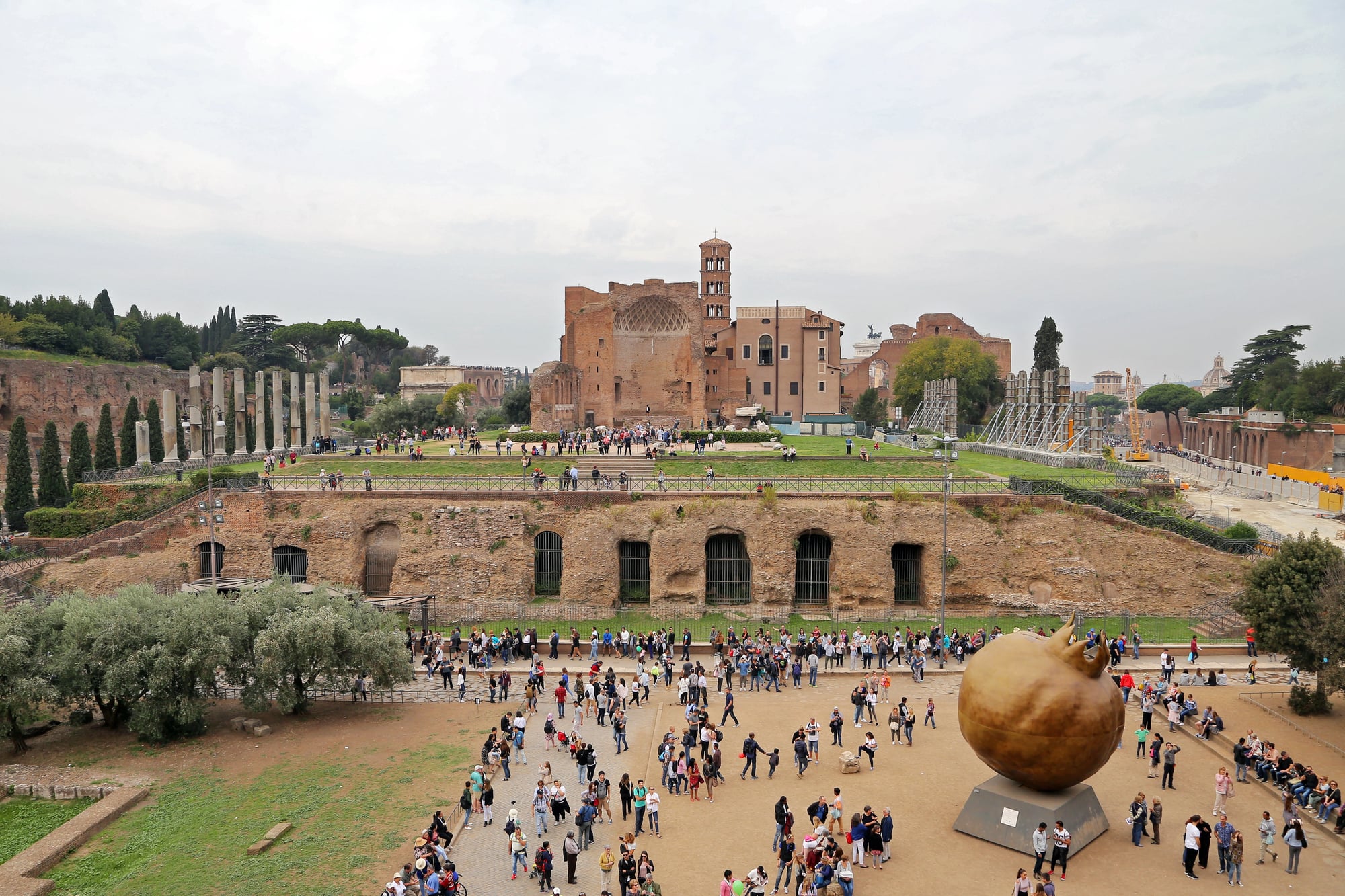
Some architecture functions as autobiography (whether the architect intended it or not, and in Nero’s case, he absolutely intended it). The Domus Aurea sprawled across 300 acres of central Rome, featuring a 120-foot bronze statue of Nero himself, artificial lakes, vineyards, and a dining room that rotated with the sun.
The emperor wanted visitors to understand that he wasn’t just wealthy — he was divine. When Nero died, Romans couldn’t demolish the Golden House fast enough.
They buried most of it under new construction projects, turning imperial excess into foundation material. Parts of the buried structure survived underground, though, and Renaissance artists crawled through the tunnels to study the frescoes, never realizing they were inside Nero’s palace.
The paintings inspired a whole decorative style called “grotesque” — named after the grotto-like spaces where they were found.
Amber Room
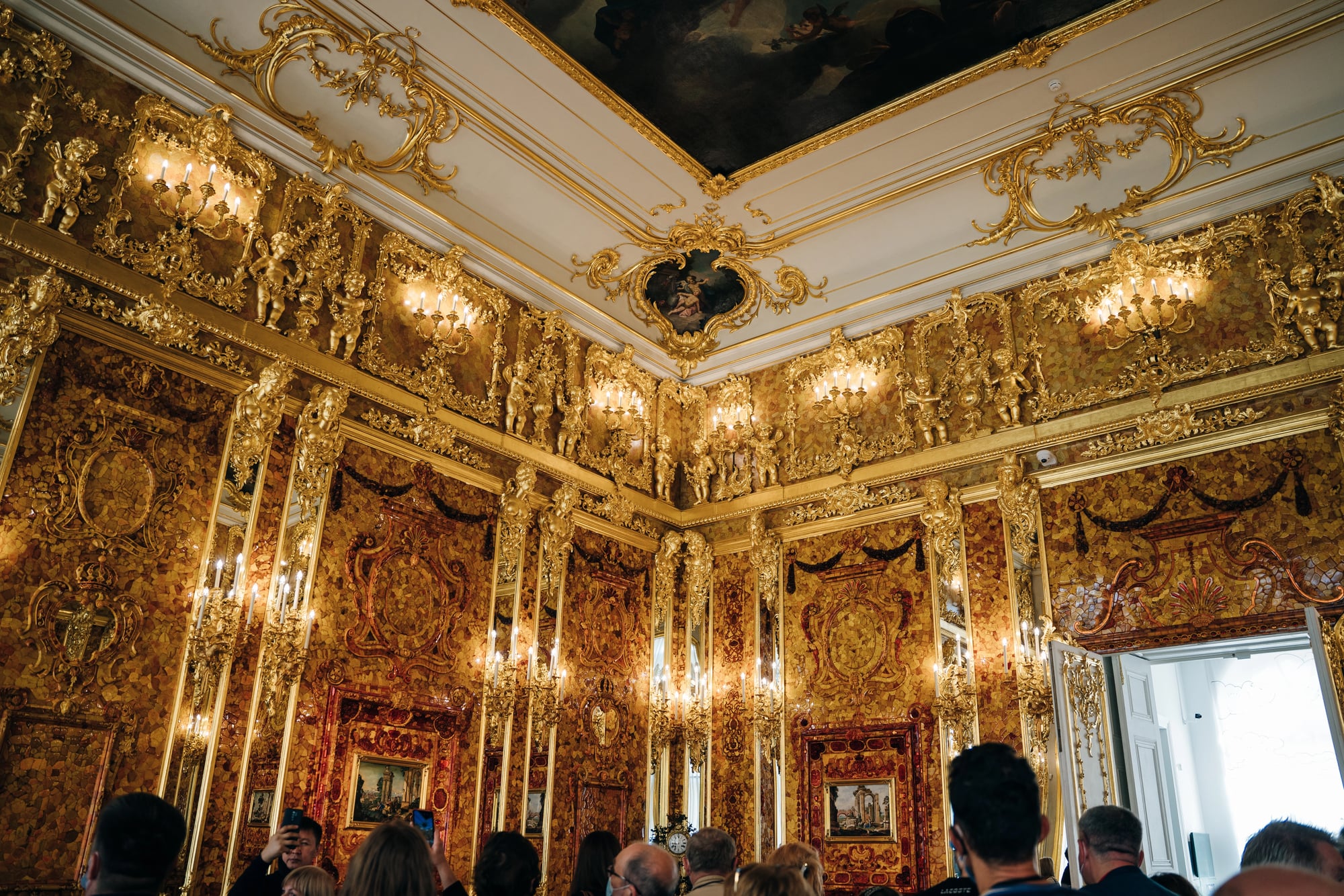
Calling it a room undersells the achievement. The Amber Room was an entire chamber lined floor-to-ceiling with amber panels, gold leaf, and mirrors — six tons of amber carved into intricate mosaics that glowed like captured sunlight when candles were lit.
Peter the Great received it as a gift from the Prussian king, and it became the crown jewel of the Catherine Palace near St. Petersburg. German forces looted it during World War II, carefully dismantling the panels and shipping them west.
The trail goes cold in Königsberg as the war ended and the city fell to Soviet forces. Despite decades of searching, treasure hunters, and conspiracy theories, no trace of the original Amber Room has ever been found.
Russia eventually built a reconstruction, but the original remains one of history’s most valuable missing artworks.
Temple of Jupiter Optimus Maximus
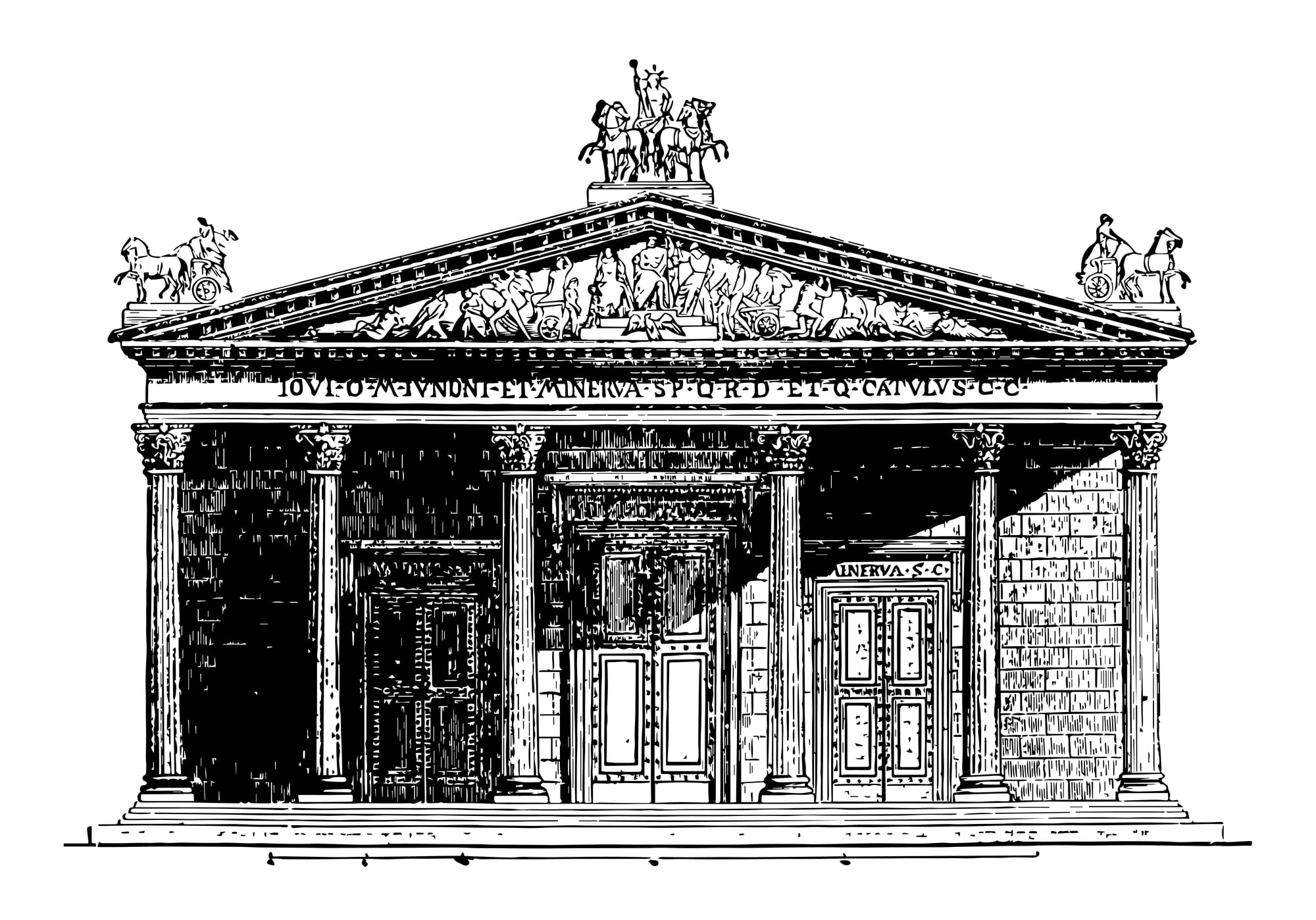
Jupiter’s temple dominated the Capitoline Hill for over a thousand years. Romans considered it the spiritual center of their empire — the place where triumphant generals came to thank the gods, where the sacred geese warned of Gallic invasions, and where the emperor himself made sacrifices for Rome’s continued prosperity.
The building burned and was rebuilt multiple times, each version larger and more elaborate than the last. Christian emperors eventually closed it as pagan worship was banned, but the structure survived until the medieval period when Romans systematically stripped it for building materials.
They pulled down columns for churches, melted bronze decorations for coins, and quarried marble for palaces. The temple that once symbolized eternal Rome became raw material for a newer, Christian city.
Circus of Caligula and Nero
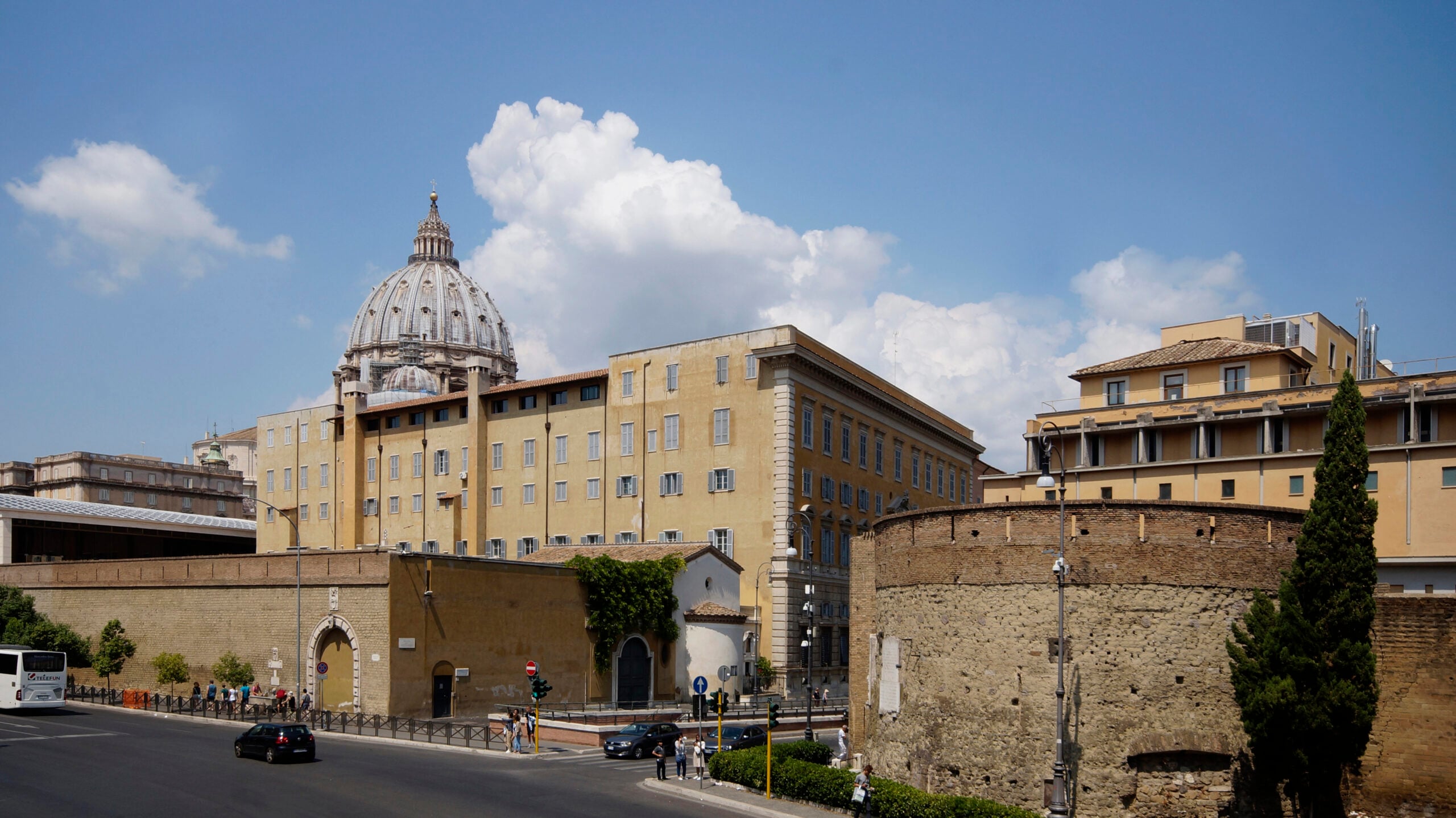
This private circus — where St. Peter was reportedly crucified — hosted some of history’s most notorious entertainments (and Caligula’s definition of entertainment involved considerably more cruelty than chariot racing, though he enjoyed that too). Nero later used it for his infamous persecution of Christians, turning them into human torches to light his gardens during nighttime games.
The circus occupied what’s now Vatican City. As Christianity gained power, the site’s bloody history became an embarrassment rather than a source of pride.
Pope Sixtus V ordered the ancient obelisk moved to St. Peter’s Square, but everything else was demolished or buried under new construction. The area where Christians once died for their faith became the heart of Catholic power, which represents either divine justice or historical irony, depending on your perspective.
Palace of Whitehall
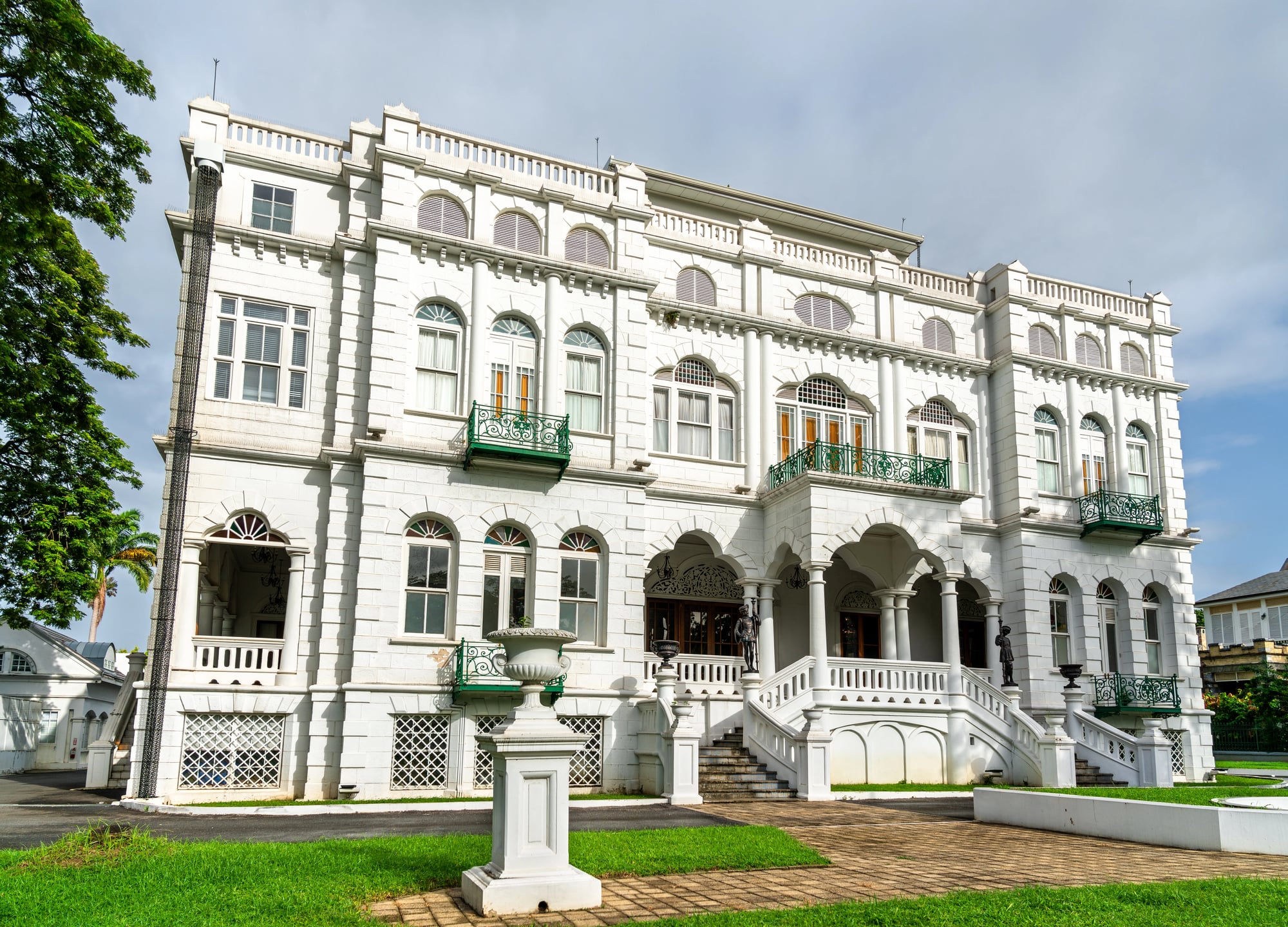
Whitehall started as a cardinal’s residence and grew into the largest palace in Europe — covering 23 acres and containing over 1,500 rooms that housed the English court for nearly two centuries. Henry VIII seized it, expanded it, and made it the center of Tudor power.
But palaces built of wood and Tudor ambition don’t age gracefully. A fire in 1698 destroyed everything except the Banqueting House, which survived mainly because it was built of stone rather than timber.
The irony is that the Banqueting House was where Charles I walked to his execution — the one room that witnessed the end of absolute monarchy became the only part of the palace to survive into the modern era.
Baths of Caracalla
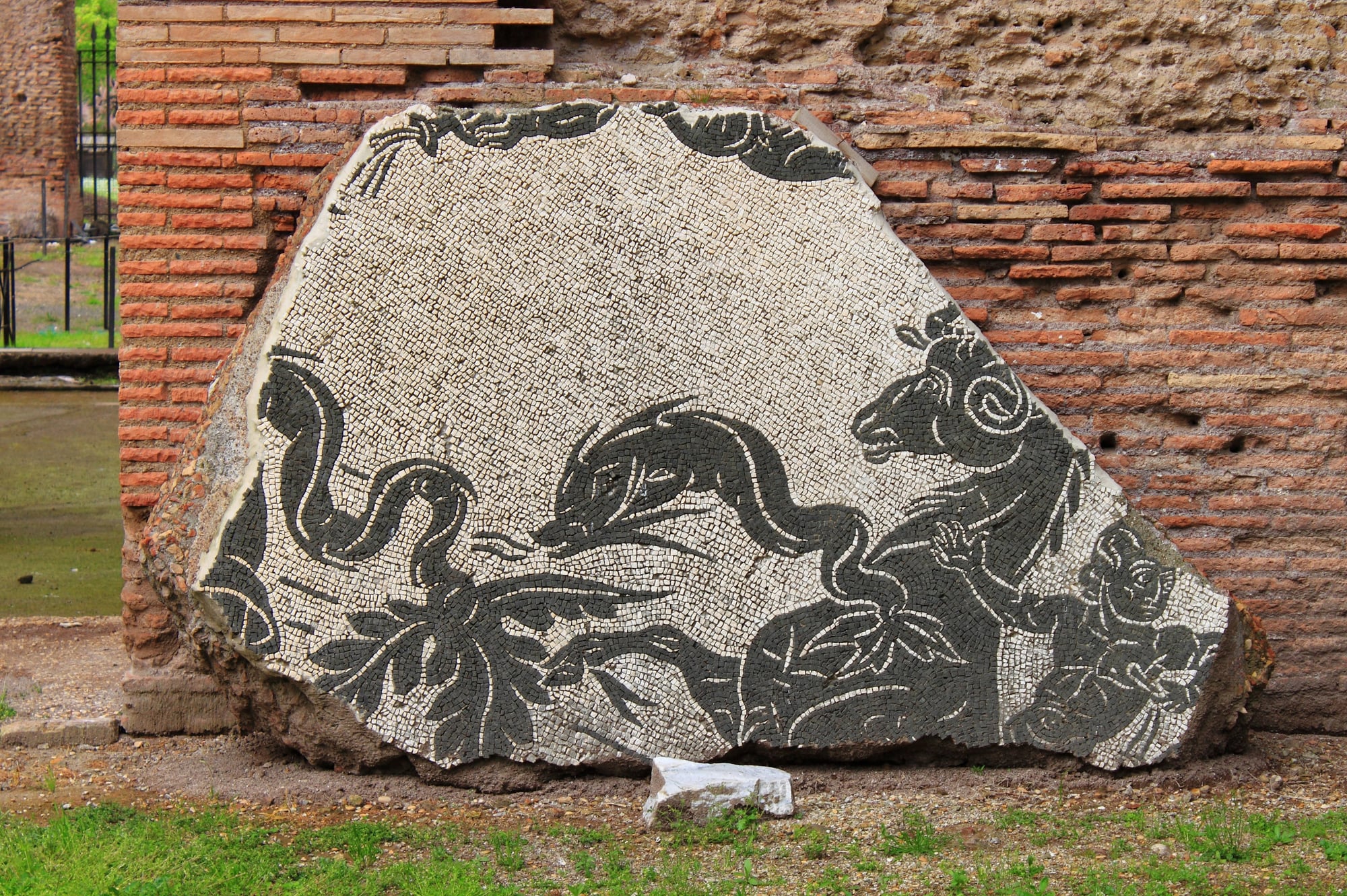
Roman baths weren’t just about getting clean. The Baths of Caracalla covered 62 acres and could accommodate 1,600 bathers simultaneously in facilities that included hot pools, cold plunges, exercise areas, libraries, art galleries, and restaurants.
Romans treated them as combination community centers and luxury resorts. The complex operated for over 300 years until Goths cut the aqueducts that supplied its water.
Without the elaborate hydraulic system that fed the pools and powered the heating, the baths became useless. Romans cannibalized the decorations — hauling away marble statues for palaces, grinding up mosaics for lime, and leaving the empty shell to crumble.
What had been the height of Roman leisure became a quarry for medieval construction projects.
Palace of the Tuileries
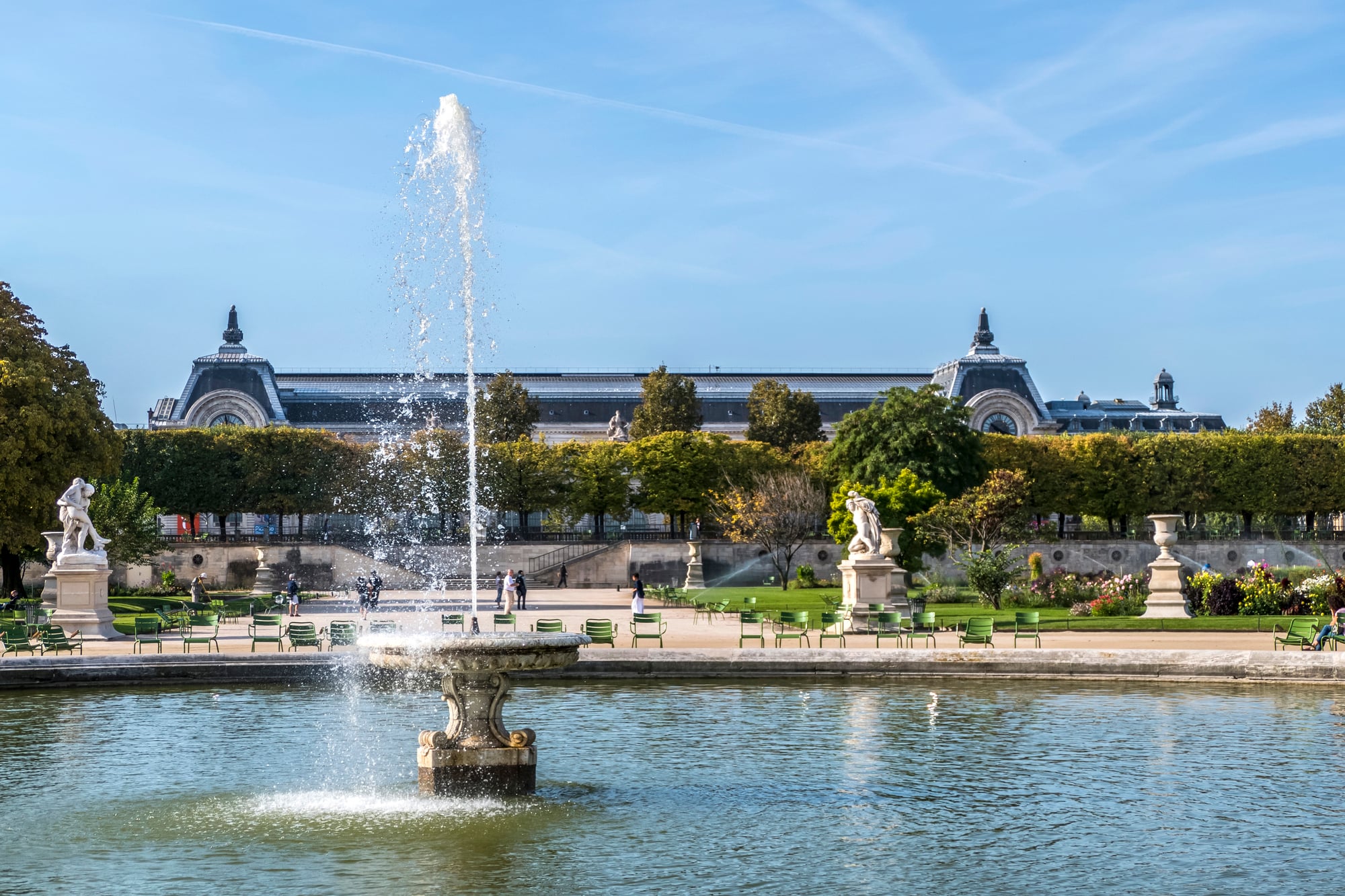
The Tuileries watched French history unfold from its windows. Built for Catherine de Medici, it later housed Louis XVI during the early days of the French Revolution, Napoleon during his rise to power, and Napoleon III during the Second Empire.
But revolution has a way of consuming the symbols of the old order. The Paris Commune set fire to the Tuileries in 1871 as government forces closed in on the city.
The palace burned for three days, its roof collapsing and walls cracking from the heat. The Third Republic demolished what remained rather than rebuild, creating the open space that now connects the Louvre to the Place de la Concorde.
Sometimes absence tells a story more powerfully than any building could.
Stadium of Domitian
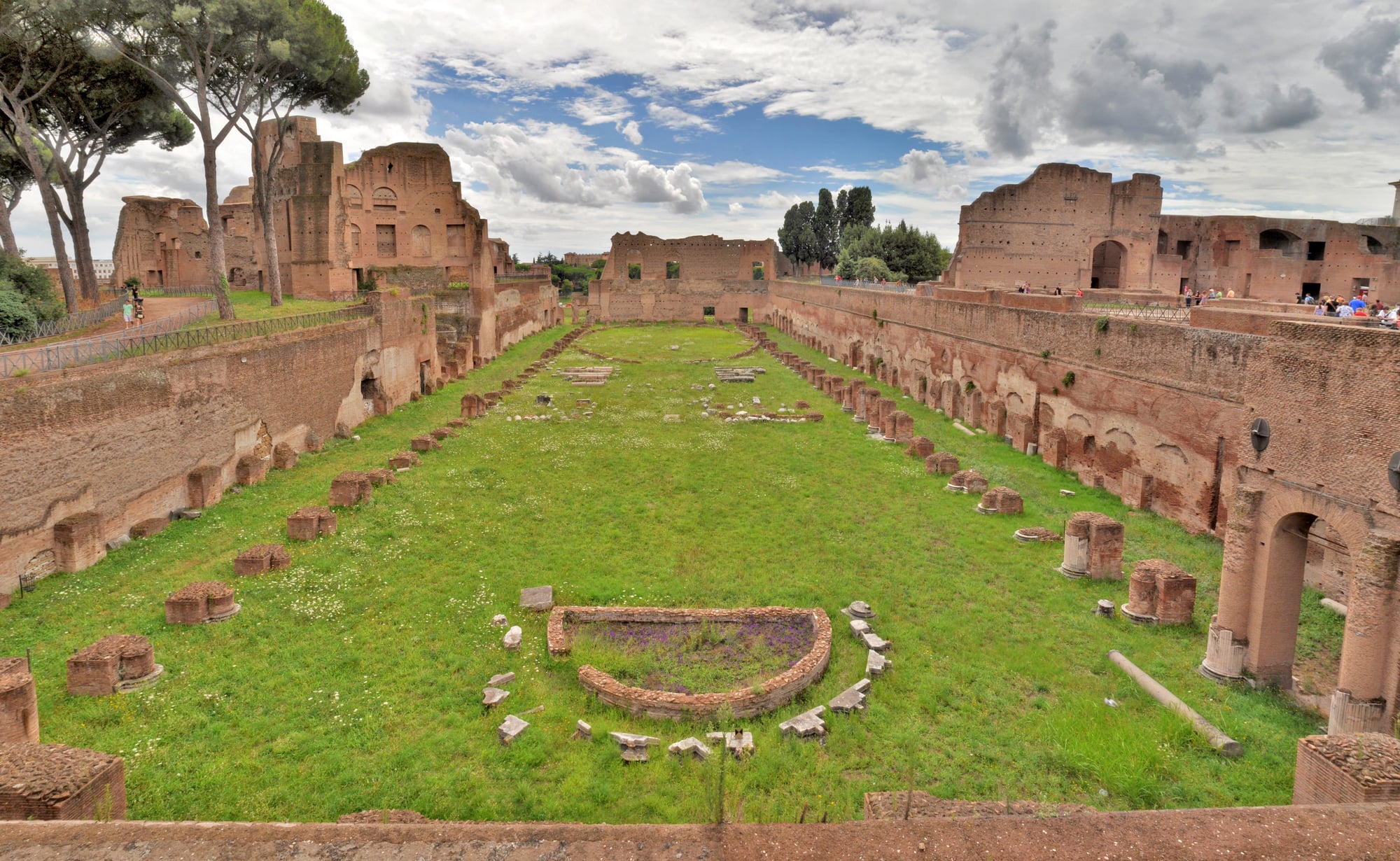
Domitian built his stadium to host athletic competitions in the Greek style — a Roman emperor’s attempt to bring Olympic-style games to a city that preferred gladiatorial combat. The venue could hold 30,000 spectators who watched foot races, wrestling, and other contests that Romans considered slightly less exciting than watching people fight to the death.
The stadium’s foundations shaped the Piazza Navona, which still follows the original oval track layout. Medieval Romans built houses directly on top of the ancient structure, using the stadium walls as foundations for apartments and shops.
The arena where athletes once competed became a neighborhood where families lived for centuries, completely unaware they were building on top of imperial entertainment architecture.
Baths of Diocletian
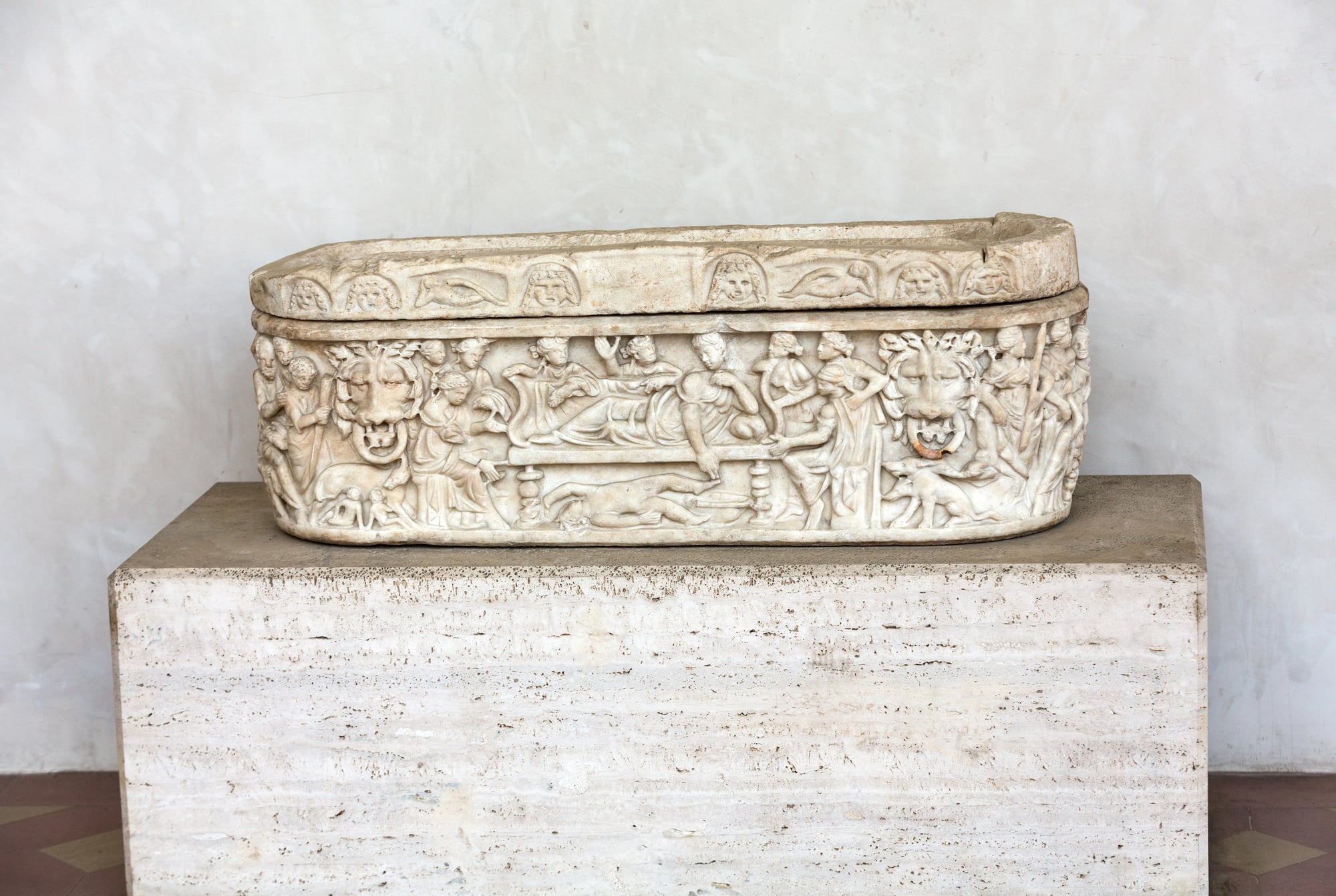
Size was the point. Diocletian’s baths could handle 3,000 bathers at once across a complex that covered 32 acres — making Caracalla’s baths look modest by comparison.
The caldarium alone was larger than St. Peter’s Basilica. When the aqueducts failed and the baths closed, Michelangelo converted part of the tepidarium into the church of Santa Maria degli Angeli.
The rest of the complex was demolished or incorporated into other buildings. Romans had a practical approach to ancient architecture — if it couldn’t be repurposed, it became building material for something else.
The baths that represented the peak of Roman engineering ended up as foundations for Renaissance churches and palaces.
Palace of Babylon
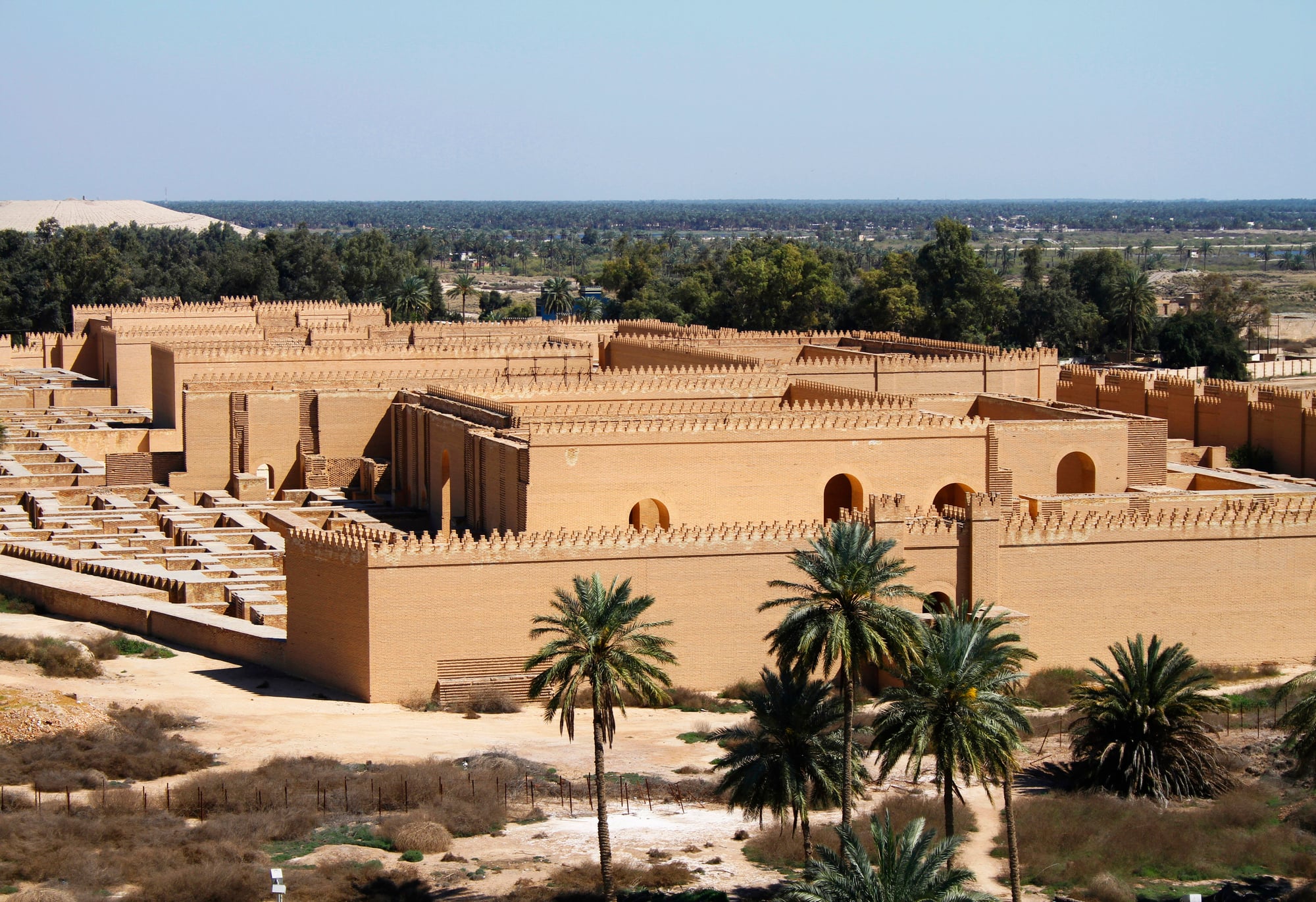
Nebuchadnezzar’s palace complex covered over 500 acres and contained the throne room where Persian kings later held court. The walls were decorated with glazed brick reliefs showing lions, dragons, and bulls — animals that symbolized the power of Babylon’s gods and kings.
But mud brick construction, no matter how elaborate, doesn’t survive millennia of neglect. When Baghdad rose as the region’s new capital, Babylon was gradually abandoned.
Locals carried away bricks for their own construction projects, and the Euphrates River shifted course, leaving the ruins far from any major settlement. By the time archaeologists arrived in the 19th century, they found only foundations and scattered fragments of the decorative reliefs.
Temple of Artemis at Ephesus
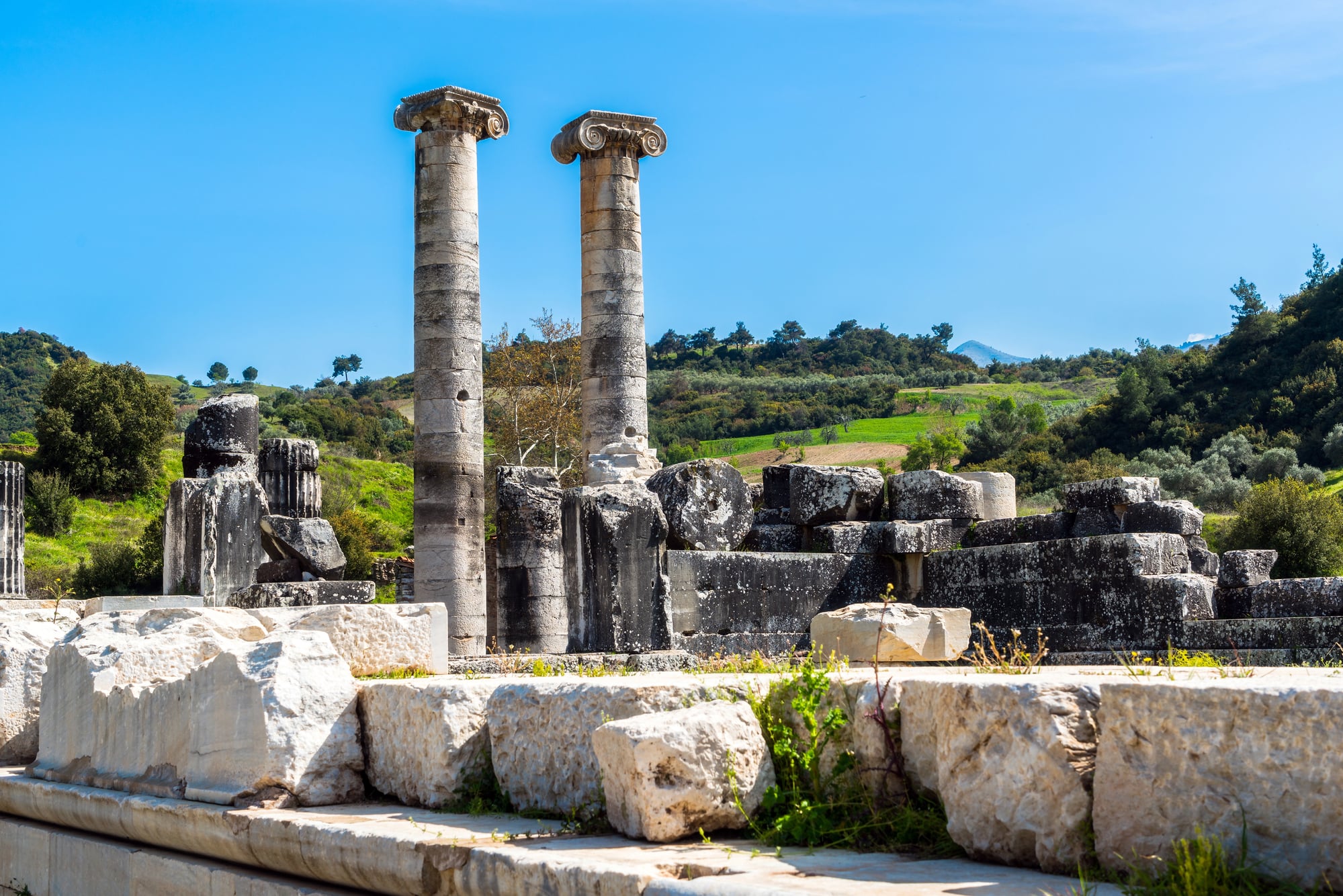
The temple took 120 years to build the first time. When Herostratus burned it down in 356 BCE (seeking fame through destruction), the Ephesians rebuilt it even larger.
The new version featured 127 columns, each 60 feet tall, surrounding a sanctuary that housed one of the most famous cult statues in the ancient world. Christianity eventually made the temple irrelevant.
When Paul preached in Ephesus, local silversmiths rioted because his message threatened their business selling Artemis souvenirs. But commerce follows faith, and as Ephesus converted to Christianity, the temple lost its purpose and its funding.
Earthquakes damaged the structure, and locals stripped away the marble for churches. The temple that had survived arson and political upheaval couldn’t survive religious change.
When Stone Turns to Memory
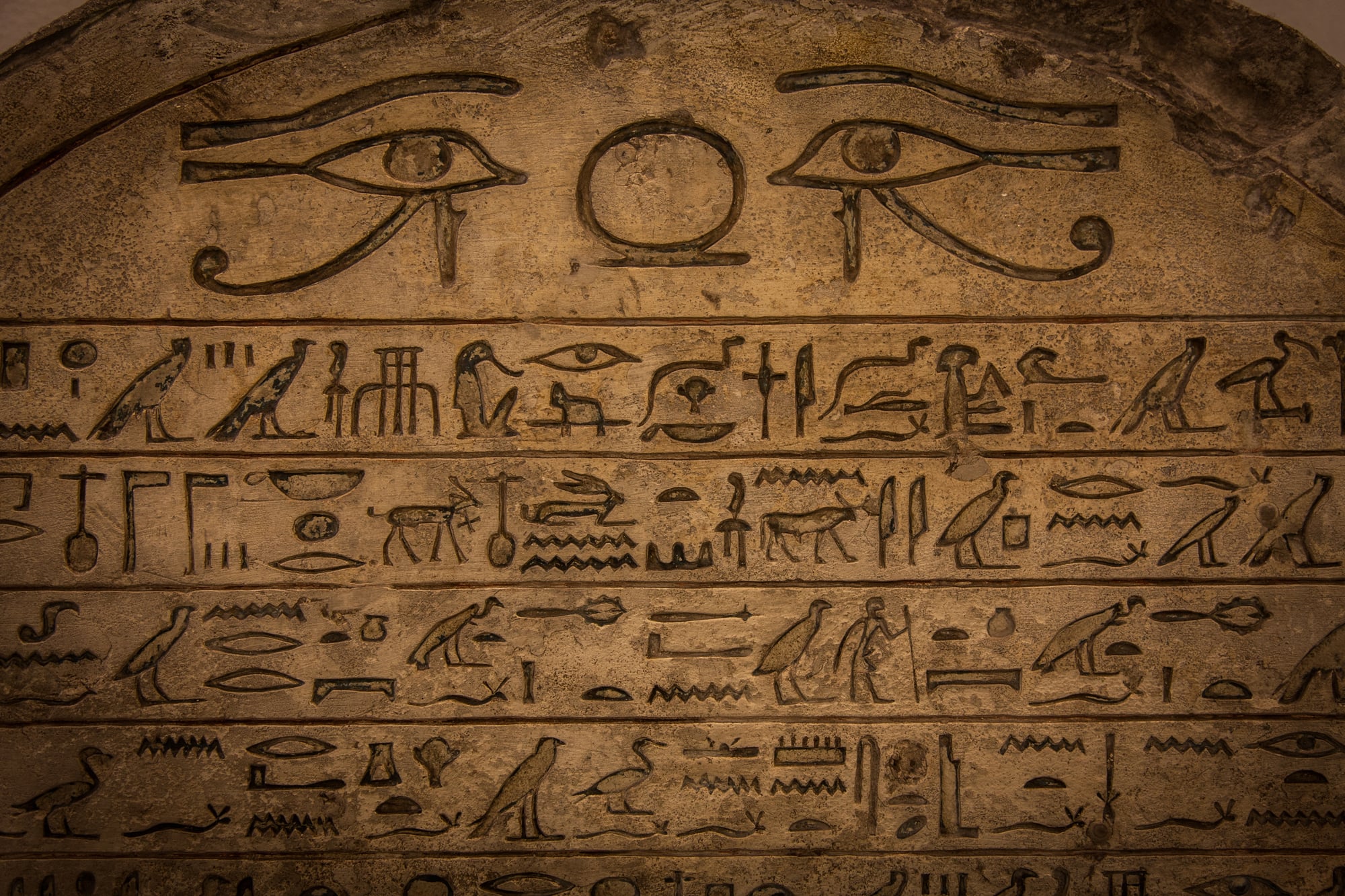
These vanished wonders remind us that permanence is an illusion humans tell themselves while building with temporary materials. Stone outlasts wood, but not earthquakes.
Bronze survives fire, but not armies looking for raw materials. And even the most magnificent structures become expendable when the civilizations that built them disappear.
What’s remarkable isn’t that these ancient wonders are gone — it’s that we know about them at all. Their memory survived in writings, travelers’ accounts, and archaeological fragments that let us imagine what we’ve lost.
Sometimes the stories we tell about vanished places become more powerful than the places themselves ever were.
More from Go2Tutors!

- The Romanov Crown Jewels and Their Tragic Fate
- 13 Historical Mysteries That Science Still Can’t Solve
- Famous Hoaxes That Fooled the World for Years
- 15 Child Stars with Tragic Adult Lives
- 16 Famous Jewelry Pieces in History
Like Go2Tutors’s content? Follow us on MSN.



