18 American Innovations That Changed the World
America has long been known as a nation of inventors and innovators, where creative minds have consistently turned wild ideas into world-changing realities. From the workshop labs of Thomas Edison to the garage startups of Silicon Valley, American ingenuity has produced breakthrough technologies that fundamentally transformed how humans live, work, and connect with each other. These innovations didn’t just make life easier – they completely rewrote the rules of modern civilization.
The impact of these inventions extends far beyond American borders, shaping global commerce, communication, and culture in ways their creators could never have imagined. Here is a list of 18 American innovations that changed the world, each representing a pivotal moment when human potential met American determination.
The Light Bulb

Thomas Edison’s incandescent light bulb didn’t just illuminate rooms — it extended the useful hours of every single day for billions of people. Before Edison’s practical electric light in 1879, folks lived by the rhythm of sunrise and sunset, with candles and gas lamps providing only dim, dangerous alternatives.
The light bulb sparked the entire electrical industry while making modern urban life possible. It transformed cities into hubs of 24-hour activity and productivity.
The Telephone

Alexander Graham Bell’s telephone shrank the world by making instant voice communication possible across vast distances. Before the telephone, sending a message to someone far away meant writing a letter and waiting days or weeks for a response.
The telephone revolutionized business, personal relationships, and emergency response. It created the foundation for our interconnected global society.
Like Go2Tutors’s content? Follow us on MSN.
The Airplane

Orville and Wilbur Wright achieved powered flight in 1903 at Kitty Hawk, transforming travel from a ground-bound experience to rapid movement through the skies. Their 12-second flight covered just 120 feet but opened up possibilities that once seemed like fantasy.
Aviation revolutionized warfare, commerce, and tourism. It made the world feel smaller and more accessible than ever before.
The Assembly Line

Henry Ford’s moving assembly line revolutionized manufacturing by combining interchangeable parts, divided labor, and continuous material flow. Assembly time dropped from over 12 hours to just over an hour.
This innovation made products affordable for ordinary people. It established the foundation of modern mass production.
The Cotton Gin

Eli Whitney’s cotton gin mechanized the separation of cotton fibers from seeds, making cotton production vastly more profitable. Unfortunately, it also strengthened the institution of slavery in the American South.
The machine could process cotton far faster than hand labor. It transformed cotton into a dominant force in global agriculture and industry.
Like Go2Tutors’s content? Follow us on MSN.
The Telegraph
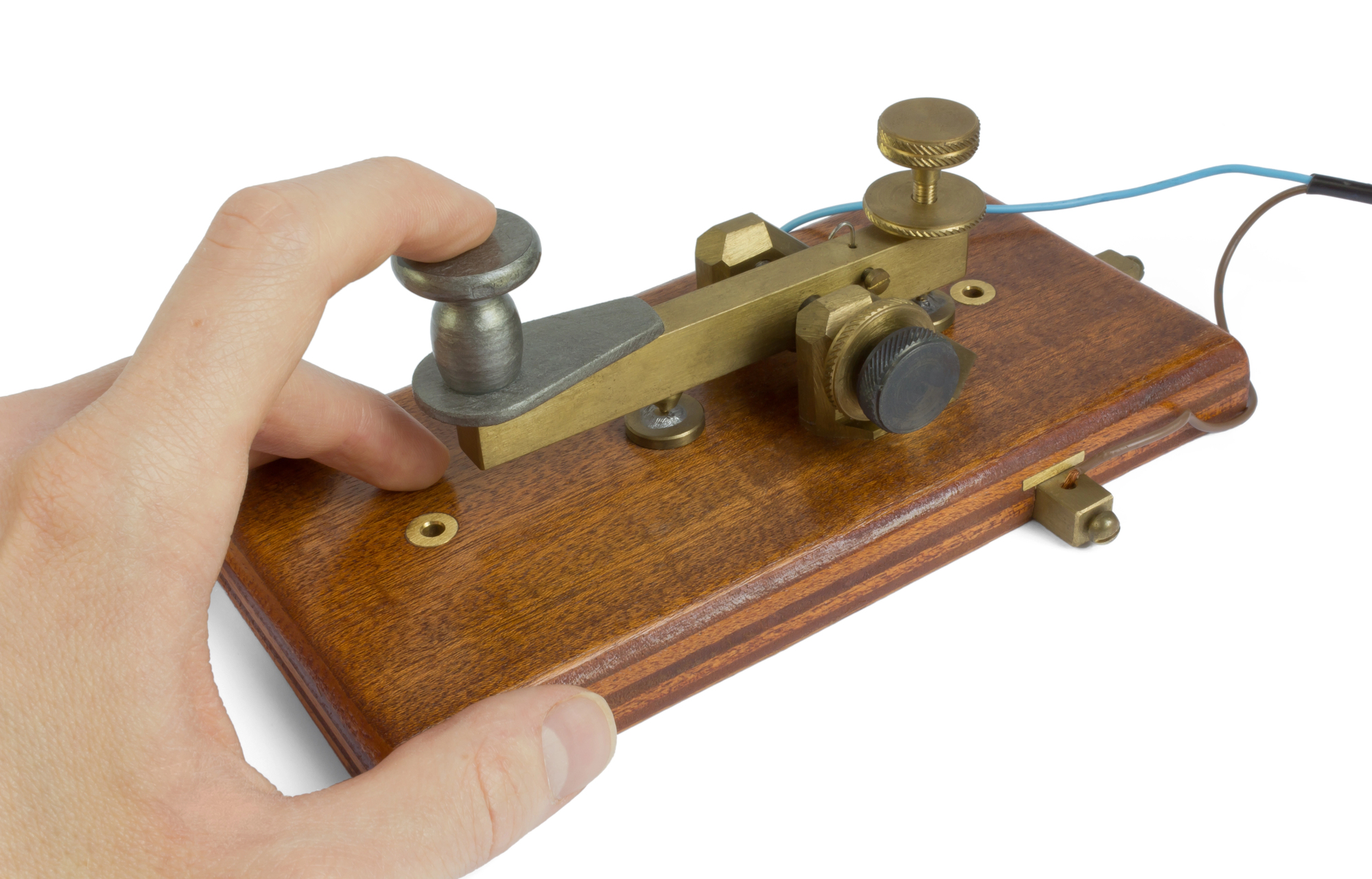
Samuel Morse’s telegraph created the first electrical communication network, allowing messages to travel faster than any ship or horse. The first message, “What hath God wrought,” marked the start of the information age.
Telegraph lines soon connected continents and oceans. They allowed distant places to communicate in near real-time for the first time in history.
Air Conditioning

Willis Carrier invented modern air conditioning to control humidity in a printing plant. The technology later made hot climates livable and workspaces bearable.
Air conditioning enabled the explosive growth of cities in warm regions. It transformed indoor comfort across homes, offices, and entertainment venues.
The Transistor
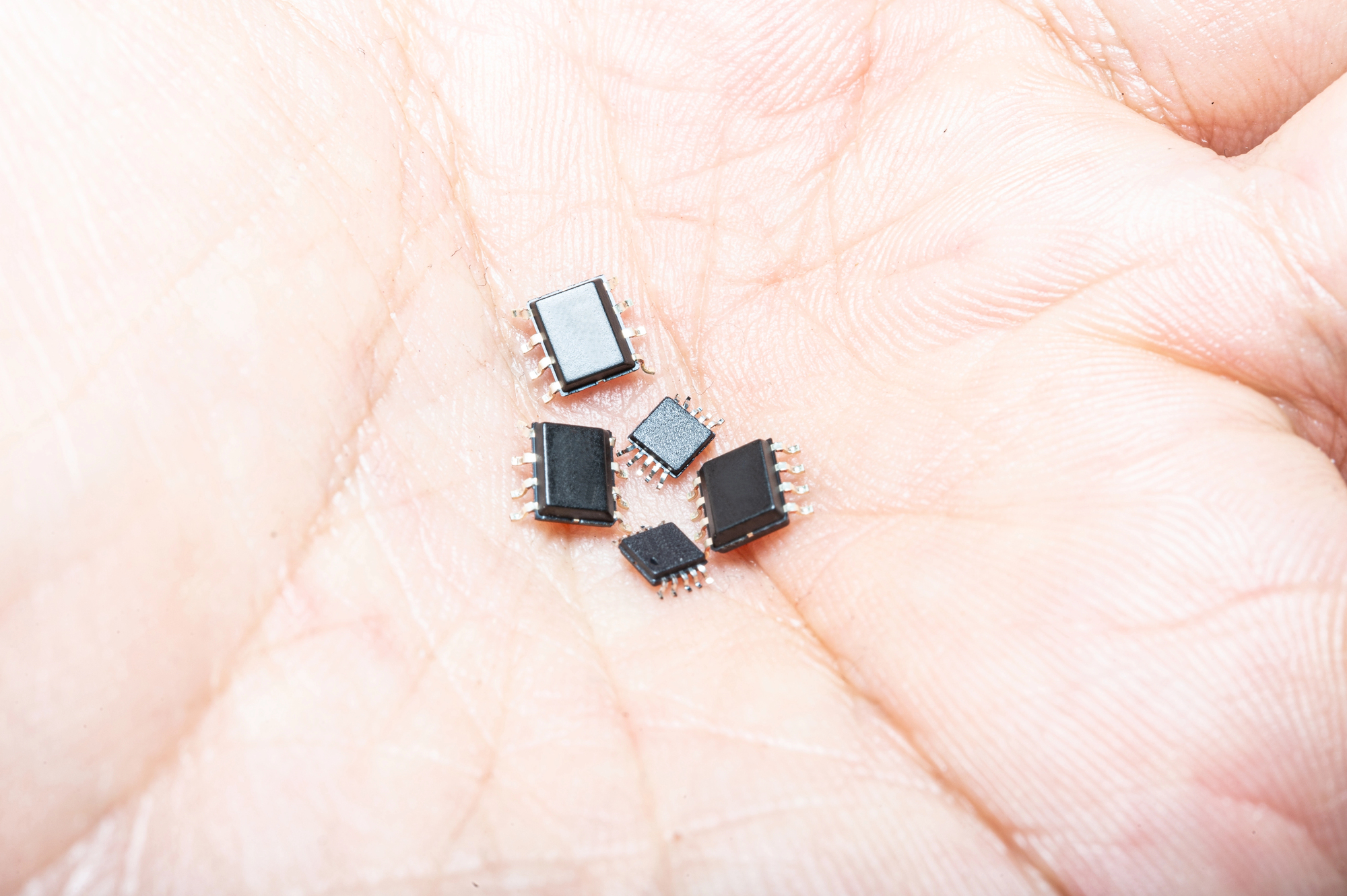
Invented in 1947, the transistor was a tiny device that could switch and amplify electrical signals. It replaced vacuum tubes and allowed electronics to become smaller, faster, and more efficient.
Transistors made modern digital life possible. They are the building blocks of computers, smartphones, and countless other technologies.
Like Go2Tutors’s content? Follow us on MSN.
The Phonograph
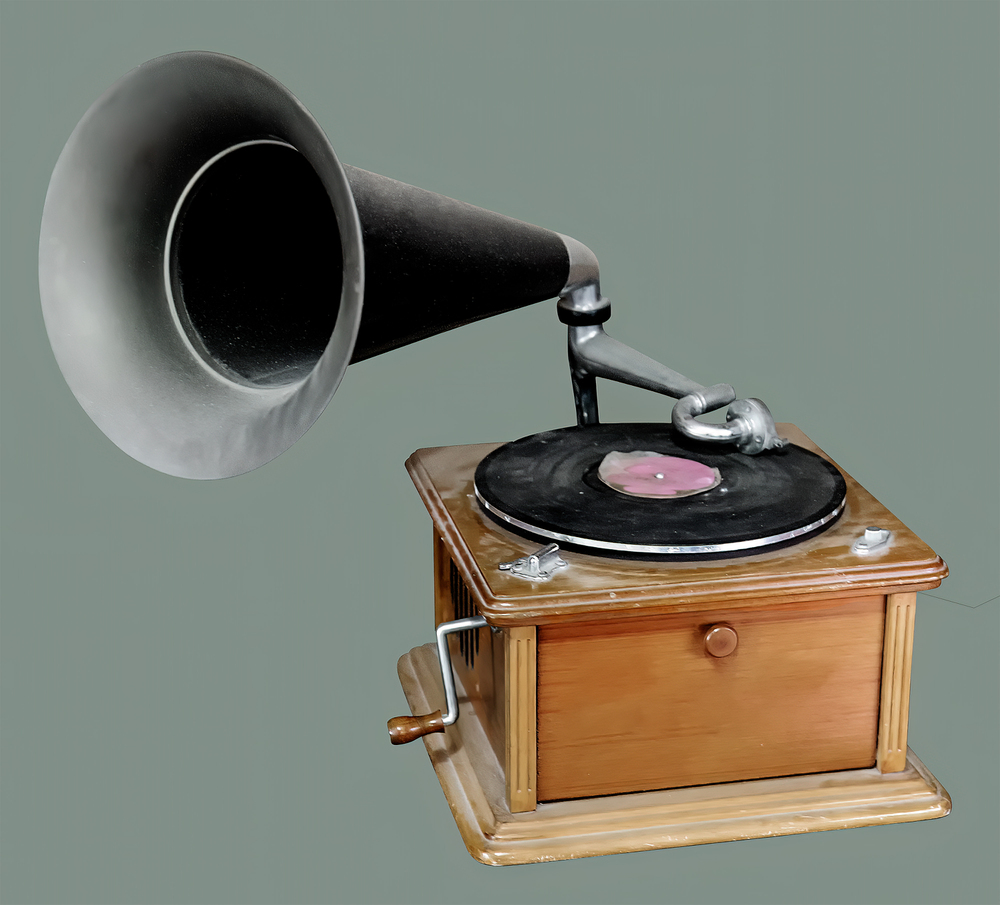
Thomas Edison’s phonograph in 1877 allowed sound to be recorded and replayed for the first time. People were astonished when the machine repeated his voice.
It launched the recorded music industry. It also changed how people experienced entertainment and preserved voices from the past.
The Internet

Originally developed by the U.S. Department of Defense, the internet evolved from ARPANET into a global communications network. It began as a way to share computer resources among researchers.
The internet reshaped work, learning, relationships, and access to information. It became the foundation of modern global connectivity.
The Laser
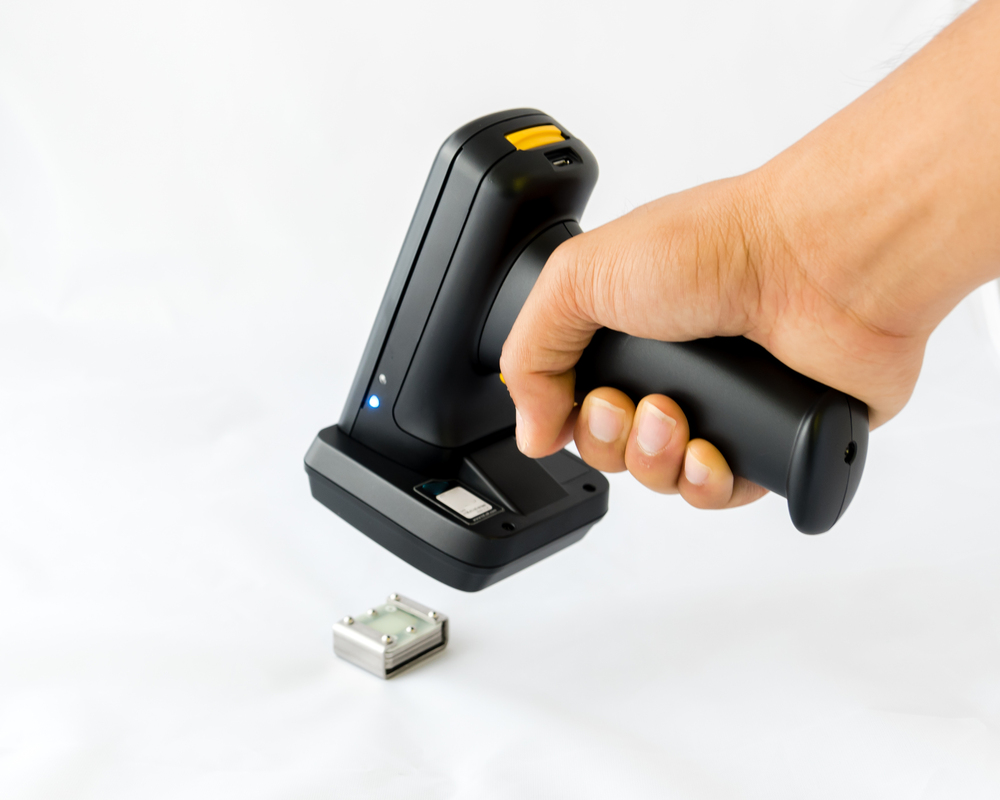
Theodore Maiman demonstrated the first working laser in 1960, producing a light beam unlike anything in nature. The laser was quickly adapted into a wide range of practical applications.
Lasers became essential in medicine, telecommunications, entertainment, and manufacturing. They now play roles in everything from surgery to barcode scanning.
Like Go2Tutors’s content? Follow us on MSN.
The Personal Computer

The rise of personal computers in the late twentieth century put computing power directly into individual hands. Before PCs, computers were massive machines used only by institutions.
Personal computers democratized data access and productivity. They helped launch the digital revolution and changed how people live and work.
GPS Technology
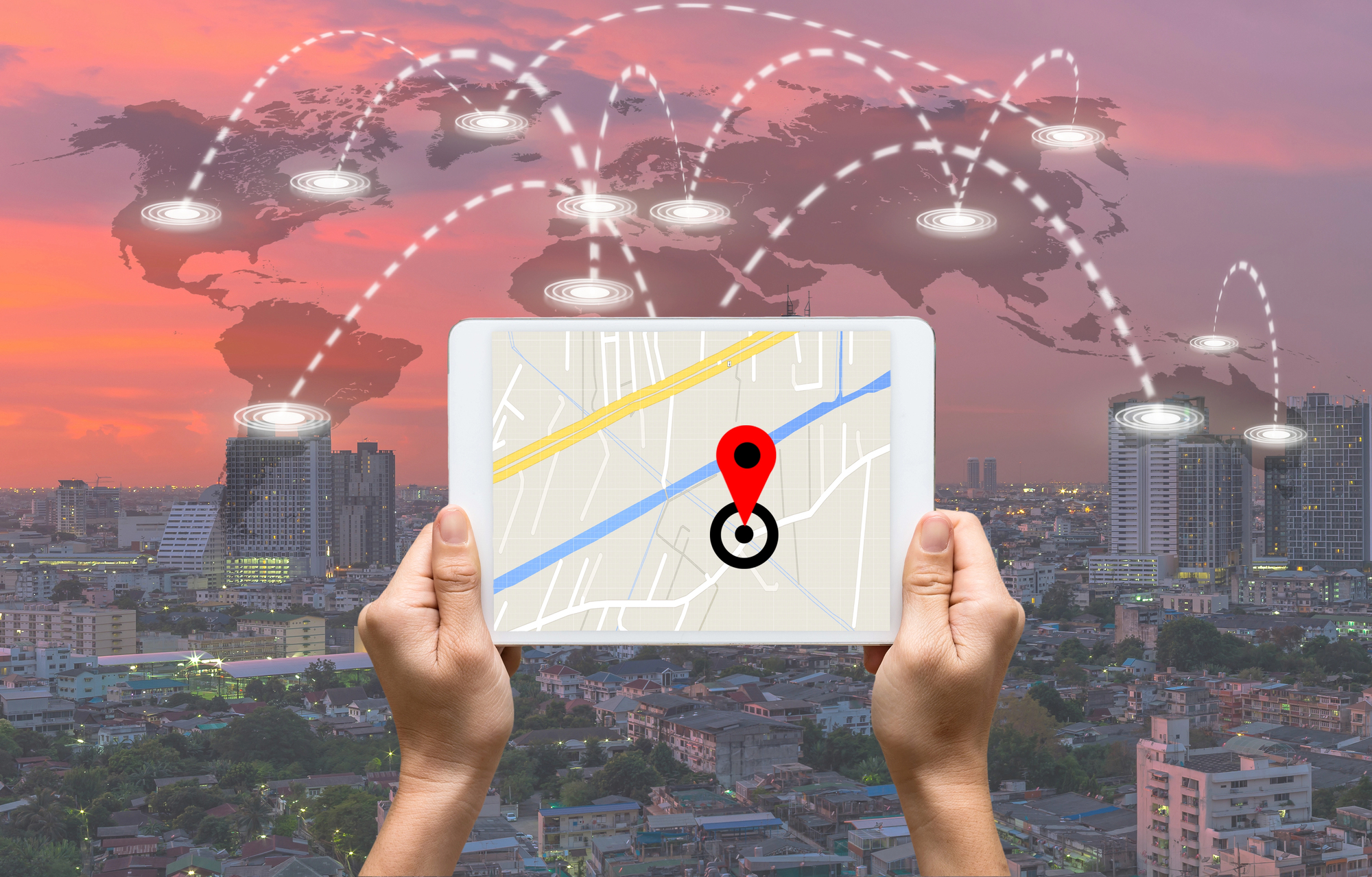
The Global Positioning System made accurate navigation widely accessible using satellites. Originally developed for military use, it revolutionized civilian transportation and logistics.
GPS powers everything from ride-hailing to precision agriculture. It makes it easy for people to find their way around anywhere on Earth.
The Microwave Oven
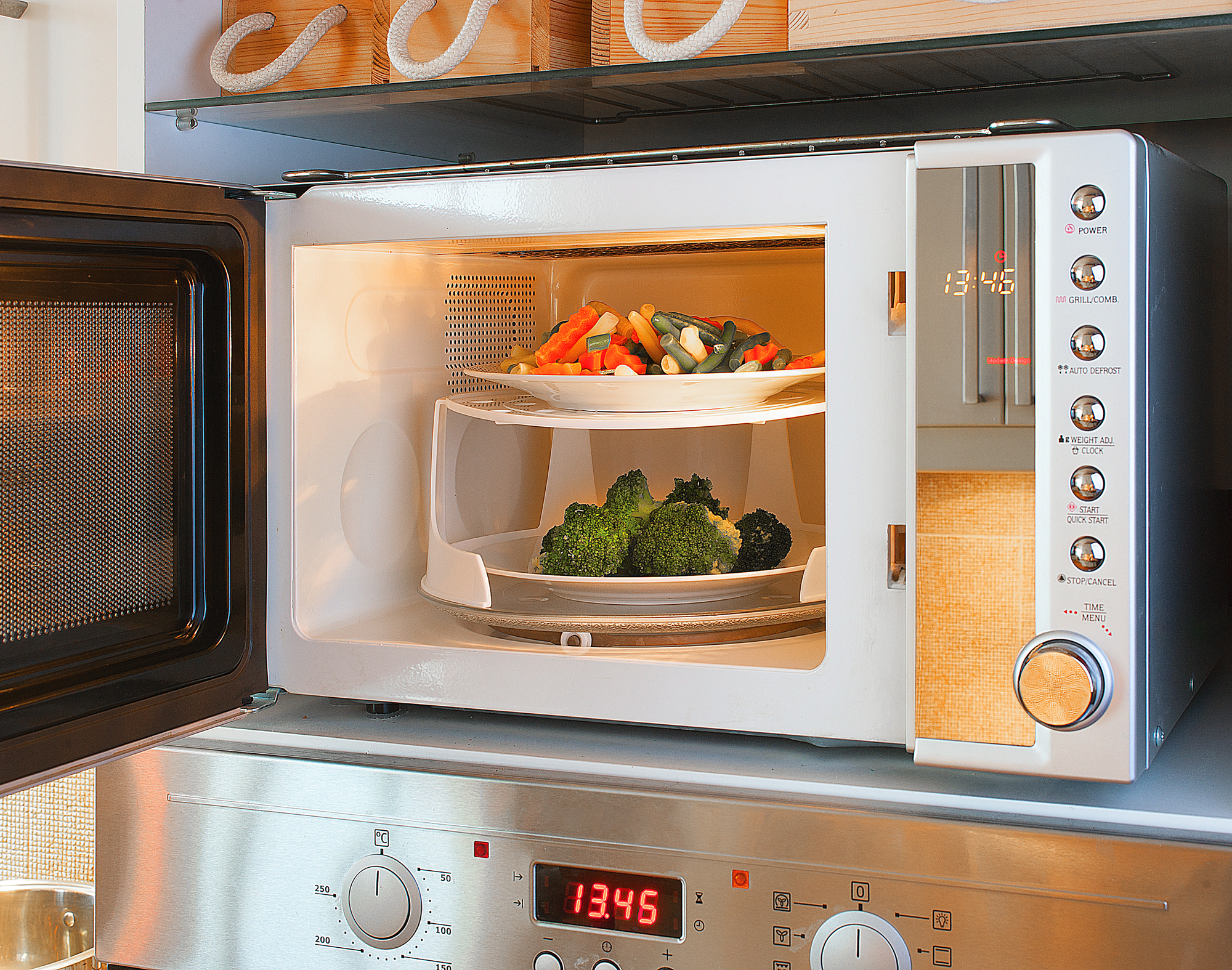
Percy Spencer discovered microwave cooking accidentally when radar equipment melted a chocolate bar in his pocket. That curiosity led to ovens that could heat food in seconds.
The microwave transformed home cooking habits. It made reheating and preparing food faster and more convenient than ever before.
Like Go2Tutors’s content? Follow us on MSN.
Integrated Circuits
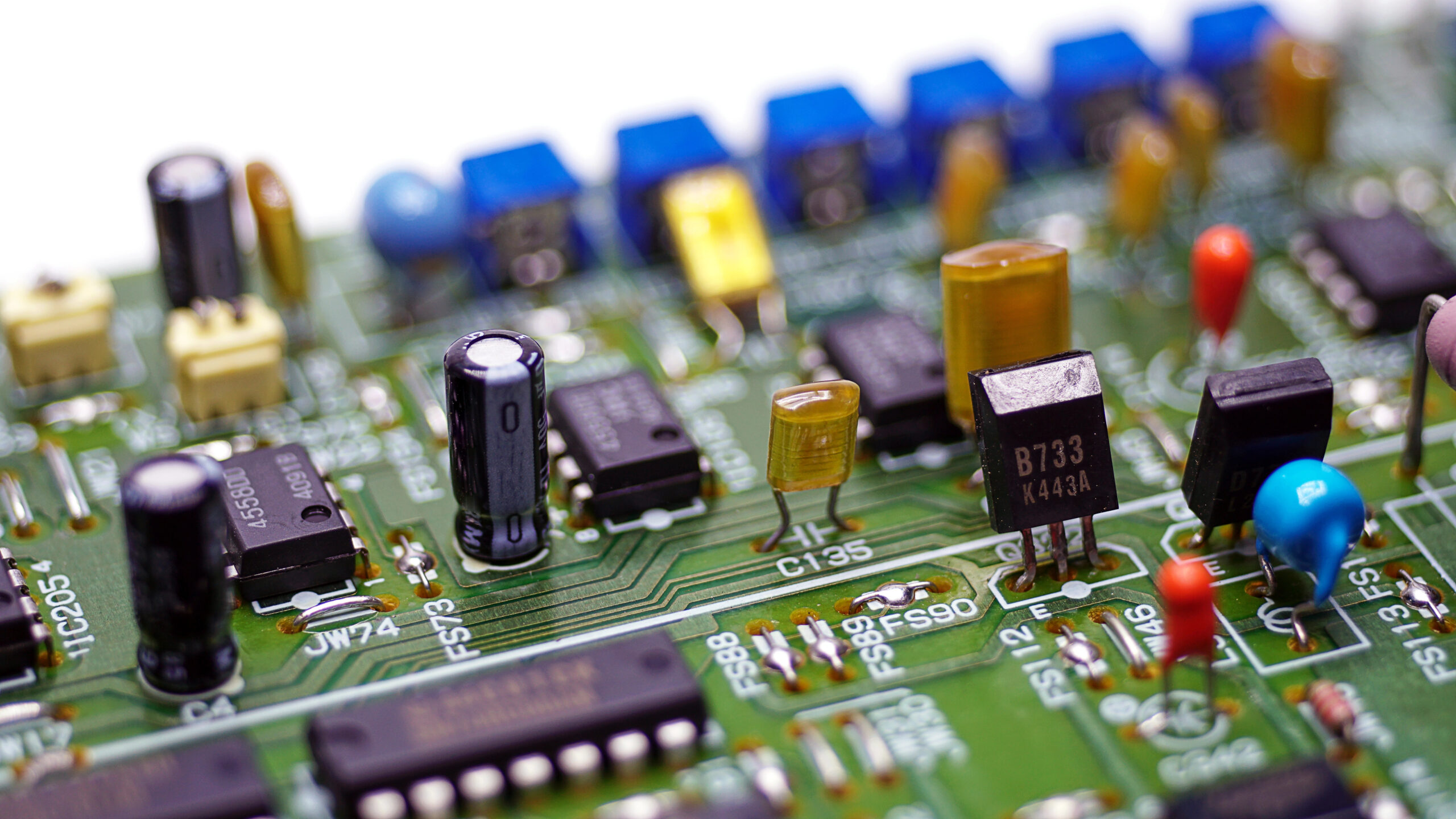
Invented in the late 1950s, integrated circuits placed multiple electronic components on a single chip. This advancement made electronics smaller, more powerful, and cheaper to produce.
Microchips became the core of modern electronics. They made everything from calculators to spacecraft possible.
The Sewing Machine

Elias Howe’s sewing machine mechanized garment production, turning handmade clothing into mass-produced fashion. It significantly increased efficiency in textile manufacturing.
The sewing machine made clothing more affordable and accessible. It also created new economic opportunities, especially for women.
The Cash Register

James Ritty invented the cash register to prevent employee theft, calling it the “Incorruptible Cashier.” It quickly became a cornerstone of retail business.
The cash register ensured accurate sales records and helped manage inventory. It laid the foundation for today’s digital point-of-sale systems.
Like Go2Tutors’s content? Follow us on MSN.
The Zipper

Whitcomb Judson introduced the zipper, though it was Gideon Sundback who perfected the design. This fastening device replaced buttons and laces on clothes and accessories.
The zipper made dressing quicker and easier. It became a staple of everyday items we rarely stop to appreciate.
The American Spirit of Innovation Lives On

These innovations showcase America’s knack for turning ideas into practical breakthroughs that impact the world. Each invention altered how people live, work, and connect with one another.
The spirit of entrepreneurship and discovery remains alive in labs and startups today. That same energy fuels the search for tomorrow’s game-changing inventions.
More from Go2Tutors!

- 16 Restaurant Chains That Went Too Fast
- 12 Things Sold in the 80s That Are Now Illegal
- 15 Strange Things People Have Tried to Ban (And Failed)
- 16 Collectibles People Tossed Out Too Soon
- 17 Myths from Your Childhood That Were Actually Based on Real Things
Like Go2Tutors’s content? Follow us on MSN.