18 Products That Made Accidental Millionaires
Sometimes the biggest fortunes come from the most unexpected places. While most entrepreneurs spend years crafting detailed business plans and pitching to investors, some of history’s wealthiest individuals stumbled upon their goldmines completely by accident. These stories prove that lightning can strike anywhere, turning everyday mistakes, failed experiments, and random observations into empire-building opportunities.
The following tales show how ordinary people discovered extraordinary products that would change their lives forever. Here is a list of 18 products that created accidental millionaires.
Post-it Notes

Arthur Fry was singing in his church choir when he got frustrated with bookmarks falling out of his hymnal. He remembered a weak adhesive his colleague Spencer Silver had developed at 3M four years earlier—an adhesive so poor at sticking that Silver considered it a failure. Fry realized this ‘failed’ glue was perfect for removable bookmarks. What started as a church choir annoyance became one of 3M’s most profitable products, generating billions in revenue.
Bubble Wrap
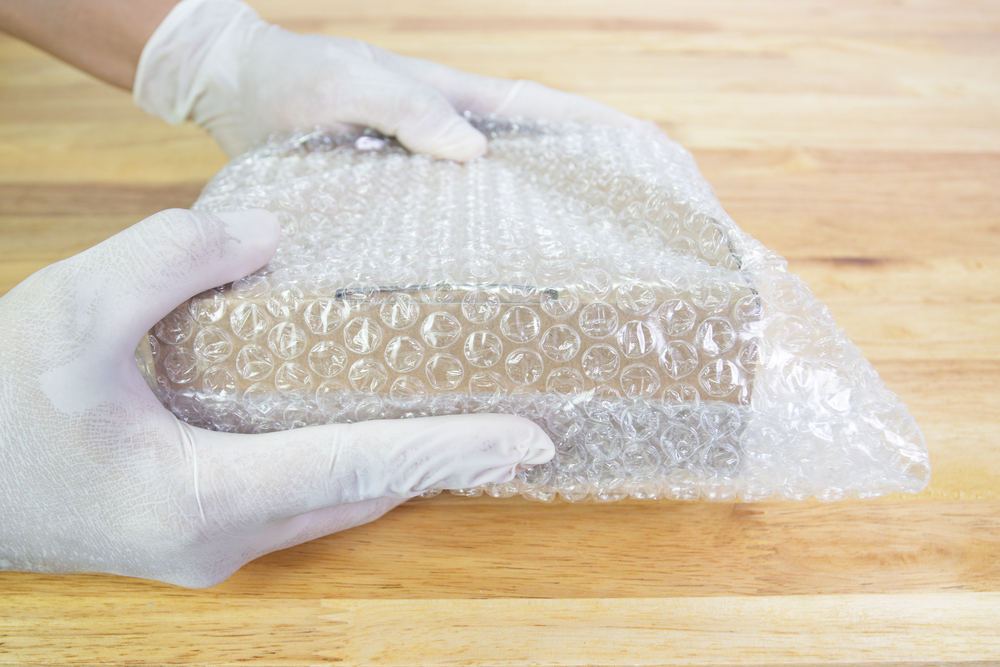
Alfred Fielding and Marc Chavannes were trying to create textured wallpaper in 1957 by sealing two shower curtains together. The result looked nothing like wallpaper, but the trapped air bubbles created excellent packaging material. IBM became their first major customer, using Bubble Wrap to protect their computers during shipping, and the accidental inventors built a packaging empire worth hundreds of millions.
Corn Flakes

Dr. John Harvey Kellogg left cooked wheat sitting out too long at his health sanitarium, and when he tried to roll it into sheets, it flaked apart. Instead of throwing it away, he toasted the flakes and served them to patients. His brother Will Keith Kellogg saw the commercial potential and eventually bought out John’s share, creating the Kellogg Company that’s worth over $13 billion today.
Penicillin
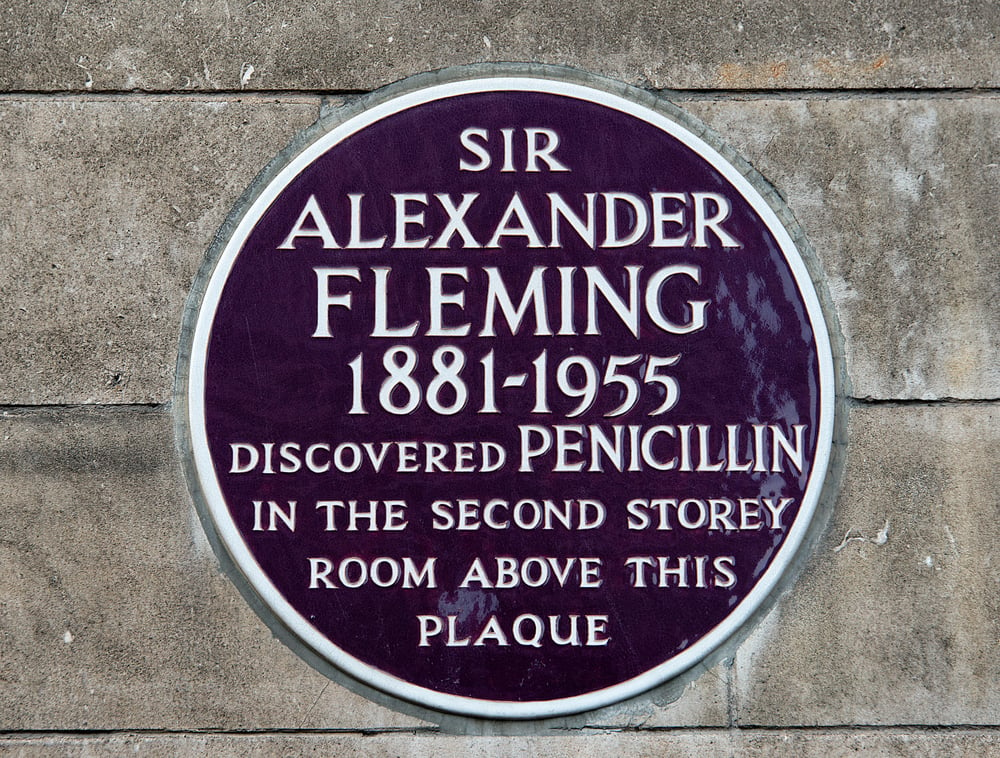
Alexander Fleming went on vacation in 1928 and left bacterial cultures on his lab bench. When he returned, he noticed that mold had contaminated one culture and killed the surrounding bacteria. This accidental discovery of penicillin revolutionized medicine and made Fleming wealthy beyond his wildest dreams. The antibiotic has saved countless lives and generated billions in pharmaceutical revenue.
Slinky

Navy engineer Richard James was working on springs to stabilize ship equipment when he accidentally knocked one off his desk. Instead of falling straight down, the spring ‘walked’ down some books and onto the floor. James realized he’d discovered a perfect toy, and with his wife Betty, created the Slinky company that has sold over 350 million units worldwide.
Play-Doh

Noah McVicker created a wallpaper cleaner for his family’s soap company in the 1930s. When his sister-in-law, a kindergarten teacher, started using the non-staining putty as modeling clay for her students, McVicker realized he had something bigger than cleaning supplies. The accidental toy became a childhood staple, generating over $500 million in sales.
Viagra
— Photo by spflaum
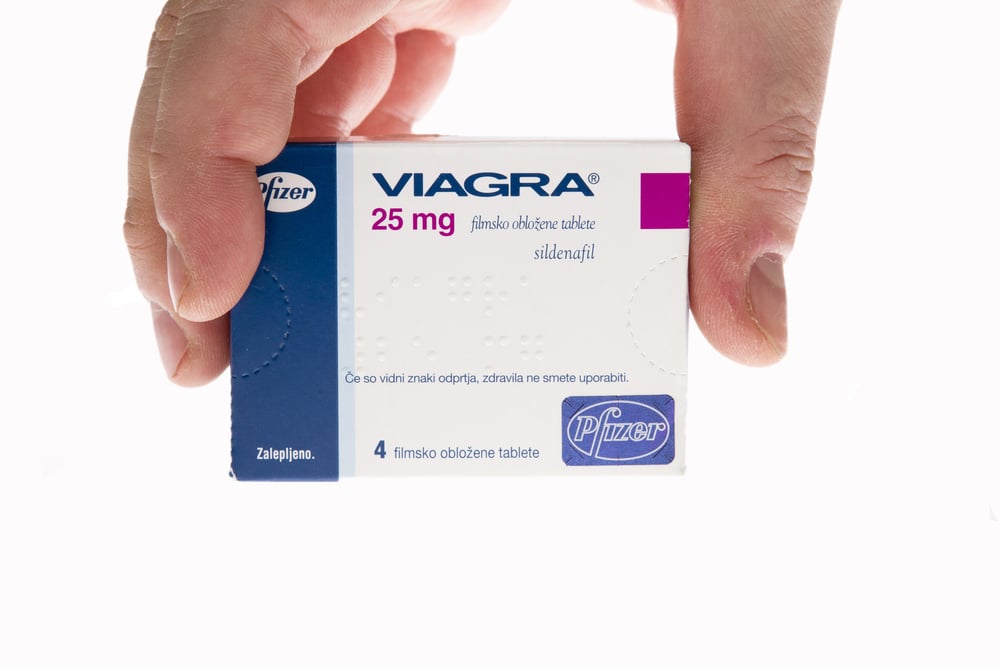
Pfizer researchers were testing a heart medication called sildenafil when they noticed an unexpected side effect in male patients. The drug failed as a heart treatment but succeeded spectacularly for a completely different purpose. Viagra became one of the most profitable pharmaceuticals ever, earning Pfizer over $15 billion in revenue and making its researchers very wealthy.
Silly Putty
— Illustration by homank76
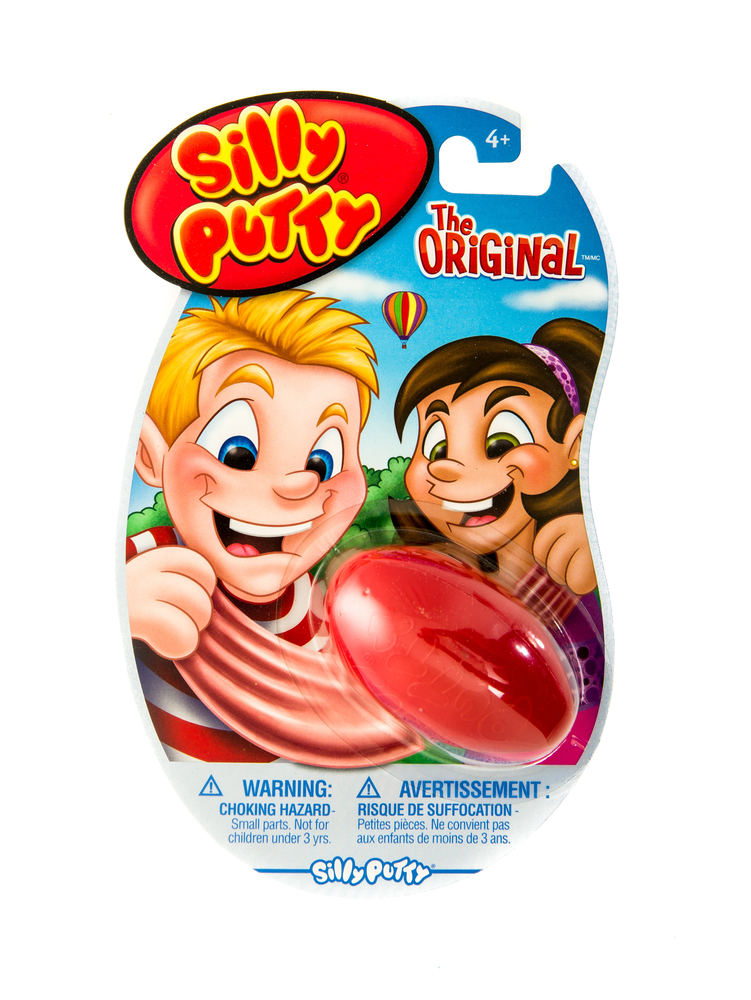
During World War II, engineer James Wright was trying to create synthetic rubber for the war effort. His experiments with boric acid and silicone oil produced a bouncy, stretchy substance that seemed useless for military purposes. A toy store owner named Paul Hodgson saw the potential and bought the rights, turning the failed rubber substitute into a $6 million annual business.
Wheaties
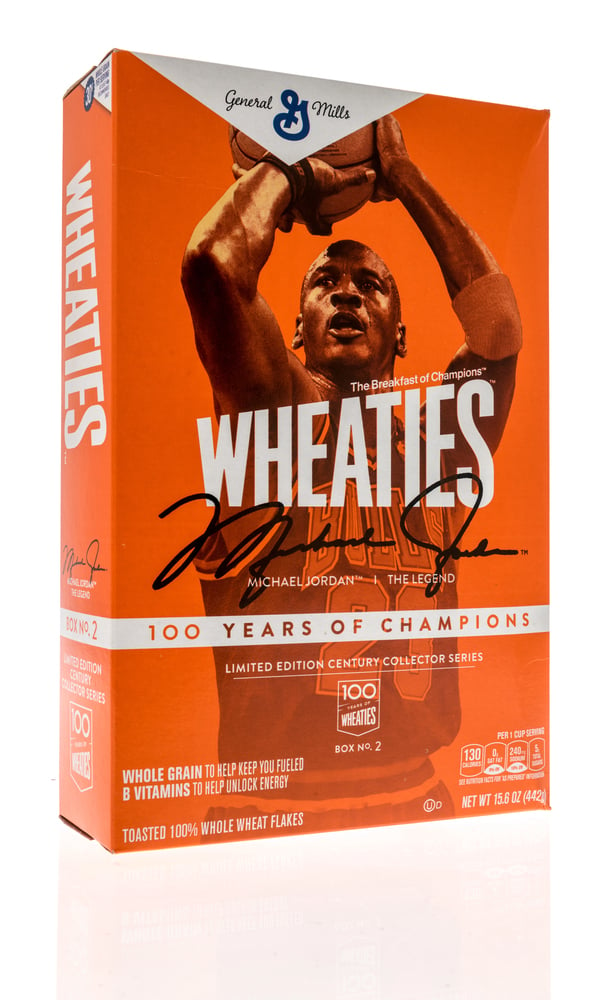
— Photo by homank76
A health clinician in Minneapolis accidentally spilled wheat bran mixture on a hot stove in 1922. The bran formed flakes that tasted surprisingly good when he added milk and sugar. General Mills bought the recipe and created Wheaties, ‘The Breakfast of Champions,’ which has generated hundreds of millions in revenue over nearly a century.
Coca-Cola
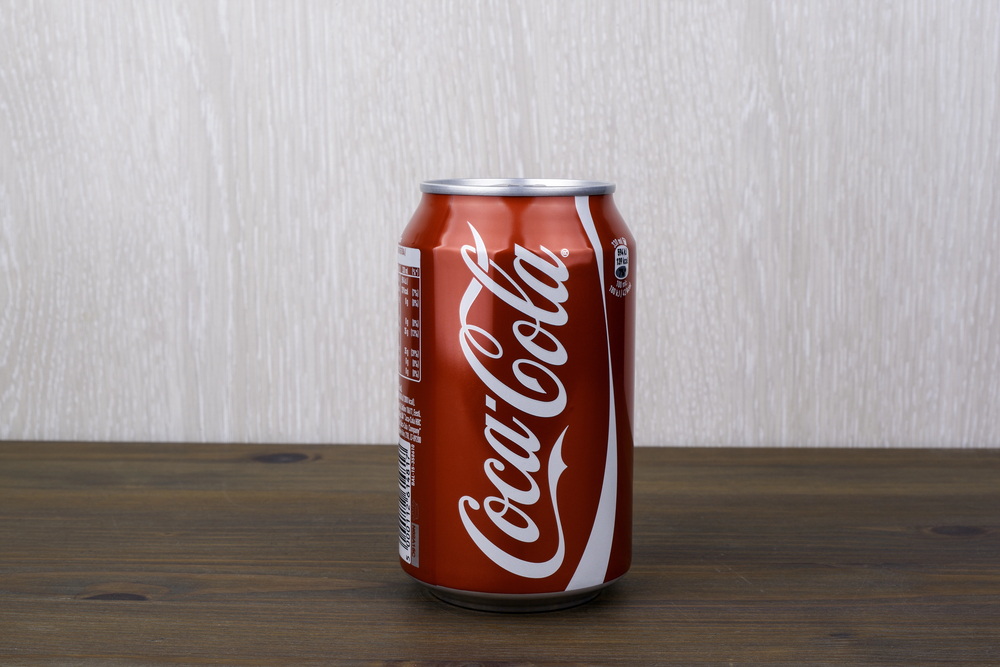
— Photo by tumsasedgars
Pharmacist John Stith Pemberton was trying to create a headache remedy in 1886 when he mixed together various ingredients including coca leaves and kola nuts. His assistant accidentally added carbonated water instead of regular water, creating the world’s most famous soft drink. Pemberton sold the formula shortly before his death, but Coca-Cola became worth over $240 billion.
Saccharin
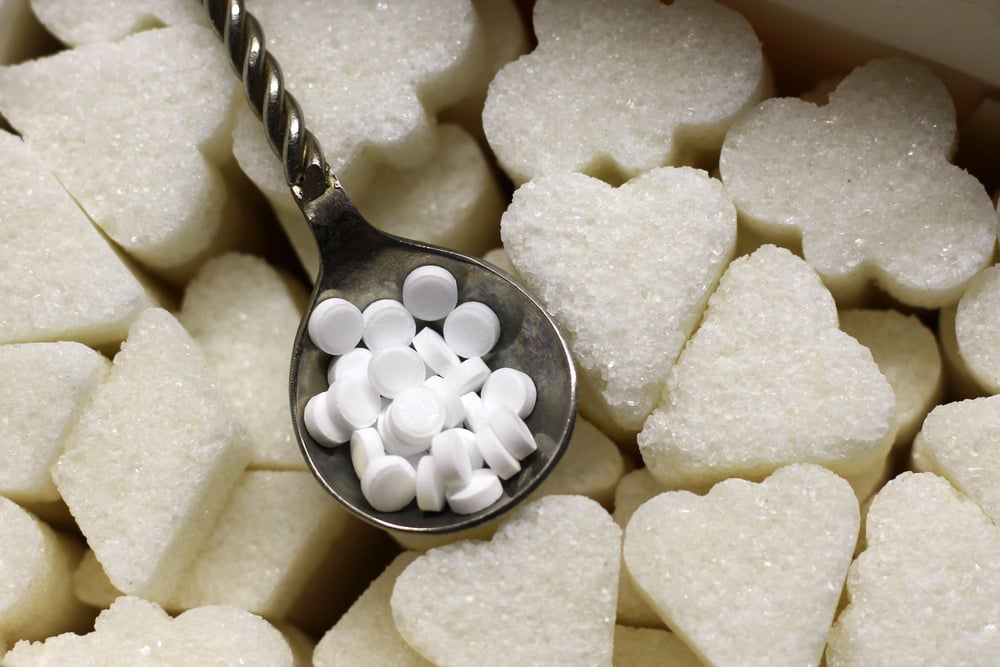
Chemist Constantin Fahlberg was working on coal tar derivatives in 1879 when he forgot to wash his hands before dinner. He noticed his bread tasted unusually sweet and traced it back to a compound he’d been handling. This accidental discovery of artificial sweetener made Fahlberg wealthy and launched the diet food industry worth billions today.
Velcro

Swiss engineer Georges de Mestral was removing burrs from his dog’s fur after a walk in 1941 when he examined them under a microscope. He noticed the burrs had tiny hooks that caught on fabric loops, inspiring him to create a two-part fastening system. Velcro became essential for everything from shoes to space suits, making de Mestral extremely wealthy.
Teflon
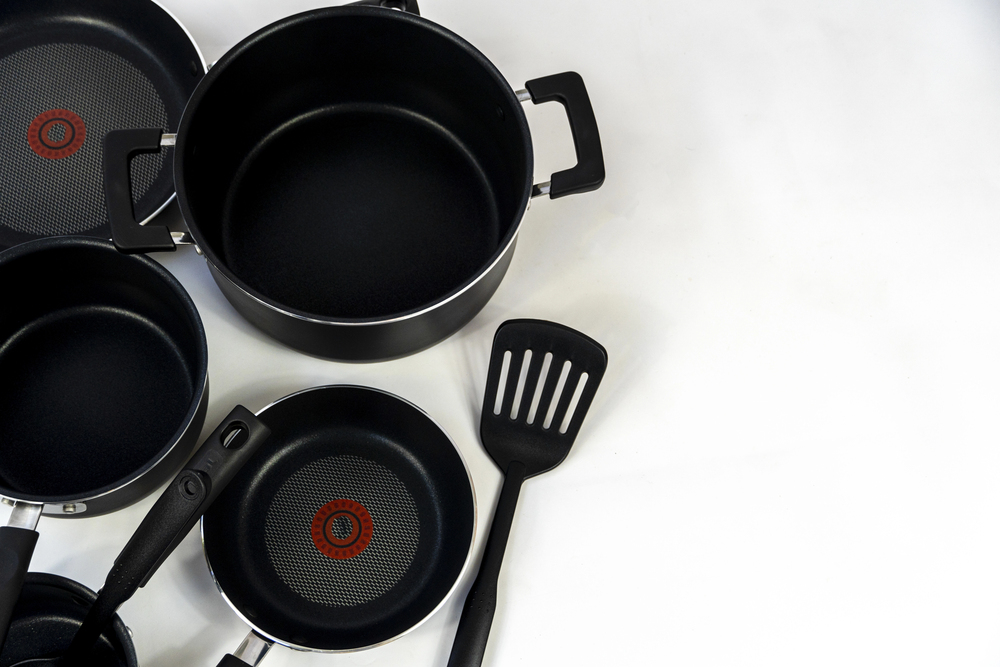
DuPont chemist Roy Plunkett was trying to create new refrigerants in 1938 when pressurized gas in his test tube polymerized into a white, waxy substance. The slippery material seemed useless until someone realized it would make perfect non-stick cookware. Teflon revolutionized cooking and manufacturing, generating billions in revenue for DuPont.
Super Glue
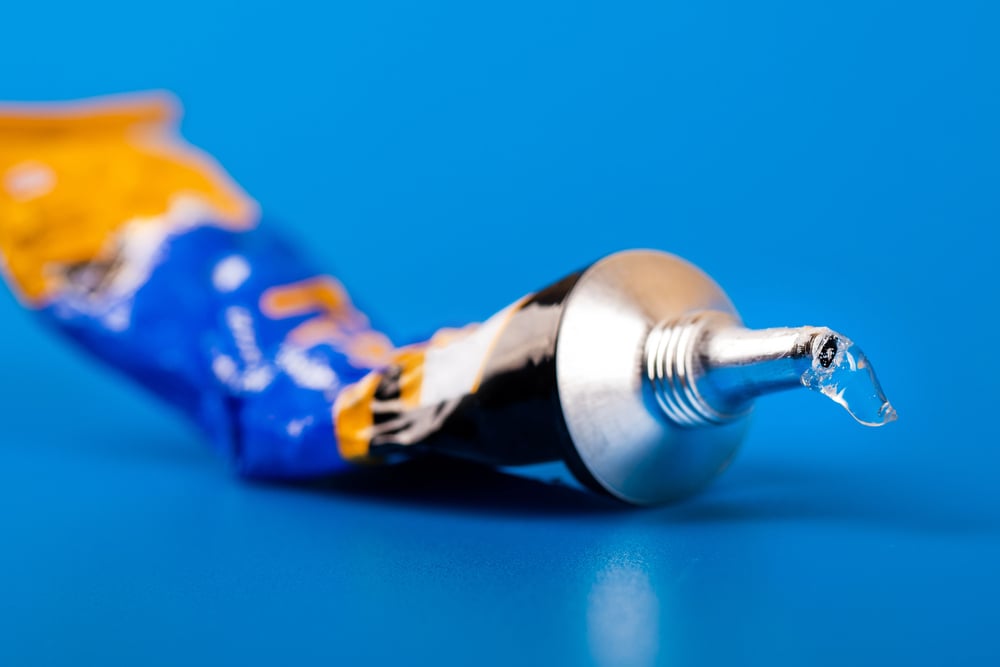
Harry Coover was trying to create clear plastic gun sights during World War II when he accidentally created an incredibly strong adhesive. He initially rejected the substance as too sticky, but later realized its potential as an instant adhesive. Super Glue became a household essential, making Coover wealthy and earning him a place in the Inventors Hall of Fame.
Microwave Ovens
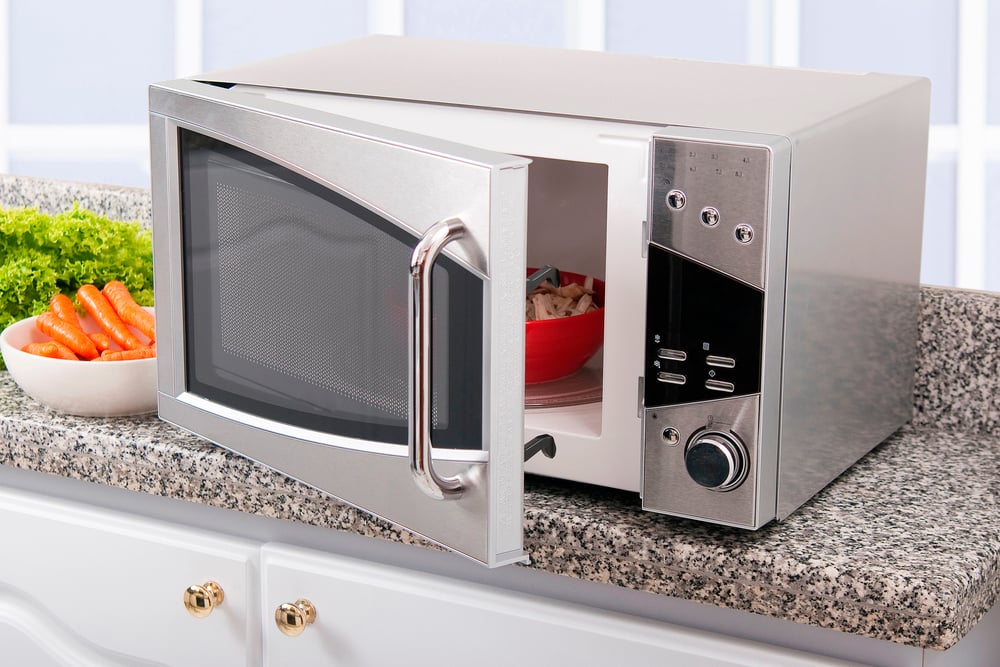
Percy Spencer was working on radar equipment at Raytheon when he noticed the chocolate bar in his pocket had melted near the magnetron. He tested the phenomenon with popcorn and an egg, both of which cooked rapidly. Spencer’s accidental discovery led to the microwave oven, revolutionizing cooking and making him a millionaire.
Potato Chips

Chef George Crum was annoyed by a customer’s complaint that his fried potatoes were too thick and soggy. In 1853, he sliced potatoes paper-thin and fried them to a crisp, intending to frustrate the customer. Instead, the customer loved them, and Crum’s spite-driven creation became the foundation of the multi-billion-dollar snack food industry.
Pacemakers
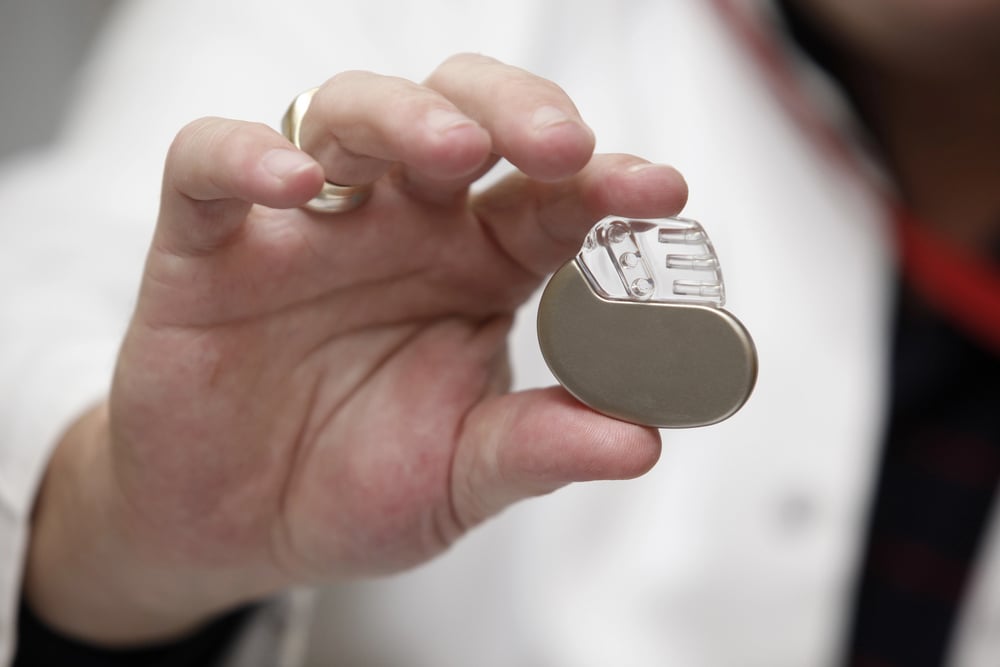
Engineer Wilson Greatbatch was building a heart rhythm recording device when he grabbed the wrong resistor from his toolbox. The circuit produced electrical pulses that mimicked a heartbeat instead of recording one. Greatbatch realized he’d accidentally created an artificial pacemaker, and his mistake has saved millions of lives while making him wealthy.
Matches

John Walker was stirring a pot of chemicals with a wooden stick in 1826 when dried chemicals on the stick caught fire after he scraped it against the floor. This accidental friction ignition inspired him to create the first friction matches. Walker’s simple discovery revolutionized fire-starting and created an industry worth hundreds of millions.
From Laboratory Accidents to Lasting Legacies

These accidental discoveries remind us that innovation often comes from the most unexpected places. While modern entrepreneurs spend fortunes on research and development, some of history’s most profitable products emerged from simple mistakes, forgotten experiments, and moments of pure serendipity. The key difference between a costly accident and a million-dollar opportunity often lies in recognizing potential where others see only problems. Next time something goes wrong in your work or daily life, take a closer look—you might just be holding the next accidental goldmine.
More from Go2Tutors!

- 16 Historical Figures Who Were Nothing Like You Think
- 12 Things Sold in the 80s That Are Now Illegal
- 15 VHS Tapes That Could Be Worth Thousands
- 17 Historical “What Ifs” That Would Have Changed Everything
- 18 TV Shows That Vanished Without a Finale
Like Go2Tutors’s content? Follow us on MSN.