16 Celebs Who Changed Oscar History
The Academy Awards have always been more than just a glitzy ceremony. They’re a reflection of Hollywood’s evolution, cultural shifts, and the powerful moments that define entire generations. Some celebrities didn’t just win awards—they transformed the very nature of what the Oscars represent and how the world views them.
Here is a list of 16 celebrities who changed Oscar history through their groundbreaking wins, memorable speeches, and unforgettable moments.
Hattie McDaniel
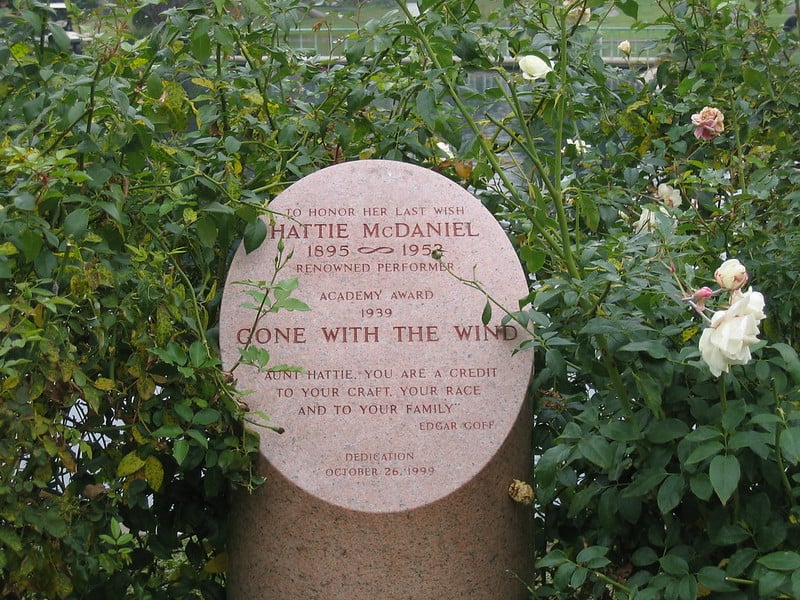
Hattie McDaniel broke the color barrier at the 1940 Academy Awards when she became the first African American to win an Oscar for her role in ‘Gone with the Wind.’ The ceremony forced her to sit at a segregated table—yet her victory opened doors that had been locked shut for generations of Black performers. McDaniel’s win represented both triumph and tragedy, serving as a stark reminder of the racial inequalities that plagued Hollywood for decades to come.
Sacheen Littlefeather
In 1973, Sacheen Littlefeather took the stage in place of Marlon Brando to decline his Best Actor award for ‘The Godfather.’ She used those precious moments to protest Hollywood’s treatment of Native Americans—delivering a speech that lasted just over a minute yet resonated for decades. Her appearance marked the first time someone refused an Oscar on political grounds, transforming the ceremony into a platform for social activism.
Sidney Poitier
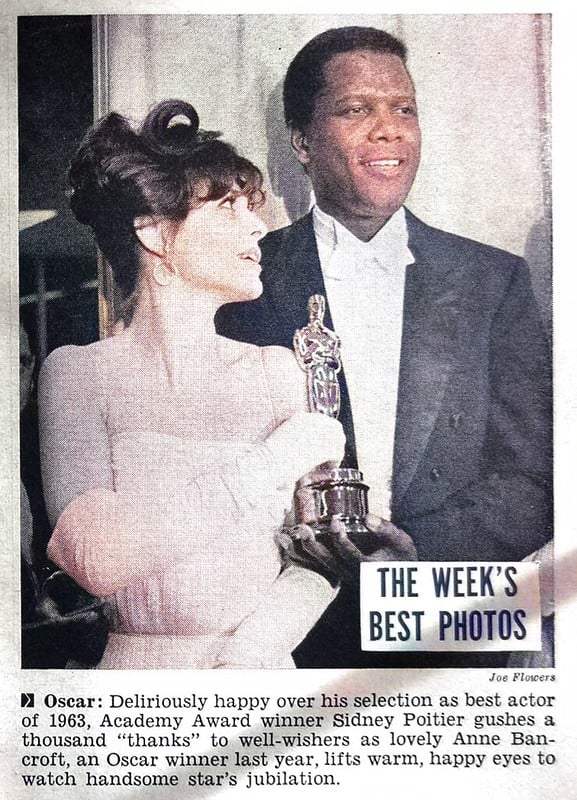
Sidney Poitier’s 1964 Best Actor win for ‘Lilies of the Field’ made him the first Black man to receive the award in a leading role category. His victory came during the height of the Civil Rights Movement—making it a symbol of progress in both Hollywood and American society. Poitier’s elegant acceptance speech and dignified presence helped pave the way for greater representation in the film industry.
Marlon Brando
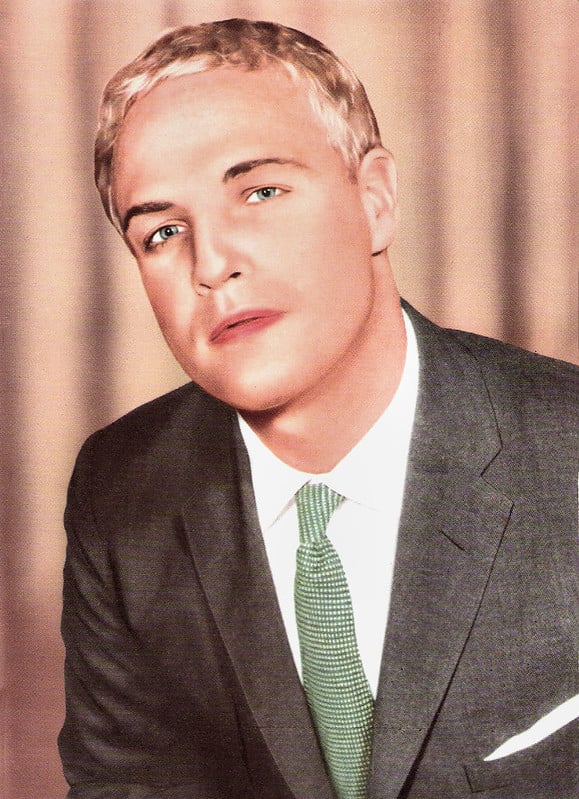
Marlon Brando didn’t just win Oscars—he redefined what it meant to be a movie star and how actors could use their platform. His refusal to accept the 1973 Best Actor award through Sacheen Littlefeather created one of the most controversial moments in Oscar history. Brando’s actions showed that celebrities could use the ceremony to make political statements—setting a precedent that continues today.
Katharine Hepburn
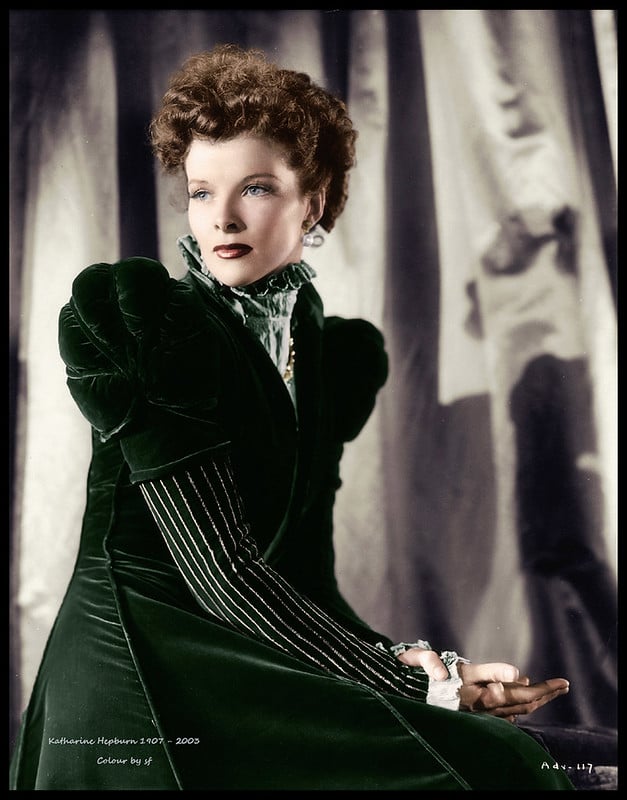
Katharine Hepburn holds the record for most Best Actress wins with four Oscars, though her impact goes way beyond the numbers. She famously never attended the ceremony—calling it ‘a beauty contest’ and preferring to let her work speak for itself. Hepburn’s rebellious attitude toward Hollywood glamour and her refusal to play by traditional rules helped establish the idea that talent matters more than conformity.
Roberto Benigni
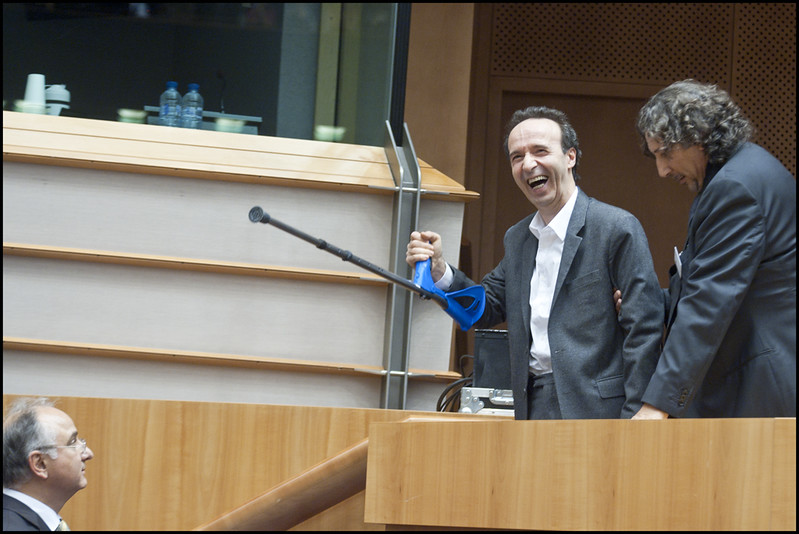
Roberto Benigni’s exuberant celebration after winning Best Actor for ‘Life is Beautiful’ in 1999 became one of the most joyful moments in Oscar history. He climbed over seats to reach the stage—bringing an infectious energy that reminded everyone why people love movies in the first place. Benigni’s uninhibited reaction broke the stuffy formality of the ceremony while showing that genuine emotion could be more powerful than prepared speeches.
Jack Palance
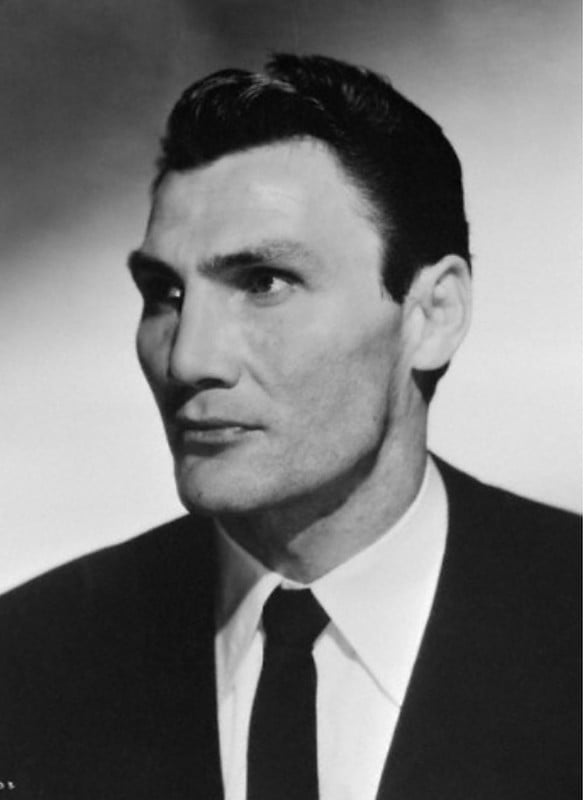
Jack Palance’s 1992 Best Supporting Actor win for ‘City Slickers’ became legendary not for his speech, but for his impromptu one-handed push-ups on stage. The 73-year-old actor’s display of strength became an instant classic—proving that spontaneous moments often overshadow scripted presentations. Palance’s push-ups are still referenced today as one of the most memorable Oscar moments ever.
Gwyneth Paltrow
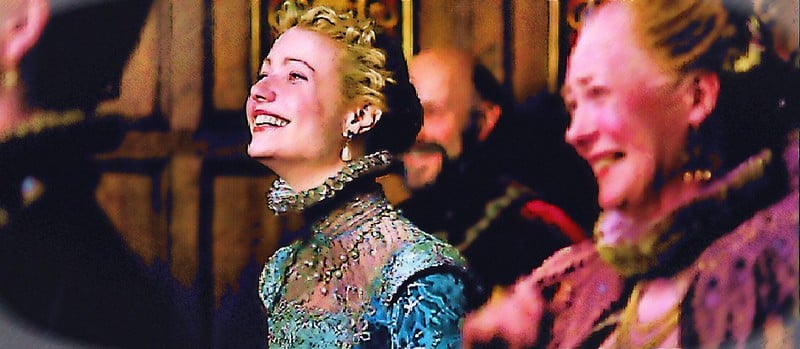
Gwyneth Paltrow’s tearful acceptance speech for ‘Shakespeare in Love’ in 1999 became the template for emotional Oscar moments. Her heartfelt thanks to everyone from her agent to her kindergarten teacher sparked both praise and parody. Paltrow’s speech showed how genuine emotion could connect with audiences—though it also demonstrated how quickly sincerity can become a cultural talking point.
Cuba Gooding Jr.
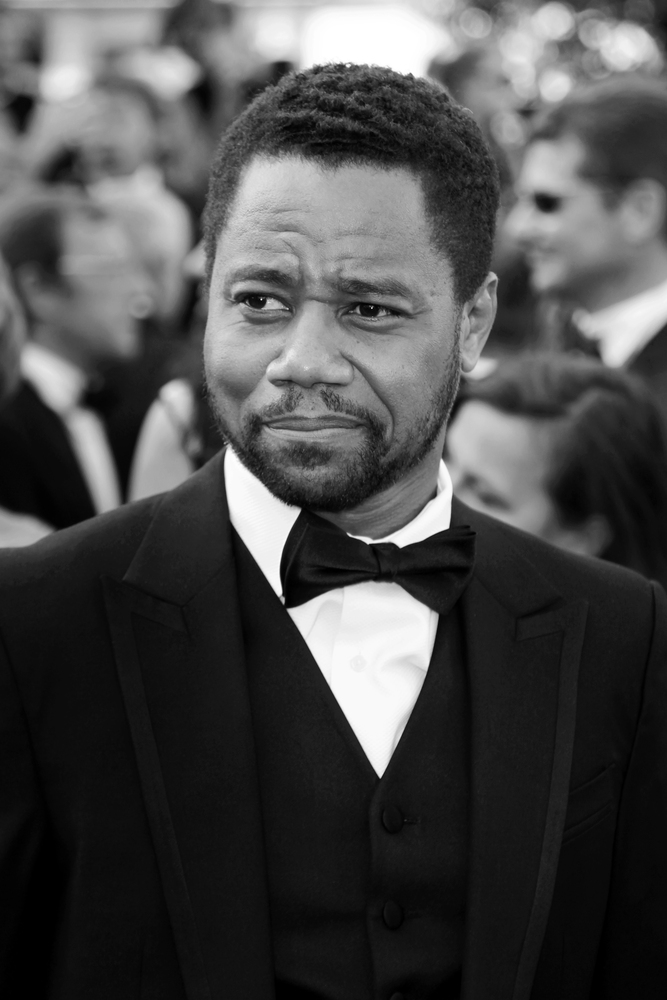
Cuba Gooding Jr.’s energetic 1997 Best Supporting Actor win for his role in a major sports drama brought pure joy to the Oscar stage. His enthusiastic speech, complete with jumping and air punches, lasted well beyond the time limit—but nobody seemed to mind one bit. Gooding Jr.’s celebration reminded everyone that winning an Oscar should be fun, not just a formal acknowledgment of craft.
Angelina Jolie
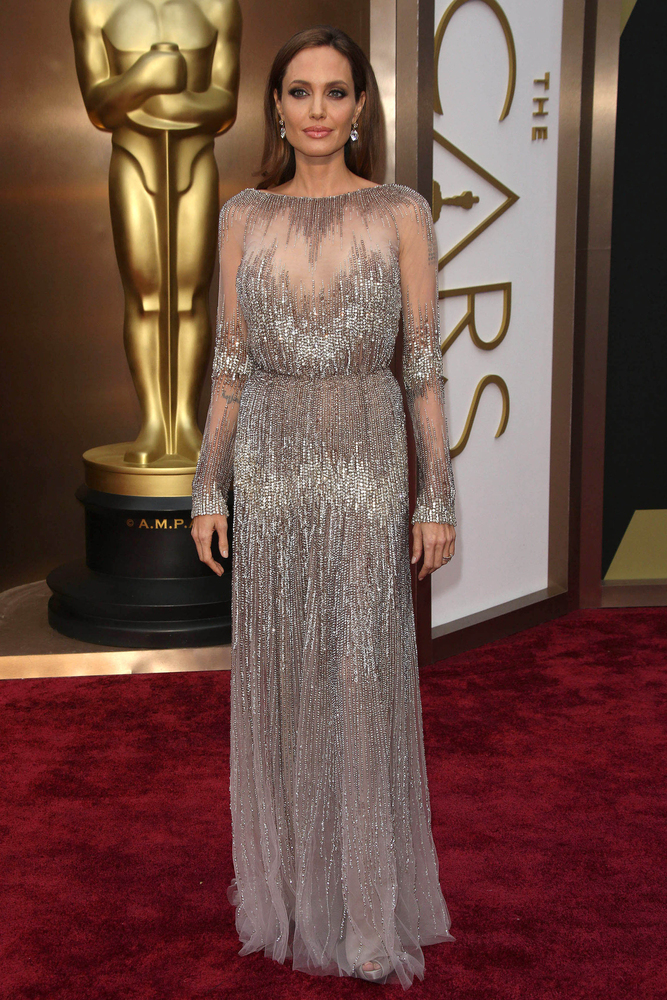
— Photo by s_bukley
Angelina Jolie’s 2000 Best Supporting Actress win for ‘Girl, Interrupted’ became infamous for her passionate kiss with her brother and her emotional speech about her father. The moment sparked conversations about family dynamics and authenticity in Hollywood. Jolie’s unfiltered reaction showed that Oscar moments could be deeply personal—even when they made audiences uncomfortable.
Michael Moore
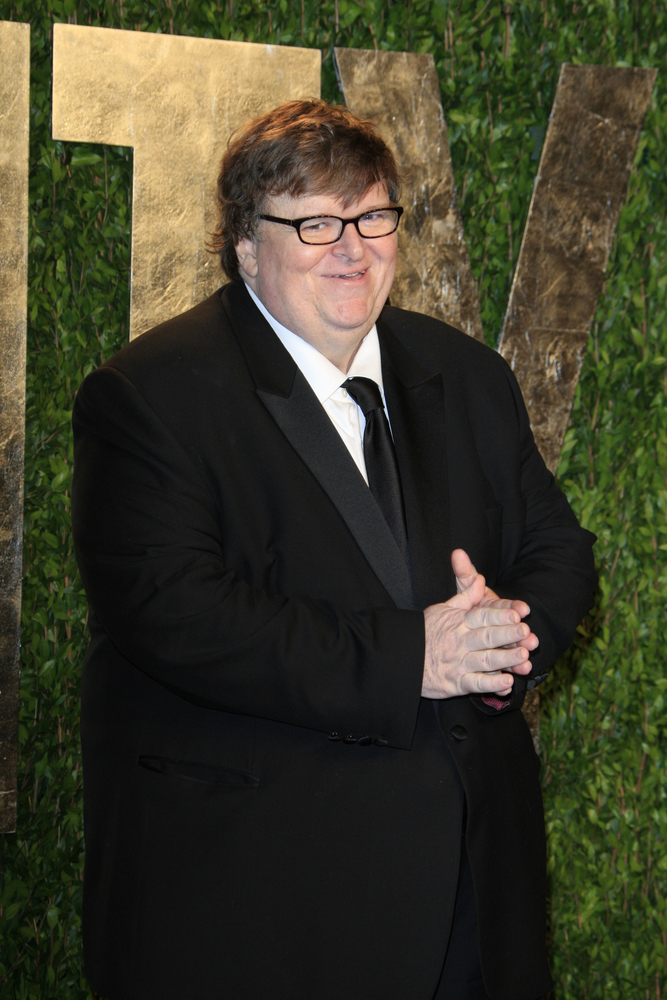
— Photo by Jean_Nelson
Michael Moore’s 2003 Best Documentary Feature win for ‘Bowling for Columbine’ resulted in one of the most politically charged speeches in Oscar history. His criticism of the Iraq War plus President Bush drew both boos and applause from the audience. Moore’s speech demonstrated how documentary filmmakers could use their platform to challenge political decisions, transforming the Oscars into a venue for dissent.
Adrien Brody
— Illustration by Jean_Nelson
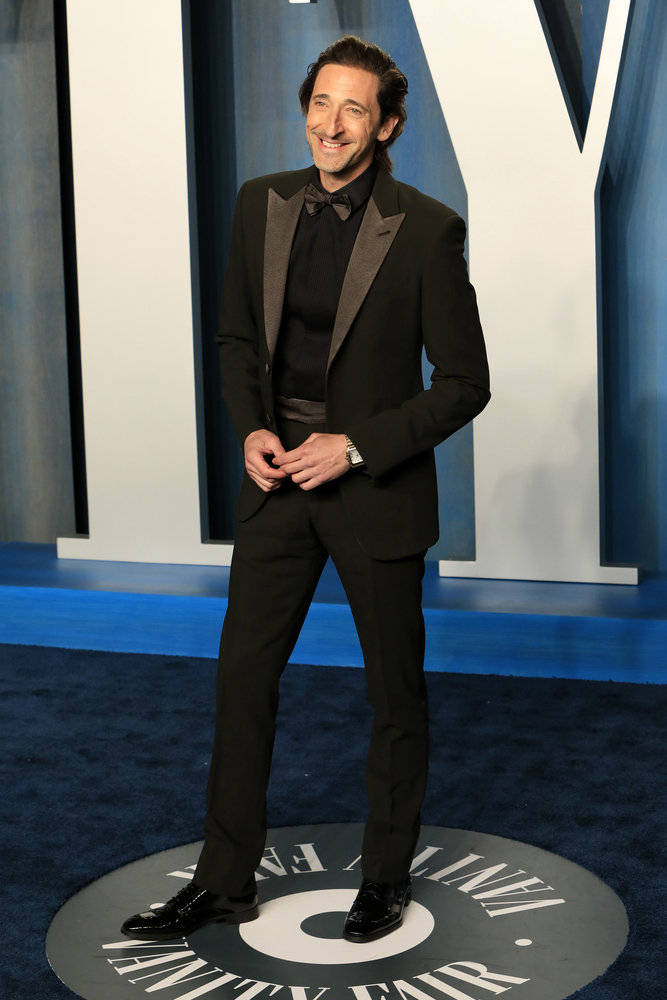
Adrien Brody surprised everyone at the 2003 ceremony by passionately kissing presenter Halle Berry after winning Best Actor for ‘The Pianist.’ His spontaneous reaction combined with his emotional speech about the importance of art during wartime created a memorable moment. Brody’s win, at age 29, also made him the youngest Best Actor winner in history while proving that Oscar glory could come at any age.
Sally Field
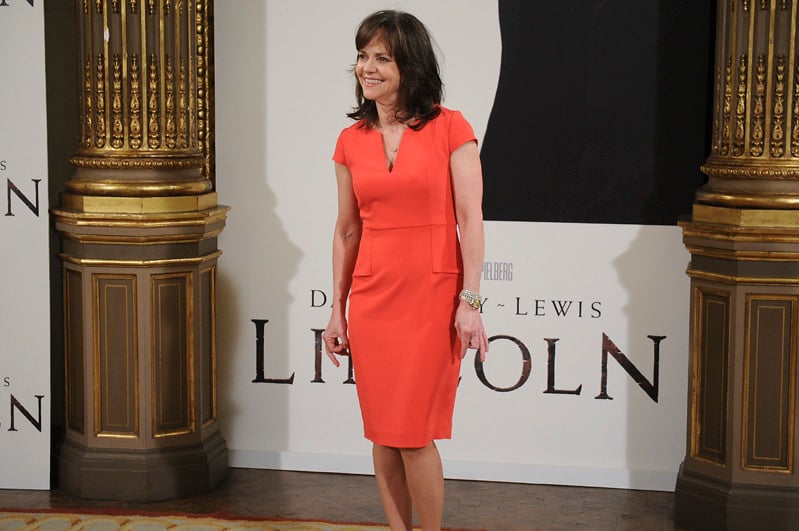
Sally Field’s 1985 Best Actress win for ‘Places in the Heart’ produced one of the most quoted Oscar speeches ever: ‘You like me, right now, you like me!’ Her emotional declaration of acceptance resonated with audiences who understood the vulnerability of seeking approval from peers. Field’s speech became a cultural touchstone, referenced in everything from comedy sketches to serious discussions about self-worth throughout the decades.
Cher
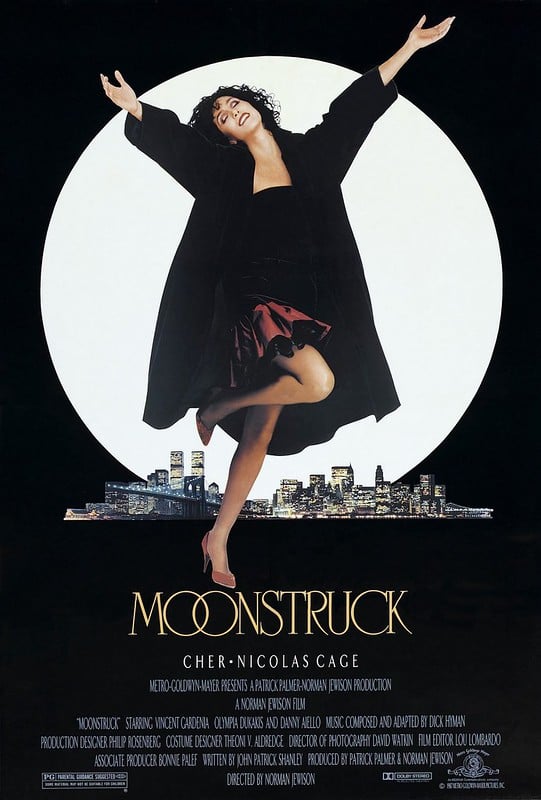
Cher’s 1988 Best Actress win for ‘Moonstruck’ was as much about her journey as an entertainer as it was about her performance. Her acceptance speech was gracious yet surprised, reflecting her genuine disbelief at being recognized by her peers. Cher’s win proved that performers could successfully transition between different entertainment mediums while still earning respect from the film industry establishment.
Julia Roberts
— Photo by Jean_Nelson
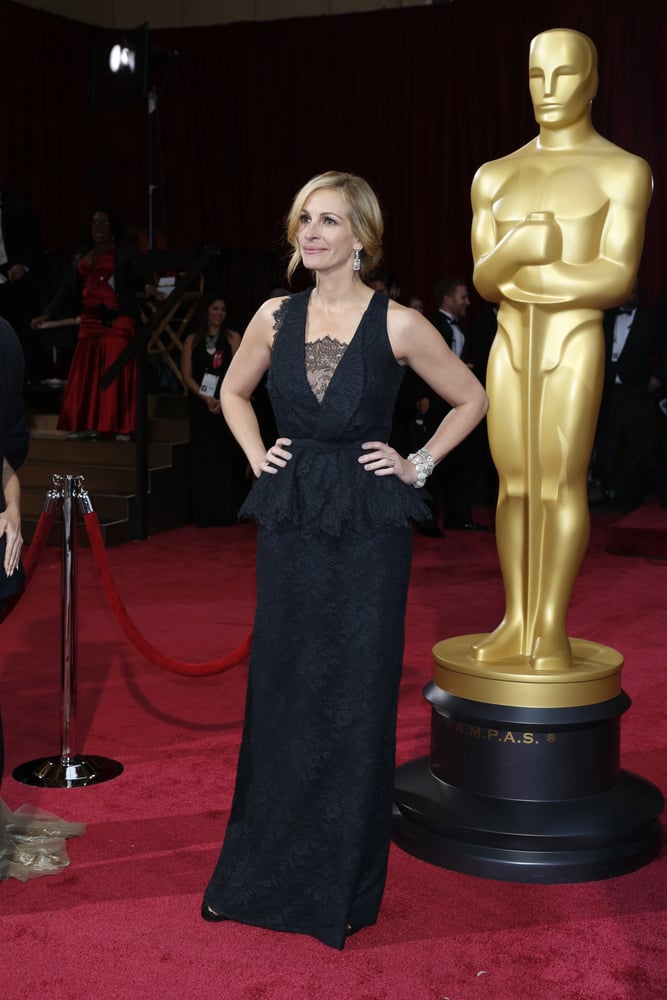
Julia Roberts’ 2001 Best Actress win for ‘Erin Brockovich’ featured a speech that ran well over the time limit, though her infectious smile plus genuine gratitude made it impossible to cut off. Her rambling, heartfelt thanks to everyone in her life showed the human side of stardom that audiences rarely glimpse. Roberts’ speech demonstrated that authenticity could be more engaging than polished presentations, no matter how well-rehearsed.
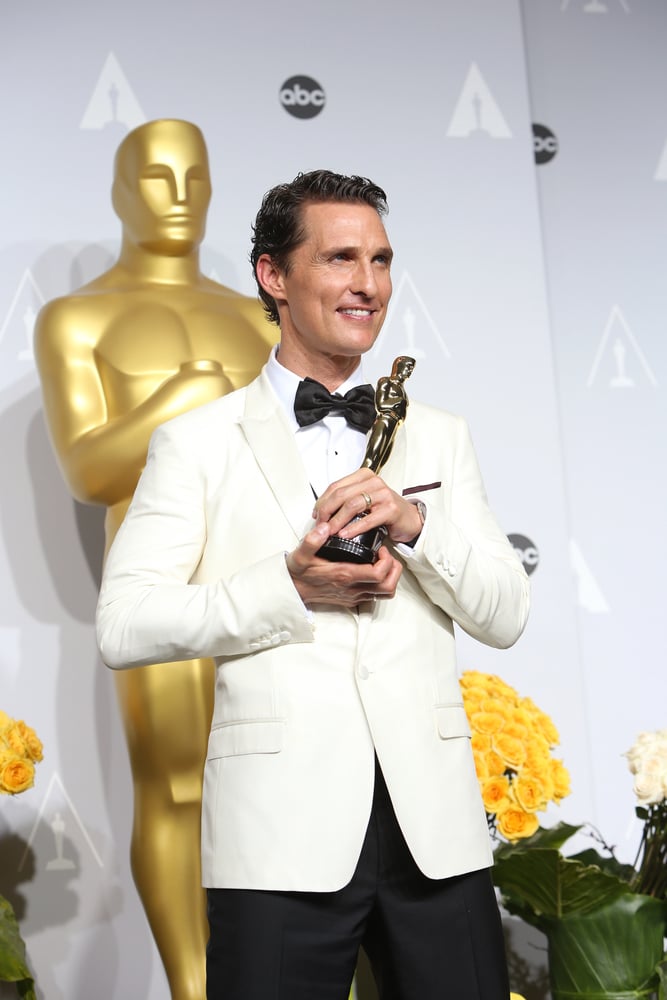
Matthew McConaughey
— Photo by Jean_Nelson
Matthew McConaughey’s 2014 Best Actor win for ‘Dallas Buyers Club’ featured a philosophical speech about his hero being himself in ten years. His unique perspective on success plus self-improvement resonated with audiences beyond the film industry. McConaughey’s speech showed how Oscar moments could inspire personal reflection while becoming a motivational touchstone for countless people seeking their own path forward.
When Stars Align with History
— Photo by PopularImages
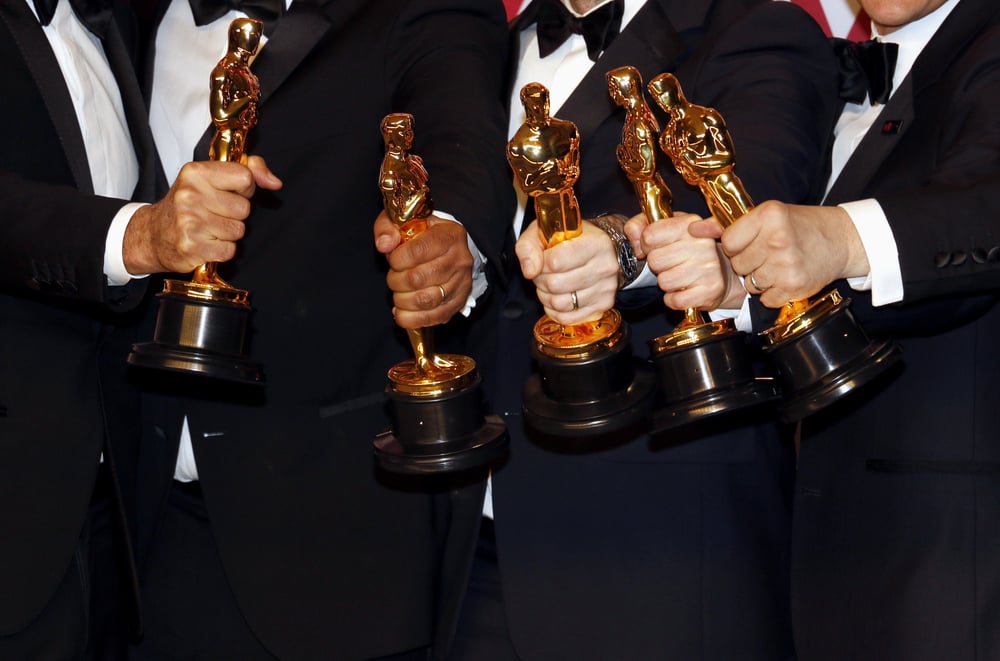
These celebrities didn’t just win awards—they created moments that transcended the ceremony itself while becoming part of our cultural conversation. Their speeches, reactions, plus choices demonstrated that the Oscars could be a platform for social change, personal expression, and genuine human connection. Each of these moments reminds us that behind the glamour and politics, the Academy Awards are ultimately about celebrating the power of storytelling and the people who bring those stories to life. The most memorable Oscar moments happen when celebrities choose authenticity over perfection, creating a lasting impact that extends far beyond a single night in Hollywood’s biggest theater.
More from Go2Tutors!

- 16 Historical Figures Who Were Nothing Like You Think
- 12 Things Sold in the 80s That Are Now Illegal
- 15 VHS Tapes That Could Be Worth Thousands
- 17 Historical “What Ifs” That Would Have Changed Everything
- 18 TV Shows That Vanished Without a Finale
Like Go2Tutors’s content? Follow us on MSN.