16 Key Moments In Self-Driving Car History
Cars that drive themselves seemed impossible just a few decades ago. Today you can call one with your phone in certain cities. Between those two points lies a century of experiments, crashes, breakthroughs, and the occasional moment of pure genius that nobody saw coming.
Here’s a list of 16 key moments that turned science fiction into your morning commute.
Francis Houdina’s Radio-Controlled Manhattan Drive
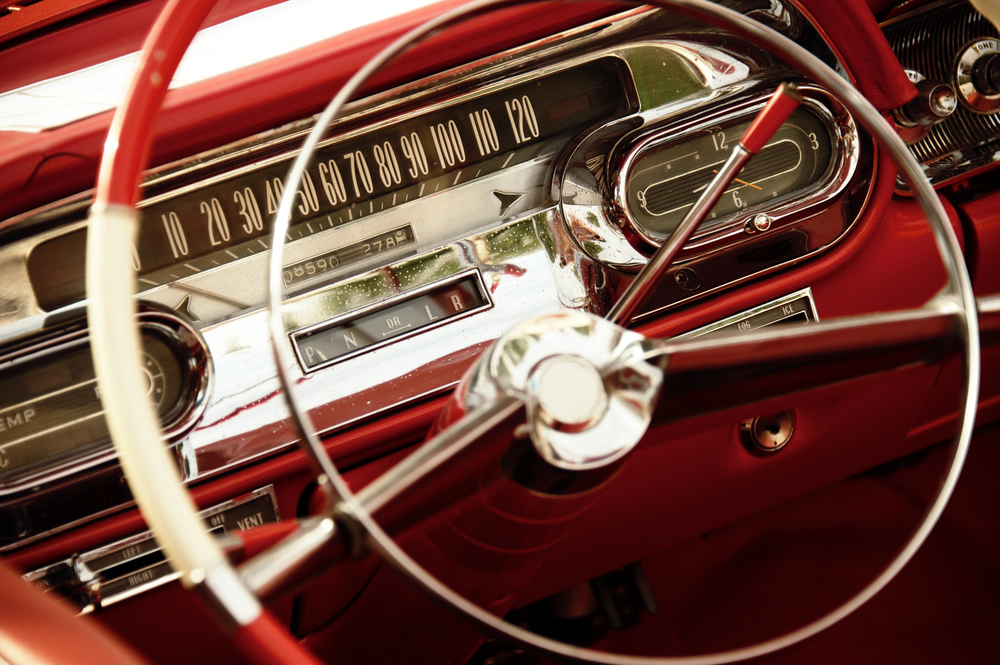
Francis Houdina freaked out New York City in 1925 when he sent a car down Broadway with nobody driving it. The thing started itself, shifted gears, and honked at people while controlled by radio waves.
Half the crowd probably thought they were watching black magic, which wasn’t far off considering the technology of the time.
Japan Creates the First Semi-Autonomous Vehicle
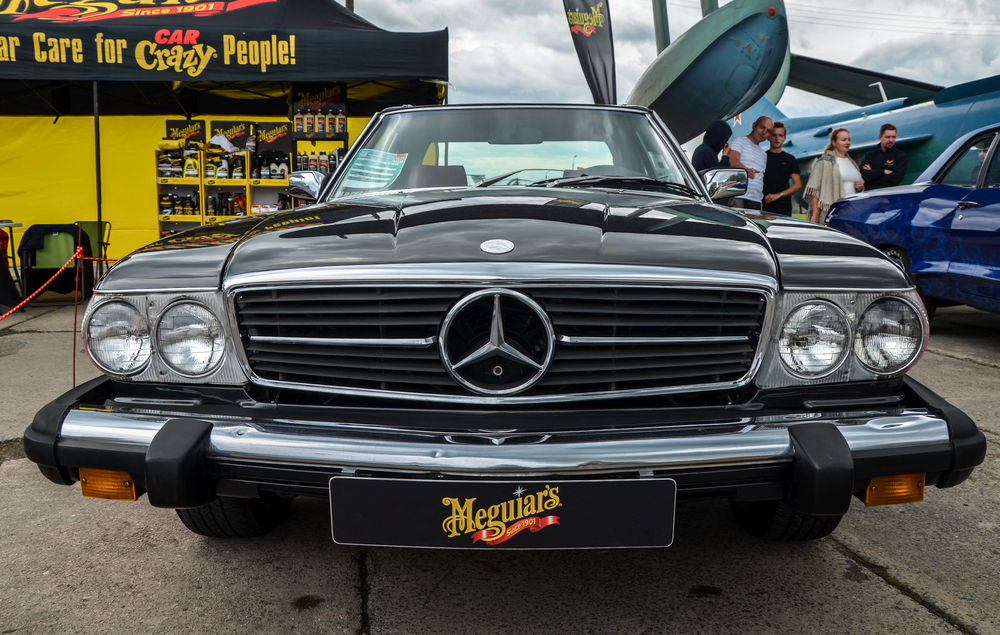
Engineers in Japan built something weird in 1977 – a car that could see the road and steer itself. It crawled along at 19 mph using cameras and computers that would seem laughably primitive today.
The car needed guide rails to keep from wandering off, but it proved that machines could actually navigate roads without human input.
Carnegie Mellon’s Coast-to-Coast Journey
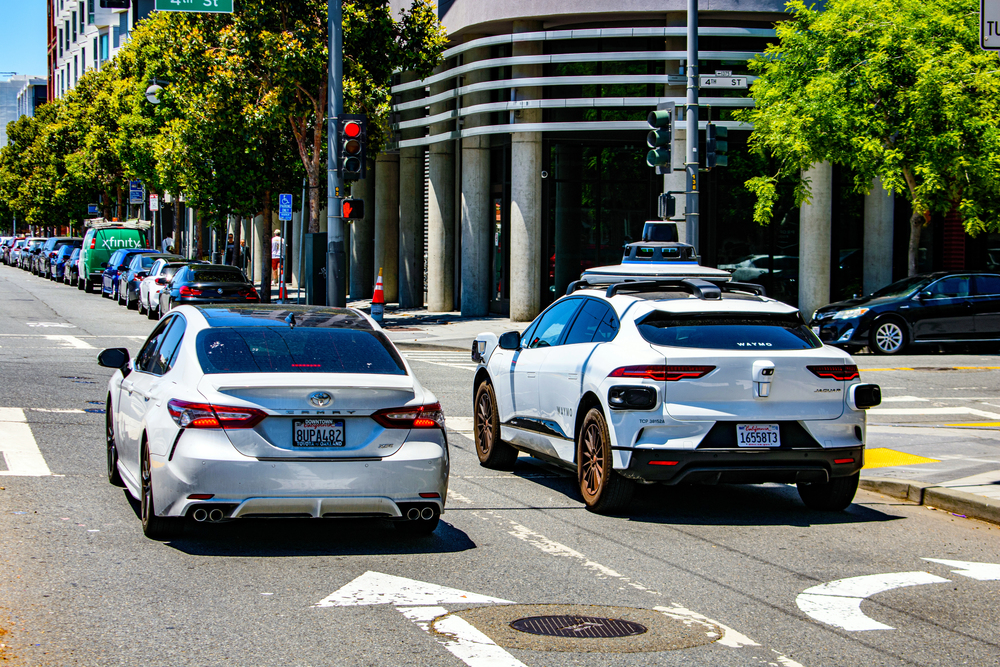
Some researchers at Carnegie Mellon decided to test their robot car the hard way in 1995. They drove it 2,800 miles from Pittsburgh to California with the computer handling 98% of the trip.
Most humans can’t stay focused for a cross-town drive, but this machine cruised highways for days without getting bored or needing bathroom breaks.
DARPA Launches the First Grand Challenge
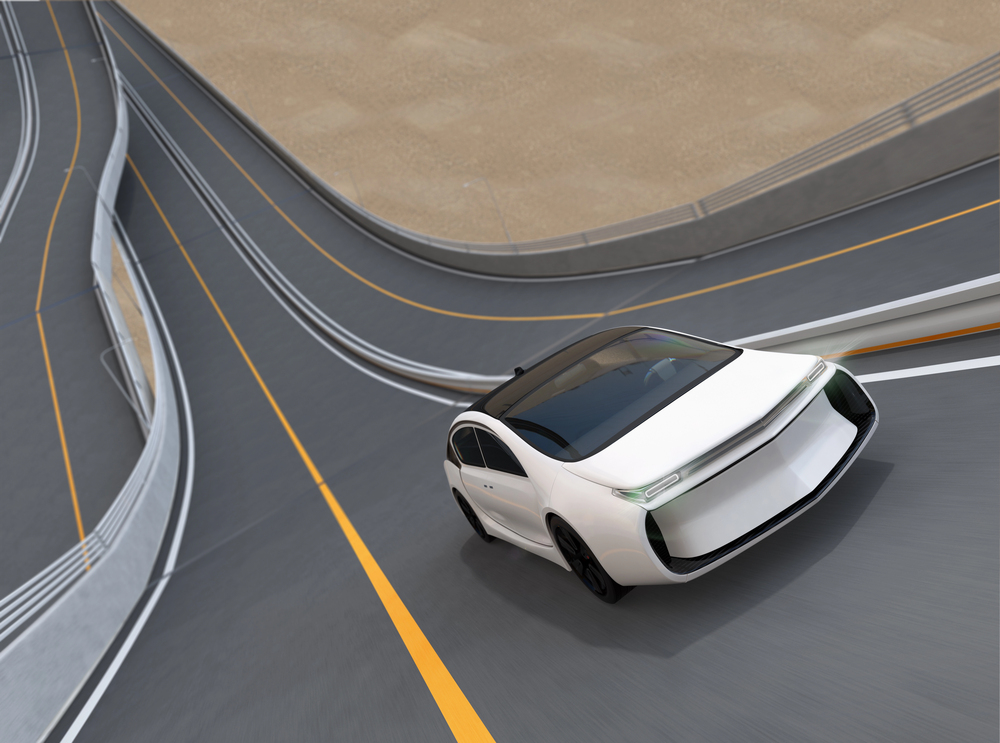
The Pentagon threw down a challenge in 2004 that seemed simple enough – build a robot car that could survive 150 miles of desert without dying. Every single team failed spectacularly.
The best entry made it less than 8 miles before giving up. But that embarrassing failure got every engineering department in America fired up to prove they could do better.
Stanford Wins the Second DARPA Challenge
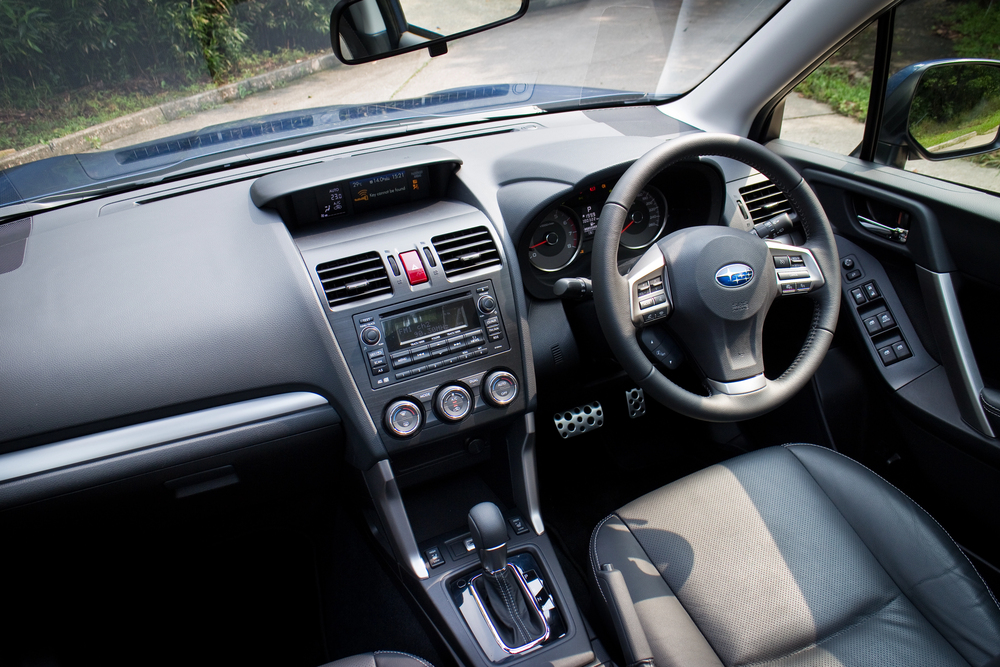
DARPA tried again in 2005 and this time people actually figured it out. Five teams finished the course, with Stanford taking the win.
David Hall showed up with a spinning laser thing called lidar that became the gold standard for robot vision. Sometimes the most important invention isn’t the one that wins the prize.
The Urban Challenge Tests City Driving
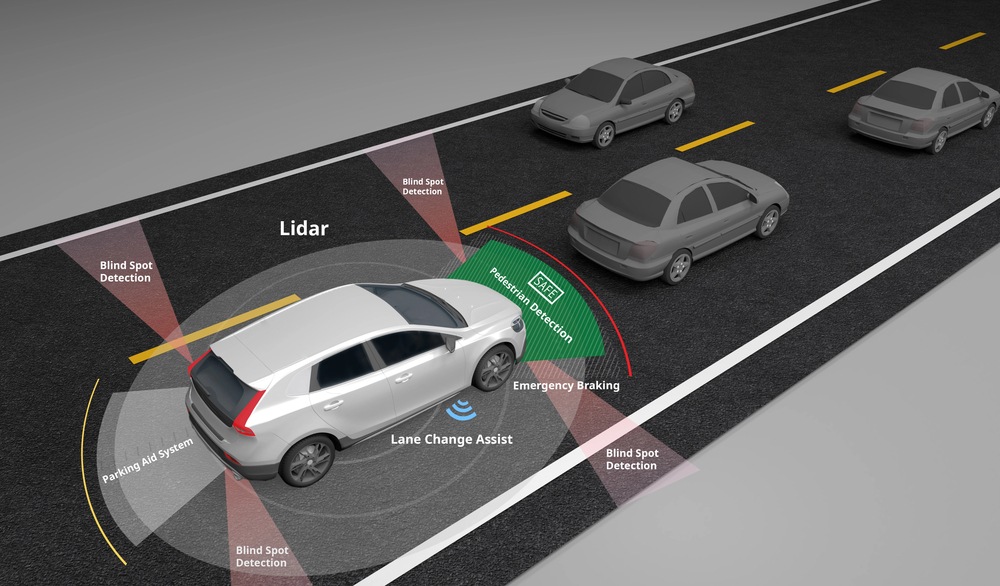
Desert racing got boring, so DARPA moved the competition to city streets in 2007. Carnegie Mellon’s modified Tahoe won by navigating traffic, stop signs, and all the chaos that comes with urban driving.
This proved autonomous cars could handle real-world situations, not just empty highways or carefully mapped courses.
Google Begins Secret Development
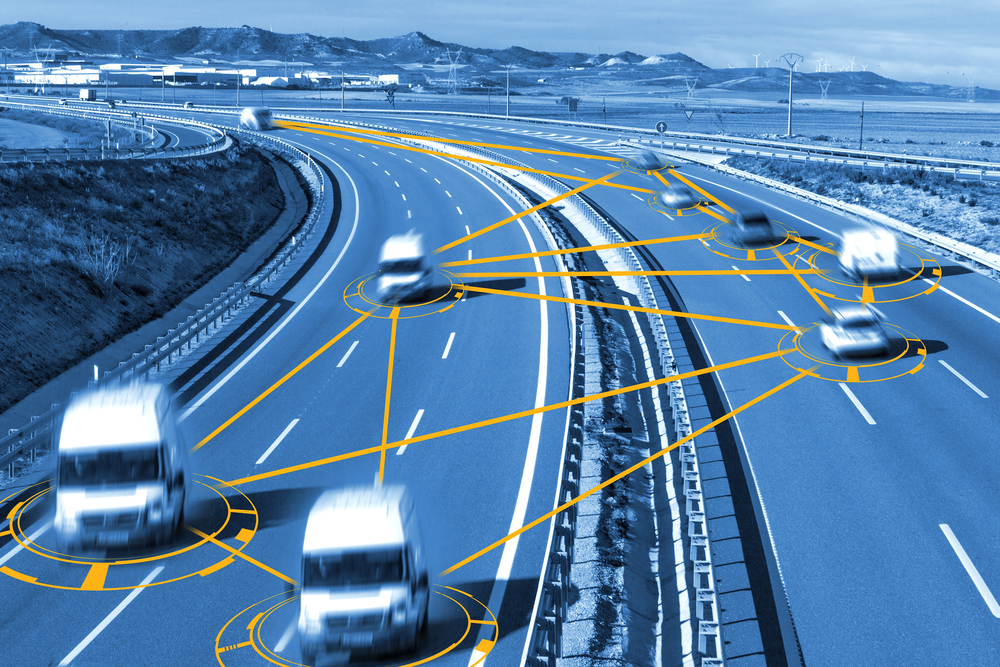
While everyone else was showing off at competitions, Google started their own project in 2009 and kept quiet about it for years. Sebastian Thrun, who knew a thing or two about autonomous vehicles from his Stanford days, led the effort.
Google brought serious computing power and unlimited money to what had been mostly academic research.
Toyota Introduces Autonomous Parking
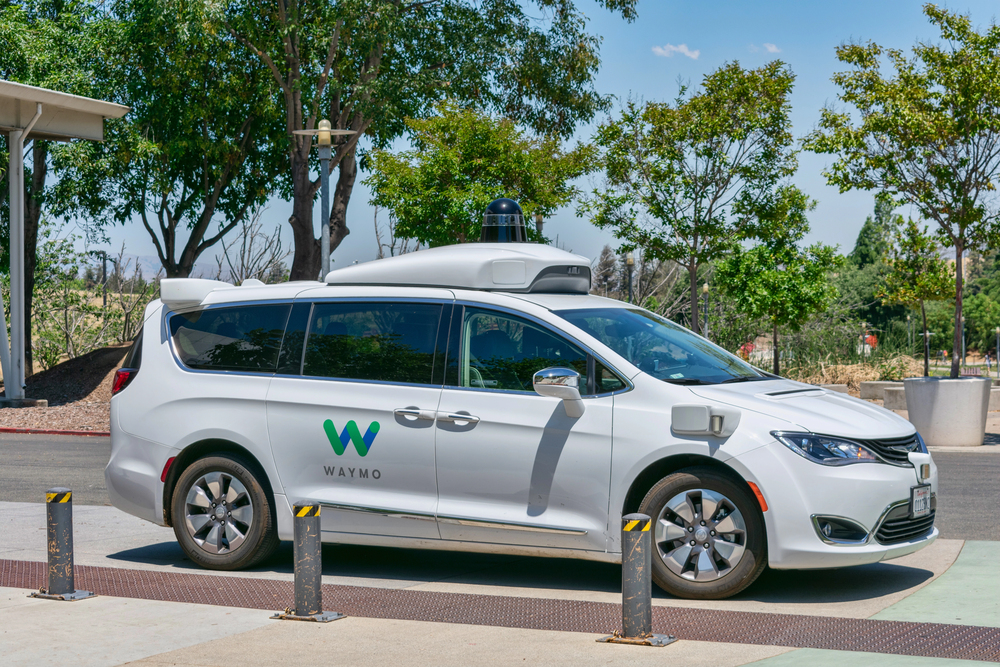
Toyota snuck self-parking into the 2003 Prius without making a big deal about it. Drivers could suddenly watch their car slide into parallel parking spots while they controlled the speed.
For most people, this was their first experience with a car that could think for itself, even if only for a few seconds.
Tesla Reveals Autopilot Hardware
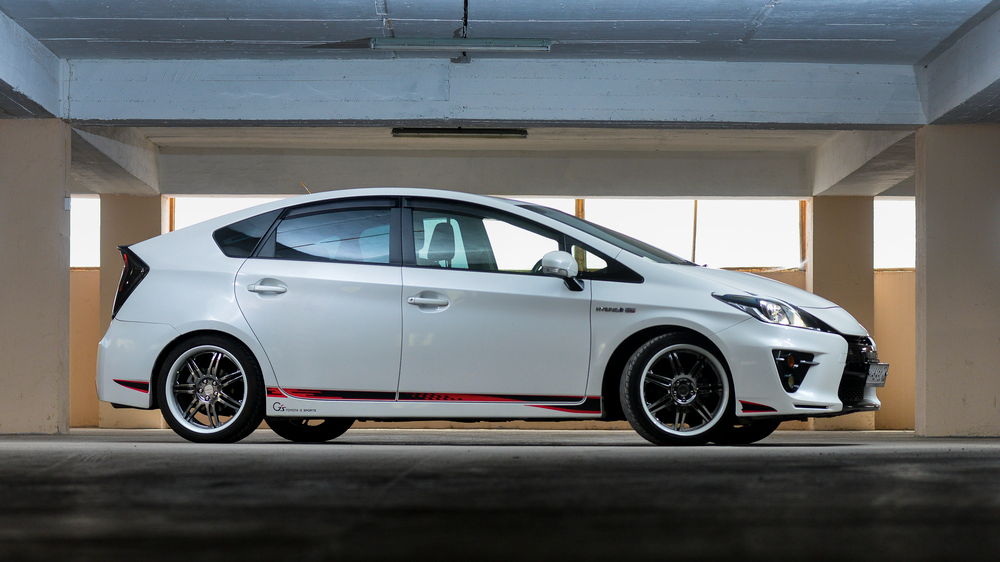
Elon Musk surprised everyone in 2014 by announcing that Model S cars were already shipping with cameras, radar, and sensors built in. Other companies were still building test vehicles in secret labs while Tesla was selling semi-autonomous hardware to regular customers.
The software wasn’t ready yet, but the foundation was already sitting in driveways across America.
Tesla Releases Autopilot Software
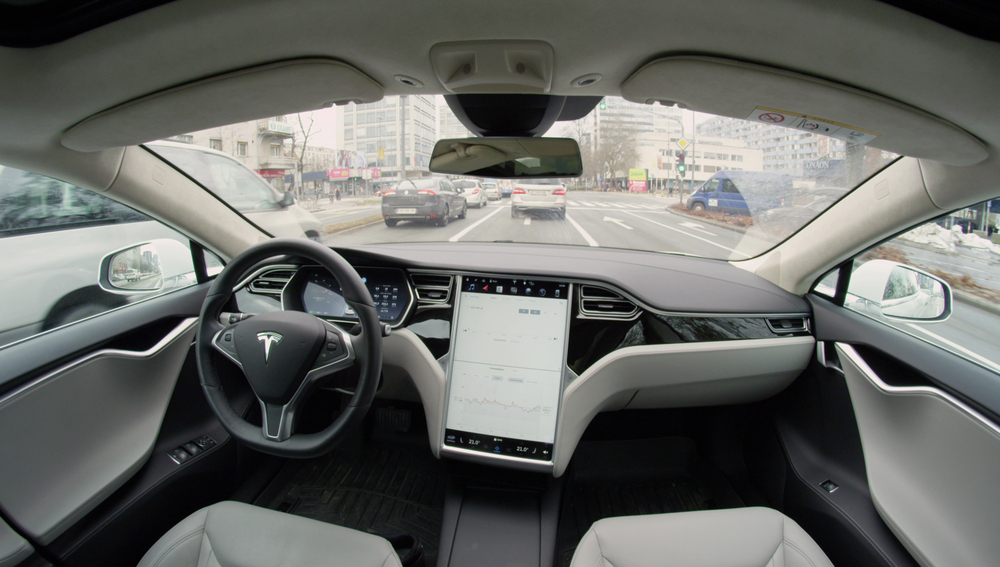
Tesla activated their Autopilot features in October 2015 through a simple software download. Thousands of Tesla owners went to bed with regular cars and woke up with vehicles that could steer themselves on highways.
The update felt like getting superpowers delivered through WiFi.
The First Autopilot Fatality
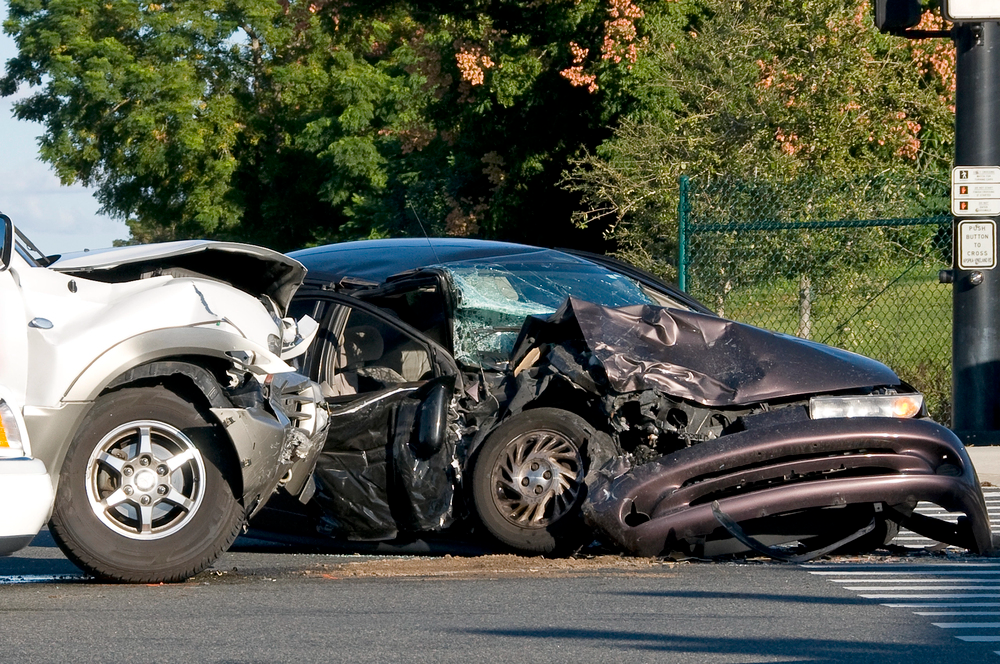
A Tesla crashed into a white trailer in Florida during May 2016, killing the driver when Autopilot failed to see the truck against a bright sky. This wasn’t just another car accident – it was the first death involving a semi-autonomous system.
The incident forced everyone to confront the reality that this technology wasn’t perfect and mistakes could be deadly.
Waymo Announces Driverless Testing
Waymo shocked the industry in November 2017 by removing safety drivers from their test vehicles in Phoenix. While other companies still kept humans ready to grab the wheel, Waymo trusted their computers enough to let them drive completely alone.
It was like sending your kid out with the car keys for the first time.
Waymo Launches Commercial Robotaxi Service
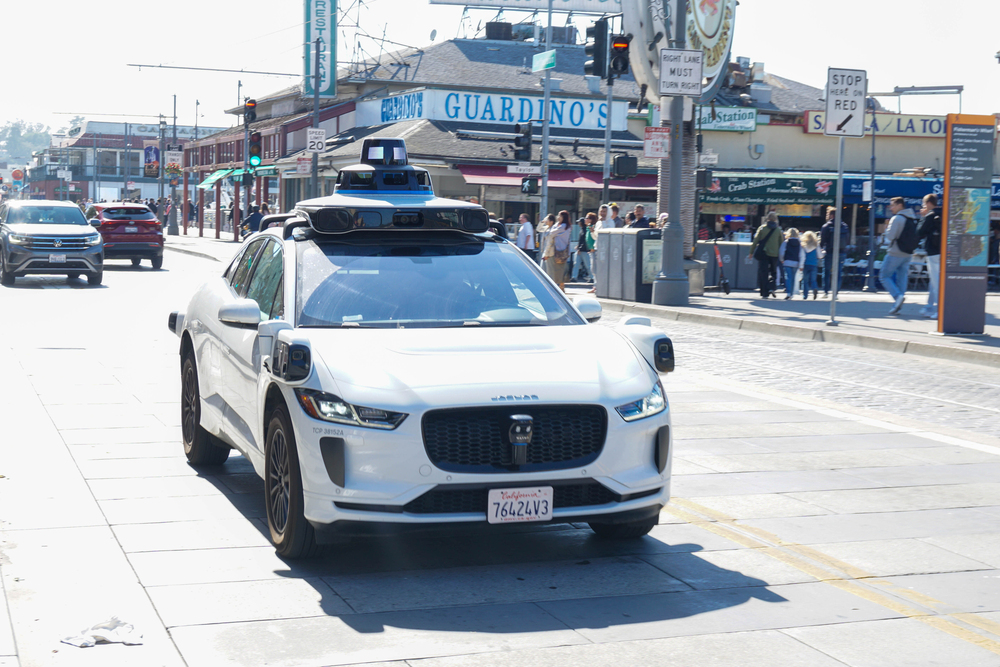
December 2018 marked the end of autonomous vehicles being just cool demos. Waymo started letting regular people in Phoenix call self-driving cars through their phone app.
No special permissions or test programs – just normal folks using robots to get around town.
Uber’s Self-Driving Car Kills a Pedestrian
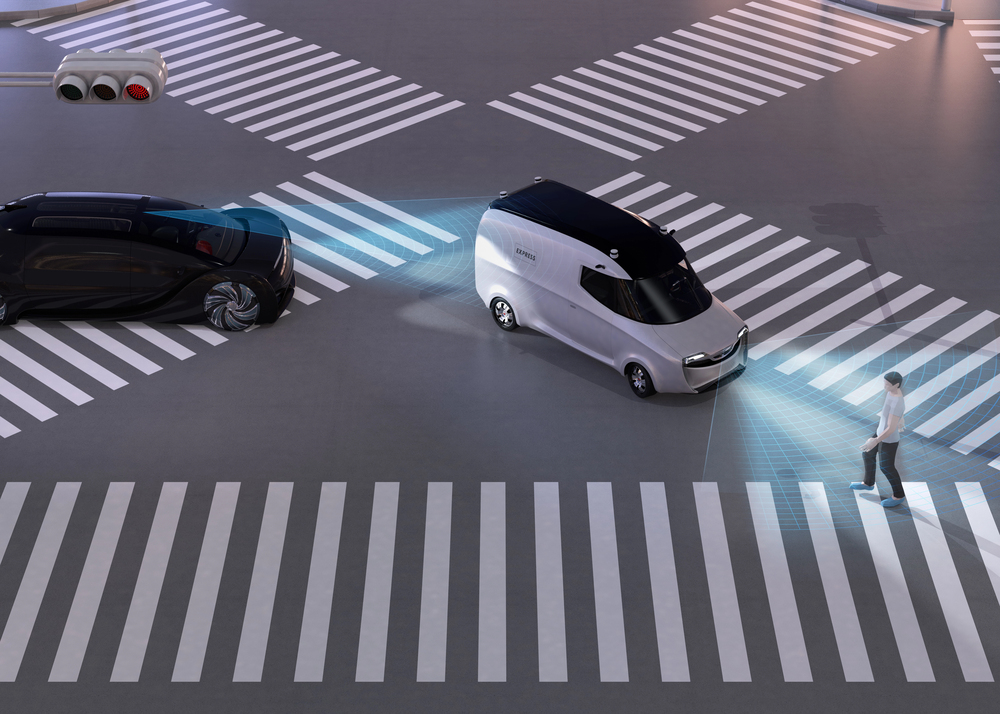
Everything went wrong in March 2018 when an Uber test vehicle hit and killed a woman crossing the street in Arizona. The crash could have been avoided if anyone had been paying attention, but the safety driver was watching TV on his phone.
This tragedy reminded the industry that real people die when this technology screws up.
Honda Sells the First Level 3 Car
Honda made history in March 2021 by selling cars where drivers could legally stop paying attention to the road. Their system only worked in highway traffic jams, but it meant the car manufacturer took full responsibility for the driving.
For the first time, you could buy a car that was officially allowed to drive itself in certain situations.
Tesla Removes Radar from Autopilot
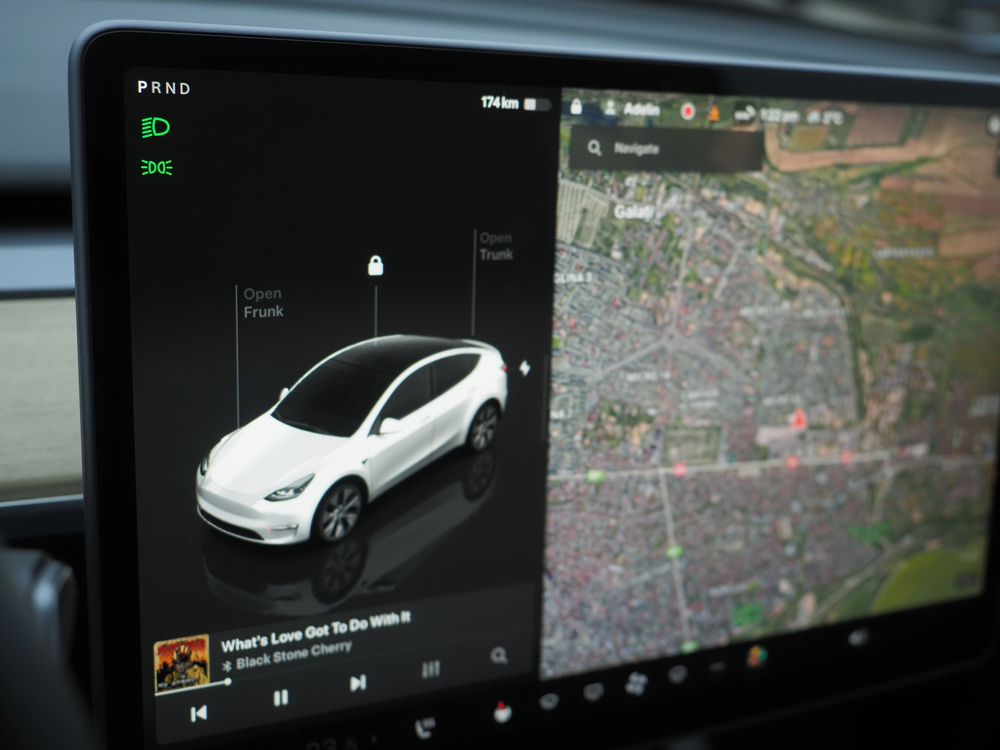
Tesla made a controversial decision in May 2021 to rely only on cameras for their self-driving system. Most companies were adding more sensors to make their cars safer, but Tesla went the opposite direction and threw out their radar.
It was either a stroke of genius or a dangerous gamble that we’re still waiting to see play out.
From Crazy Experiments to Morning Traffic
This journey from radio-controlled stunts to AI-powered transportation shows how human stubbornness can turn impossible ideas into everyday reality. Houdina’s 1925 demonstration probably seemed like a useless party trick, but it started a chain reaction that led to the computer vision and machine learning systems driving cars today.
We still don’t have fully autonomous vehicles everywhere, but considering the pace of progress over the last few years, that future might arrive sooner than anyone expects.
More from Go2Tutors!

- The Romanov Crown Jewels and Their Tragic Fate
- 13 Historical Mysteries That Science Still Can’t Solve
- Famous Hoaxes That Fooled the World for Years
- 15 Child Stars with Tragic Adult Lives
- 16 Famous Jewelry Pieces in History
Like Go2Tutors’s content? Follow us on MSN.



