15 Snack Ads That Backfired Fast
Marketing a snack food should be straightforward—show people enjoying your product, toss in a catchy jingle, watch the sales roll in. Yet sometimes, even the biggest brands stumble spectacularly when their creative teams get overly ambitious or completely misread the cultural moment.
From tone-deaf messaging to campaigns launched at the worst possible time, these advertising disasters prove that massive budgets and experienced teams don’t guarantee success. Here are 15 snack ads that companies probably wish they could erase from history.
Pepsi’s Kendall Jenner Protest Ad
— Photo by monticello
Pepsi’s 2017 commercial featuring Kendall Jenner sparked immediate outrage for trivializing social justice movements. The ad showed Jenner leaving a photo shoot to join a protest—then handing a Pepsi to a police officer, supposedly solving tension with a soft drink. Critics rightfully called it tone-deaf, especially considering the context of real protests happening across America.
McDonald’s Dead Dad Commercial
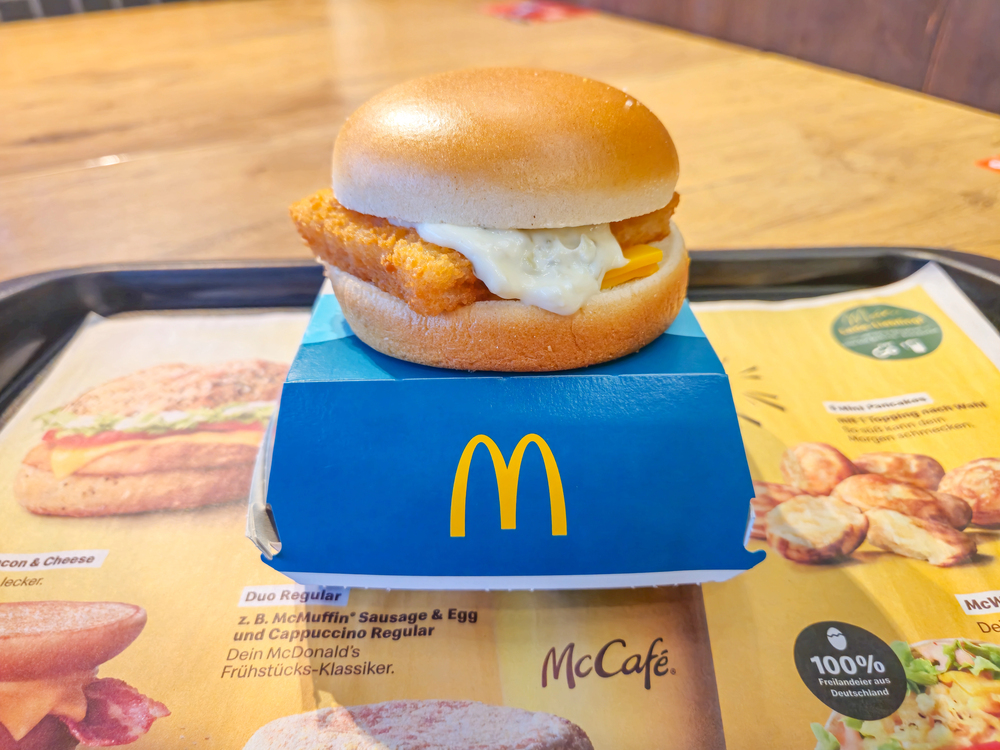
McDonald’s UK released an ad in 2017 showing a boy asking his mother about his deceased father while they ate at the restaurant. The commercial suggested that a Filet-O-Fish was somehow the connection between the boy and his late dad because it was his father’s favorite. The backlash came swift and harsh, with many calling it exploitative and inappropriate for a fast-food brand.
Snickers’ Mr. T Campaign
Snickers ran a campaign in the UK featuring Mr. T calling a speed-walking man names while shooting Snickers bars at him with a machine gun. The tagline ‘Get some nuts’ was criticized for being homophobic—and the ad was eventually pulled after complaints. The campaign completely missed the mark on what was considered acceptable humor.
Burger King’s Women’s Day Tweet
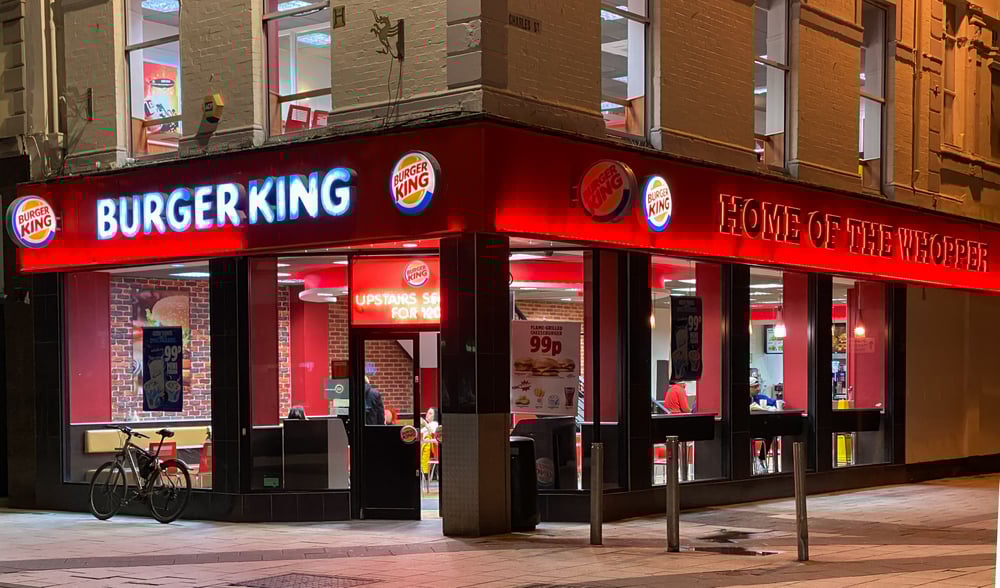
In 2021, Burger King UK tweeted ‘Women belong in the kitchen’ on International Women’s Day, intending to promote their culinary scholarship program. The tweet was designed to be provocative, with the explanation coming in follow-up tweets, though many people only saw the initial message. The company faced massive criticism for the poorly executed attempt at attention-grabbing marketing.
Mountain Dew’s Puppy Monkey Baby
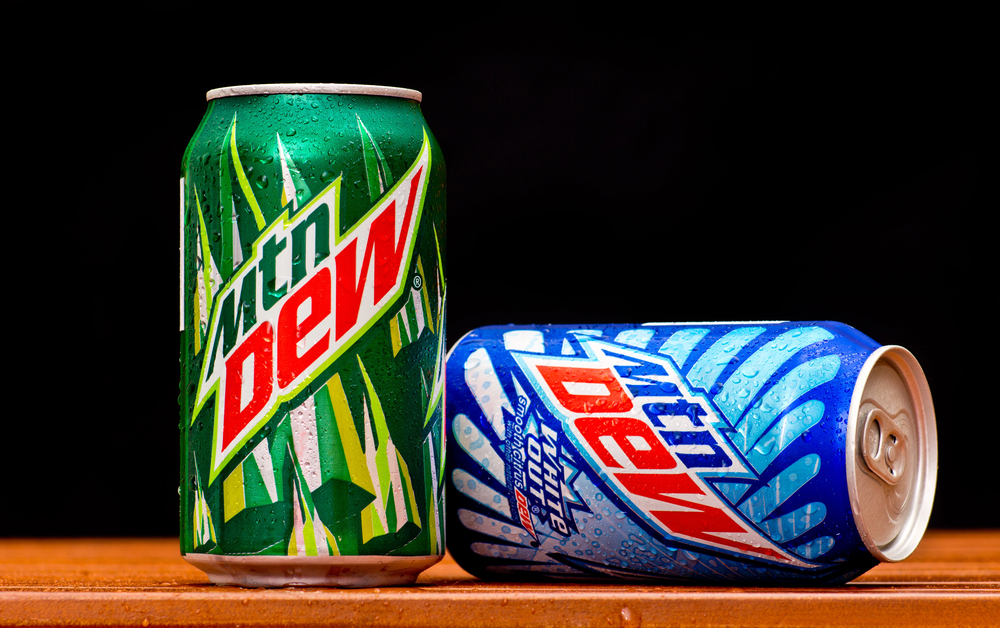
Mountain Dew’s 2016 Super Bowl commercial featuring a bizarre creature that was part puppy, part monkey, and part baby became an instant meme for all the wrong reasons. While some found it memorably weird, most viewers found it deeply unsettling. The ad achieved notoriety—but not necessarily the kind that sells beverages.
Taco Bell’s Fourth Meal Campaign
Taco Bell’s ‘Fourth Meal’ campaign promoted eating their food late at night, essentially encouraging poor eating habits. Health advocates criticized the campaign for promoting unhealthy behaviors, particularly targeting young people who might be more susceptible to late-night eating patterns. The campaign was eventually scaled back due to the negative health associations.
Skittles’ Pox Commercial
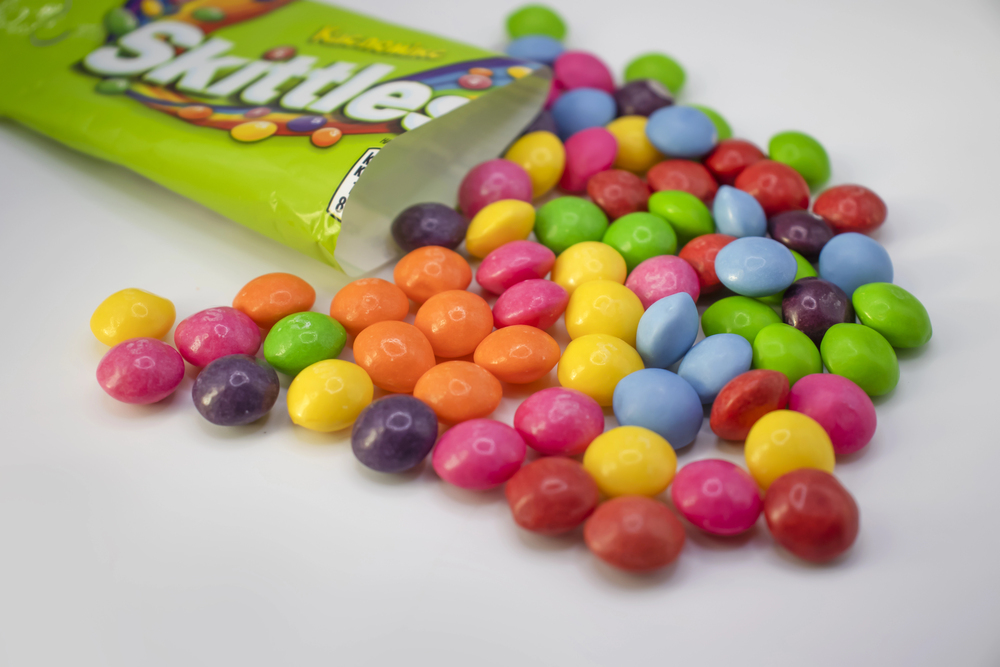
Skittles released an ad where a teenage boy with pox-like bumps all over his body would pop them to produce Skittles candy. The commercial was meant to be edgy and memorable—but viewers found it gross and disturbing rather than appetizing. The ad was quickly pulled after complaints about its disgusting imagery.
Subway’s Jared Fogle Campaigns
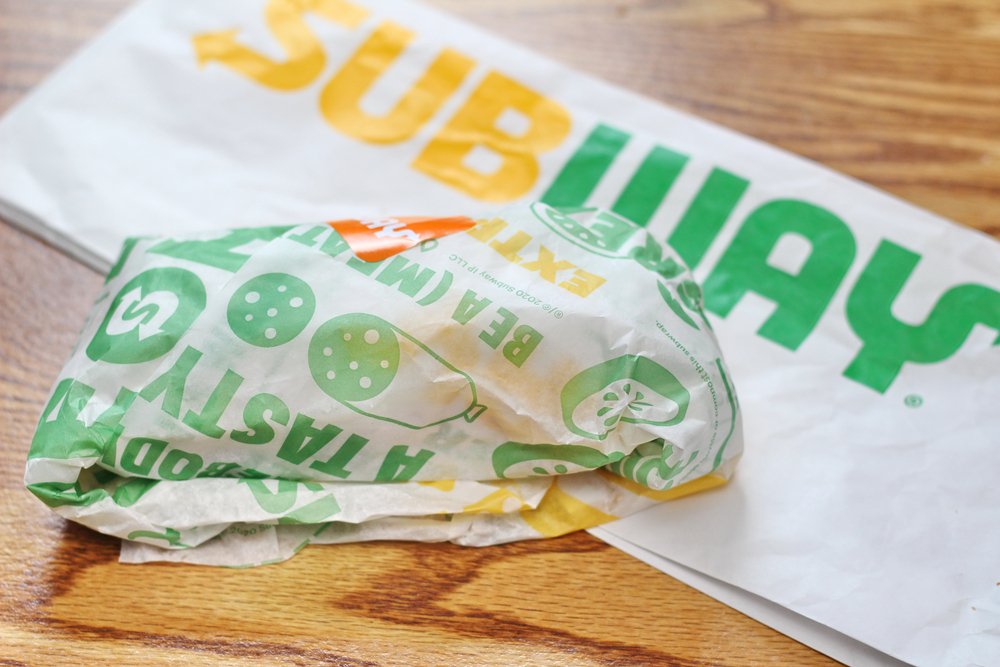
Subway built an entire advertising campaign around Jared Fogle’s weight loss story, making him their spokesperson for years. When Fogle was arrested and convicted on serious criminal charges in 2015, it became a public relations nightmare for the company. The incident demonstrated the risks of building a brand around a single spokesperson.
Groupon’s Tibet Super Bowl Ad

Groupon’s 2011 Super Bowl commercial started by discussing the plight of the Tibetan people—then pivoted to promoting discounts at Tibetan restaurants. The ad was widely criticized for making light of human rights issues and using tragedy as a setup for a punchline. The company quickly pulled the ad and apologized for the insensitive approach.
Dr Pepper’s Evolution of Flavor
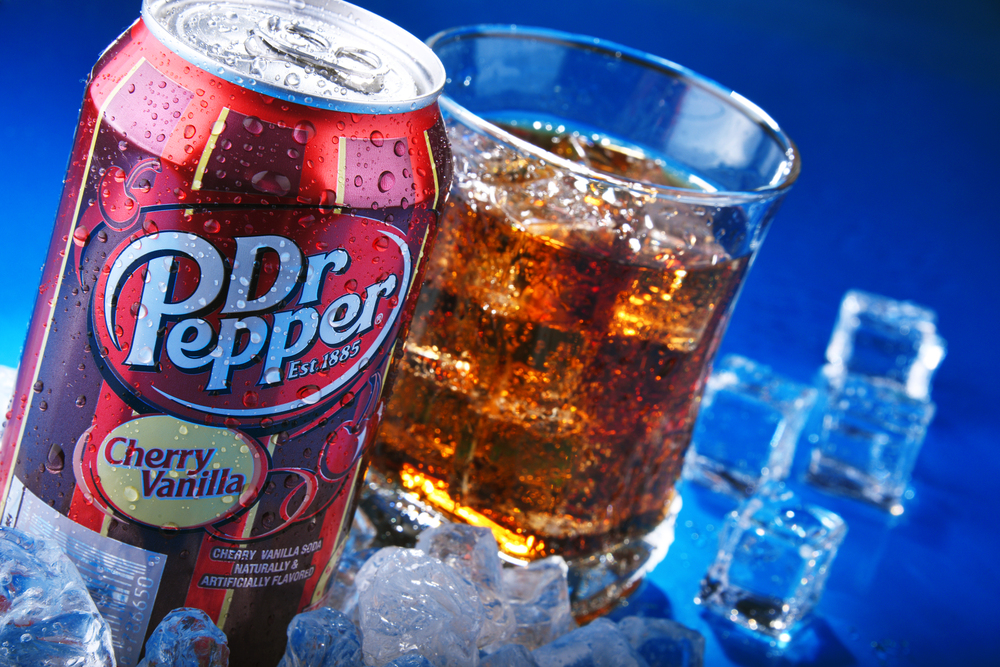
Dr Pepper released an ad suggesting that women had evolved enough to appreciate the complex taste of Dr Pepper Ten, which was marketed specifically to men. The campaign included the tagline ‘It’s not for women’ and was criticized for being outdated and unnecessarily exclusionary. The gendered marketing approach felt particularly tone-deaf in the modern era.
Heineken’s Lighter is Better Ad
Heineken faced backlash for a 2018 commercial that showed a bartender sliding a beer past several black people to reach a lighter-skinned woman, with the tagline ‘Sometimes lighter is better.’ The ad was criticized for having racist undertones, whether intentional or not. The company quickly pulled the ad and apologized for the poor judgment.
Bud Light’s Corn Syrup Campaign
Bud Light’s 2019 Super Bowl ads attacked competitors Miller Lite and Coors Light for using corn syrup in their brewing process. The campaign backfired when corn farmers and agricultural groups pushed back, pointing out that corn syrup isn’t present in the final product anyway. The ads also sparked a legal battle with MillerCoors, creating more negative attention than positive.
Protein World’s Beach Body Ready

Protein World’s 2015 London subway ads featured a bikini-clad model asking ‘Are you beach body ready?’ The campaign sparked protests and vandalism, with critics arguing it promoted unhealthy body image standards. The controversy grew so large that it overshadowed any positive brand recognition the company might have gained.
Bloomin’ Onion’s Aussie Stereotypes
Outback Steakhouse’s various campaigns have repeatedly relied on exaggerated Australian stereotypes that many found offensive or inaccurate. The restaurant chain’s marketing often portrayed Australians in cartoonish ways that didn’t reflect reality. Though some found the approach harmless, others criticized it for perpetuating cultural stereotypes.
Popchips’ Ashton Kutcher Brownface
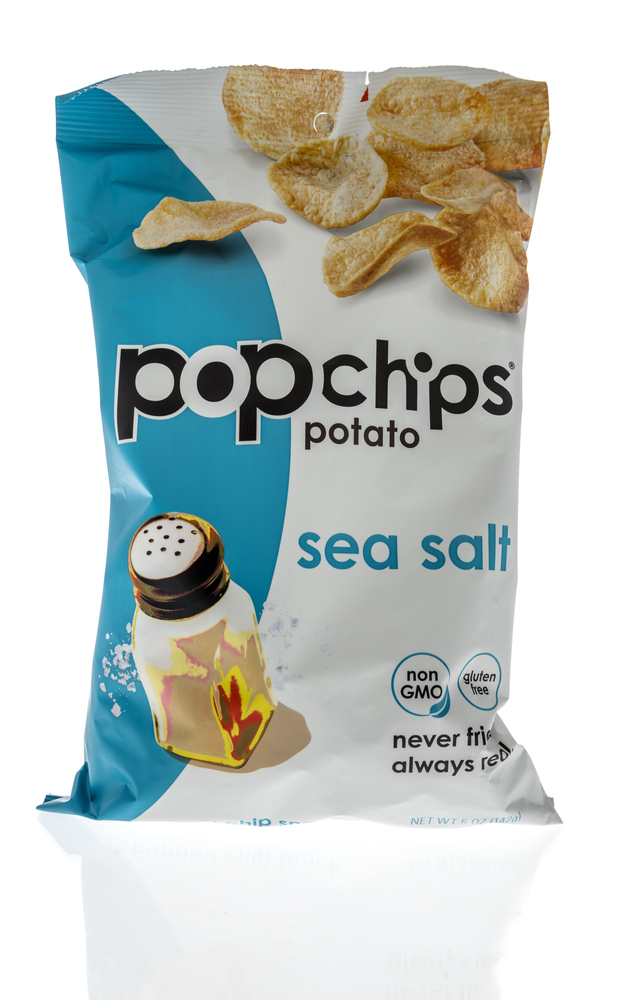
Popchips faced severe criticism when spokesperson Ashton Kutcher appeared in ads wearing brownface makeup to portray a Bollywood producer character. The 2012 campaign was immediately called out for being racially insensitive and offensive. The company quickly pulled the ads and apologized, yet the damage to their brand reputation was already done.
Learning from Marketing Misfires

These advertising disasters serve as stark reminders that even major brands with substantial resources can make spectacular mistakes when they lose sight of their audience and social context. The common thread among these failures is often a disconnect between creative ambition and cultural sensitivity, or simply a failure to consider how messaging might be received by different groups. In today’s connected world, a tone-deaf advertisement can go viral for all the wrong reasons within hours, making it more crucial than ever for brands to carefully consider the broader implications of their marketing messages.
More from Go2Tutors!

- The Romanov Crown Jewels and Their Tragic Fate
- 13 Historical Mysteries That Science Still Can’t Solve
- Famous Hoaxes That Fooled the World for Years
- 15 Child Stars with Tragic Adult Lives
- 16 Famous Jewelry Pieces in History
Like Go2Tutors’s content? Follow us on MSN.