Why Some Animals Glow in Total Darkness
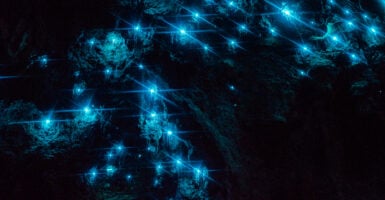
Have you ever walked along a beach at night and watched the waves light up with sparkling blue? Or seen fireflies dance like tiny lanterns in your backyard?
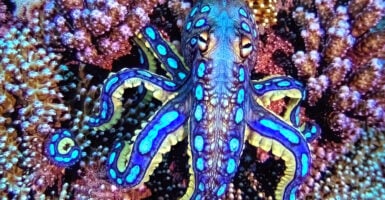
You’re witnessing one of nature’s most magical phenomena — bioluminescence. It’s basically living organisms creating their own light show, and it’s way more common than you might think.
What sounds like science fiction is actually everyday reality for countless creatures around our planet. From microscopic plankton to deep-sea giants, millions of animals have figured out how to glow in complete darkness.
But here’s the fascinating part: they’re not just showing off. These glowing creatures have developed some of the most ingenious survival strategies on Earth.
They use light like we use smartphones — for communication, defense, hunting, and even dating. Let’s explore the brilliant science behind why some animals have become living flashlights.
It All Started With a Chemical Love Story
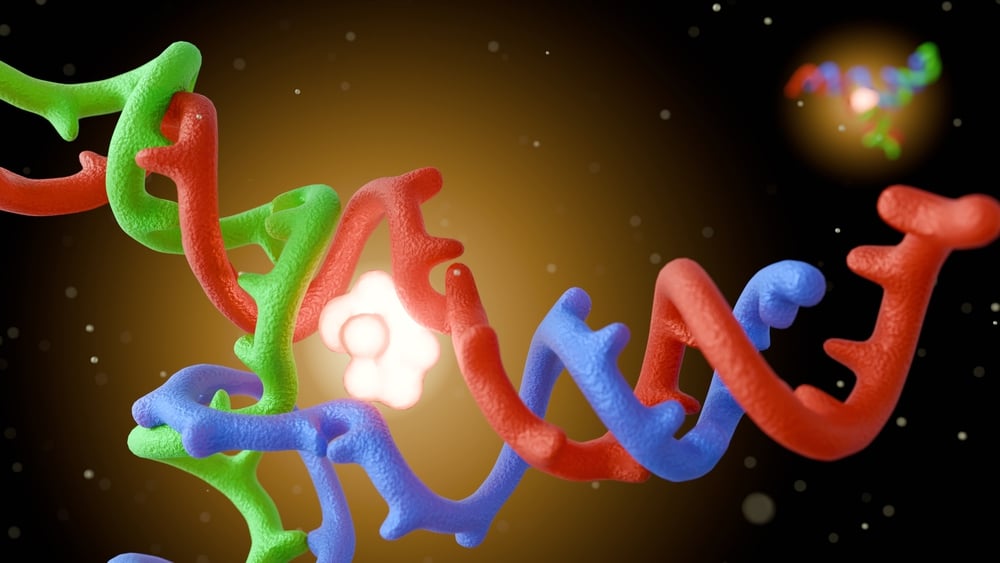
The secret behind animal glow lies in a beautiful chemical reaction between two main components: a light-producing molecule called luciferin and an enzyme known as luciferase. When luciferin reacts with oxygen, a process catalyzed by luciferase, it releases energy in the form of light.
Think of it like a perfectly choreographed dance — when these molecules meet oxygen, they create what scientists call ‘cold light’ because it generates almost no heat. This process is highly efficient and is often called “cold light” because it generates very little heat.
This reaction is similar to how a glow stick works, where two separate chemicals are mixed to create light.
The Deep Ocean Is Nature’s Light Show Central
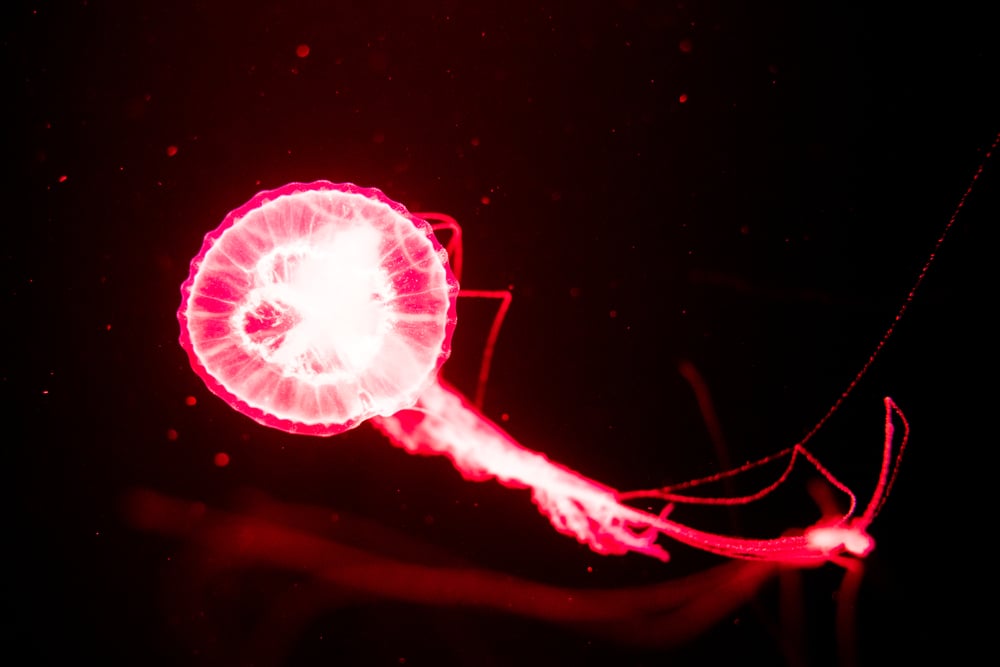
Here’s something that might blow your mind: An estimated 76% of all ocean animals are thought to be bioluminescent. That number rises to over 90% for creatures living at depths below 500 meters.
Picture the deep ocean as the world’s largest nightclub, where everyone’s wearing glow sticks! Many exist in the twilight zone, the part of the ocean from 500 to 1,000 metres deep, which is always dark in its lower margin.
In this environment, the light some animals can create for themselves is fundamental to survival. When you’re living in perpetual darkness, being able to make your own light isn’t just cool — it’s essential.
Some Animals Outsource Their Glow Power
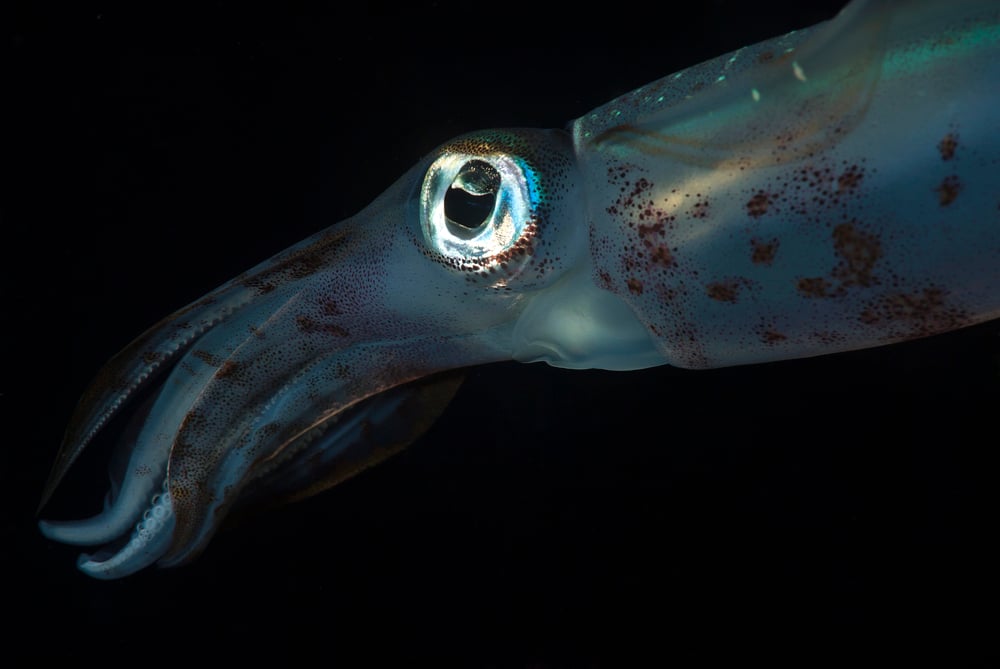
Not every glowing animal makes its own light. Some are basically freelancers who’ve hired bioluminescent bacteria to do the work for them!
For example, the Hawaiian bobtail squid has a special light organ that is colonized by bioluminescent bacteria within hours of its birth. The bacteria get food from the squid’s body and in return emit blue light, which can appear to travel in waves along the squid’s body, helping with camouflage.
It’s like having a built-in lighting crew that works 24/7 in exchange for free meals.
It’s Nature’s Burglar Alarm System
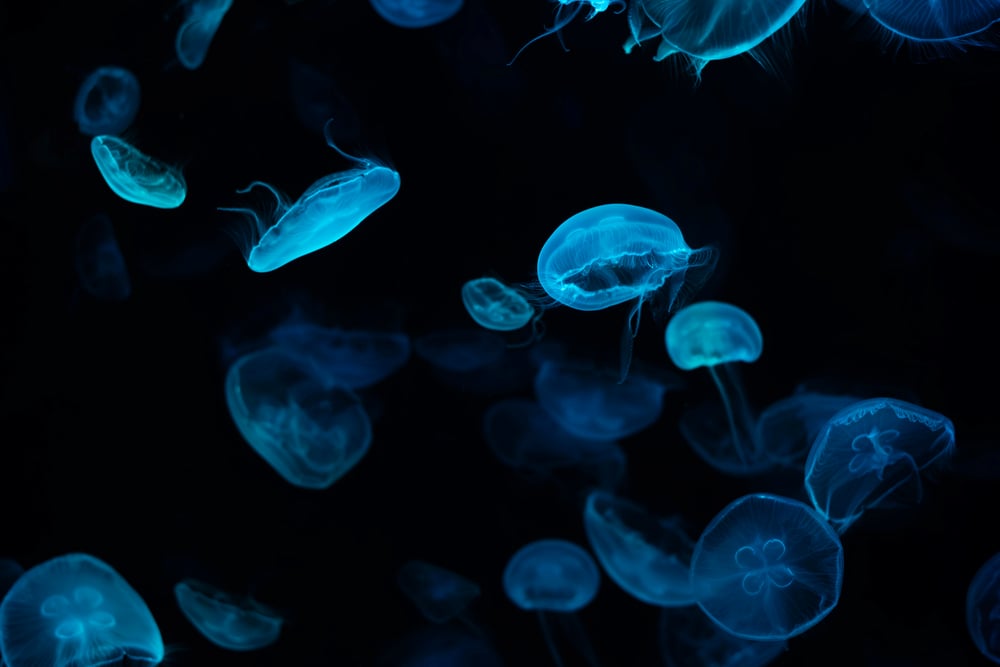
Like the fictional vampire Count Dracula, the vampire squid lurks in the dark. It is covered in light producing organs called photophores used to create a disorienting display of light to distract possible attackers.
When threatened, many animals flash bright lights to startle predators or create confusion. When threatened, many animals can produce sudden flashes of light to startle predators or create a distraction, giving them time to escape.
It’s like having a personal panic button that literally blinds your attacker while you make your escape.
The Lure of the Dark Side
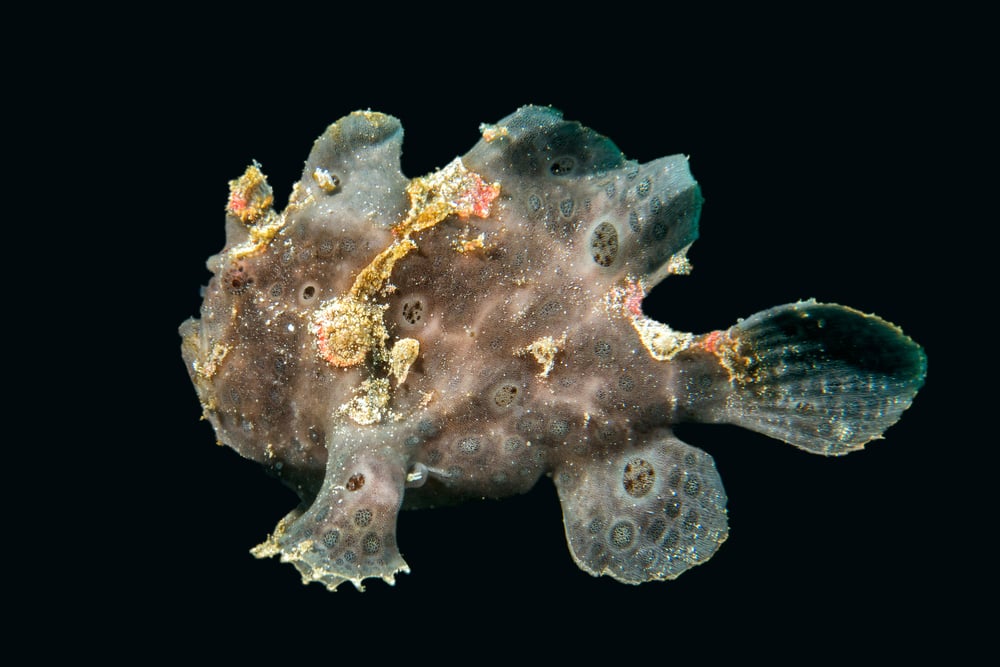
Many species of deep sea fish such as the anglerfish and dragonfish make use of aggressive mimicry to attract prey. They have an appendage on their heads called an esca that contains bioluminescent bacteria able to produce a long-lasting glow which the fish can control.
Picture the most devious fishing lure ever invented — that’s basically what an anglerfish uses. It waves its glowing appendage like a tantalizing snack, and when hungry fish swim over to investigate, surprise!
They become dinner instead.
Red Light Special in the Deep Sea
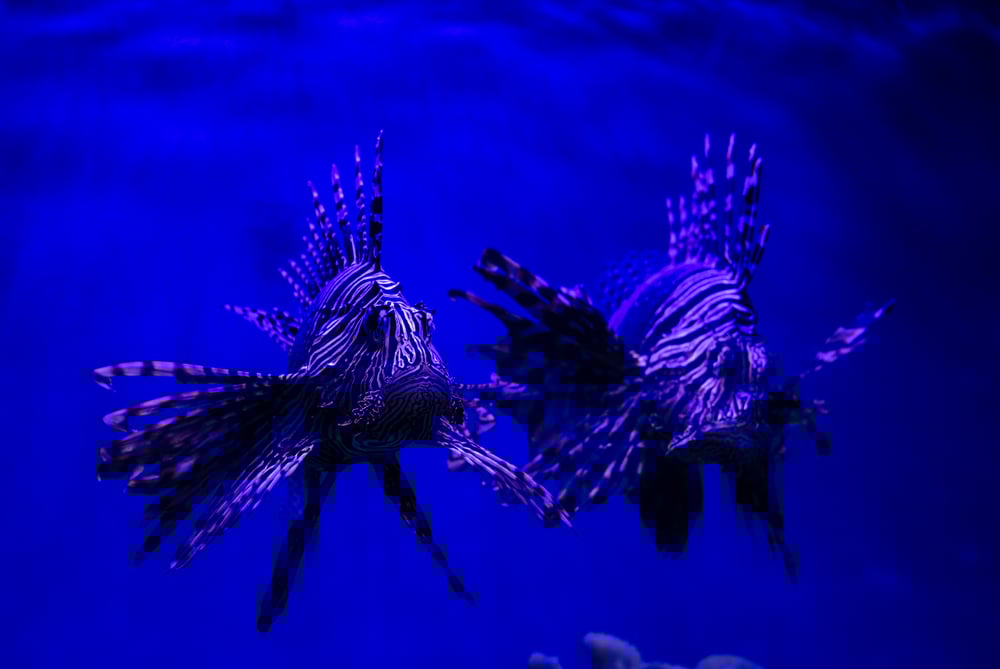
While most marine bioluminescence is green to blue, some deep sea barbeled dragonfishes in the genera Aristostomias, Pachystomias and Malacosteus emit a red glow. This adaptation allows the fish to see red-pigmented prey, which are normally invisible to other organisms in the deep ocean environment where red light has been filtered out by the water column.
Other fish, such as a type of dragonfish called loosejaws, use bioluminescence to search for prey. Loosejaws have adapted to emit red light; most fish can only see blue light, so loosejaws have an enormous advantage when they light up a surrounding area.
It’s like having night-vision goggles when everyone else is stumbling around in the dark!
Fireflies: The Original Social Network
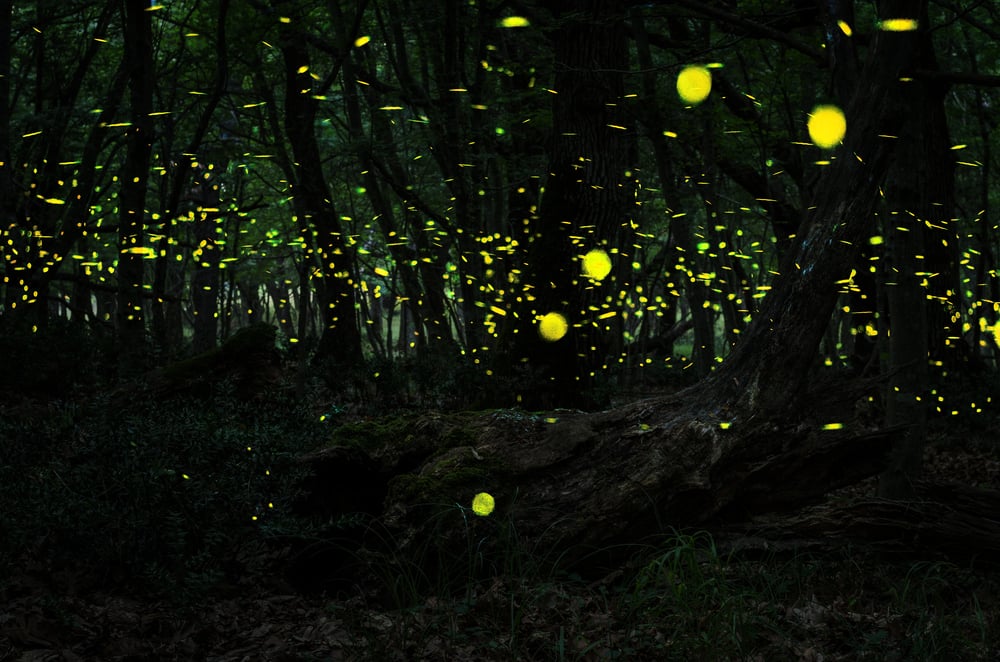
Adult fireflies, also called lightning bugs, are bioluminescent. They light up to attract mates.
Although both male and female fireflies can luminesce, in North America most flashing fireflies are male. Fireflies were basically doing social media before it existed — each flash pattern is like a status update saying ‘single and ready to mingle.’
Different species have completely different flash codes, preventing awkward mix-ups in the dating scene.
Some Mushrooms Joined the Glow Party Too
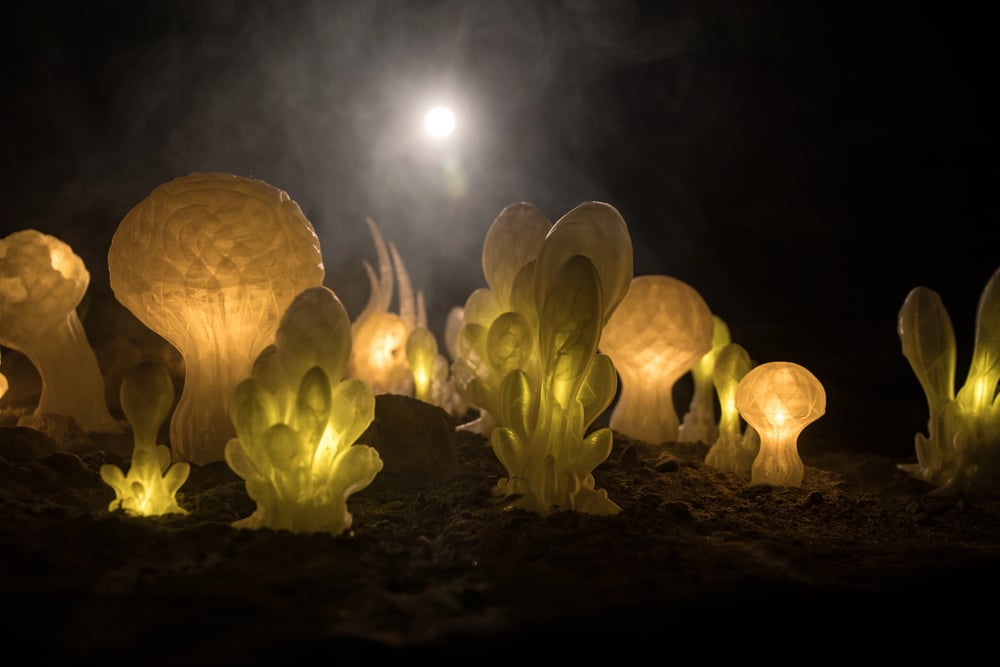
About 75 species of fungi are capable of giving off an eerie, green light, possibly to attract insects which will help to spread their spores. Most of these species live in tropical rainforests.
Yes, even fungi got in on this glowing action! These mushrooms light up to attract insects, basically turning bugs into unwitting spore-delivery services.
It’s like having a glow-in-the-dark Uber for mushroom reproduction.
Evolution Kept Reinventing the Light Bulb
Overall, bioluminescence has arisen over 40 times in evolutionary history. The number of species that bioluminesce and the variations in the chemical reactions that produce light are evidence that bioluminescence has evolved many times over—at least 40 separate times!
This means that throughout Earth’s history, different creatures kept independently discovering how to make light. It’s like different inventors all over the world simultaneously figuring out how to make light bulbs without talking to each other!
They Can Control Their Light Like a Dimmer Switch
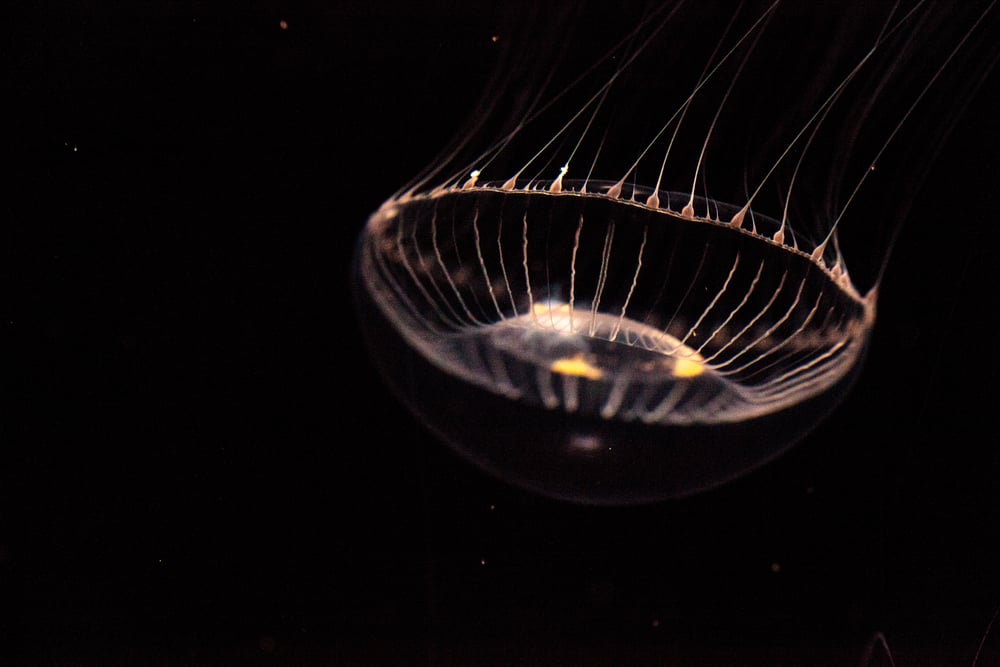
Animals can closely control when they light up by regulating their chemistry and brain processes depending on their immediate needs, whether a meal or a mate. Some organisms even bundle the luciferin with oxygen in what is called a “photoprotein”—like a pre-packaged bioluminescence bomb—that is ready to light up the moment a certain ion (typically calcium) becomes present.
Many glowing animals have incredible control over their light production — they can adjust brightness, timing, and even color. They can even choose the intensity and color of the lights.
Colors Tell Different Stories
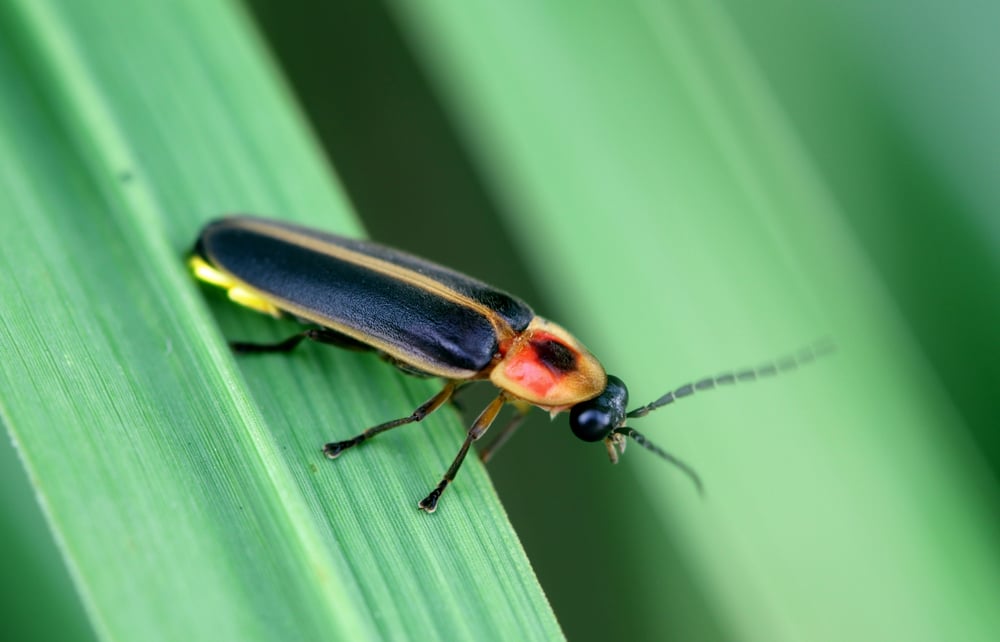
The most common light produced in the ocean is green and blue, as these wavelengths travel further through water. Some fish can also create red light, though it is much rarer, and on land fireflies glow yellow.
The color choice isn’t random — it’s all about what works best in each environment. The bioluminescent color (yellow in fireflies, greenish in lanternfish) is a result of the arrangement of luciferin molecules.
Blue and green travel farthest underwater, while yellow works perfectly for fireflies in our atmosphere.
The Tiny Powerhouses of Ocean Light
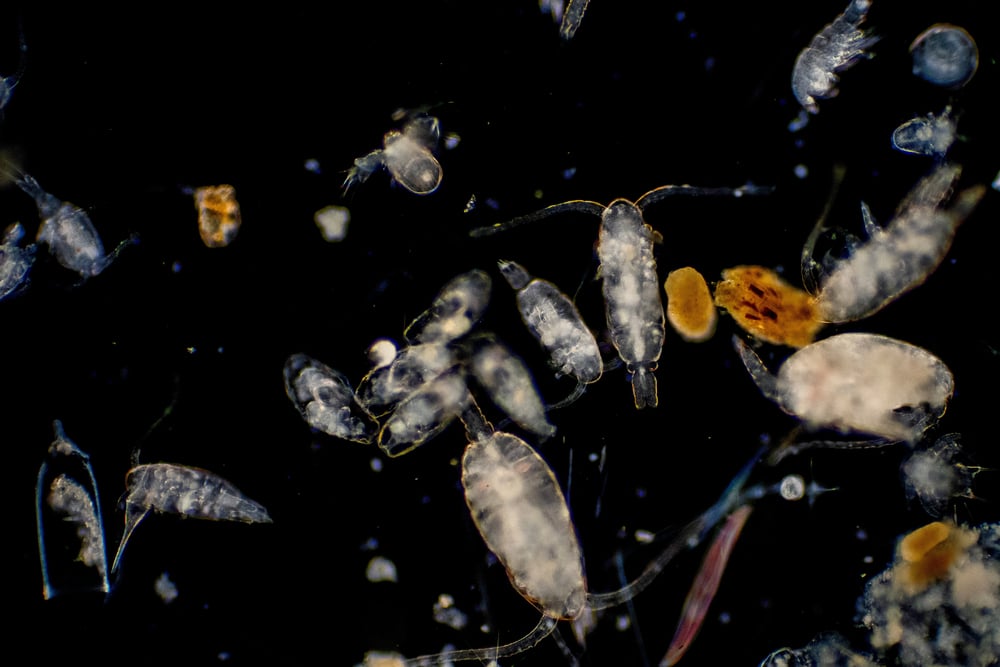
Many small planktonic surface dwellers—such as single-celled dinoflagellates—are bioluminescent. When conditions are right, dinoflagellates bloom in dense layers at the surface of the water, causing the ocean to take on a reddish-brown color in daylight and a sparkly sheen as they move in the waves at night.
These microscopic organisms are responsible for some of the most spectacular light shows on Earth. Organisms can luminesce when they are disturbed.
Changes in the environment, such as a drop in salinity, can force bioluminescent algae to glow, for instance.
Nature’s Most Efficient Light Source
What makes bioluminescence so remarkable is its incredible efficiency. This process is highly efficient and is often called “cold light” because it generates very little heat.
While our light bulbs waste most of their energy as heat, these animals convert nearly 100% of their chemical energy directly into light. It’s like having the world’s most efficient LED, except it’s been perfected by millions of years of evolution.
The Ultimate Survival Light Show
Understanding why animals glow in darkness reveals one of nature’s most ingenious survival strategies. From the tiniest plankton to the largest deep-sea creatures, bioluminescence serves as a communication system, defense mechanism, hunting tool, and dating app all rolled into one incredible adaptation.
These living light shows remind us that even in Earth’s darkest places, life finds brilliant ways to not just survive, but to create beauty while doing it. The next time you see a firefly or watch waves sparkle at night, remember — you’re witnessing millions of years of evolutionary innovation at work, turning the darkness into a canvas for one of nature’s most spectacular art forms.
More from Go2Tutors!

- The Romanov Crown Jewels and Their Tragic Fate
- 13 Historical Mysteries That Science Still Can’t Solve
- Famous Hoaxes That Fooled the World for Years
- 15 Child Stars with Tragic Adult Lives
- 16 Famous Jewelry Pieces in History
Like Go2Tutors’s content? Follow us on MSN.