Dive Into the Wonder: 13 Marine Facts for World Aquatic Animal Day
Across our blue planet, water dominates – not just as a resource, but as home to countless creatures that swim, float, and thrive beneath the surface. World Aquatic Animal Day gives us a chance to stop and notice these remarkable beings that share our world but live in realms we rarely see.
Ready to get your feet wet with some ocean knowledge? Here’s a splash of fascinating facts about marine life that might just change how you see those waters next time you’re seaside.
Coral Cities
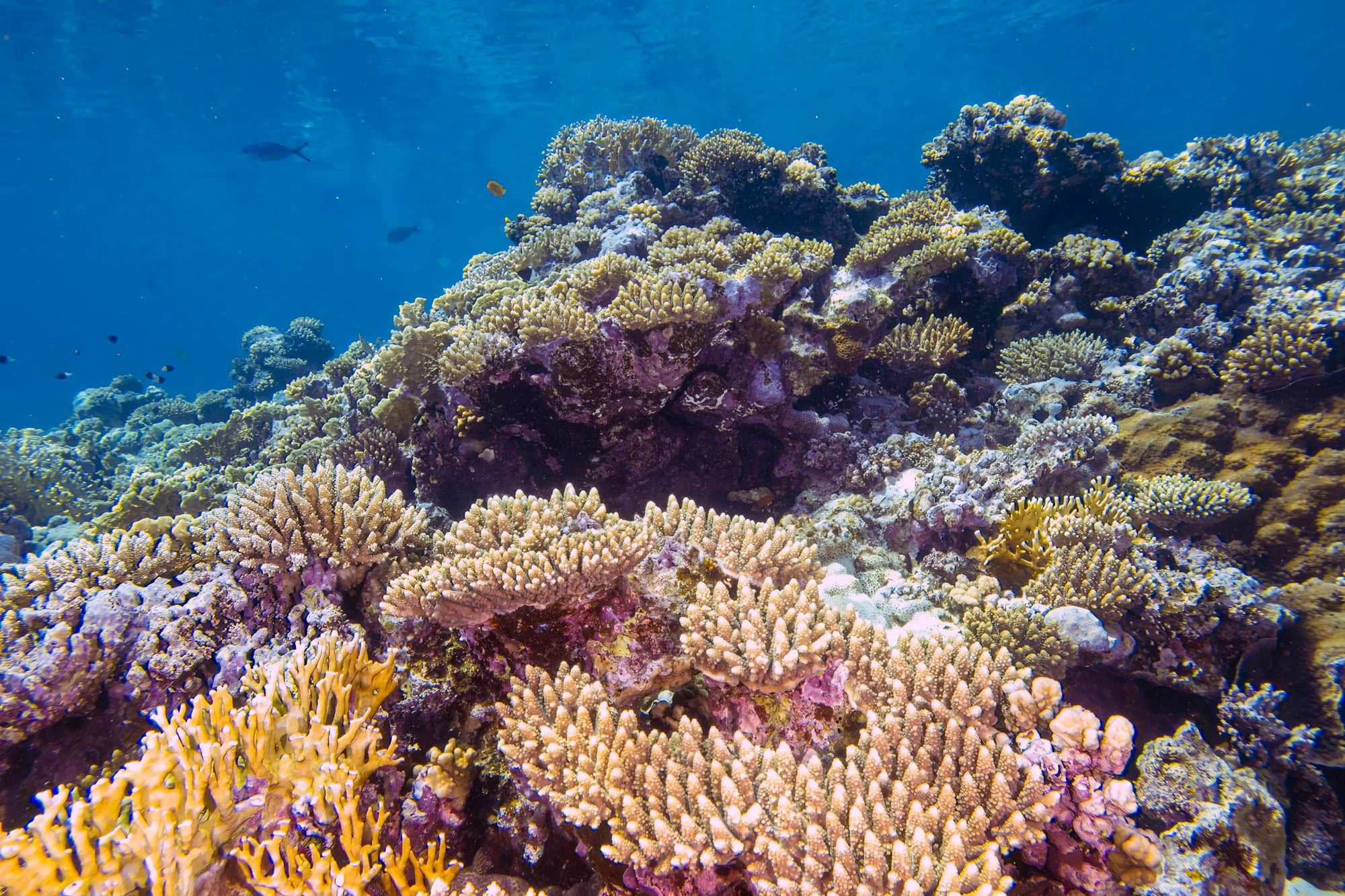
Coral reefs may occupy a tiny fraction of the ocean, but they buzz with more life than entire forests. These brilliant underwater metropolises thrive on teamwork between coral animals and algae, making them fragile wonders.
Deep Dark Secrets

We’ve mapped more of the moon than our own seafloor—seriously. When explorers dive into the ocean’s abyss, they uncover otherworldly life that looks more sci-fi than sea creature.
The Blue Giant
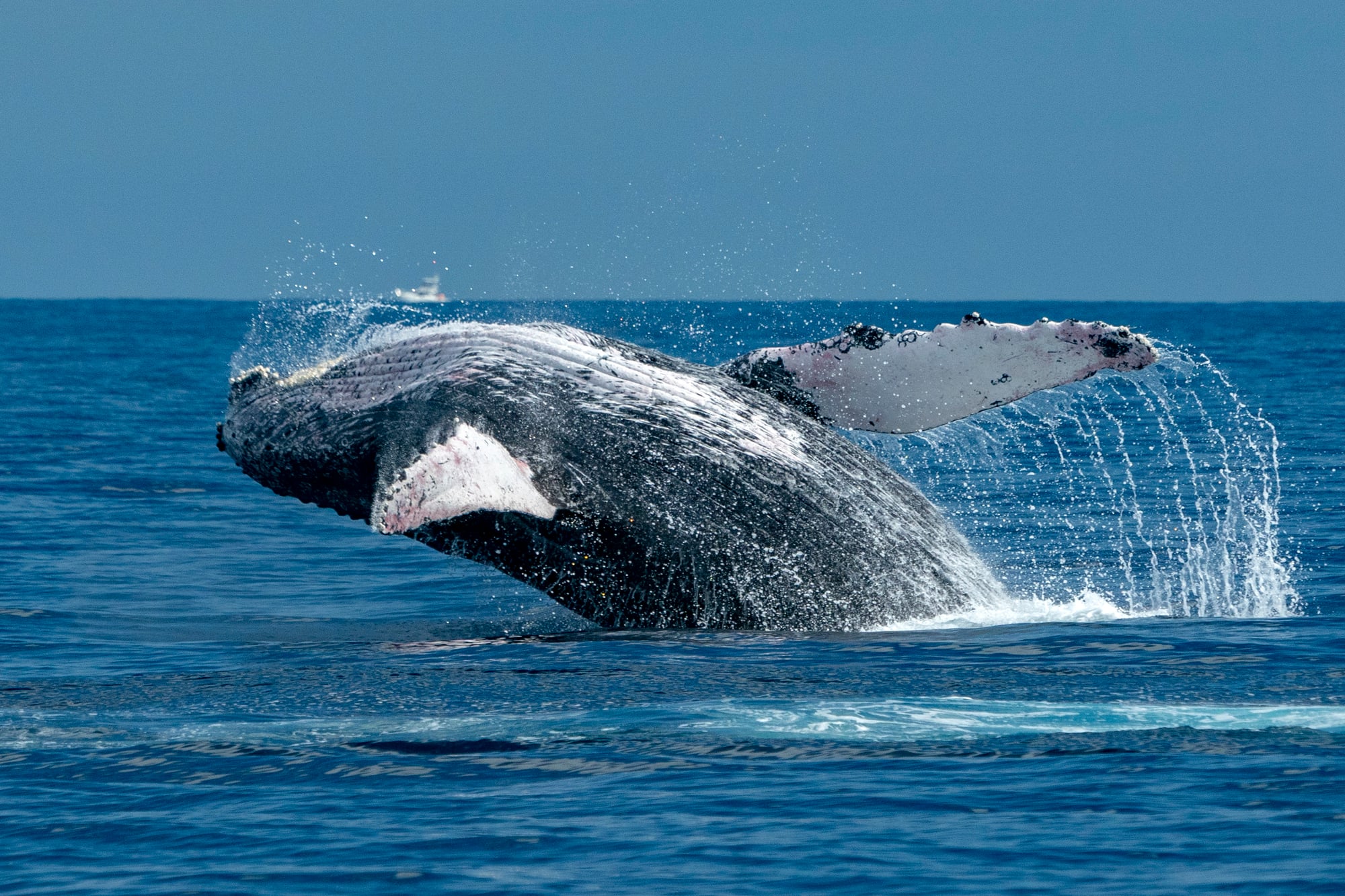
Blue whales dwarf even the largest dinosaurs, stretching longer than city buses. With a heart the size of a golf cart, their underwater heartbeat can echo for miles.
Turtle Navigation Wizardry
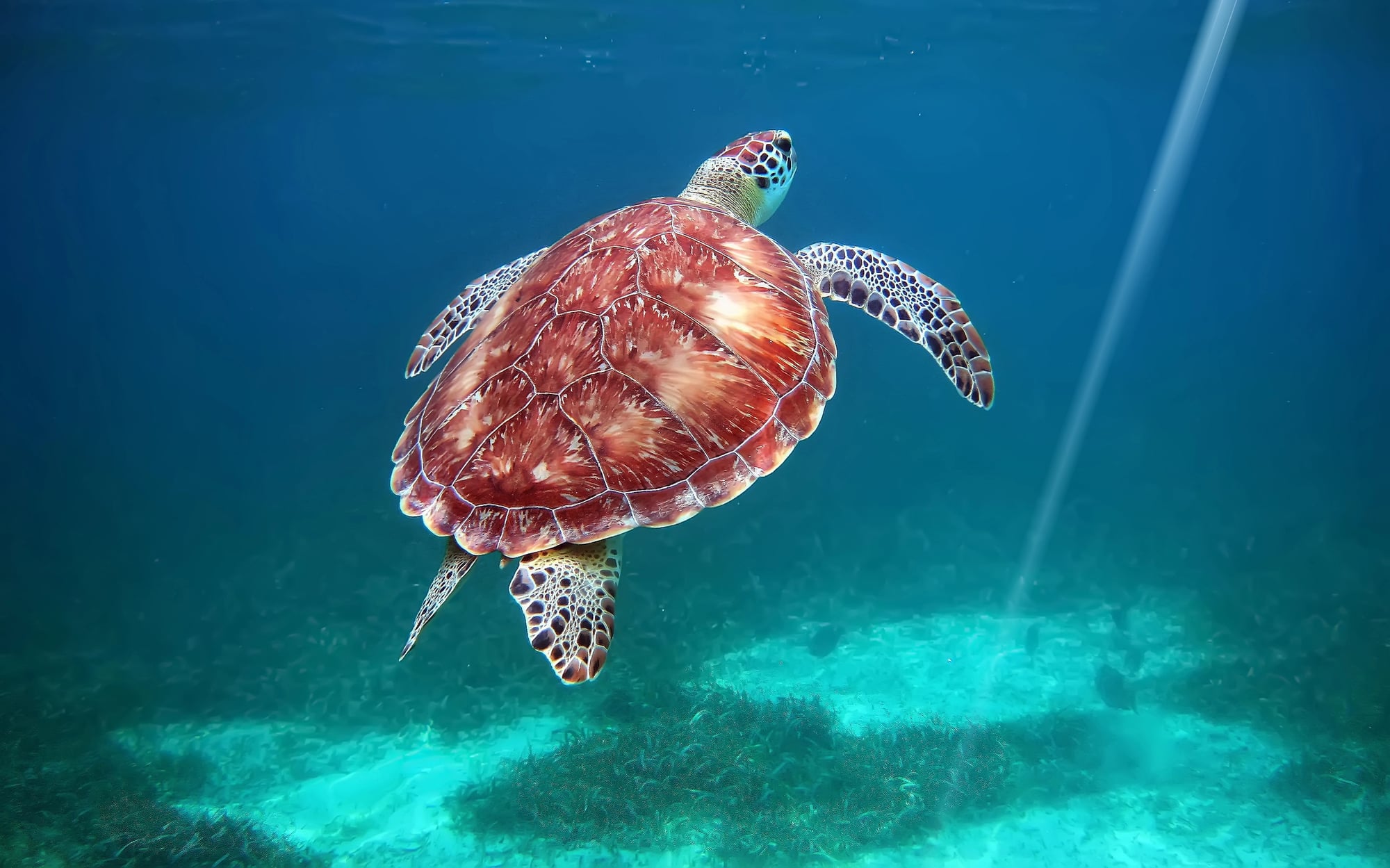
Sea turtles cross entire oceans without a compass or GPS. They sense Earth’s magnetic fields, returning to their birth beaches decades later with stunning accuracy.
Speed-Growing Kelp
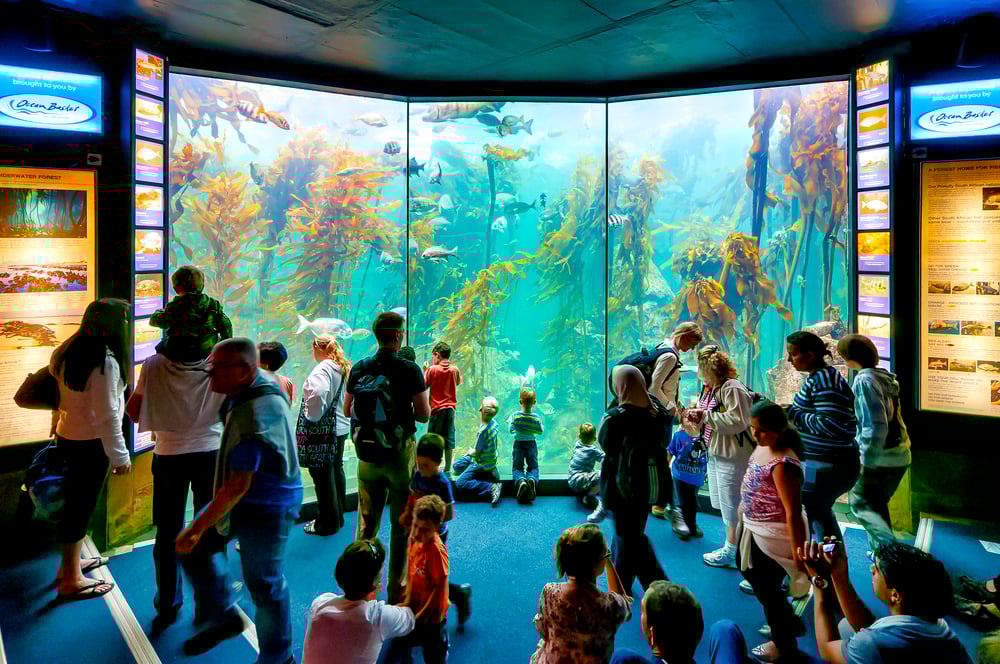
Kelp can grow up to two feet a day, creating forests where fish and sea creatures thrive. These green skyscrapers turn empty waters into bustling ecosystems nearly overnight.
Ocean Garbage Reality
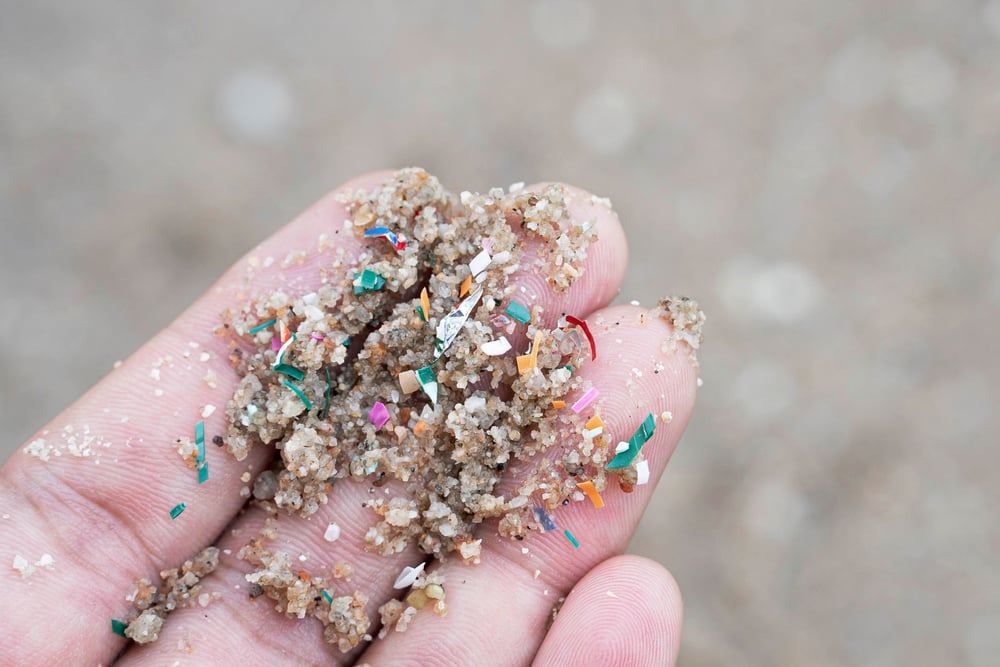
The Pacific’s “garbage patch” isn’t an island—it’s a deadly plastic soup. Marine life often mistakes microplastics for food, causing problems we’re only starting to understand.
Jellyfish Domination
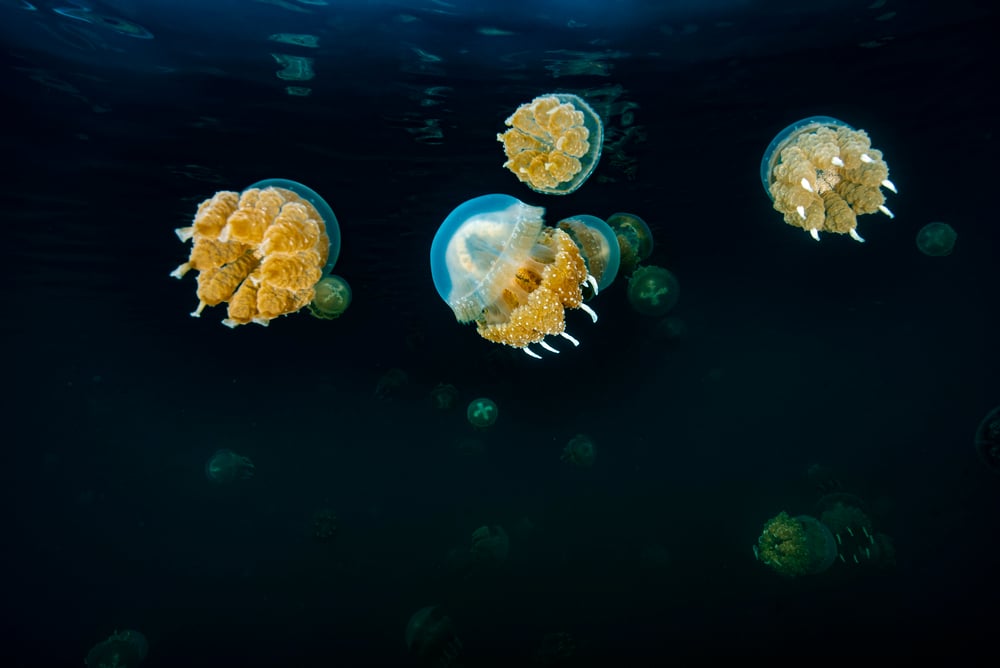
Jellyfish were here before the dinosaurs and might outlast us too. With no brains, bones, or blood, they thrive in warming, polluted oceans others can’t survive in.
Mangrove Magic
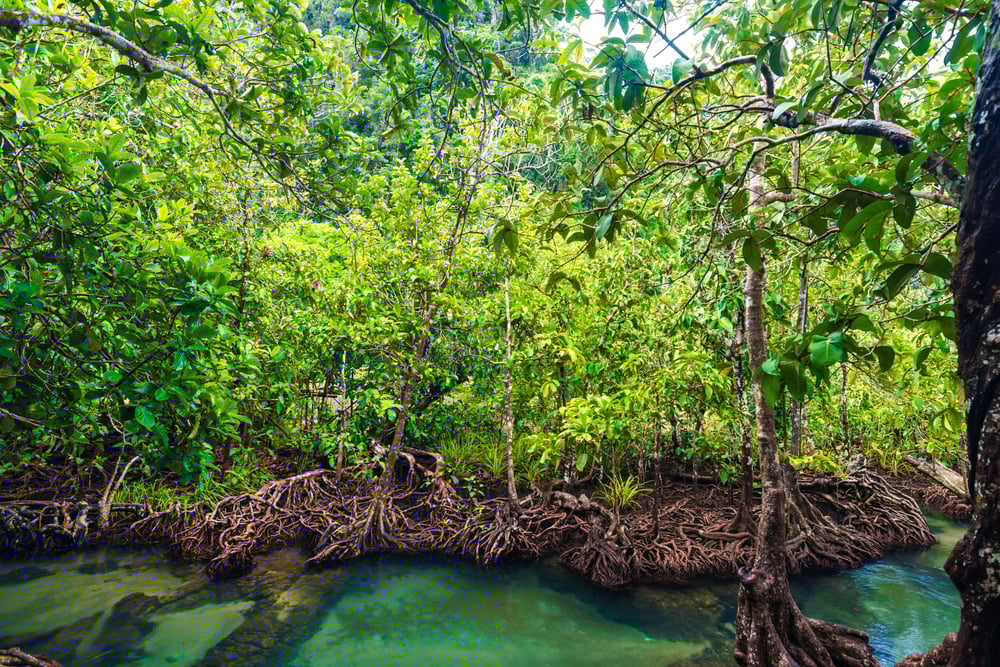
Mangroves stand strong where land meets sea, protecting coastlines from erosion and storm damage. Their tangled roots serve as nurseries for fish and as carbon-trapping powerhouses for the planet.
Shark Diversity Surprise

Sharks aren’t just giant toothy predators—they come in over 500 species. Some are smaller than a ruler, others older than trees, all finely tuned by evolution.
Underwater Mountains
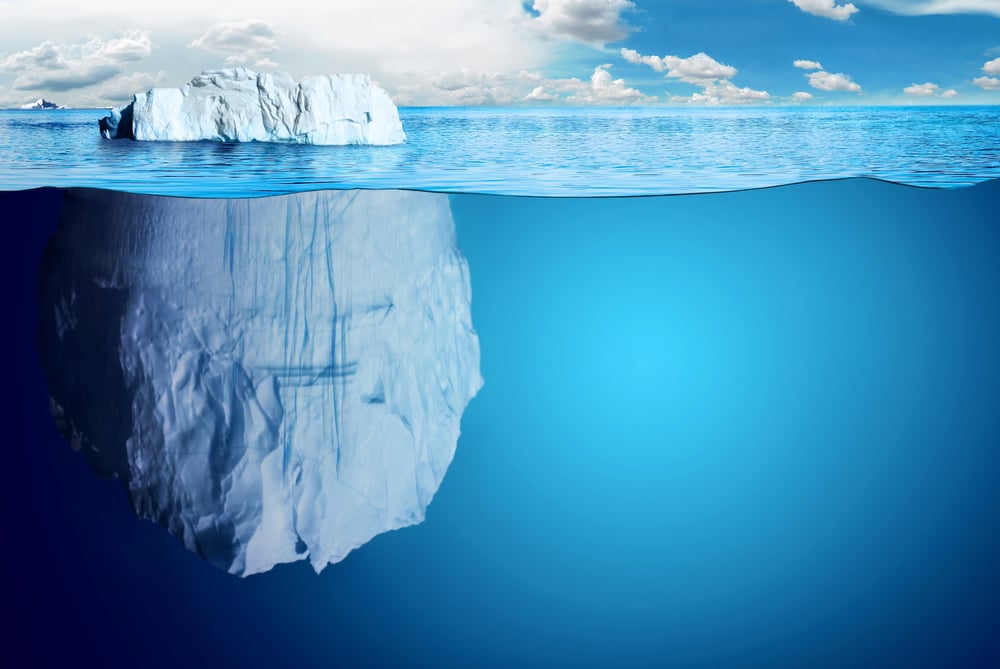
Seamounts, the ocean’s hidden peaks, funnel nutrients upward, creating rich feeding grounds. Teeming with rare life, these submerged mountains can be as biodiverse as entire continents.
Dolphin Brilliance
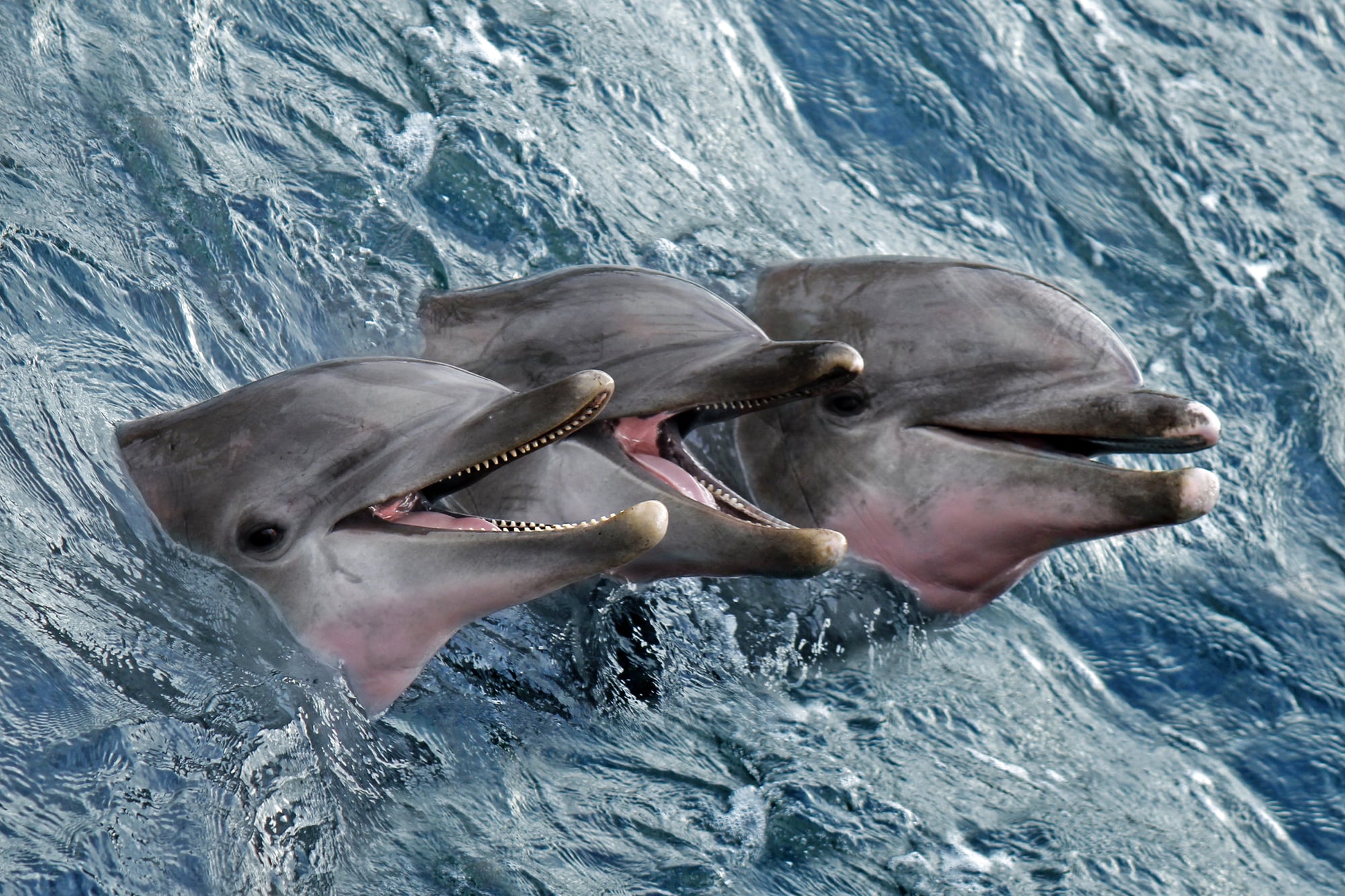
Dolphins are social geniuses, naming each other with signature whistles. They form pods with unique cultures, use tools, and solve problems better than many primates.
Living Time Capsules
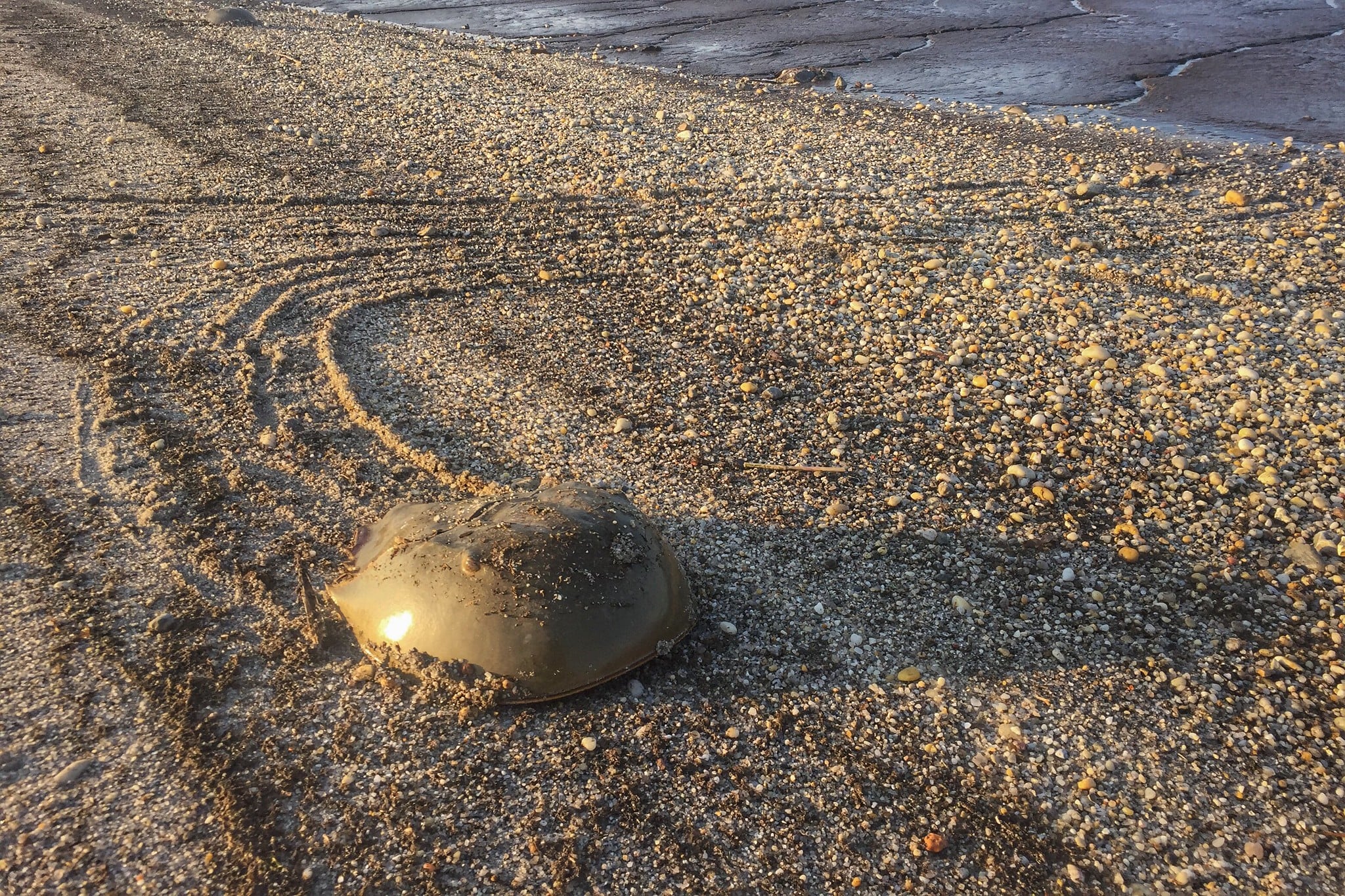
Horseshoe crabs are ancient mariners—unchanged for nearly half a billion years. Their blue blood, crucial for medical testing, makes them valuable and vulnerable.
Polar Survivors

In polar extremes, survival demands superpowers. From antifreeze-blooded fish to huddling penguins, life here thrives against all odds.
Beauty of the Ocean
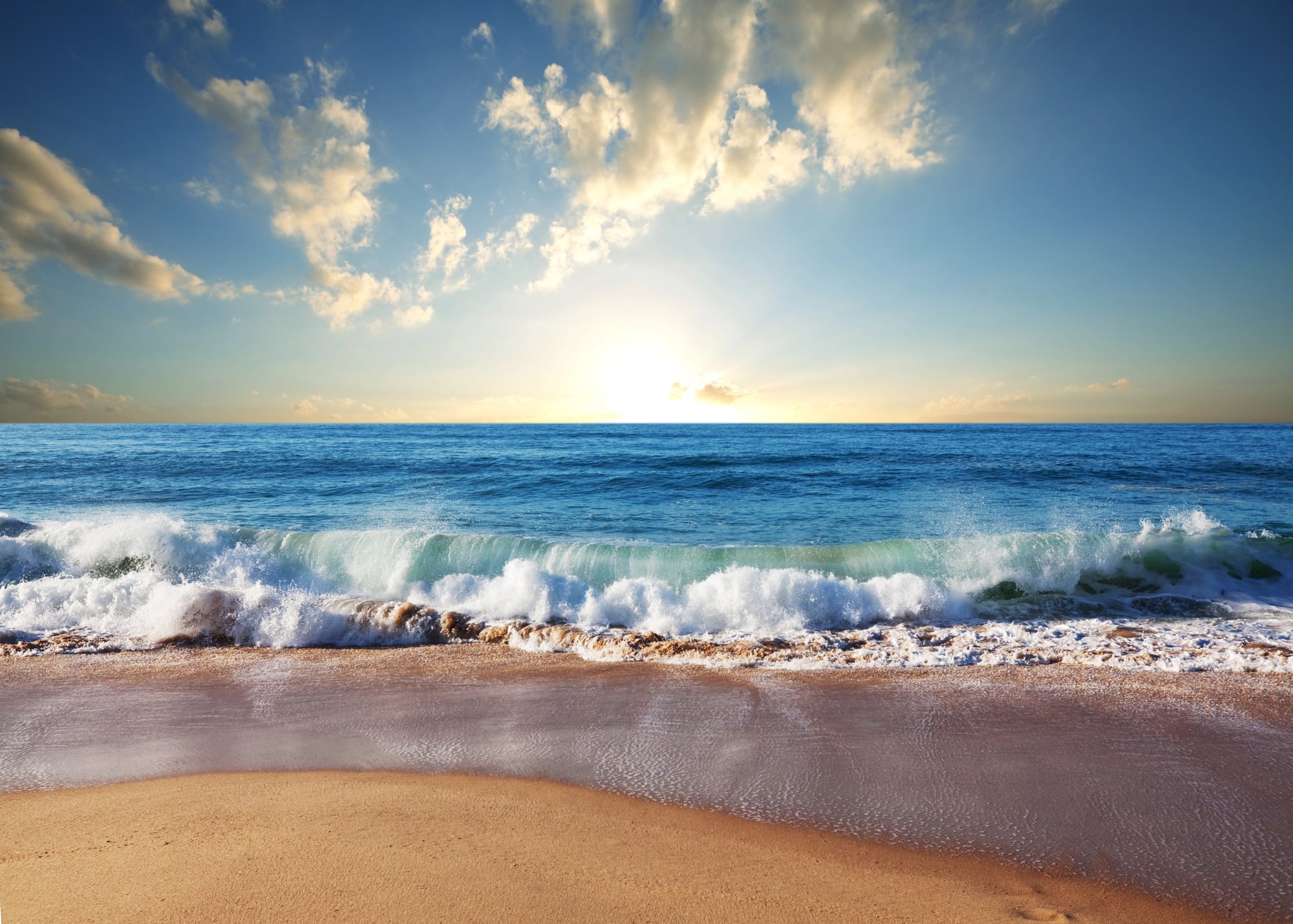
Today’s explorers swap maps of sea monsters for submarines and sonar. But even with high-tech tools, the ocean remains a vast frontier filled with surprises.
More from Go2Tutors!

- The Romanov Crown Jewels and Their Tragic Fate
- 13 Historical Mysteries That Science Still Can’t Solve
- Famous Hoaxes That Fooled the World for Years
- 15 Child Stars with Tragic Adult Lives
- 16 Famous Jewelry Pieces in History
Like Go2Tutors’s content? Follow us on