17 Kitchen Tools Still Used From Ancient Times
Step into any kitchen today and you’ll spot gadgets our ancestors would find baffling. Electric mixers, food processors, digital thermometers — centuries of innovation packed into sleek appliances. But here’s the thing: nestled among all that high-tech gear are tools that haven’t changed much since ancient times.
Why? Because some designs were so spot-on from the start that tinkering with them would be pointless. Here is a list of 17 kitchen tools that have been helping humans prepare food since ancient civilizations first gathered around fires.
Mortar and Pestle
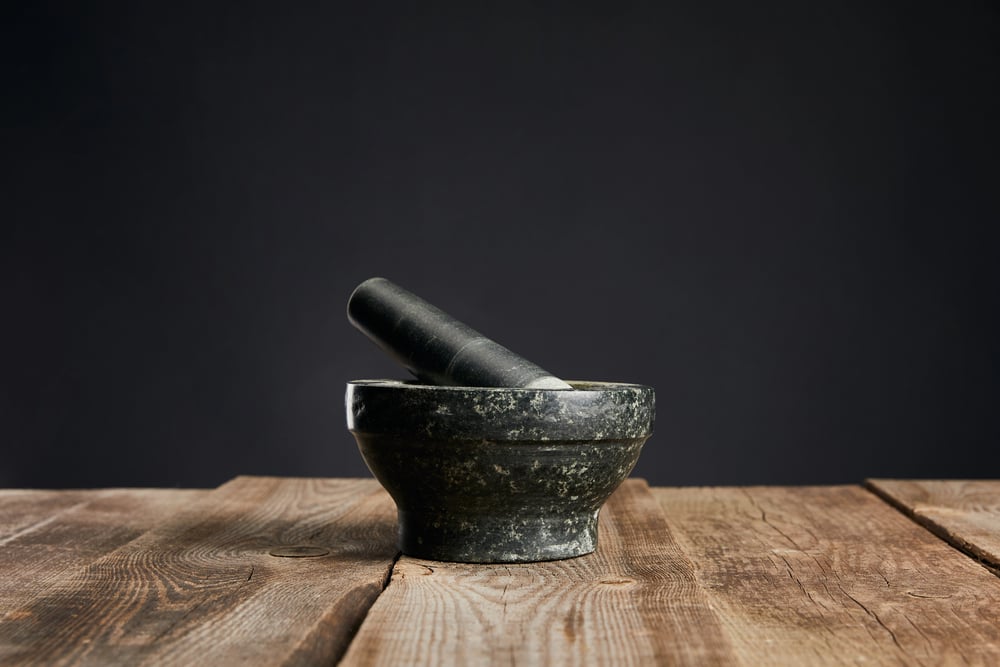
Talk about staying power — mortars and pestles have been around for 35,000 years. Egyptians ground grains with them. Romans made pesto. The concept? Smash stuff between two hard surfaces until it’s the consistency you want.
Physics doesn’t get much simpler than that. Sure, today’s versions come in marble instead of rough stone, but the job hasn’t changed. Neither has the technique.
Wooden Spoons
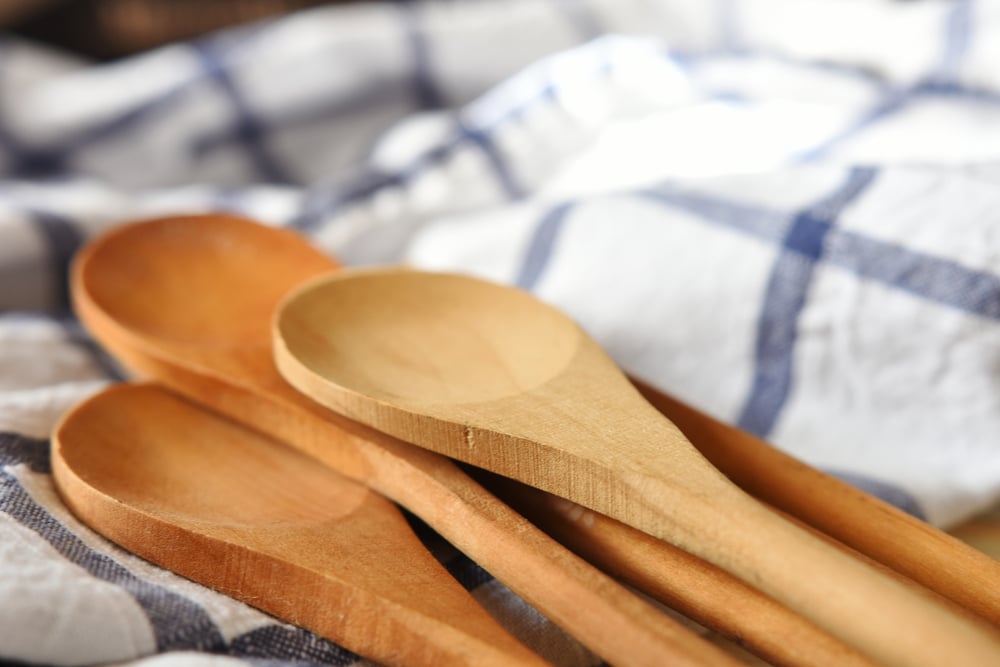
Wood’s been stirring pots since people figured out how to cook in containers. Ancient Greeks used them. So did Romans. Wood conducts heat slowly, won’t scratch your cookware, and naturally fights bacteria.
Plus, it doesn’t react with acidic foods like tomatoes. Modern alternatives exist — plastic, silicone, whatever — but professional chefs still reach for wood. There’s a reason for that.
Knives
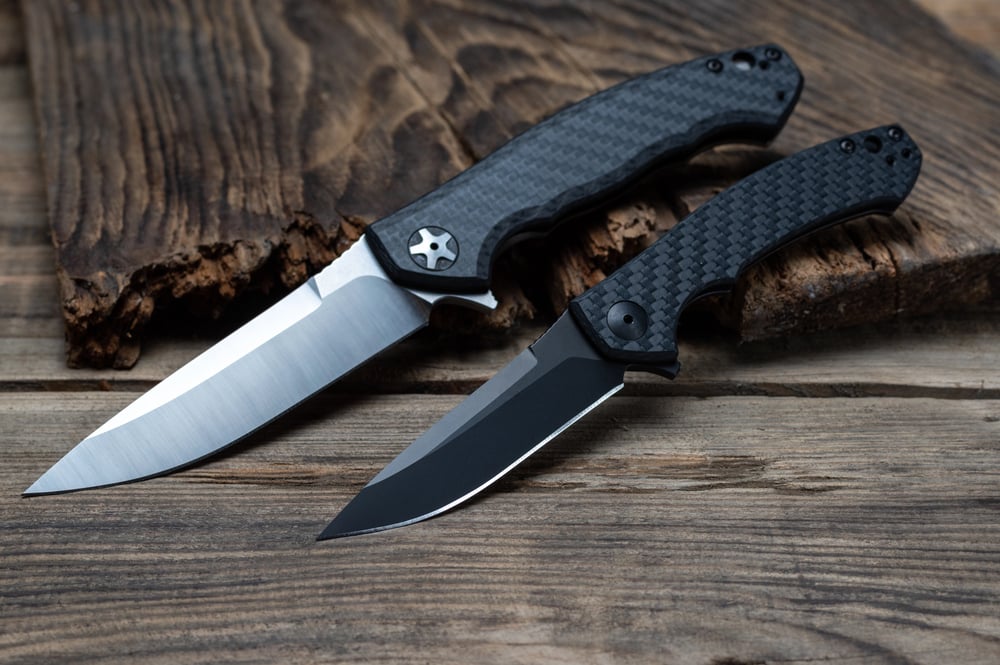
Sharp tools for cutting food? That’s been a thing since humans settled down anywhere. Started with flint, moved to bronze, then iron.
Each civilization had its preferences — Egyptians liked curved blades for harvesting, Romans went with straight edges. The basic idea never changed: sharp metal attached to something you can grip. Whether it’s a chef’s knife or a paring knife, we’re still using the same principle from thousands of years ago.
Sieves and Strainers
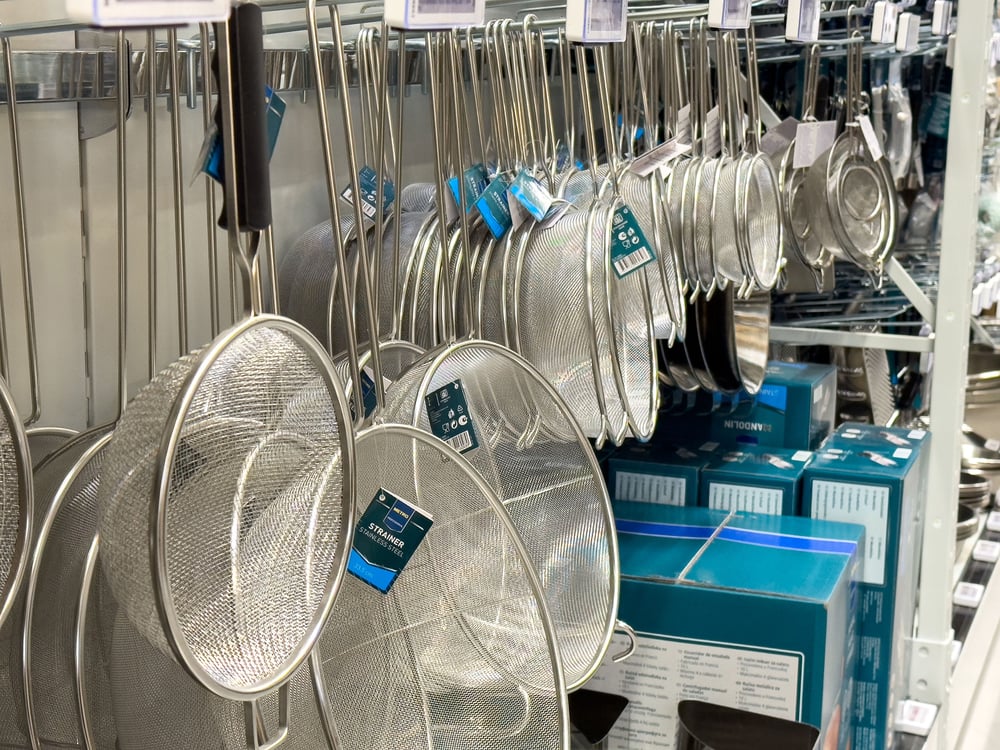
Separating liquids from solids has always been necessary. Early cooks wove plant fibers into mesh, poked openings in pottery, hammered metal into screens.
Romans had fancy bronze sieves for smooth sauces. Chinese cooks used bamboo for noodles.
The idea of using punctures to filter stuff? That’s timeless. Modern versions just use better materials and more precise manufacturing.
Tongs
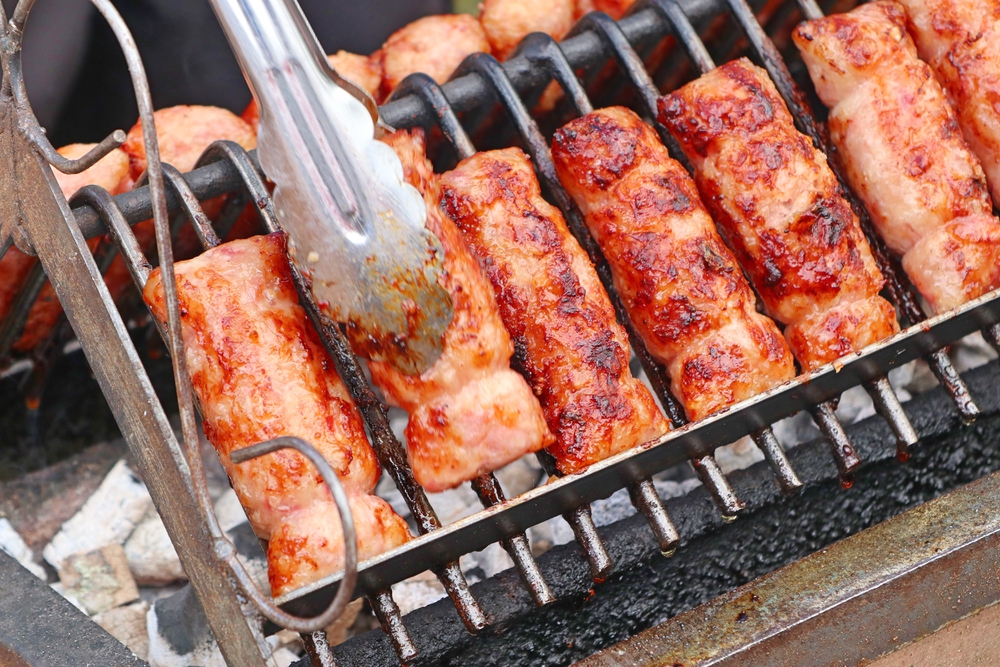
Hot food burns fingers. Ancient metalworkers figured this out early, creating hinged tools from bronze and iron. Same mechanism we use now, actually.
Romans grabbed bread from ovens with them. Chinese cooks used them for stir-frying.
The lever action multiplies your grip while keeping hands away from heat. Perfect engineering that hasn’t needed updates.
Graters
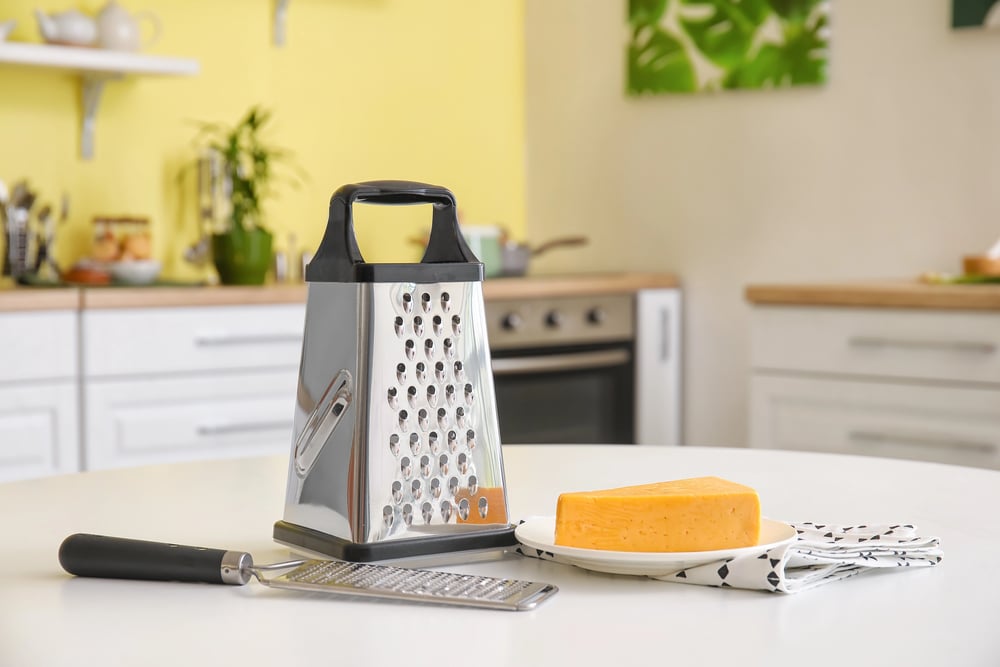
Breaking down solid ingredients through abrasion goes way back, though early versions looked pretty different. Romans used rough pottery shards and perforated metal sheets.
Medieval cooks punched openings in tin, creating that pattern of raised, sharp edges we recognize today. The principle hasn’t budged — drag food across a rough surface to make it smaller. Works for cheese, citrus zest, vegetables, whatever.
Ladles
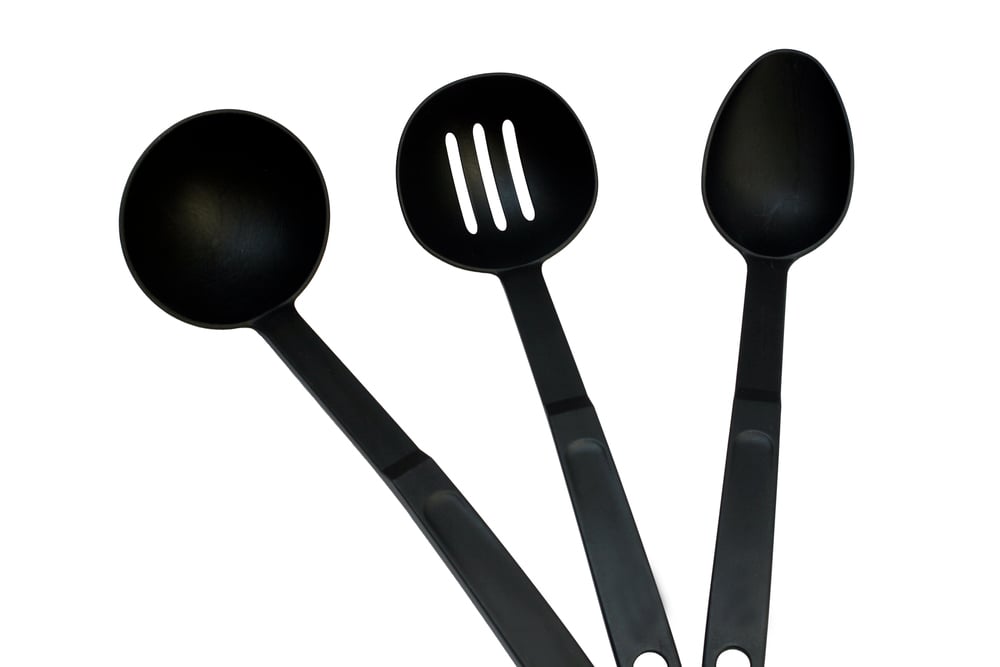
Moving liquid from one container to another? You need a bowl attached to a handle.
That’s it. Prehistoric settlements had ladles made from shells, gourds, and carved wood. Fancier civilizations used bronze and silver.
The curved bowl shape that scoops and pours efficiently represents optimal design. Modern materials have refined things, but the basic shape and proportions? Still the same.
Rolling Pins
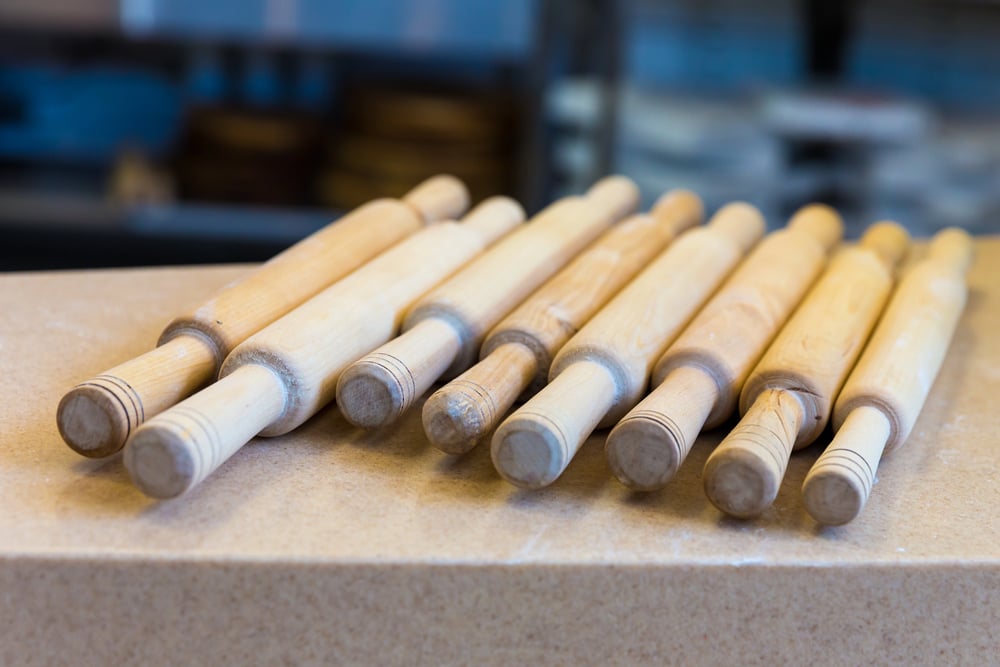
Flattening dough uniformly challenged ancient bakers just like it does today. Early versions were round stones or wooden cylinders.
Simple, but effective. Egyptian bakers used wooden rollers for flatbreads.
Romans added handles for better control. The concept — apply even pressure across a rotating cylinder — works so well that modern improvements focus on materials and surface treatments, not design.
Cutting Boards
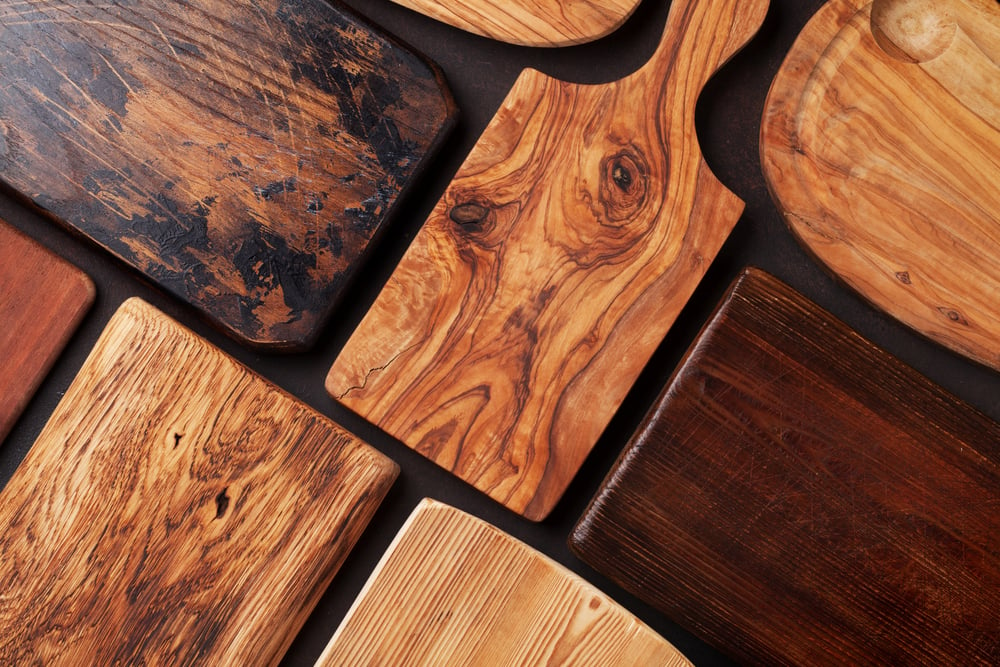
Protecting work surfaces while preparing food led to the first cutting boards. Romans used marble slabs for meat.
Medieval cooks preferred thick wooden planks. The requirement hasn’t changed: provide a stable, knife-friendly surface that protects both blade and counter.
Modern boards offer different materials for different tasks, but the fundamental concept remains identical.
Whisks
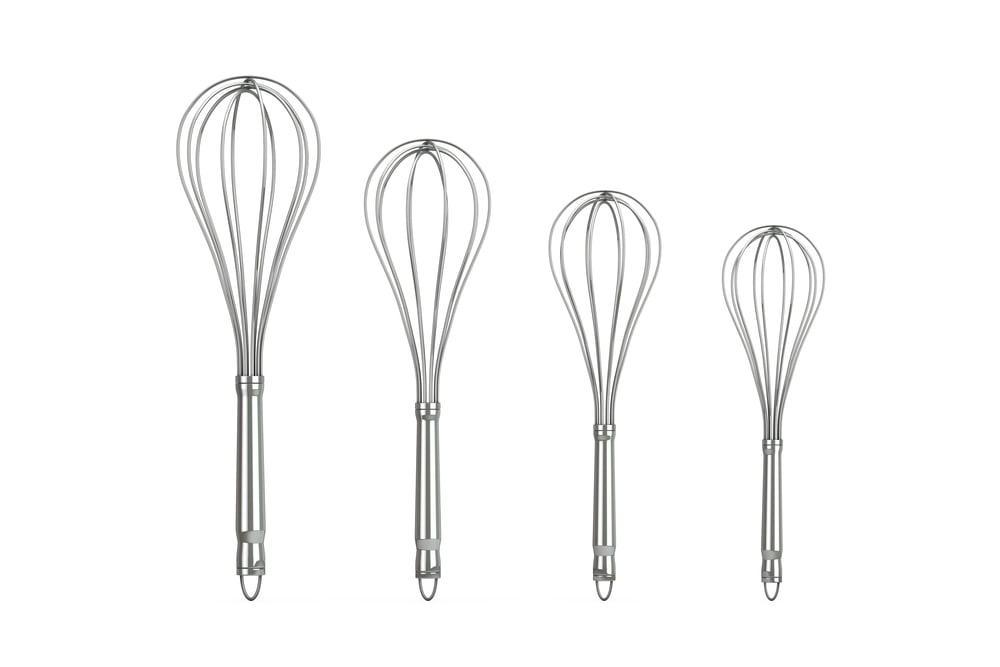
Getting smooth mixtures and incorporating air into ingredients meant finding tools that could agitate liquids effectively. Ancient cooks bundled twigs together. Medieval kitchens used birch branches.
The principle — multiple thin elements cutting through mixtures to create turbulence — led to today’s wire whisk design. Modern versions use stainless steel and ergonomic handles, but they follow the same basic approach.
Measuring Cups
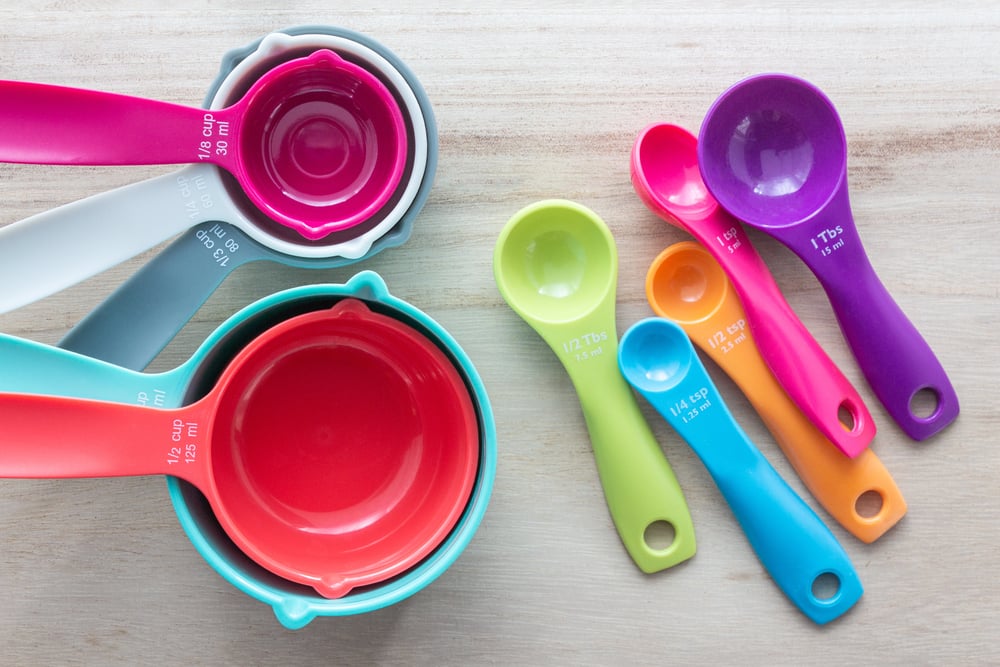
Consistent cooking demands accurate proportions. Ancient civilizations developed standardized measuring vessels for exactly this reason. Egyptian bakers used specific containers to ensure uniform bread. Roman cooks relied on standard measures for recipes.
Using containers with known volumes to achieve repeatable results? That’s fundamental to cooking. Modern cups offer better precision and clearer markings, but serve the same essential function.
Skewers
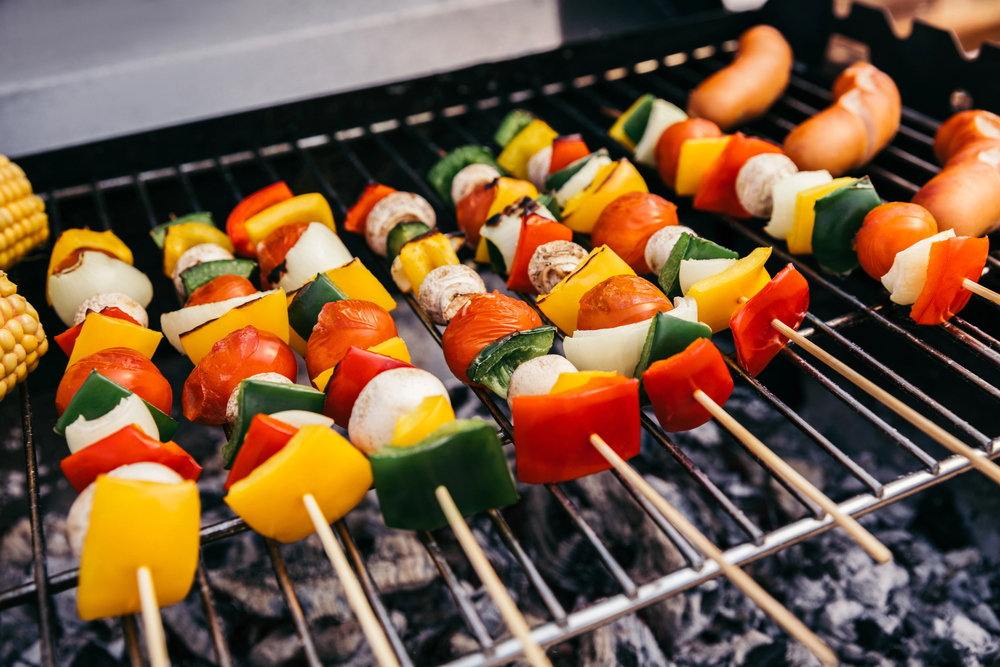
Cooking meat over fire while keeping it manageable led to skewers from day one of controlled cooking. Ancient hunters used sharpened sticks. More sophisticated civilizations crafted metal versions for better heat conduction.
Piercing food with a pointed rod to hold it steady during cooking — that concept shows up in modern kabobs and grilled meats. Wood, bamboo, stainless steel — material changes, but the design principles remain constant.
Funnels
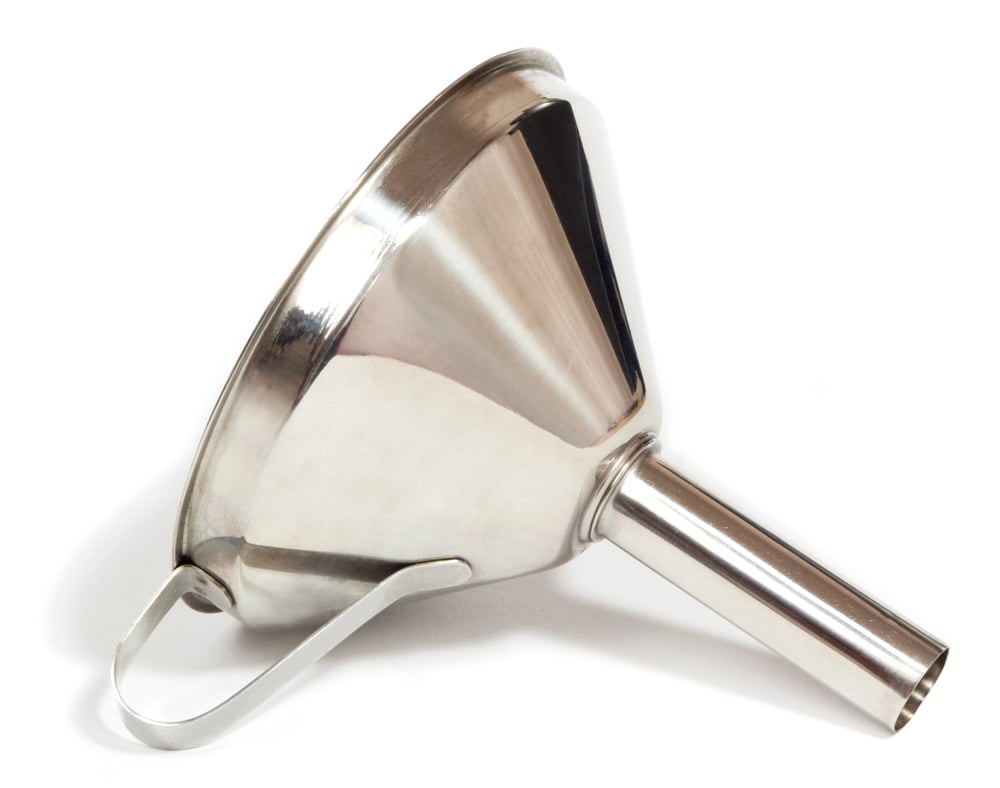
Transferring liquids without spilling required tools that could direct flow precisely. Ancient civilizations rolled leaves, carved wood, shaped metal to solve this problem.
The conical shape that gradually narrows to direct liquid flow represents optimal design. Physics won’t let us improve on it.
Modern funnels might include strainers or measurement marks, but the basic cone-and-tube design stays identical to ancient versions.
Pot Holders
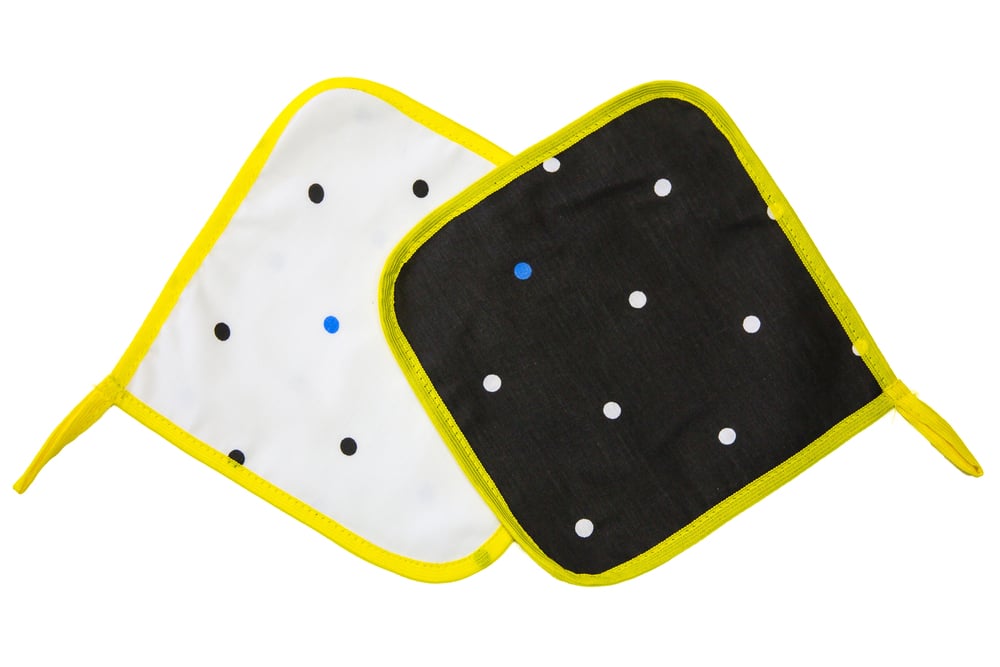
Hot cookware burns hands. Ancient cooks used leather scraps, thick cloth, even large leaves to grab pots and pans safely.
The principle — creating a barrier between skin and hot surfaces — led to pot holders that serve the same function today. Modern versions use advanced heat-resistant materials and ergonomic designs, but fulfill the same protective role established in ancient kitchens.
Pastry Brushes
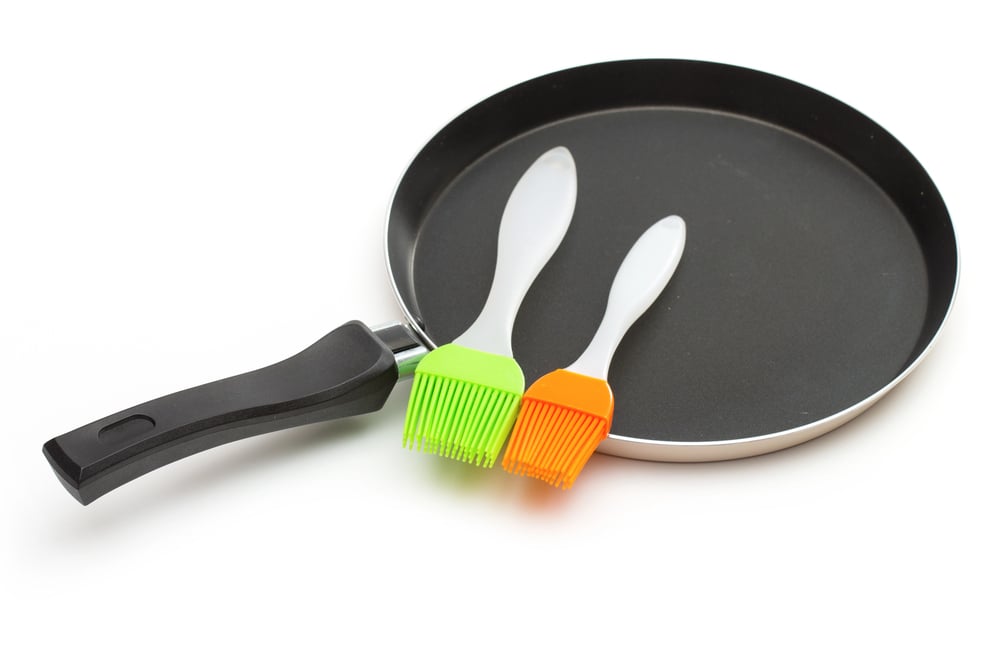
Applying liquids evenly to food surfaces required tools that could distribute thin coatings without damaging delicate items. Ancient bakers bundled animal hair or plant fibers to brush egg wash on bread and apply oils to pastries.
Flexible bristles applying liquid coatings — that concept led to modern pastry brush design. Natural bristles or synthetic materials, the basic approach stays the same.
Spatulas
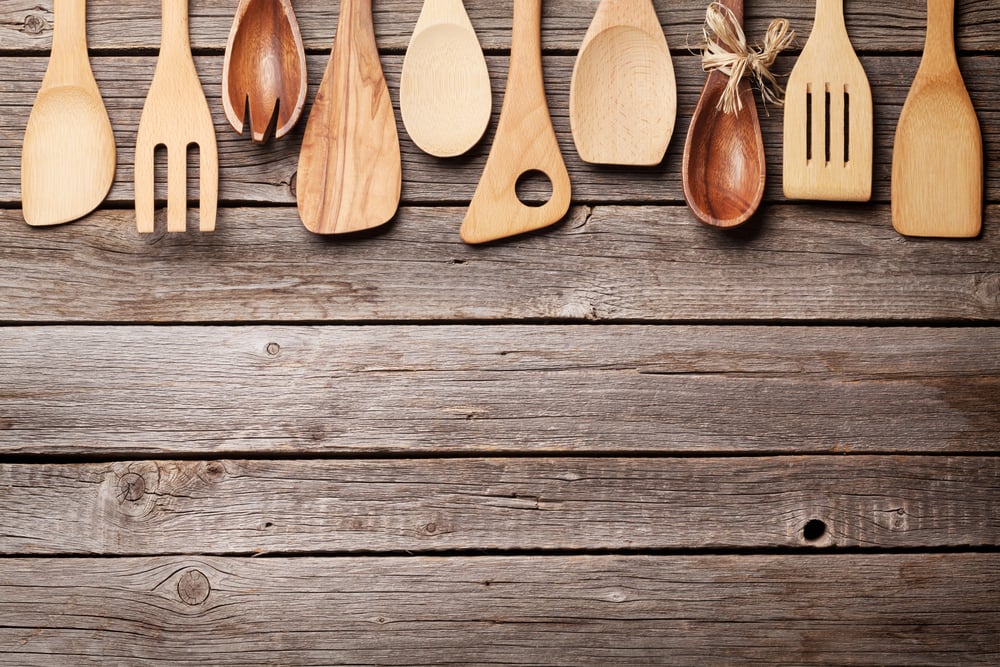
Flipping and moving food without breaking it required tools that could slide under delicate items and provide support. Ancient cooks crafted flat implements from wood, bone, metal to handle everything from pancakes to fish.
Thin, flat blade attached to a handle for leverage — that’s fundamental to modern spatulas. Contemporary versions offer different materials and specialized shapes, but serve the same essential function.
Serving Spoons
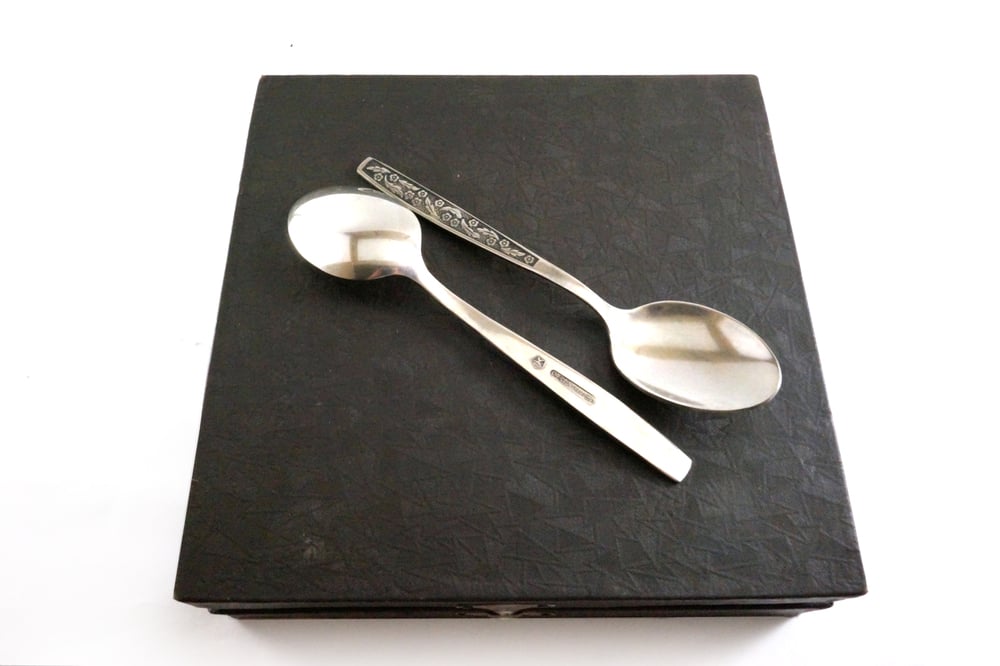
Portioning food from cooking vessels to individual plates required utensils larger than eating spoons but designed for controlled serving. Ancient civilizations developed serving implements with broader bowls and longer handles to manage this efficiently.
Using an oversized spoon for transferring food from pot to plate — that concept remains unchanged. Carved wood, cast bronze, stamped stainless steel — these tools still follow the same proportional relationships established thousands of years ago.
Why These Tools Endure
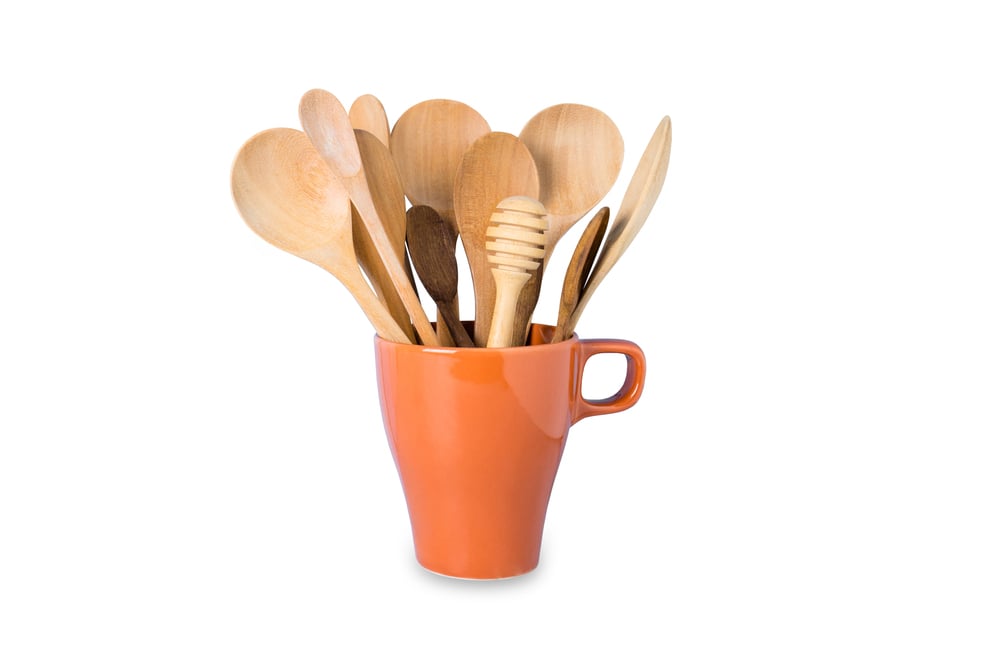
These ancient implements prove that brilliant design doesn’t need constant updates. We’ve added electric mixers and food processors to our kitchens, but cutting, stirring, measuring, and serving work exactly the same way they did for our ancestors.
Sometimes the first solution really is the best one — refined through thousands of years of daily use rather than replaced by flashy alternatives.
More from Go2Tutors!

- The Romanov Crown Jewels and Their Tragic Fate
- 13 Historical Mysteries That Science Still Can’t Solve
- Famous Hoaxes That Fooled the World for Years
- 15 Child Stars with Tragic Adult Lives
- 16 Famous Jewelry Pieces in History
Like Go2Tutors’s content? Follow us on MSN.