Stonehenge Theories That Scientists Debate
Still puzzling after all these years, Stonehenge draws endless attention despite no clear answer about why it was built. Sitting bare on southern England’s chalky flatlands, people have dug, mapped, measured, and scoured the area for over 100 years.
Not missing facts – that isn’t the problem – what trips up experts is how each clue fits too many stories at once. Depending on who looks, when they look, and what tools they favor, those rocks, sightlines, and nearby earth shapes shift meaning entirely.
Not one idea stands alone, instead fresh studies bring forth clashing views still argued today. Built on real findings, every theory also carries gaps hard to ignore.
It’s this unresolved pull – why Stonehenge stays alive in scientific thought. Peering into the top ideas, scientists keep questioning, adjusting, shifting what they think.
Astronomical observatory
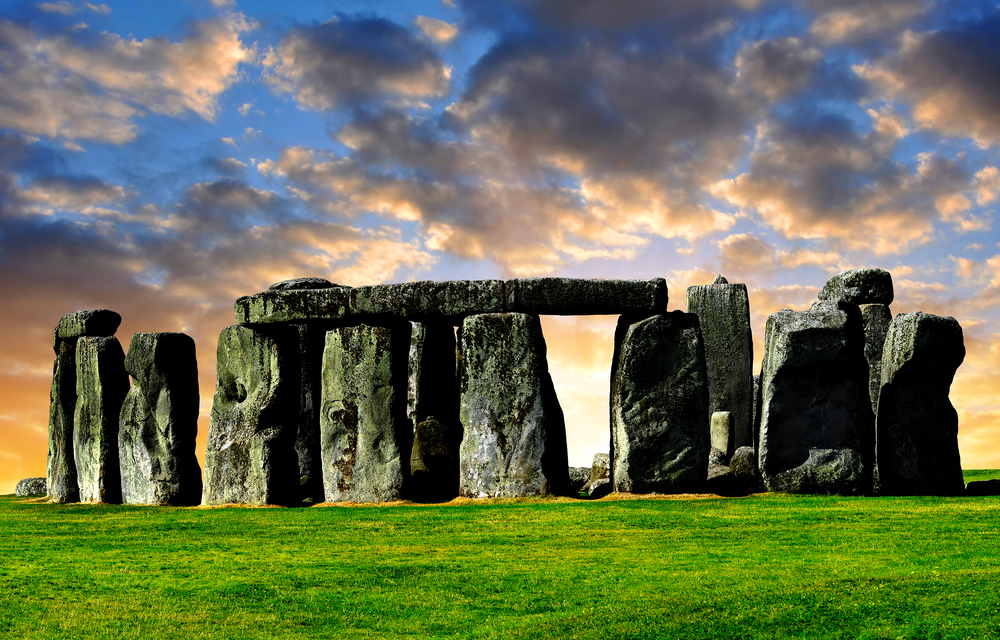
Stonehenge’s alignment with the summer solstice sunrise and winter solstice sunset is one of its most striking features. The monument’s central axis frames the sun’s movement on those days with a level of accuracy that suggests deliberate design rather than coincidence.
Achieving this would have required long-term observation and careful planning across generations. Still, most researchers stop short of calling Stonehenge a full astronomical observatory.
While solstice alignments are clear, the site lacks the structural complexity needed to track a broader range of celestial events. There are no confirmed features that would allow systematic monitoring of lunar cycles or long-term solar variation.
The ongoing debate centres on whether Stonehenge recorded time in a practical sense, expressed cosmological beliefs symbolically, or combined both approaches in ways modern categories struggle to capture.
Ritual and ceremonial landscape
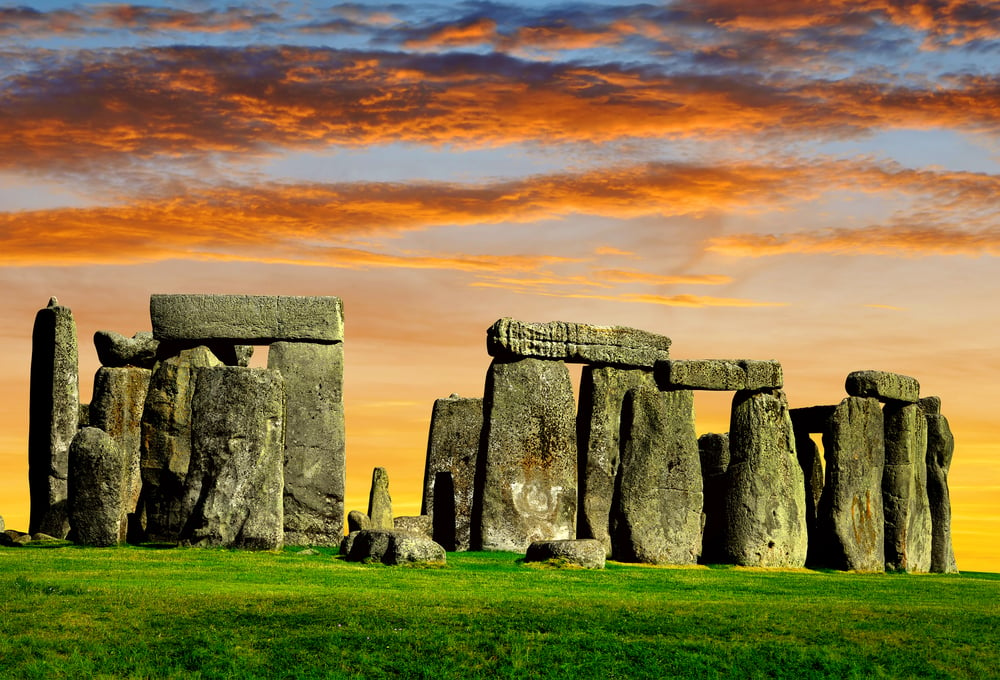
Another dominant theory places Stonehenge within a much wider ceremonial landscape rather than treating it as a standalone monument. Archaeological work has revealed strong connections between the stones, nearby avenues, surrounding earthworks, and distant burial mounds.
Together, these features suggest intentional planning that shaped how people moved through the landscape. Even so, identifying the nature of those ceremonies remains difficult.
The physical layout implies processions and gatherings, yet the absence of written records leaves meaning open to interpretation. Some researchers argue that Stonehenge structured seasonal rituals tied to agricultural rhythms, while others believe it hosted infrequent but highly symbolic events.
The debate persists because the landscape supports multiple readings without definitively confirming any single one.
Burial and ancestor monument
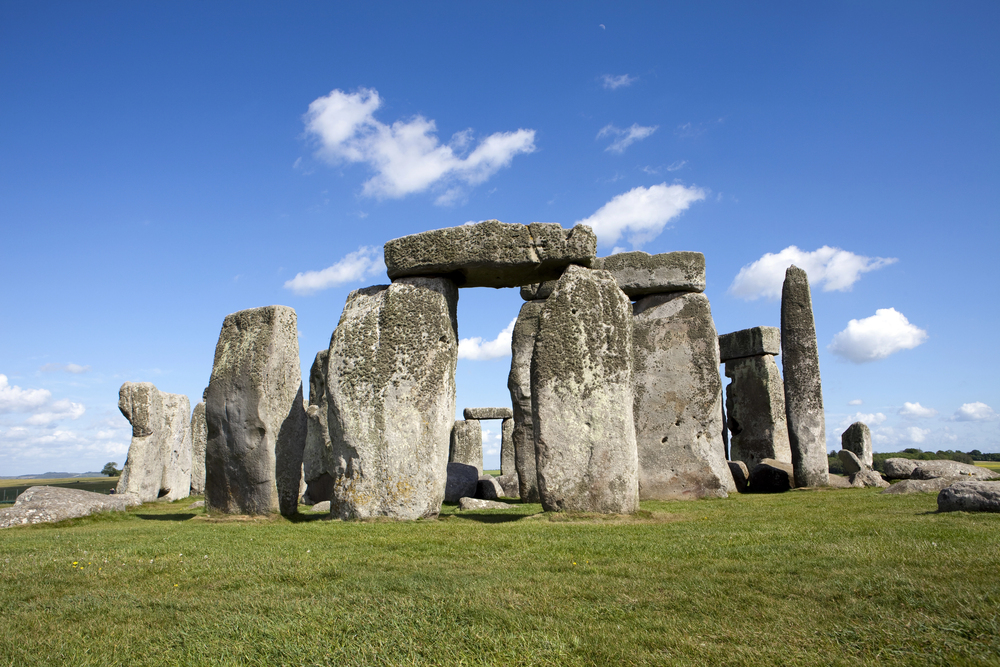
Human remains found in and around Stonehenge indicate that burial practices were part of the site’s early history. Cremated remains date back to some of the earliest construction phases, suggesting that remembrance and mortality were central to its original use.
This has led many researchers to interpret Stonehenge as a monument connected to ancestors rather than everyday life. At the same time, the number of burials is relatively small compared to the monument’s scale.
This raises questions about who was commemorated and why. Rather than serving as a general burial ground, Stonehenge may have honoured select individuals or lineages.
Some scholars argue that the monument functioned as a symbolic anchor for ancestry, reinforcing identity and continuity rather than housing the remains of the broader population.
Healing and pilgrimage site
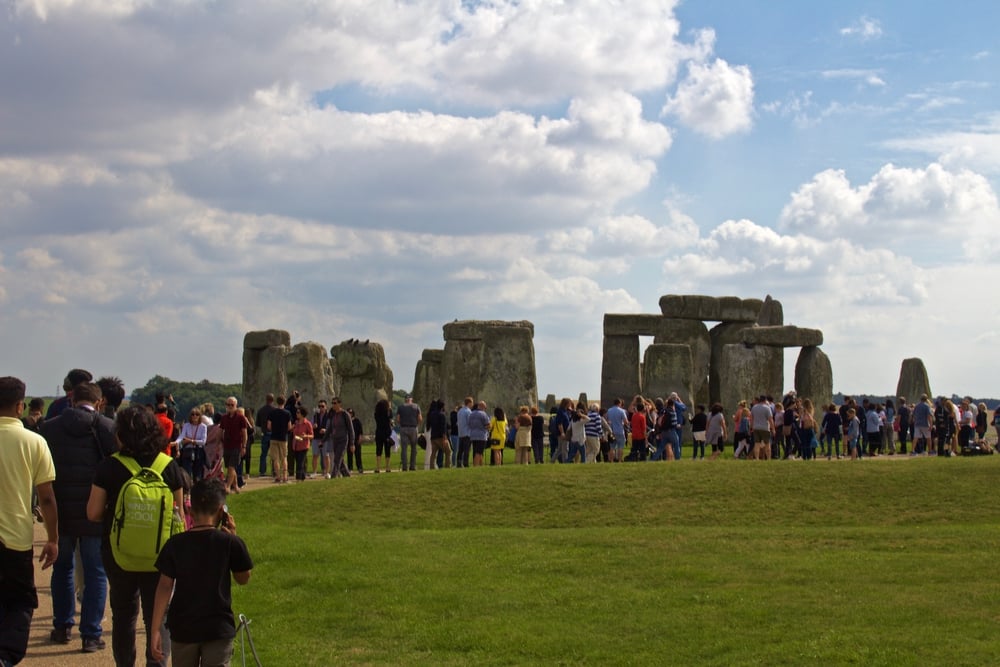
One of the more debated interpretations proposes that Stonehenge attracted people seeking physical restoration. This idea centres on the bluestones, which were transported from western Wales, a journey of roughly 150 miles.
Moving these stones would have required extraordinary coordination, suggesting they held significance beyond basic construction needs. Supporters of this theory point to skeletal remains found nearby that show signs of injury or long-term illness.
They argue that people may have travelled to Stonehenge believing the stones possessed restorative qualities. Critics remain unconvinced, noting that long-distance transport can also signal political influence or symbolic power.
Whether Stonehenge served as a destination for healing, prestige, or both remains one of the site’s most contested questions.
Symbol of social unity
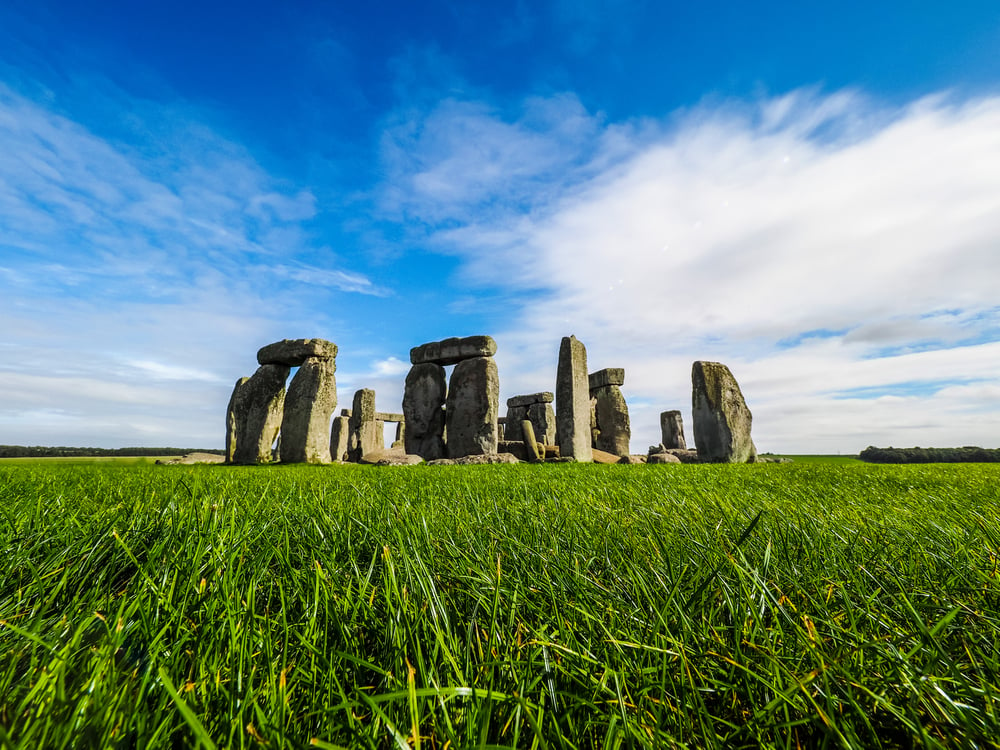
Some researchers focus less on Stonehenge’s function and more on what its construction represented socially. Building the monument would have required cooperation across communities, shared resources, and sustained organisation over many years.
From this perspective, Stonehenge symbolised unity during a period of social change, acting as a shared project that reinforced collective identity. That interpretation, however, is not universally accepted.
Monumental construction can also reflect hierarchy, control, and competition rather than cooperation alone. Some archaeologists argue that Stonehenge may represent the authority of emerging elites who had the influence to mobilise labour on a massive scale.
The debate reflects broader uncertainty about how power and leadership operated in prehistoric societies.
Engineering experiment and technical mastery
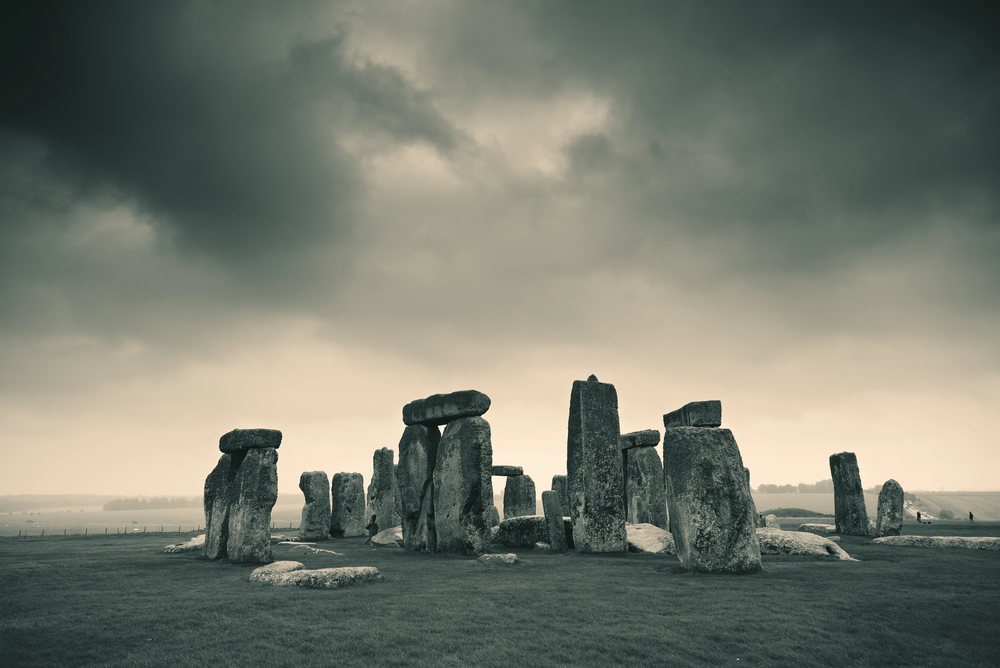
Stonehenge also invites interpretation as a display of engineering skill. The stones were shaped with precision, fitted using interlocking joints, and arranged in stable formations that have endured for thousands of years.
These features suggest a sophisticated understanding of materials, weight distribution, and long-term durability. Even so, technical achievement does not fully explain motivation.
Engineering describes how Stonehenge was built, not why it mattered. Some scholars argue that the act of building itself carried meaning, while others see craftsmanship as serving deeper ritual or symbolic goals.
The unresolved relationship between skill and significance keeps this theory firmly in debate.
Political statement and territorial marker
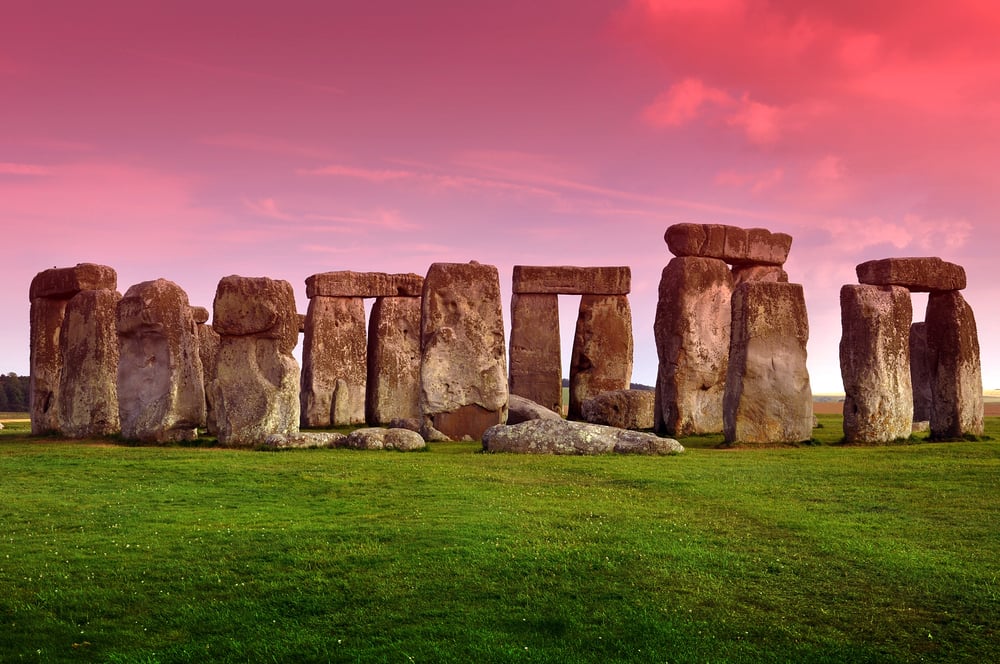
A growing area of discussion considers Stonehenge as a political statement rather than a purely spiritual site. Its scale, visibility, and placement within the landscape may have signalled territorial control or regional importance.
In this view, the monument communicated authority to those who encountered it, reinforcing boundaries and influence without words. Still, interpreting political intent in prehistoric contexts is challenging.
Material evidence alone cannot confirm how power was perceived or exercised. Critics caution against projecting modern political concepts onto ancient societies.
Even so, the possibility that Stonehenge functioned as a visual assertion of influence continues to shape scholarly discussion.
Changing meaning over time
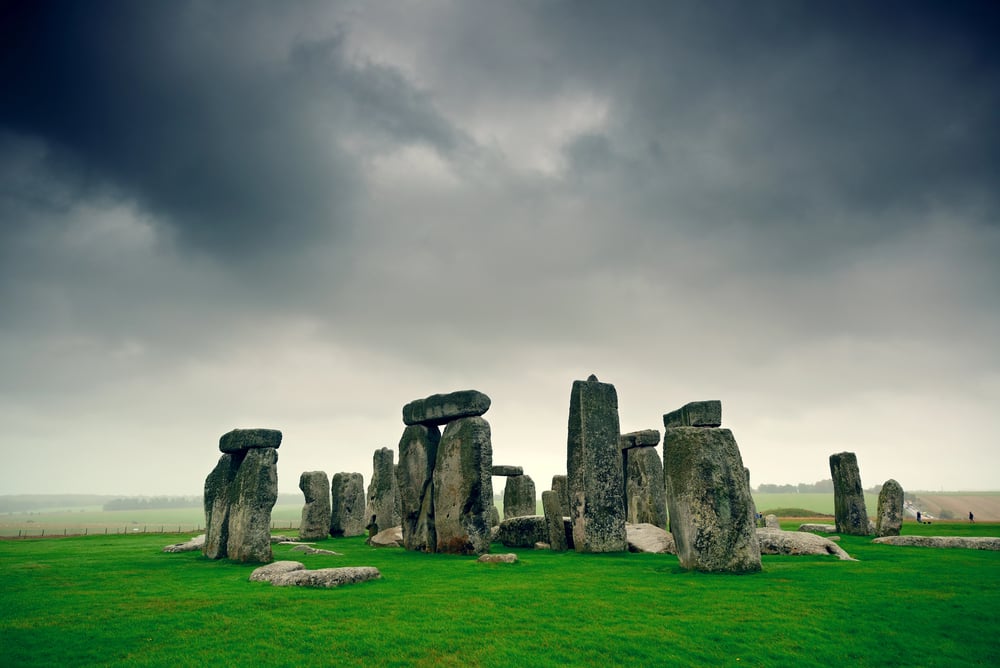
One reason consensus remains elusive is that Stonehenge was not built in a single moment. The site evolved over centuries, with phases of construction, removal, and reconfiguration.
Each generation may have interpreted the monument differently, layering new meanings onto old structures. This long timeline makes single explanations unlikely.
A site that began as a burial space could later have taken on ceremonial, social, or political roles. Many researchers now argue that Stonehenge’s significance lay precisely in its adaptability, serving different purposes as beliefs and social structures changed.
Why the debate still matters
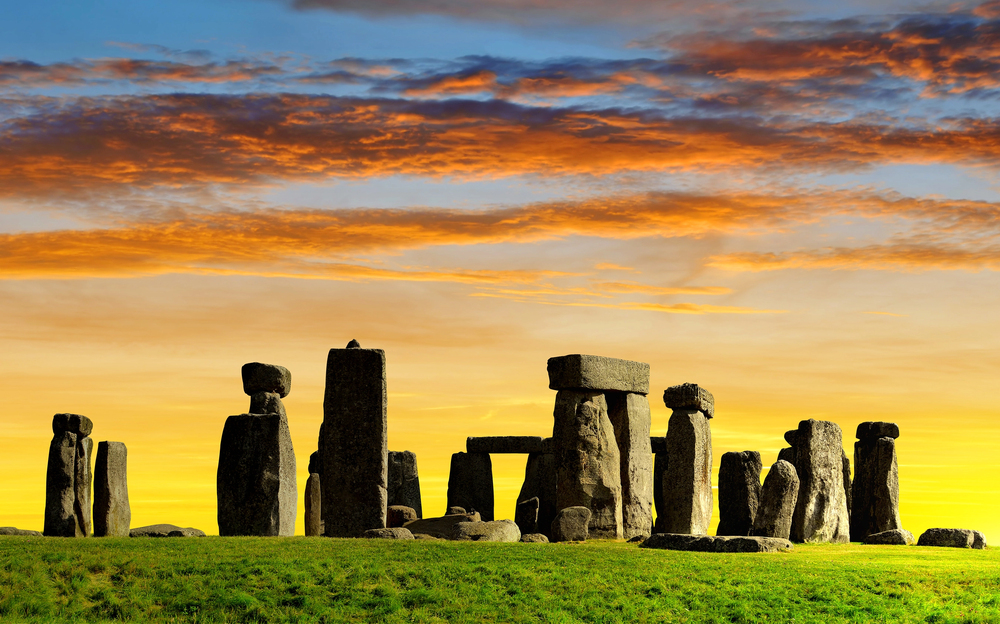
Still sparking arguments today, Stonehenge lives where knowledge, tradition, and people meet. With newer methods scientists now see timelines, substances, and shifts more clearly – though these insights often uncover deeper layers instead of neat solutions.
One solution appears, another puzzle takes its place. What lingers unanswered isn’t due to poor study – it mirrors the way people find meaning.
Scientists see in Stonehenge proof that history unfolded through shifting beliefs, customs, yet constant change. Lasting impact comes less from clear answers than from revealing depth – how intent shifts across time, never fixed.
More from Go2Tutors!

- The Romanov Crown Jewels and Their Tragic Fate
- 13 Historical Mysteries That Science Still Can’t Solve
- Famous Hoaxes That Fooled the World for Years
- 15 Child Stars with Tragic Adult Lives
- 16 Famous Jewelry Pieces in History
Like Go2Tutors’s content? Follow us on MSN.