16 Human Inventions Inspired by Nature
Nature has served as humanity’s greatest teacher for thousands of years. From the way birds soar through the sky to how geckos stick to walls, the natural world is packed with ingenious solutions that have sparked some of our most revolutionary inventions. Scientists and engineers have learned to look closely at animals, plants, and natural processes to solve complex problems that have puzzled us for generations.
Here is a list of 16 remarkable human inventions that took their inspiration directly from the natural world around us.
Velcro
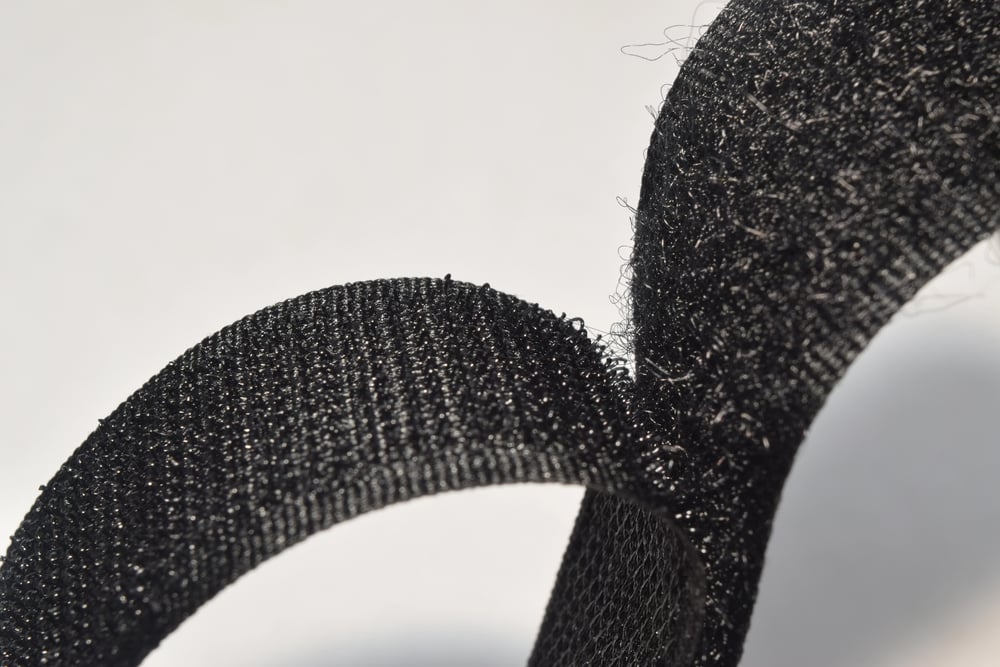
Swiss engineer Georges de Mestral got the idea for Velcro after taking a walk with his dog in 1941. He noticed how burr seeds stuck stubbornly to his dog’s fur and his own clothing.
Under a microscope, he discovered that the burrs had tiny hooks that grabbed onto the loops in fabric and fur—a simple yet brilliant mechanism. This observation led him to create a two-part fastening system with one side covered in tiny hooks and the other in loops, revolutionizing how we fasten everything from shoes to space suits.
Sonar
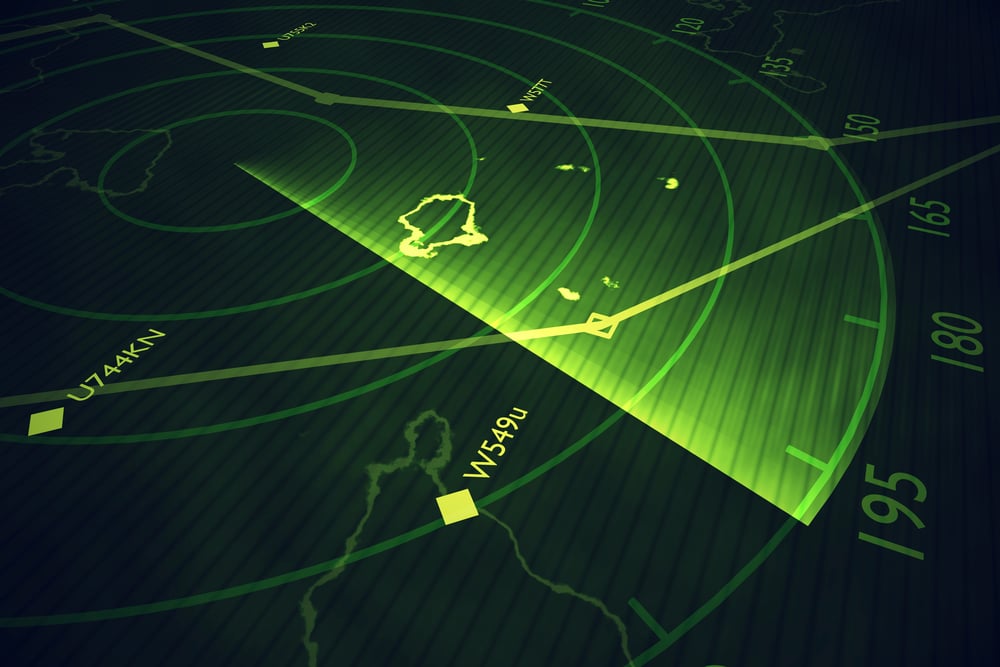
Dolphins and bats navigate their world using echolocation, bouncing sound waves off objects to create detailed mental maps of their surroundings. During World War I, scientists studied how these animals used sound to hunt and avoid obstacles in complete darkness.
This research led to the development of sonar technology, which uses sound waves to detect objects underwater. Today, sonar helps submarines navigate while fishermen locate schools of fish, though researchers also use it to map the ocean floor.
Like Go2Tutors’s content? Follow us on MSN.
Airplane Wings

The Wright brothers weren’t the first to dream of flight. They were smart enough to study birds carefully before building their famous aircraft.
They observed how birds curved their wings and adjusted their feathers to control lift and direction. The curved shape of bird wings—called an airfoil—creates different air pressures above and below the wing, generating lift that keeps the bird aloft.
Bullet Train Design
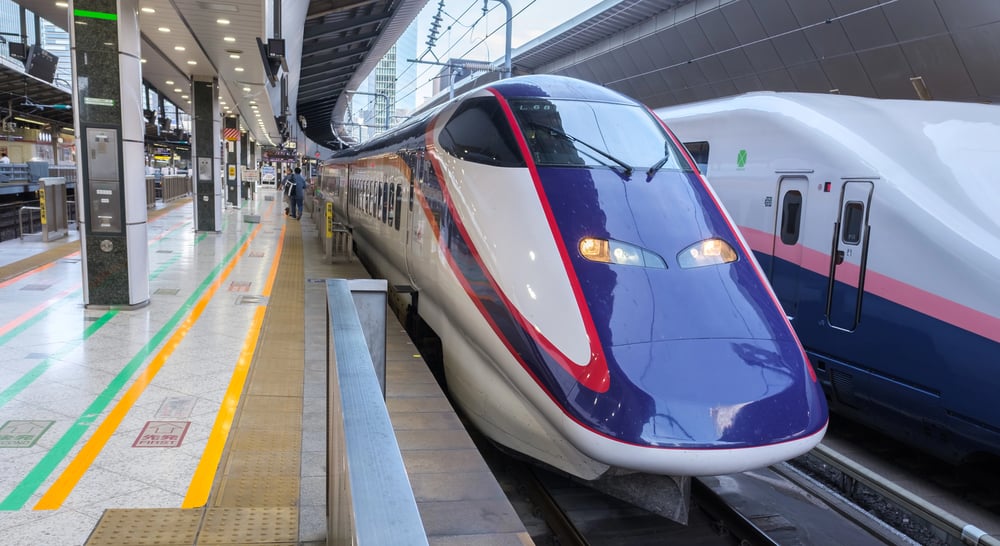
Japan’s famous bullet trains can reach speeds of over 200 miles per hour while remaining remarkably quiet and efficient. Engineers achieved this by studying the streamlined beak of the kingfisher bird, which dives into water with minimal splash.
The train’s nose mimics this sleek, pointed shape, allowing it to cut through air resistance more effectively. They also borrowed from owl feathers—which have special edges that reduce noise during flight—to design quieter pantographs that collect electricity from overhead wires.
Gecko Tape

Geckos can walk up glass walls and hang upside down from ceilings without any apparent effort. Scientists discovered that gecko feet are covered in millions of tiny hairs called setae, which interact with surfaces at the molecular level through van der Waals forces.
Researchers have developed gecko-inspired adhesives that can stick to almost any surface without leaving residue. These materials are being used in everything from medical bandages to space applications—places where traditional adhesives fail.
Like Go2Tutors’s content? Follow us on MSN.
Sharkskin Swimsuits

Olympic swimmers have gained fractions of seconds by wearing swimsuits inspired by shark skin. Shark skin isn’t smooth like it appears.
It’s covered in tiny tooth-like scales called denticles that reduce drag and turbulence as the shark moves through water. Swimsuit manufacturers have created fabrics that mimic these scales, helping swimmers move more efficiently through the water.
Lotus Effect Self-Cleaning Surfaces

Lotus leaves stay remarkably clean even in muddy pond water, a phenomenon scientists call the lotus effect. The leaf surface is covered in microscopic bumps and waxy coating that cause water to bead up and roll off—taking dirt and debris with it.
This discovery led to the development of self-cleaning paints, fabrics, and building materials that stay cleaner longer and require less maintenance. You can now buy everything from self-cleaning windows to stain-resistant clothing based on this principle.
Honeycomb Structure
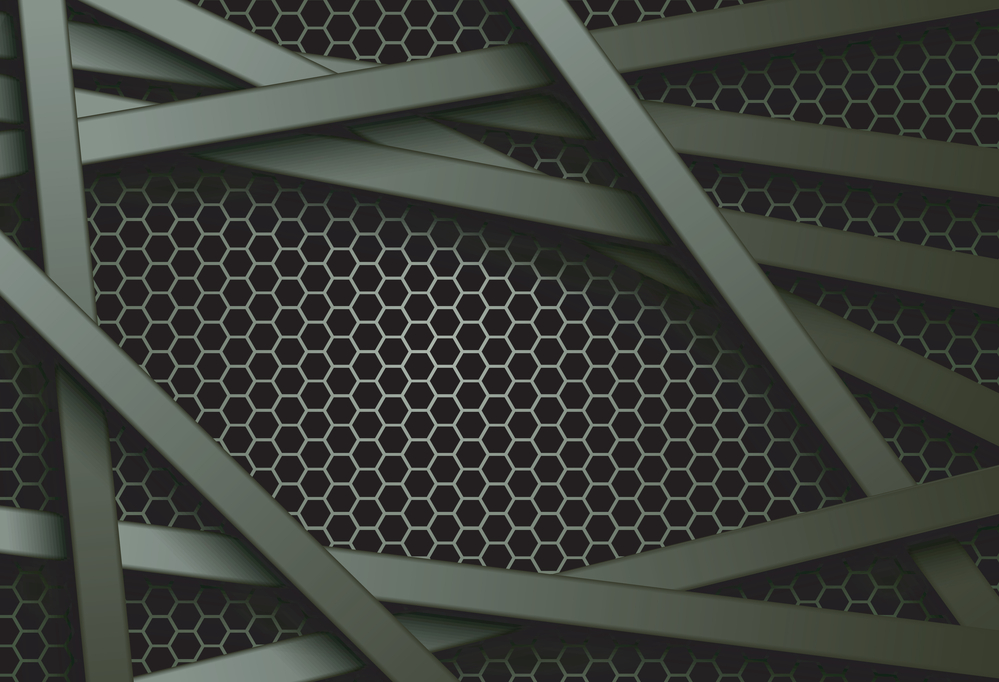
Bees are master architects who create hexagonal cells that use the least amount of wax while providing maximum storage space and structural strength. This honeycomb pattern distributes weight evenly and resists crushing better than circles or squares would.
Engineers now use hexagonal structures in everything from aerospace panels to building materials because they’re incredibly strong while remaining lightweight. The honeycomb design appears in aircraft wings, car bumpers—even cardboard packaging.
Like Go2Tutors’s content? Follow us on MSN.
Spider Silk Fiber

Spider silk is stronger than steel by weight and more flexible than rubber, making it one of nature’s most impressive materials. Scientists have been working for decades to replicate spider silk artificially, leading to the development of ultra-strong synthetic fibers.
These materials are used in bulletproof vests, surgical sutures, and even artificial tendons. Some companies are now using genetically modified bacteria and silkworms to produce spider silk proteins on an industrial scale.
Whale Fin Wind Turbines

Humpback whales are surprisingly agile for their massive size, thanks to bumps called tubercles along the leading edge of their fins. These bumps create small vortices that improve water flow and reduce drag—allowing whales to make sharp turns while chasing prey.
Wind turbine manufacturers have added similar bumps to turbine blades, increasing their efficiency by up to 40% and allowing them to generate power even in light winds. The whale-inspired design also reduces noise and vibration.
Kingfisher Bullet Train Nose
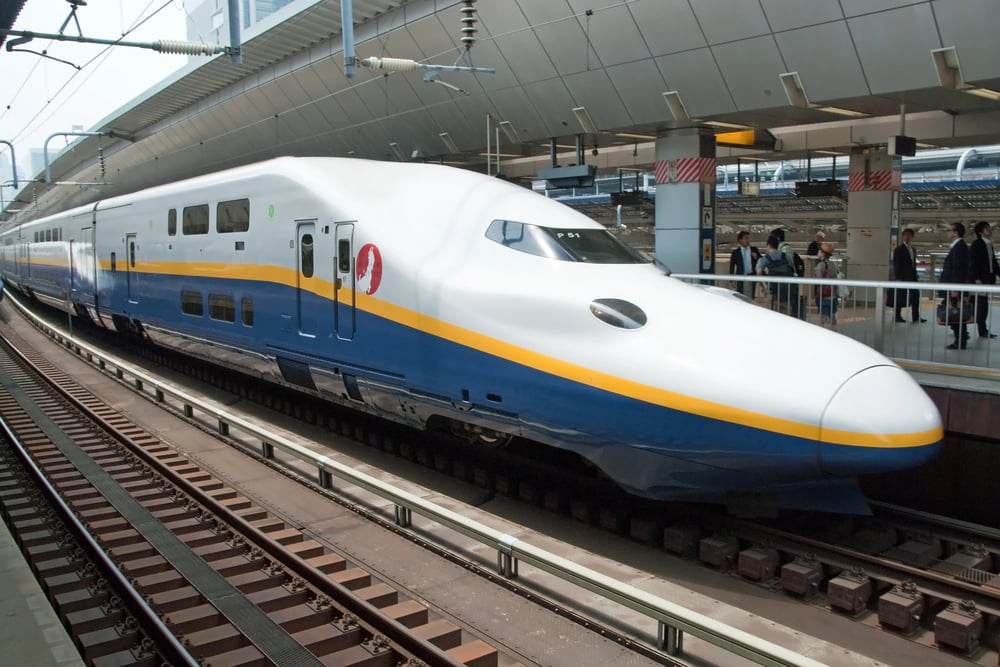
Beyond the general bullet train design, the specific nose shape deserves its own recognition for how precisely it mimics the kingfisher’s hunting technique. When a kingfisher dives from air into water to catch fish, it must penetrate two different mediums without losing speed or accuracy.
The bird’s beak shape allows this transition with minimal energy loss and no splash that would scare away prey. Train engineers replicated this exact profile to help trains move efficiently from tunnels to open air without creating pressure waves that cause noise and energy loss.
Like Go2Tutors’s content? Follow us on MSN.
Mosquito Painless Needles
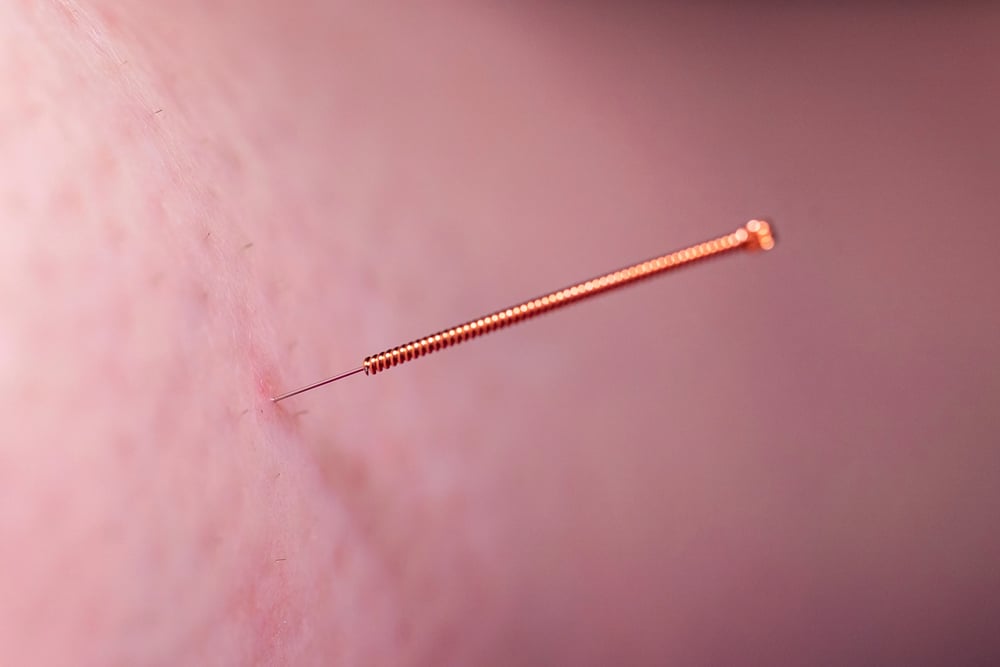
Despite being universally annoying, mosquitoes have perfected the art of painless injection through millions of years of evolution. Their needle-like proboscis has a serrated edge and moves in a sawing motion that parts tissue fibers rather than tearing them.
Medical device companies have developed needles that mimic this design, making injections less painful and reducing tissue damage. The mosquito-inspired needles are particularly useful for delivering medications and drawing blood from patients with delicate skin.
Woodpecker Shock Absorption

Woodpeckers can hammer tree trunks at 20 times per second without getting concussions, thanks to specialized skull structures that absorb and distribute impact forces. Their beaks, skull bones, and even tongue work together as a sophisticated shock absorption system.
Engineers have applied these principles to design better helmets, protective gear, and even spacecraft components that need to withstand repeated impacts. The woodpecker’s design has also inspired vibration-damping systems in construction equipment.
Cactus Water Collection

Desert cacti have evolved ingenious ways to collect water from fog and dew using their spine structure and surface properties. The spines have a conical shape and special coatings that cause water droplets to move toward the base of the plant where they can be absorbed.
Researchers have developed fog-harvesting systems based on cactus design that can collect drinking water in arid regions. These systems require no external power and can provide water for communities in areas where traditional water sources are scarce.
Like Go2Tutors’s content? Follow us on MSN.
Butterfly Wing Solar Cells

Butterfly wings aren’t just beautiful—they’re also incredibly efficient at absorbing and managing light. The microscopic structures on butterfly wings can trap light and reduce reflection, inspiring more efficient solar panel designs.
Scientists have created solar cells that mimic the wing patterns of certain butterflies, improving their ability to capture sunlight from different angles throughout the day. These bio-inspired solar panels can generate more electricity than traditional flat panels, especially in low-light conditions.
Elephant Trunk Robotics
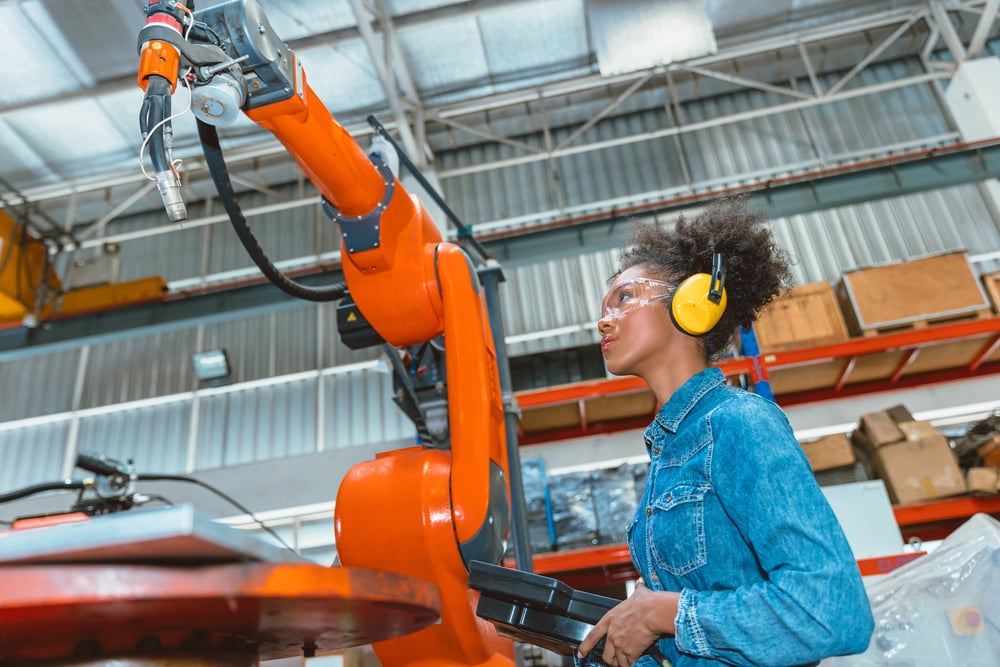
An elephant’s trunk contains over 40,000 muscles and can perform incredibly precise movements, from picking up a single blade of grass to lifting logs weighing hundreds of pounds. This combination of strength and delicacy has inspired a new generation of robotic arms used in manufacturing, surgery, and space exploration.
Elephant-inspired robots can handle fragile objects without crushing them and navigate complex environments with remarkable dexterity. The trunk design has also influenced the development of flexible robotic systems for underwater and space applications.
From Observation to Innovation

These inventions remind us that the natural world has already solved many of the challenges we face today through millions of years of trial and error. While we’ve made incredible technological advances, nature often provides the most elegant and efficient solutions to complex problems.
Scientists continue to study everything from the way plants grow toward light to how animals communicate, knowing that the next breakthrough might be hiding in plain sight. The field of biomimetics grows stronger each year, proving that sometimes the best way forward is to look back at what nature has already perfected.
More from Go2Tutors!

- 16 Historical Figures Who Were Nothing Like You Think
- 12 Things Sold in the 80s That Are Now Illegal
- 15 VHS Tapes That Could Be Worth Thousands
- 17 Historical “What Ifs” That Would Have Changed Everything
- 18 TV Shows That Vanished Without a Finale
Like Go2Tutors’s content? Follow us on MSN.