Military Strategies from Ancient Texts
The greatest military minds in history didn’t rely on weapons alone to win their battles. They used their brains.
Ancient texts from across the world contain strategies so clever that modern armies still study them today. These old books hold secrets that turned small forces into mighty ones and weak kingdoms into empires.
Let’s take a look at these time-tested tactics that have shaped warfare for thousands of years. From China to India, ancient writers left behind guides that still amaze us with their wisdom.
Know your enemy better than yourself
Sun Tzu taught that the skillful fighter makes victory certain before the battle even starts. This means learning everything about your opponent first.
Ancient commanders spent months gathering information about enemy armies. They counted troops, studied habits, and watched for weaknesses.
Smart generals knew that knowledge was more powerful than swords. When you understand your enemy’s plans, you can stop them before they begin.
Fight without fighting

The best victory comes without any battle at all. Ancient texts stress this point over and over.
Wise leaders found ways to win through clever talks, bribes, or making enemies fight each other instead. This saved lives and resources.
Chinese strategists called this the highest form of skill. Why destroy when you can convince?
A general who could end a war with words was worth ten who won with weapons.
Speed beats strength every time
Quick movements won more battles than big armies in ancient times. Fast troops could attack weak spots before enemies could defend them.
They struck like lightning and disappeared just as quickly. Ancient commanders learned to move their forces at night or during storms.
Speed also meant making decisions fast when chances appeared. Hesitation killed more armies than enemy arrows.
The side that acted first usually won.
Use the land to your advantage

Smart generals turned hills, rivers, and forests into allies. Ancient texts describe how terrain can double an army’s strength.
High ground gives better views and makes attacks harder. Narrow passes force large armies into small groups.
Swamps slow down heavy cavalry. Weather changes everything too.
Rain turns roads to mud and makes bowstrings useless. Wise commanders picked their battlegrounds carefully and let nature do half the fighting.
Spies win wars in the shadows

Ancient texts reveal that information networks were just as important as military ones. Good spies could prevent wars or end them quickly.
They learned enemy plans, spread false information, and sometimes turned enemy soldiers against their own leaders. The best spies looked like ordinary people – traders, servants, or travelers.
Ancient rulers spent huge amounts on these secret agents. One good spy was worth a hundred soldiers.
Morale beats numbers

Ancient strategists understood that willing fighters were better than forced ones. They knew how to keep their own troops happy and make enemy soldiers doubt their cause.
Good food, fair treatment, and clear goals boosted army spirit. Spreading fear and confusion in enemy ranks was equally important.
Sometimes a few scary stories did more damage than actual battles. Troops who believed in victory fought harder than those who just followed orders.
Adapt or lose
The most successful ancient commanders changed their plans based on what happened. They prepared multiple strategies for each situation.
When one approach failed, they quickly switched to another. Rigid thinking led to defeat.
Smart leaders studied what worked for other armies and copied the best ideas. They also learned from their own mistakes.
The ability to change tactics mid-battle separated great generals from ordinary ones.
Unity of command prevents chaos

Ancient texts stress that armies need clear leadership structures. Too many commanders led to confusion and delay.
The best forces had one person making final decisions quickly. Everyone else followed orders without question during battle.
This didn’t mean ignoring good advice from experienced officers. But when action was needed, one voice had to speak for the entire army.
Divided leadership created divided forces, and divided forces lost battles.
Use local knowledge

Ancient armies fought better when they understood local customs and geography. Commanders who worked with local guides and informants had huge advantages.
They knew which roads were reliable and which ones turned to mud. Local people could warn about seasonal floods or provide food and shelter.
Armies that ignored local wisdom often got lost, trapped, or surprised. Respect for local knowledge meant respect for local help.
Leadership by example
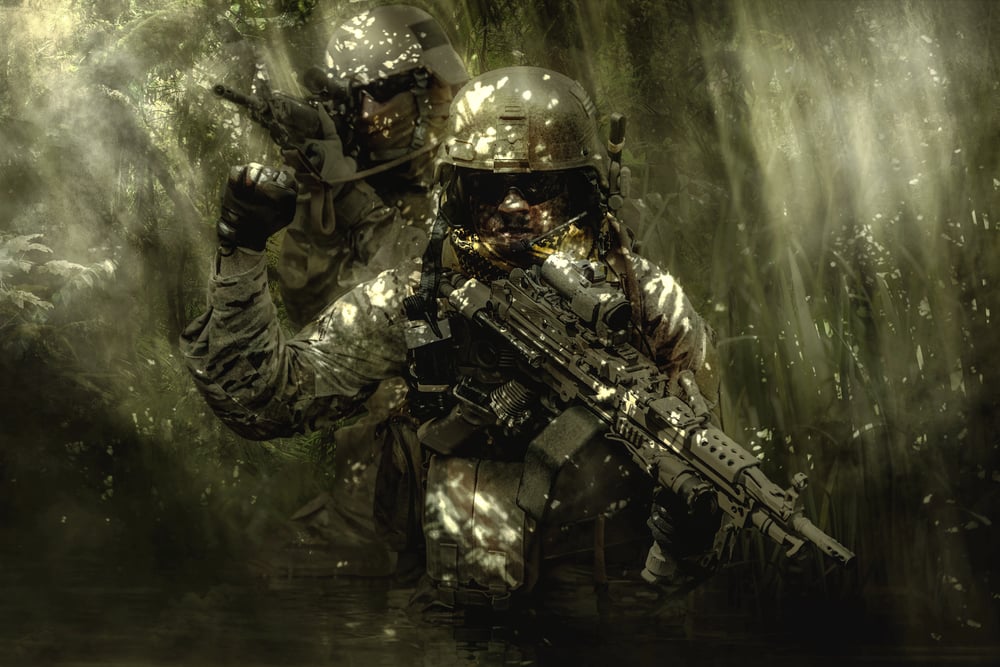
Ancient military texts emphasize that commanders must share dangers with their troops. Leaders who stayed safe while soldiers died lost respect quickly.
The best generals fought alongside their men and showed courage under pressure. This didn’t mean being reckless, but it did mean visible leadership.
Troops followed leaders they trusted and respected. Cowardly commanders created cowardly armies, while brave leaders inspired brave followers.
Enduring wisdom for modern times

These ancient strategies still influence military thinking today because they focus on human nature rather than specific weapons or technology. People haven’t changed much in thousands of years, even if their tools have.
The same tricks that worked against ancient armies can still work against modern ones. Business leaders, politicians, and even sports coaches study these old texts for insights.
The wisdom of Sun Tzu, Kautilya, and other ancient strategists proves that good ideas never really go out of style. Their teachings remind us that the most powerful weapon has always been the human mind.
More from Go2Tutors!

- The Romanov Crown Jewels and Their Tragic Fate
- 13 Historical Mysteries That Science Still Can’t Solve
- Famous Hoaxes That Fooled the World for Years
- 15 Child Stars with Tragic Adult Lives
- 16 Famous Jewelry Pieces in History
Like Go2Tutors’s content? Follow us on MSN.