Facts about the world’s deepest oceans explored
The ocean floor holds some of the most extreme and mysterious environments on our planet. While humans have sent missions to Mars and walked on the moon, the deepest parts of our own oceans remain largely unexplored.
These abyssal trenches, carved into the seafloor by shifting tectonic plates, harbor bizarre life forms and conditions that challenge everything we thought we knew about where life could exist. Here is a list of 14 facts about the world’s deepest oceans explored.
The Mariana Trench holds the record

The Mariana Trench in the western Pacific Ocean is the deepest oceanic trench on Earth, stretching about 1,580 miles long and averaging 43 miles wide. Its deepest point, Challenger Deep, reaches approximately 36,037 feet below sea level.
If you placed Mount Everest at the bottom of Challenger Deep, there would still be more than a mile of water above its peak.
Fewer people have visited the deepest ocean than the moon

By 2024, approximately 30 people had dived to the depths of the ocean, while 12 astronauts had walked on the Moon. The first descent to the bottom of the Mariana Trench took place on January 23, 1960, when Jacques Piccard and Don Walsh piloted the bathyscaphe Trieste to 35,814 feet.
The next person wouldn’t visit for over 50 years.
Like Go2Tutors’s content? Follow us on MSN.
James Cameron made history in 2012

On March 26, 2012, filmmaker James Cameron piloted the submersible Deepsea Challenger to 35,756 feet in Challenger Deep, establishing a new world record depth for a solo descent. Cameron spent several hours at the bottom filming and collecting samples for scientific research.
His expedition captured never-before-seen footage of life at extreme depths and brought public attention back to deep ocean exploration.
The Tonga Trench comes in second place
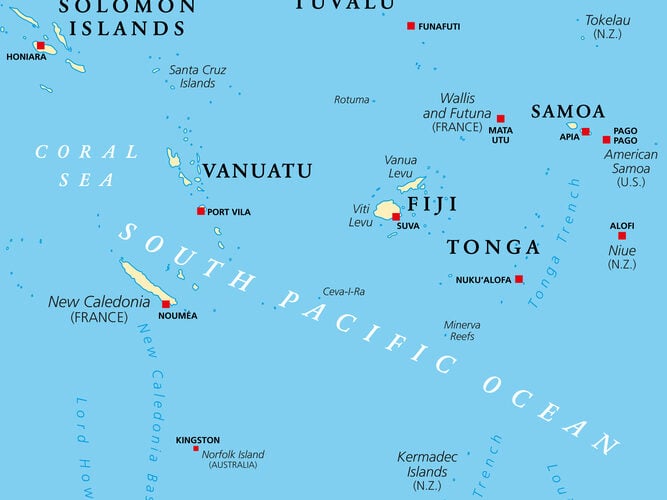
The Tonga Trench in the southwestern Pacific Ocean is the second-deepest oceanic trench in the world and the deepest in the Southern Hemisphere, with its deepest point, Horizon Deep, reaching 35,498 feet below sea level. This trench stretches about 2,500 kilometers from New Zealand’s North Island northeast to the island of Tonga.
The Tonga Trench was formed when the Pacific plate subducted beneath the Tonga plate.
Ocean pressure at depth is bone-crushing

The deeper you dive from the surface, the more water covers you, and the more gallons of water between you and the surface means greater pressure on your body. A titanium-shelled hydrophone deployed in Challenger Deep in 2015 had to be designed to withstand the immense pressure at about 7 miles under.
This extreme pressure makes exploration incredibly difficult and dangerous.
Like Go2Tutors’s content? Follow us on MSN.
The Puerto Rico Trench is the Atlantic’s deepest point

The Puerto Rico Trench constitutes the deepest points in the Atlantic Ocean, measuring 810 kilometers long with a maximum documented depth between 27,480 and 28,675 feet. The deepest point is commonly referred to as the Milwaukee Deep, named after the USS Milwaukee, the first ship to discover it on February 14, 1939.
This trench has produced earthquakes greater than magnitude 8.0 and poses significant tsunami risks to Caribbean islands.
Trenches form where tectonic plates collide

The Mariana Trench is part of the subduction system where the western edge of the Pacific plate is thrust beneath the smaller Mariana plate. When two plates crash into each other, an oceanic plate plunges downward into the mantle while the other plate rides up over the top, creating a trench where the descending plate drags down the edge of the overriding plate.
This same process creates the largest known earthquakes and often generates tsunamis.
Strange creatures thrive in total darkness
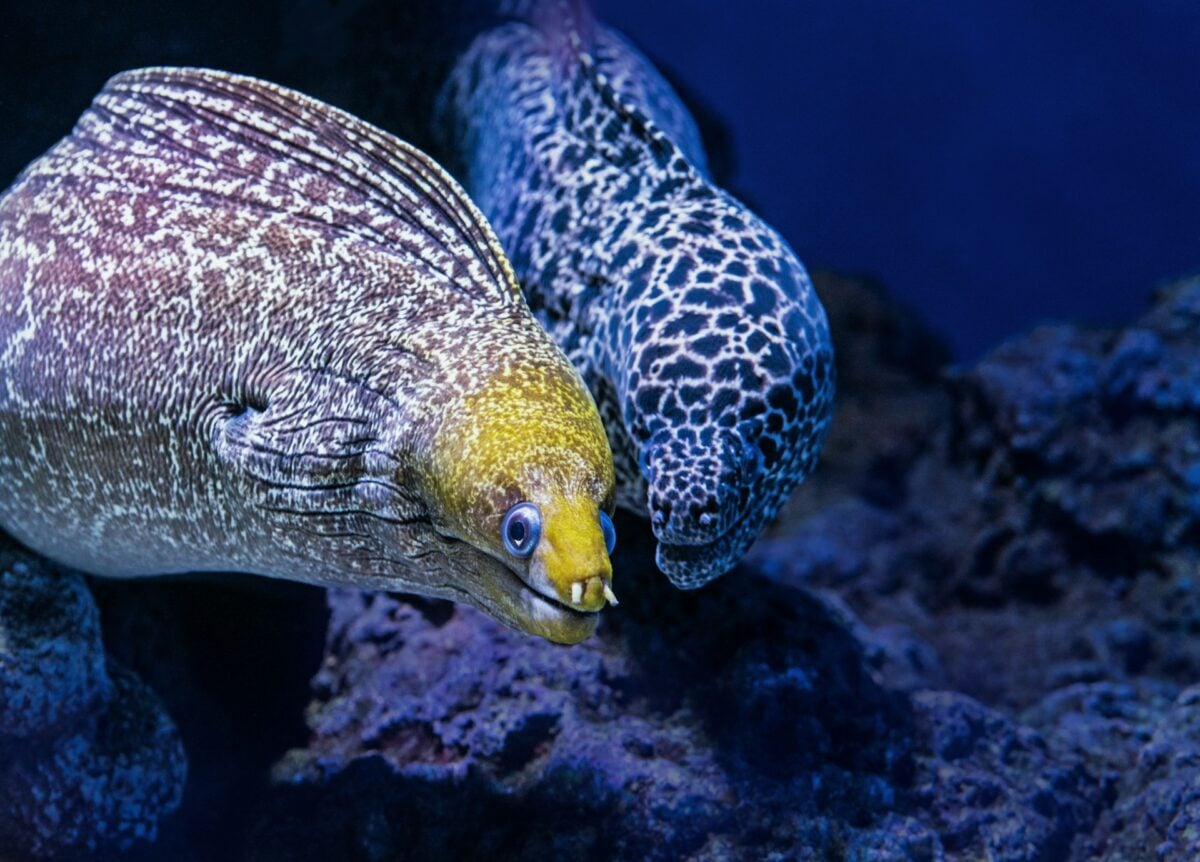
At Challenger Deep, mud samples revealed approximately 200 different species of microorganism, including types of microscopic plankton and shells. The hadal snailfish, a small pink and completely scaleless species with skin so transparent you can see through to its liver, holds the record for the deepest fish captured on the seafloor at depths of almost 27,000 feet.
Along with sea cucumbers, tiny flea-like crustaceans known as amphipods are the most abundant animal in the hadal zone.
Like Go2Tutors’s content? Follow us on MSN.
Recent expeditions discovered over 100 new species

A deep-sea expedition off the coast of Chile uncovered more than 100 species suspected to be new to science, including corals, sponges, sea urchins, mollusks and crustaceans. Scientists found cactus urchins, squat lobsters with spiky shells, ancient corals likely dating back thousands of years, translucent glass squids and potentially 30 new species of sea sponges.
They even witnessed a bright red fish using its fins like hands to walk across the sea floor.
Chemosynthetic life exists without sunlight
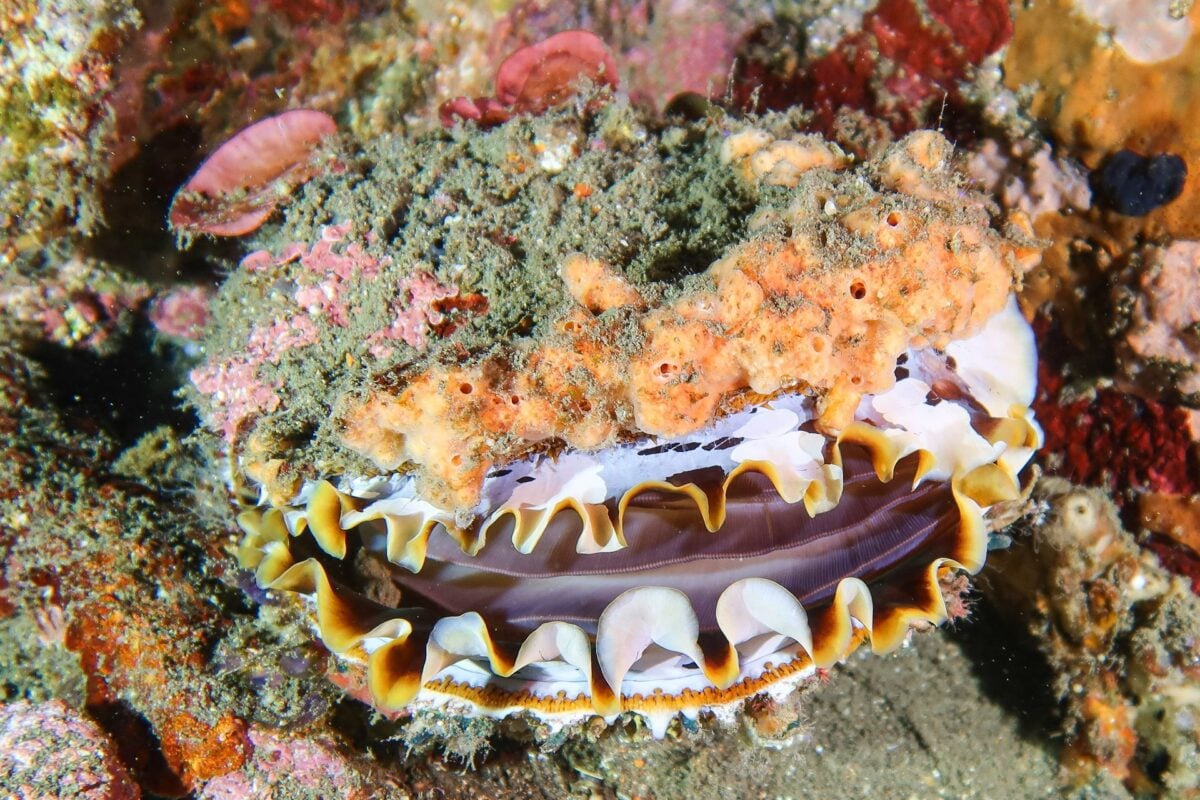
Ocean researchers discovered thriving communities filled with tube worms, mollusks and other creatures at depths of around 31,000 feet in the northwest Pacific Ocean, representing the deepest and most extensive communities of chemical-reaction-powered life-forms known on Earth. These organisms survive using bacteria that convert methane and hydrogen sulfide from cold seeps in the seafloor into energy and food.
They thrive in total darkness under tremendous pressure where sunlight never reaches.
The hadal zone remains mostly unexplored

The hadal zone represents the deepest parts of our oceans between 6,000 and 11,000 meters depth, and it represents some of the most active and diverse marine habitats on Earth. New research discovered that in the northwest Pacific, the total hadal area is four times larger than trenches alone, roughly equivalent to the size of Alaska, Texas and Montana combined.
This massive area remains largely unexplored due to the extreme technical challenges of working at such depths.
Like Go2Tutors’s content? Follow us on MSN.
Even the deepest trenches contain plastic pollution

A study published in 2018 reported widespread presence of plastic even at depths in excess of 6,000 meters. Researchers discovered a newfound species in 2020 in the Mariana Trench named Eurythenes plasticus for the microplastic fibers detected in its gut.
This sobering discovery shows that human impact has reached even the most remote and extreme environments on Earth.
Deep-sea trenches are biodiversity hotspots

Deep-sea canyons are biodiversity hotspots and play key roles in ecosystem functioning, yet scientists still know very little about them. Migratory species like tuna, sharks and sea turtles rely on seamount habitats, such as coral reefs near trenches, to lay their eggs and forage for food.
The interconnected nature of these ecosystems means that what happens in the deep ocean directly affects life throughout the entire marine environment.
Technology keeps improving our reach

From 1872 to 1876, the landmark HMS Challenger expedition covered over 68,000 nautical miles and discovered more than 4,700 new species of marine life using weighted sounding ropes. Modern technology includes titanium-shelled hydrophones and submersibles that can withstand crushing pressure, allowing scientists to spend hours exploring and collecting samples.
Despite these advances, almost every expedition to the deep ocean uncovers something completely new to science.
Like Go2Tutors’s content? Follow us on MSN.
Mysteries still waiting beneath the waves

The deep ocean represents Earth’s last great frontier for exploration and discovery. Scientists estimate that only about one-third of the million species living in the sea have been documented, with the rest hidden in parts of the ocean that remain difficult or impossible to reach.
Each expedition reveals not just new species but entirely new types of ecosystems that challenge our understanding of where and how life can survive. As technology continues to advance, who knows what other wonders are waiting in the darkness below.
More from Go2Tutors!

- 16 Historical Figures Who Were Nothing Like You Think
- 12 Things Sold in the 80s That Are Now Illegal
- 15 VHS Tapes That Could Be Worth Thousands
- 17 Historical “What Ifs” That Would Have Changed Everything
- 18 TV Shows That Vanished Without a Finale
Like Go2Tutors’s content? Follow us on MSN.



