18 Band Breakups More Dramatic Than Any Movie
Some band breakups happen quietly with a press release and mutual respect. Others explode in a spectacular mess of egos, fistfights, lawsuits, and betrayal that makes reality TV look tame. These aren’t your typical ‘creative differences’ splits—they’re the kind of dramatic disasters that prove truth really is stranger than fiction.
From brothers trying to assault each other with guitars to members being kicked out via bus ticket, these breakups had all the ingredients of a blockbuster drama. Here’s a list of 18 band breakups that unfolded with more chaos and emotion than any screenplay could capture.
The Beatles
— Photo by divampo
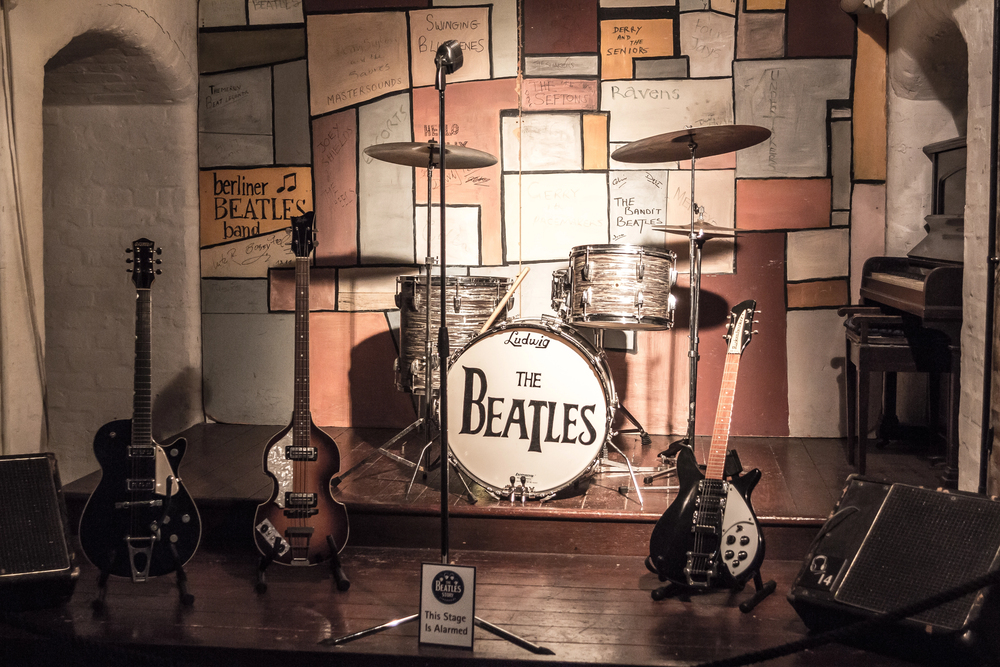
The world’s biggest band imploded under the weight of fame, creative disputes, and personal relationships that turned toxic. The Beatles essentially invented the concept of a band breaking up, and the ugliness surrounding it set the tone for every breakup that followed. Legal battles over money, Paul McCartney’s surprise announcement, and tensions over Yoko Ono’s presence created a slow-motion trainwreck that devastated fans worldwide.
Oasis

— Photo by A.Paes
The Gallagher brothers turned sibling rivalry into an art form, with their relationship deteriorating into something resembling a war zone. That night in Paris, Liam lunged at Noel with a guitar in hand as they waited to go on. “He started wielding it like an ax, and I’m not fuckin’ kidding,” Noel said in 2015. After nearly taking his brother’s face off with the guitar, Noel stormed out and the band never played together again.
Metallica and Dave Mustaine

Getting fired from your own band via bus ticket might be the most humiliating dismissal in rock history. At around 9AM that morning, Hetfield, Ulrich and Burton woke up Mustaine, who was suffering from an ugly hangover, and told him he was out of the band. Worse still, the bus was scheduled to depart from New York’s Port Authority Bus Terminal one hour after he was fired. Mustaine channeled his rage into forming Megadeth, proving that revenge really is a dish best served loud.
Nirvana

— Photo by melanjurga
Kurt Cobain’s tragic end wasn’t just the death of a musician—it was the violent conclusion of a band that had defined a generation. Love told MTV that Cobain said to her in the weeks after Rome: “I hate it — I can’t play with them anymore.” On April 8, 1994, Kurt Cobain, the lead singer and guitarist of the American rock band Nirvana, was found dead at his home on Lake Washington Boulevard in Seattle, Washington. The band died with him, leaving behind questions and a legacy that still haunts rock music.
Fleetwood Mac

— Photo by zixian
Making an album about your romantic breakups while still working with your ex-partners daily sounds like psychological torture. In fact, Fleetwood Mac produced the 1977 album they would be most famously known for, Rumours, while most of its members were in the midst of romantic breakups. Stevie Nicks and Lindsey Buckingham wrote vicious songs about each other while the married McVies divorced, creating beautiful music from pure emotional chaos.
The Smiths

— Photo by A.Paes
A band destroyed by personality clashes, addiction, and a lawsuit that turned former friends into bitter enemies. That’s because they never had a proper manager, bassist Andy Rourke became a heroin addict, guitarist Johnny Marr’s urge to work with outside artists rankled his bandmates, and singer Morrissey is … well, Morrissey. When Marr finally left in 1987, it triggered a legal battle over royalties that made their creative differences look like playground squabbles.
Van Halen

When your lead singer cares more about Hollywood than heavy metal, explosive drama is inevitable. The first breakup happened in 1984 at the height of the band’s success, when members accused David Lee Roth of being more interested in a solo career and his film pursuits than what was good for Van Halen as a group. In a highly public 1985 breakup note featured in Rolling Stone, Eddie Van Halen explained: “The band as you know it is over… Dave left to be a movie star.”
Pink Floyd
— Photo by A.Paes
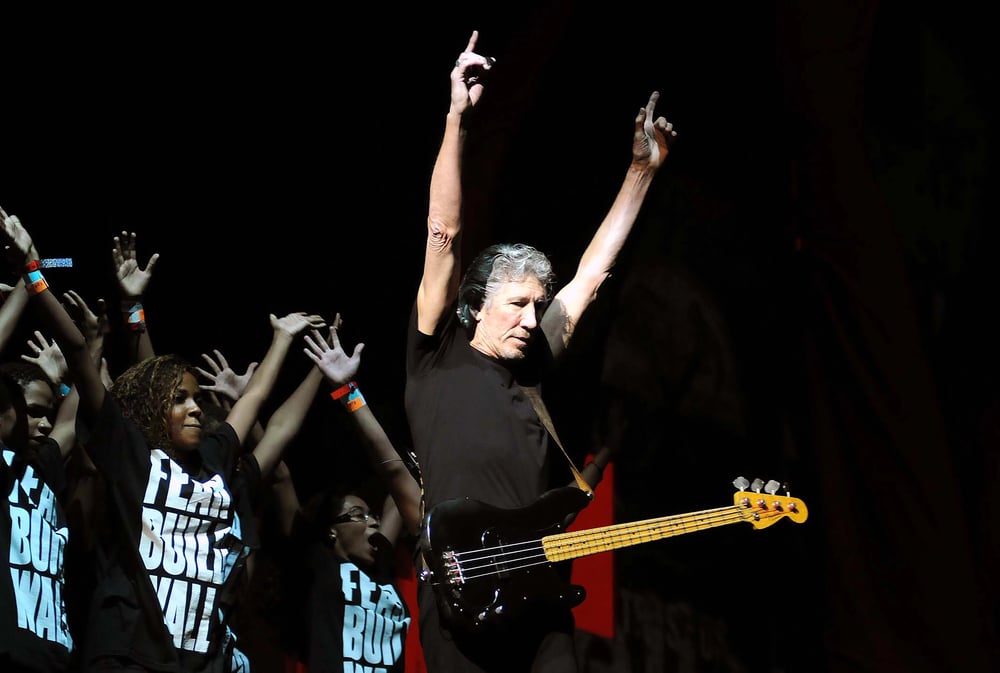
Roger Waters’ ego became so massive it couldn’t coexist with the rest of the band, leading to one of rock’s most bitter legal wars. Roger Waters declared Pink Floyd a “spent force” and left the band in 1985. Legal battles over the use of the band’s name ensued when David Gilmour and Nick Mason decided to continue without Waters. The courtroom battles were almost as epic as their concept albums, with Waters trying to prevent his former bandmates from using the name he helped create.
The Temptations
— Photo by defotoberg
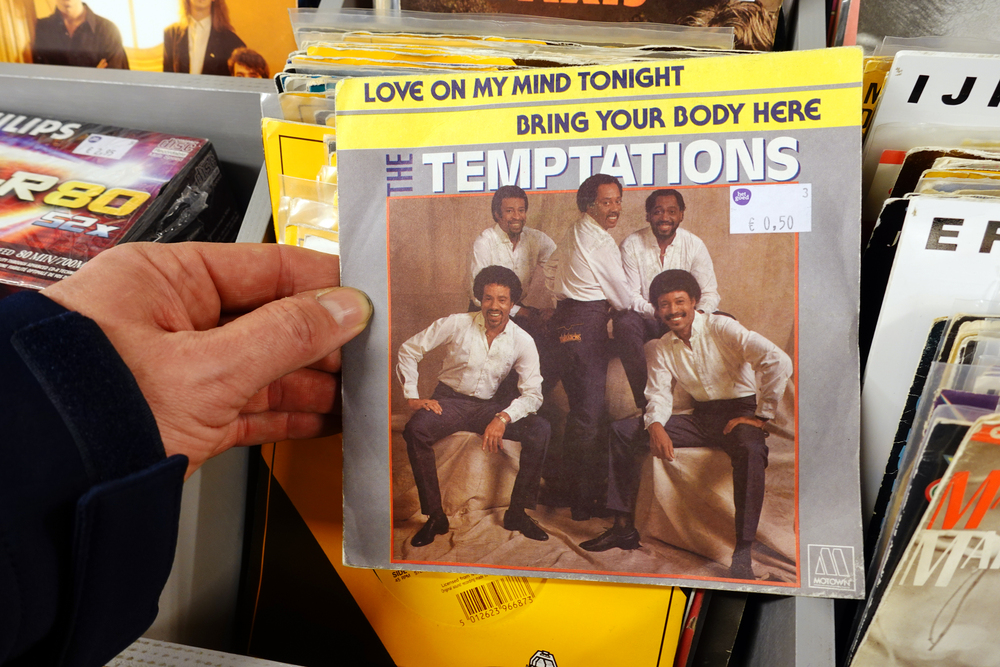
Success and cocaine turned David Ruffin from a talented lead singer into an egomaniacal nightmare who thought he was bigger than the legendary group. By 1967, he was demanding that the group pull a Supremes and rename themselves “David Ruffin and the Temptations.” His drug-fueled tardiness and diva behavior became so unbearable that the other members fired him even though he was essentially the face of the band.
Led Zeppelin

— Photo by JDunbarPhoto
The death of drummer John Bonham didn’t just end Led Zeppelin—it shattered the surviving members so completely they couldn’t imagine continuing. The remaining members felt that Led Zeppelin could not continue without him, stating, “We wish it to be known that the loss of our dear friend, and the deep sense of undivided harmony felt by ourselves and our manager, have led us to decide that we could not continue as we were.” Sometimes the most dramatic breakups are the ones where love and respect make reunion impossible.
The Police

— Photo by urf
Three massive egos in one band created a powder keg that finally exploded after years of tension disguised as artistic collaboration. There was not a bigger band on the planet in the 1980s than The Police. They had hit after hit, and their music was loved by millions of people. Behind the scenes, Sting’s control issues and the other members’ resentment created an atmosphere so toxic that success couldn’t mask the mutual hatred brewing beneath the surface.
Guns N’ Roses

— Photo by sirylok
Axl Rose’s controlling paranoia and the other members’ substance abuse created a perfect storm of destruction that tore apart rock’s most dangerous band. Rose’s unsteadiness and rapidly controlling demands over the band also led to McKagan and Slash leaving Guns N’ Roses, while Sorum and Clark were later fired, leaving the continuation of additional music long in doubt. The fact that Rose kept the name while everyone else left shows just how deep the animosity ran.
Cream

When two bandmates hate each other so much they sabotage each other’s instruments, you know the end is near. The pair had previously been in a group together called the Graham Bond Organisation, which was marked by frequent (sometimes physical) fights between Bruce and Baker that included sabotaging each other’s musical instruments. Baker even allegedly pulled a knife on Bruce at one point and would ultimately fire him from the Organisation band. Their legendary musical chemistry was matched only by their legendary mutual hatred.
Black Sabbath

Drug-fueled chaos and mutual contempt turned the godfathers of heavy metal into a dysfunctional family that could barely stand to be in the same room. After the success of their new heavy metal sound in the 1970s, the members of Black Sabbath barely talked to each other by 1979. With drugs and alcohol fueling things by that point, their concerts were awful and the band members hated performing. Ozzy Osbourne’s departure marked the end of an era and the beginning of decades of bitter reunions and re-breakups.
The Clash
— Photo by sirylok
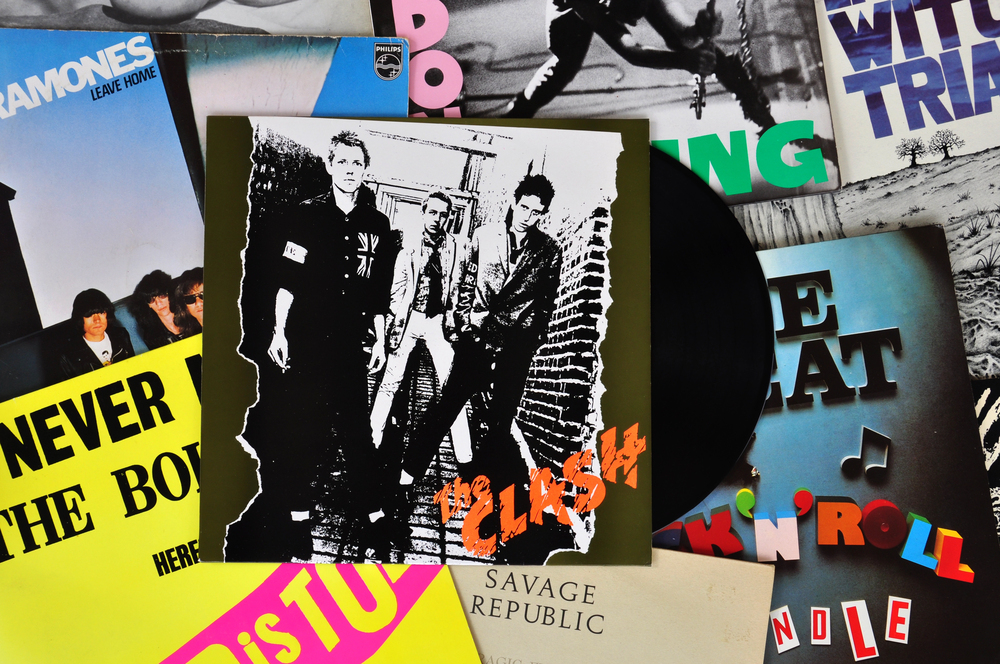
Internal warfare between Joe Strummer and Mick Jones destroyed punk’s most political band from the inside out. Internal conflicts, particularly between Joe Strummer and Mick Jones, led to Jones being fired in 1983. The band tried to continue with new members but eventually disbanded in 1986, as they couldn’t recapture their previous success. When you fire one of your key songwriters and expect to maintain the same magic, you’re essentially signing your own death warrant.
Creedence Clearwater Revival
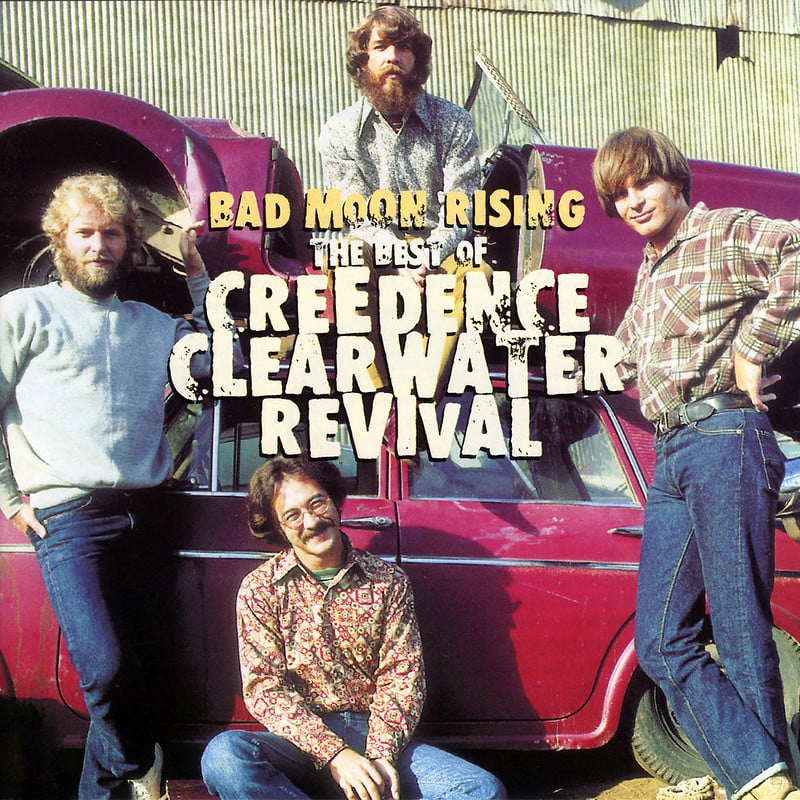
John Fogerty’s control over the band became so absolute that it strangled the creativity and spirit that made them great in the first place. Creedence Clearwater Revival calls it quits, announcing in a press release: “We don’t regard this as breaking up. We look at it as an expansion of our activities.” The passive-aggressive nature of their announcement couldn’t hide the years of resentment that had built up over Fogerty’s domination of the band’s creative process.
The Grateful Dead

The death of J. Garcia didn’t just end the Grateful Dead—it ended an entire counterculture movement that had lasted for three decades. Four months after the death of founding member J. Garcia, The Grateful Dead announced their breakup, stating, “The long strange trip has come to an end.” Without Garcia’s spiritual and musical leadership, the remaining members knew that continuing would be nothing more than a nostalgic cash grab.
The White Stripes

Jack and Meg White’s mysterious relationship dynamics finally caught up with them, ending one of rock’s most successful duos at the height of their powers. The White Stripes split up after six albums, ending their run as one of the most successful rock duos. Their carefully crafted public persona of ex-spouses-turned-siblings couldn’t mask whatever personal drama finally made collaboration impossible, proving that some secrets are too heavy for even the strongest musical partnership to bear.
When the Music Dies
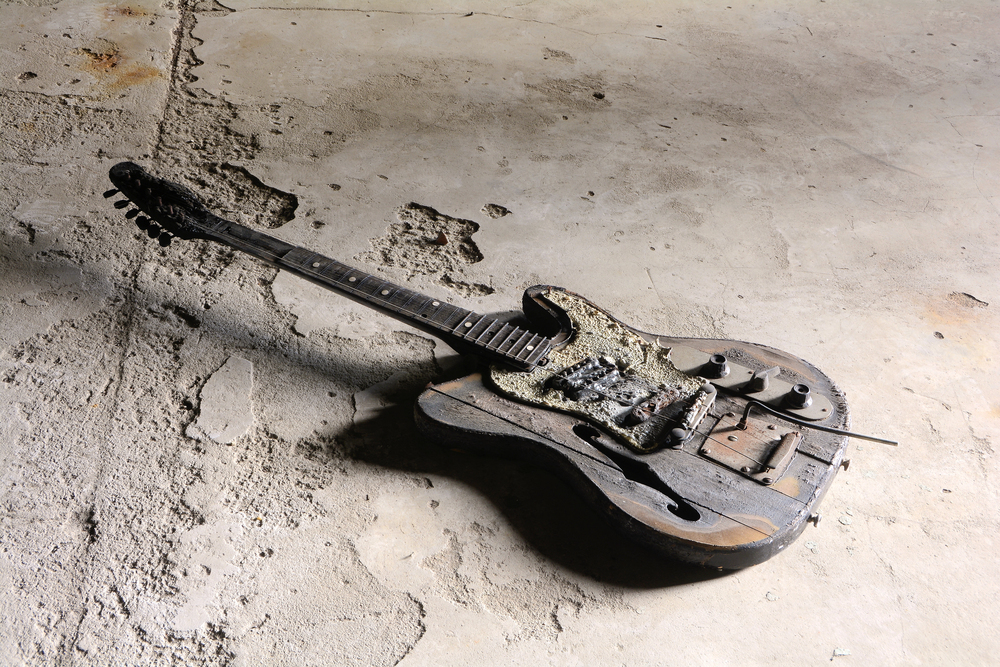
These breakups remind us that behind every great band are very human people dealing with very human problems—jealousy, addiction, ego, love, and loss. While fans mourned the end of the music, the band members were often just relieved to escape relationships that had become prisons. The most dramatic breakups in rock history weren’t just about artistic differences; they were about people pushed to their emotional and psychological limits by fame, fortune, and the intense pressure of creating magic together while slowly growing to hate each other.
More from Go2Tutors!

- 16 Historical Figures Who Were Nothing Like You Think
- 12 Things Sold in the 80s That Are Now Illegal
- 15 VHS Tapes That Could Be Worth Thousands
- 17 Historical “What Ifs” That Would Have Changed Everything
- 18 TV Shows That Vanished Without a Finale
Like Go2Tutors’s content? Follow us on MSN.