10 Bugs That Survive Extreme Freezing
Most living things find winter to be harsh, but some insects have made the deep freeze their specialty. These amazing creatures are out there treating subzero temperatures like a mild spring day while we’re huddled up in layers and turning up the heat.
From making their own antifreeze to literally freezing solid and thawing out like new, they have evolved some of nature’s most amazing survival skills. Any survival expert would be envious of the range of tactics these cold-weather champions employ.
Some can even survive by forming ice crystals inside their cells, while others dehydrate themselves like living jerks and pump their bodies full of natural antifreeze compounds. These 10 insects have perfected the art of surviving in extremely cold temperatures.
Arctic Woolly Bear Caterpillar

The Arctic woolly bear caterpillar (Gynaephora groenlandica), which can survive in the Canadian Arctic for up to seven years before turning into a moth, is essentially the ultimate cold-weather survivor. By generating glycerol, a natural antifreeze that stops ice crystals from forming in their cells, these fuzzy little creatures can withstand temperatures as low as -60°F.
They literally freeze solid during the winter and remain that way for months. In the spring, they thaw out and carry on eating Arctic plants as if nothing had happened.
Upis Beetle
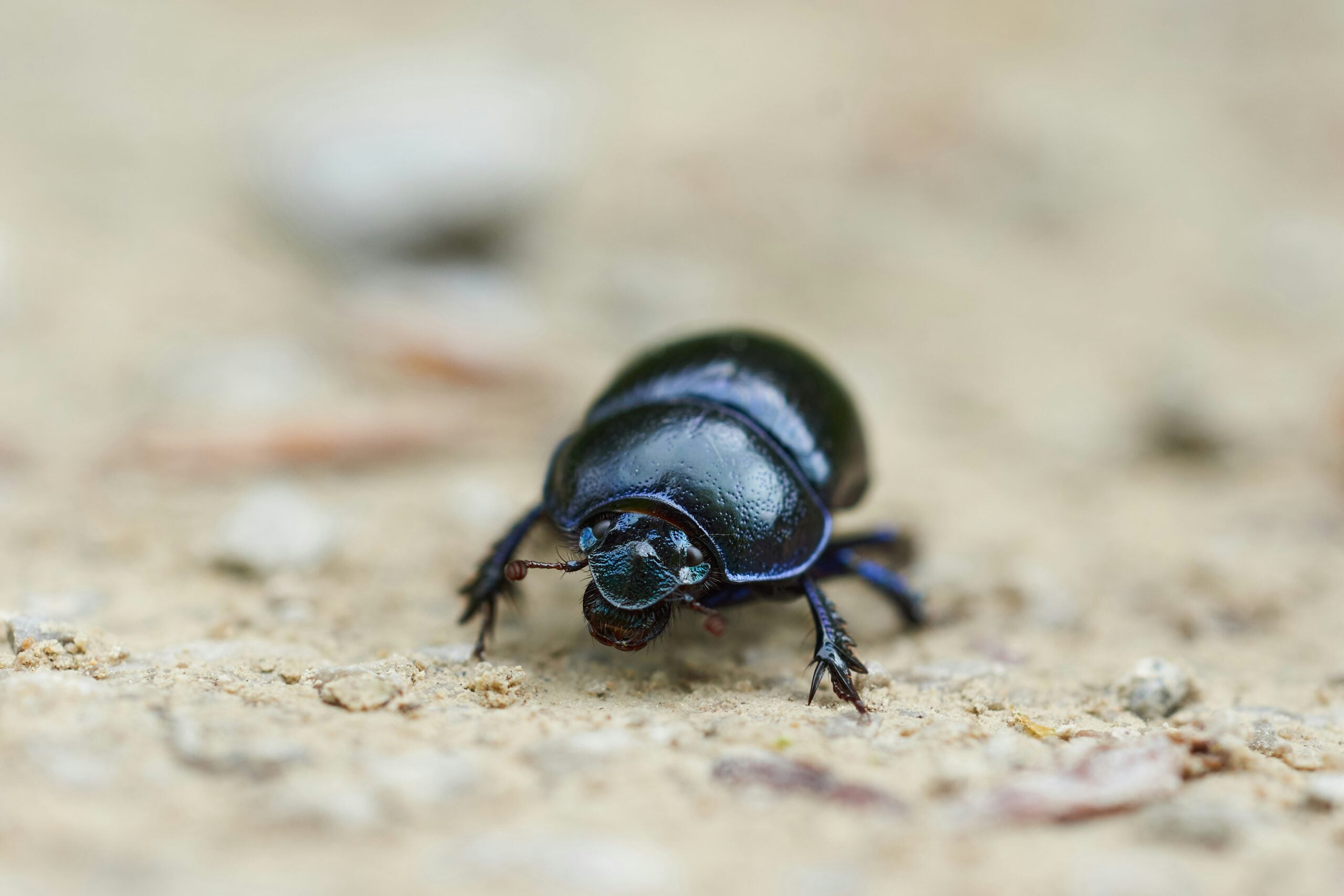
The Alaskan Upis beetle is known as “the beetle that can’t freeze” due to the production of unique xylomannan glycolipids and antifreeze proteins that prevent the formation of ice. By acting as microscopic molecular snow plows, these substances stop ice crystals from getting big enough to harm the beetle’s cells.
Researchers have discovered that these beetles can withstand temperatures as low as -60°F, which is lower than most home freezers.
Like Go2Tutors’s content? Follow us on MSN.
Goldenrod Gall Fly

This small fly spends its larval stage inside round galls on goldenrod plants, and when winter arrives, it becomes a master of supercooling. The larvae can lower their body temperature to their supercooling point of about -40°F without actually freezing by removing ice-nucleating particles from their bodies and producing antifreeze compounds.
This supercooling strategy works like purifying water to such an extent that it stays liquid even below its normal freezing point, though they cannot survive much colder long-term exposures.
Springtails

These primitive wingless hexapods are found everywhere from tropical rainforests to Arctic tundra, and the cold-adapted species have impressive freeze tolerance. Springtails can survive freezing temperatures by producing trehalose, a sugar that acts like biological bubble wrap around their cellular components.
Some Arctic species can bounce back to normal activity after experiencing freezing conditions, though they don’t survive months-long encasement in solid ice like some other creatures.
Woollybear Moth Larvae
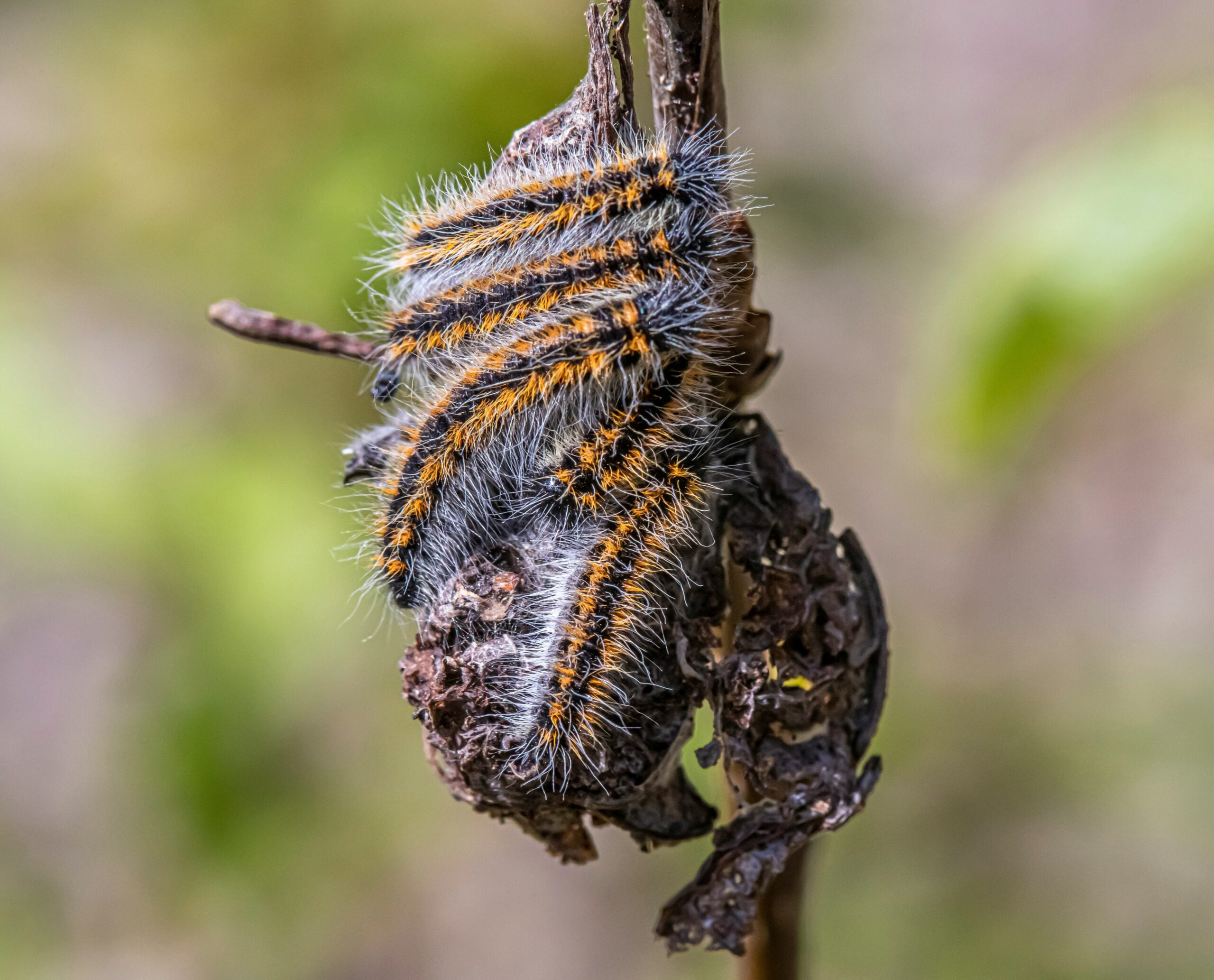
The Isabella tiger moth caterpillars (Pyrrharctia isabella) are different from their Arctic cousins but still pack impressive cold-weather gear for temperate climates. They survive freezing temperatures by producing glycerol and other cryoprotectants that act like natural antifreeze in their body fluids.
The caterpillars also seek shelter under bark or in leaf litter, where they can remain dormant through months of winter weather in temperate regions, emerging in spring ready to continue their development.
Like Go2Tutors’s content? Follow us on MSN.
Alpine Cockroach
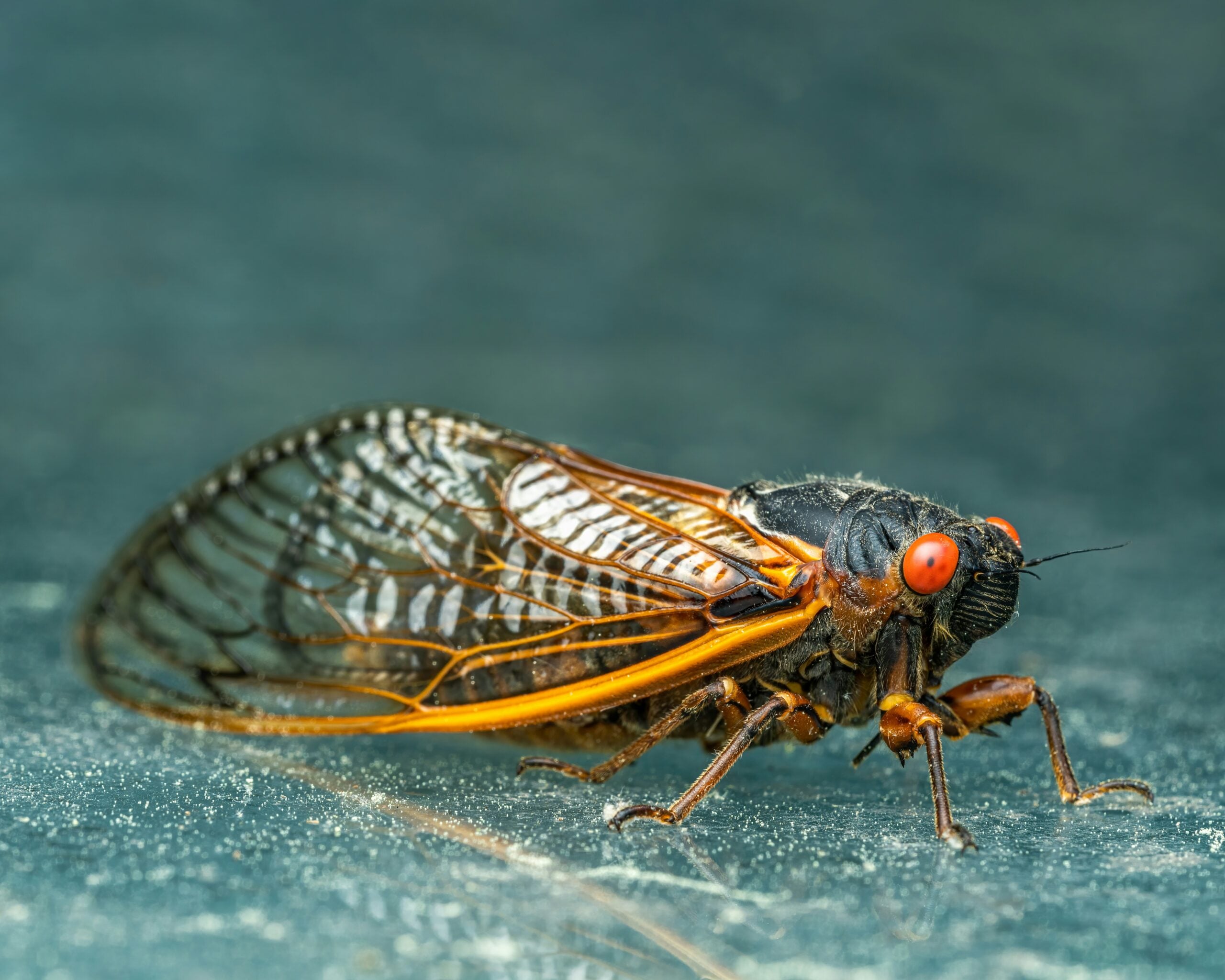
The mountain cockroach (Celatoblatta quinquemaculata) from New Zealand proves that cockroaches really can adapt to almost any environment. Found in high-altitude regions, these cockroaches have adapted to survive freezing temperatures by producing antifreeze proteins and choosing sheltered microhabitats.
They’re proof that cockroaches really can survive almost anything, including the kind of cold that would shut down most other insects.
Arctic Ground Beetle

Pterostichus brevicornis and other Arctic ground beetles roam the tundra during brief Arctic summers, but when winter comes, they become living examples of extreme cold adaptation. These beetles produce multiple types of antifreeze compounds and can survive temperatures below -35°F, though they remain mostly dormant during the coldest periods.
Their dark coloration also helps them absorb any available heat from weak winter sunlight.
Chironomid Midge Larvae

Species like Belgica antarctica and other chironomid midge larvae live in ponds and streams that freeze solid during winter, but they’ve figured out how to survive being encased in ice for months. The larvae produce antifreeze proteins and suppress their metabolism dramatically, slowing their life processes to nearly zero.
When the ice melts in spring, they resume normal activity as if they just woke up from a long nap.
Like Go2Tutors’s content? Follow us on MSN.
Snow Fleas
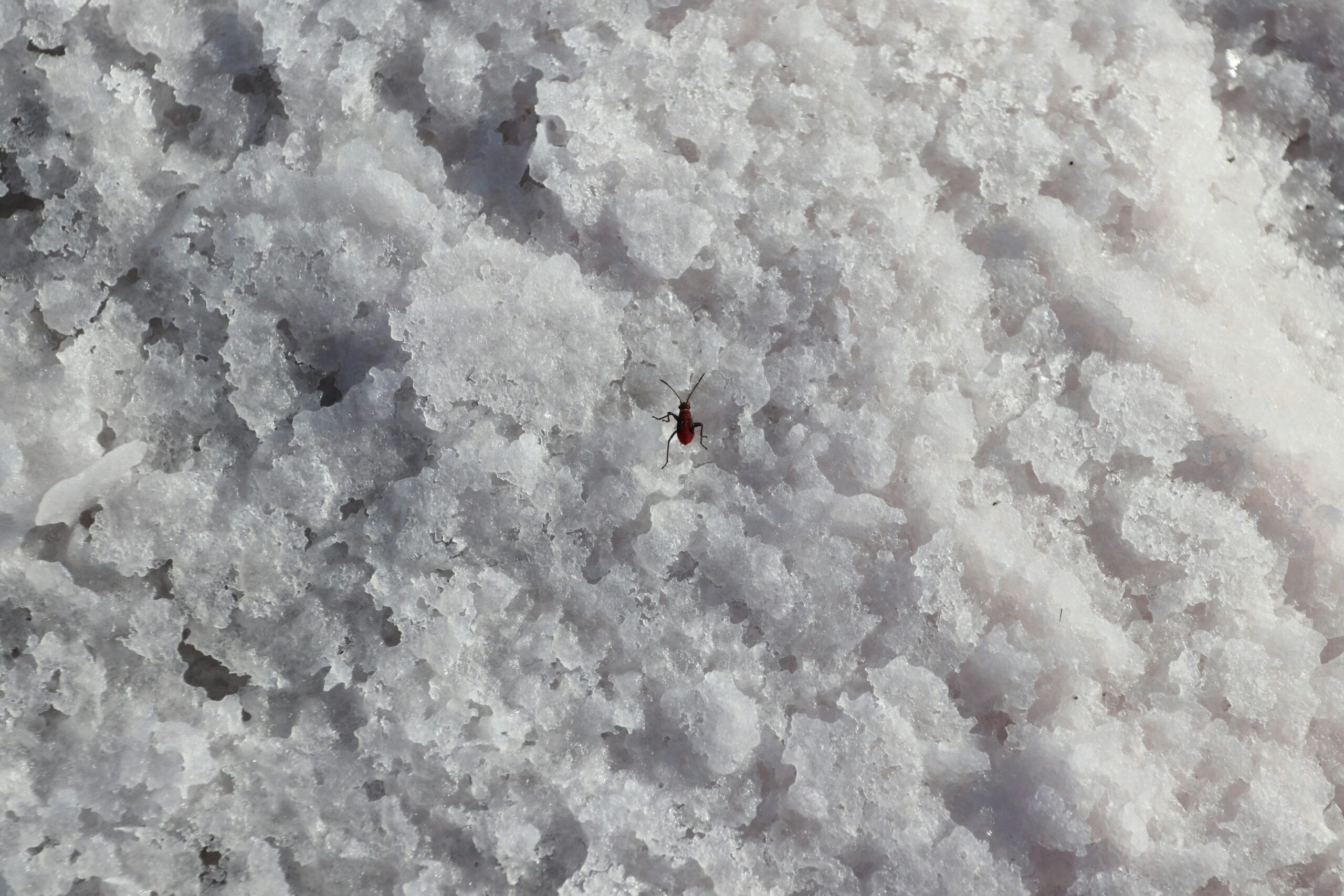
Despite their name, snow fleas are actually springtails (Collembola), not true fleas or insects, that become visible on warm winter days when they emerge onto snow surfaces. These tiny hexapods produce unique antifreeze proteins that allow them to remain active in temperatures that would freeze most other small creatures solid.
They’re often seen hopping around on snow like tiny dark specks, taking advantage of winter conditions that eliminate most of their predators.
Arctic Bumble Bee

Arctic bumble bees like Bombus polaris have developed several strategies to survive in regions where winter lasts most of the year. The queens can survive freezing temperatures by producing glycerol and other antifreeze compounds, while also entering a state of dormancy that dramatically reduces their energy needs during overwintering.
Their thick, fuzzy bodies provide additional insulation, making them look like tiny flying teddy bears built for extreme weather.
Winter’s Toughest Survivors
When it comes to surviving the harshest conditions found in nature, these 15 insects demonstrate that toughness is not based on size. These animals, which range from fuzzy caterpillars in the Arctic to tiny midges in Antarctica, have mastered the art of cold survival over millions of years.
Their tactics include creating biological antifreeze and basically turning into living ice cubes that thaw and are ready to go. The next time you gripe about a cold morning, keep in mind that somewhere in the world, a bug the size of your fingernail is flourishing in temperatures that would make your freezer seem tropical.
Like Go2Tutors’s content? Follow us on MSN.
More from Go2Tutors!

- 16 Historical Figures Who Were Nothing Like You Think
- 12 Things Sold in the 80s That Are Now Illegal
- 15 VHS Tapes That Could Be Worth Thousands
- 17 Historical “What Ifs” That Would Have Changed Everything
- 18 TV Shows That Vanished Without a Finale
Like Go2Tutors’s content? Follow us on MSN.



