15 Bizarre Traditions in Royal Families
When you think of royal families, you probably picture elegant ceremonies, sparkling crowns, and centuries-old protocols. While that’s certainly part of the story, there’s another side to royal life that’s far more peculiar. Behind the polished public image lies a world of traditions so strange they sound like something out of a fantasy novel.
From weighing guests after dinner to employing ravens as official residents, royal families have maintained some truly bizarre customs for hundreds of years. Some of these traditions serve practical purposes that made sense centuries ago, while others seem to exist simply because no one has bothered to question them. Here is a list of 15 bizarre traditions in royal families that will make you wonder what goes on behind palace doors.
Ravens Must Live at the Tower of London
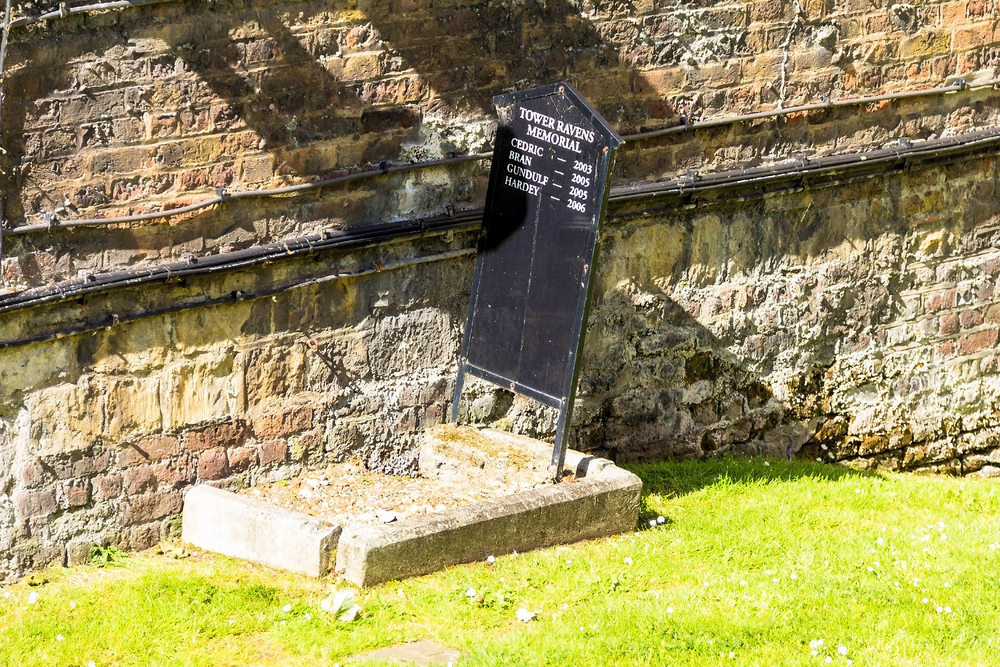
— Photo by Flik47
The Tower of London houses seven ravens who live on a diet of raw meat and birdseed biscuits. According to ancient superstition, the British monarchy will fall if the ravens ever leave the Tower. These aren’t just decorative birds lounging around – they’re treated like official employees with specific duties and behavioral expectations.
Just like regular soldiers, the ravens can be dismissed for misbehaving. One raven, named George, had his status revoked recently because he had a habit of eating television antennas. The ravens essentially take an oath of service, making them perhaps the only birds in history who can be fired from their job for poor conduct.
Christmas Dinner Weighing Ceremony

One of the most unusual holiday traditions requires royal family members and guests to step on scales both before and after Christmas dinner. If they gain weight, it’s considered a sign that they truly enjoyed the meal. This peculiar custom dates back to King Edward VII in the early 1900s, who wanted to ensure his guests were properly fed.
The Habsburgs of Austria had a similar tradition that literally turned Christmas dinner into a weighty affair. Guests who enjoyed the meal were expected to gain three to five pounds, turning the holiday feast into an oddly competitive eating challenge.
Pricking Names with a Bodkin

When the Queen appoints new High Sheriffs, she marks his or her name on a list—not with a writing utensil, but with a bodkin, or a fancy hemming needle. This bizarre selection process has been used for centuries, dating back to Queen Elizabeth I who was allegedly asked to make her choices while embroidering.
One theory suggests that Queen Elizabeth I was asked to make her High Sheriff picks while embroidering. Without a pen nearby, she reached for the bodkin to indicate her choices. Another practical theory suggests that piercing the paper made permanent marks that couldn’t be tampered with, unlike ink which could be altered.
The Duke of Wellington’s Rent Payment
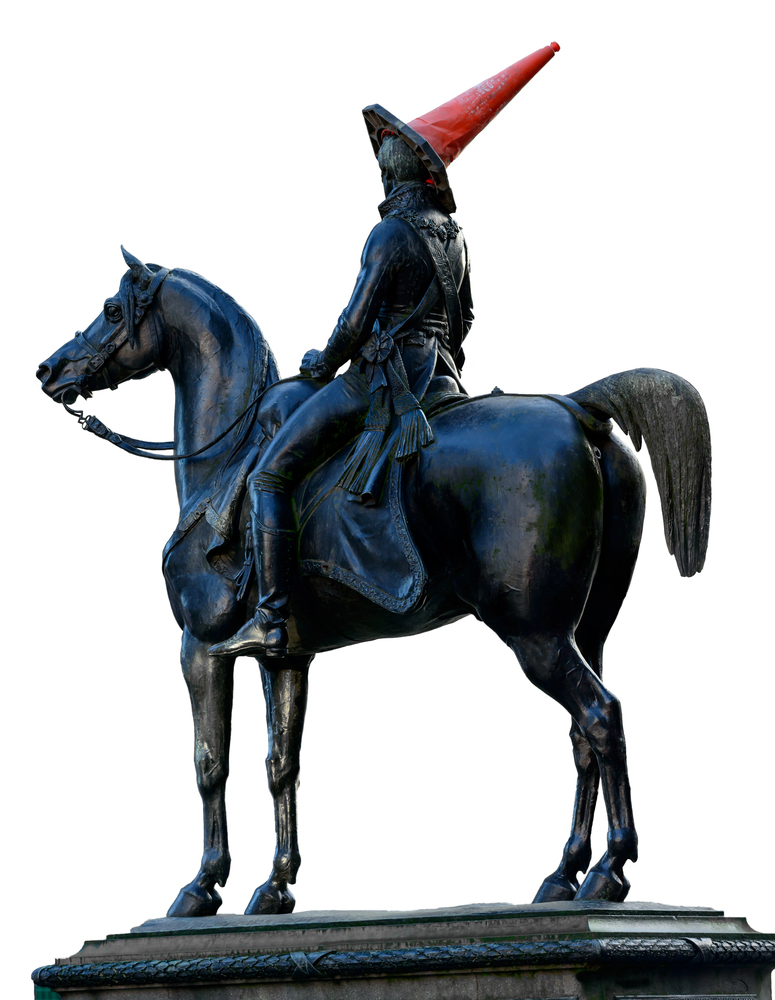
— Photo by Cornfield
Every June 18th, the anniversary of the Battle of Waterloo, the Duke of Wellington must pay rent to the monarch for his house in Hampshire. But this isn’t your typical rental payment. The Duke of Wellington commemorates the Waterloo victory by paying ‘rent’ for the house—but it’s not money. Instead, he presents a silk embroidered version of the French flag with the current year in the corner.
This is then taken and hung over a bust of the first Duke of Wellington in the Guard Chamber at Windsor Castle. The ceremony serves as both a rent payment and a yearly celebration of one of Britain’s most famous military victories.
Parliament Hostage Tradition
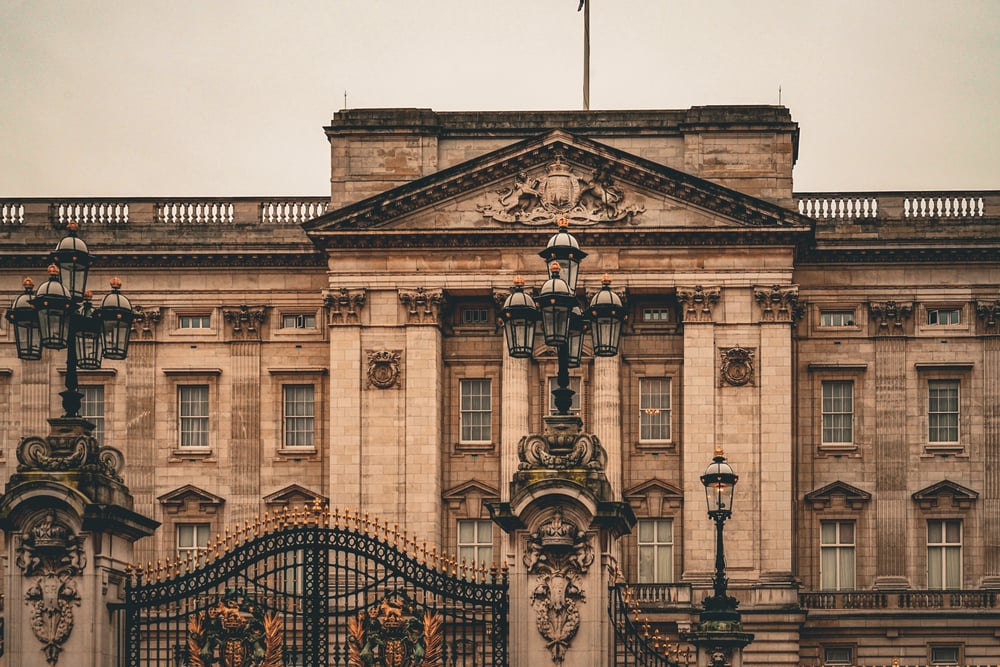
During the yearly State Opening of Parliament, the monarch symbolically takes a ‘hostage’, as a way of guaranteeing their safe return from Parliament to Buckingham Palace. This tradition stems from historical tensions between the monarchy and Parliament, when such precautions were genuinely necessary for royal safety.
The ‘hostage’ is typically a Member of Parliament who remains at Buckingham Palace while the sovereign addresses Parliament. It’s a ceremonial reminder of past conflicts, transformed into a formal protocol that continues to this day.
Swan Census on the Thames
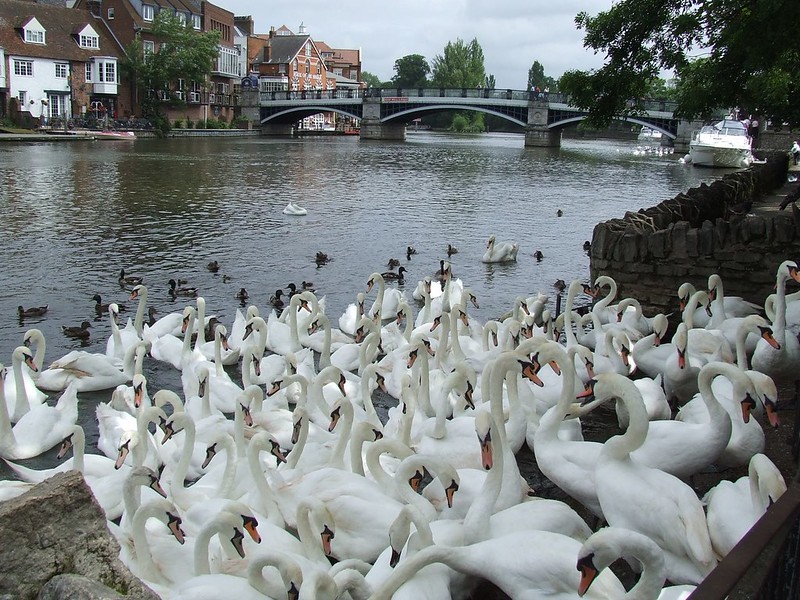
The King, as monarch, technically owns all unclaimed swans who swim in open water. Every year, a ceremony called ‘swan upping’ takes place where officials travel the River Thames in rowboats, checking on the health of all the swans they encounter.
During the third week of July, when cygnets are old enough to be handled by humans (roughly one month old), swan upping takes place. The aim of swan upping nowadays is to create a swan census. The ceremony is presided over by the King’s Swan Marker, whose primary job is overseeing swan conservation year-round.
Jordan River Water for Baptisms
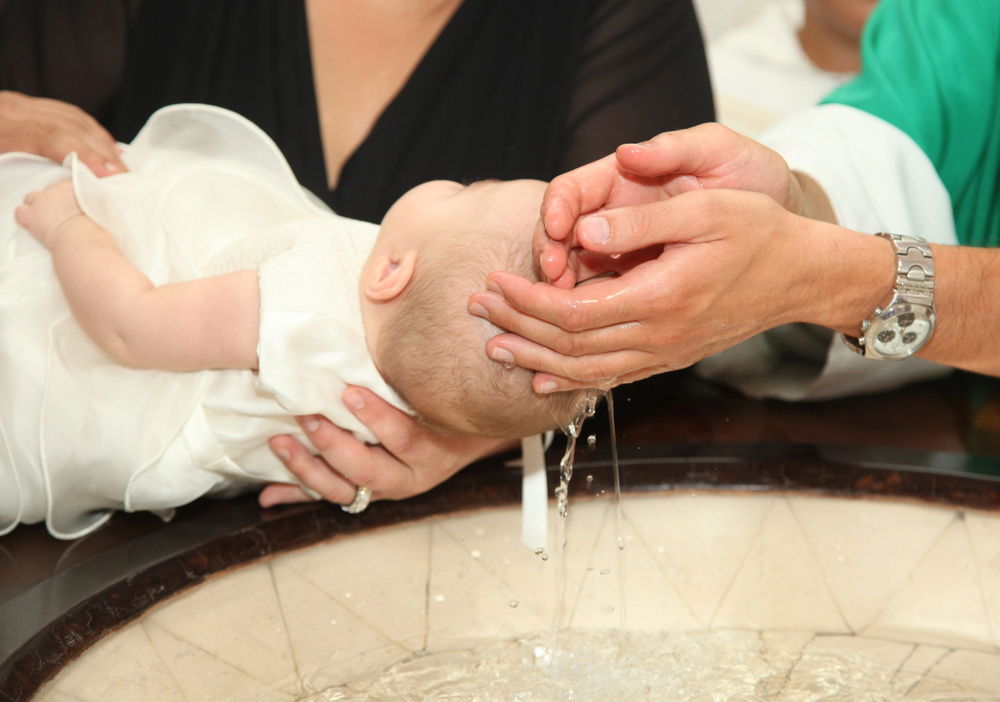
Royal babies aren’t baptized with regular holy water – theirs comes from thousands of miles away. Royal babies are usually christened with water brought from the River Jordan where Jesus was baptised by John the Baptist. The water must be specially sterilized and blessed before being flown to the UK for the ceremony.
Unfortunately, in 1982, the palace ran out of its supply, so Prince William was christened with tap water. The Duke of Cambridge was the only royal to miss the tradition. This makes Prince William unique among modern royals for having been baptized with ordinary British tap water instead of holy water from the Middle East.
Royal Standard Never Flies at Half-Mast
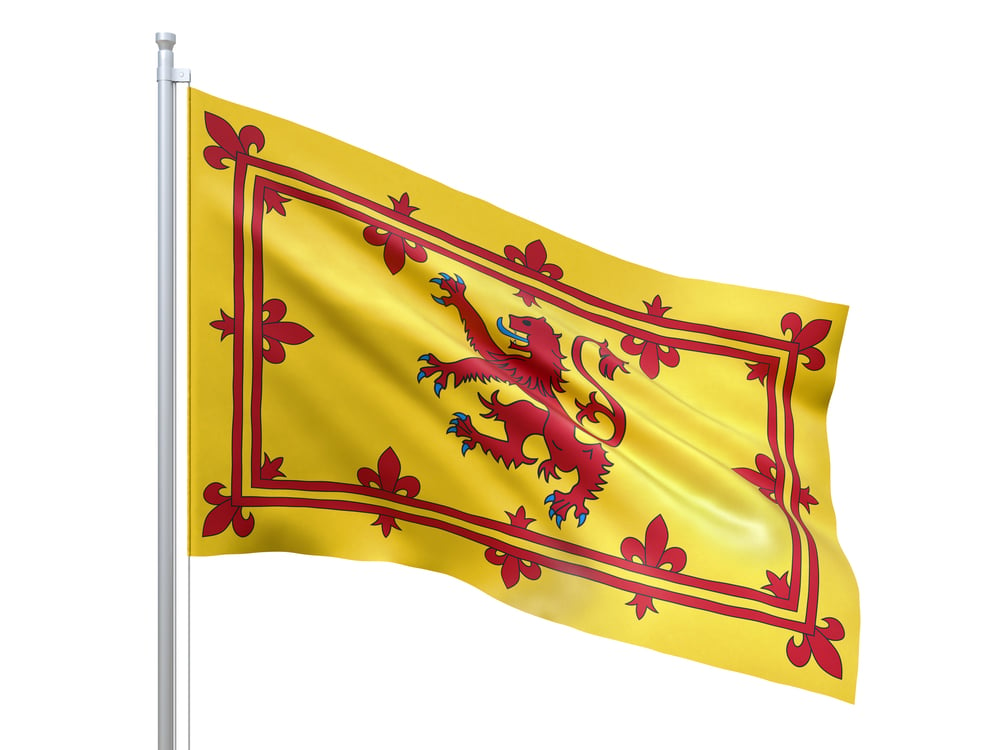
The Royal Standard is never lowered to half-mast because the Monarch never dies! As soon as one Sovereign passes away, the next immediately assumes the position. This means the flag representing the monarchy always flies at full height, symbolizing the continuity of the crown.
The only exception occurs when the body of a deceased monarch is lying in state at a location, but even then, if the new monarch visits that same location, the flag returns to full mast. This tradition emphasizes that the institution of monarchy continues unbroken, regardless of individual deaths.
Monopoly is Banned in Royal Homes
— Photo by ImageBase
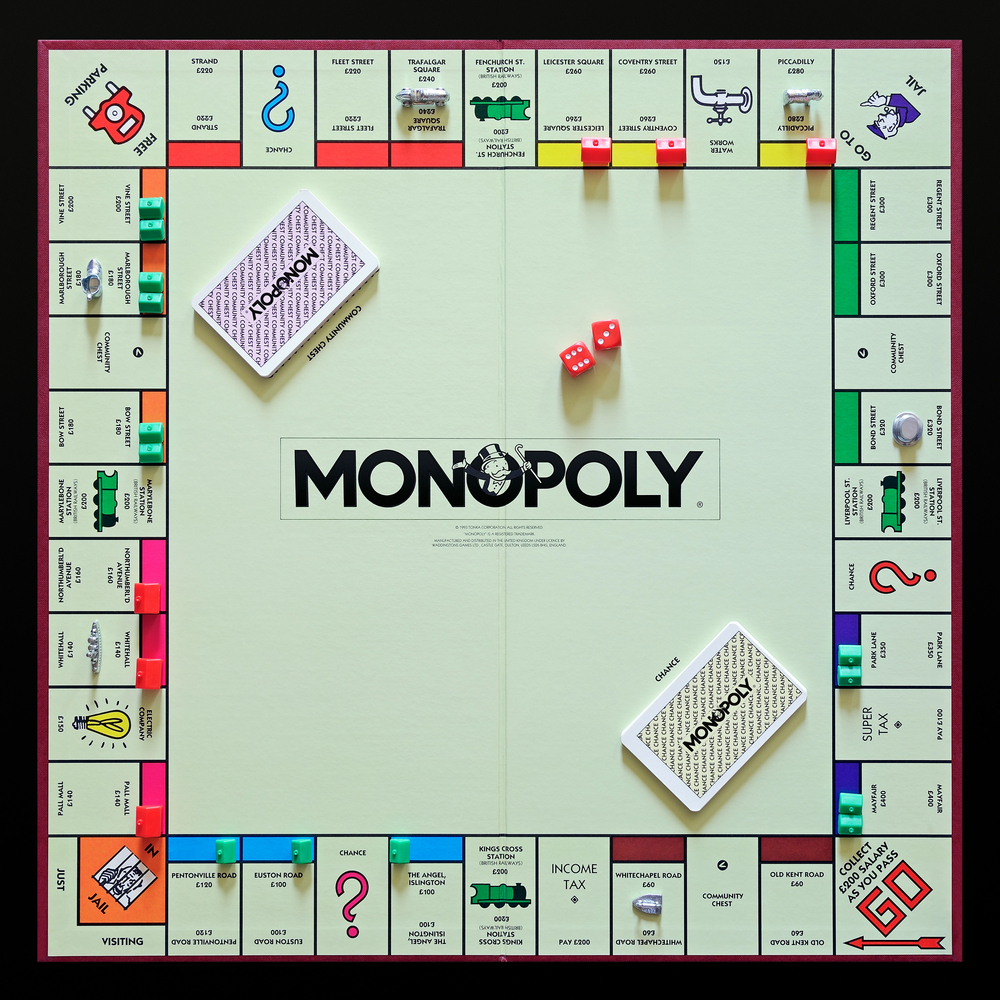
Even royals can get too competitive during family game night. Prince Andrew revealed that Monopoly was banned in royal homes. ‘We’re not allowed to play Monopoly at home. It gets too vicious,’ said Prince Andrew. The classic property-trading board game apparently brings out the worst in royal family members.
This ban demonstrates that despite their wealth and status, the royals are susceptible to the same family squabbles over fake money and plastic houses that affect ordinary families worldwide.
Black Outfits Must Always Be Packed

Royals must pack one black outfit when traveling, amid the opulent trunks filled with coronation robes and diamond-encrusted tiaras, there lurks a single garment of mourning. This practical tradition ensures they can appropriately dress for unexpected deaths or funerals while abroad.
This rule was created after the unexpected death of Queen Elizabeth II’s father, King George VI. She was rushed home from Kenya and had to wait on the plane in London until someone brought her a change of clothes. The tradition prevents similar awkward situations in the future.
Boys Must Wear Shorts Until Age Eight

It’s an unwritten royal rule that boys must wear shorts for most of their childhood years, graduating to longer trousers when they turn 8. This aristocratic tradition dates back to the 16th century and applies to all young male royals, regardless of weather or occasion.
Prince William didn’t wear long trousers until he went to prep school, and Queen Elizabeth put Prince Charles in infant dresses and shorts before he transitioned to pants. The tradition marks a formal transition from childhood to youth within royal circles.
Royal Dining Stops When the Monarch Stops
— Photo by foto200
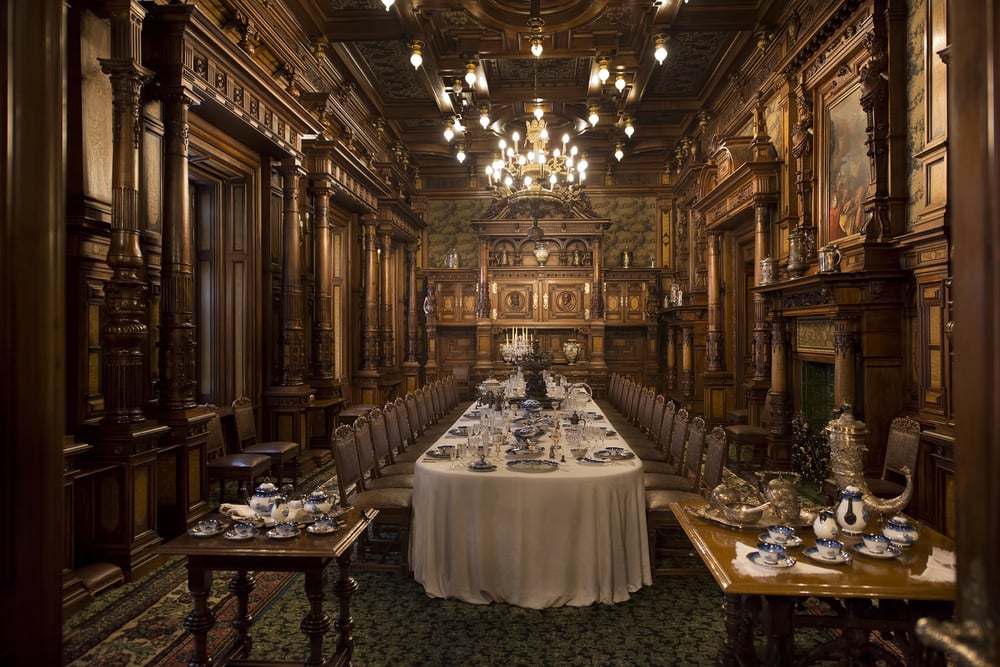
According to royal etiquette, if the sovereign has finished the meal, guests should also stop eating. This means that regardless of how hungry you might be, once the monarch puts down their fork, dinner is officially over for everyone at the table.
When it comes to royal occasions, this tradition still holds sway in the hallowed halls of Buckingham Palace. So, next time you find yourself in the king or queen’s company for a meal, keep a keen eye on the royal fork. It’s a centuries-old protocol that can leave guests with half-finished plates.
No Autographs Allowed

In order to prevent attempts to forge royal signatures, security protocols prohibit the monarch and his immediate family from signing autographs. This practical security measure helps protect against potential fraud and identity theft using royal signatures.
However, Princes William and Harry have often broken the ban by signing cards to female fans. The younger generation of royals has occasionally bent this rule, particularly during informal interactions with the public.
All Gifts Must Be Accepted and Recorded

Members of the royal family must accept all gifts (save a list of people they cannot accept gifts from, such as gifts from businesses) — and keep a list of everything they are given. Every present, no matter how unusual, must be officially acknowledged and catalogued.
The royal family has been given a fair share of unique presents, such as: 12 boxes of mangos, live animals, a Ph.D. The gift registry helps maintain transparency and ensures nothing valuable disappears without proper documentation.
Royal Wedding Myrtle Tradition

Myrtle flowers symbolize good luck in love and marriage, so it makes sense that the royals would want them incorporated into their wedding bouquets. The tradition of including sprigs of myrtle in one’s bouquet started with Queen Victoria. Every royal bride since has incorporated myrtle into their wedding flowers.
The myrtle used in royal bouquets often comes from bushes grown from previous royal wedding flowers, creating an unbroken chain of botanical tradition spanning generations. This creates a living link between past and present royal marriages.
From Ancient Customs to Modern Quirks
— Photo by sellstock69
These peculiar traditions reveal how royal families blend ancient customs with practical modern concerns. While some practices like the raven guardianship serve symbolic purposes, others like the black outfit rule address real-world logistics. What makes these traditions truly fascinating is how they’ve survived centuries of social change, adapting to new circumstances while maintaining their essential character. Whether weighing Christmas guests or employing birds as government officials, royal families continue to prove that truth is indeed stranger than fiction.
More from Go2Tutors!

- The Romanov Crown Jewels and Their Tragic Fate
- 13 Historical Mysteries That Science Still Can’t Solve
- Famous Hoaxes That Fooled the World for Years
- 15 Child Stars with Tragic Adult Lives
- 16 Famous Jewelry Pieces in History
Like Go2Tutors’s content? Follow us on MSN.