15 Jobs That Have Become Unenecessary But Once Paid Well
Think your job might disappear someday? Well, you’re probably right. History’s littered with careers that seemed permanent until they weren’t. Some of these jobs supported entire families for generations before vanishing practically overnight.
What’s fascinating is how well many of these positions are paid. We’re not talking about pocket change—these were solid middle-class careers that let people buy homes and raise kids comfortably. Here is a list of 15 jobs that were once paid well enough to build a decent life.
Switchboard Operator
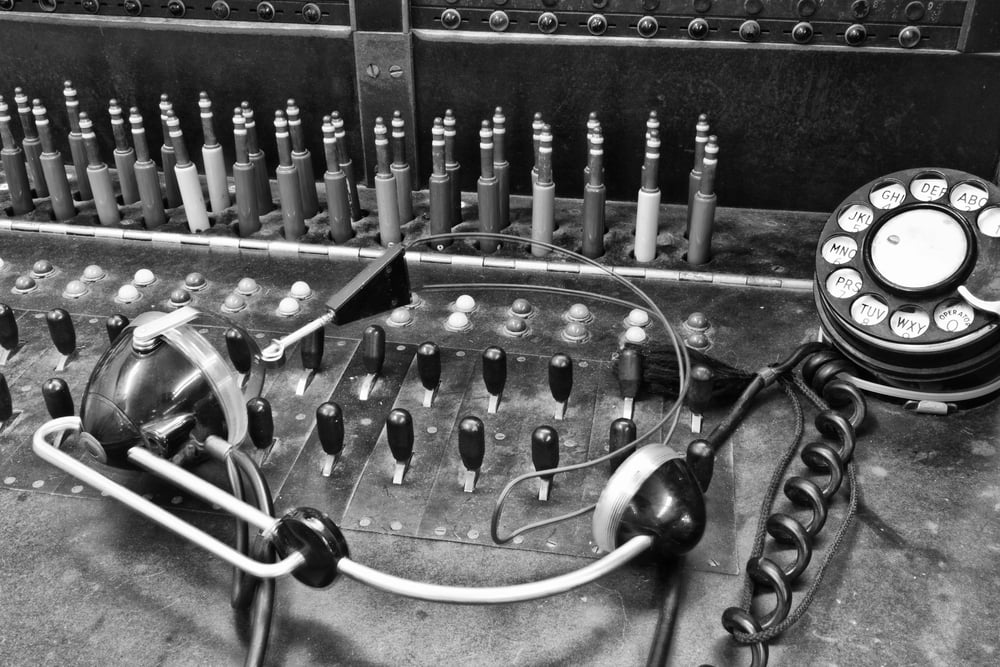
Picture a woman sitting at a massive board covered in plugs and cables. That’s how phone calls worked for decades.
She’d literally connect you to whoever you wanted to call by plugging wires into the right spots. In small towns, operators knew everybody’s business and could connect you just by saying ‘get me the doctor.’
The job required lightning-fast reflexes and an amazing memory, which is why phone companies paid operators pretty well.
Lamplighter

Gas streetlights didn’t turn themselves on. Every evening, lamplighters walked their routes carrying ladders and flames, lighting each lamp manually.
Cities depended on these guys completely—no lights meant dangerous streets and unhappy citizens. The work was reliable and paid decently since public safety literally depended on showing up every single night.
Ice Cutter

Winter meant work for ice cutters. They’d head out to frozen lakes with giant saws, cutting massive blocks that would keep food cold all year.
The blocks went into insulated warehouses packed with sawdust. Brutal work, sure, but seasonal jobs often pay well when they’re essential.
Many ice cutters earned enough during harvest season to live comfortably through spring and summer.
Telegraph Operator
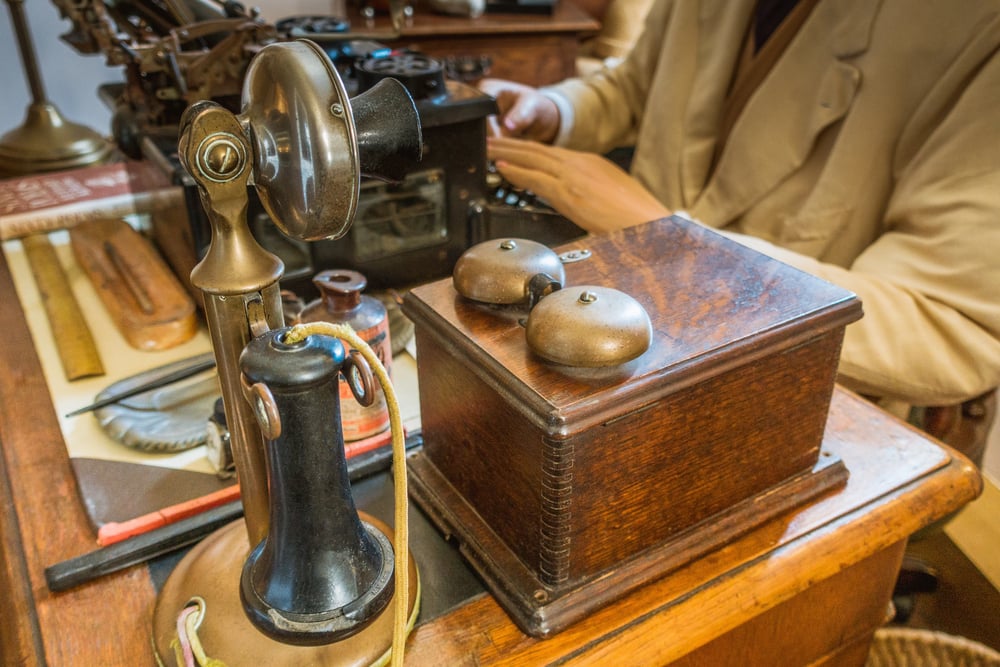
Before phones, telegraphs moved information across long distances instantly. Operators had to master Morse code and work at incredible speeds—especially railroad operators who coordinated train schedules.
One mistake could cause a deadly crash. That level of responsibility came with excellent pay, particularly for operators working busy railroad lines or news organizations.
Knocker-Upper

Someone actually got paid to wake people up. Knocker-uppers used long sticks to tap bedroom windows or shot dried peas at the glass.
Factory workers couldn’t afford to oversleep, and alarm clocks were expensive luxuries. Industrial towns had dozens of these human alarm clocks making regular rounds.
The steady demand meant reliable income for anyone willing to get up before dawn.
Film Projectionist
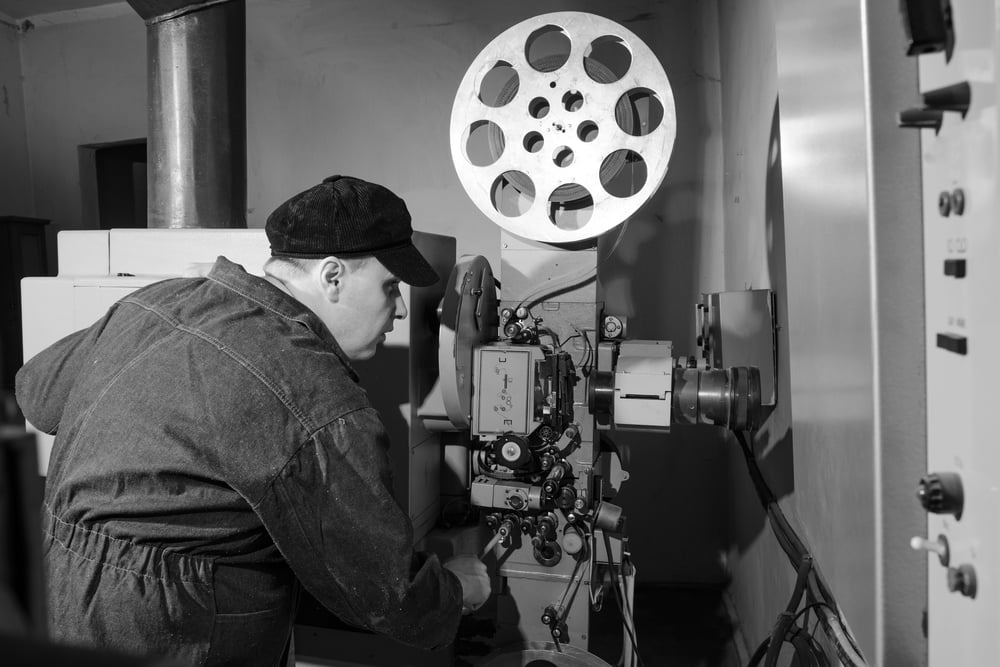
Movies required skilled operators who could handle complex mechanical equipment. Projectionists timed reel changes to the split second, adjusted focus constantly, and repaired broken equipment on the spot.
Mess up during a packed Saturday night show and you’d have hundreds of angry customers. Theater owners paid well for reliable projectionists who could keep movies running smoothly.
Bowling Pin Setter

Young men literally stood behind the pins, dodging heavy bowling equipment while resetting everything by hand. Dangerous? Absolutely.
But bowling alleys needed them, especially during busy evening leagues. The combination of hourly wages plus tips from grateful bowlers added up to decent money for guys willing to risk getting knocked around by flying pins and equipment.
Elevator Operator

Fancy buildings hired operators to run their elevators manually. These weren’t simple up-and-down machines—they required skill to stop smoothly at each floor.
Operators announced floors, helped passengers, and represented the building’s image. Department stores especially wanted professional, well-dressed operators who made customers feel welcome.
That meant good wages and a respectable position.
Milkman

Fresh milk delivered to your door was standard service for decades. Milkmen built routes, developed customer relationships, and often expanded into eggs, butter, and bread.
The business model worked because people needed these products regularly. Experienced milkmen with established routes could earn solid middle-class incomes while working independently.
Newspaper Typesetter
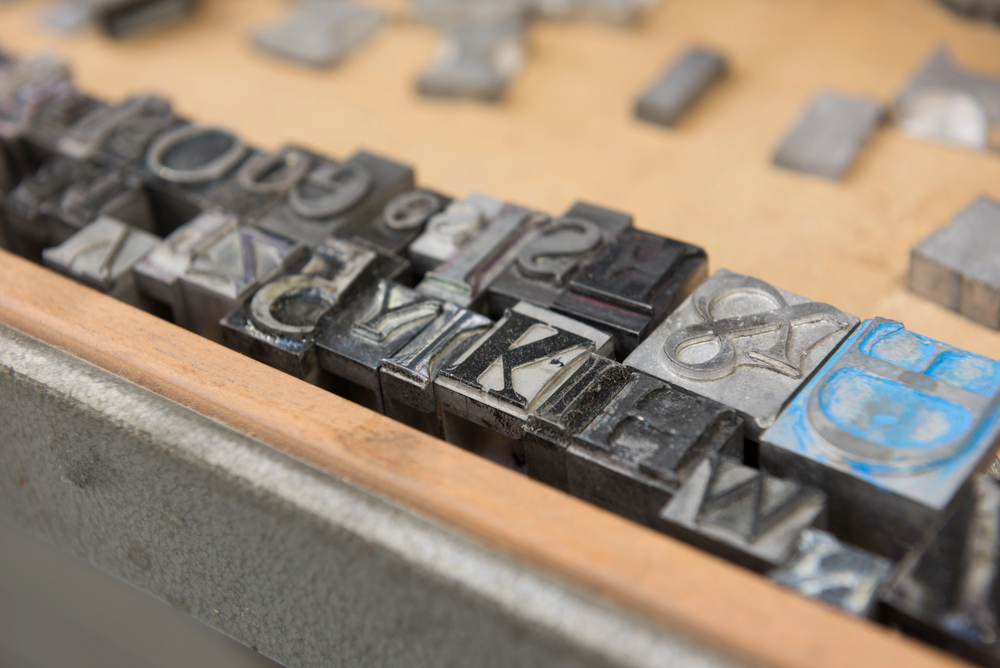
Every newspaper page was assembled by hand using individual metal letters. Typesetters worked under crushing deadline pressure—the paper had to be ready for morning delivery no matter what.
The skill level required was enormous since mistakes meant restarting entire sections. Newspapers competed for the fastest, most accurate typesetters by offering top wages.
Telephone Directory Assistance Operator

‘Directory assistance, what city please?’ These operators helped people find phone numbers using reference books and incredible memory skills.
They dealt with frustrated customers all day but provided an essential service that telephone companies couldn’t automate yet. Good benefits and steady wages made it a decent career, especially for women who had few other professional options.
Gas Station Attendant
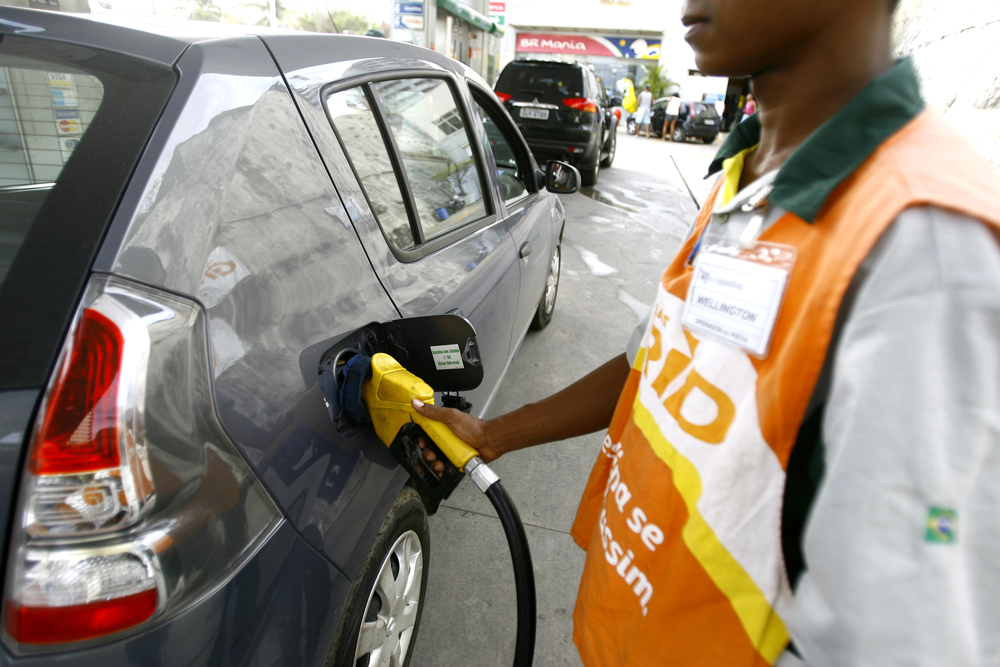
Full-service gas stations employed attendants who did everything—pumped gas, checked oil, cleaned windshields, and performed minor repairs. Regular customers developed relationships with their favorite attendants.
Busy stations during road trip season meant good tips on top of hourly wages. Attendants who learned automotive skills could advance to mechanic positions.
Radio Repair Technician

Radios were expensive investments that families protected carefully. When they broke, repair was usually cheaper than replacement.
Radio technicians understood complex electronics and could diagnose problems that baffled everyone else. The specialized knowledge required meant they could charge premium rates for their expertise.
Photograph Developer

Film development required expertise with chemicals, precise timing, and expensive equipment. Photo labs employed skilled technicians who transformed negatives into quality prints.
Wedding photographers, portrait studios, and commercial clients all needed reliable developers. The technical knowledge and equipment costs meant photo developers commanded good salaries.
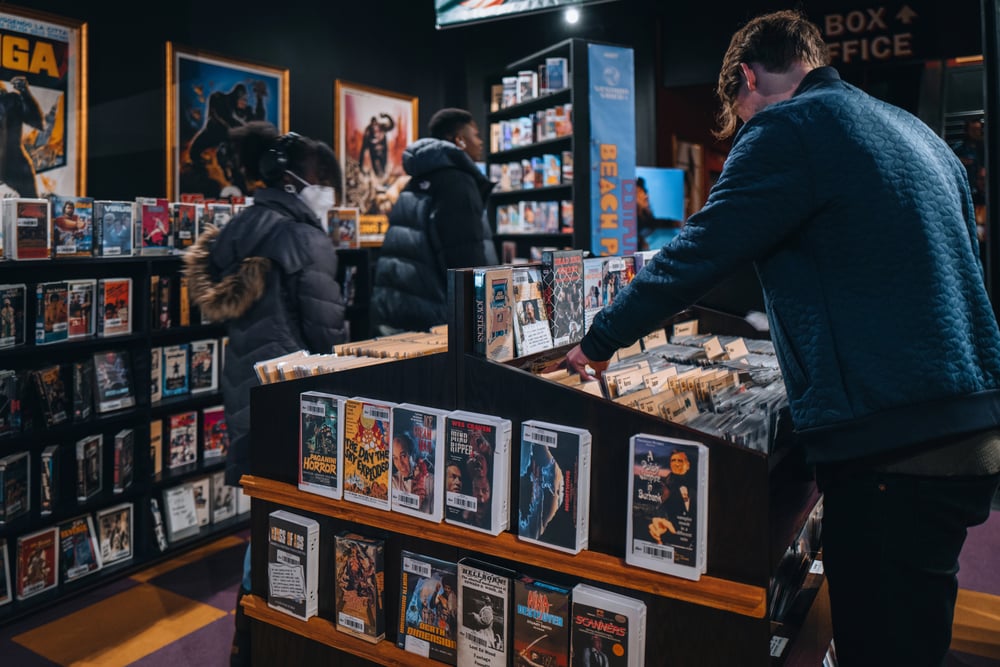
VHS Rental Store ManagerSwitchboard Operator
Picture a woman sitting at a massive board covered in plugs and cables. That’s how phone calls worked for decades.
She’d literally connect you to whoever you wanted to call by plugging wires into the right spots. In small towns, operators knew everybody’s business and could connect you just by saying ‘get me the doctor.’
The job required lightning-fast reflexes and an amazing memory, which is why phone companies paid operators pretty well.
Tomorrow’s Obsolete Careers

Progress doesn’t ask permission before making jobs disappear. These careers seemed permanent to the people working them—until technology or social changes made them unnecessary almost overnight.
Today’s hottest jobs might be tomorrow’s museum exhibits, which is why adaptability matters more than expertise in any single skill.
More from Go2Tutors!

- The Romanov Crown Jewels and Their Tragic Fate
- 13 Historical Mysteries That Science Still Can’t Solve
- Famous Hoaxes That Fooled the World for Years
- 15 Child Stars with Tragic Adult Lives
- 16 Famous Jewelry Pieces in History
Like Go2Tutors’s content? Follow us on MSN.