16 Birds That Spend Most of Their Lives in the Air
Most birds can fly, but some take this ability to extraordinary lengths. While many species touch down regularly to rest, feed, or nest, certain birds have evolved to live almost entirely on the wing — touching solid ground only when absolutely necessary.
These aerial masters have developed remarkable adaptations that allow them to eat, drink, and even sleep while airborne. Here is a list of 16 birds that have mastered the art of staying aloft for months or even years at a time.
Alpine Swift
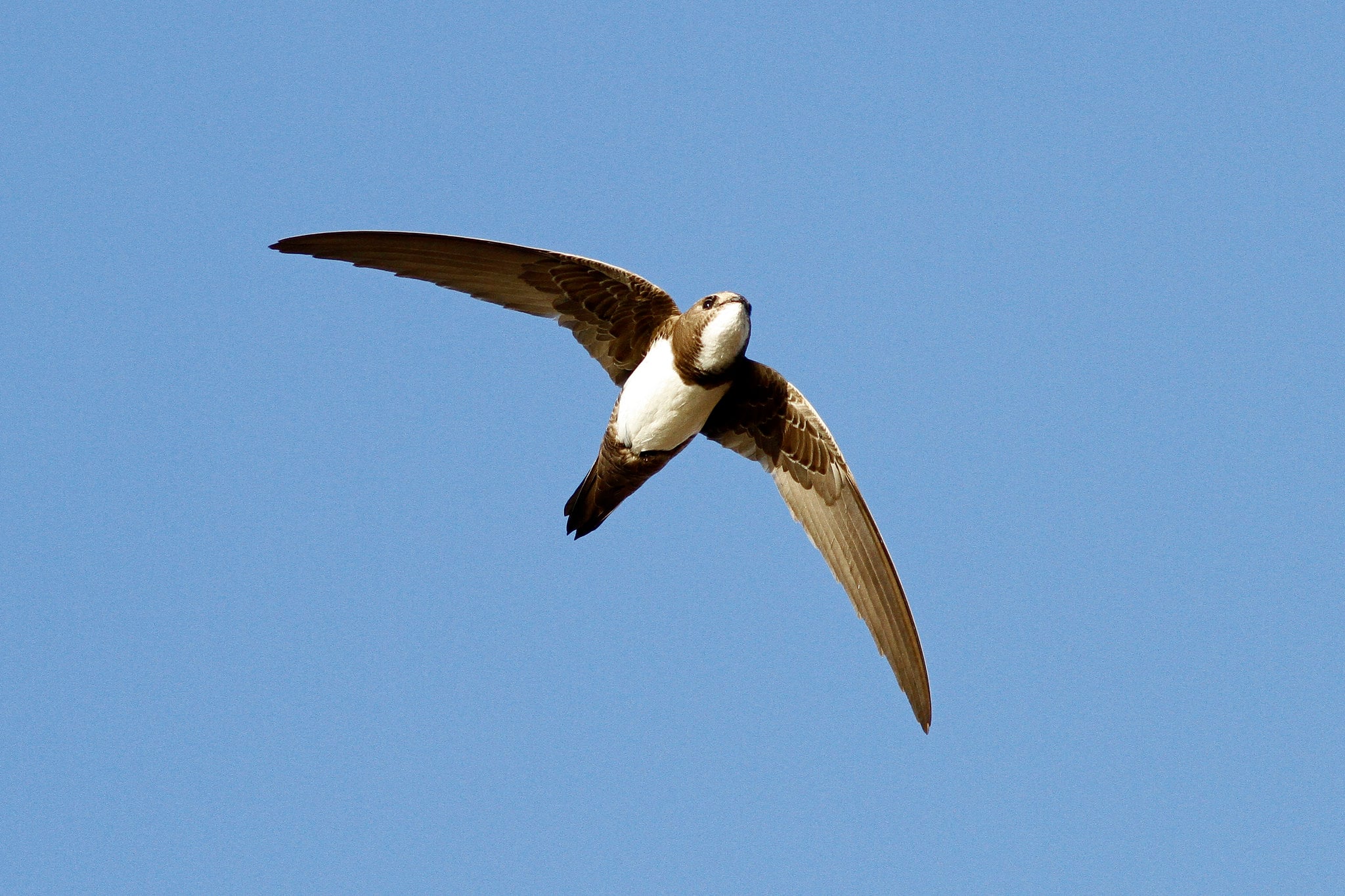
The Alpine Swift holds the record for the longest continuous flight among birds — staying airborne for up to 200 days without landing. These remarkable birds eat, sleep, and mate while flying, touching down only during breeding season.
Their streamlined bodies and long, curved wings make them incredibly efficient fliers, though they can cover thousands of miles while hunting insects on the wing.
Common Swift

Don’t let the name fool you — there’s nothing common about this bird’s aerial abilities. Common Swifts spend nearly their entire lives in flight, landing only to nest and raise their young.
They can sleep while gliding on air currents — shutting down half their brain at a time while the other half keeps them flying safely through the night.
Sooty Tern
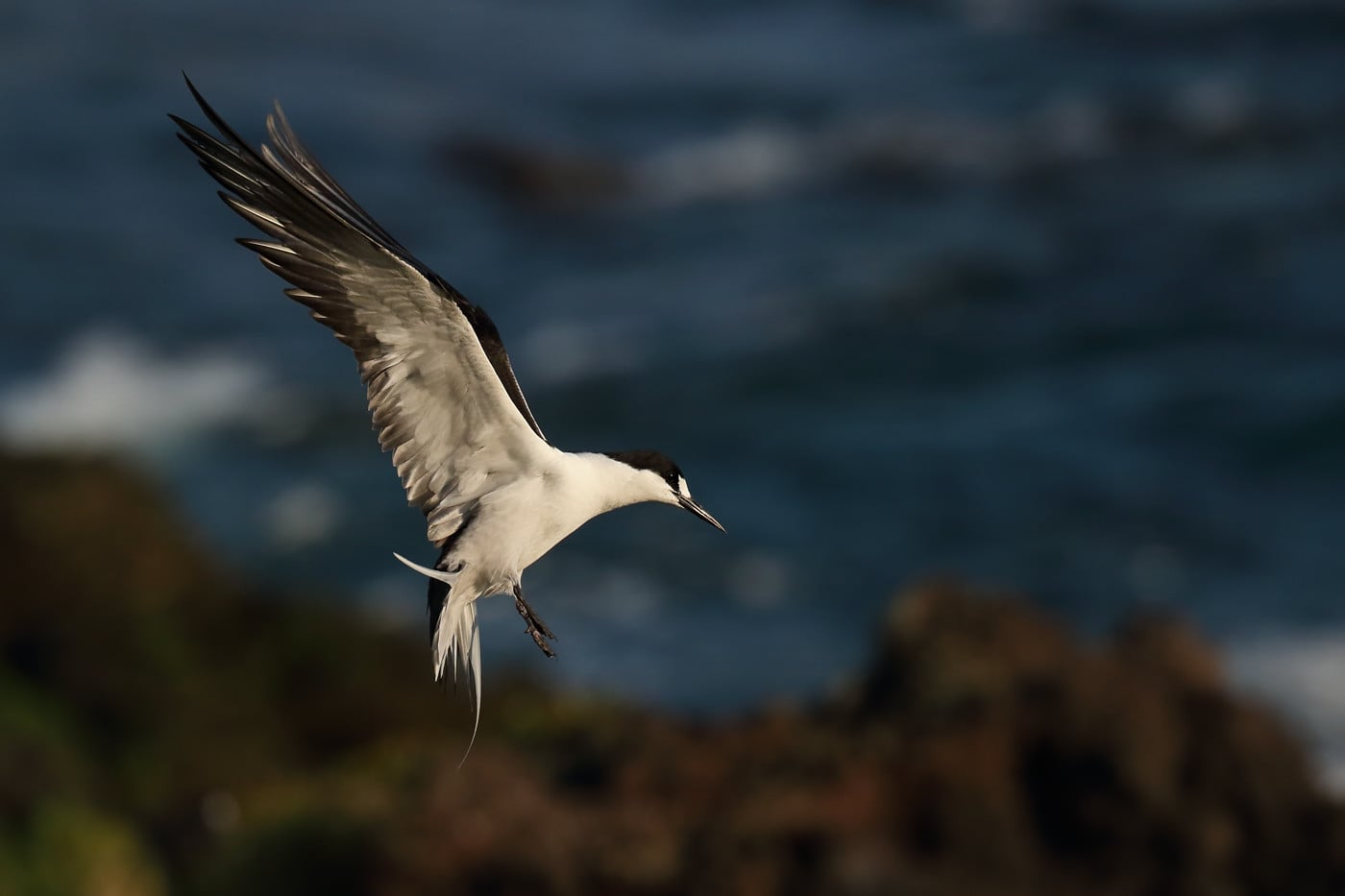
These seabirds take the phrase ‘sea legs’ to a whole new level by barely having any use for legs at all. Sooty Terns can stay aloft for three to ten years continuously — feeding on fish and squid they catch by skimming the ocean surface.
Young birds don’t touch land until they’re ready to breed, spending their entire youth riding ocean winds.
Great Frigatebird
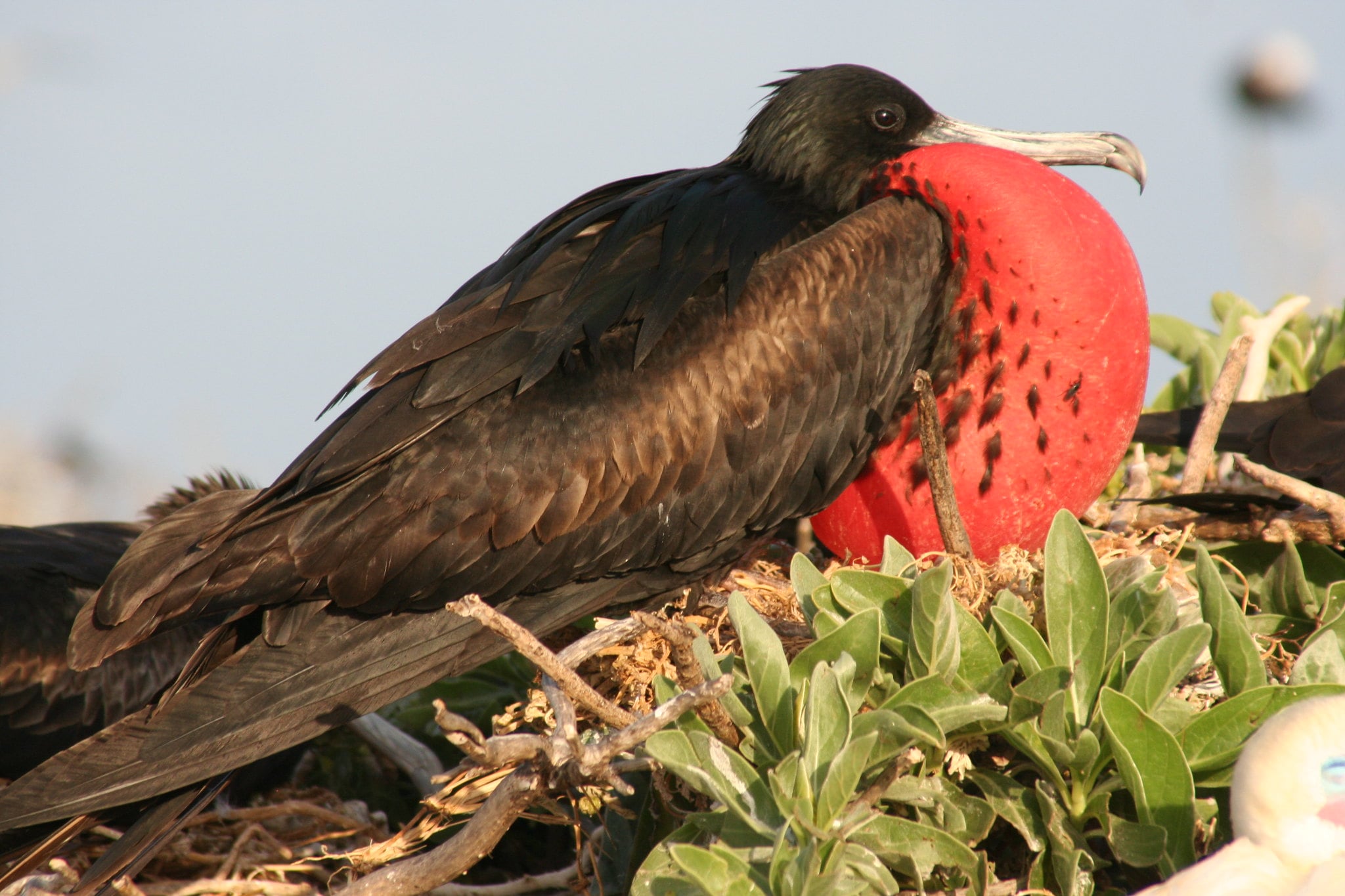
With their impressive seven-foot wingspan and lightweight bones, Great Frigatebirds are built for marathon flights. They can soar for weeks without landing — using thermal currents to stay aloft while scanning the ocean for food.
These pirates of the sky often steal meals from other seabirds rather than diving for fish themselves, since their feathers aren’t waterproof.
Wandering Albatross
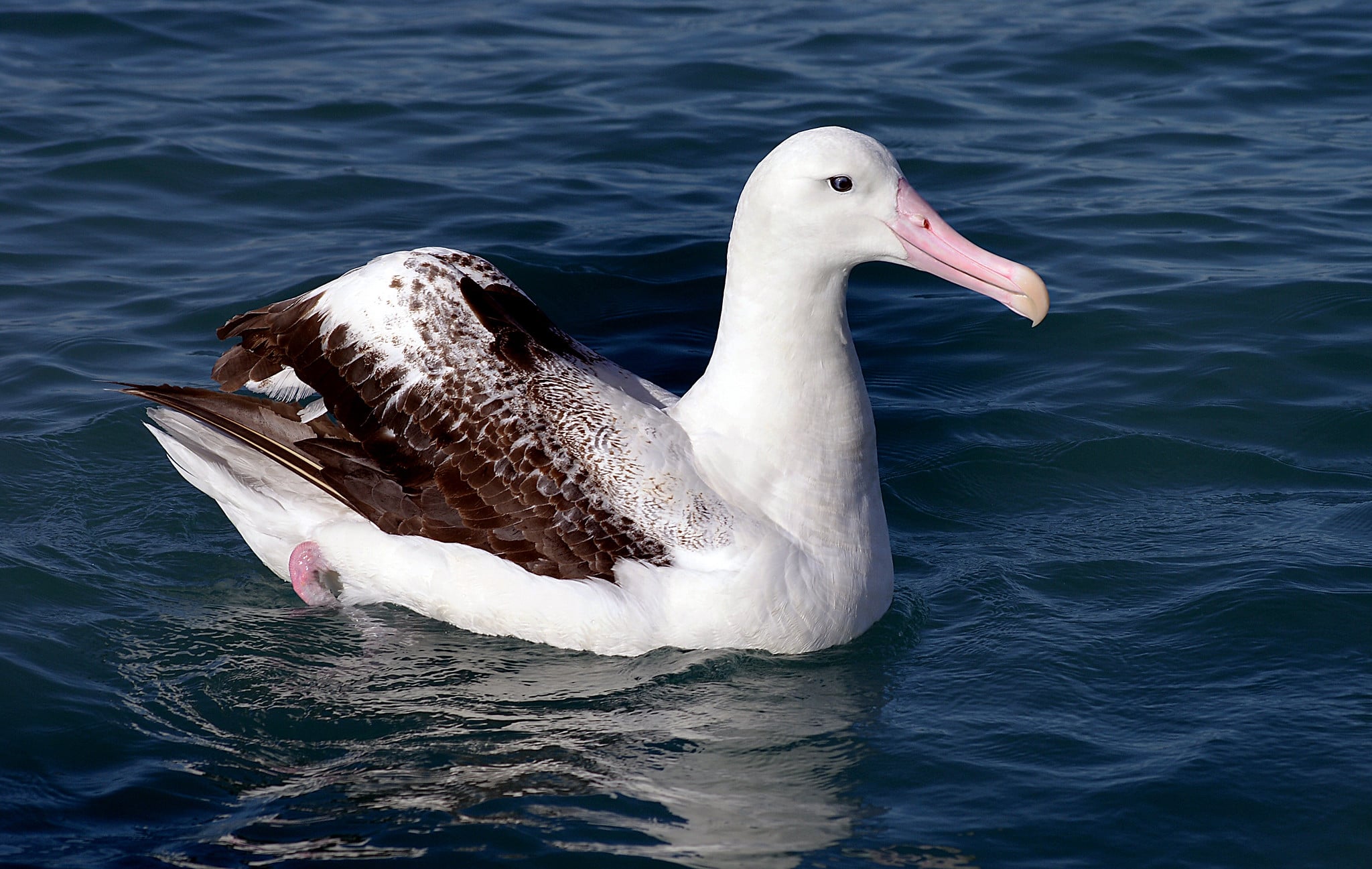
The Wandering Albatross lives up to its name by covering incredible distances over the Southern Ocean. With the longest wingspan of any living bird at nearly 12 feet, they use dynamic soaring to fly for hours without flapping their wings.
These ocean wanderers can stay at sea for years — sleeping on the wing while only returning to land to breed.
Brown Noddy
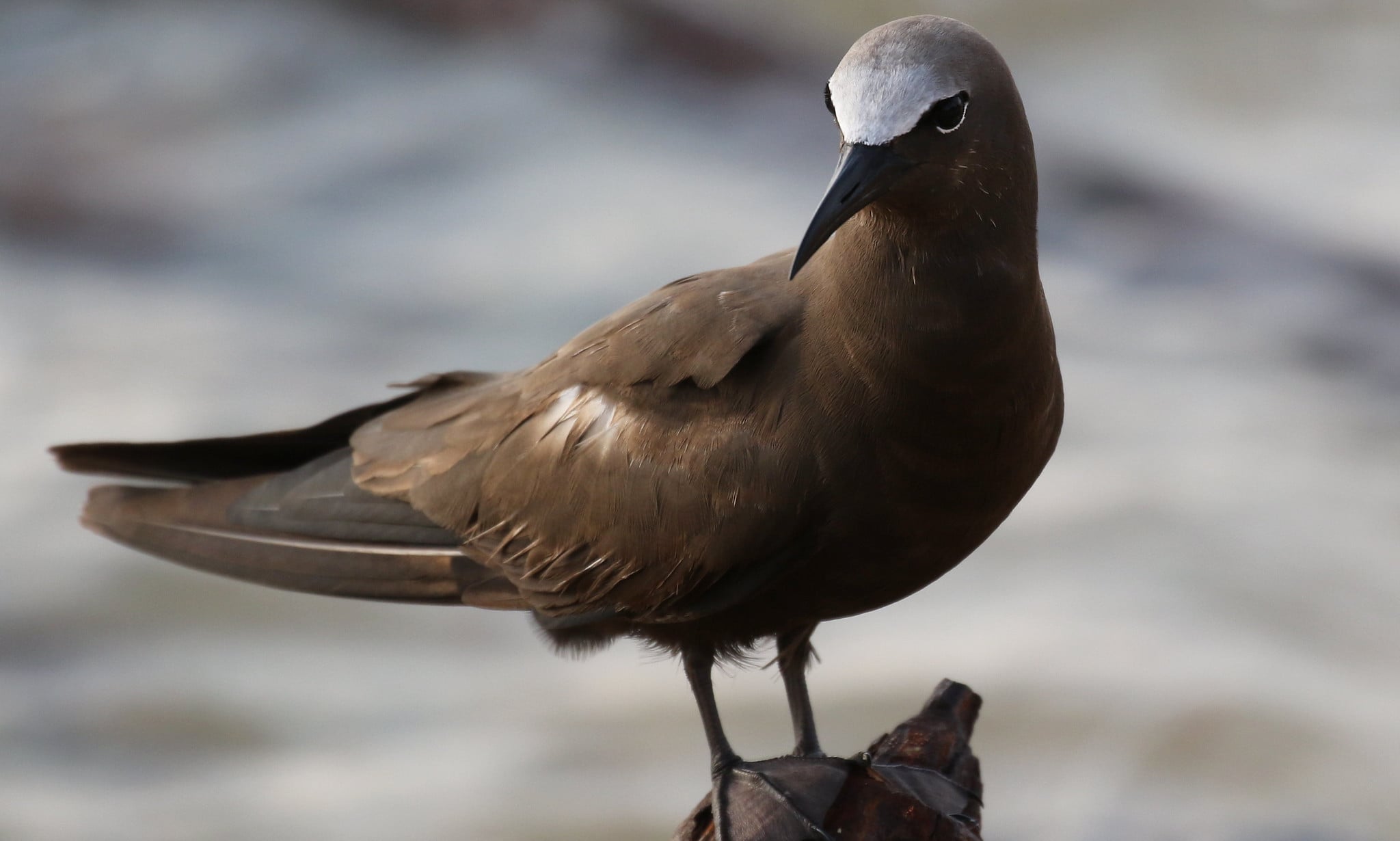
Brown Noddies are masters of efficient flight, spending months at sea without touching land. They have a unique ability to drink seawater — thanks to special salt glands that filter excess salt from their bloodstream.
These tropical seabirds often follow dolphins and whales, feeding on small fish stirred up by these marine mammals.
Arctic Tern
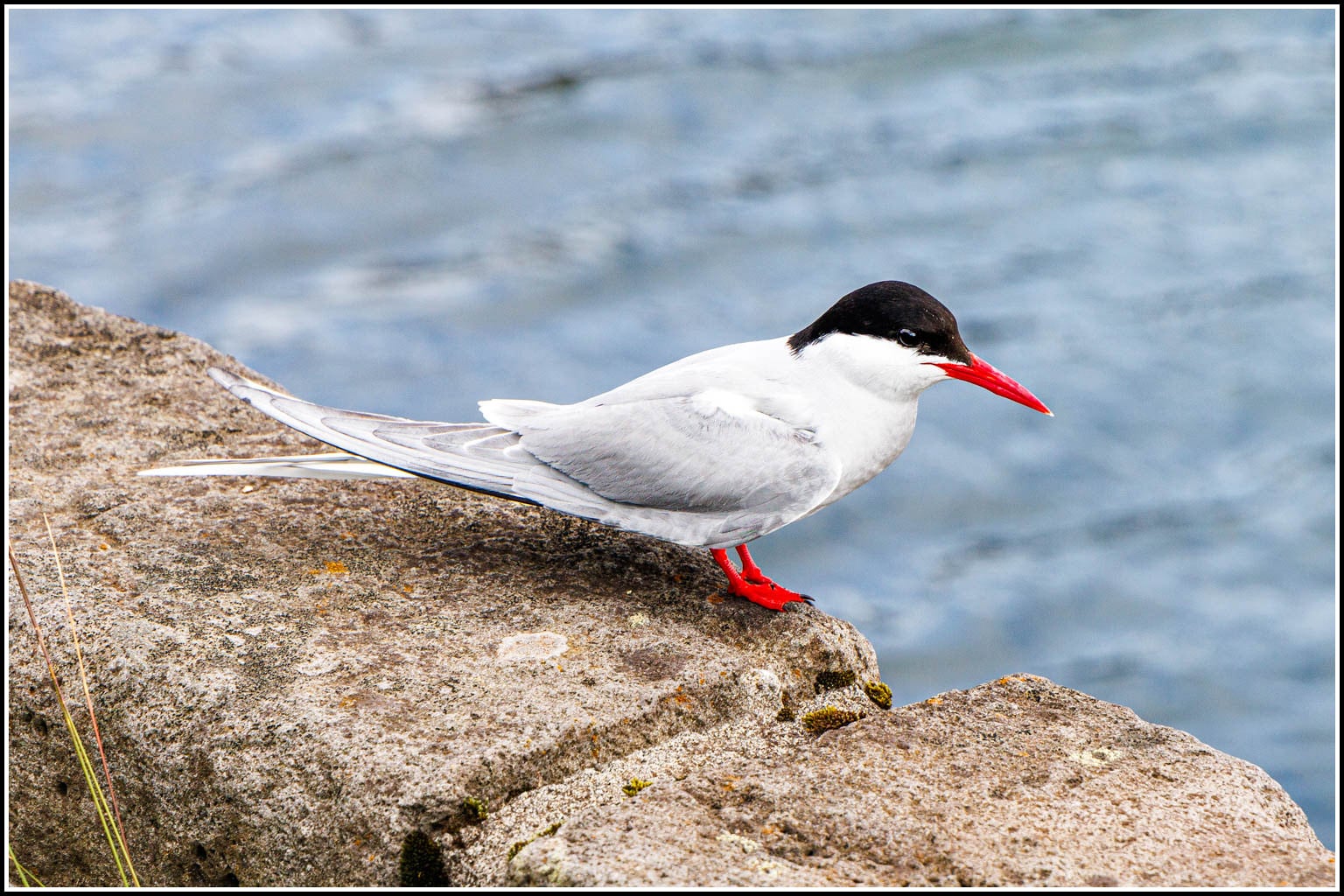
Arctic Terns complete the longest migration of any animal — flying roughly 44,000 miles annually from Arctic to Antarctic. They experience two summers each year while seeing more daylight than any other creature on Earth.
These incredible birds spend most of their lives over open ocean, touching down only briefly during their epic journeys.
Red-footed Booby
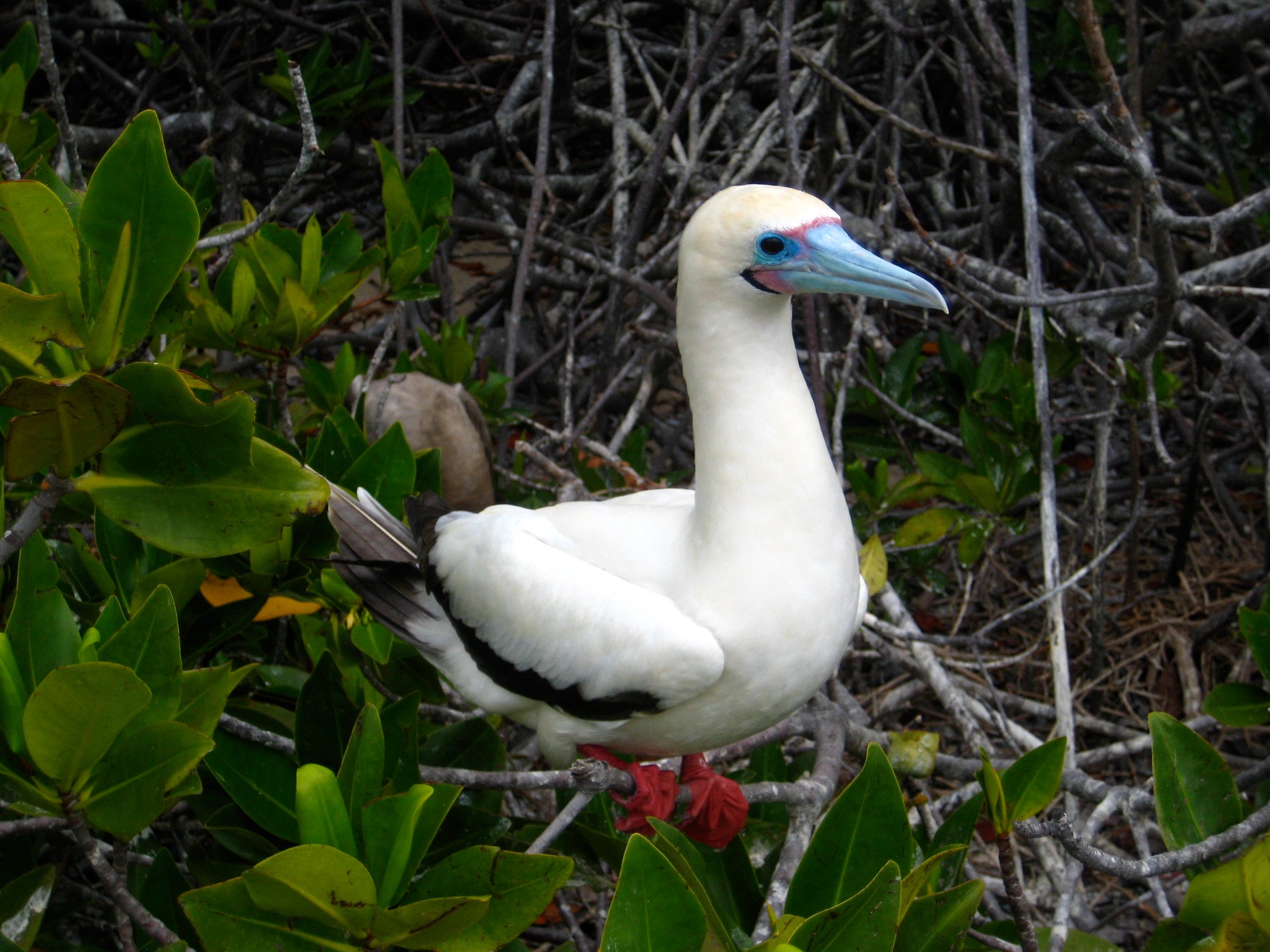
Red-footed Boobies are the most aerial of all booby species — spending weeks or months at sea between breeding seasons. They’re excellent gliders, using their long wings to ride ocean thermals while searching for flying fish.
Unlike their ground-dwelling relatives, these boobies are comfortable roosting in trees when they do come ashore.
Laysan Albatross
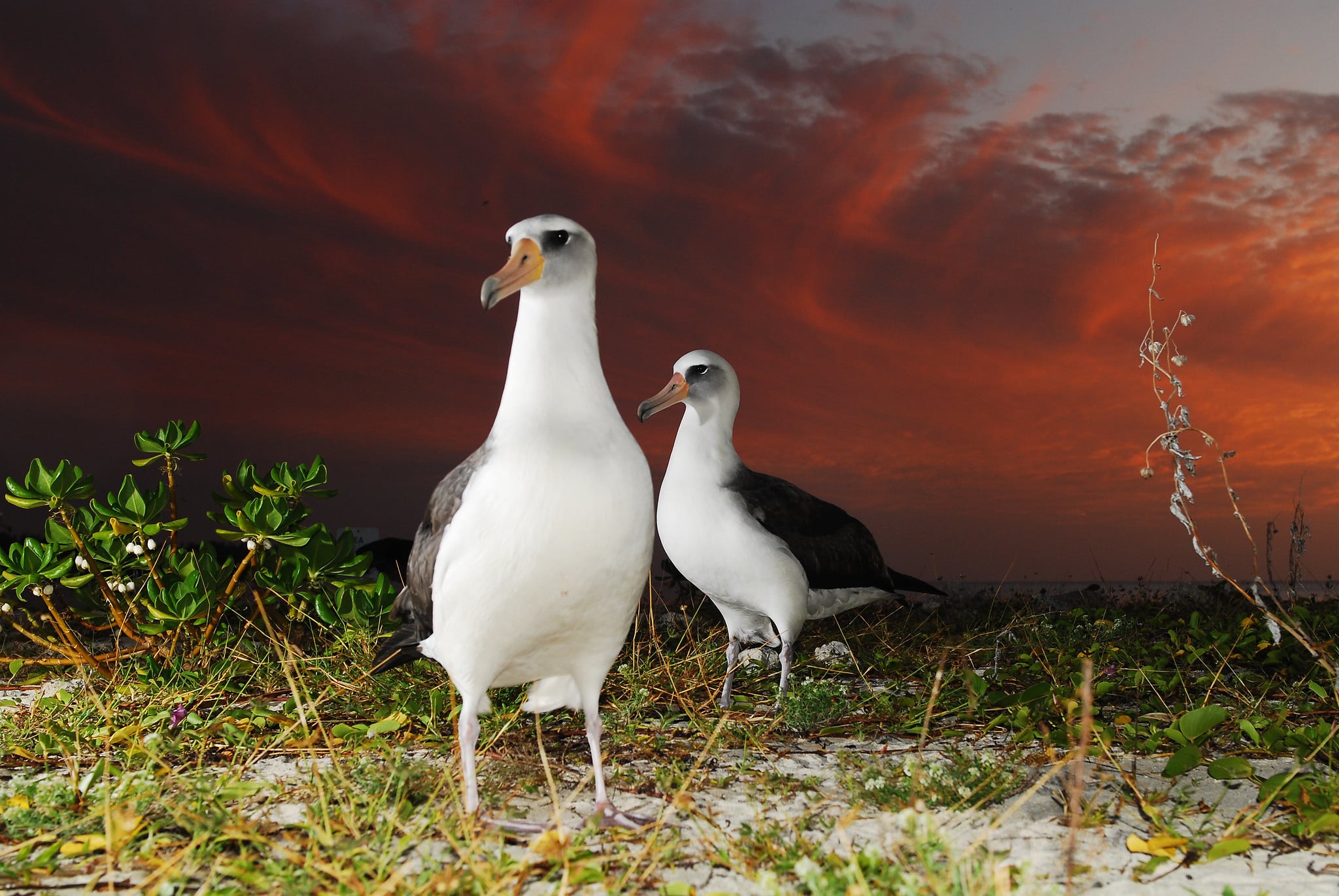
Laysan Albatrosses are incredible long-distance fliers — capable of traveling thousands of miles in a single foraging trip. They use a technique called dynamic soaring, locking their wings while gliding on ocean winds for hours without expending energy.
These birds can stay at sea for months — sleeping while floating on the water’s surface or even while gliding.
Magnificent Frigatebird
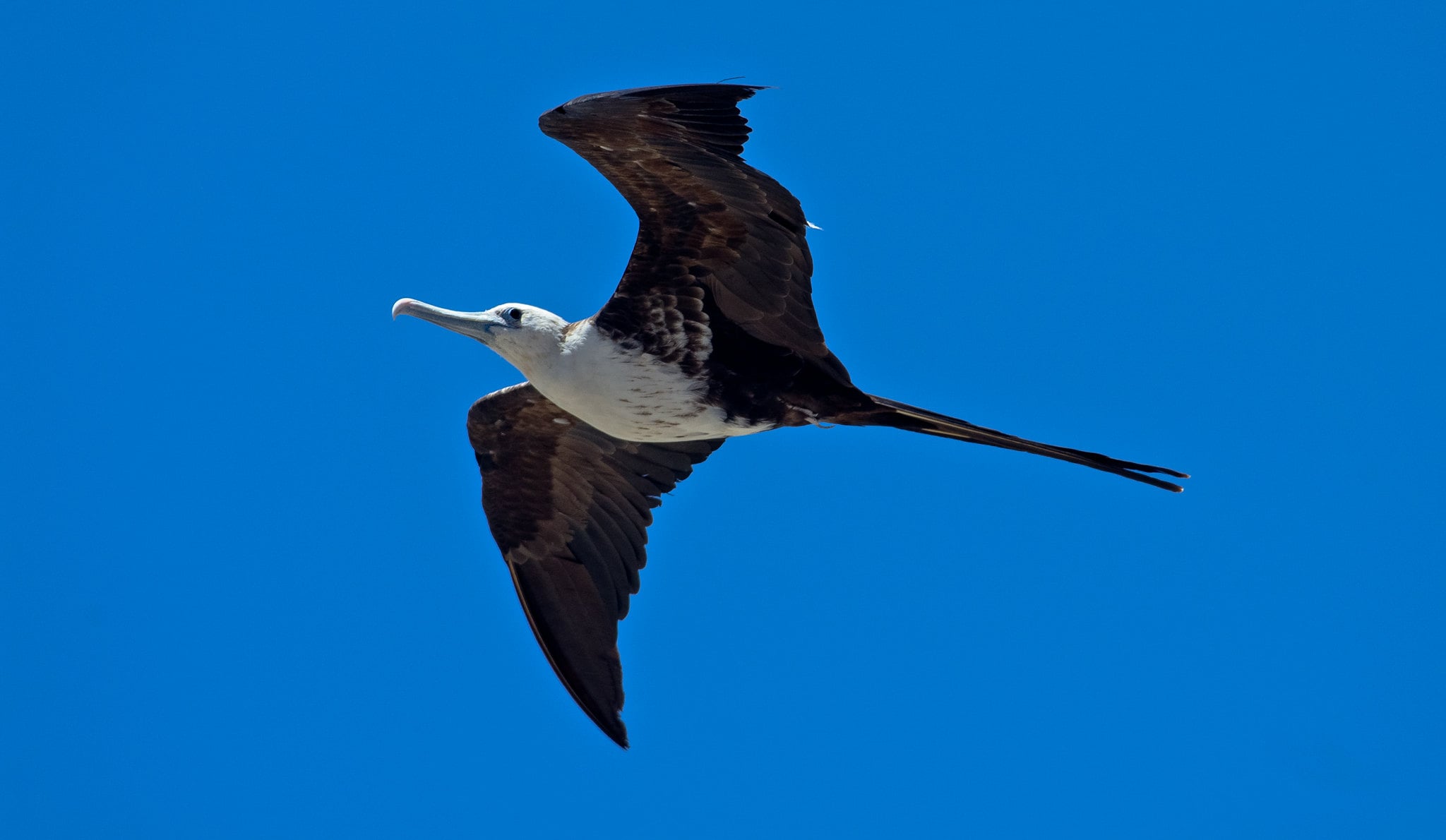
Despite their name suggesting grandeur, Magnificent Frigatebirds are actually quite the opportunists of the sky. They can stay airborne for over a week at a time — using their exceptional soaring abilities to patrol coastal waters.
Their lightweight bones make them incredibly buoyant, though they can’t dive underwater due to their minimal waterproofing.
Manx Shearwater
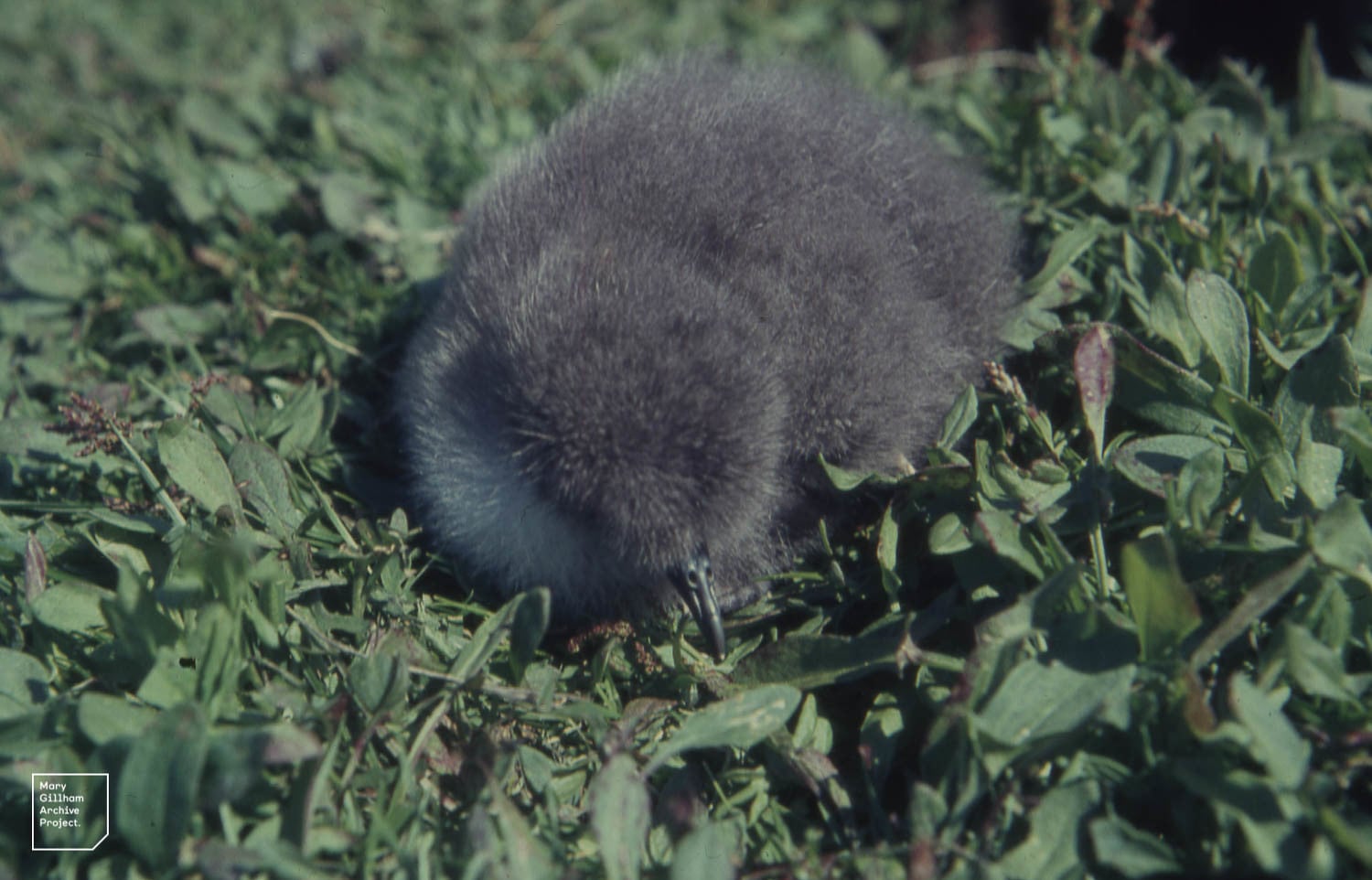
Manx Shearwaters are built for life on the wing, with their tube-shaped nostrils and streamlined bodies perfectly adapted for ocean flying. They can travel thousands of miles during their non-breeding season, often crossing entire ocean basins.
These birds are so specialized for flight that they’re quite clumsy on land, making them vulnerable when they do come ashore to nest.
Wilson’s Storm-Petrel
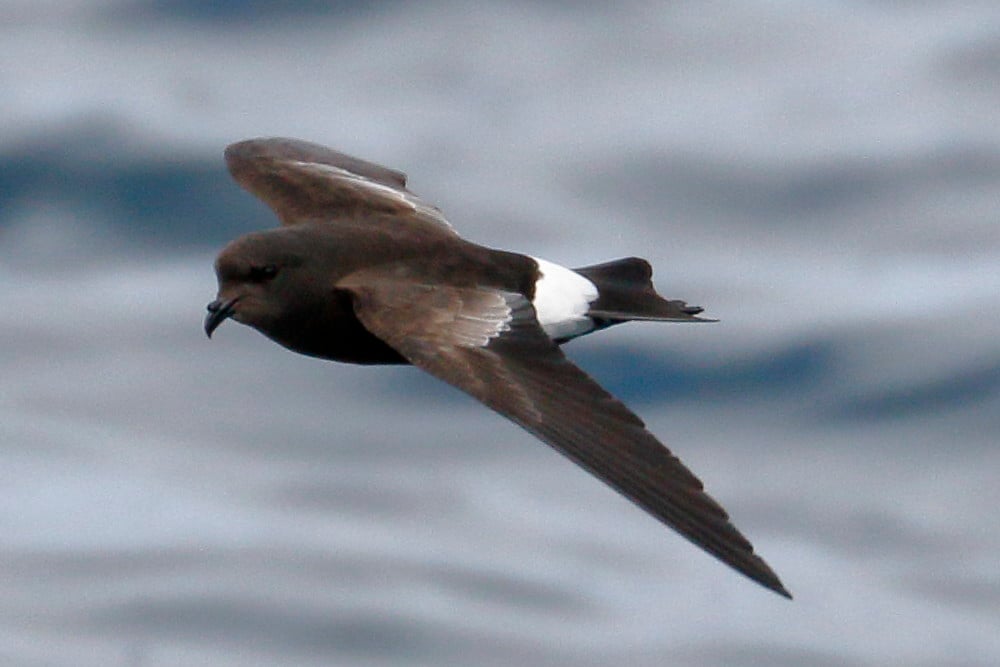
These tiny seabirds punch above their weight when it comes to aerial endurance. Wilson’s Storm-Petrels spend most of their lives skimming just above ocean waves, feeding on small fish and plankton.
They’re so light that they can literally walk on water, patting the surface with their feet while picking up food without fully landing.
Leach’s Storm-Petrel
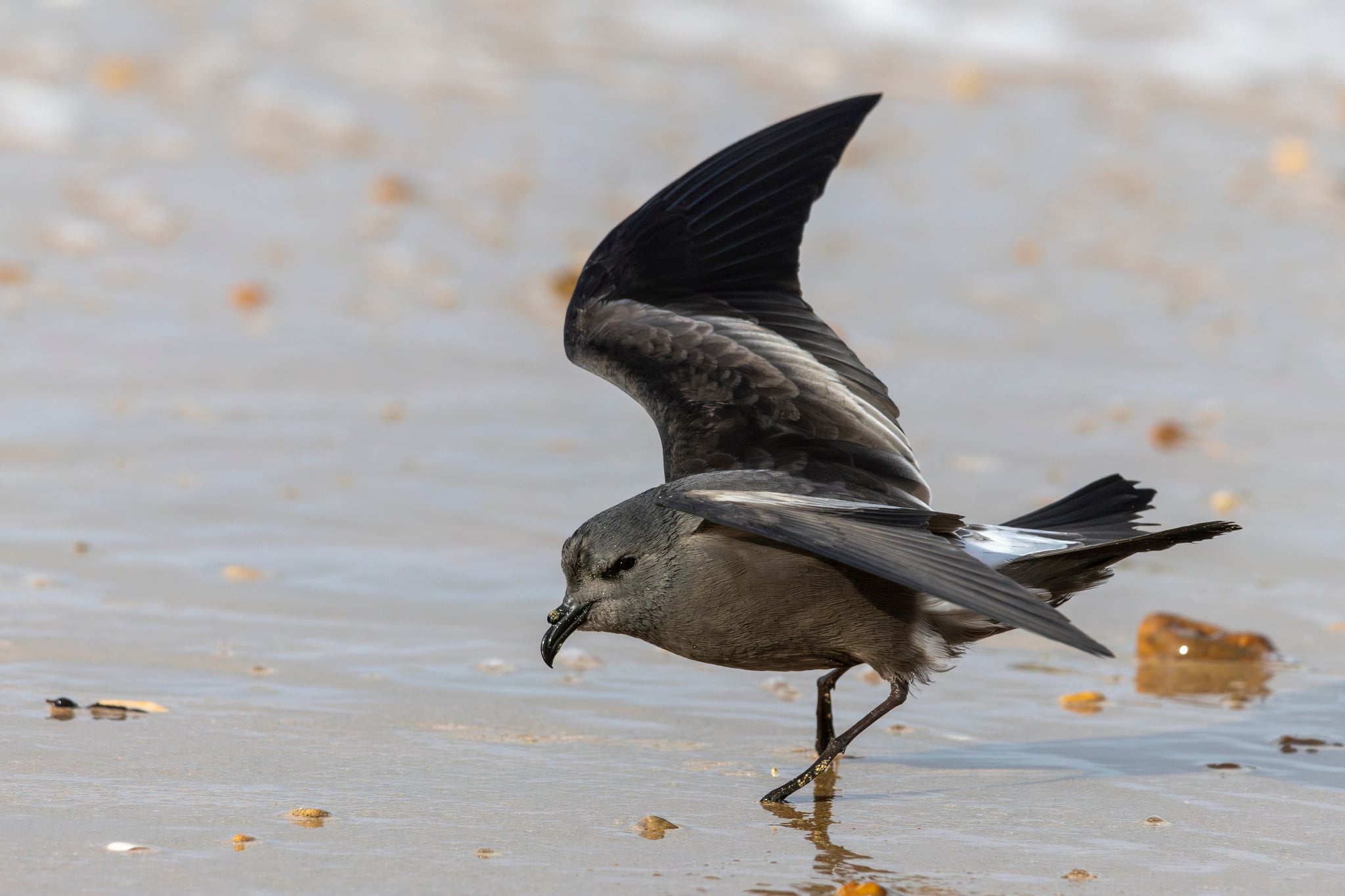
Leach’s Storm-Petrels are nocturnal aerial specialists that come to land only during breeding season. They spend months at sea, using their excellent sense of smell to locate food in complete darkness.
These birds are so adapted to life at sea that they often become disoriented by artificial lights when they venture near shore.
Fork-tailed Storm-Petrel
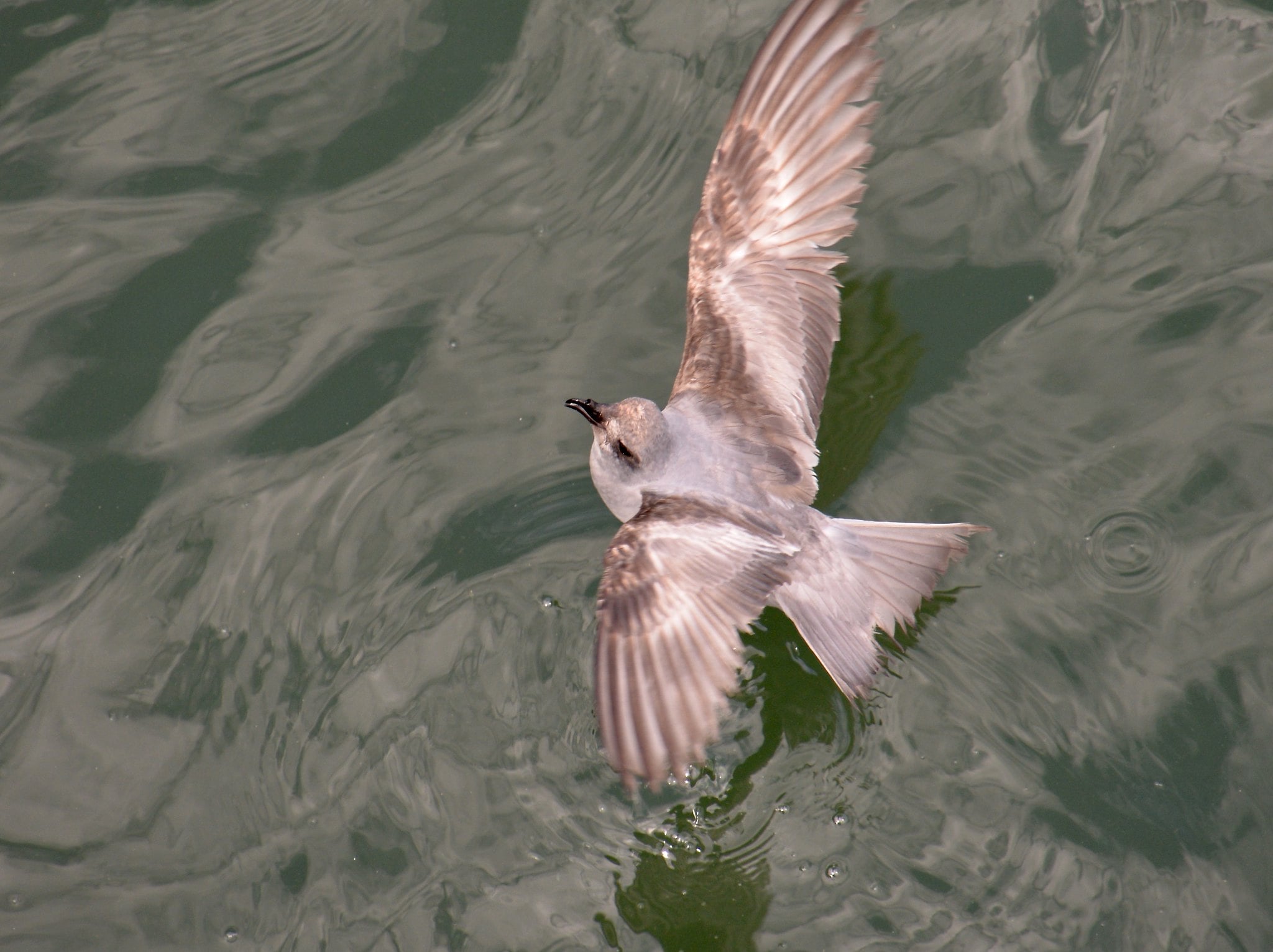
Fork-tailed Storm-Petrels are among the most aerial of all storm-petrels, spending virtually their entire lives over open ocean. They have a unique foraging style, flying low over waves while occasionally diving just beneath the surface to catch small fish.
These birds are so rarely seen on land that much of their behavior remains mysterious to scientists.
Audubon’s Shearwater

Audubon’s Shearwaters are tropical seabirds that spend most of their time flying over warm ocean waters. They’re excellent divers, plunging into the sea to catch fish while maintaining their primarily aerial lifestyle.
These birds can stay at sea for weeks between brief visits to their nesting colonies on remote islands.
Band-rumped Storm-Petrel
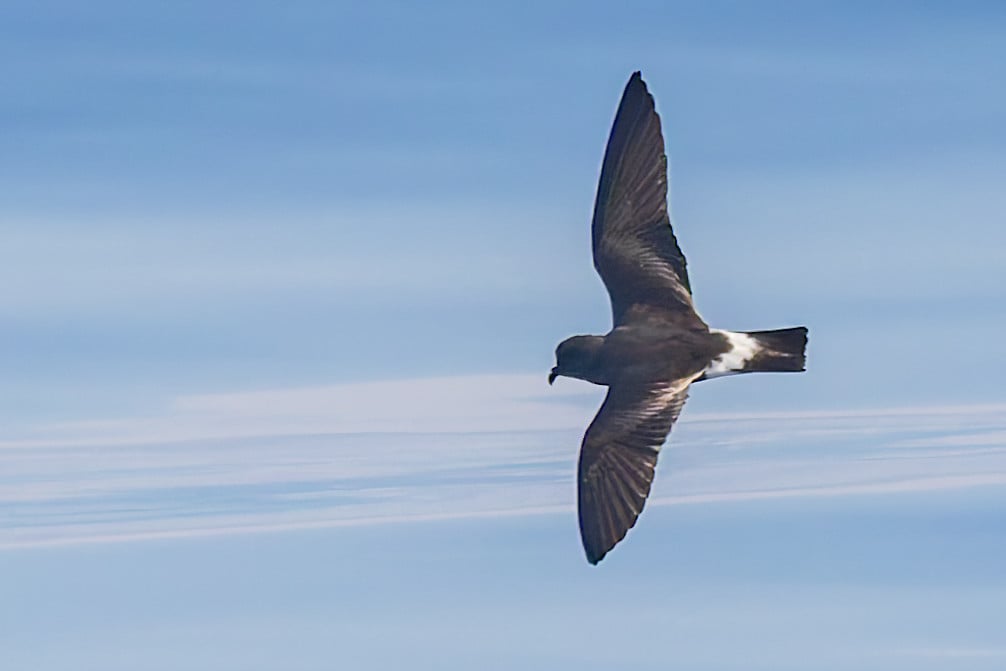
Band-rumped Storm-Petrels are deep-ocean specialists that rarely come within sight of land except during breeding season. They have an unusual feeding strategy, following whales and dolphins to catch small fish disturbed by these marine mammals.
These birds are so well-adapted to life at sea that they can even drink seawater, thanks to specialized salt glands.
Masters of the Endless Sky

These aerial champions represent millions of years of evolution fine-tuned for life on the wing. From the Alpine Swift’s 200-day marathons to the Arctic Tern’s pole-to-pole migrations, these birds have pushed the boundaries of what’s possible in sustained flight.
Their adaptations remind us that while humans have only recently conquered the skies, some creatures have been masters of the air for far longer than we’ve been walking upright. The next time you see a bird soaring overhead, remember that it might not touch solid ground again for months or even years.
More from Go2Tutors!

- The Romanov Crown Jewels and Their Tragic Fate
- 13 Historical Mysteries That Science Still Can’t Solve
- Famous Hoaxes That Fooled the World for Years
- 15 Child Stars with Tragic Adult Lives
- 16 Famous Jewelry Pieces in History
Like Go2Tutors’s content? Follow us on MSN.