16 Buildings That Defy Physics
Architecture has always pushed boundaries, but some buildings seem to laugh in the face of gravity itself. These remarkable structures challenge our understanding of what’s possible, using innovative engineering and bold design to create spaces that appear to float, lean impossibly, or twist through the sky.
From gravity-defying cantilevers to buildings that seem ready to topple over at any moment, these architectural marvels prove that with enough creativity and engineering prowess, the impossible becomes reality. Here is a list of 16 buildings that make you question the laws of physics.
Fallingwater
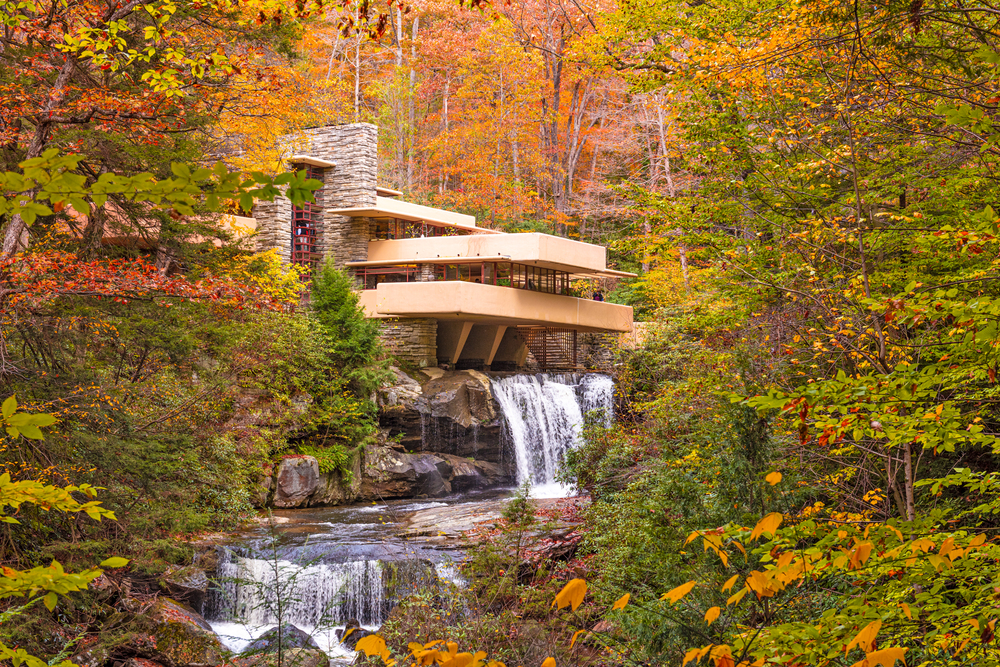
Frank Lloyd Wright’s masterpiece in Pennsylvania stretches dramatically over a waterfall, with massive concrete slabs extending far beyond their support points. The house appears to hover above the rushing water below, creating the illusion that it might float away at any moment.
Wright achieved this seemingly impossible feat through careful engineering of reinforced concrete cantilevers that distribute weight in ways that still amaze structural engineers today.
Capital Gate
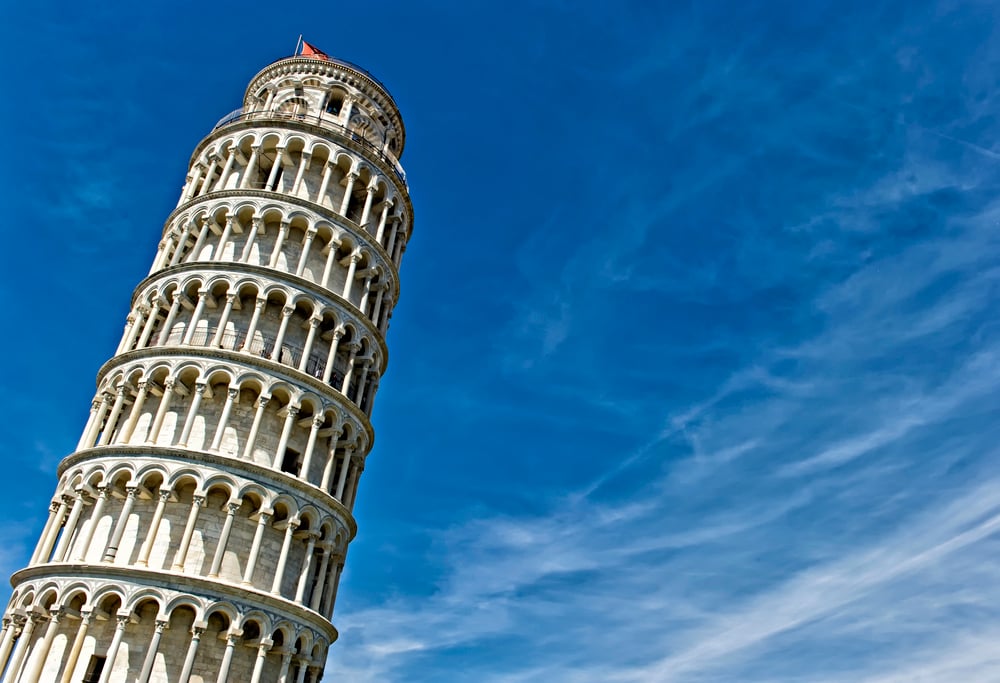
This Abu Dhabi skyscraper leans at an 18-degree angle, making it officially the world’s most leaning tower according to Guinness World Records. The building appears ready to topple over, yet it remains perfectly stable thanks to a sophisticated counterweight system and specially designed foundation.
Engineers pre-curved the building’s steel frame to compensate for the lean, creating a structure that defies our instincts about balance.
Heydar Aliyev Center
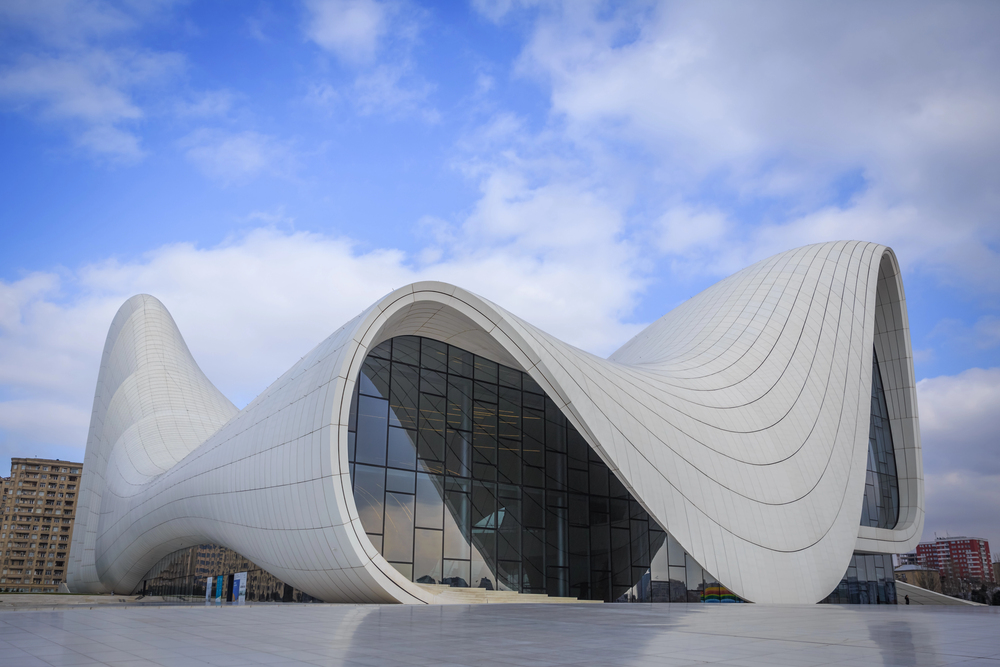
Zaha Hadid’s flowing masterpiece in Baku seems to ripple and wave like fabric caught in the wind. The building’s surface appears to defy the rigid nature of construction materials, creating curves that flow seamlessly from ground to roof without any visible joints or corners.
This effect comes from thousands of unique panels and an internal steel framework that bends in ways that seem to mock traditional building methods.
Marina City Towers
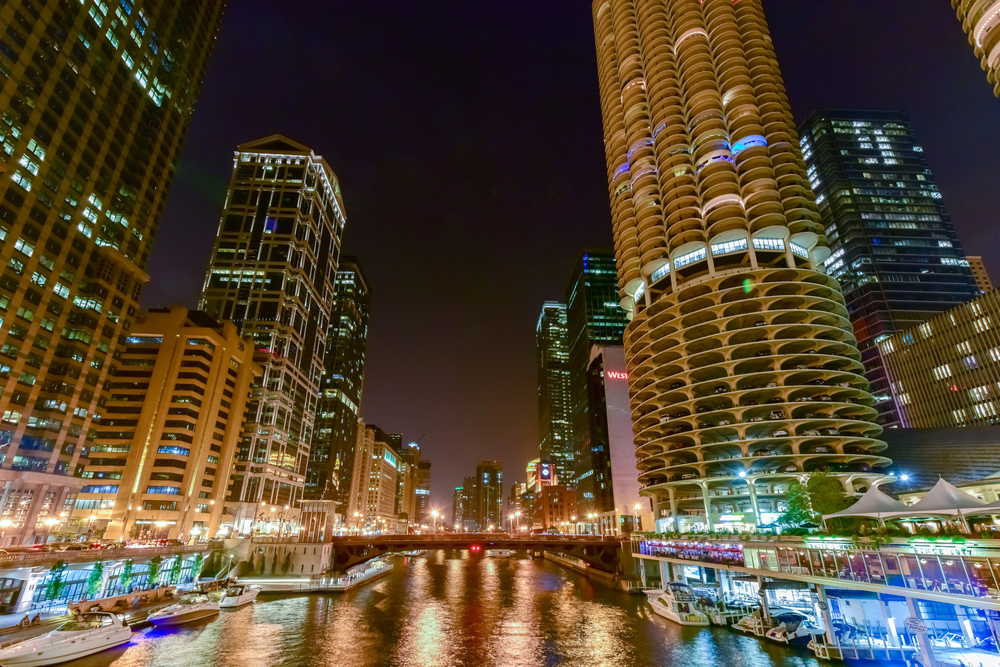
These Chicago twin towers look like giant concrete corncobs rising from the riverbank, with each floor cantilevering out in a petal-like pattern. The circular balconies create the impression that the buildings might unravel like spools of ribbon, yet they’ve stood firm since 1964.
The unique design maximizes living space while creating a visual effect that makes the towers appear to spiral upward defying conventional apartment building design.
Habitat 67
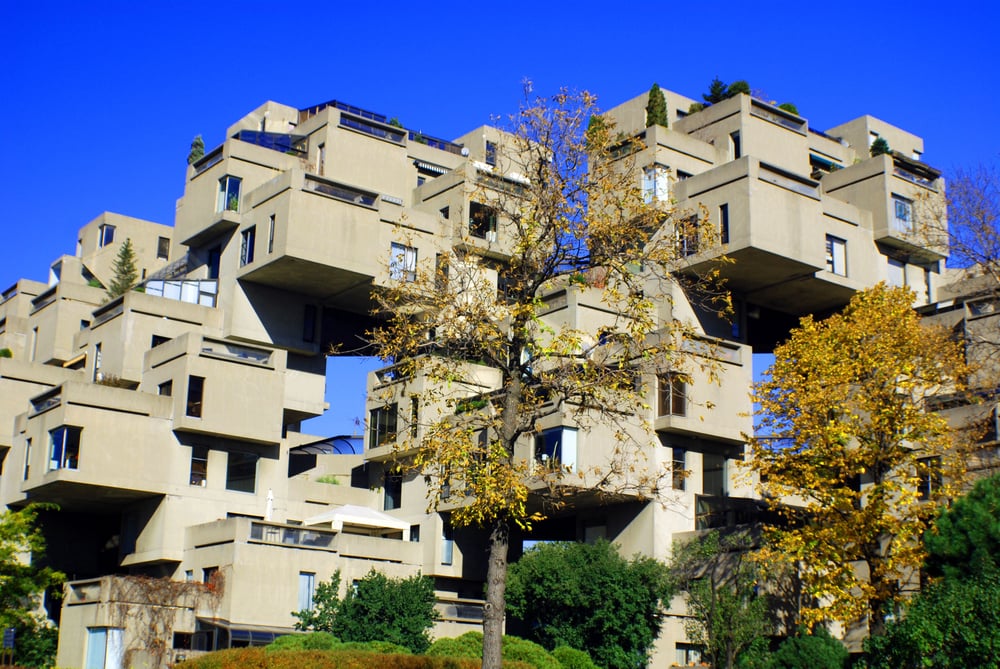
This Montreal housing complex resembles a giant pile of concrete blocks that a child might have stacked haphazardly. Each unit appears precariously balanced on its neighbors, creating the impression that removing one cube might cause the entire structure to collapse like a house of cards.
The reality involves precise engineering where each prefabricated module supports specific loads in a carefully calculated three-dimensional puzzle.
Dancing House
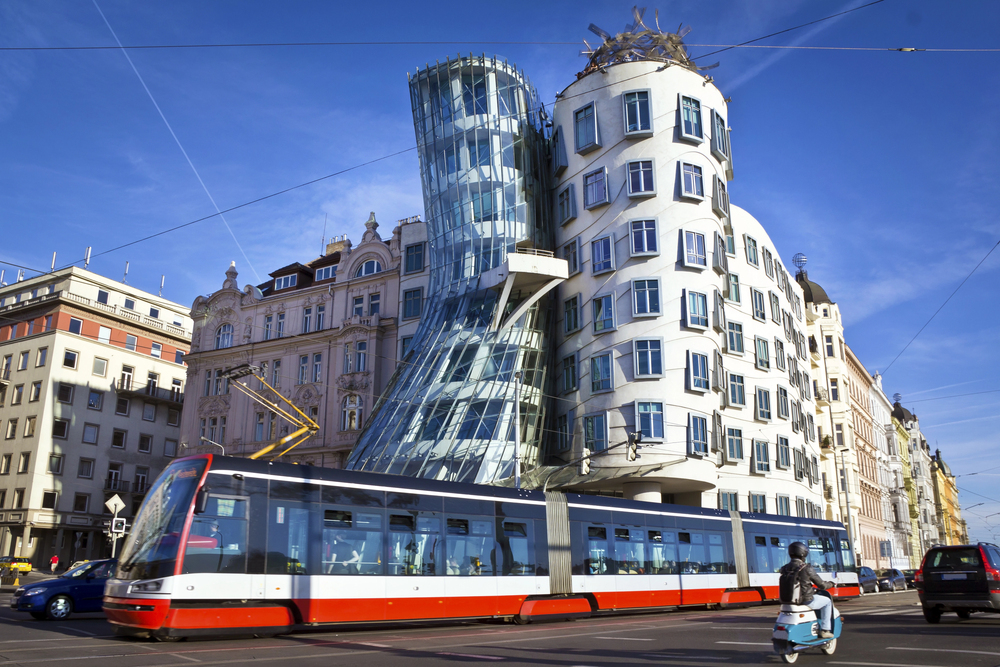
Prague’s ‘Fred and Ginger’ building appears to sway and dance, with one tower seeming to lean into its partner in an eternal waltz. The undulating glass facade and twisted metal framework create the illusion of movement frozen in time, as if the building might resume its dance at any moment.
This effect comes from a complex steel frame that supports irregular floor plates in a way that challenges traditional notions of structural stability.
Turning Torso
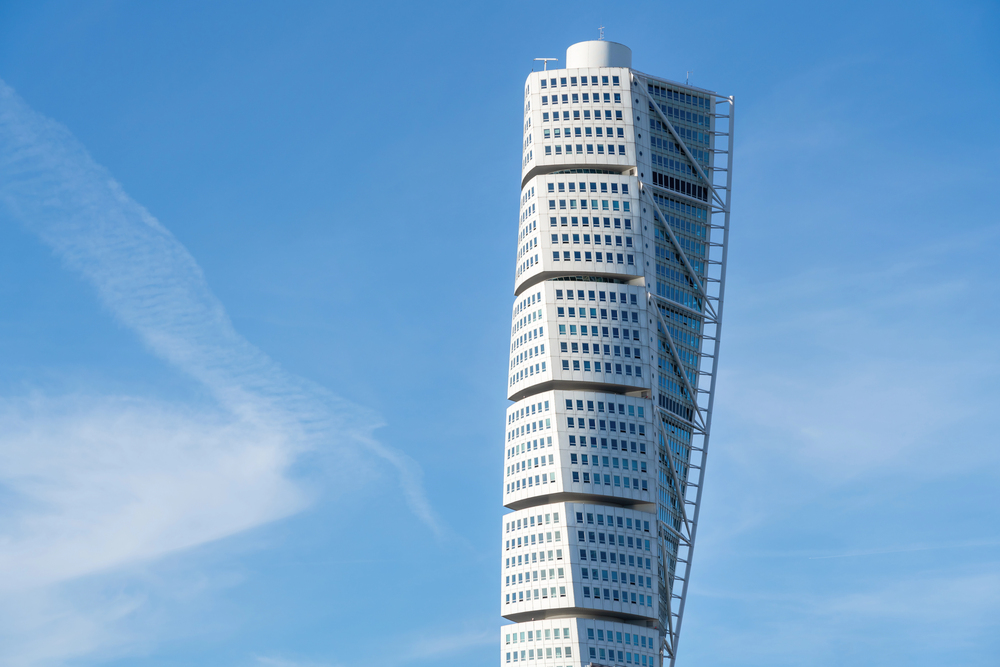
This Swedish skyscraper literally twists as it rises, rotating 90 degrees from bottom to top like a massive drill bit screwing into the sky. Each floor is slightly rotated compared to the one below, creating a spiraling effect that seems to defy the way buildings should be constructed.
The tower’s stability comes from a reinforced concrete core that acts like a spine, allowing the outer structure to twist while maintaining structural integrity.
Sagrada Familia
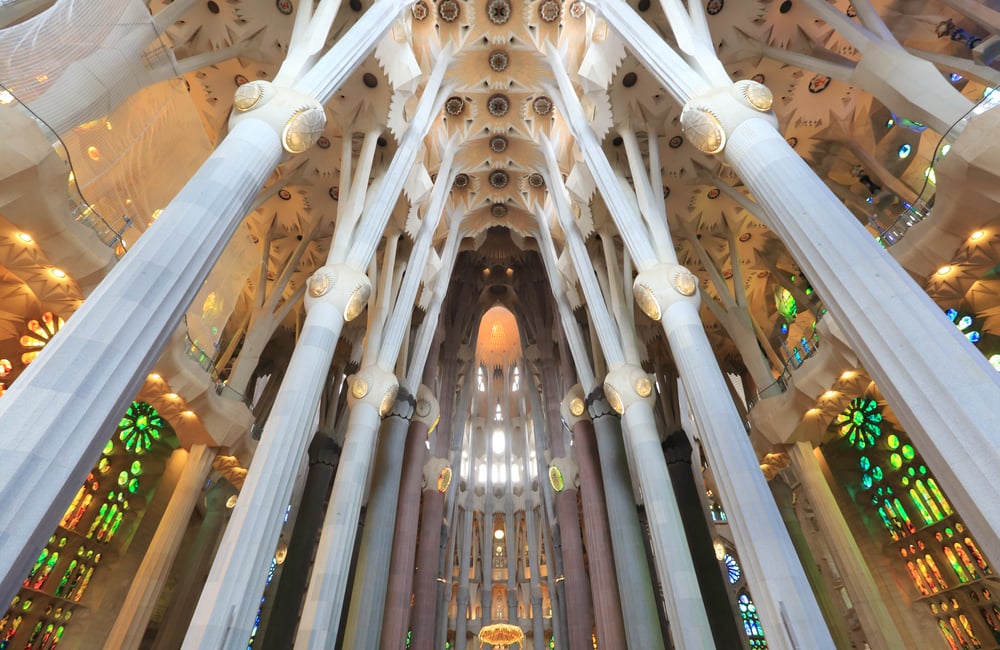
Antoni Gaudí’s Barcelona basilica features stone columns that branch like trees and vaults that seem to grow organically from the ground. The structure appears more grown than built, with curves and angles that follow natural forms rather than geometric patterns.
Gaudí based his design on mathematical principles found in nature, creating a building that looks impossible but uses physics principles that trees have employed for millions of years.
Lotus Temple
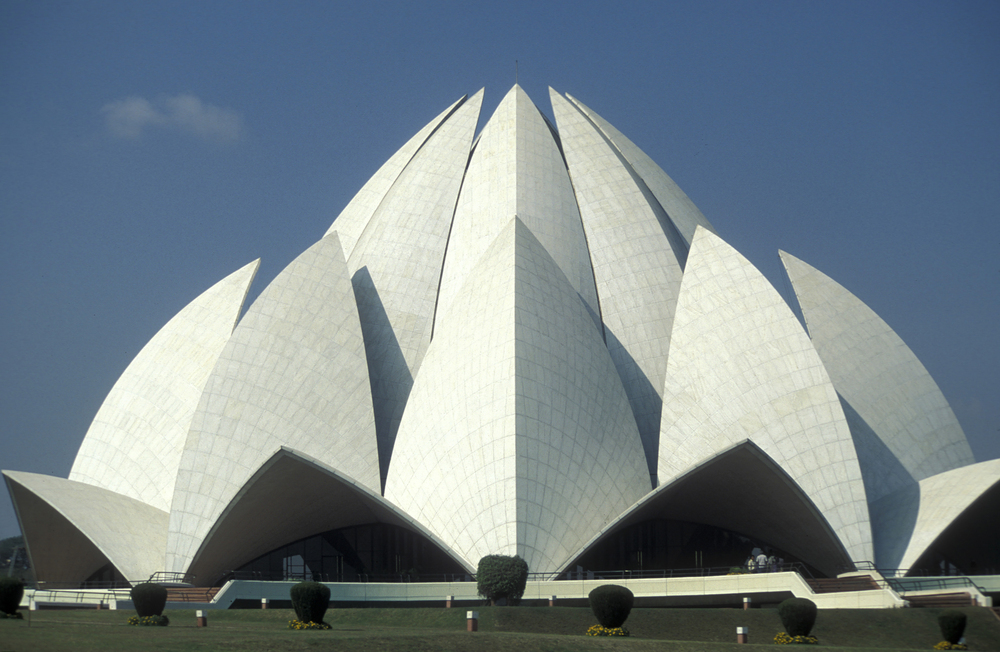
This New Delhi temple’s 27 marble petals appear to float weightlessly, creating a flower that seems too delicate to support its own structure. The petals curve and overlap in ways that make the building look more like a sculpture than a functional space.
The engineering involves a complex system of steel ribs and concrete shells that distribute loads through the petal-like forms while maintaining their ethereal appearance.
Guggenheim Bilbao
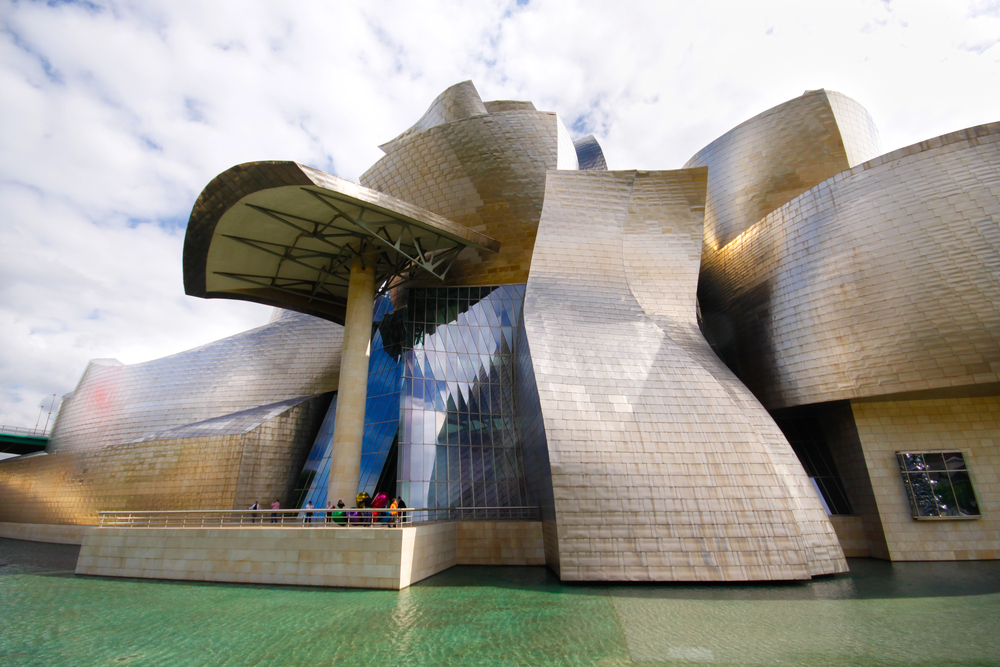
Frank Gehry’s titanium-clad museum ripples and flows like liquid metal frozen mid-splash. The building’s surface seems to shift and change as you move around it, creating the impression that the structure is alive and breathing.
This effect comes from thousands of unique titanium panels shaped by computer algorithms, each one slightly different and positioned to catch light in ways that animate the entire facade.
Petronas Towers
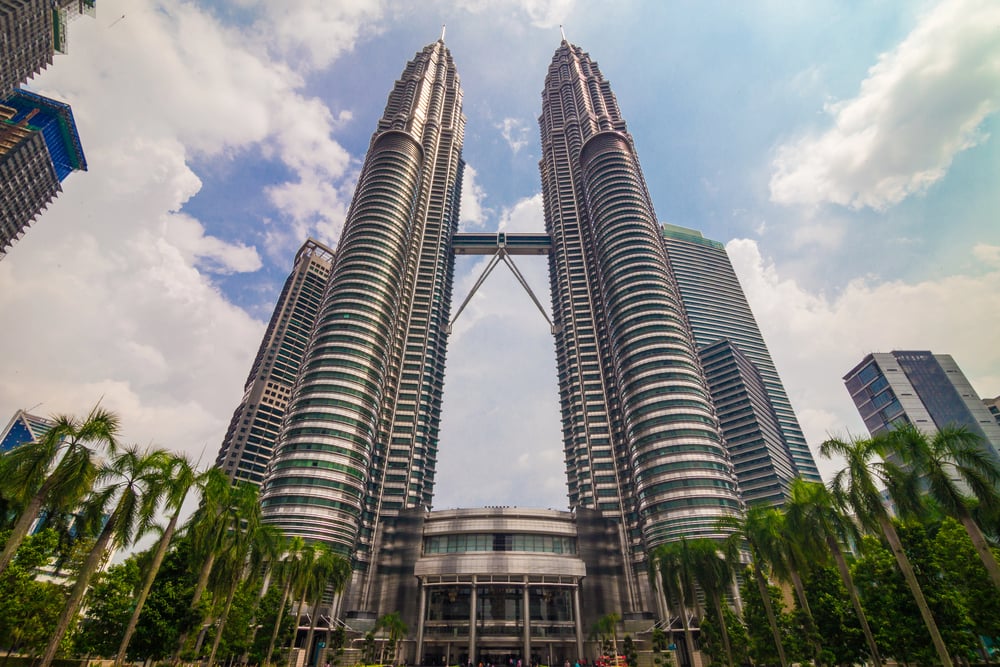
These Kuala Lumpur twins stretch impossibly tall and slender, connected by a skybridge that appears to span an impossible distance between them. The towers seem too narrow at their base to support their height, creating a visual tension that makes them appear ready to sway dramatically in the wind.
Advanced engineering including deep foundations and a sophisticated damping system keeps these giants stable despite their seemingly precarious proportions.
Burj Al Arab
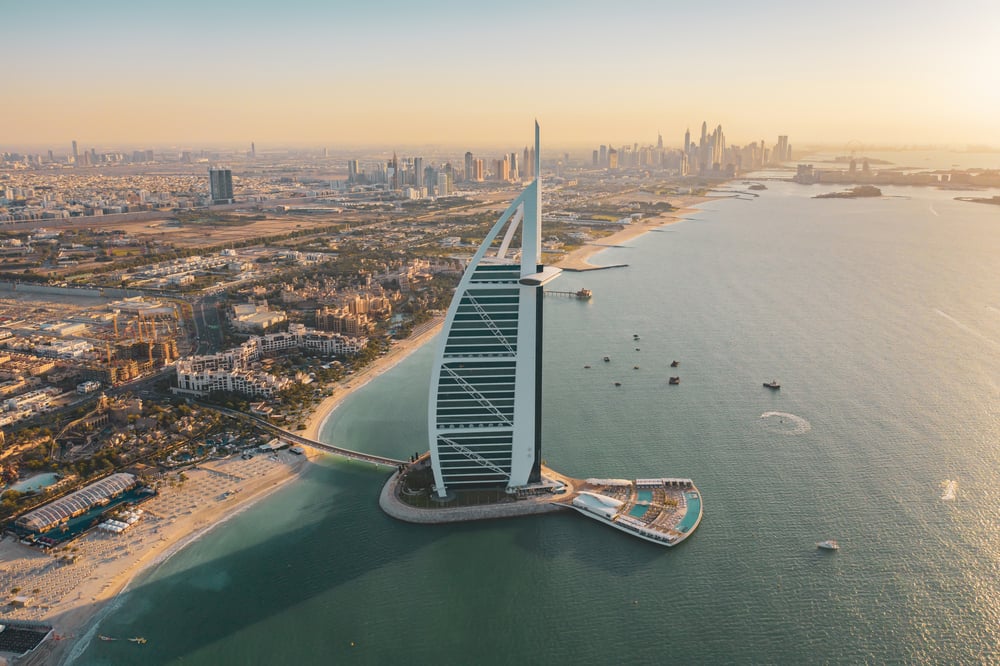
This Dubai hotel’s sail-shaped profile appears to balance on a single point where it meets its artificial island foundation. The building looks as if a strong wind might tip it over, yet it has weathered countless storms since opening.
The structure’s stability comes from a massive concrete base hidden beneath the water line and a steel framework that distributes loads throughout the sail-shaped profile.
Walt Disney Concert Hall
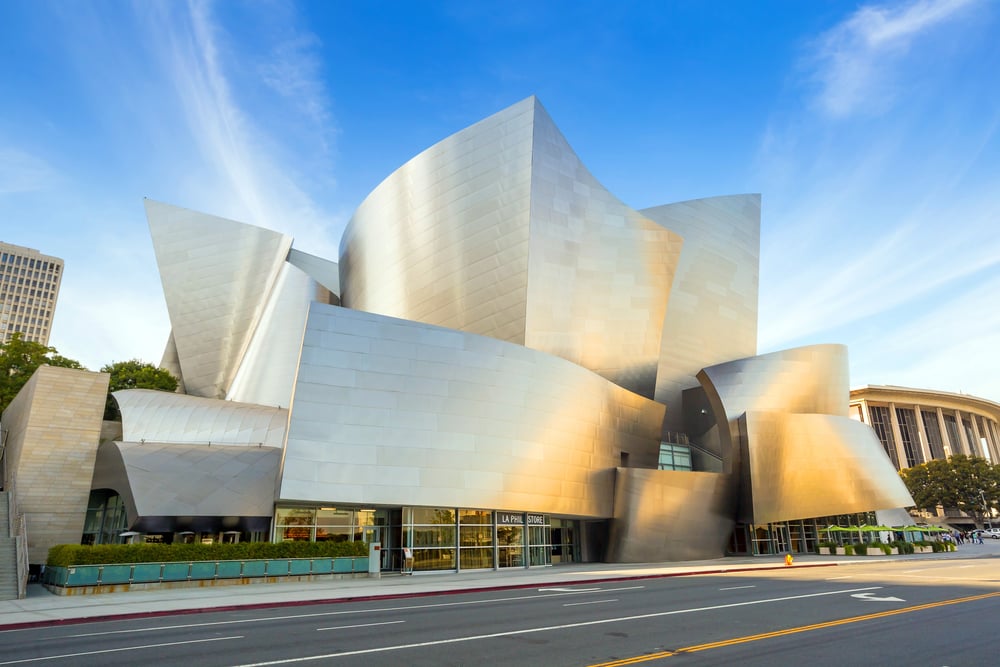
Gehry’s Los Angeles masterpiece wraps itself in stainless steel curves that seem to defy the rigid nature of metal construction. The building appears to billow and flow like fabric, with surfaces that curve in multiple directions simultaneously.
The complex geometry required computer modeling to ensure that each unique panel would fit together perfectly while creating the desired fluid effect.
Sydney Opera House
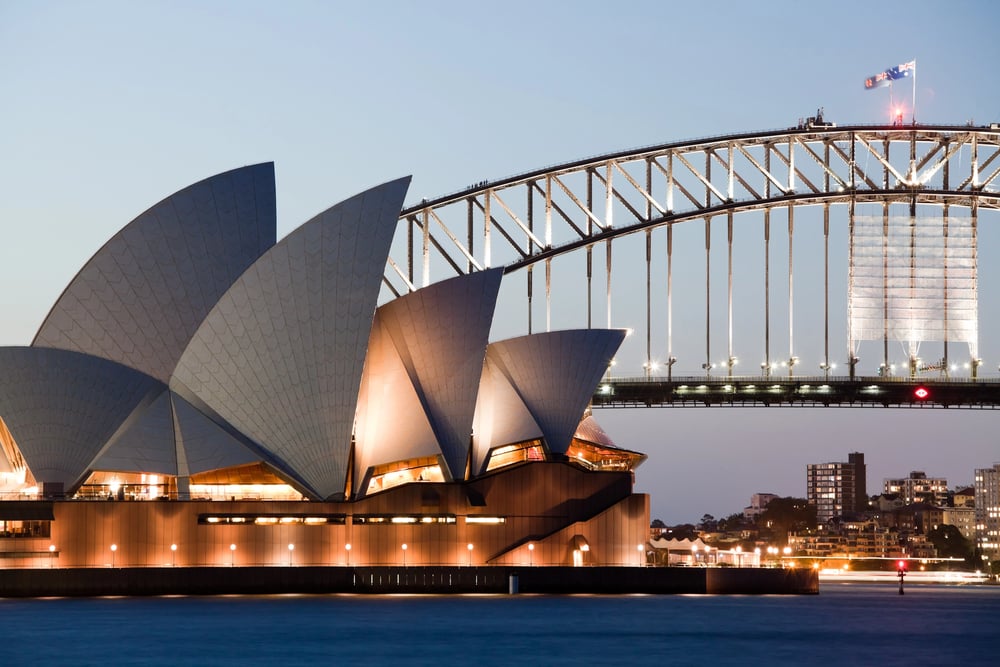
Those iconic shell-like roofs appear to float above the harbor, seemingly too thin and delicate to shelter the performance spaces below. The building looks more like a collection of giant seashells than a constructed building, with curves that seem impossible to achieve with traditional building materials.
The shells are actually made of precast concrete ribs covered in ceramic tiles, engineered to be both lightweight and incredibly strong.
One World Trade Center
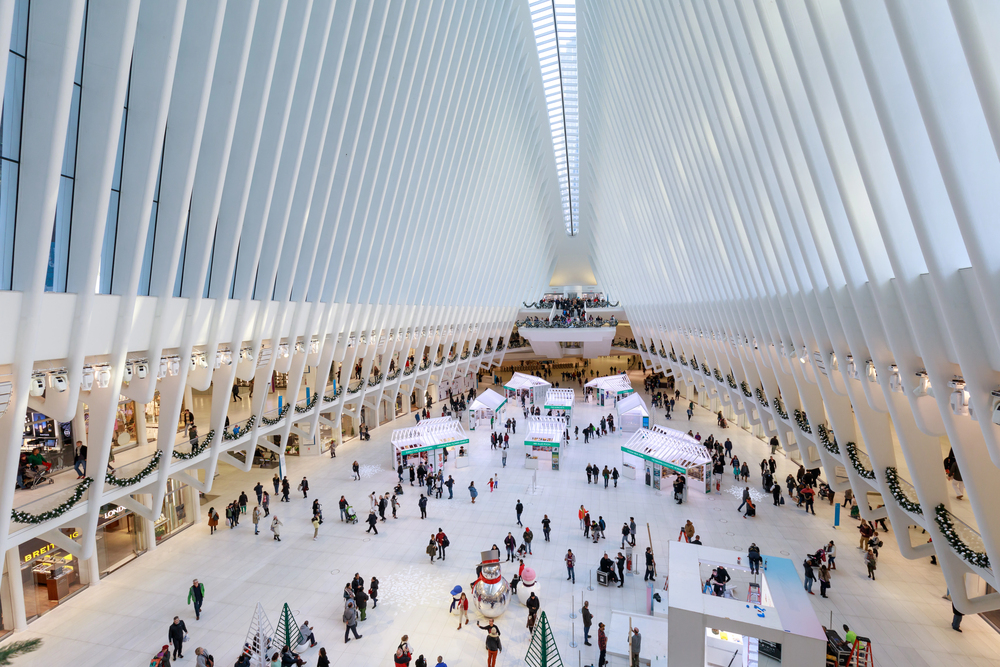
This New York tower transforms from a square base to an octagonal middle to a square top rotated 45 degrees, creating a building that seems to shift shape as it rises. The geometric transformation creates optical illusions where the building appears different from every angle, sometimes seeming to twist even though its surfaces are perfectly flat.
This effect comes from chamfered corners that create the illusion of rotation while maintaining structural simplicity.
Atomium
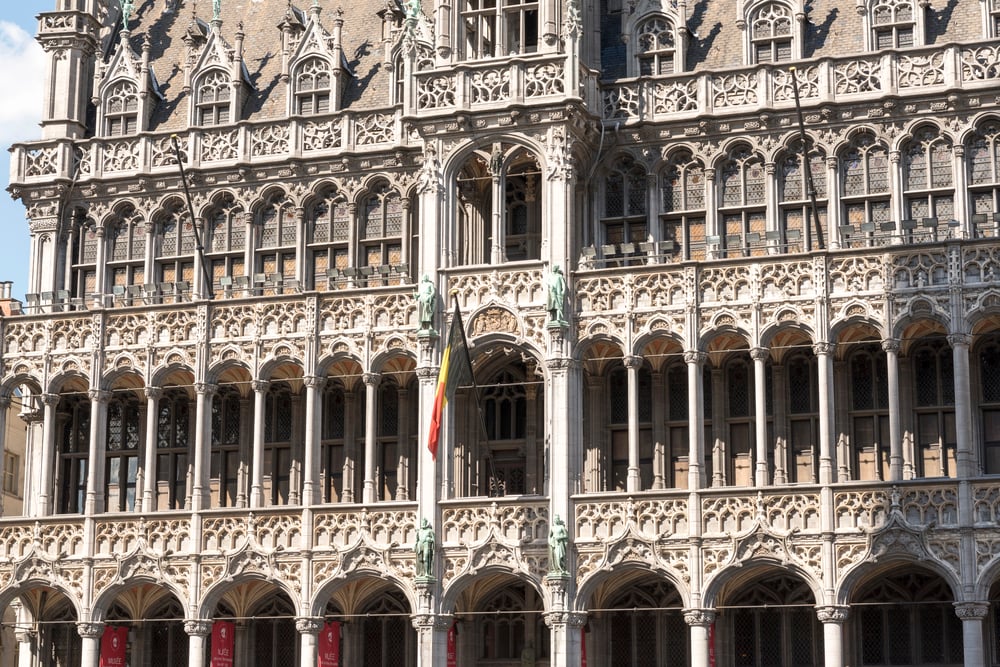
Brussels’ giant iron crystal magnified 165 billion times appears to hover in mid-air with most of its spheres connected by seemingly inadequate tubes. The structure looks like it might collapse under its own weight, with spheres positioned in ways that seem to ignore gravity entirely.
The building’s stability comes from a sophisticated steel framework inside the connecting tubes that distributes loads throughout the crystal structure while maintaining the illusion of weightlessness.
Architecture’s Continued Evolution
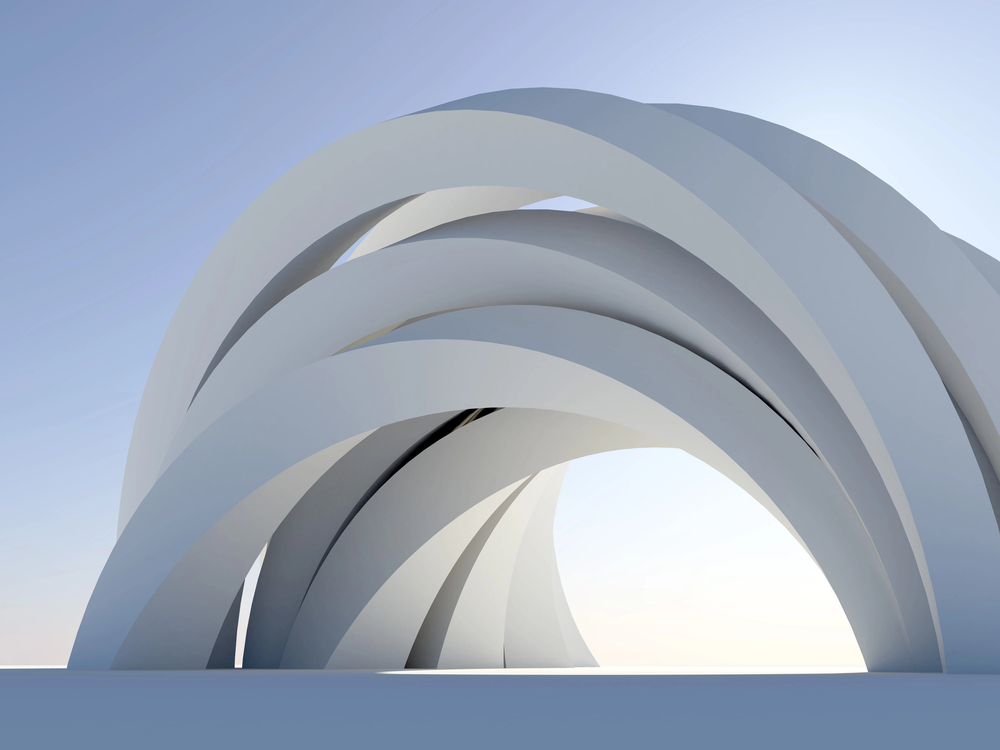
These remarkable structures prove that the only real limits in architecture are imagination and engineering skill. Each building pushed the boundaries of what seemed possible, inspiring new generations of architects to dream even bigger.
Today’s impossible buildings become tomorrow’s standard practice, as engineers continue to find ways to make the seemingly impossible feel routine.
More from Go2Tutors!

- The Romanov Crown Jewels and Their Tragic Fate
- 13 Historical Mysteries That Science Still Can’t Solve
- Famous Hoaxes That Fooled the World for Years
- 15 Child Stars with Tragic Adult Lives
- 16 Famous Jewelry Pieces in History
Like Go2Tutors’s content? Follow us on MSN.



