Athletes with PhDs you didn’t know about
Elite sport tends to flatten people into highlights and statistics. A record time, a championship ring, a medal count.
What often disappears is the long view of who these athletes are when the cameras switch off and the training cycle ends. A small but remarkable group kept going in a different direction, trading locker rooms for libraries and pursuing the most demanding academic qualification there is.
Their stories sit quietly at the intersection of physical discipline and intellectual endurance, and they deserve a closer look. Here’s a closer look at how a handful of elite competitors balanced world-class sport with the slow, exacting grind of doctoral research.
John Urschel
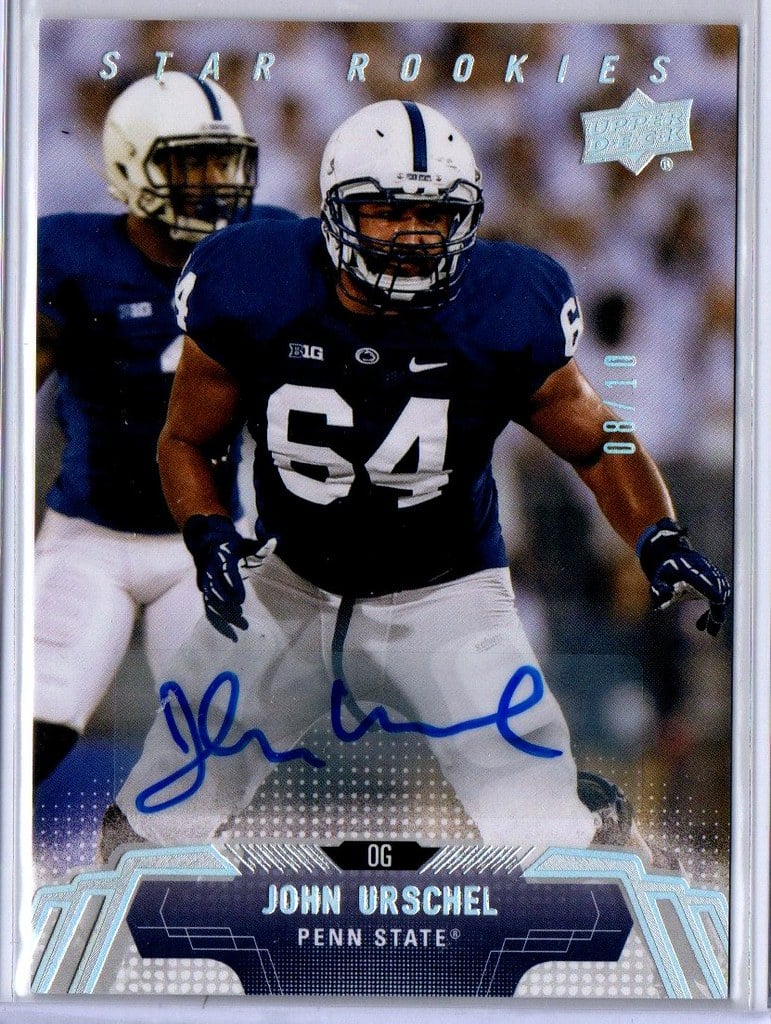
John Urschel’s academic path reads like something from a campus brochure, except it unfolded alongside a career in the NFL. While playing as an offensive lineman for the Baltimore Ravens, Urschel was also completing graduate-level mathematics coursework at MIT.
He eventually stepped away from professional football to focus fully on research, earning a PhD in mathematics with work centered on numerical analysis and applied math. What makes Urschel’s story stand out is not just the credential, but the timing.
Doctoral programs demand sustained focus over years, the kind of attention most people struggle to maintain without the physical toll of elite sport layered on top. Urschel has spoken openly about how the structure and repetition of football training translated surprisingly well to mathematical research.
Both fields reward patience, preparation, and an ability to sit with problems longer than feels comfortable.
Katherine Grainger
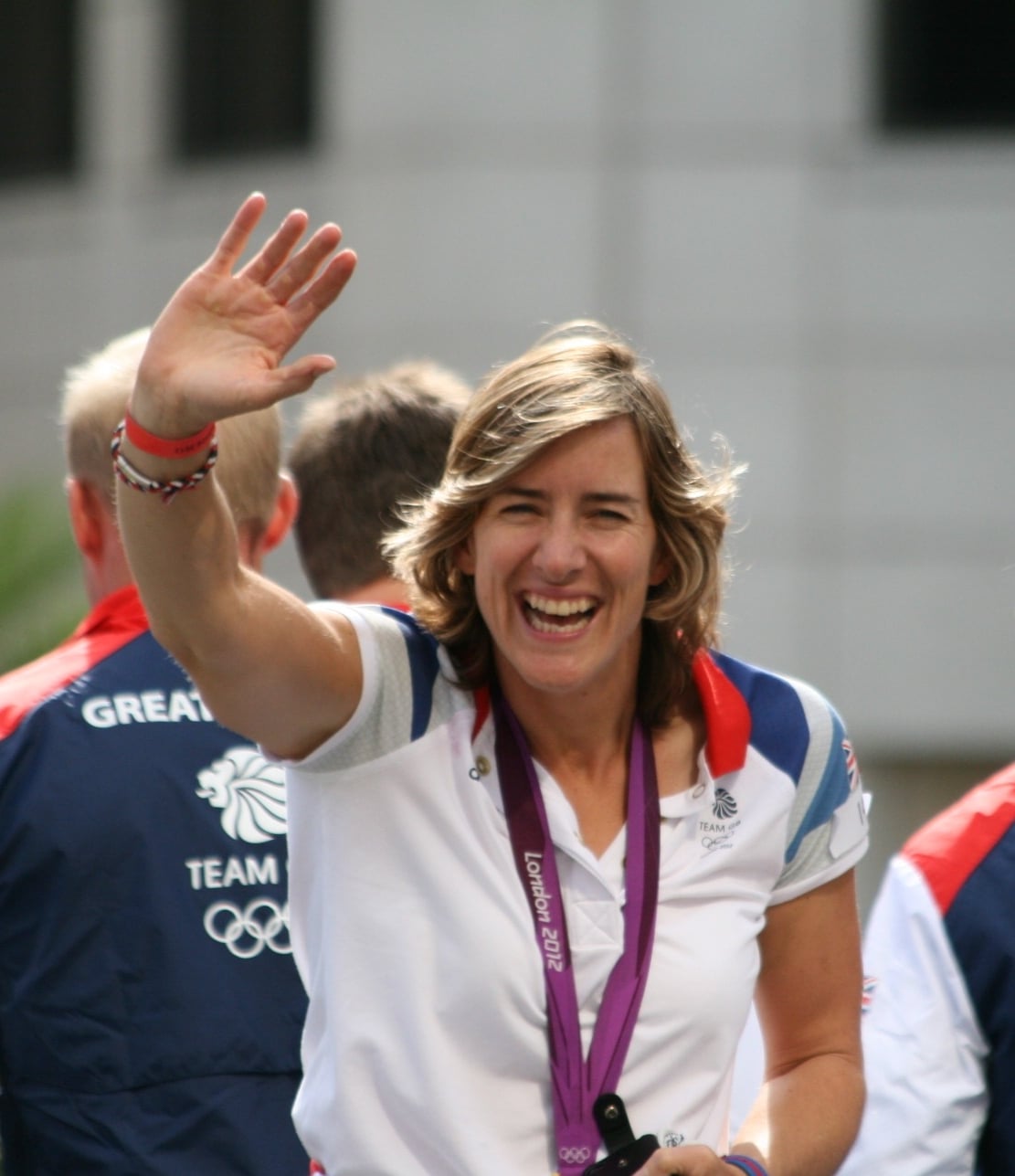
Katherine Grainger is best known as one of Britain’s most decorated Olympic rowers, with medals spanning multiple Games. Less visible, but equally demanding, was her academic journey.
Grainger completed a PhD in criminology, focusing on the relationship between governance, policy, and social outcomes. Her research was not a side project; it required fieldwork, theoretical grounding, and years of sustained writing.
Rowing is often described as one of the most punishing endurance sports, built on early mornings and unglamorous miles on the water. Grainger’s academic work followed a similar rhythm.
Progress came slowly, shaped by persistence rather than bursts of inspiration. Even so, she has noted that the mental resilience developed through sport proved invaluable when research stalled or arguments needed reworking.
The patience required to perfect a stroke carried over neatly into the patience required to refine an idea.
Shaquille O’Neal
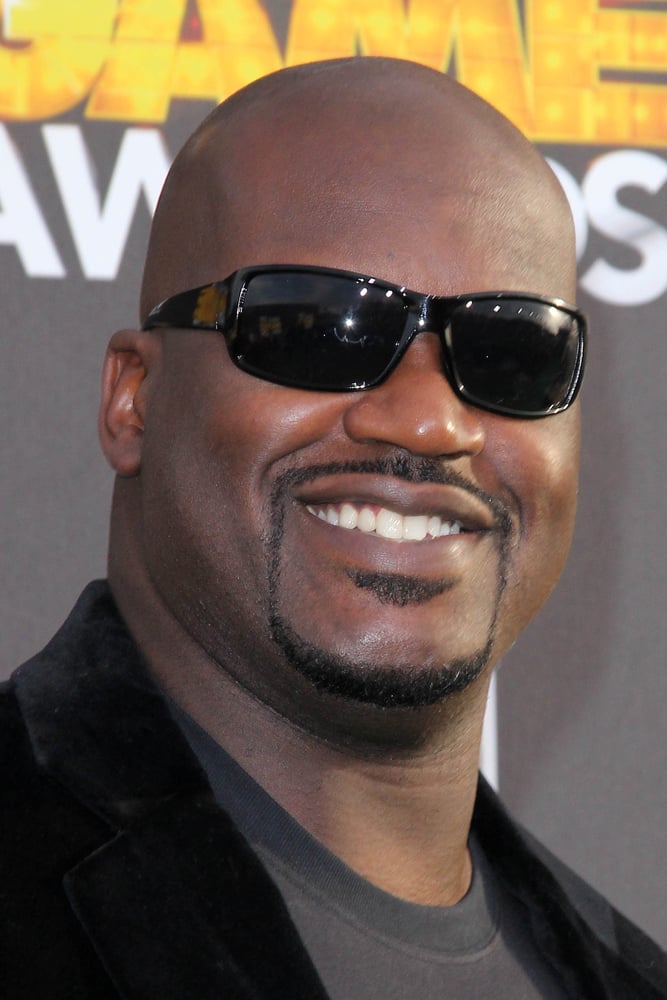
Shaquille O’Neal’s larger-than-life public persona tends to eclipse his academic accomplishments. After retiring from the NBA, O’Neal earned a PhD in education, focusing on organizational leadership.
His dissertation examined how leaders motivate and influence people within large institutions, a subject shaped by decades spent inside complex team environments. That said, O’Neal’s doctoral work was not a novelty pursuit.
He completed coursework, research, and defense requirements like any other candidate, balancing academic expectations with business ventures and public commitments. His experience highlights a less-discussed reality: professional sport exposes athletes to leadership dynamics early and often.
Translating those lived experiences into formal academic frameworks requires reflection and discipline, not just fame. In O’Neal’s case, the degree formalized insights earned through years of observation and practice.
Brian May
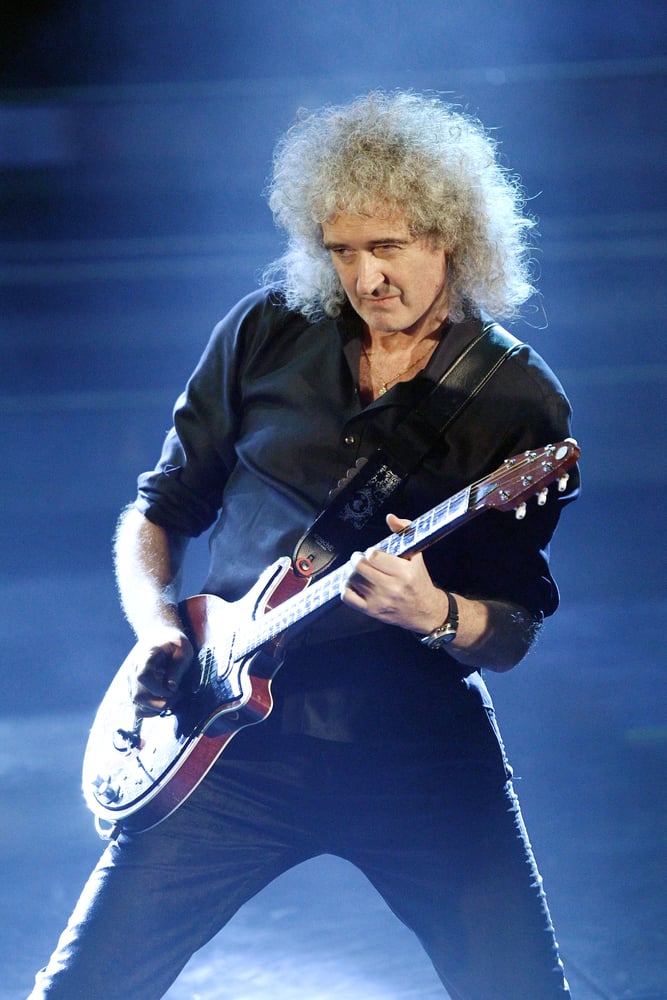
Brian May is widely recognized as the guitarist for Queen, but long before global fame, he was also an aspiring astrophysicist. May began doctoral research in astronomy in the early 1970s, studying the motion of interplanetary dust.
His academic work paused as his music career exploded, a detour that lasted decades. Still, the story did not end there.
May returned to his research later in life and completed his PhD, finishing work he had started years earlier. While music is not a traditional athletic pursuit, May’s case reflects a similar kind of endurance and long-term commitment.
Returning to unfinished doctoral work after such a long gap required intellectual humility and persistence, qualities familiar to anyone who has trained through setbacks or career interruptions.
The discipline crossover

What connects athletes who pursue PhDs is not raw intelligence alone. Plenty of intelligent people never attempt doctoral study.
The common thread is tolerance for delayed reward. A PhD offers no quick wins.
Experiments fail, arguments collapse, and progress is often invisible for months at a time. Elite sport conditions people for that reality in ways few other experiences can.
Training for competition involves repeating small actions thousands of times with the hope of marginal improvement. Research works the same way.
A proof advances by inches. A theory sharpens through revision. Still, the transition is rarely seamless.
Sport provides external structure and clear metrics. Academia removes those guardrails.
Athletes who succeed academically tend to rebuild structure for themselves, applying training habits to intellectual work rather than relying on motivation alone.
Redefining intelligence in sport
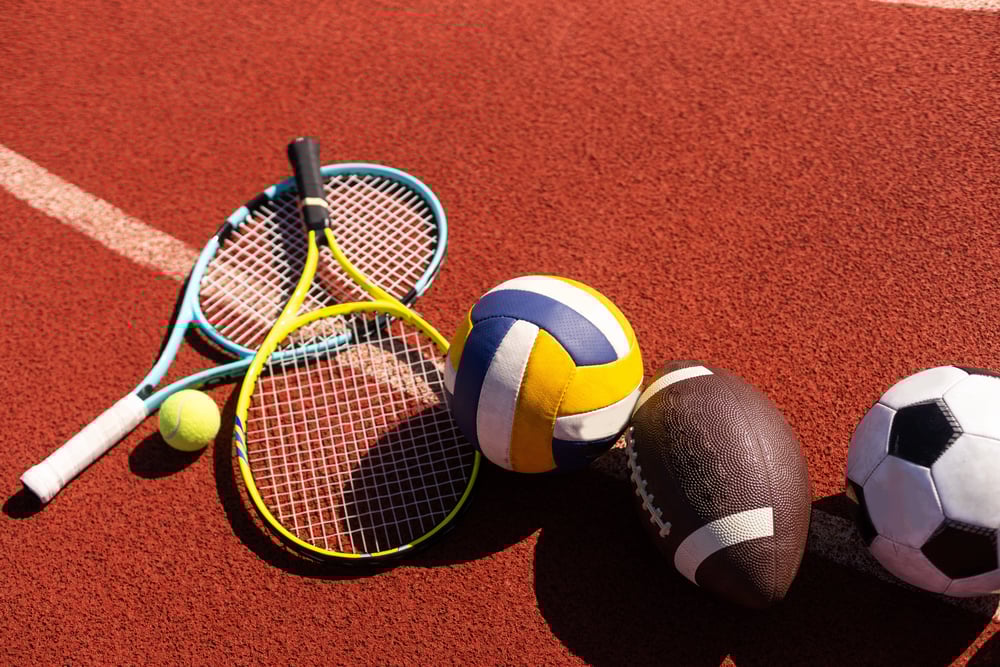
These stories also challenge narrow ideas about intelligence in athletics. Physical awareness, strategic thinking, and adaptability are often treated as separate from academic ability, when in reality they overlap more than is acknowledged.
High-level competition requires rapid decision-making, pattern recognition, and emotional regulation under pressure. On the other hand, academic environments rarely value physical experience as a form of knowledge.
Athletes entering doctoral programs often have to translate embodied understanding into abstract language. Doing so can sharpen both sides of their skill set.
Research becomes more grounded, while athletic experience gains conceptual clarity. This exchange enriches both worlds, even if it happens quietly.
Life after the spotlight

For many athletes, retirement arrives abruptly. The body signals its limits, contracts end, and routines that once filled every hour suddenly vanish.
Pursuing a PhD offers a counterweight to that loss of identity. It replaces public applause with private progress and shifts validation inward.
The work becomes quieter, but not smaller. In several cases, doctoral study also reshapes how these former athletes contribute to the world.
Research allows them to influence policy, education, or scientific understanding in ways that extend far beyond sport. Even so, the adjustment can be jarring.
Academic culture values debate and uncertainty, a sharp contrast to the clarity of win or lose. Athletes who thrive in this space tend to embrace that ambiguity rather than resist it.
Why these stories stay hidden
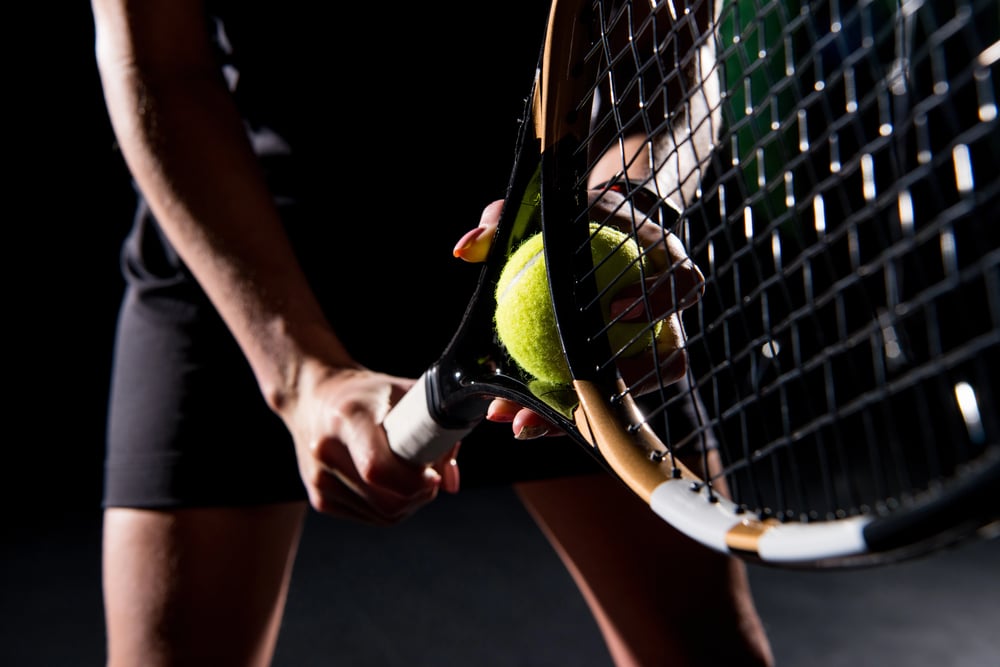
Part of the reason these achievements remain obscure is timing. Doctoral work unfolds long after peak athletic visibility, often when media attention has moved on.
Another factor is perception. Sport and scholarship are still treated as separate worlds, as if physical excellence crowds out intellectual depth.
These assumptions linger despite mounting evidence to the contrary. Coverage also tends to simplify narratives.
An athlete who becomes a coach fits expectations. An athlete who becomes a researcher disrupts them.
As a result, these paths receive polite mentions rather than sustained attention. Even so, within academic circles, former elite athletes often earn quiet respect for the rigor they bring to research environments that demand stamina of a different kind.
The balance of strain and support

It would be misleading to frame these journeys as purely individual triumphs. Access to flexible programs, supportive supervisors, and financial stability plays a significant role.
Athletes who succeed academically often benefit from institutions willing to accommodate unconventional schedules. That support does not diminish the work involved, but it helps make the path possible.
On the other hand, the strain should not be underestimated. Doctoral study is isolating even under ideal conditions.
Combining it with elite training or transitioning into it after a high-profile career adds layers of pressure. Those who persist tend to do so by treating research as a long season rather than a sprint, allowing space for rest, recalibration, and gradual progress.
Why it still matters

These stories matter because they quietly challenge the idea that excellence must be singular. The same discipline that builds a champion can also build a scholar, given time and opportunity.
In a moment when athletes are often reduced to sound bites and highlight reels, their academic achievements remind us that ambition does not expire when a career ends. The legacy of these individuals lives in journals, classrooms, and institutions as much as it does in record books.
That dual impact is easy to miss, but once seen, it changes how athletic success is understood.
More from Go2Tutors!

- The Romanov Crown Jewels and Their Tragic Fate
- 13 Historical Mysteries That Science Still Can’t Solve
- Famous Hoaxes That Fooled the World for Years
- 15 Child Stars with Tragic Adult Lives
- 16 Famous Jewelry Pieces in History
Like Go2Tutors’s content? Follow us on MSN.