15 Forgotten Fads That Defined The Early 2000s
The early 2000s were wild times. Think about it—we were celebrating the new millennium while Y2K paranoia was still fresh in everyone’s minds, and suddenly everything felt possible. Technology was advancing at breakneck speed, pop culture was exploding in every direction, and people were experimenting with styles that now seem absolutely bonkers. From wheels in your shoes to computers that looked like candy, the early aughts gave us some truly unforgettable trends that burned bright and faded fast.
Most of these fads seemed like they’d last forever when you were living through them, but they vanished almost overnight when the next big thing came along. Here is a list of 15 forgotten fads that absolutely dominated the early 2000s but feel like relics from another planet today.
Heelys

Remember when having wheels in your shoes was the coolest thing imaginable? Heelys turned every sidewalk into a potential skating rink, and kids everywhere were gliding through malls like they owned the place. The concept was brilliant in its simplicity—regular sneakers with a removable wheel in the heel that let you roll instead of walk. Store owners probably had nightmares about kids zooming past displays, but for everyone under 16, these shoes were pure freedom on wheels.
Low-Rise Jeans
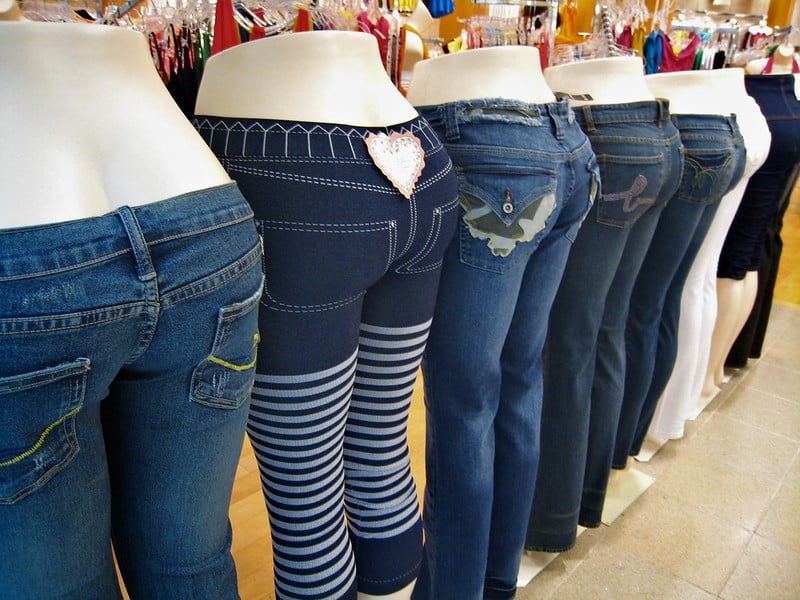
The early 2000s declared war on waistlines everywhere, and low-rise jeans were the weapon of choice. These pants sat so low on the hips that sitting down became a strategic maneuver, and showing your underwear became an actual fashion statement rather than an accident. Celebrities like Britney Spears and Christina Aguilera made the ‘whale tail’ look iconic, while regular folks spent their days constantly adjusting their pants and hoping for the best.
Trucker Hats

Thanks to Ashton Kutcher and the early reality TV explosion, mesh-backed trucker hats suddenly became the height of cool. Von Dutch was the most coveted brand, with its retro racing aesthetic and premium price tag that made absolutely no sense for what was essentially a cheap promotional cap. These hats were everywhere—from red carpets to high school hallways—until the trend became so oversaturated that wearing one became more embarrassing than fashionable.
iPod Socks

Apple managed to convince millions of people that their iPods needed tiny knitted sweaters to stay safe. These colorful fabric pouches served no real protective purpose but somehow became a must-have accessory that cost way more than they should have. Owning a set of iPod socks was basically a status symbol that announced you were both tech-savvy and had disposable income to spend on completely unnecessary gadgets and accessories.
T-Mobile Sidekick
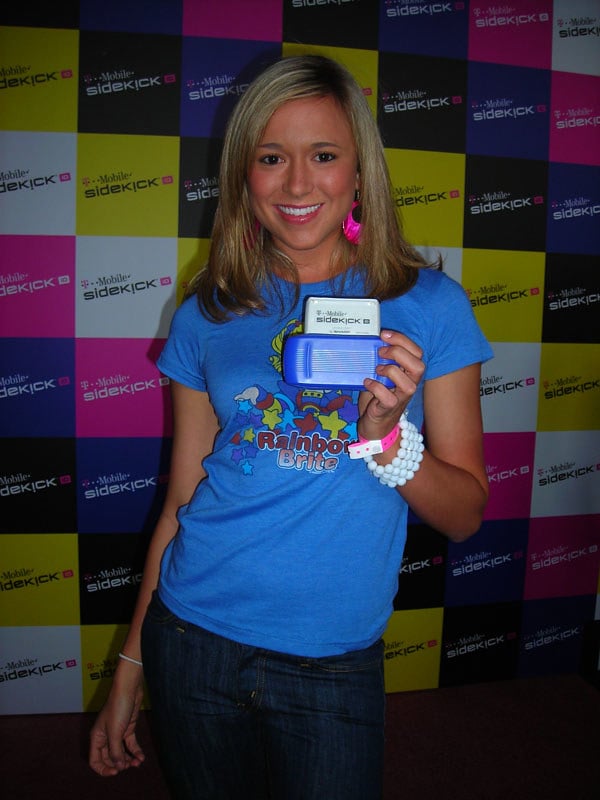
Before smartphones conquered the world, the T-Mobile Sidekick was the phone that made everyone else jealous. This horizontal device featured a flip-up screen and a full QWERTY keyboard that made texting feel like typing on a tiny laptop. Paris Hilton and other celebrities made it even more desirable by flashing their bedazzled Sidekicks in paparazzi photos, turning a communication device into a legitimate fashion accessory.
Juicy Couture Tracksuits

Velour tracksuits transformed leisurewear into luxury fashion, with Juicy Couture leading the charge. These matching sets—usually in bright pink or baby blue—cost hundreds of dollars but were worn everywhere from the grocery store to fancy restaurants. Celebrities like Paris Hilton and Kim Kardashian made them synonymous with effortless glamour, proving that comfort and style could coexist at a premium price point.
Dance Dance Revolution

DDR turned living rooms and arcades into personal dance studios where stepping on plastic arrows to the beat became an obsession. The game combined exercise with entertainment in a way that felt revolutionary, and suddenly everyone was sweating through techno beats while frantically trying to keep up with increasingly complex patterns. House parties weren’t complete without at least one DDR showdown, and the better you were, the cooler you became.
Tamagotchis
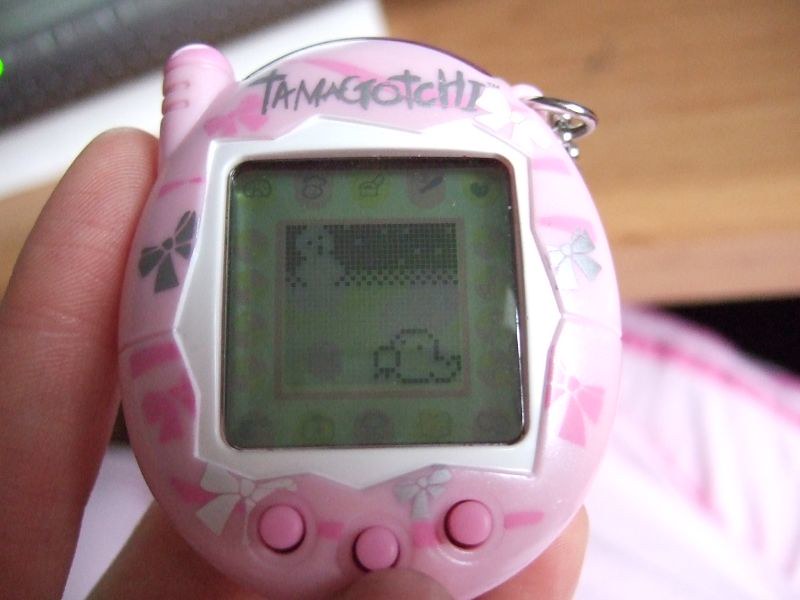
These tiny digital pets made caring for a pixelated creature feel like a life-or-death responsibility. Tamagotchis required constant attention—feeding, cleaning, and playing with them throughout the day to keep them alive and happy. Kids would sneak peeks during class to make sure their virtual pet wasn’t dying, and many parents found themselves accidentally becoming pet-sitters when their children forgot to check in.
Clear Electronics

The late ’90s iMac with transparent blue panels launched a craze for see-through everything that carried well into the early 2000s. Suddenly, phones, radios, game controllers, and even household appliances came in clear plastic that let you see all the internal components. The aesthetic suggested futuristic transparency and honesty, though most people couldn’t actually identify what they were looking at through those translucent cases.
Crazy Frog Ringtones

Before smartphones made custom ringtones easy, there was Crazy Frog—an annoying CGI amphibian whose ‘ding ding’ remix of Axel F became inescapable. This Swedish creation somehow convinced millions of people to pay premium prices for what was essentially audio torture, and hearing that distinctive sound in public spaces became a bizarre shared cultural experience that nobody really wanted to have.
Ed Hardy Clothing

Christian Audigier transformed tattoo artist Ed Hardy’s designs into a fashion empire that screamed expensive rebellion. Rhinestone-covered t-shirts, trucker hats, and jeans featuring skulls, tigers, and roses became the uniform of people who wanted to look edgy while spending ridiculous amounts of money. The brand peaked when celebrities started wearing it everywhere, then crashed just as hard when the market became completely oversaturated.
Razor Scooters
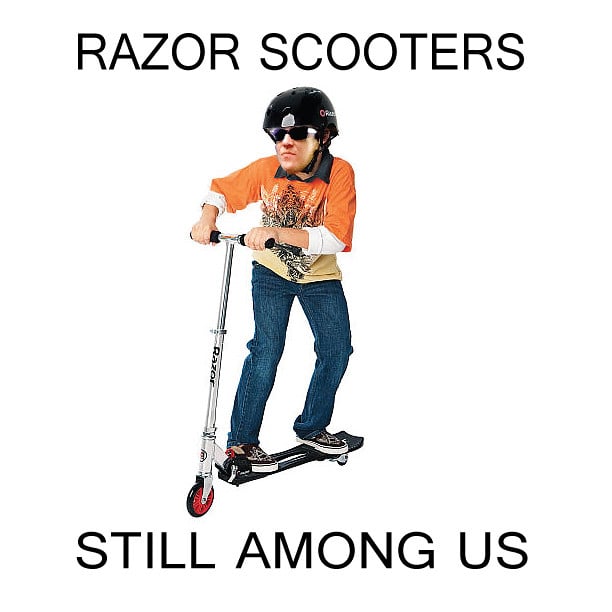
The aluminum Razor scooter became the ultimate cool-kid transportation device, turning sidewalks into personal highways for anyone under 18. These lightweight, foldable scooters were perfect for the last mile between home and school, and mastering tricks on them became a legitimate form of street cred. Every kid either owned one, wanted one, or had borrowed a friend’s enough times to develop serious scooter envy.
Furbys
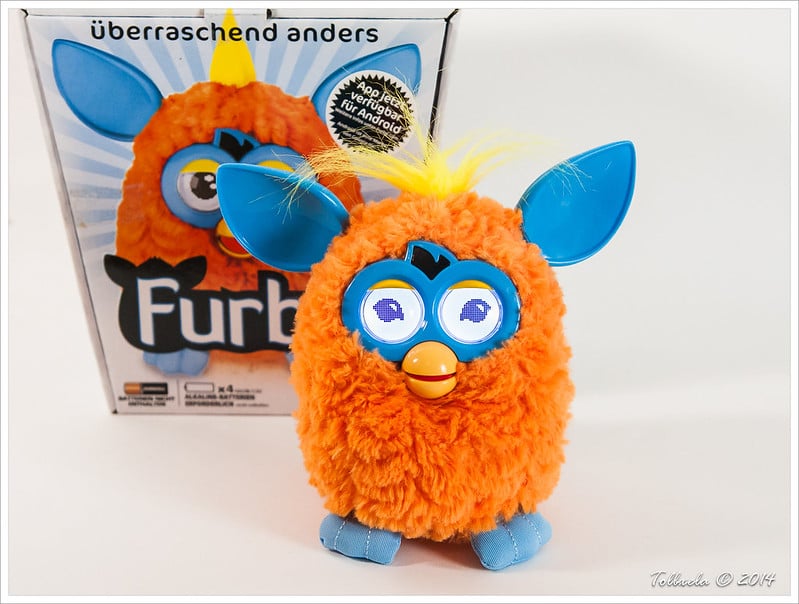
These robotic companions walked the line between adorable and terrifying, speaking their own ‘Furbish’ language while blinking their enormous eyes and moving in ways that seemed almost alive. Furbys promised to learn and evolve with interaction, making each one supposedly unique to its owner. The novelty wore off pretty quickly, but for a few months, having a Furby meant you owned a piece of the future.
Reality TV Obsession
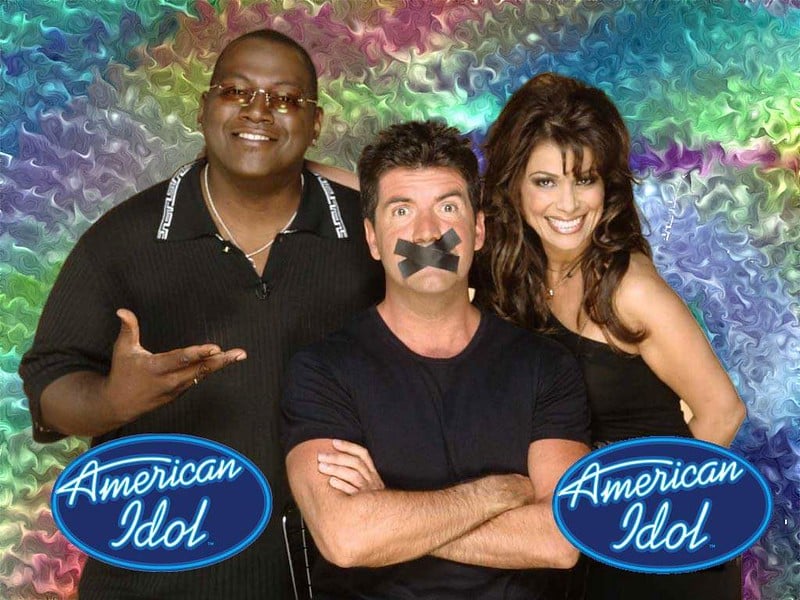
The early 2000s launched reality television into the stratosphere with shows like ‘Survivor,’ ‘Big Brother,’ and ‘American Idol’ turning ordinary people into household names overnight. Everyone had opinions about who should win, who was being fake, and which contestants deserved to go home. Water cooler conversations revolved around the latest eliminations, and suddenly watching strangers live their lives became America’s favorite pastime.
Bedazzled Flip Phones
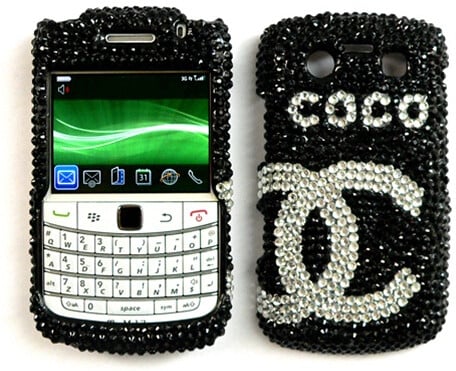
Plain cell phones weren’t enough in the early 2000s—they needed crystals, charms, and decorative cases that turned communication devices into personal jewelry. Paris Hilton allegedly started the bedazzling trend, and soon everyone was adding rhinestones, Hello Kitty charms, and whatever other accessories they could attach to their phones. The phones themselves came with special hooks and ports specifically designed for these decorations, proving that function definitely took a backseat to form.
When Simple Became Complicated Again
Looking back at these early 2000s fads feels like opening a time capsule from a completely different planet. We took simple things like shoes and added wheels, basic jeans and removed most of the fabric, and plain phones and covered them in fake diamonds. The decade represented a fascinating moment when technology was advancing rapidly but hadn’t yet simplified our lives—instead, it gave us more ways to overcomplicate them. These forgotten trends remind us that every generation thinks their style choices make perfect sense, even when they’re destined to become someone else’s punchline twenty years later.
More from Go2Tutors!

- 16 Historical Figures Who Were Nothing Like You Think
- 12 Things Sold in the 80s That Are Now Illegal
- 15 VHS Tapes That Could Be Worth Thousands
- 17 Historical “What Ifs” That Would Have Changed Everything
- 18 TV Shows That Vanished Without a Finale
Like Go2Tutors’s content? Follow us on MSN.