13 Things That Went Wrong During the First Ever Spacewalk
Even though the first human spacewalk on March 18, 1965, was hailed as a Soviet engineering accomplishment, it almost ended tragically. The public was not aware for decades that cosmonaut Alexei Leonov nearly lost his life while floating outside the Voskhod 2 spacecraft for 12 minutes.
Until long after the fall of the Soviet Union, the mission’s many near-catastrophes remained concealed beneath meticulously produced propaganda. Let’s explore 13 terrifying issues that beset this historic spacewalk, exposing Leonov’s near-miss with home.
Spacesuit Ballooning
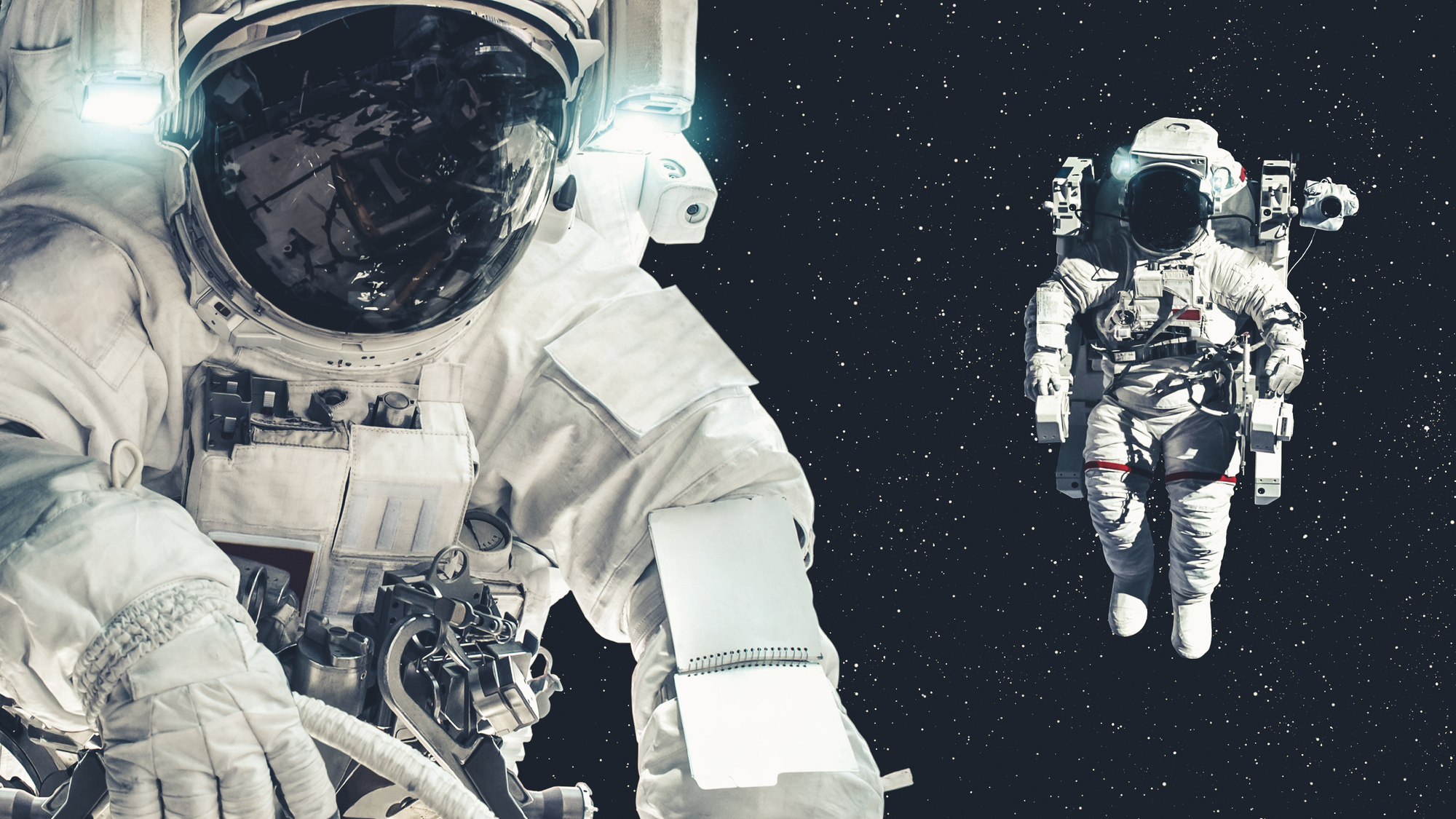
The moment Leonov stepped into the vacuum, his suit puffed up like an overinflated tire. Nobody had fully anticipated how severely the pressure difference would affect his equipment. His gloves slipped off his fingers, and his boots loosened around his feet as the fabric stretched beyond its limits, turning basic movement into an exhausting struggle.
Dangerous Depressurization
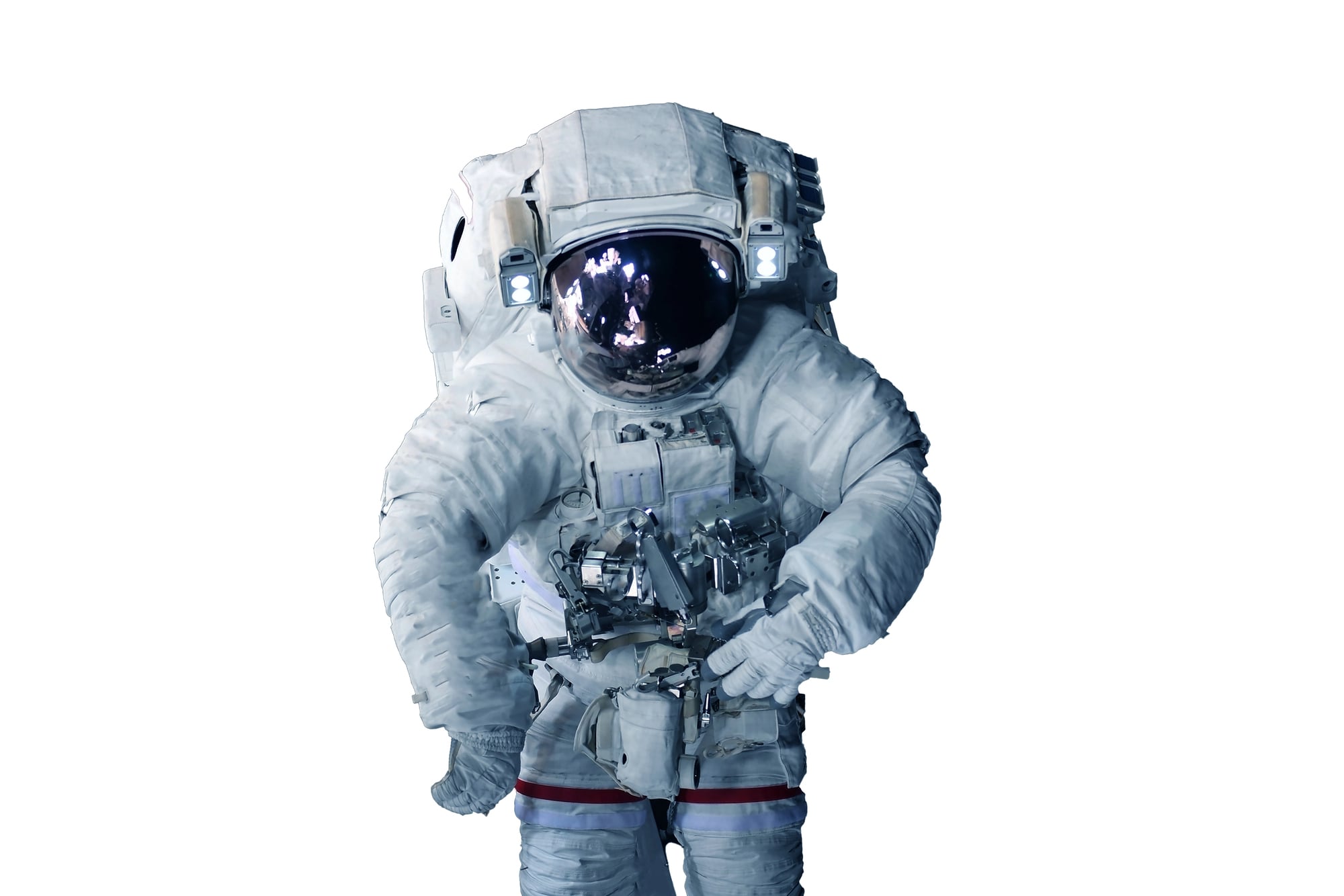
With no official protocol for his predicament, Leonov gambled with a desperate solution. He twisted open his suit’s oxygen valve, deliberately lowering his air pressure to dangerous levels. This unauthorized and untested maneuver risked decompression sickness or worse – but represented his only chance at survival.
Extreme Overheating
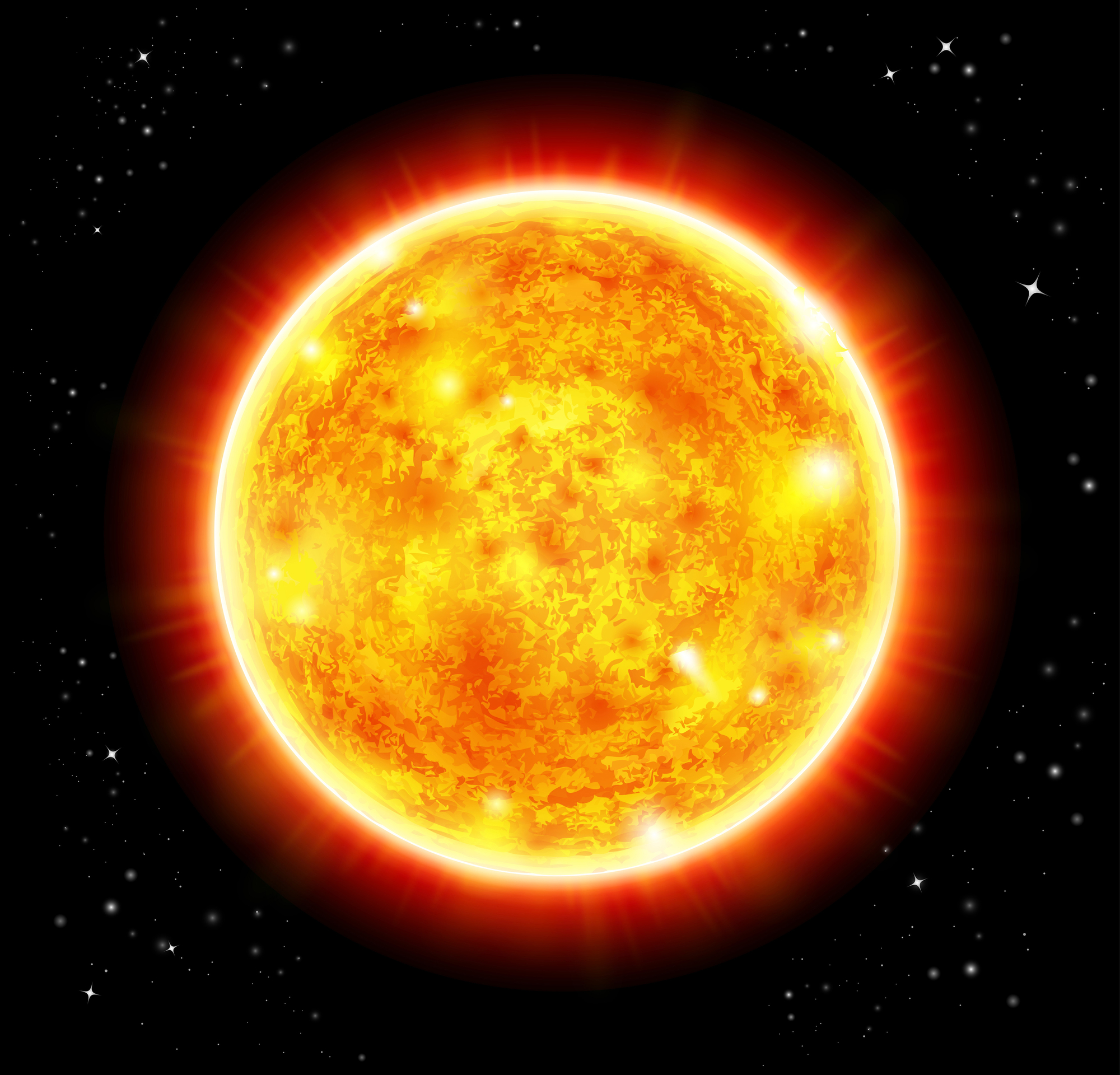
Sweat poured from Leonov’s body as his temperature skyrocketed from exertion and solar exposure. Inside his sealed environment, roughly a cup of perspiration sloshed around, fogging his visor and soaking his undergarments.
His core temperature jumped 3.2 degrees in mere minutes, pushing his body toward dangerous overheating.
Communication Failures
At key points, Leonov’s and his companion Pavel Belyayev’s radio communication kept cutting out. Their voices were occasionally drowned out by static, and occasionally the signals completely stopped.
Leonov faced existential threats for a number of crucial minutes while he was completely alone and unable to get direction from his coworker or the far-off mission controllers.
Tether Complications

Leonov’s lifeline to the spacecraft – a 17.5-foot umbilical cord – kept twisting into knots that restricted his already limited mobility. Each time the tether tangled, he needed to pause his scientific observations to untangle himself.
Every snag heightened concerns that the line might permanently knot or sustain damage to its critical components.
Camera Malfunction
Technical failures plagued the mission’s only visual documentation system halfway through the spacewalk. Ground controllers lost crucial visual data needed to assess Leonov’s situation as cameras stopped transmitting clear images.
Earth-based specialists couldn’t provide informed assistance without reliable visual information as Leonov’s problems multiplied.
Oxygen Supply Concerns
Stress and physical struggle sent Leonov’s breathing rate soaring far beyond predicted levels. Each labored breath depleted his limited oxygen reserves faster than anyone had calculated.
Mission specialists anxiously monitored whether his remaining supply would last through the increasingly complex emergency procedures required to get him safely back inside.
Uncontrolled Spinning
At one frightening point, minor movements set Leonov rotating with nothing to stop his spin. Space lacks air resistance to naturally slow motion, so each tiny adjustment only worsened his unwanted rotation.
This spinning magnified his already serious disorientation while making it nearly impossible to complete the precise movements essential to his survival.
Dangerous Reentry Position
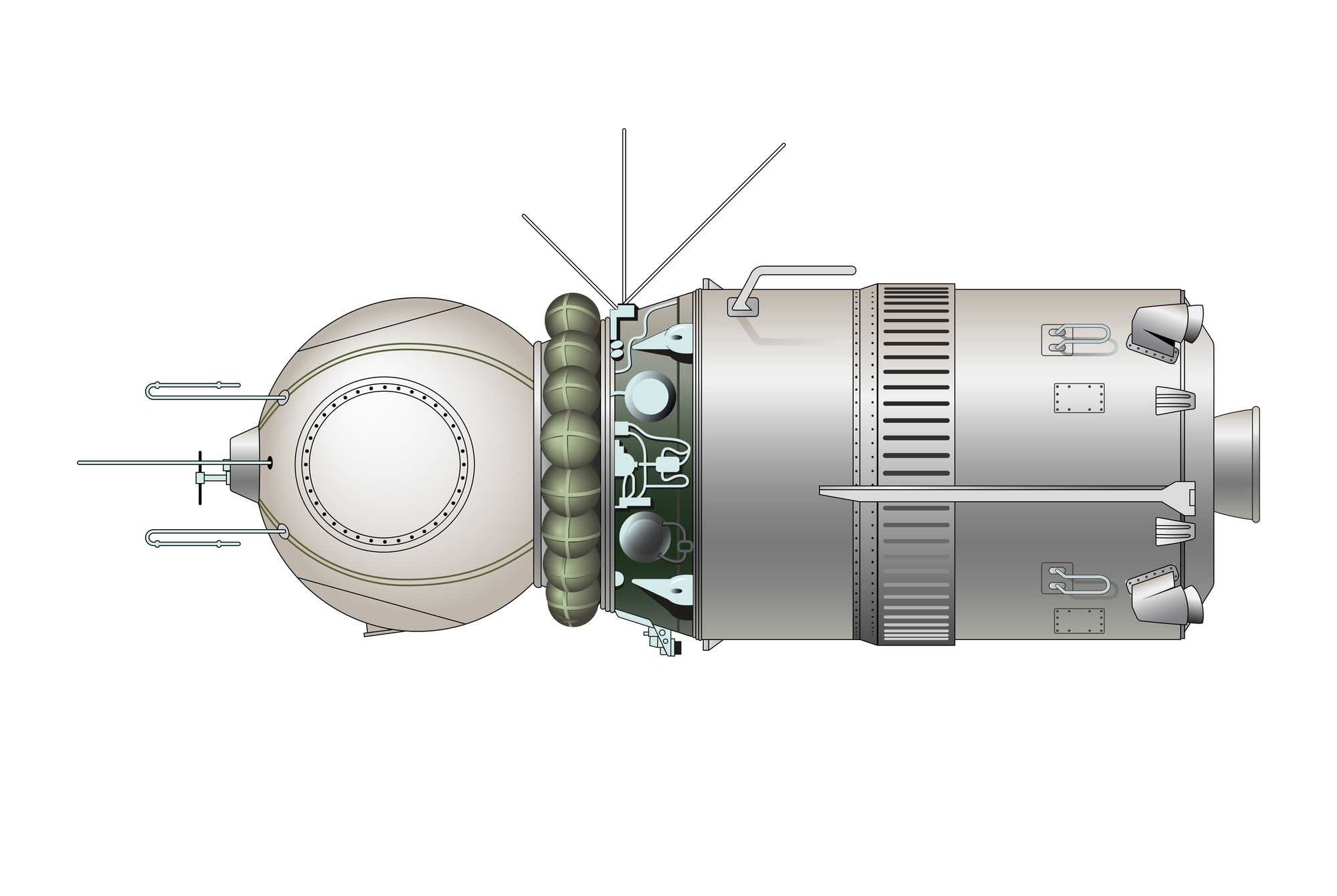
Even after Leonov finally squeezed back inside, their troubles multiplied. The spacecraft had shifted out of proper alignment for atmospheric reentry. This incorrect orientation threatened to either incinerate them during descent or send them wildly off course.
Their fight for survival only entered a new phase once they sealed the hatch.
Manual Landing Requirement
When the automated landing systems failed completely, the cosmonauts had to manually pilot their return through Earth’s atmosphere. Neither man had thoroughly practiced this complex emergency procedure, which required perfect timing and calculations.
This technical failure added yet another life-threatening challenge to their already overwhelming situation.
Remote Landing Location

Their eventual landing point lay over 1,200 miles from the intended recovery zone, deep within a frozen Ural Mountain forest. Instead of touching down on open plains where helicopters waited, their capsule wedged between dense trees in thigh-deep snow.
The nearest town remained an impossible trek away, through brutal winter conditions.
Exposure to Elements
After surviving space, the cosmonauts endured more than 24 hours stranded in freezing temperatures. Rescue helicopters couldn’t land among the trees, while snow made ground approaches nearly impossible.
Throughout a long night with wolves howling nearby, they ripped insulation from their spacecraft to avoid freezing to death before help arrived.
Documentation Suppression
For years afterward, Soviet officials carefully controlled all information about the mission’s actual events. Photos underwent editing, footage was selectively released, and the cosmonauts received strict instructions to describe only their success.
Carefully constructed propaganda transformed a near-disaster into a flawless victory in the Space Race, with the full truth remaining hidden for decades.
Space Exploration’s Hidden Challenges
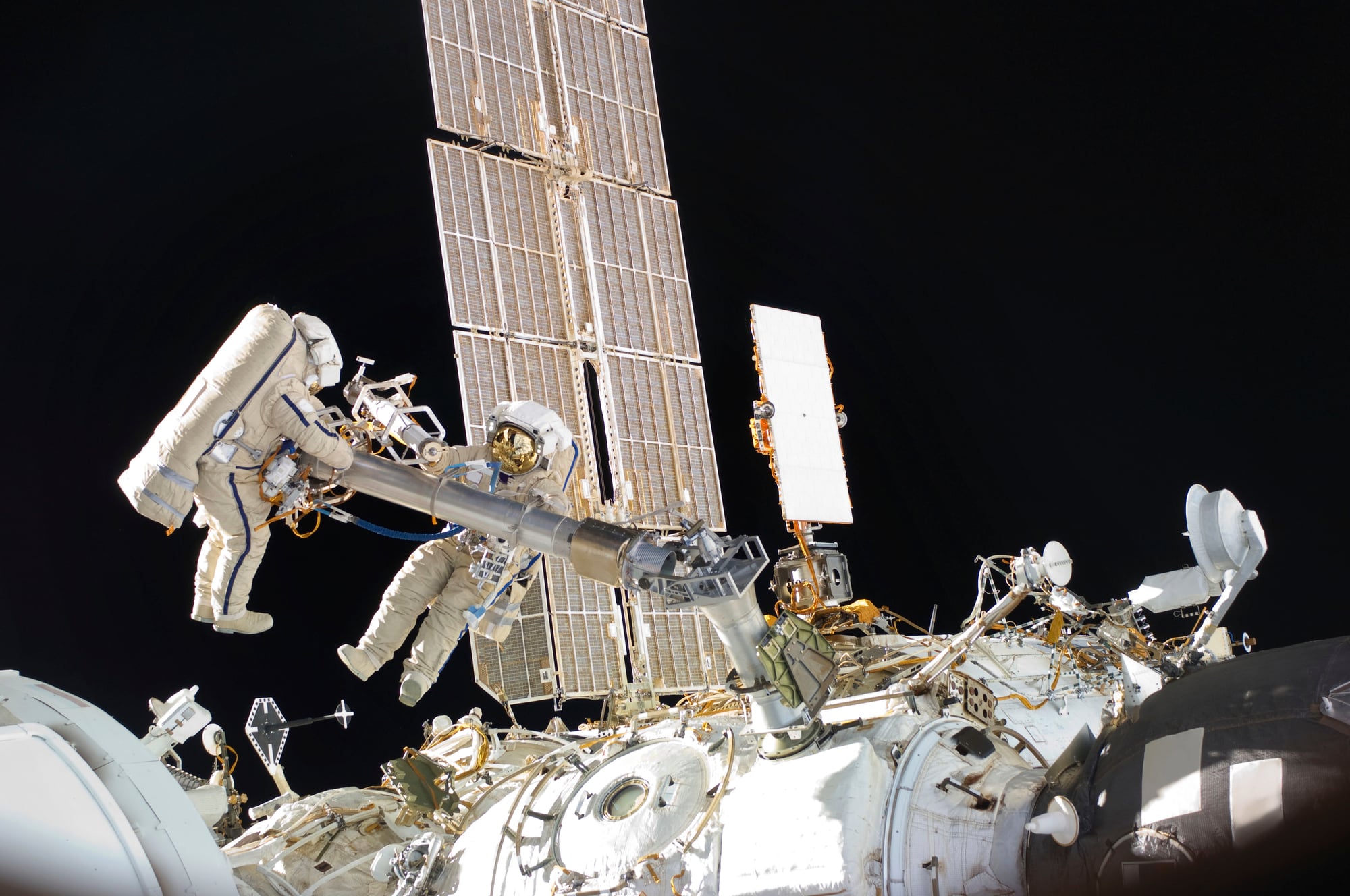
The tale of humanity’s first spacewalk shows how extraordinary human resourcefulness can triumph over disastrous technical malfunctions and poor planning. Leonov’s exceptional composure under extreme pressure was reflected in what the world perceived as flawless Soviet technological competence.
His rapid thinking saved not only his own life but also marked an important turning point in the history of space exploration. Because of the difficult lessons gained during these early trips, where the difference between success and disaster proved to be a terrifyingly thin one, astronauts today undergo comprehensive emergency training.
More from Go2Tutors!

- The Romanov Crown Jewels and Their Tragic Fate
- 13 Historical Mysteries That Science Still Can’t Solve
- Famous Hoaxes That Fooled the World for Years
- 15 Child Stars with Tragic Adult Lives
- 16 Famous Jewelry Pieces in History
Like Go2Tutors’s content? Follow us on MSN.