16 Dangerous Toys Kids Played With in the 1960s
Suddenly, being young in the 1960s meant playing with things now unthinkable. While modern eyes would panic, adults at the time barely reacted when handing out risky playthings.
Instead of warnings, there were bare metal corners, paint you should not breathe, fire left unguarded – common sights around every home. Despite it all, danger seemed invisible, almost ignored, like sunshine on old wooden floors.
Back then, letting go came easily; trust stretched long where caution might live today.
A few wild toys from that era found their way into countless kids’ homes – odd choices, really. These stood out for how bizarre they seemed at first glance.
Some were loud. Others just didn’t make sense until you played with them.
Each one made its mark without warning. You’d see it on shelves and wonder who thought it was a good idea.
Millions wound up under Christmas trees anyway. Strange doesn’t quite cover it.
Lawn Darts

Heavy darts tipped with metal flew through backyards like misguided javelins. Tossing them toward a ground ring sounded safe enough – until someone missed by just an inch.
Siblings playing nearby learned fast: what goes up might come down wrong. Sharp points struck arms, heads, even eyes when wind shifted or hands slipped.
Years passed while warnings piled up beside hospital reports. By the time regulators stepped in, far too many injuries had already happened.
A full stop came only in 1988, long after common sense should have.
Creepy Crawlers

Kids used the Thingmaker oven by Mattel to drip melted Plastigoop into hard metal shapes, then heat them until they turned into squishy insects and odd little figures. Fun? Sure, at least for a while – yet those heavy molds along with the hot coil could burn skin fast.
That goopy liquid wasn’t safe either, not until it hardened, releasing sharp-smelling vapors during baking. Scalds and sour air filled every session making Creepy Crawlers, still children returned each time without pause.
The Gilbert U 238 Atomic Energy Lab

Outrageous might be putting it mildly. Right at the start of the 1950s, Gilbert put out a science set containing real radioactive materials.
Instead of just reading about atoms, children were meant to explore them by doing things themselves. Uranium ore arrived in little jars, sitting there like something picked up at a toy store checkout line.
Sales lagged, so it vanished fast – yet somehow its mere existence remains mind-bending today.
Slot Car Racing Sets

Back in the 1960s, electric slot car sets showed up in homes everywhere – children spent hours guiding miniature vehicles along plastic loops at thrilling speeds. Yet those setups came with risks hiding under the excitement.
Because wiring lacked proper covering, brushing against certain track sections might send a sudden jolt through small hands. Power flowed openly through the cars, while the layout itself paid little attention to protection.
Despite that, most young racers simply carried on, shrugging off each surprise spark like it belonged in play.
Clackers

Swinging through the air, clackers consisted of two dense acrylic orbs linked by a cord. Mastering the motion meant snapping them together quickly – above, then beneath the grip.
With practice came pace, hands moving before thought caught up. Trouble started when those hard plastic orbs broke apart without warning during swings.
Shards launched outward like tiny blades when fractures hit. Faces took damage, fingers often swelling from stray impacts.
By the start of the seventies, stores pulled them entirely.
Water Wiggle
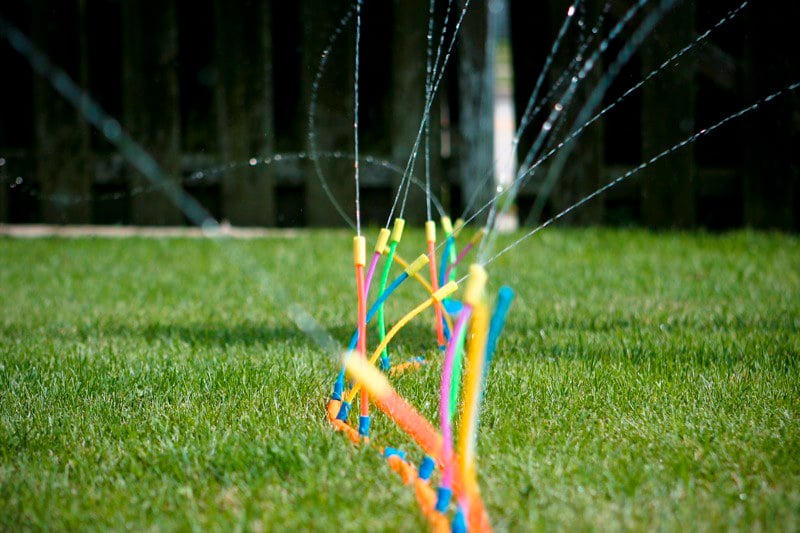
Out of nowhere came a plastic figure, built onto the end of a hose, grinning wide. Once water blasted through, the thing twisted without warning, flinging droplets in every direction.
Children darted after it, shrieking with delight, hands reaching to grab hold. Yet that powerful jet sent it snapping fast – so quick it sometimes struck a kid right across the eyes.
Drowning tragedies tied to its play popped up now and then, adding quiet dread beneath the fun. Years passed, stories spread, until finally nobody made it anymore.
Swing Wing

Spinning tops perched on hats – that’s what the Swing Wing seemed like back then. Head tilts left, right, up, down kept the thing whirring.
Old ads made it look fun, almost silly. Yet those constant swings pulled hard on young necks.
Minutes turned into longer spells of shaking movements just to stop the spin fading. Dizzy feelings crept in.
Pain settled deep sometimes. Most children ignored it while caught in the moment.
The game mattered more than discomfort.
Kenners Ssp Smash Up Derby

Speed came from a spinning gadget inside each car, sending them racing toward one another. When they smashed, snapping into chunks was part of the fun.
Putting them back together kept children busy, then doing it once more. Flying shards shot out hard when the crash happened.
Bits of broken plastic spread across floors, sometimes hitting little brothers or sisters nearby. That danger stayed hidden beneath the noise and motion.
Chemistry Sets
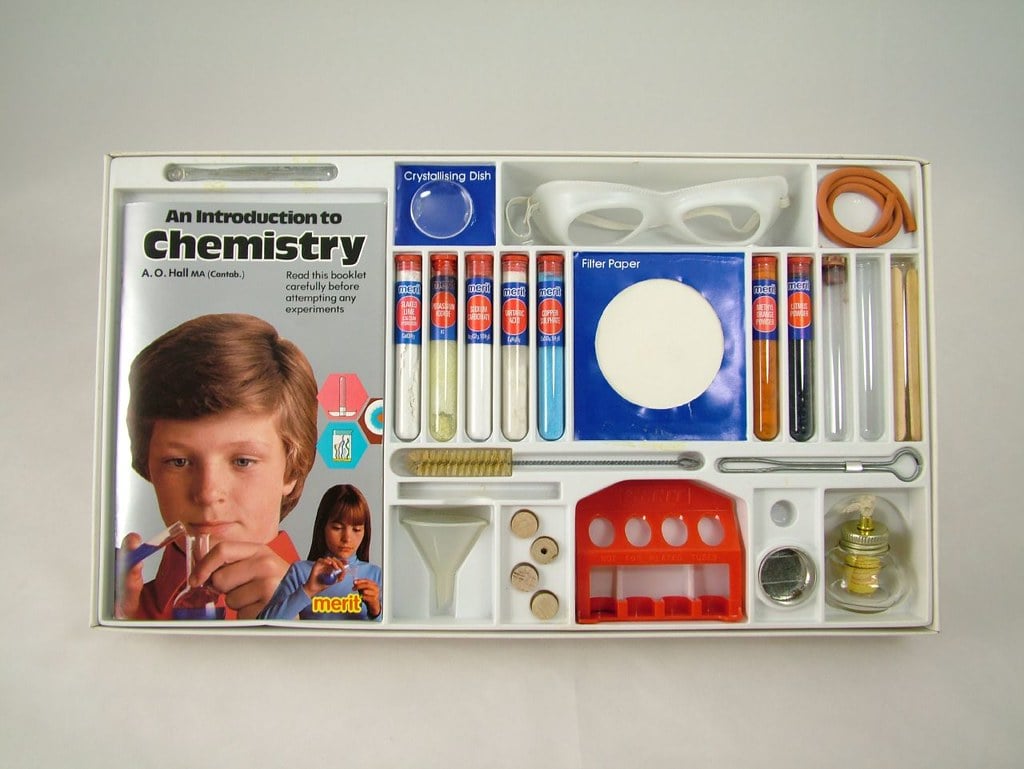
Chemistry sets in the 1960s were a completely different animal compared to today’s versions. They came loaded with real chemicals, including compounds that could burn skin, cause toxic fumes, or even start fires if mixed incorrectly.
The instructions encouraged genuine experimentation, not just observation. Kids routinely created small explosions, foul-smelling gases, and reactions that stained furniture permanently.
These sets assumed a level of responsibility from young users that most adults would hesitate to take on.
Pogo Sticks
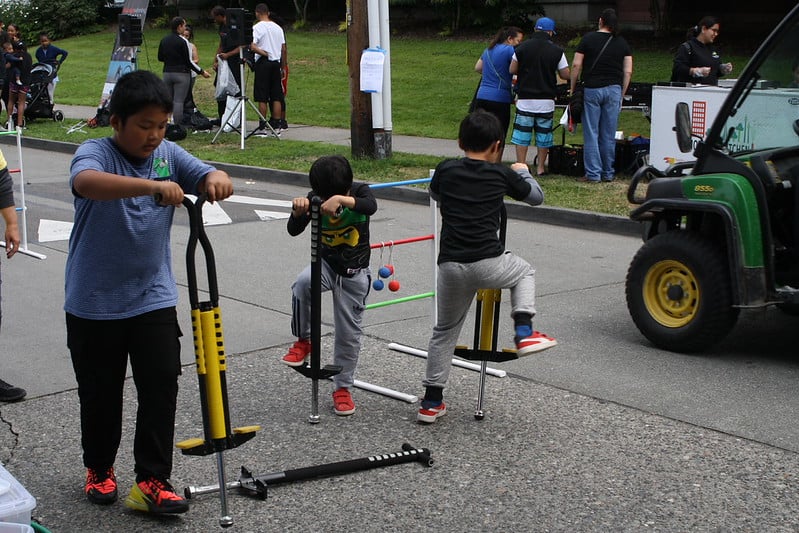
Pogo sticks were not new in the 1960s, but they hit peak popularity during the decade. The older metal versions were heavier and less forgiving than modern designs, and landing wrong on a hard surface could mean a sprained ankle or worse.
Kids used them on concrete, on steps, and near traffic without a second thought. Falls were frequent, protective gear was unheard of, and nobody considered any of this particularly dangerous.
Mini-Bikes

Mini-bikes were small, motorized bikes sold as toys for children, and backyard tracks became a regular sight in suburban neighborhoods. They had real engines, real speed, and essentially no safety features.
Helmets were rarely included and rarely worn. Kids rode them on uneven terrain, near roads, and at speeds that made crashes a real possibility.
Emergency room doctors in the late 1960s saw enough mini-bike injuries to fill a report, and some eventually did.
Toy Guns With Projectiles

Cap guns were one thing, but many 1960s toy guns fired actual projectiles, from cork stoppers to small plastic pellets to metal-tipped darts. Toy rifles, pistols, and crossbows were all marketed directly to children.
Eye injuries from these toys were common enough that safety groups flagged them repeatedly. The line between toy and hazard was extremely thin, and the packaging usually featured a smiling child pointing the gun directly at the camera.
Stilts

Wooden stilts were a popular backyard toy, and the homemade versions were especially risky. Kids attached coffee cans to wooden boards with ropes and walked around on them for hours.
Falls onto hard ground happened constantly, and there was nothing soft about most backyards in the era. Learning to walk on stilts usually involved skinned knees, scraped palms, and the occasional harder fall.
None of this stopped kids from spending entire afternoons trying to master them.
Evel Knievel Stunt Cycle

The Evel Knievel stunt motorcycle toy came with a wind-up launcher and a ramp, and the whole point was to send a miniature bike flying through the air. Kids immediately started making their own ramps, stacking books, and launching the cycle off furniture.
The toy itself inspired real-life imitation stunts, as children tried to replicate jumps on their actual bicycles. Scraped knees and bruised pride followed most attempts, and the toy basically taught children that crashing was part of the fun.
Roller Derby Skates

Metal roller skates from the 1960s attached directly to shoes with a metal clamp and a key, and they fit over everything from sneakers to dress shoes. The wheels were hard metal or early plastic, offering almost no grip on most surfaces.
Kids skated on sidewalks, streets, and driveways with zero padding of any kind. Wipeouts on asphalt left memorable marks, and the skates had a habit of coming loose mid-skate at the worst possible moments.
Bicycle Accessories And Add-Ons
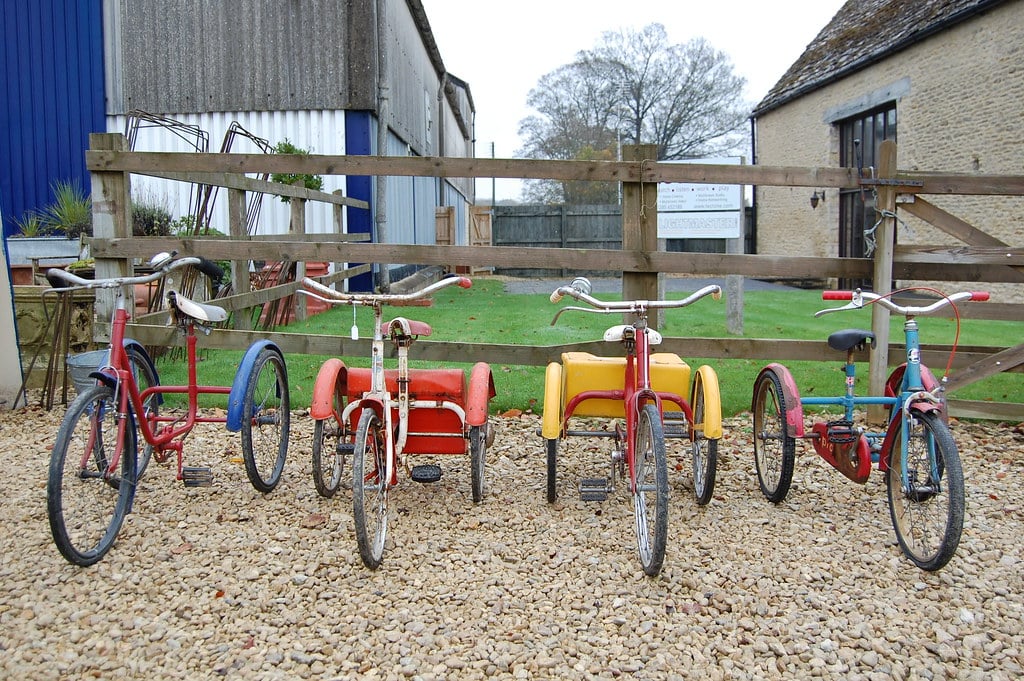
Bikes in the 1960s came with all kinds of extras that had no business being on a child’s vehicle. Handlebar streamers got caught in wheels, battery-powered horns were wired with exposed connections, and kids added playing cards to spokes with clothespins to make noise.
None of these were made with any safety testing in mind. Tangled streamers caused falls, and improvised accessories regularly broke mid-ride.
The bicycle itself was considered a safe toy, but everything kids added to it was another story.
The Risk That Raised A Generation

Looking back, it is easy to wonder how so many kids made it through the 1960s without more serious consequences. The truth is, some did not, and many of these toys were eventually pulled from shelves after years of injuries and pressure from safety advocates.
But the decade also produced generations of adults who learned resilience, creativity, and problem-solving partly through experiences that were genuinely unpredictable. Today’s standards exist for good reason, but understanding where they came from, and what life looked like before them, gives a clearer picture of just how much childhood has changed.
More from Go2Tutors!

- The Romanov Crown Jewels and Their Tragic Fate
- 13 Historical Mysteries That Science Still Can’t Solve
- Famous Hoaxes That Fooled the World for Years
- 15 Child Stars with Tragic Adult Lives
- 16 Famous Jewelry Pieces in History
Like Go2Tutors’s content? Follow us on MSN.