15 Worst Airline Disasters In History
Aviation has transformed how we travel, shrinking the world and connecting distant places in ways previous generations could never imagine. Yet alongside this remarkable progress came tragic reminders of the risks involved when technology, human error, and circumstances collide in the worst possible ways.
These disasters didn’t just claim lives—they fundamentally changed how we approach aviation safety. Here is a list of 15 of the most devastating airline disasters that shaped modern aviation and left lasting impacts on the industry.
Tenerife Airport Disaster
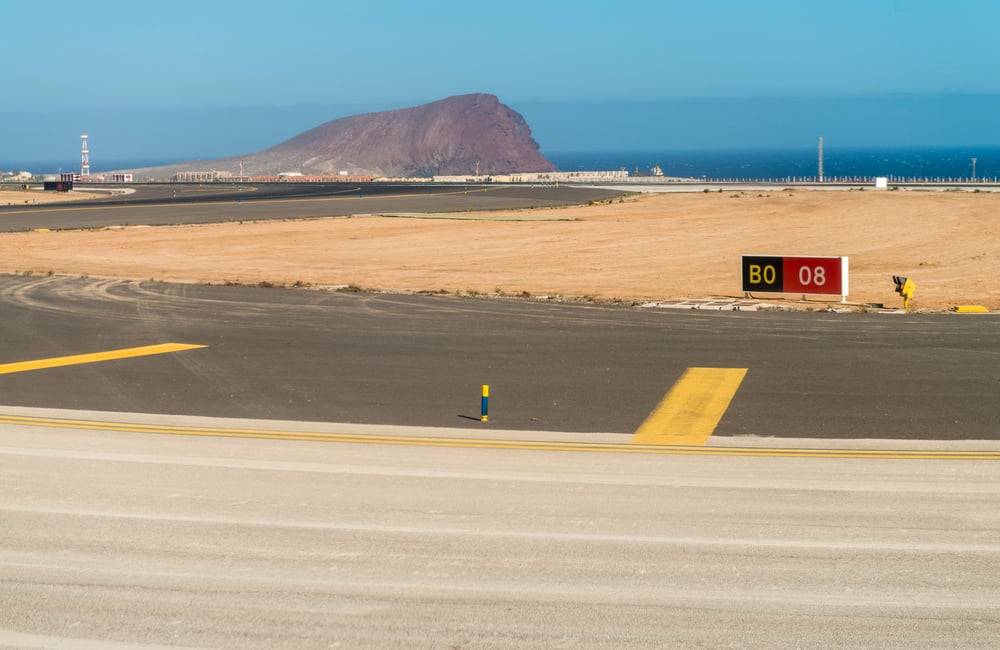
The deadliest aviation accident in history happened not in the sky, but on a runway shrouded in thick fog. On March 27, 1977, two Boeing 747s—one operated by KLM and another by Pan Am—collided at Los Rodeos Airport in Tenerife, killing 583 people.
The KLM flight attempted takeoff while the Pan Am aircraft was still on the runway, creating a catastrophic collision that neither crew could prevent. Dense fog had reduced visibility to nearly zero, and communication breakdowns between air traffic control and the pilots sealed the tragic fate of both aircraft.
Japan Airlines Flight 123
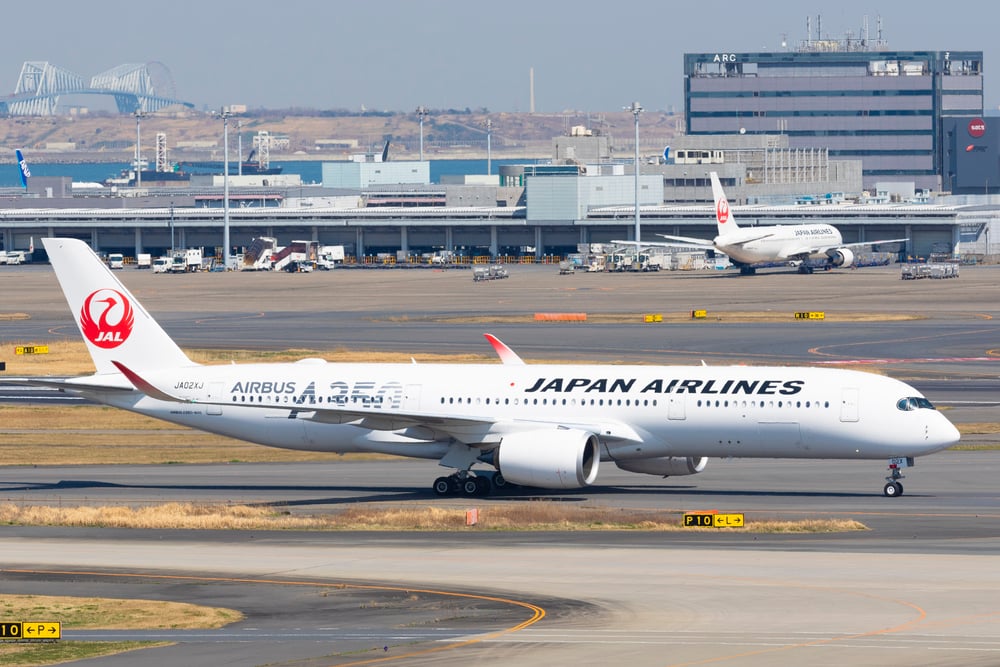
A single bolt failure led to one of aviation’s most heartbreaking disasters. On August 12, 1985, Japan Airlines Flight 123 suffered catastrophic decompression when the aircraft’s rear pressure bulkhead failed, causing the plane to become nearly uncontrollable.
The crew fought heroically for 32 minutes to save the Boeing 747, but it ultimately crashed into Mount Takamagahara, killing 520 people. Only four passengers survived this tragedy, making it the deadliest single-aircraft accident in aviation history.
Like Go2Tutors’s content? Follow us on MSN.
Charkhi Dadri Mid-Air Collision
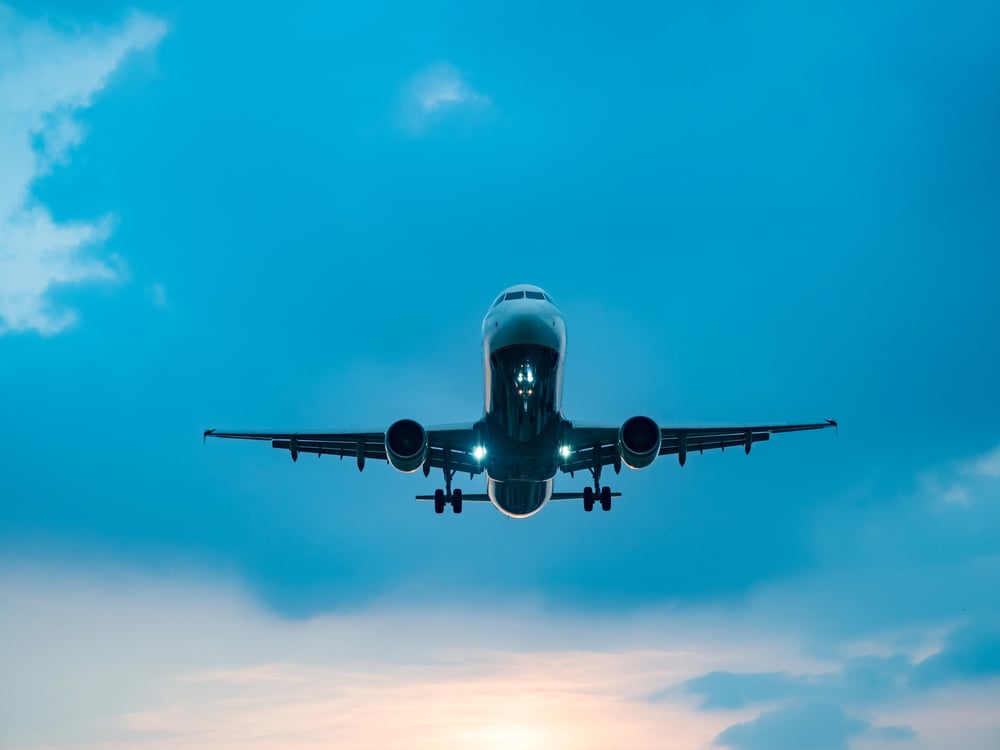
Sometimes the sky isn’t as big as it seems. On November 12, 1996, Saudi Arabian Airlines Flight 763 and Kazakhstan Airlines Flight 1907 collided in mid-air near New Delhi, India, killing all 349 people aboard both aircraft.
The Kazakhstan crew had descended below their assigned altitude, bringing them directly into the path of the ascending Saudi flight. This disaster highlighted critical gaps in air traffic control procedures and language barriers that could prove fatal in international airspace.
Turkish Airlines Flight 981
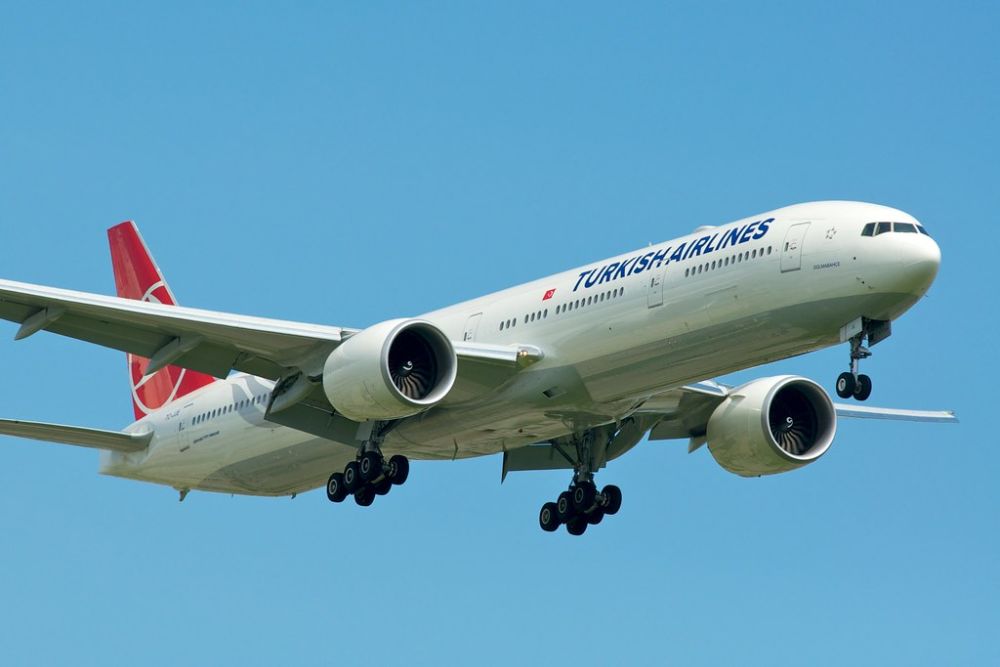
A cargo door that wouldn’t stay shut became a death sentence for 346 people. On March 3, 1974, Turkish Airlines Flight 981 crashed in a forest near Paris when its rear cargo door blew out during flight, causing explosive decompression and structural failure. The McDonnell Douglas DC-10 became uncontrollable and plummeted to earth, leaving no survivors.
This tragedy exposed serious design flaws in the DC-10’s cargo door mechanism that had been known but inadequately addressed.
Air India Flight 182
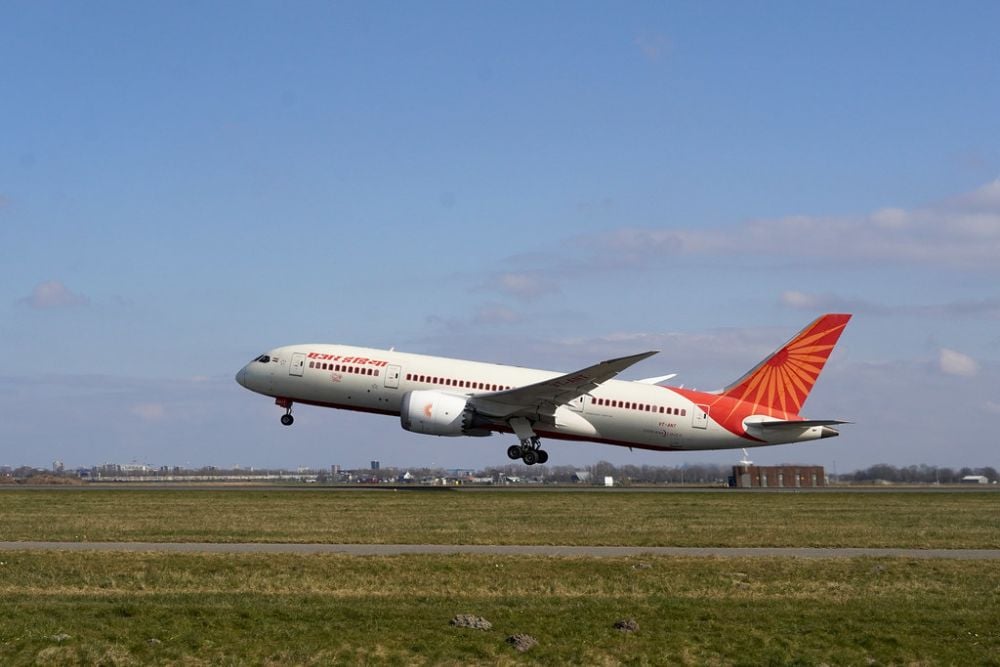
Terrorism reached new heights of horror on June 23, 1985, when Air India Flight 182 exploded over the Atlantic Ocean off the coast of Ireland. A bomb planted by Sikh extremists destroyed the Boeing 747, killing all 329 people aboard, including 280 Canadian citizens.
The explosion occurred at 31,000 feet, sending debris scattered across miles of ocean. This attack remains one of the deadliest acts of aviation terrorism in history and led to significant changes in airport security screening.
Like Go2Tutors’s content? Follow us on MSN.
Malaysia Airlines Flight 17
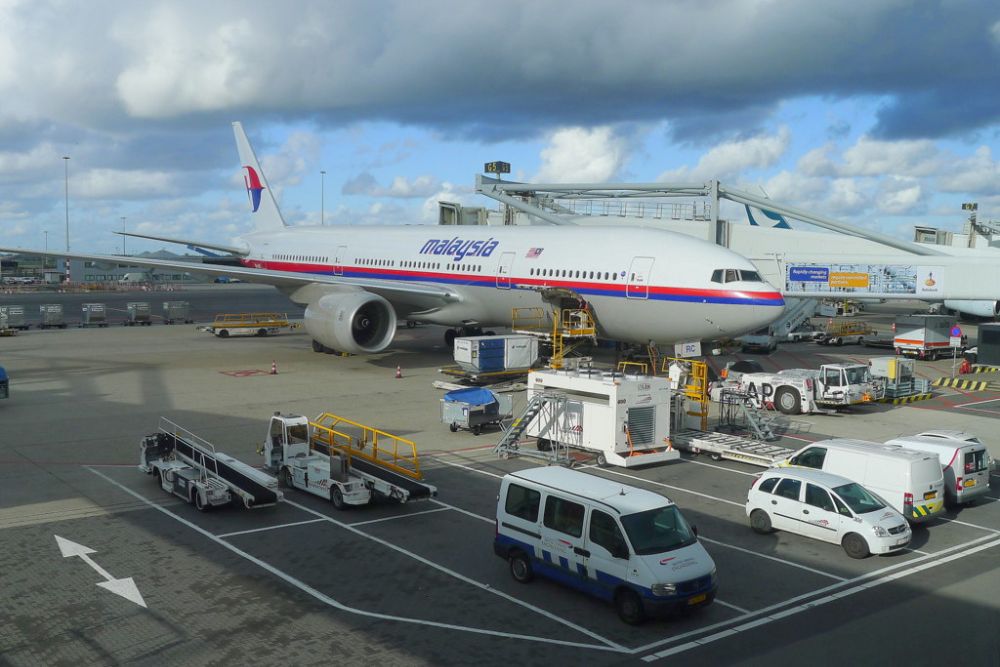
Modern warfare collided with civilian aviation on July 17, 2014, when Malaysia Airlines Flight 17 was shot down over eastern Ukraine. The Boeing 777 was struck by a surface-to-air missile while flying from Amsterdam to Kuala Lumpur, killing all 298 people aboard.
The aircraft was flying over a conflict zone where pro-Russian separatists were fighting Ukrainian forces. International investigations later concluded that Russian-made missile systems were responsible for bringing down the commercial airliner.
American Airlines Flight 191
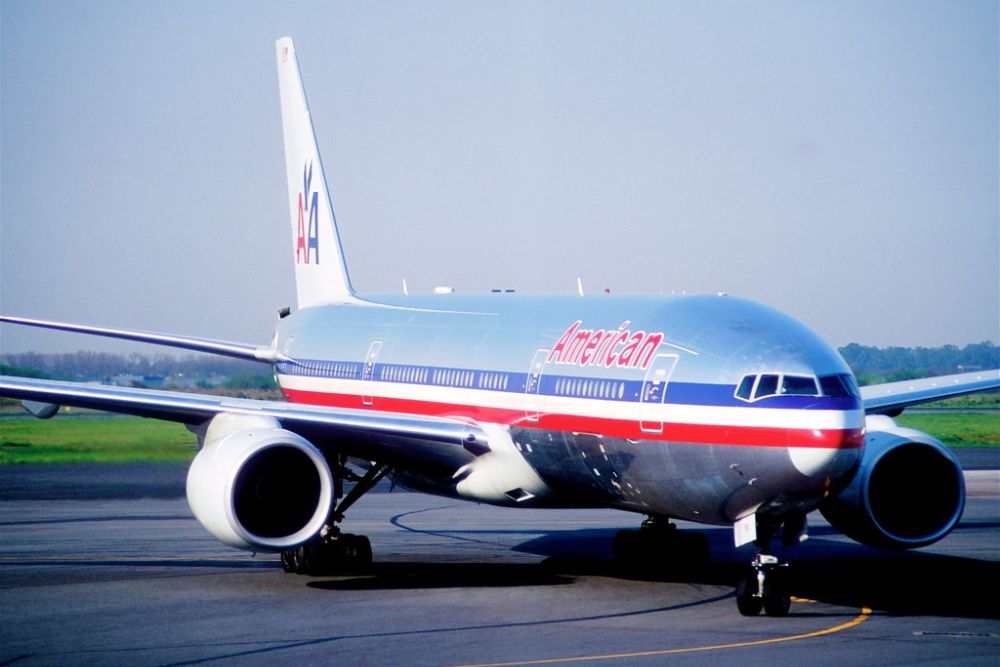
Engine failure during takeoff created a nightmare scenario at Chicago’s O’Hare Airport on May 25, 1979. American Airlines Flight 191’s left engine separated from the wing during takeoff, causing the McDonnell Douglas DC-10 to roll, crash, and explode, killing all 271 people aboard plus two on the ground.
The engine separation damaged hydraulic lines and electrical systems, making the aircraft impossible to control. This disaster led to immediate grounding of all DC-10s and major design modifications.
Iran Air Flight 655
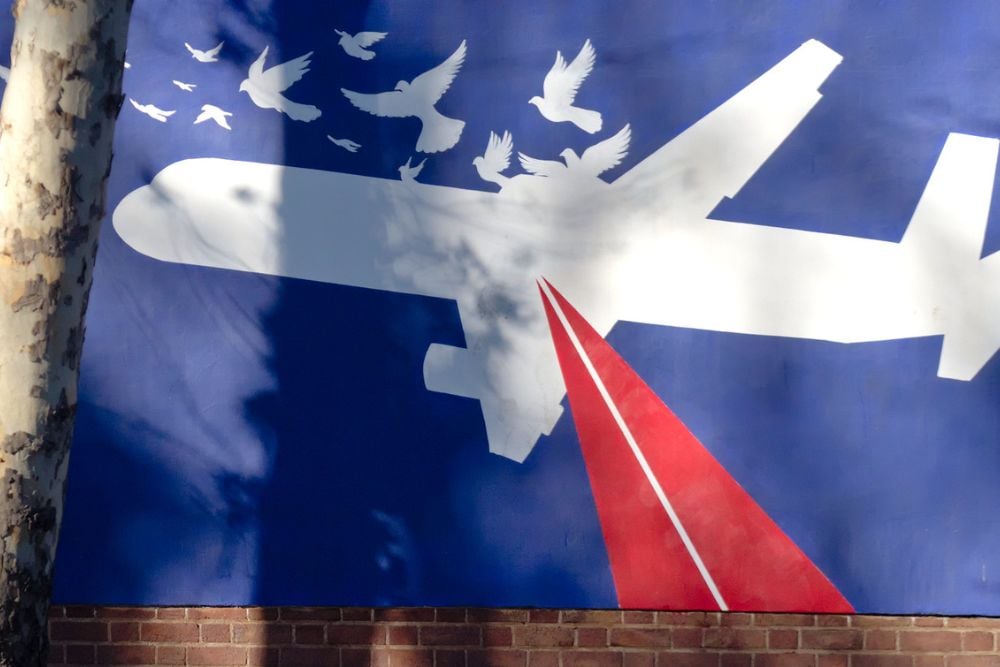
A case of mistaken identity turned deadly on July 3, 1988, when the USS Vincennes shot down Iran Air Flight 655 over the Persian Gulf. The U.S. Navy cruiser mistook the Airbus A300 civilian airliner for an attacking military aircraft, firing two surface-to-air missiles that destroyed the plane and killed all 290 people aboard.
The incident occurred during heightened tensions in the Persian Gulf, but the tragic error highlighted the dangers of military operations in civilian airspace.
Like Go2Tutors’s content? Follow us on MSN.
9/11 Attacks
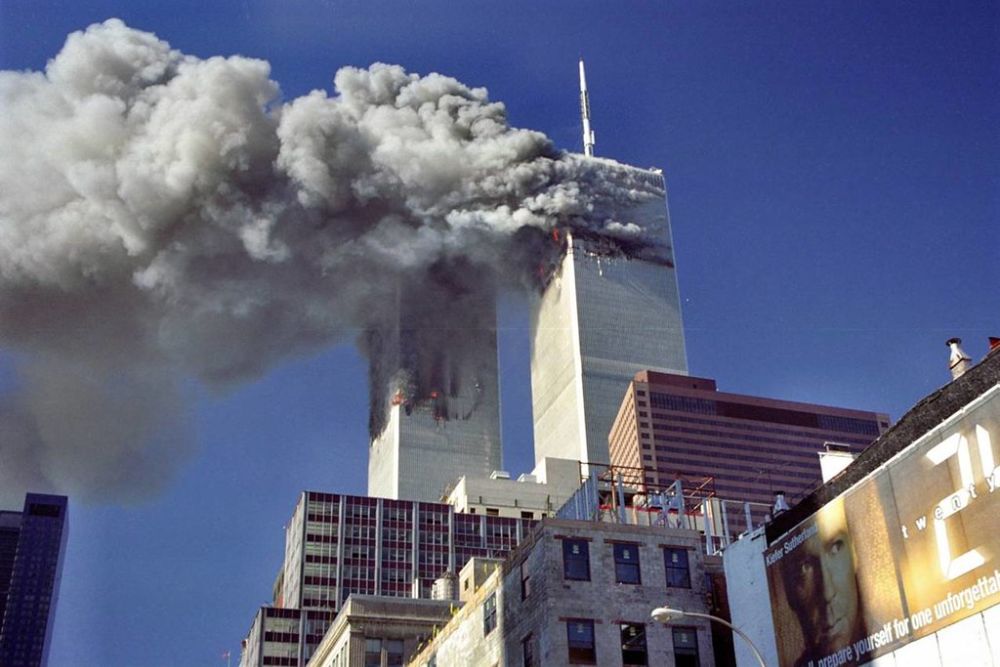
September 11, 2001, forever changed aviation when terrorists hijacked four commercial aircraft and used them as weapons. American Airlines Flight 11 and United Airlines Flight 175 crashed into the World Trade Center towers, while American Airlines Flight 77 hit the Pentagon. United Airlines Flight 93 crashed in Pennsylvania after passengers fought back against the hijackers.
Nearly 3,000 people died that day, fundamentally transforming airport security and aviation protocols worldwide.
Ethiopian Airlines Flight 302
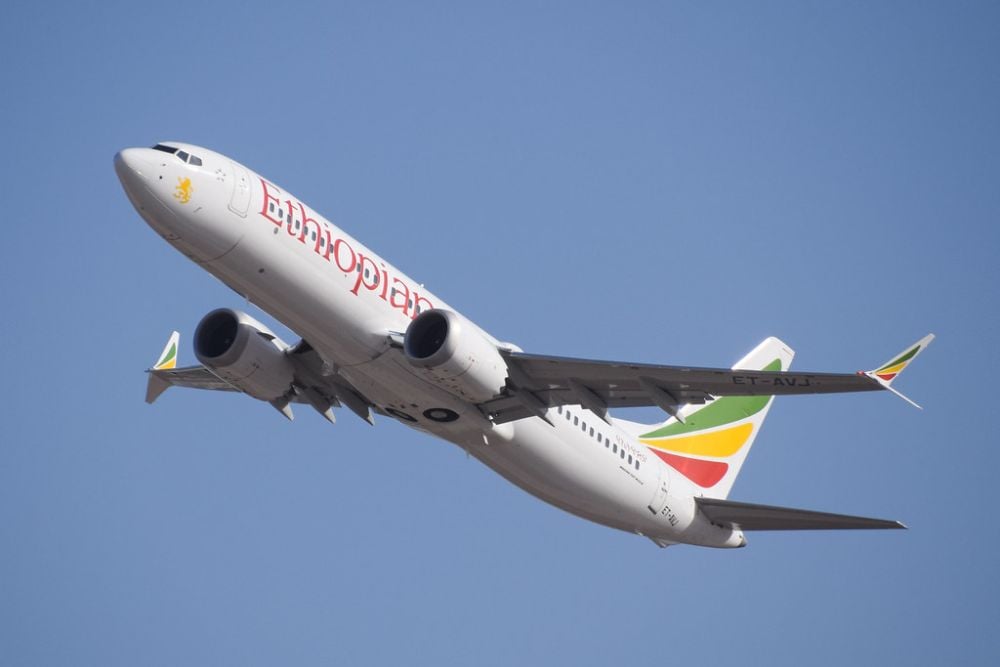
A new aircraft’s automated system experienced its downfall on March 10, 2019, when Ethiopian Airlines Flight 302 crashed shortly after takeoff from Addis Ababa. The Boeing 737 MAX’s faulty sensor triggered the MCAS (Maneuvering Characteristics Augmentation System), which repeatedly pushed the aircraft’s nose down despite the pilots’ efforts to regain control.
All 157 people aboard died in the crash, which followed a similar Lion Air MAX crash months earlier and led to the worldwide grounding of all 737 MAX aircraft.
Arrow Air Flight 1285
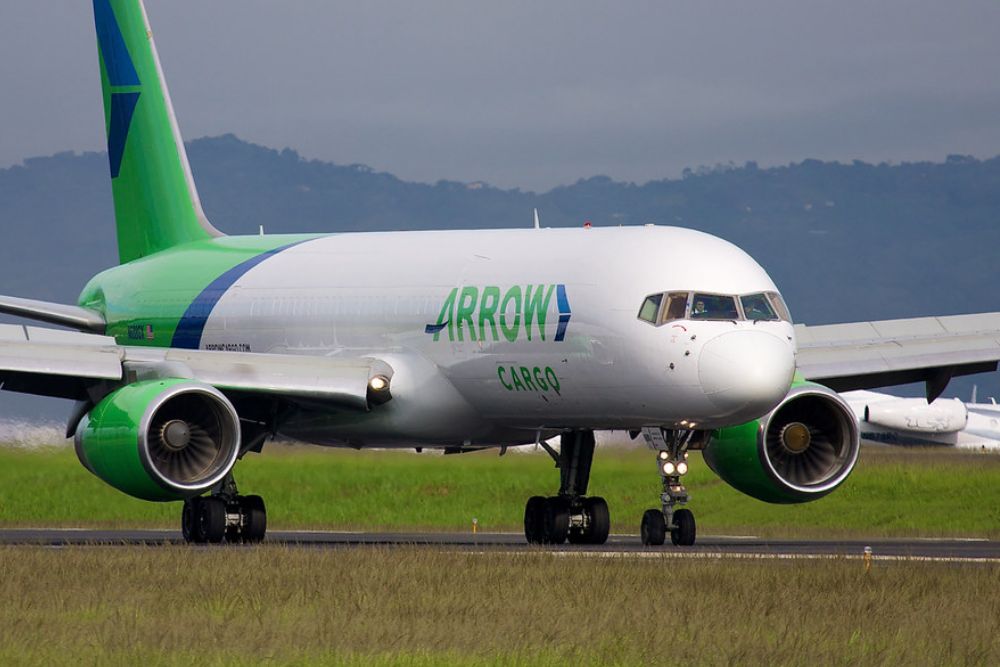
Military personnel returning home for Christmas became victims of tragedy on December 12, 1985, when Arrow Air Flight 1285 crashed in Gander, Newfoundland. The chartered McDonnell Douglas DC-8 was carrying 248 American soldiers from peacekeeping duty in Egypt when it crashed during takeoff, killing everyone aboard plus eight crew members. Ice accumulation on the wings likely contributed to the disaster, which remains one of the deadliest accidents involving U.S. military personnel.
Like Go2Tutors’s content? Follow us on MSN.
China Airlines Flight 611
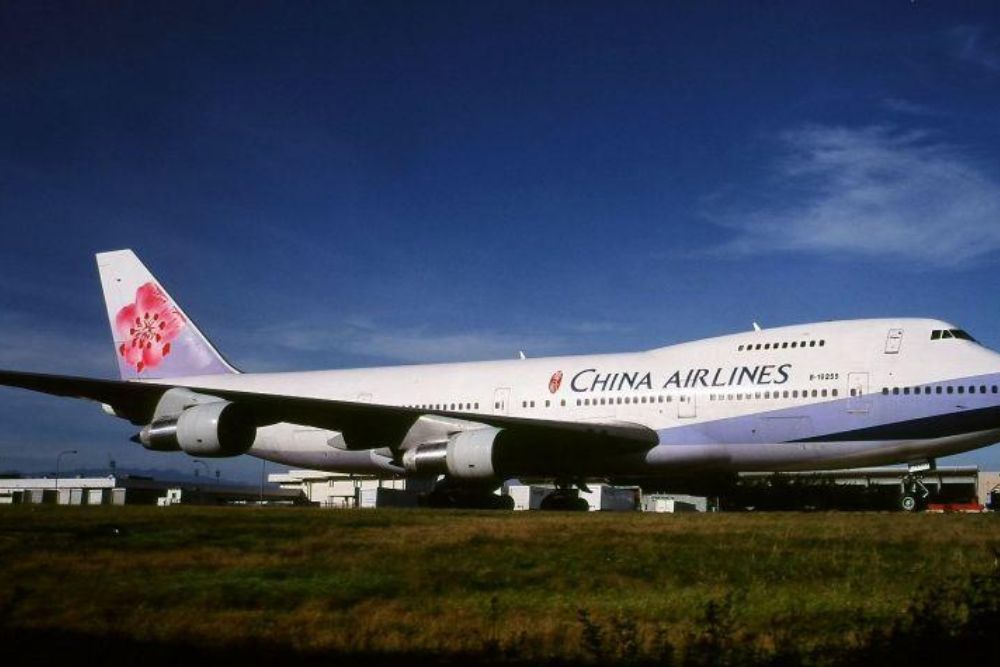
Metal fatigue silently waited 22 years to claim 225 lives. On May 25, 2002, China Airlines Flight 611 broke apart in mid-air over the Taiwan Strait due to structural failure caused by improper repairs made decades earlier.
The Boeing 747 had suffered a tail strike in 1980, but the repair work was inadequate, allowing metal fatigue to gradually weaken the aircraft’s structure. The plane disintegrated at 35,000 feet, scattering debris across miles of ocean and highlighting the critical importance of proper maintenance procedures.
United Airlines Flight 232
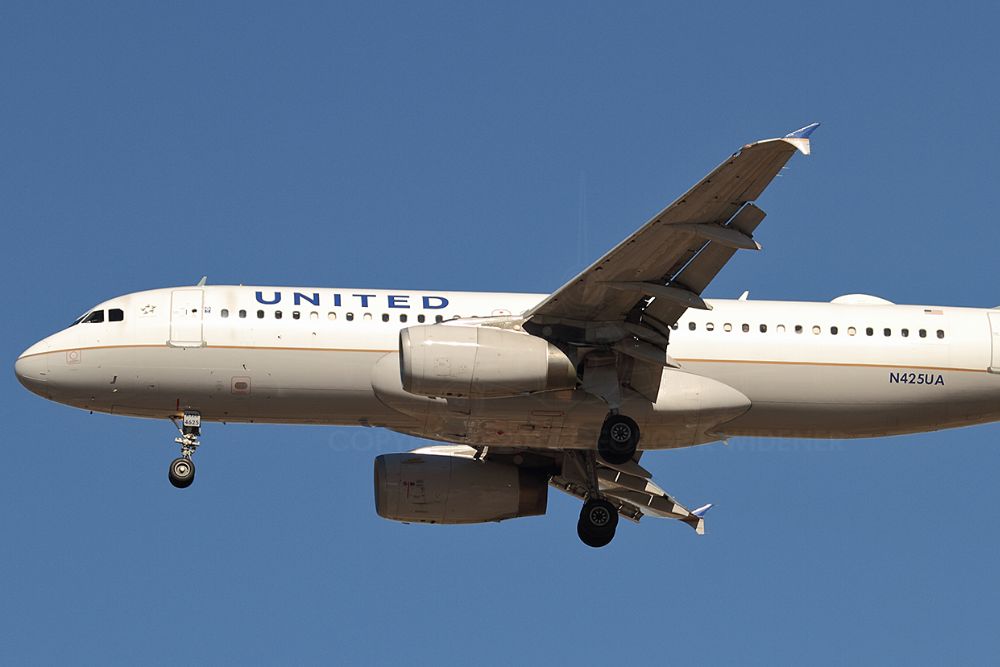
Engine failure turned into an aviation miracle and tragedy simultaneously on July 19, 1989. United Airlines Flight 232 lost all hydraulic systems when its center engine exploded, leaving the McDonnell Douglas DC-10 nearly uncontrollable.
Captain Al Haynes and his crew performed an extraordinary feat of airmanship, crash-landing the aircraft at Sioux City Airport. While 184 people survived this ‘impossible’ landing, 111 passengers and one crew member died in the crash.
PSA Flight 1771
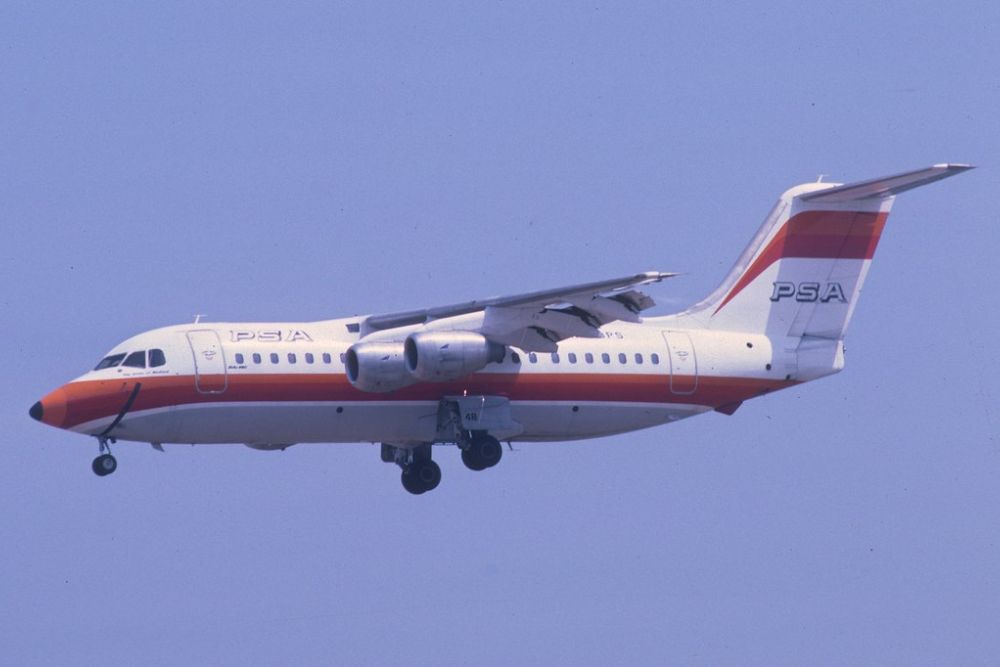
Workplace violence took to the skies on December 7, 1987, when a disgruntled USAir employee brought down PSA Flight 1771. David Burke, recently fired from his job, used his airline credentials to bypass security and board the British Aerospace 146 with a .44 Magnum revolver.
He shot his former supervisor, then the pilots, causing the aircraft to crash near Paso Robles, California. All 43 people aboard died in this act of workplace revenge that led to enhanced airport security measures for airline employees.
Like Go2Tutors’s content? Follow us on MSN.
Garuda Indonesia Flight 152
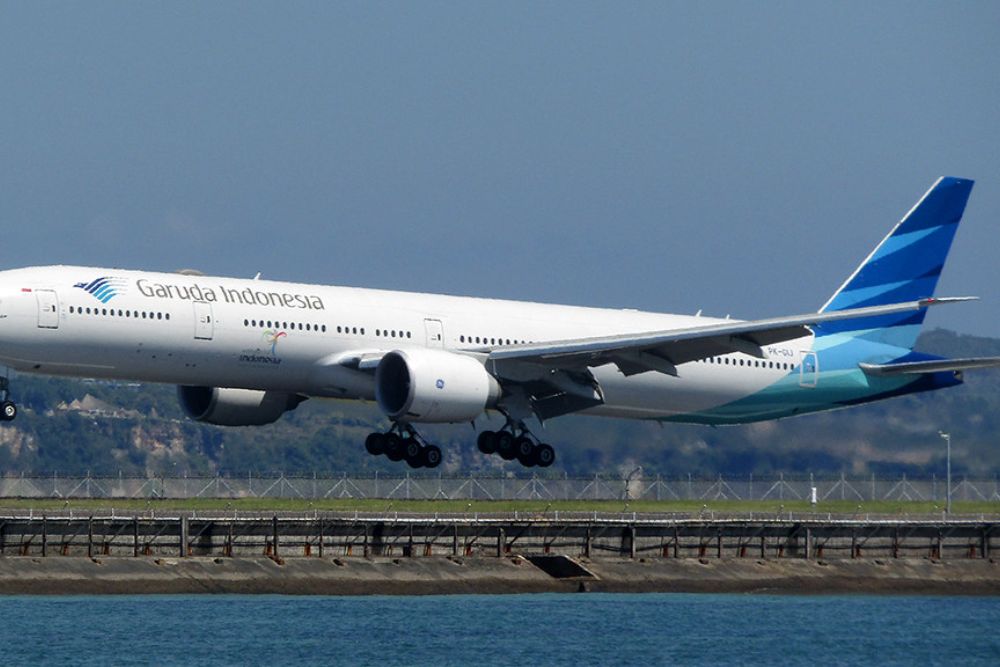
Weather and poor visibility claimed 234 lives on September 26, 1997, when Garuda Indonesia Flight 152 crashed during approach to Polonia Airport in Medan. The Airbus A300 descended below safe altitude in heavy smoke from Indonesian forest fires, striking the ground short of the runway.
The hazy conditions from widespread burning had reduced visibility to dangerous levels across the region. This disaster highlighted the aviation risks posed by environmental disasters and the need for improved approach procedures in low-visibility conditions.
Learning From Tragedy
These disasters represent more than statistics—they’re turning points that forced the aviation industry to confront its vulnerabilities and adapt. Each crash investigation revealed crucial safety gaps that led to new technologies, better training, and stricter protocols.
Modern aircraft now fly with multiple backup systems, enhanced weather detection, and improved communication tools that didn’t exist when many of these tragedies occurred. While we can’t undo these losses, their legacy lives on in every safe flight that follows, proving that sometimes the greatest progress comes from our darkest moments.
More from Go2Tutors!

- 16 Historical Figures Who Were Nothing Like You Think
- 12 Things Sold in the 80s That Are Now Illegal
- 15 VHS Tapes That Could Be Worth Thousands
- 17 Historical “What Ifs” That Would Have Changed Everything
- 18 TV Shows That Vanished Without a Finale
Like Go2Tutors’s content? Follow us on MSN.