Childhood Toys Of Famous Figures
The things we play with as children shape us in ways that become clear only decades later. A compass given to a curious boy, a set of wooden blocks, or a simple corncob wrapped in fabric can plant seeds that grow into extraordinary achievements.
These early objects teach us patience, spark our imagination, and sometimes point us toward our life’s work before we even understand what that means.
Albert Einstein and His Father’s Compass

When Einstein was five and sick in bed, his father handed him a pocket compass. The boy became transfixed by the invisible force that made the needle always point north.
He later said this moment awakened something deep inside him—a need to understand the hidden rules governing reality. That compass did more than entertain a sick child.
It showed him that forces exist beyond what we can see or touch.
Steve Jobs and the Heathkit

Jobs grew up in Silicon Valley during the 1960s when electronics kits flooded the market. His father bought him a Heathkit, which required assembling radios and other devices from scratch.
These kits came with detailed instructions but demanded precision and problem-solving. Jobs spent hours hunched over circuit boards, learning that complex things break down into manageable parts.
That lesson stuck with him through every product Apple ever made.
J.K. Rowling’s Homemade Stories
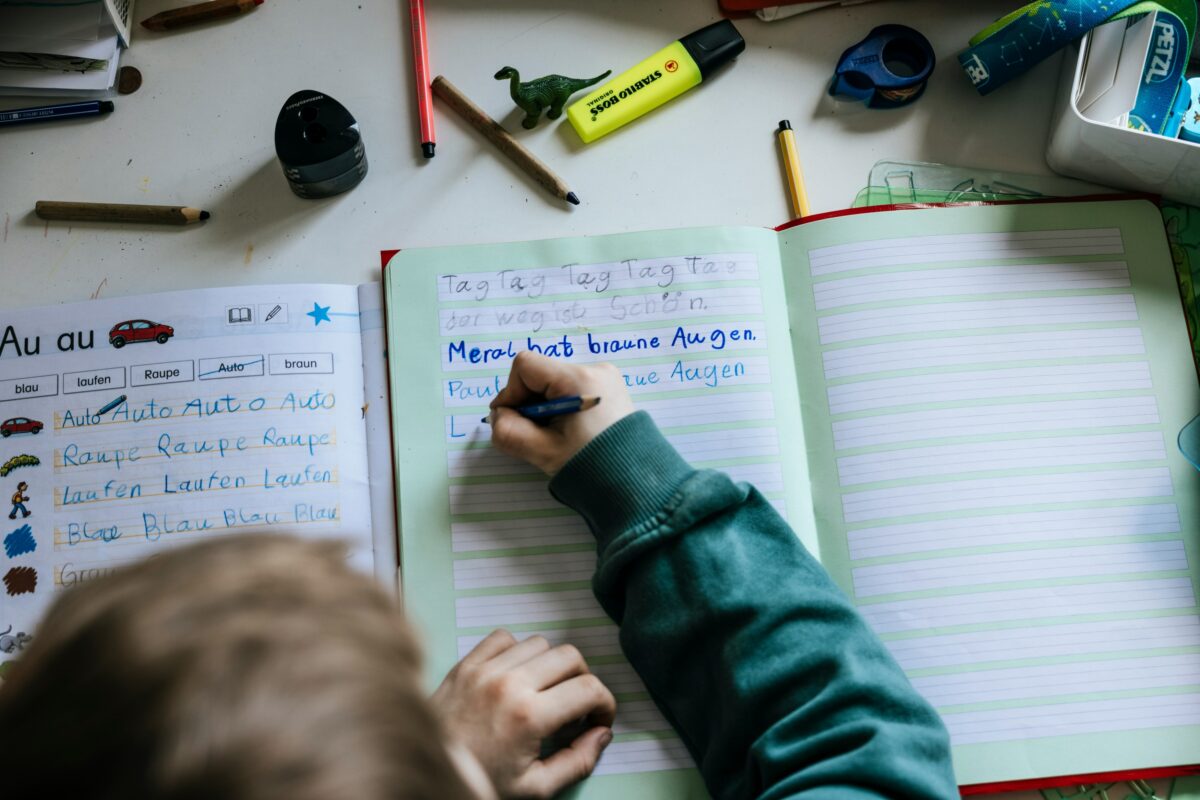
Rowling didn’t play with traditional toys as much as she created worlds through stories. She wrote her first book at age six about a rabbit named Rabbit.
Her mother encouraged this habit, never dismissing it as mere play. Those early tales taught Rowling how to build characters, create conflict, and resolve problems through narrative.
The habit of inventing stories became her career decades later.
Oprah Winfrey and Her Corncob Doll
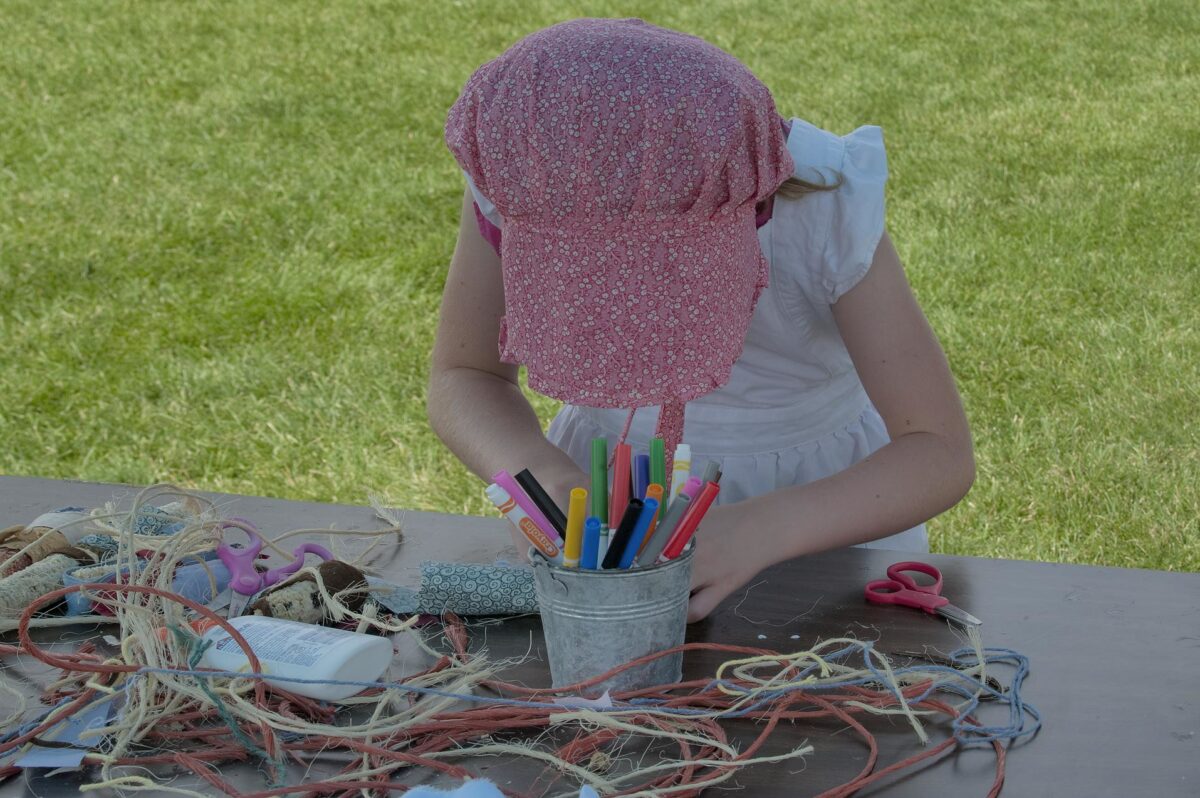
Winfrey grew up in rural poverty where store-bought toys didn’t exist. She made a doll from a corncob, dressing it in scraps of fabric and treating it like a real baby.
That homemade toy required imagination to see past what was actually there. Winfrey had to create the personality, the voice, and the story herself.
Poverty forced creativity, and creativity built the foundation for her later work in media.
Walt Disney’s Drawing Pencils

Disney received his first set of drawing pencils and paper as a young boy in Missouri. He spent hours copying newspaper cartoons and drawing the animals on his family’s farm.
His aunt paid him a nickel for a drawing of her horse, which might have been his first professional commission. Those pencils gave him a tool to translate what he saw in his mind onto paper—a skill that built an empire.
Marie Curie’s Chemistry Set

Curie’s father, a physics teacher, kept scientific instruments around their home in Warsaw. Young Marie played with test tubes, chemicals, and measuring devices while her father explained basic principles.
This wasn’t a toy in the traditional sense, but she treated it like one. The instruments made science feel accessible and exciting rather than intimidating.
She learned that discovery starts with curiosity and simple tools.
Neil Armstrong and Model Airplanes

Armstrong built and flew model airplanes throughout his childhood in Ohio. He spent his paper route money on balsa wood kits, glue, and tissue paper.
Each model required careful construction, and flying them meant understanding wind, weight, and balance. Some crashed.
Others soared. Armstrong learned that failure teaches as much as triumph—a mindset that later helped him land on the moon.
Bill Gates and the Encyclopedia Collection
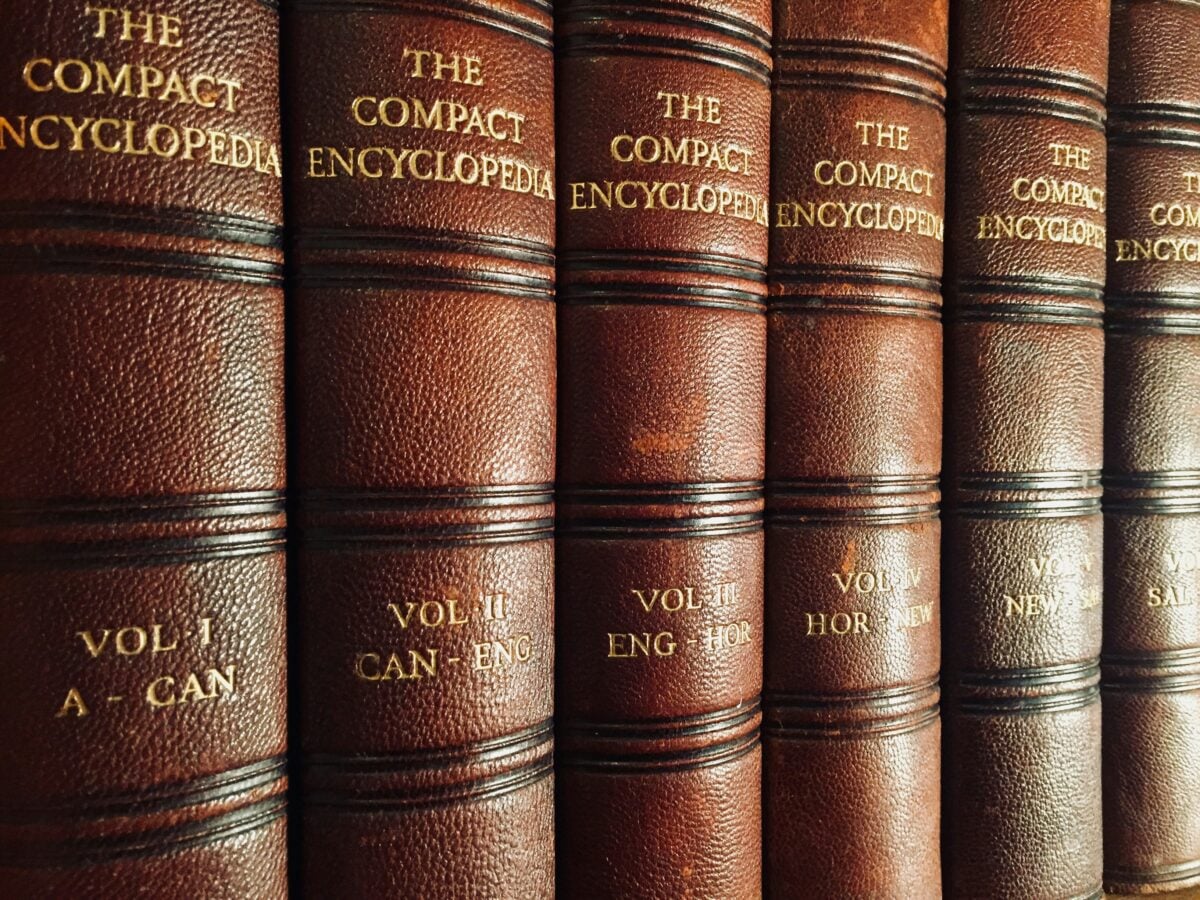
Gates didn’t play with typical toys. He read through his family’s encyclopedia set repeatedly, memorizing facts about everything from astronomy to zoology.
His parents thought it strange that their son preferred books to outdoor play, but they supported it. That encyclopedia gave Gates access to information about subjects he’d never encounter in school.
It fed an appetite for knowledge that eventually led him to computers.
Warren Buffett and His Monopoly Board

Buffett played Monopoly obsessively as a child in Omaha. But he didn’t just play—he studied the game’s mechanics, figuring out which properties generated the best returns and how to manage cash flow.
His family noticed that he approached the game like a business analyst rather than a kid having fun. Monopoly taught him basic investment principles before he even understood what investing meant.
Amelia Earhart and Her Toy Plane

Earhart received a toy plane as a gift during childhood. She kept it on her shelf and stared at it constantly, imagining herself flying.
When she attended her first air show as a young adult, she recognized that the feeling she’d had while looking at that toy plane was a calling. Sometimes a simple object holds the key to what we’re meant to become.
Stephen Hawking’s Mechanical Clocks

Hawking loved taking apart mechanical clocks as a child in England. He wanted to understand how they worked, how gears meshed together to create precise movement.
His parents tolerated the mess of tiny springs and screws scattered across his bedroom floor. Those clocks taught him that complex systems follow rules, and if you understand the rules, you can understand the system.
This thinking later helped him decode the universe.
Barack Obama’s Action Figures
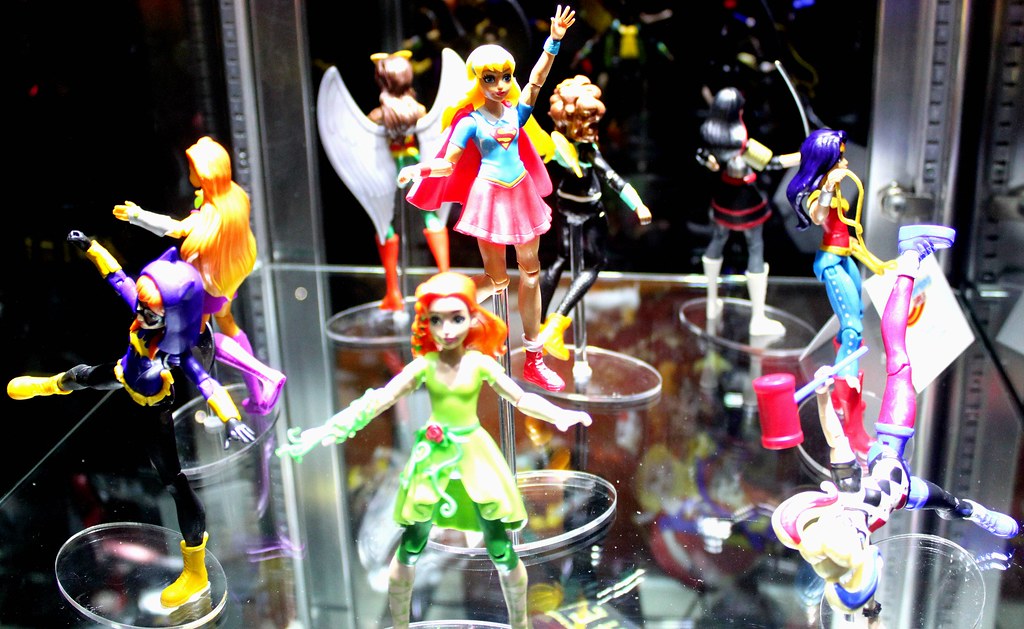
Obama played with action figures during his childhood in Hawaii and Indonesia. He created elaborate scenarios where heroes fought villains and made difficult choices.
These weren’t mindless battles—he gave his characters motivations, dilemmas, and consequences. Playing with action figures taught him about leadership, decision-making, and the weight of responsibility.
Those childhood games explored themes he’d later face in the White House.
Mark Zuckerberg’s Computer Programming Books

Zuckerberg received computer programming books as a young teenager. He treated these books like toys, working through coding exercises and building small programs for fun.
His father hired a software developer to tutor him, but Zuckerberg often moved faster than the lessons. Those books and the computer they came with gave him a sandbox where he could build anything he imagined.
The only limit was his skill and creativity.
Leonardo da Vinci’s Drawing Charcoal

Out in the hills of Italy, young Da Vinci filled scraps with sketches made from bits of charcoal he picked up along the way. Light slipping between leaves caught his eye just as much as creatures darting through underbrush.
Streams twisting over stones became lines on rough paper again and again. Watching motion – how a wing beat, how shadows shifted – mattered more than perfect shapes.
Charcoal smudged easily, yes, yet it let him trace what others might miss. Paying attention like that didn’t fade – it stuck around, shaping everything he touched later.
Where Play Takes Us
Something clicks when they get their hands on it. Not always costly – a few used what was lying around.
Yet each one found a spark in that moment. Playing took over, again and again, day after day.
Learning slipped in without warning. What stuck stayed with them long afterward.
A toy from long ago might not build a future, yet it can nudge a kid toward what fits. What seems small at the time often weighs heaviest down the road.
More from Go2Tutors!

- The Romanov Crown Jewels and Their Tragic Fate
- 13 Historical Mysteries That Science Still Can’t Solve
- Famous Hoaxes That Fooled the World for Years
- 15 Child Stars with Tragic Adult Lives
- 16 Famous Jewelry Pieces in History
Like Go2Tutors’s content? Follow us on MSN.