17 Odd Celebrity Portraits Auctioned for Big Money
Some paintings of famous people look weird, but still sell for millions of dollars at fancy auctions. These aren’t your typical pretty pictures hanging in museums – many of these celebrity portraits are strange, colorful, or downright bizarre.
Yet collectors pay crazy amounts of money to own them, proving that odd art can be worth more than most people’s houses. Ready to see some of the strangest celebrity portraits that made auction houses very rich?
Andy Warhol’s blue Marilyn Monroe
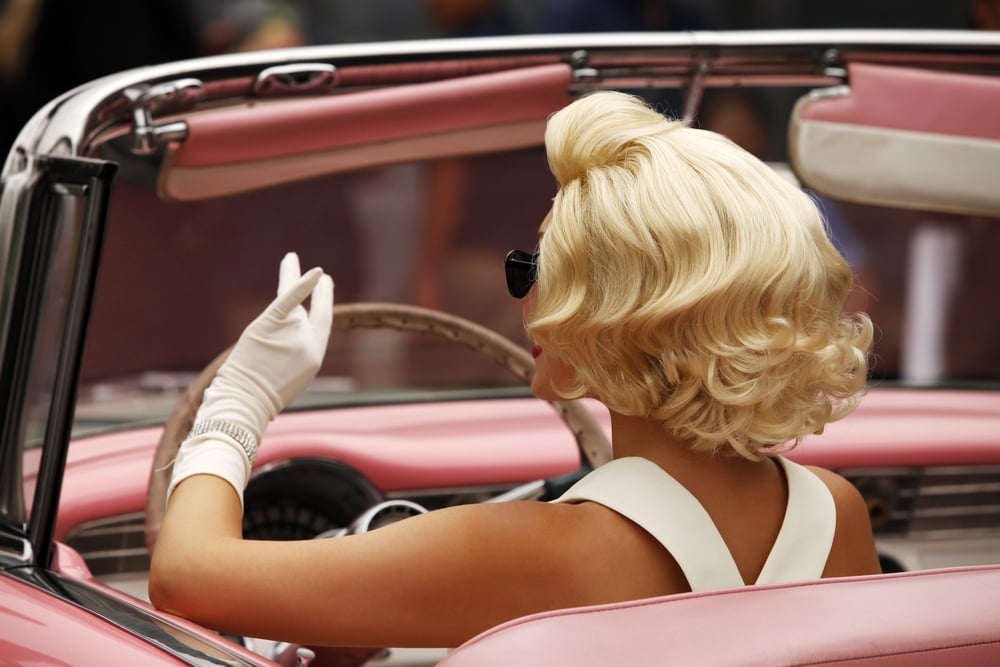
Andy Warhol’s “Shot Sage Blue Marilyn” sold for $195 million at Christie’s in 2022, making it the most expensive American artwork ever sold at auction. The portrait shows Marilyn Monroe with bright pink skin, yellow hair, and a blue background that makes her look like she’s from another planet.
This painting is one of five similar portraits Warhol created in 1964, each with different background colors including red, orange, light blue, sage blue, and turquoise. The odd color choices turned Monroe into a pop art icon rather than a realistic person.
Jean-Michel Basquiat’s skull-faced celebrity
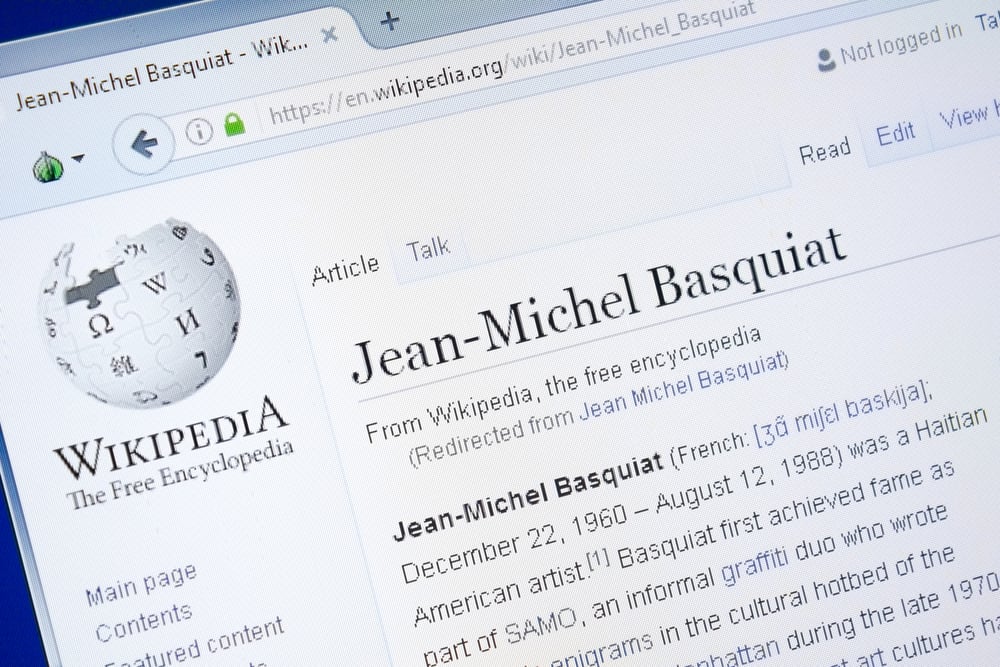
Basquiat painted celebrities as if they were zombies or ancient tribal masks, with exposed skulls and wild colors everywhere. His 1982 portrait “Untitled” shows a black figure with a skull-like face and a crown, selling for over $110 million in 2017.
The painting looks more like graffiti than a traditional portrait, with words scrawled all over the canvas. Basquiat’s style turned famous people into primitive art that looked like it belonged in a cave rather than a gallery.
David Hockney’s pool-side portrait

Hockney painted his famous “Portrait of an Artist (Pool with Two Figures)” in 1972, showing a man in a pink jacket staring at another figure underwater in a swimming pool. The painting sold for $90.3 million in 2018, making it the most expensive work by a living artist at the time.
The underwater figure looks ghostly and distorted, while the man on land seems completely disconnected from reality. Hockney’s swimming pool paintings capture the weird isolation of California celebrity culture.
Francis Bacon’s screaming Pope portraits

Bacon created disturbing portraits of important figures that look like they’re being tortured or screaming in pain. His paintings of Pope Innocent X show the religious leader with a distorted face, open mouth, and blurred features that suggest movement and terror.
These portraits regularly sell for tens of millions of dollars despite being genuinely frightening to look at. Bacon’s style turns dignified subjects into nightmare fuel that somehow appeals to wealthy collectors.
Keith Haring’s celebrity cartoon figures
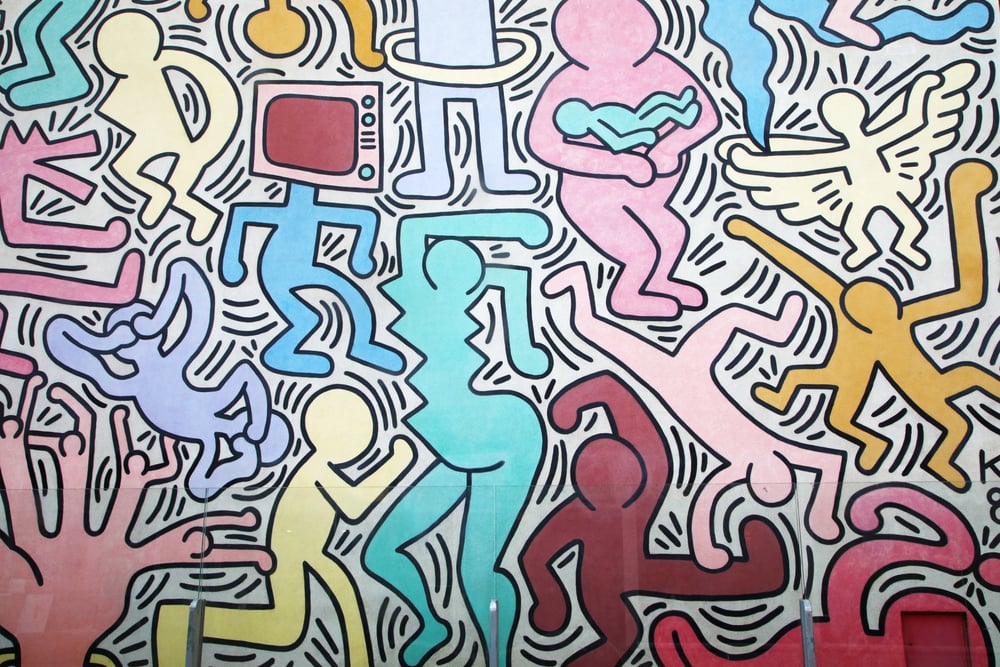
Keith Haring’s most expensive artwork sold for $6.5 million at Sotheby’s in 2017, featuring his signature cartoon-style figures dancing and moving in bright colors. Haring painted celebrities as simple stick figures with radiant energy lines around them, making famous people look like children’s drawings.
His portraits reduce complex personalities to basic shapes and colors that anyone could understand. Haring’s personal art collection also included works by Warhol and Basquiat, showing how these artists influenced each other’s odd portrait styles.
Lucian Freud’s uncomfortable close-ups

Freud painted celebrities with unflattering realism that showed every wrinkle, blemish, and imperfection in painful detail. His portraits make famous people look old, tired, and vulnerable rather than glamorous or attractive.
These uncomfortable paintings sell for millions because they reveal the human side of celebrity that most people never see. Freud’s odd approach strips away the makeup, lighting, and photo editing that usually make celebrities look perfect.
Gerhard Richter’s blurred celebrity photos

Richter takes photographs of famous people and paints them in a way that makes them look blurry and out of focus. His portrait technique makes celebrities appear ghostly and distant, as if they’re fading away or being erased.
These blurred paintings sell for tens of millions of dollars despite being difficult to recognize. Richter’s odd style comments on how modern media makes celebrities seem both everywhere and nowhere at the same time.
Cy Twombly’s scribbled portrait drawings

Twombly created portraits that look like a child’s scribbles, with messy lines and random marks covering the canvas. His drawing style makes it nearly impossible to identify the celebrity subject, turning portraits into abstract art.
One of Twombly’s “Untitled” works sold for $21 million in the same auction where Warhol’s Marilyn broke records. These scribbled portraits challenge the idea that art needs to look like anything recognizable.
Elizabeth Peyton’s tiny celebrity paintings

Peyton paints celebrities on very small canvases, making famous people look delicate and precious like miniature dolls. Her portrait subjects often have pale skin, dark circles under their eyes, and romantic expressions that make them seem fragile.
These tiny paintings sell for hundreds of thousands of dollars despite being smaller than most family photos. Peyton’s odd scale choice makes celebrities appear vulnerable and approachable rather than larger than life.
Richard Prince’s Instagram portrait prints

Prince takes screenshots of celebrities’ Instagram photos and prints them on canvas, calling them original artwork. His “portrait” technique involves no painting or drawing, just copying and printing social media images.
These printed Instagram photos sell for millions of dollars, causing legal battles about what counts as original art. Prince’s odd method comments on how celebrity images are consumed and shared in the digital age.
Kerry James Marshall’s comic book celebrity portraits
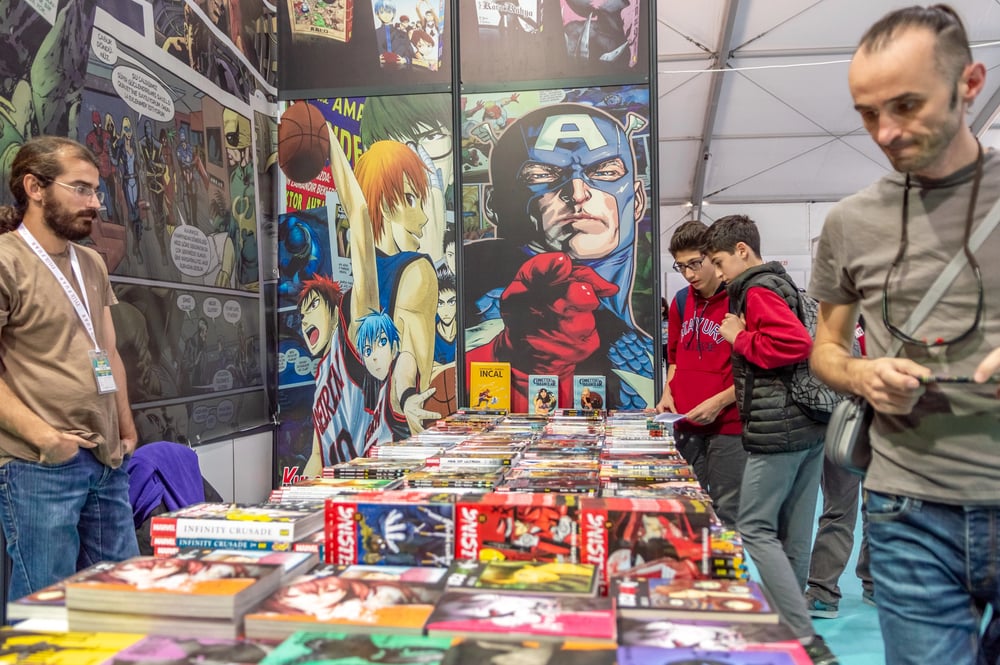
Marshall paints celebrities as if they’re comic book characters, with bold outlines, flat colors, and speech bubbles. His portrait style makes famous people look like they belong in superhero comics rather than real life.
These cartoon-style paintings sell for millions because they comment on how celebrities become fictional characters in popular culture. Marshall’s odd approach turns portrait painting into storytelling, with each celebrity becoming a character in a larger narrative.
Jenny Saville’s distorted flesh portraits

Saville paints celebrities with exaggerated body proportions that make them look twisted and uncomfortable. Her portrait technique focuses on flesh, fat, and skin in ways that make viewers feel queasy or disturbed.
These disturbing paintings sell for millions despite being difficult to look at for extended periods. Saville’s odd style challenges beauty standards by showing bodies that are imperfect and strange.
Alex Katz’s flat celebrity cutouts
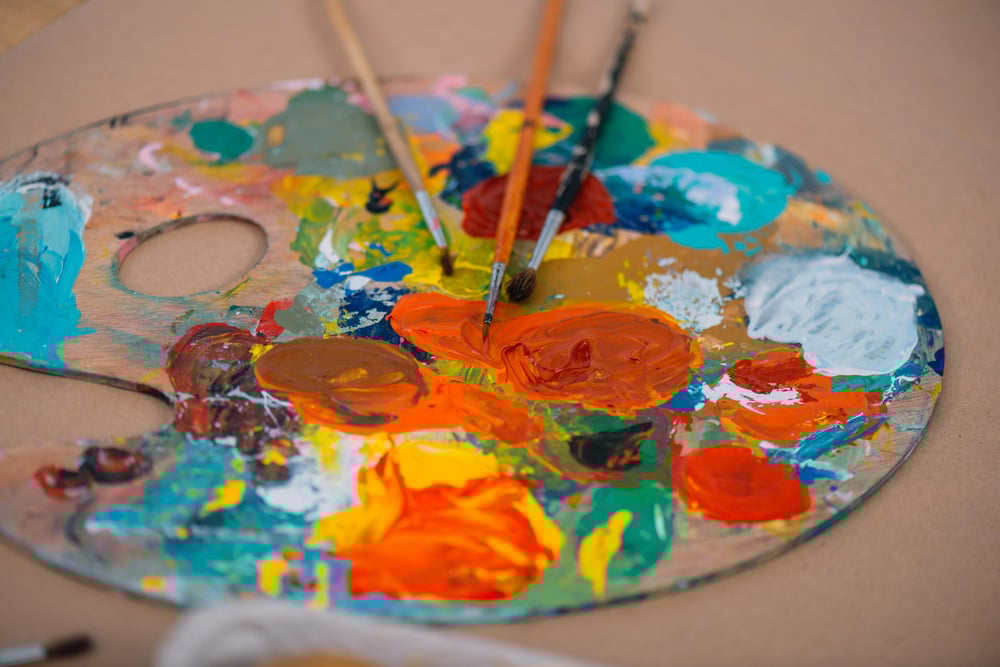
Katz paints celebrities as if they’re paper cutouts, with no shadows, depth, or realistic proportions. His portrait style makes famous people look like they’re printed on cardboard and placed against solid color backgrounds.
These flat paintings sell for millions because they reduce celebrities to their most basic visual elements. Katz’s odd technique comments on how the media flattens complex personalities into simple images.
Chuck Close’s giant pixelated celebrity faces

Close creates enormous portraits of celebrities by painting thousands of tiny squares that form faces when viewed from a distance. His technique makes famous people look like they’re displayed on old computer monitors or television screens.
These massive pixelated paintings sell for millions because they show how digital technology changes the way people see images. Close’s odd method turns portraiture into a technical challenge that requires incredible patience and precision.
Takashi Murakami’s anime celebrity flowers

Murakami paints celebrities as colorful flowers with cartoon eyes and smiling faces, making them look like characters from Japanese animation. His portrait style turns serious people into cute, friendly creatures that appeal to both children and art collectors.
These flower portraits sell for millions because they combine high art with popular culture in unexpected ways. Murakami’s odd approach makes celebrities approachable while commenting on how fame transforms people into brands.
George Condo’s distorted celebrity faces

Condo paints celebrities with multiple eyes, twisted mouths, and impossible facial proportions that make them look like Picasso paintings gone wrong. His portrait technique combines realistic details with abstract distortions that create unsettling images.
Works by Condo regularly sell for tens of thousands of dollars alongside pieces by Warhol and Basquiat. These distorted portraits challenge viewers to recognize celebrities despite their twisted appearances.
KAWS’s cartoon celebrity skulls
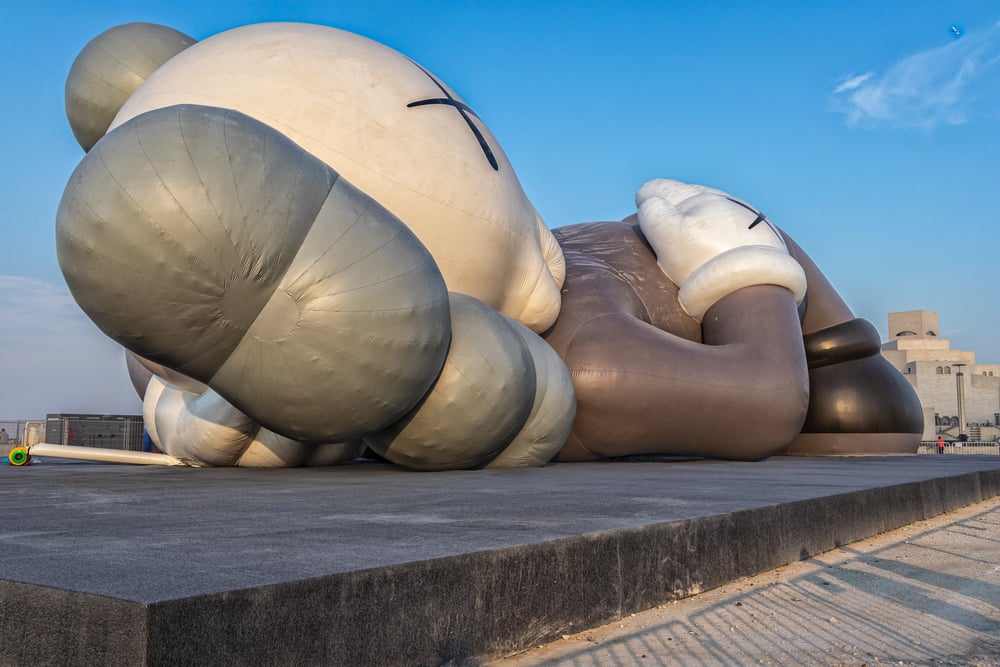
KAWS creates portraits of celebrities as cartoon skulls with X’s for eyes and simple expressions that make death look cute and friendly. His style turns famous people into toys or collectibles that appeal to both children and serious art collectors.
These skull portraits sell for millions because they combine celebrity culture with themes of mortality and consumerism. KAWS’s odd approach makes serious subjects feel playful while still delivering powerful messages about fame and death.
From weird walls to wealthy wallets today
These odd celebrity portraits prove that strange art often becomes the most valuable, especially when it captures something true about fame and modern culture that pretty pictures can’t express. Collectors pay millions for weird portraits because they offer new ways of seeing familiar faces, turning celebrities into symbols, cartoons, or abstract concepts rather than just people.
The strangest portraits often reveal the most honest truths about celebrity worship, media consumption, and the artificial nature of fame itself. Today’s art world continues to reward artists who find new and unusual ways to paint famous faces, proving that oddness and value often go hand in hand.
More from Go2Tutors!

- The Romanov Crown Jewels and Their Tragic Fate
- 13 Historical Mysteries That Science Still Can’t Solve
- Famous Hoaxes That Fooled the World for Years
- 15 Child Stars with Tragic Adult Lives
- 16 Famous Jewelry Pieces in History
Like Go2Tutors’s content? Follow us on MSN.



