17 Parasites That Were Found Living in Humans
The human body can be an unwitting host to some truly remarkable organisms. Throughout medical history, doctors have discovered parasites living inside people that range from the microscopic to the surprisingly large. These uninvited guests can set up shop in various parts of our bodies, from the digestive system to the bloodstream, and sometimes in places you’d never expect.
The world of human parasites is both fascinating and unsettling. Here is a list of 17 parasites that medical professionals have documented living inside human hosts.
Ascaris Lumbricoides
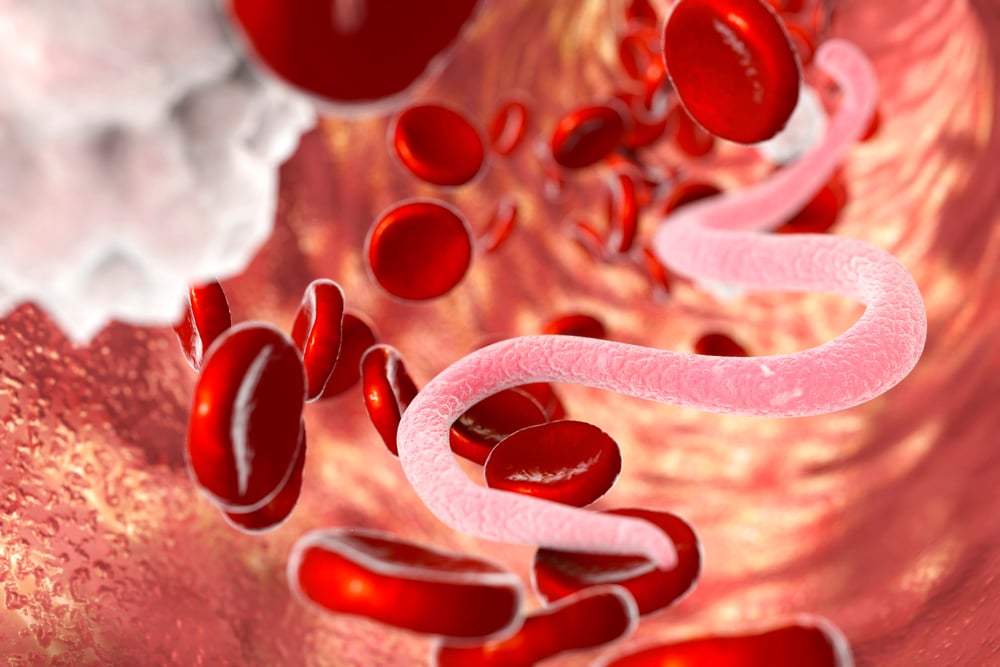
This roundworm holds the dubious honor of being one of the most common parasites worldwide. Adult worms can grow up to 14 inches long and live comfortably in the small intestine.
What makes this parasite particularly sneaky is that many people don’t realize they’re hosting these lengthy guests until the worms become so numerous they cause blockages or emerge during medical procedures.
Taenia Solium
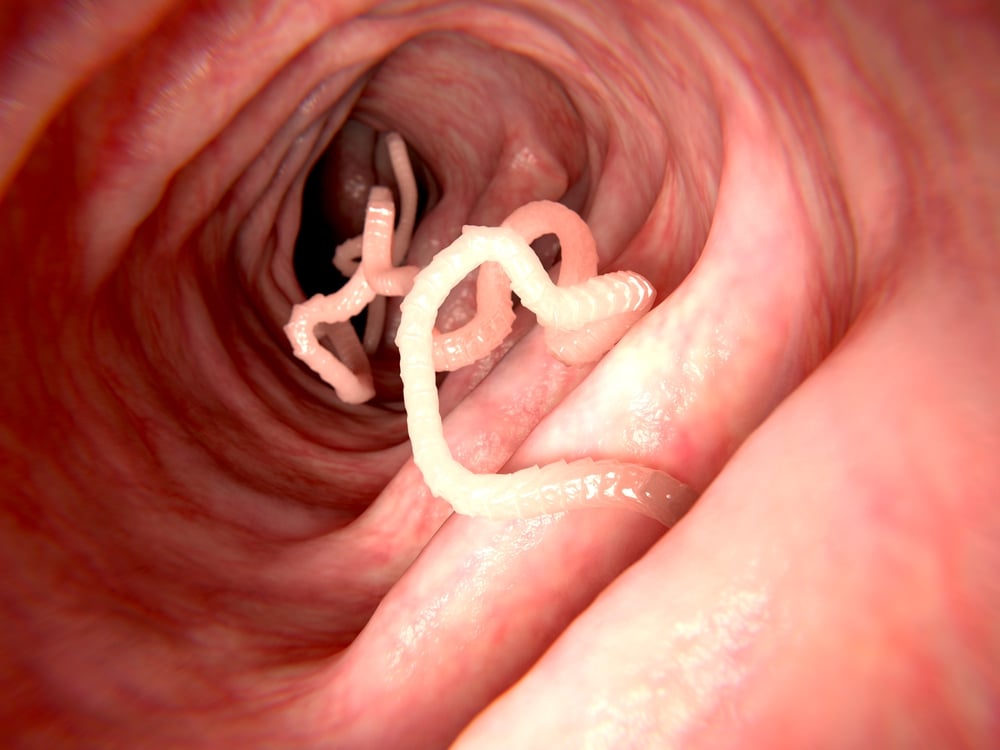
The pork tapeworm can create a medical nightmare when its larvae decide to take a detour from the intestines. Instead of staying put like a well-behaved parasite, these larvae can migrate to the brain, muscles, or eyes.
When they reach the brain, they cause a condition called neurocysticercosis, which can trigger seizures and other neurological problems that puzzle doctors for years.
Like Go2Tutors’s content? Follow us on MSN.
Dracunculus Medinensis
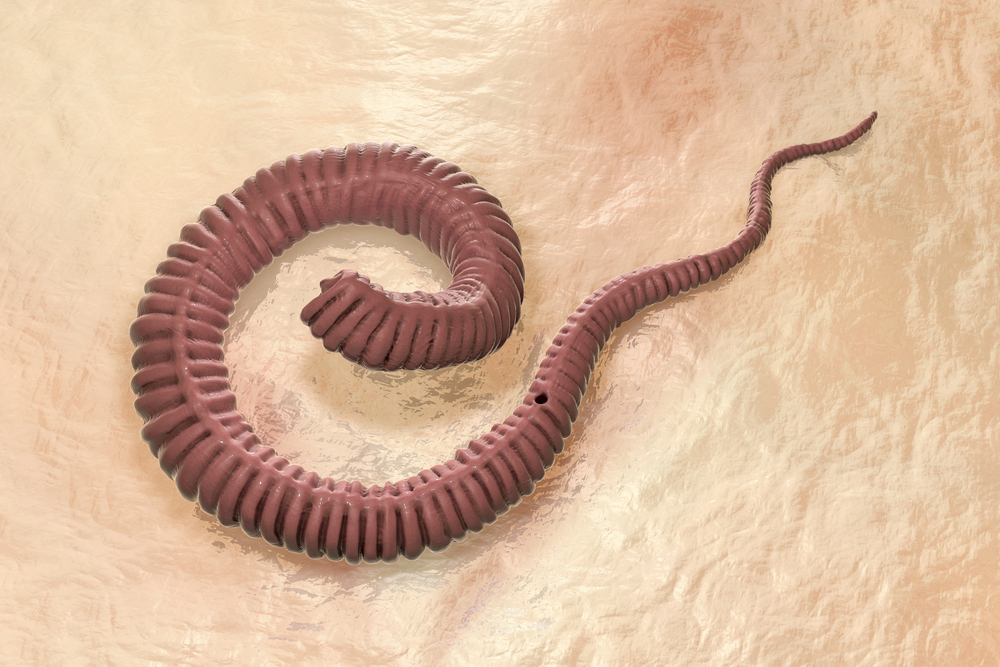
Known as the Guinea worm, this parasite creates one of the most dramatic removal processes in medicine. The female worm can grow up to three feet long inside the human body before slowly emerging through the skin, usually from the legs or feet.
The traditional removal method involves wrapping the emerging worm around a stick and slowly pulling it out over several days, a technique that has been used for thousands of years.
Onchocerca Volvulus

This microscopic worm causes river blindness, earning its name from the black flies that spread it near fast-flowing rivers. The adult worms create nodules under the skin where they can live for up to 15 years.
Their offspring, called microfilariae, migrate through the skin and eyes, causing intense itching and potentially permanent blindness if left untreated.
Plasmodium Falciparum
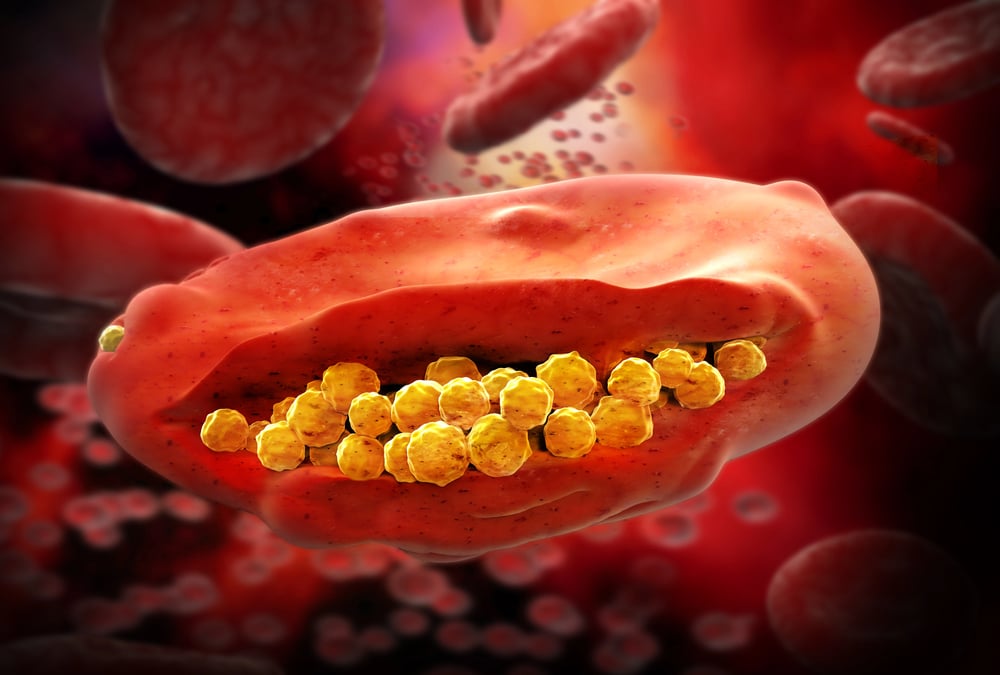
While malaria parasites are well-known, the complexity of their life cycle inside humans is remarkable. These single-celled organisms hijack red blood cells, multiply inside them, and then burst out to infect new cells.
P. falciparum is particularly dangerous because it can rapidly multiply and cause severe complications, making it the deadliest of the malaria parasites.
Like Go2Tutors’s content? Follow us on MSN.
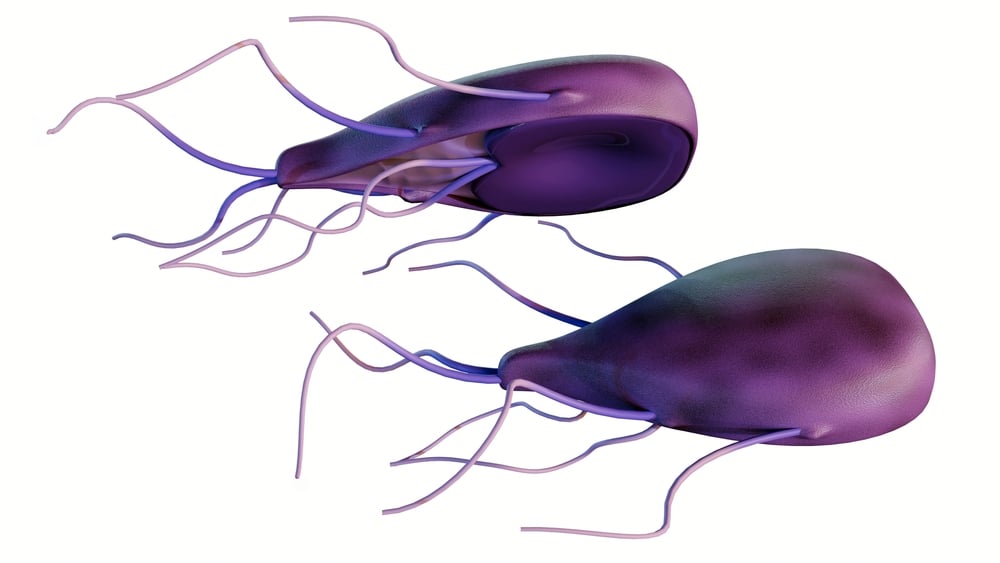
Giardia Lamblia
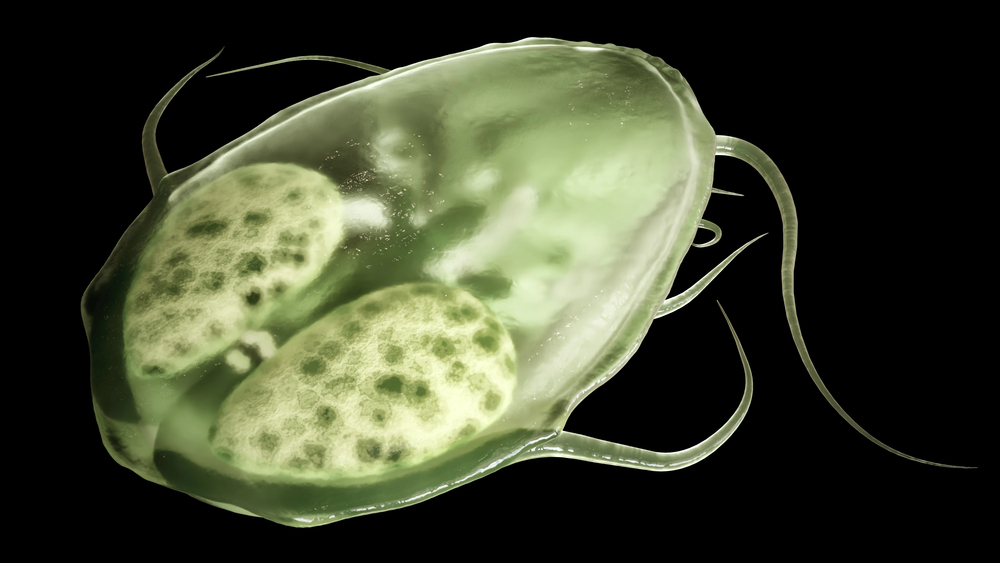
This single-celled parasite attaches itself to the small intestine wall using a structure that looks like a suction cup. Giardia can survive chlorinated water and cause weeks of digestive misery.
What’s particularly frustrating for patients is that symptoms can come and go, making diagnosis tricky since people feel fine between flare-ups.
Trichinella Spiralis
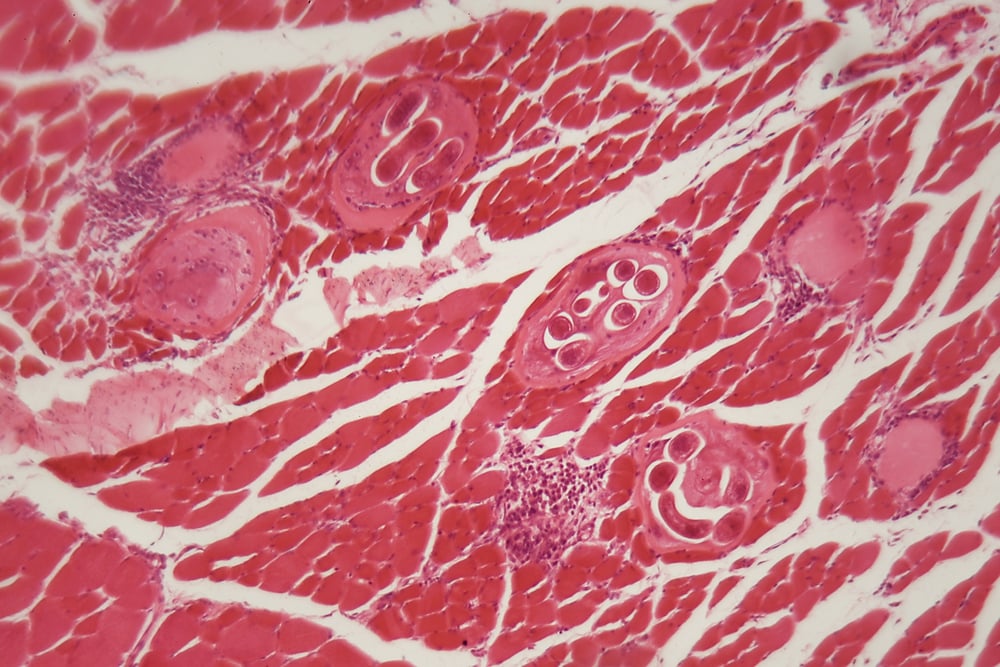
This tiny worm demonstrates how our food choices can literally come back to bite us. After being consumed in undercooked meat, the larvae burrow into muscle tissue and form protective cysts.
They can remain dormant in muscles for years, occasionally causing mysterious muscle pain that stumps healthcare providers until they consider this unusual culprit.
Entamoeba Histolytica
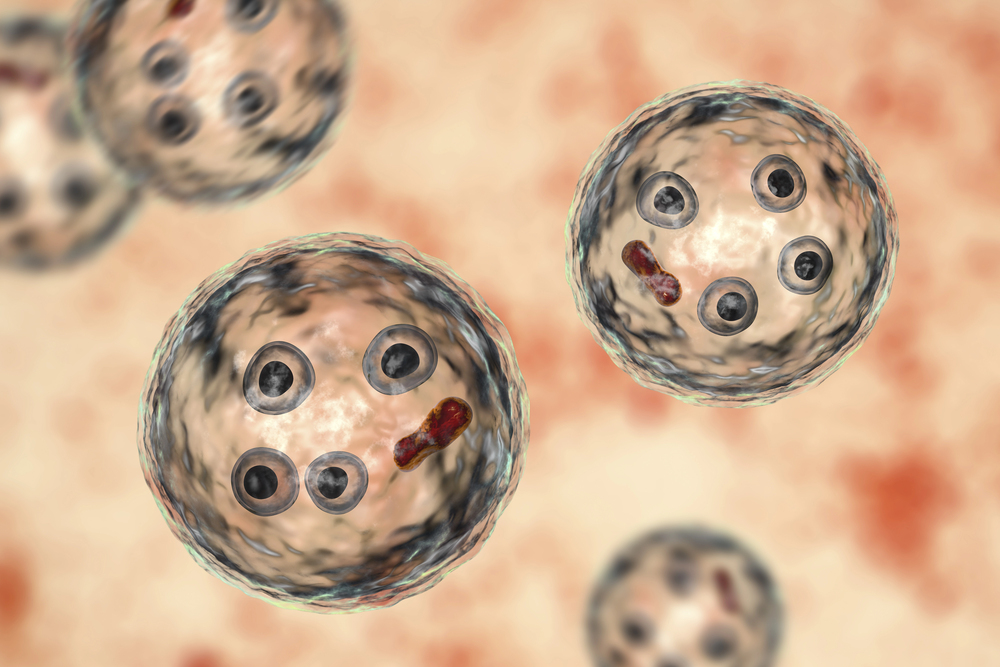
This amoeba proves that size doesn’t matter when it comes to causing havoc. Despite being microscopic, it can create ulcers in the intestinal wall and sometimes migrate to the liver, forming abscesses the size of grapefruits.
The parasite literally eats tissue, living up to its name ‘histolytica,’ which means tissue-destroying.
Like Go2Tutors’s content? Follow us on MSN.
Wuchereria Bancrofti
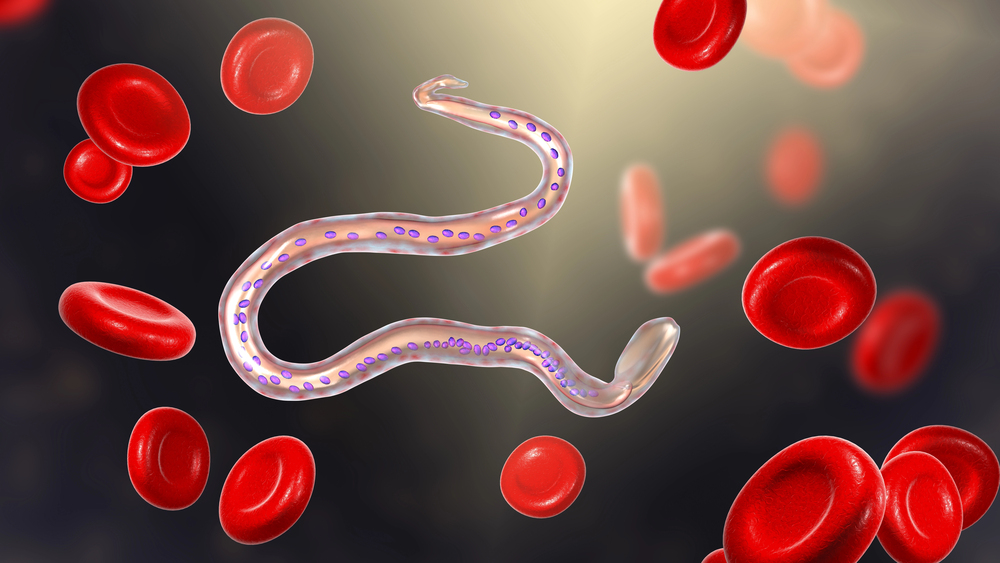
The worm responsible for elephantiasis can turn a person’s limbs into grotesquely swollen appendages. Adult worms live in the lymphatic system, where they can survive for six to eight years.
Their presence blocks lymph drainage, causing fluid to accumulate and creating the characteristic massive swelling that gives the condition its name.
Strongyloides Stercoralis
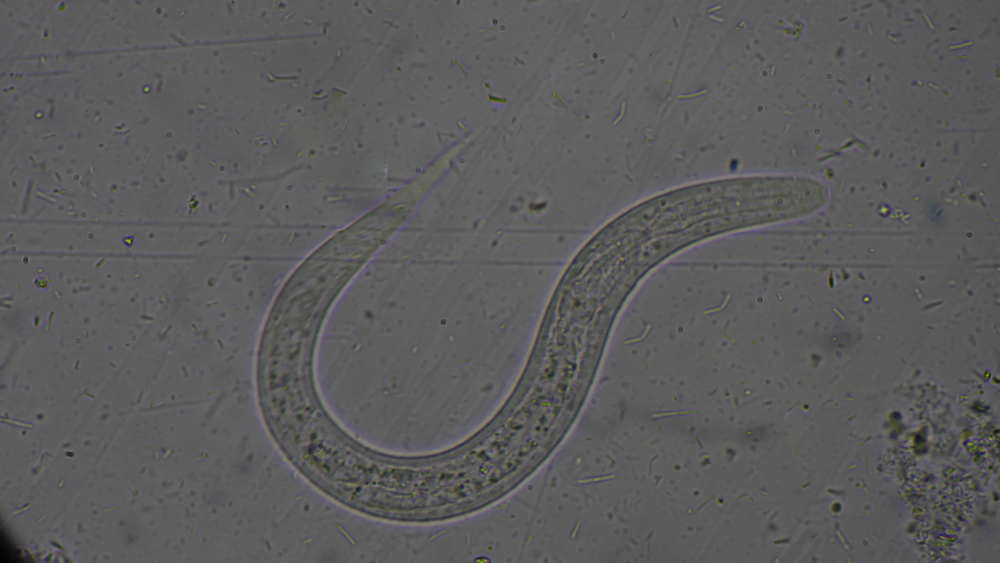
This roundworm has a superpower that makes it particularly dangerous – it can complete its entire life cycle within a single human host. Unlike other parasites that need to leave the body to reproduce, Strongyloides can multiply indefinitely inside one person.
This means an infection can persist for decades, quietly causing damage while remaining undetected.
Fasciola Hepatica
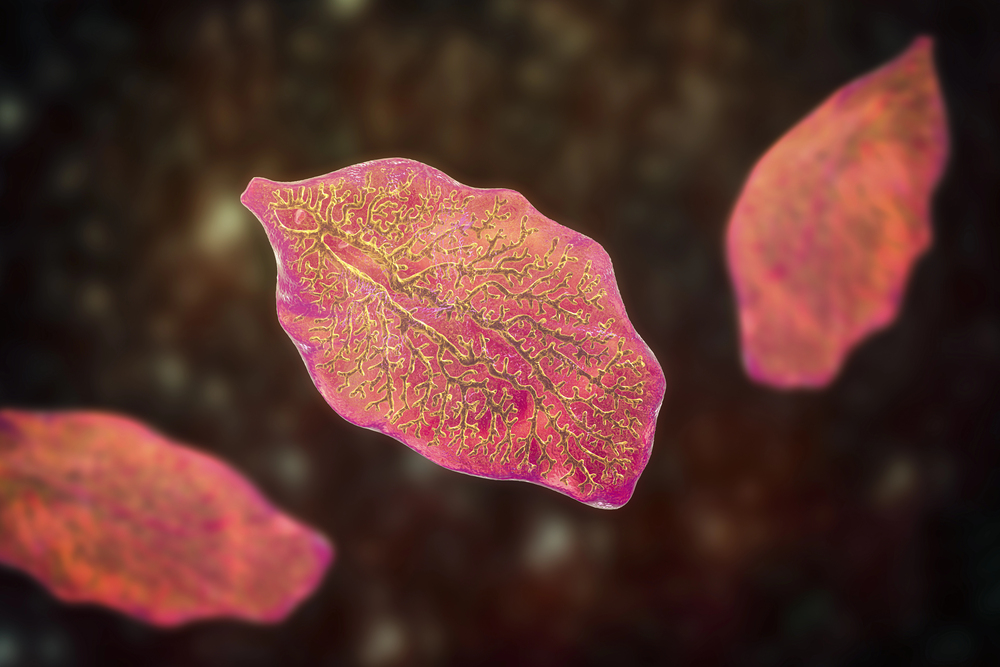
The liver fluke takes a scenic route through the human body that would make any traveler envious. After being swallowed, the larvae punch through the intestinal wall, cross the abdominal cavity, burrow through the liver capsule, and tunnel through liver tissue before settling in the bile ducts.
This journey can take several months and causes considerable tissue damage along the way.
Like Go2Tutors’s content? Follow us on MSN.
Toxoplasma Gondii
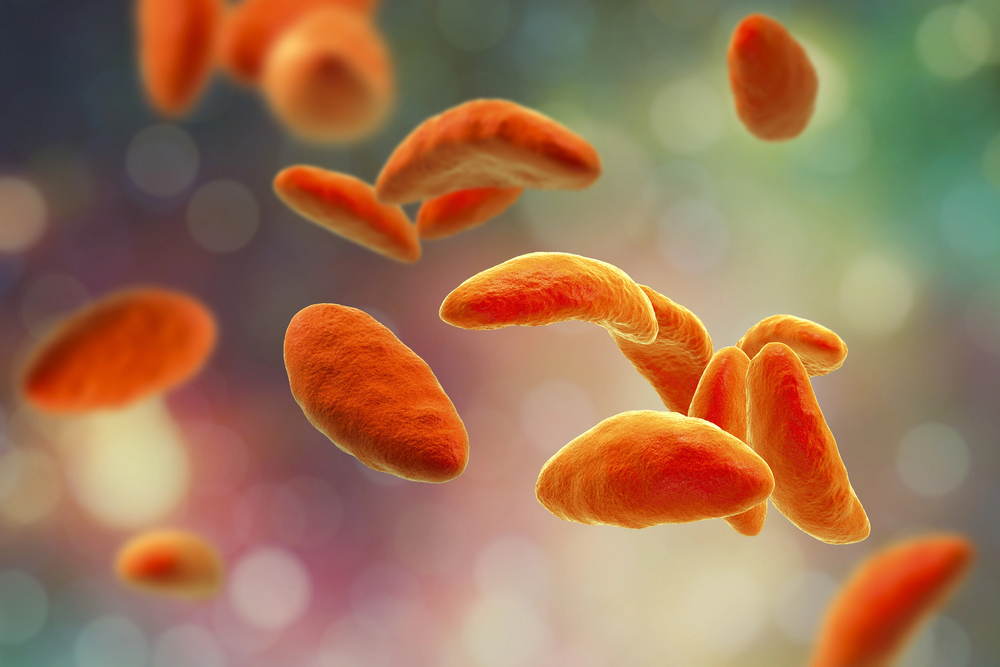
This parasite has mastered the art of mind control, subtly altering human behavior in ways we’re only beginning to understand. While many people carry this parasite without symptoms, research suggests it might influence personality traits, reaction times, and even risk-taking behavior.
It’s like having a tiny puppet master that most people never know exists.
Trypanosoma Brucei
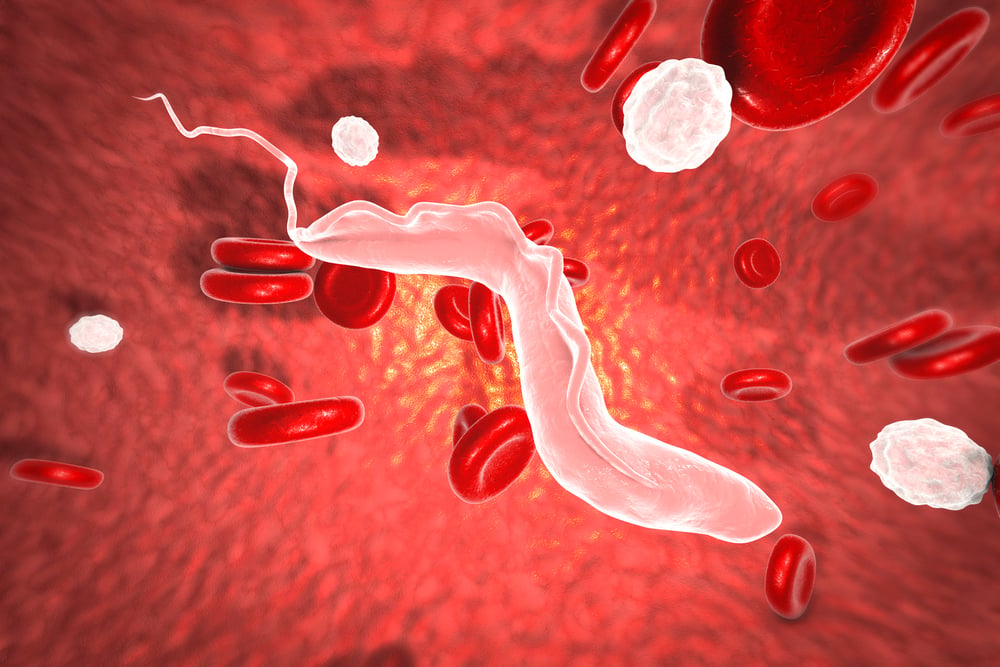
The sleeping sickness parasite demonstrates impressive adaptability by constantly changing its protein coat to evade the immune system. This shape-shifting ability allows it to stay one step ahead of the body’s defenses for months or years.
Eventually, it crosses into the brain, causing the characteristic daytime sleepiness and nighttime insomnia that gives the disease its name.
Leishmania Donovani
This parasite prefers to set up residence inside the body’s own immune cells, turning the defense system against itself. The parasites multiply within macrophages, the very cells designed to destroy foreign invaders.
This clever strategy allows them to spread throughout the liver, spleen, and bone marrow while being chaperoned by the immune system.
Like Go2Tutors’s content? Follow us on MSN.
Schistosoma Mansoni
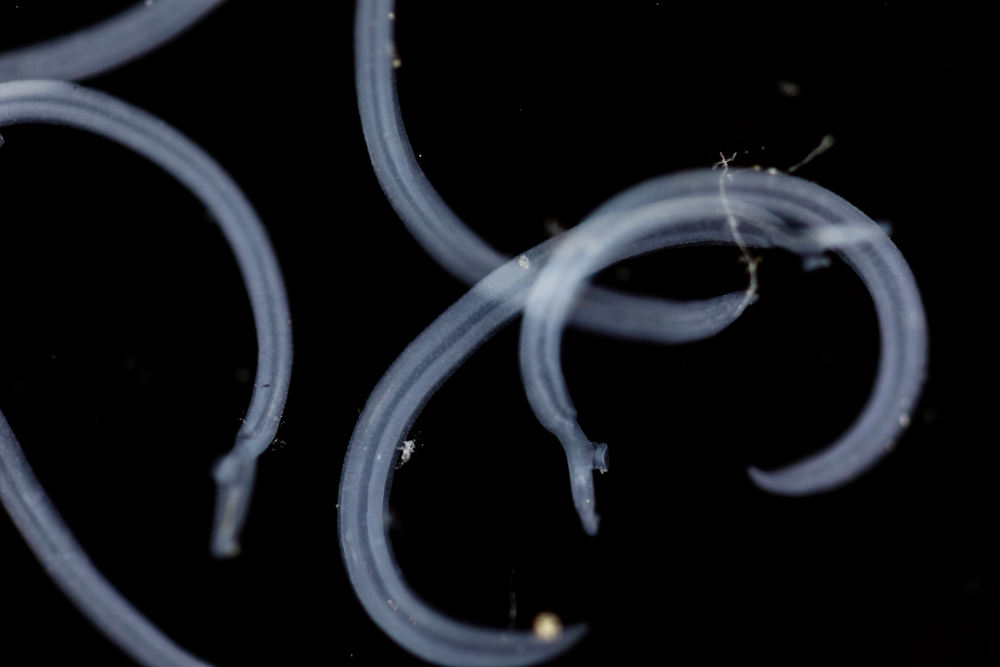
Blood flukes live in an unusual relationship where male and female worms remain permanently coupled, with the thinner female residing in a groove along the male’s body. These romantic parasites can live in human blood vessels for up to 30 years, continuously producing eggs that cause inflammation and scarring in the intestines and liver.
Echinococcus Granulosus
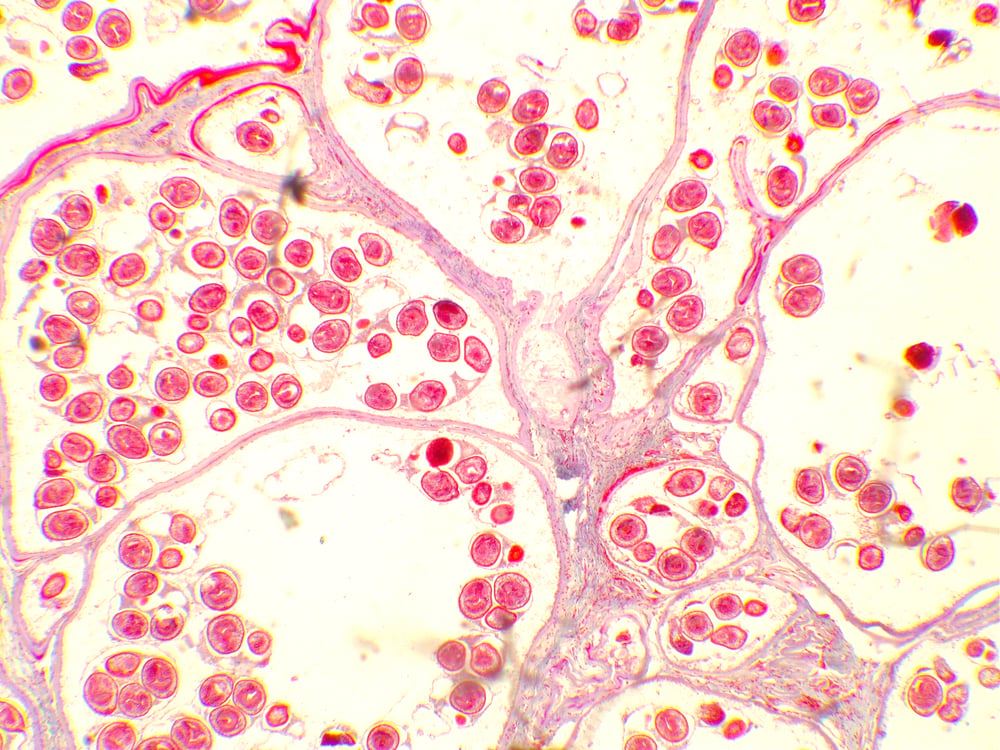
The hydatid cyst created by this tapeworm larva can grow to enormous sizes, sometimes reaching the dimensions of a basketball. These cysts typically develop in the liver or lungs and can remain asymptomatic for years until their size begins to compress surrounding organs.
Surgical removal requires extreme care since rupturing the cyst can spread thousands of larvae throughout the body.
Cryptosporidium Parvum
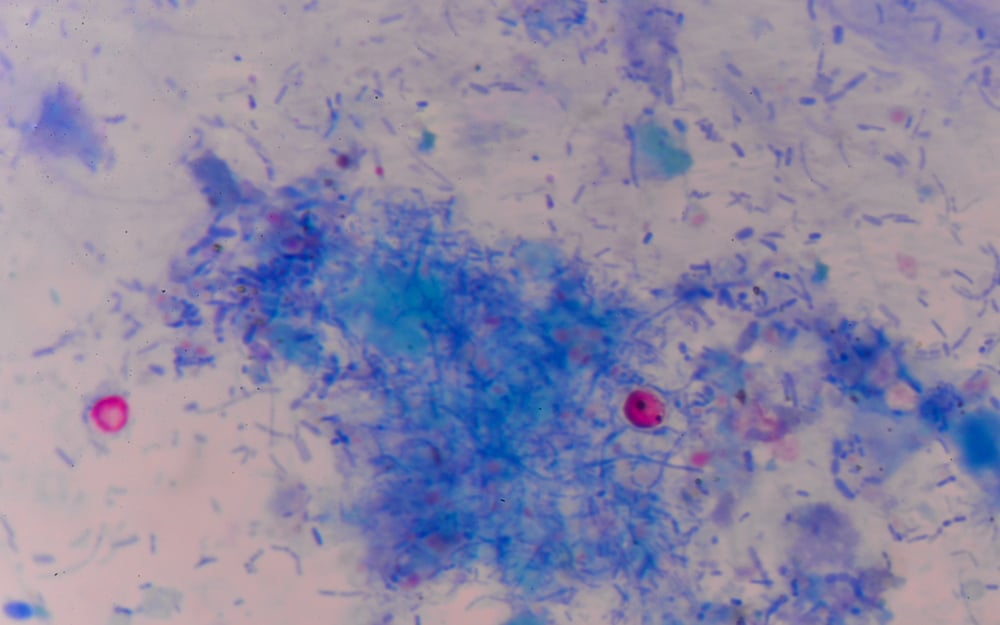
This microscopic parasite earned notoriety for its resistance to standard water treatment methods, including chlorination. The organisms are so small they can slip through many filtration systems, and their protective shell allows them to survive harsh environmental conditions for months.
Once inside the intestines, they attach to the intestinal wall and cause profuse, watery diarrhea that can last for weeks.
Like Go2Tutors’s content? Follow us on MSN.
The Microscopic Tenants Among Us

These 17 parasites represent just a fraction of the organisms that have found ways to make human bodies their home. Each has evolved unique strategies for survival, from the Guinea worm’s dramatic emergence to the malaria parasite’s hide-and-seek tactics in the liver.
While modern medicine has developed treatments for most of these conditions, the ingenuity these organisms display in adapting to life inside humans continues to both challenge medical professionals and fascinate researchers.
Understanding these unwelcome guests helps us appreciate both the complexity of the human body and the remarkable diversity of life that surrounds us, even when that life decides to take up residence where it’s not invited.
More from Go2Tutors!

- 16 Historical Figures Who Were Nothing Like You Think
- 12 Things Sold in the 80s That Are Now Illegal
- 15 VHS Tapes That Could Be Worth Thousands
- 17 Historical “What Ifs” That Would Have Changed Everything
- 18 TV Shows That Vanished Without a Finale
Like Go2Tutors’s content? Follow us on MSN.