How Major Sporting Events Generate Massive Revenue
Behind the thunder of crowds and the flash of cameras lies a quieter force — money.
Major sporting events aren’t just competitions; they’re vast, carefully managed industries that can transform cities and economies.
Here’s a list of the biggest ways these global spectacles turn passion into profit — sometimes in ways the audience never sees.
Broadcasting Rights
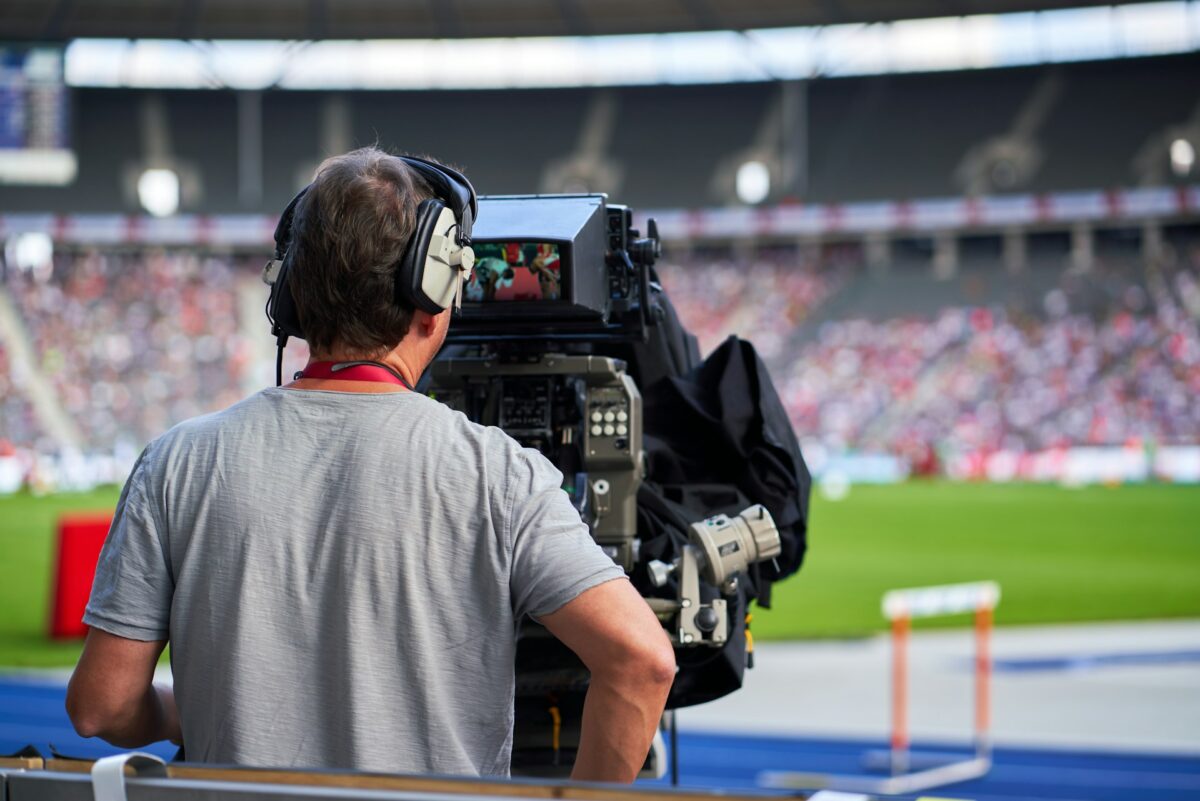
Television reshaped sport forever — turning it from a local pastime into a global phenomenon.
Broadcasters spend billions for the privilege of showing the Olympics, the FIFA World Cup, or the Super Bowl, knowing those rights will draw in audiences from every continent.
Advertisers, in turn, pay extraordinary sums for just seconds of airtime.
Still, the real power lies in reach.
One event can unite millions of households at once, making sport not only entertainment but a global language.
Sponsorship Deals
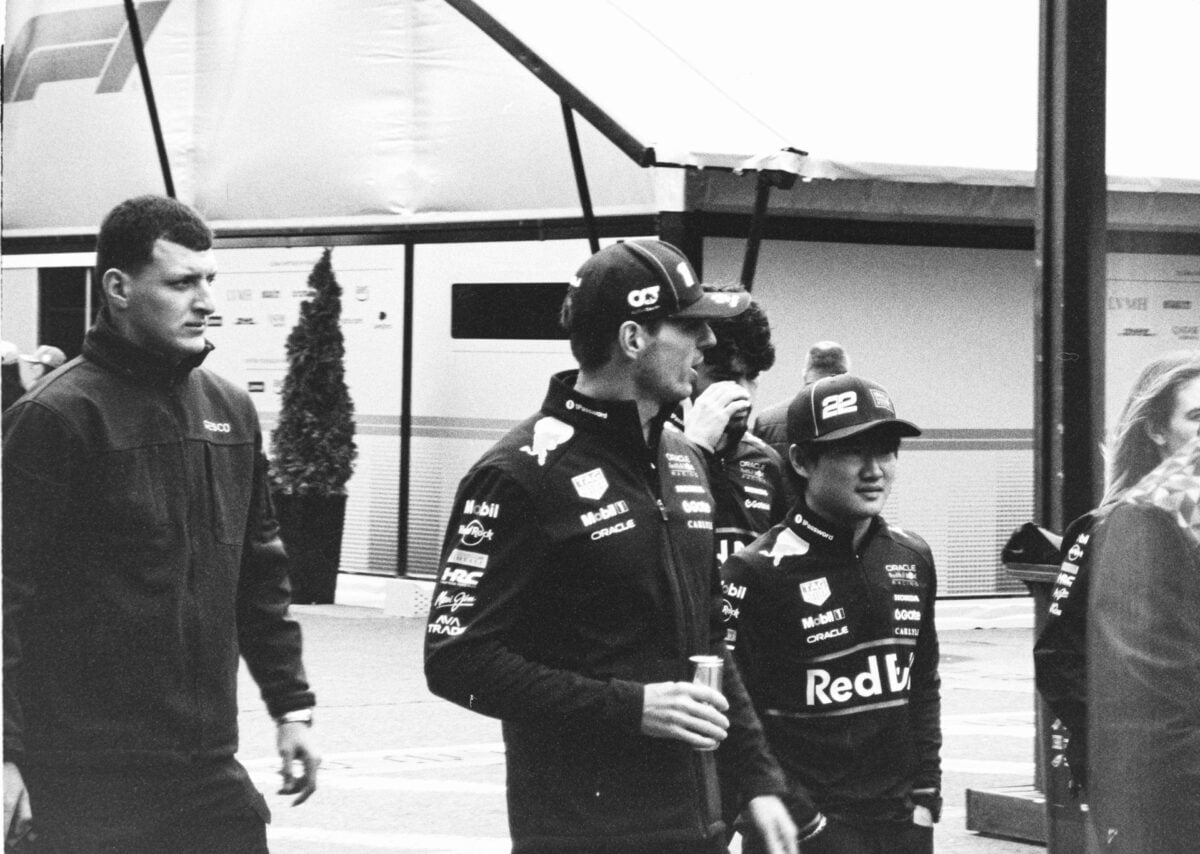
Companies crave visibility — and major events deliver it in spectacular style.
Giants like Coca-Cola, Adidas, and Visa attach their brands to the world’s most-watched moments, embedding themselves in the memory of fans.
The stadiums, jerseys, even the drinks — all part of the marketing ecosystem.
And though the deals are expensive, the payoff is enormous.
A logo beside a champion’s face can echo for decades.
Ticket Sales
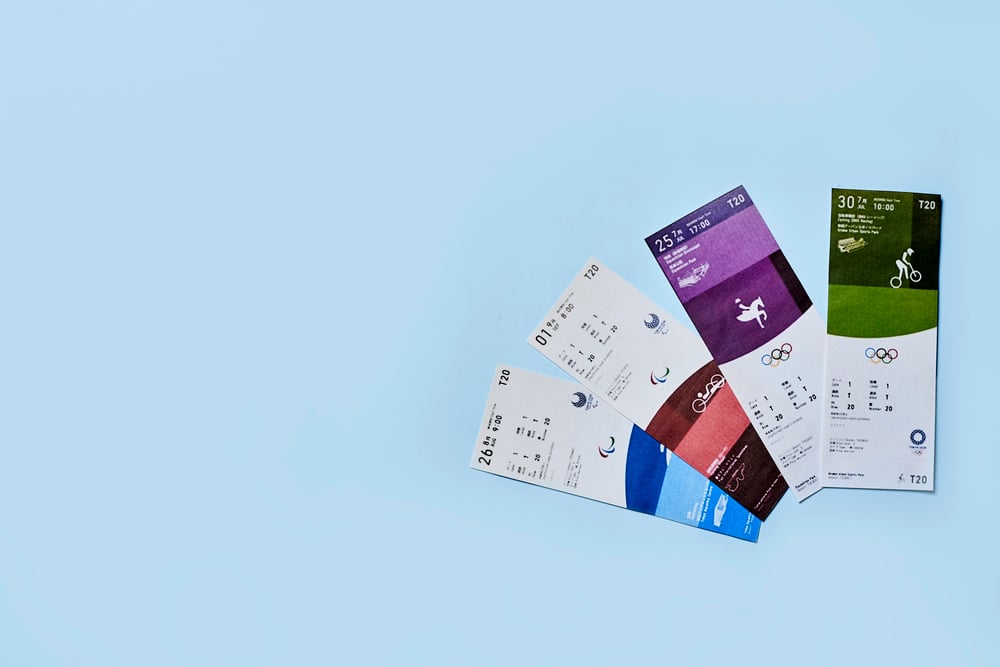
There’s something about being there — about hearing the crowd rise and fall, feeling the tension in the air.
Millions of fans will pay whatever it takes for that experience, with top tickets often selling out in minutes.
Resale markets thrive, too, pushing prices even higher.
It’s simple, really: a few hours of sport, a lifetime of memory.
Merchandise

Sport isn’t just watched — it’s worn.
Scarves, shirts, and caps turn loyalty into visible identity, creating an industry worth billions.
Fans queue for hours just to buy official gear, even if they already own plenty.
And when victory strikes, sales explode overnight. Even losing teams do well — nostalgia has a market of its own.
Tourism Boosts

When a city hosts a global event, it becomes a temporary capital of the world.
Hotels fill, restaurants overflow, and transport runs around the clock.
Visitors spend freely — on souvenirs, on experiences, on everything.
Yet locals sometimes sigh about traffic and noise.
Still, the influx often brings life — and cash — to places long overdue for it.
Advertising Revenue
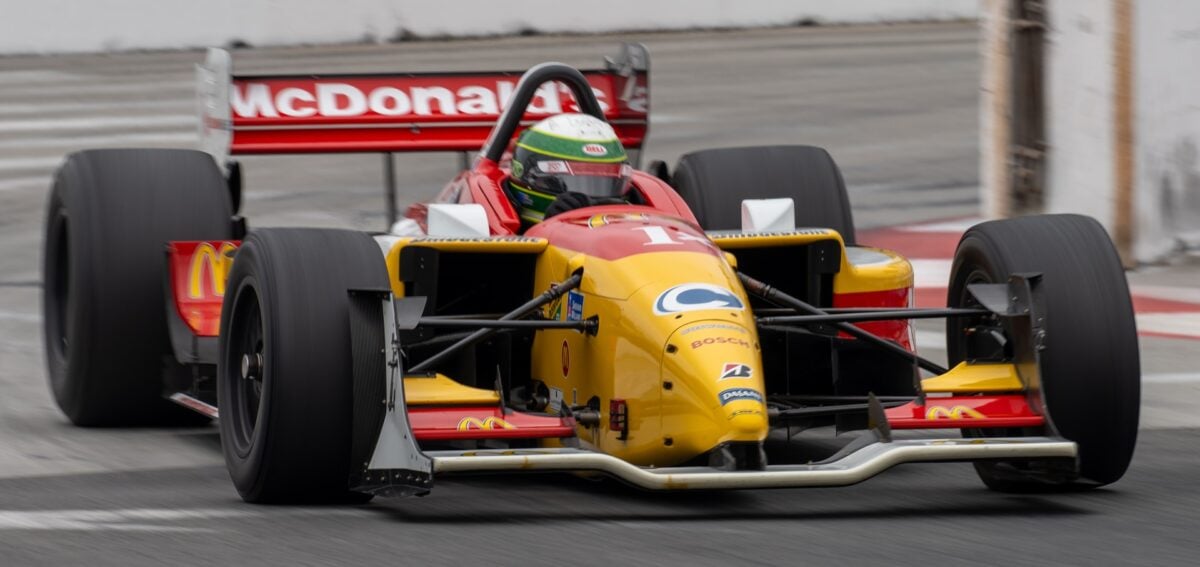
For advertisers, sport is prime real estate.
A few seconds during a major final can cost millions — and brands fight for the chance.
The best commercials become cultural touchstones, remembered just as fondly as the winning goal.
Even so, not every ad lands perfectly.
Some flop, but that’s part of the spectacle — risk and reward, all the way down.
Infrastructure Investment

Hosting rights don’t come cheap.
Cities pour billions into building stadiums, renovating airports, and modernising transport systems.
The immediate costs are huge — the long-term gains, debatable.
Some of these structures stand tall for decades; others fade into neglect.
Yet for a short while, they shine as monuments to ambition.
Hospitality and VIP Packages

Luxury plays a quiet but crucial role.
Private boxes, gourmet meals, panoramic seats — the ultimate viewing experience for those who can afford it.
It’s less about sport and more about status, networking, and exclusivity.
Still, it works.
Those premium tickets fund a significant share of overall revenue.
Betting and Fantasy Leagues

Sport has always been tied to risk — and nowhere is that clearer than in betting and fantasy leagues.
Billions flow through these platforms during global tournaments, each wager or pick adding to the financial ecosystem.
It’s competition beyond the field, where passion meets probability.
And sometimes, luck wins.
Digital Content and Streaming
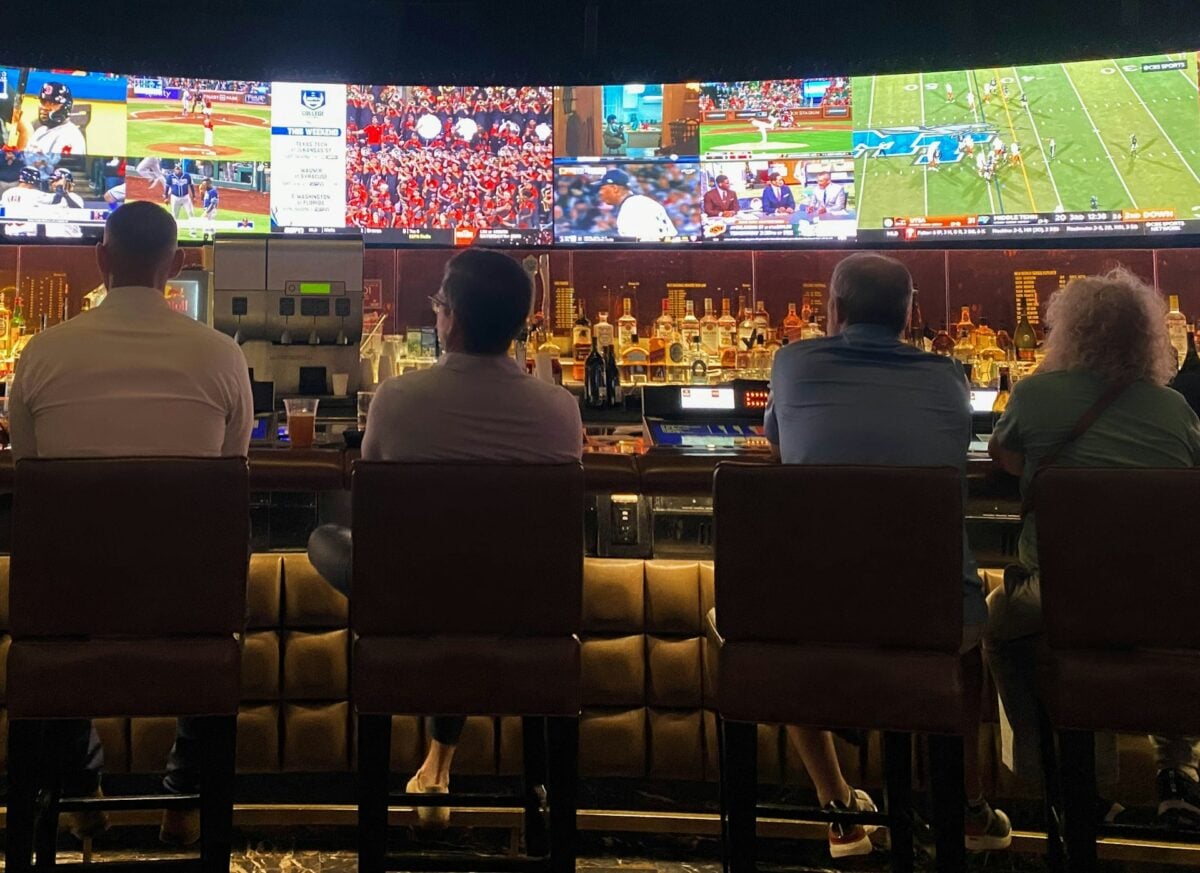
Streaming changed everything.
Fans no longer gather around one screen; they follow games on phones, tablets, even watches.
Each click, view, and replay counts — bringing in millions in subscriptions and advertising.
Despite this, the old rituals remain.
The pre-match buzz, the anthem, the shared breath before kickoff — all now streamed to the world in real time.
The Business of Spectacle
Sport has always been emotional, but emotion now has a price tag.
Behind every celebration is an economic engine — one that turns excitement into industry and competition into commerce.
In the end, sport sells connection, and connection sells everything else.
More from Go2Tutors!

- The Romanov Crown Jewels and Their Tragic Fate
- 17 Halloween Costumes Once Considered Taboo
- Famous Hoaxes That Fooled the World for Years
- 15 Child Stars with Tragic Adult Lives
- 16 Famous Jewelry Pieces in History
Like Go2Tutors’s content? Follow us on MSN.