16 Objects Banned in Modern Prisons
Modern prisons operate under strict security protocols that go far beyond what most people imagine. While everyone knows about the obvious contraband like weapons and drugs, the reality is that correctional facilities ban countless everyday items that seem completely harmless on the outside.
These restrictions exist because inmates have proven remarkably creative at turning ordinary objects into tools for escape, violence, or illegal activities. Prison contraband isn’t just about dangerous items—it’s about anything that can disrupt the carefully controlled environment that keeps facilities secure and orderly.
Here is a list of 16 objects that are commonly banned in modern prisons across the United States.
Cell Phones
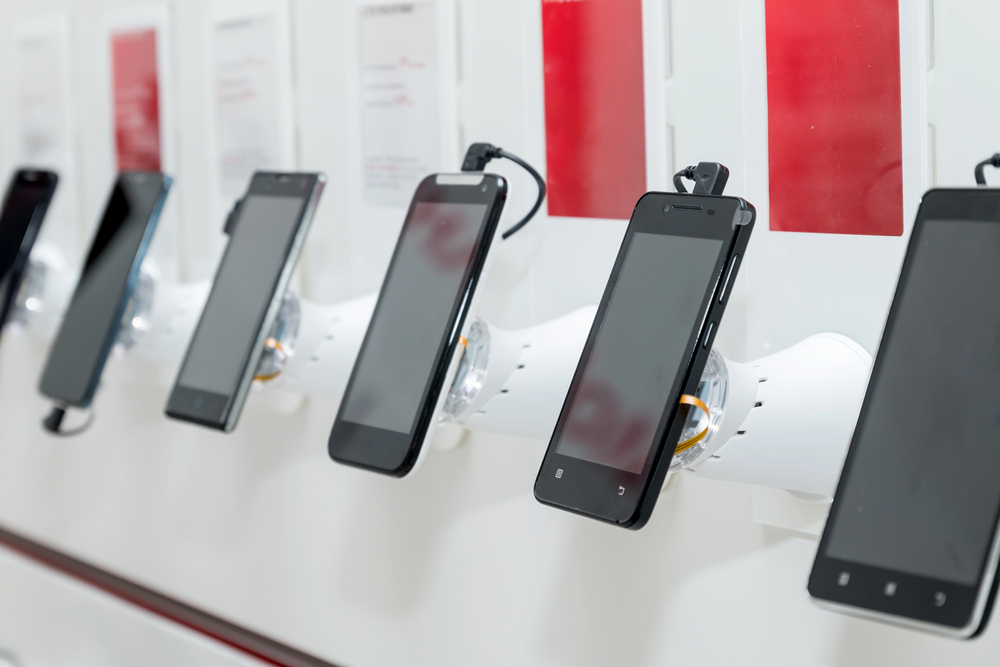
Cell phones represent one of the most serious security threats in modern correctional facilities, allowing inmates to coordinate criminal activities, intimidate witnesses, and maintain contact with criminal networks on the outside. Even basic flip phones can be used to organize drug deals, plan escapes, or continue running criminal enterprises from behind bars.
Prison officials consider smartphones the greatest contraband threat because they provide internet access, encrypted messaging, and GPS capabilities. Many facilities now use cell phone detection technology and signal-blocking equipment to combat this pervasive problem, but smuggling attempts continue through corrupt staff, visitors, and even drones.
Hard Candy
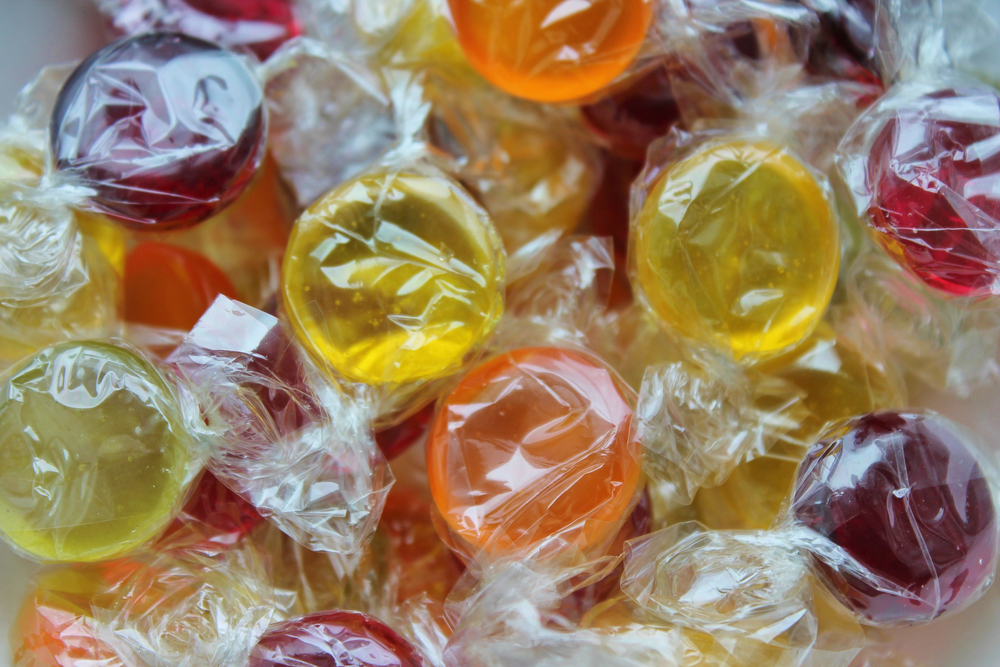
Hard candies like Jolly Ranchers might seem like innocent treats, but they’re banned in many prisons because they can be melted down and molded into disposable weapons or mixed with crushed medication to create drugs. The melted sugar can be shaped into sharp points that function as makeshift knives, though these improvised weapons tend to break easily and aren’t particularly effective.
Beyond weaponization, hard candy serves as an underground currency since inmates typically can’t possess paper money or coins. This makes even legitimate candy purchases a potential source of conflict and black market activity.
Like Go2Tutors’s content? Follow us on MSN.
Maps and Architectural Drawings

Any kind of map, whether it’s a simple road atlas or detailed building schematics, is considered dangerous contraband because of escape planning potential. Prison officials have confiscated everything from fantasy novel maps in ‘Game of Thrones’ books to basic AAA road atlases.
Even something as innocent as an AAA Travel Atlas has made banned book lists because it contains detailed maps that could assist in escape planning. The concern isn’t just about the maps themselves, but about inmates studying facility layouts, identifying weak points in perimeter security, or planning routes for potential escapes.
Certain Books

Thousands of books are banned from prison libraries across the country, with Texas alone prohibiting more than 10,000 titles including puzzling choices like ‘Where’s Waldo?’ while still allowing ‘Mein Kampf’. Books like ‘The 48 Laws of Power’ are explicitly banned in multiple state prison systems because they teach manipulation tactics that inmates could use against other prisoners or staff.
True crime books often make the list because they provide detailed information about criminal techniques, while instructional books about topics like lockpicking or explosives are obvious targets for censorship.
Glass Containers
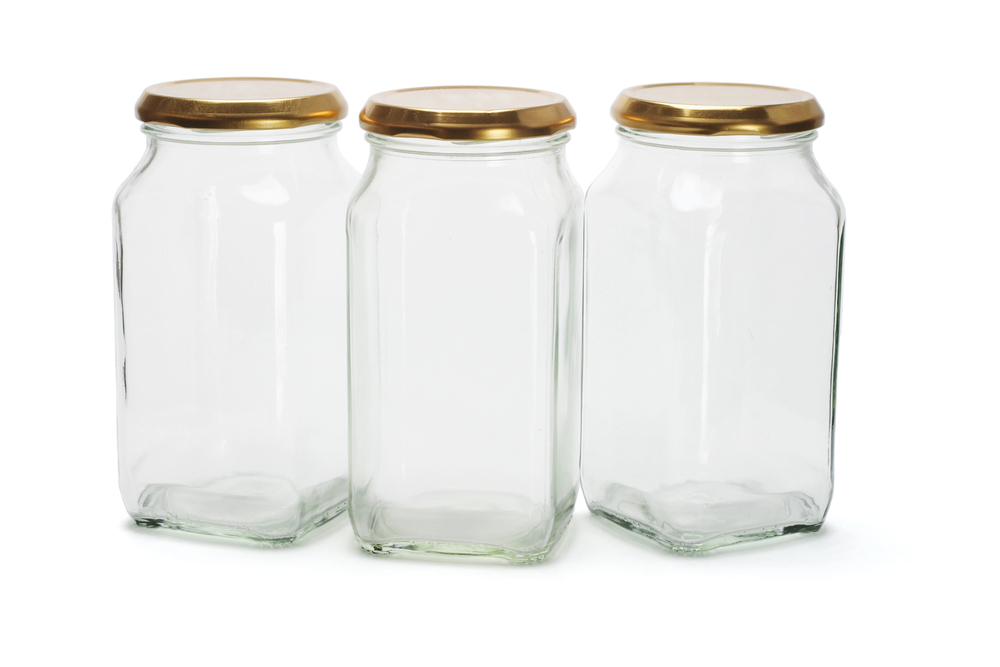
Glass items of any kind are prohibited because they can easily be broken into sharp weapons or used to create cutting tools. Even something as simple as a glass picture frame becomes a security risk when inmates can shatter it to make improvised knives.
Prison officials define dangerous contraband as anything that can cause death or serious injury, and glass containers clearly fall into this category. Plastic alternatives are typically provided for necessary items like drinking containers, but even thick plastic can sometimes be sharpened into weapons with enough time and creativity.
Like Go2Tutors’s content? Follow us on MSN.
Excessive Amounts of Allowed Items

Even items that are normally permitted become contraband when inmates possess them in excessive quantities, as they can be used for bartering or as currency in prison economics. For example, a facility might allow inmates to have one small bottle of hot sauce, but having multiple bottles could indicate participation in underground trading.
Postage stamps are a classic example—while normally allowed, having too many suggests they’re being used as currency rather than for their intended purpose. This rule prevents inmates from hoarding goods that could give them unfair economic advantage or power over other prisoners.
String and Rope Materials
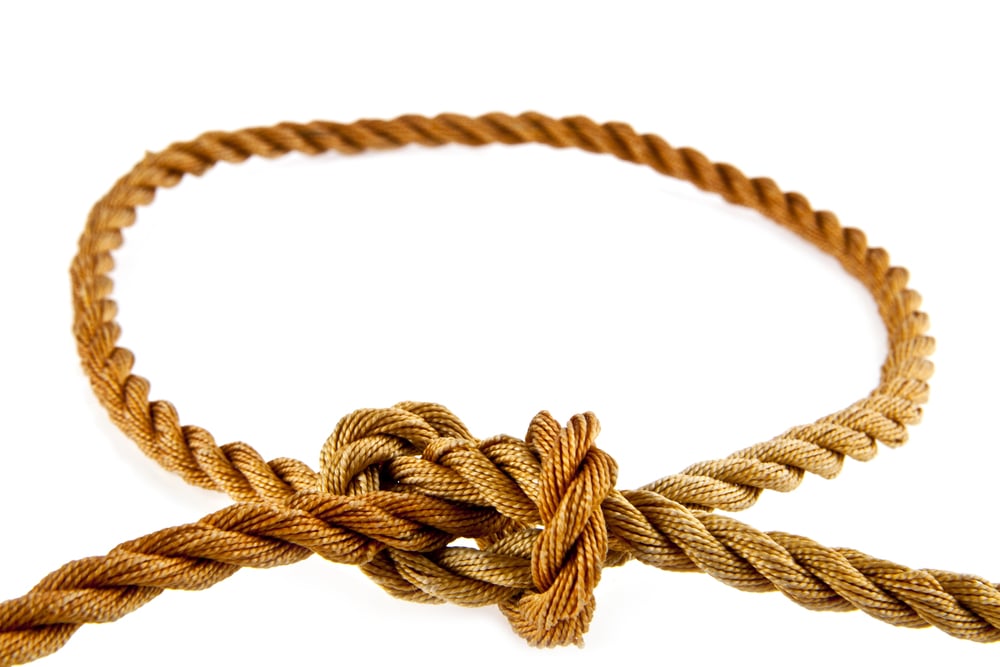
Any material that can be fashioned into rope or used for binding presents multiple security risks, from potential weapons to escape tools. Shoelaces, drawstrings from clothing, and even dental floss can be prohibited depending on the facility’s security level.
These materials can be braided together to create stronger binding tools, used to strangle someone, or employed in escape attempts by creating makeshift ropes. Items that could help a prisoner escape fall under the definition of dangerous contraband and carry serious penalties.
Mirrors
While small plastic mirrors might be allowed in some facilities, traditional glass mirrors are banned because they can be broken to create sharp weapons. Even unbroken mirrors can be problematic as they allow inmates to see around corners and watch guard movements, potentially interfering with security procedures.
Prison mirrors are typically small, postcard-sized items made of unbreakable materials. The reflective properties can also be used for signaling, though this is less of a concern in modern facilities with advanced surveillance systems.
Like Go2Tutors’s content? Follow us on MSN.
Letters with Lipstick Kisses

Some detention centers ban inmates from receiving letters stained with lipstick because the makeup can potentially be laced with LSD or traces of other narcotics. This seemingly romantic gesture has been used in the past to disguise drugs, with substances absorbed into the lipstick or makeup and then transferred when inmates lick or handle the letters.
Prison officials have found that makeup products can contain hidden drugs, making any cosmetic residue on mail a potential security risk. The practice demonstrates how creative smuggling attempts have become and why even innocent-seeming items require scrutiny.
Dungeons & Dragons Materials

Gaming materials like Dungeons & Dragons books and dice were banned from a Wisconsin prison in 2004 after officials determined they promoted fantasy role-playing that could undermine prison discipline and authority. Prison administrators worried that elaborate fantasy scenarios might encourage escape planning or create unhealthy psychological detachment from reality.
An inmate sued the facility claiming his First Amendment rights were violated, but lost the case when an appeals court ruled the policy was reasonable for maintaining prison security. Despite the ban, many inmates continue playing using improvised materials and memory.
Makeup Products

Makeup policies vary dramatically between facilities, with some prisons banning cosmetics entirely while others allow limited selections from commissaries. The bans often stem from concerns about inmates becoming ‘unrecognizable’ and potentially using altered appearances to aid in escape attempts.
Some prison officials argue that makeup could help inmates disguise their appearance, though this reasoning has been criticized as absurd since no woman has ever escaped from a New York State prison. When makeup is banned, black markets quickly develop where a simple foundation stick can cost the equivalent of two packs of expensive cigarettes.
Like Go2Tutors’s content? Follow us on MSN.
Outside Food
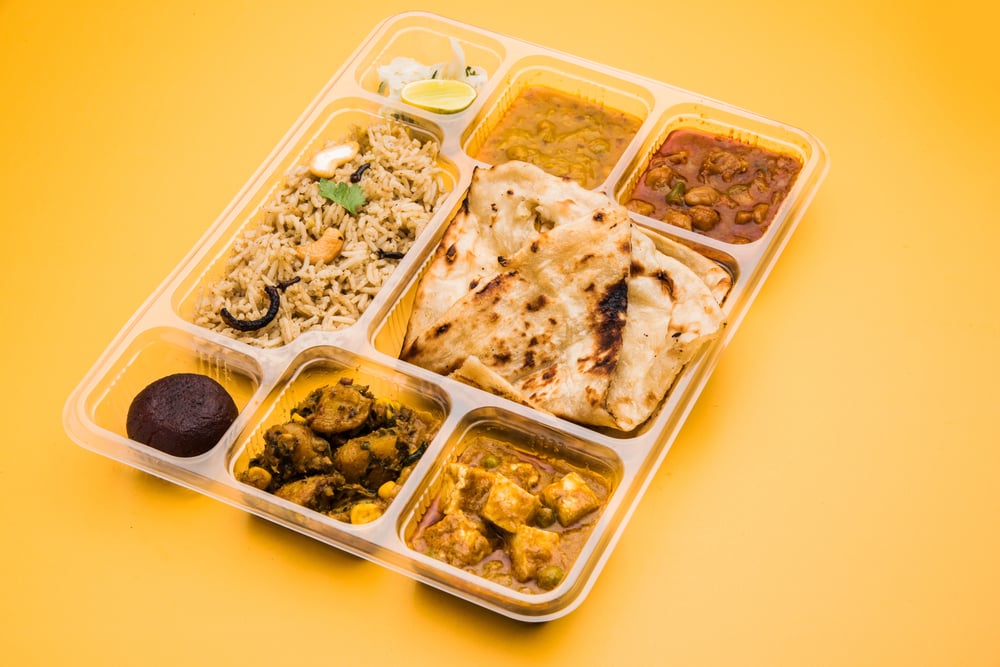
Food from outside the facility is typically banned because it can be used to hide contraband, spoil and cause health problems, or create unfair advantages among inmates. Homemade items are particularly problematic because they can’t be screened for hidden drugs, weapons, or other prohibited materials.
Even seemingly innocent items like coffee, soap, or aspirin can be considered contraband if brought from outside the facility rather than purchased through official channels. The restriction also prevents inmates from receiving special treatment that could disrupt the equality that correctional facilities try to maintain.
Betting Slips and Gambling Materials
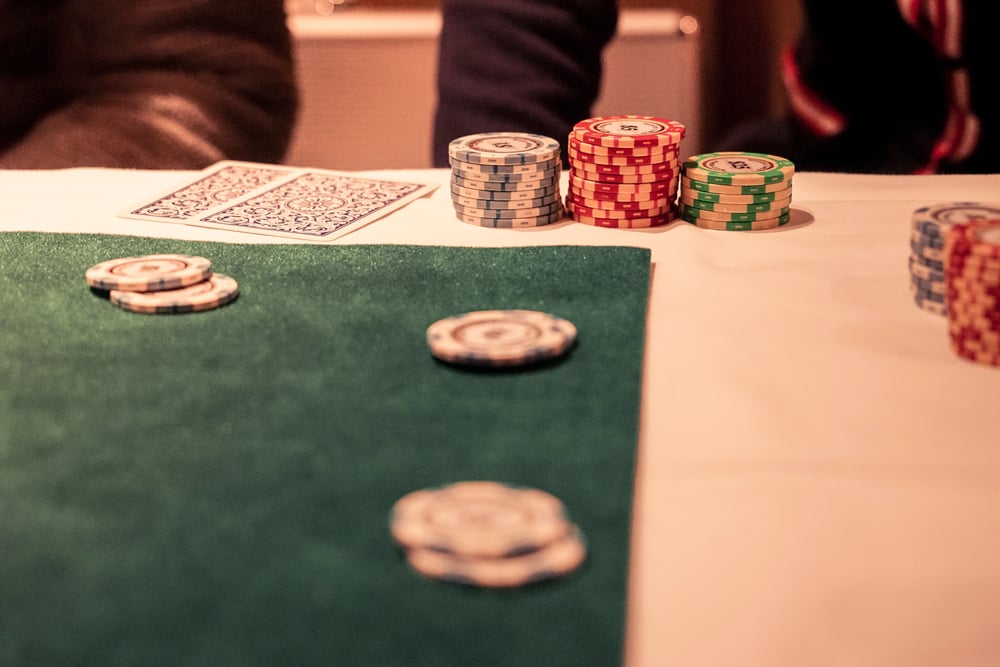
Betting slips are among the most commonly found contraband items in any correctional facility, and while some officials consider them nuisance items, others view them as indicators of elaborate gambling schemes. What starts as simple betting can evolve into complex prison economies with debt, protection services, and violence.
Prison contraband creates power structures where enterprising inmates can build trading empires that provide access to weapons, drugs, and outside connections. Even small gambling operations can quickly spiral into situations where inmates owe debts they can’t pay, leading to violence and institutional instability.
Electronic Devices

Any electronic communication, recording, or storage device including cameras, memory cards, USB drives, and SIM cards are strictly prohibited. These devices can be used to document security weaknesses, coordinate criminal activities, or maintain contact with criminal networks.
Even seemingly innocent electronics like radios or MP3 players can be modified to receive unauthorized communications or hide other contraband. Electronic devices that threaten prison security carry some of the most severe penalties, with potential sentences of up to 20 years for introducing certain types of electronic contraband.
Like Go2Tutors’s content? Follow us on MSN.
Tattoo Equipment
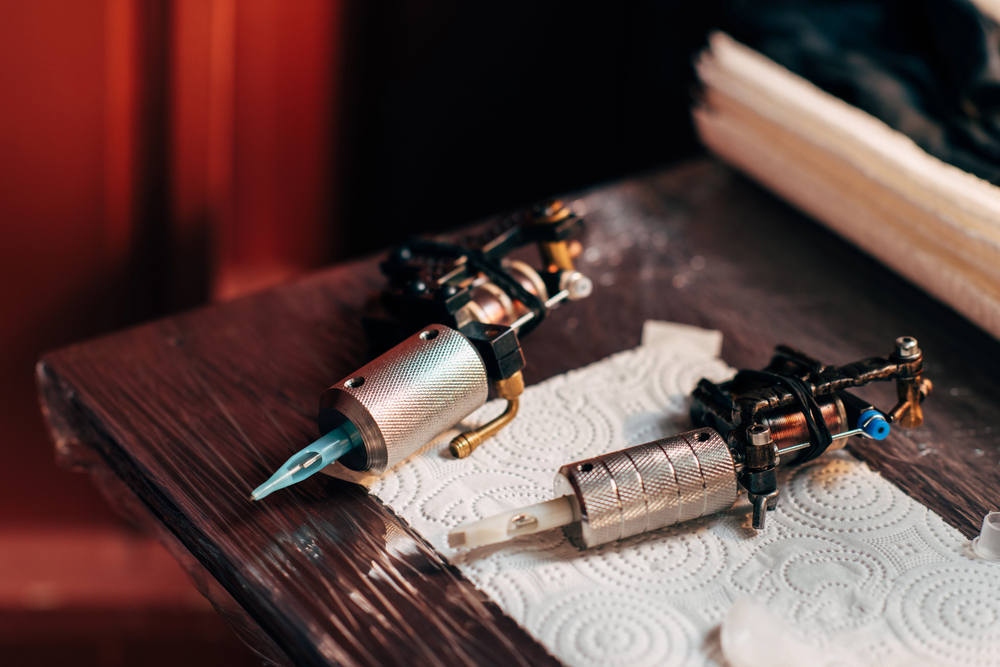
Tattooing equipment is universally banned in correctional facilities due to health risks from unsterile conditions and the potential for improvised tattoo guns to be converted into weapons. Makeshift tattoo machines are commonly found during searches, often constructed from small motors, guitar strings, and ink made from various sources.
The practice continues despite bans because tattoos carry significant cultural meaning in prison communities, marking everything from gang affiliation to length of sentence. The improvised equipment poses serious health risks including hepatitis and HIV transmission, making it a public health concern as well as a security issue.
Love Notes Between Inmates

Love notes between inmates or between inmates and staff are consistently found during searches and are considered contraband regardless of their content. These communications can indicate inappropriate relationships that compromise security, create jealousy and violence between inmates, or represent attempts to manipulate staff members.
Even seemingly innocent romantic correspondence can be used to coordinate illegal activities using coded language. Prison officials recognize that emotional manipulation and romantic entanglements can be powerful tools for inmates seeking to gain advantages or compromise institutional security.
The Bigger Picture Behind the Bans
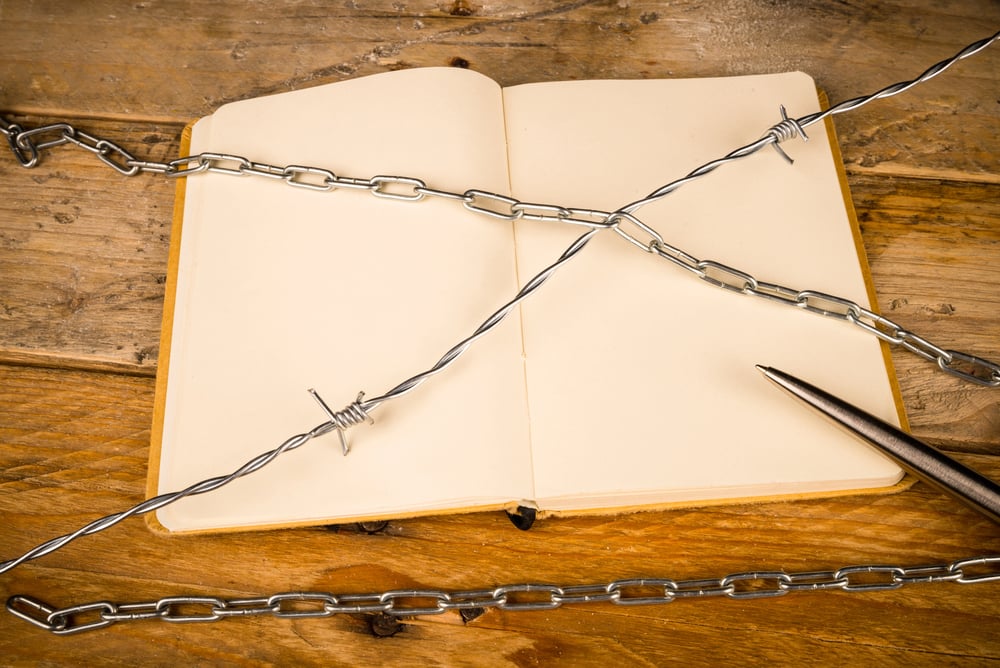
What most corrections professionals understand is that almost anything can be contraband in prison—even excessive amounts of allowable property like postage stamps count as prohibited items. The restrictions reflect the reality that inmates have unlimited time to be creative and will find ways to weaponize, trade, or misuse virtually any object.
The penalties for contraband violations can be severe, with dangerous items carrying potential sentences of up to 20 years, while even minor infractions can add months to an existing sentence. These policies might seem harsh from the outside, but they’re based on decades of experience showing that maintaining security requires constant vigilance against the ingenuity of people who have both motivation and time to find new ways around the rules.
Like Go2Tutors’s content? Follow us on MSN.
More from Go2Tutors!

- 16 Historical Figures Who Were Nothing Like You Think
- 12 Things Sold in the 80s That Are Now Illegal
- 15 VHS Tapes That Could Be Worth Thousands
- 17 Historical “What Ifs” That Would Have Changed Everything
- 18 TV Shows That Vanished Without a Finale
Like Go2Tutors’s content? Follow us on MSN.