15 Biggest TV Events of the 2000s
The 2000s transformed television from a three-network landscape into the wild, boundary-pushing medium we know today. This decade brought us reality TV madness, groundbreaking dramas, and cultural moments that had everyone gathering around their TVs like the old days. From game-changing premieres to heartbreaking finales, the 2000s proved that television wasn’t just background noise anymore—it was appointment viewing that shaped conversations across the country.
Here’s a list of 15 television events that defined the decade and left their mark on pop culture forever.
American Idol Premieres
When American Idol debuted in June 2002, nobody expected it would become the monster hit that ruled television for years. The show turned ordinary people into overnight sensations and made Simon Cowell’s brutal honesty a national obsession.
By its peak seasons, Idol was pulling in over 30 million viewers and turning finale nights into cultural events that rivaled the Super Bowl.
Friends Says Goodbye
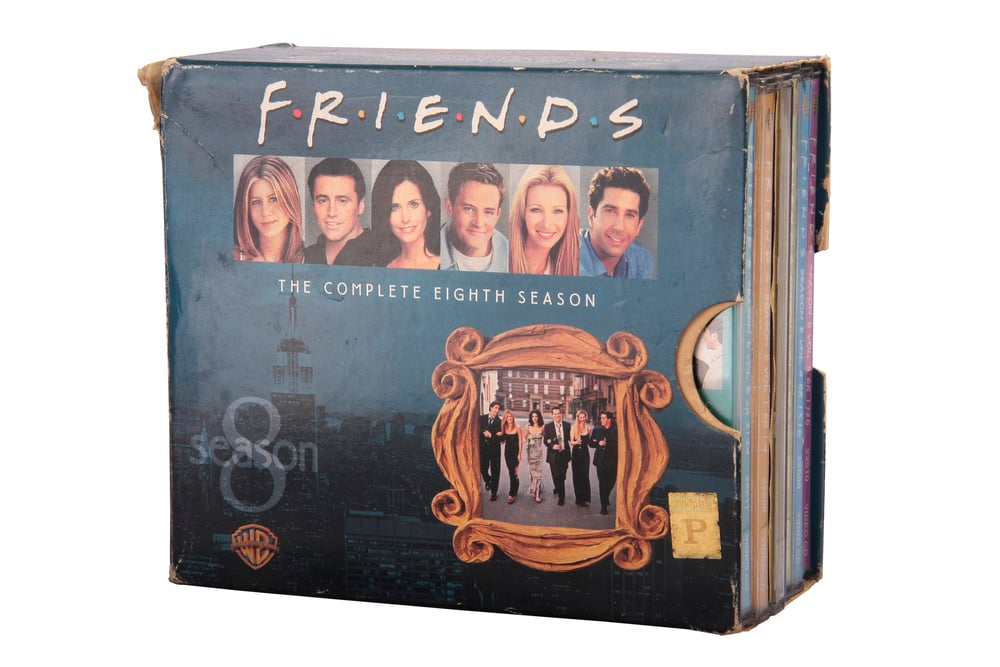
After 10 seasons of coffee shop hangouts and ‘will they, won’t they’ romance, Friends aired its series finale on May 6, 2004, to an audience of 52.5 million viewers. The episode became the most-watched entertainment program since the 1994 Winter Olympics and left fans worldwide saying goodbye to Rachel, Ross, Monica, Chandler, Joey, and Phoebe.
Even today, people still debate whether Ross and Rachel were really ‘on a break.’
Like Go2Tutors’s content? Follow us on MSN.
Survivor Changes Everything

Mark Burnett’s Survivor premiered on May 31, 2000, and single-handedly launched the reality TV revolution that would dominate the decade. The show proved that regular people scheming against each other on a tropical island could be more compelling than scripted drama.
Richard Hatch’s victory in that first season showed America that reality TV contestants could become genuine celebrities and cultural lightning rods.
The Sopranos Debuts
HBO’s The Sopranos premiered in late 1999, but it was during the 2000s that Tony Soprano truly became a television icon and dominated cultural conversations. The show’s peak years brought Emmy wins and critical acclaim that proved cable could produce content that made network TV look tame and outdated.
James Gandolfini’s portrayal of a mob boss dealing with family drama and panic attacks changed how we thought about antiheroes on television.
Lost Takes Off
When Lost crashed onto ABC on September 22, 2004, it brought appointment television back in a big way with its massive $10-14 million pilot budget that signaled networks were ready to invest seriously in ambitious storytelling. The mysterious island drama had viewers dissecting every episode online, creating theories about smoke monsters and polar bears that spawned countless discussion forums.
The show’s complex mythology and time-jumping narrative proved that audiences were ready for television that demanded their full attention.
Like Go2Tutors’s content? Follow us on MSN.
The Office Goes Mockumentary

NBC’s version of The Office premiered on March 24, 2005, initially struggling to find its voice in the shadow of the British original. Steve Carell’s bumbling Michael Scott eventually became a beloved character rather than just a cringe-worthy boss.
The show’s mockumentary style and uncomfortable humor influenced countless comedies that followed.
Dancing with the Stars Waltzes In

ABC struck gold when Dancing with the Stars premiered on June 1, 2005, pairing celebrities with professional dancers in a format that was part competition, part variety show. The series proved that Americans loved watching famous people stumble through ballroom routines almost as much as seeing them succeed.
The show turned professional dancers into household names and gave fading celebrities a chance at career resurrection.
Grey’s Anatomy Operates
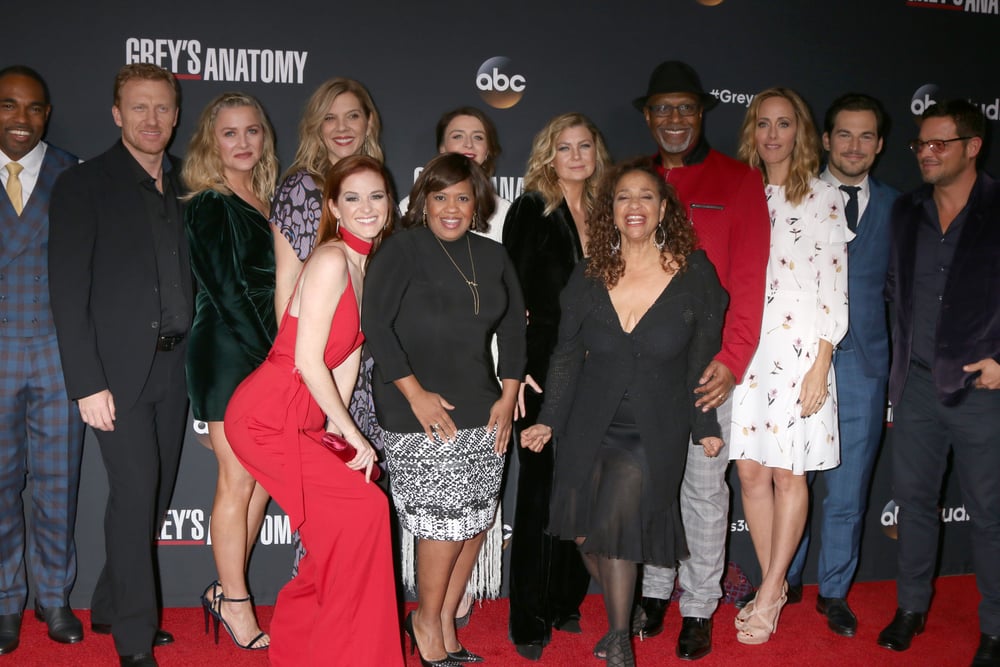
Shonda Rhimes’ medical drama Grey’s Anatomy premiered on March 27, 2005, and quickly became ABC’s biggest hit since Desperate Housewives. The show combined soapy romance with life-and-death medical cases, creating a formula that kept viewers emotionally invested week after week.
Ellen Pompeo’s Meredith Grey and her fellow interns navigated relationships as complicated as their surgical procedures.
Like Go2Tutors’s content? Follow us on MSN.
The Daily Show with Jon Stewart

While The Daily Show launched in 1996 with Craig Kilborn, Jon Stewart took over in January 1999 and spent the 2000s transforming it into America’s most trusted fake news source at peak influence. Stewart’s sharp political commentary during the Bush years made the show essential viewing for anyone trying to make sense of current events.
The program launched careers for correspondents like Stephen Colbert and became a legitimate force in political discourse.
Desperate Housewives Scandalizes Suburbia
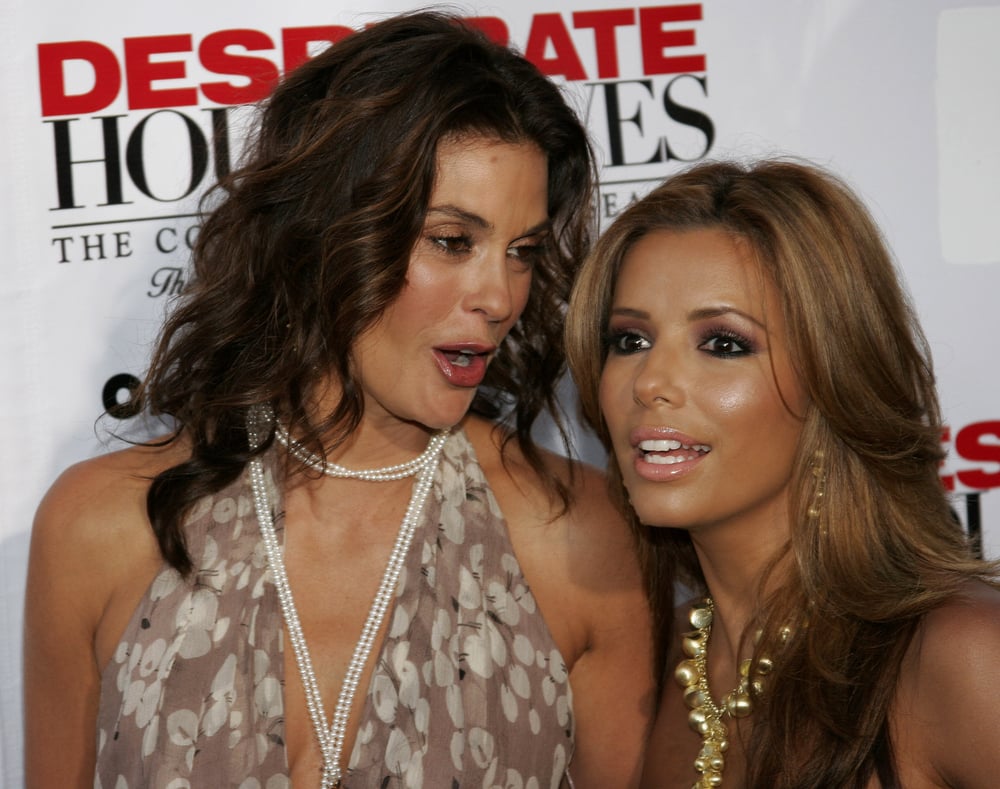
Marc Cherry’s Desperate Housewives premiered on October 3, 2004, and turned the seemingly perfect world of Wisteria Lane into prime-time soap opera gold. The show combined murder mysteries with suburban secrets, proving that housewives could be just as compelling as mobsters or doctors.
Teri Hatcher, Felicity Huffman, Marcia Cross, and Eva Longoria became household names almost overnight.
24 Goes Real-Time

Fox’s 24 premiered on November 6, 2001, with its innovative real-time format that followed Jack Bauer through the longest days of his life. Each season covered 24 hours of crisis, with every episode representing one hour and that famous ticking clock building tension.
Kiefer Sutherland’s intense performance made Jack Bauer a cultural icon and proved that serialized action dramas could work on network television.
Like Go2Tutors’s content? Follow us on MSN.
The Apprentice Makes Reality Stars

Donald Trump’s The Apprentice premiered on January 8, 2004, turning boardroom drama into compelling television and making ‘You’re fired!’ a national catchphrase. The show proved that business reality TV could work just as well as survival competitions or dating shows.
Contestants became media personalities, and Trump’s larger-than-life presence made him a household name beyond real estate.
CSI Spawns a Franchise
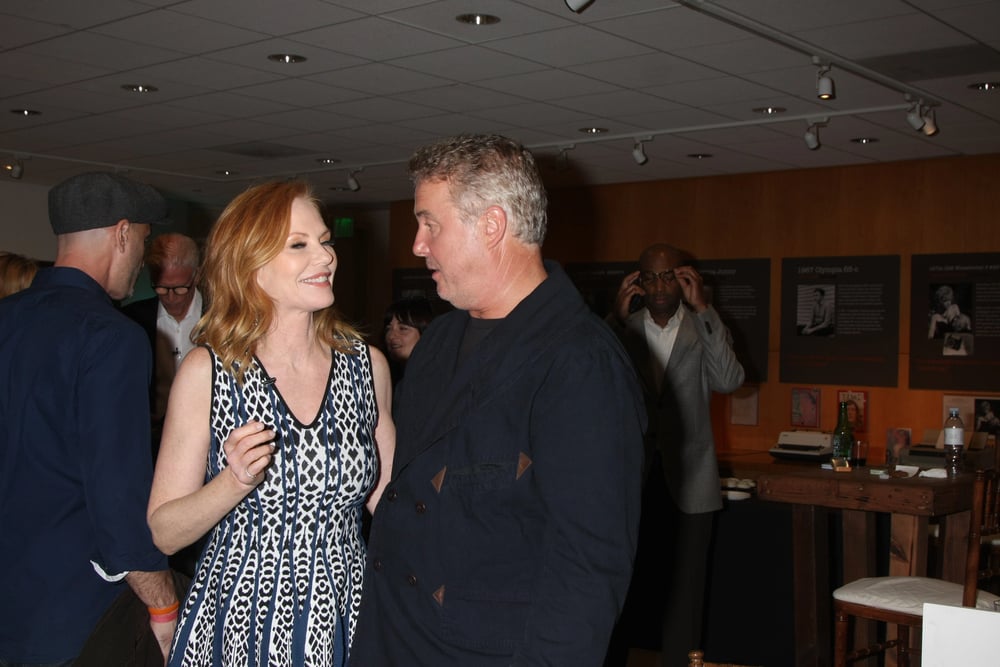
While CSI: Crime Scene Investigation premiered in 2000, the 2000s saw it become a massive franchise with spin-offs in Miami and New York. The show’s forensic focus changed how Americans thought about crime-solving and made laboratory work look incredibly glamorous, creating the documented ‘CSI effect’ that influenced juror expectations in real trials nationwide.
The series proved that procedural dramas could still find huge audiences in an era increasingly dominated by serialized storytelling.
Chappelle’s Show Breaks Boundaries
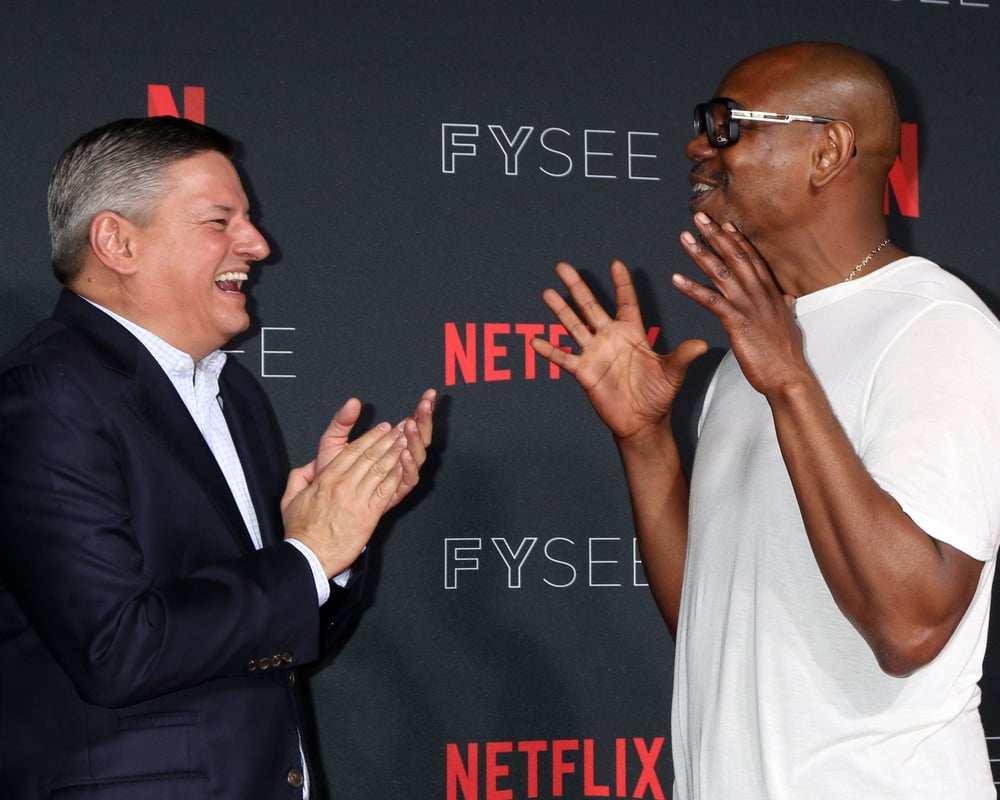
Dave Chappelle’s Comedy Central sketch show premiered on January 22, 2003, and quickly became one of the most talked-about programs on television. Chappelle’s fearless approach to racial humor and social commentary pushed boundaries in ways that made audiences both laugh and think.
The show’s abrupt end when Chappelle walked away from a $50 million contract became almost as legendary as the sketches themselves.
Like Go2Tutors’s content? Follow us on MSN.
The West Wing Walks and Talks
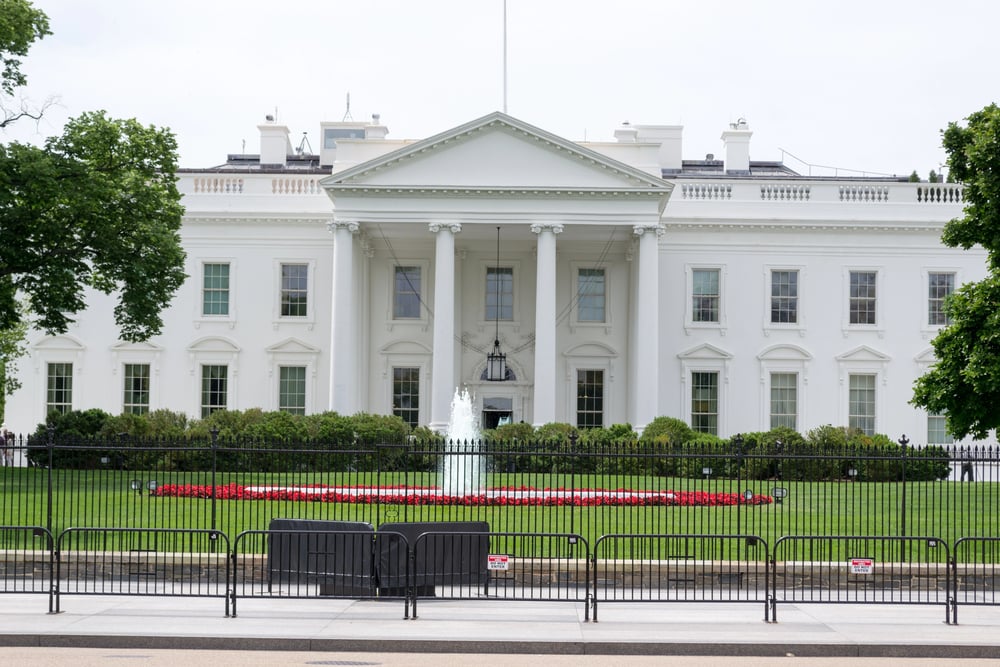
Aaron Sorkin’s political drama The West Wing premiered in 1999 but spent most of the 2000s showing Americans what idealized government could look like. The show’s rapid-fire dialogue and walk-and-talk cinematography created a distinctive style that influenced countless dramas.
Martin Sheen’s President Bartlet became the president many Americans wished they had during turbulent political times.
When Television Grew Up

The 2000s proved that television had finally grown up and didn’t need to apologize for being the small screen anymore. These shows and events created a foundation for the golden age of television that followed, proving that the medium could be just as sophisticated and culturally significant as movies or books.
Whether through reality competition, complex drama, or sharp comedy, the decade’s biggest TV moments showed that sometimes the best stories really do happen at home.
More from Go2Tutors!

- 16 Historical Figures Who Were Nothing Like You Think
- 12 Things Sold in the 80s That Are Now Illegal
- 15 VHS Tapes That Could Be Worth Thousands
- 17 Historical “What Ifs” That Would Have Changed Everything
- 18 TV Shows That Vanished Without a Finale
Like Go2Tutors’s content? Follow us on MSN.


