17 Fascinating Facts About Cheese Varieties
The world of cheese is far more complex and fascinating than most people realize. While you might think you know cheese from your grocery store visits, there’s an entire universe of varieties with incredible backstories, unusual production methods, and surprising characteristics that span thousands of years of human innovation.
From ancient civilizations accidentally discovering preservation techniques to modern artisans crafting delicacies worth more than gold, cheese varieties tell stories of culture, science, and pure human ingenuity. Here is a list of 17 fascinating facts about cheese varieties that will change how you look at this beloved food forever.
Cheese originated over 8,000 years ago

Archaeological evidence shows that cheese-making began around 6000 BC in Mesopotamia, making it one of humanity’s oldest food preservation methods. The earliest direct evidence comes from excavated clay sieves found in Poland and Croatia, with dried remains that chemical analysis confirms was cheese.
Ancient peoples likely discovered cheese by accident when storing milk in pouches made from animal stomachs, which naturally contained rennet that caused the milk to curdle.
There are over 2,000 cheese varieties worldwide
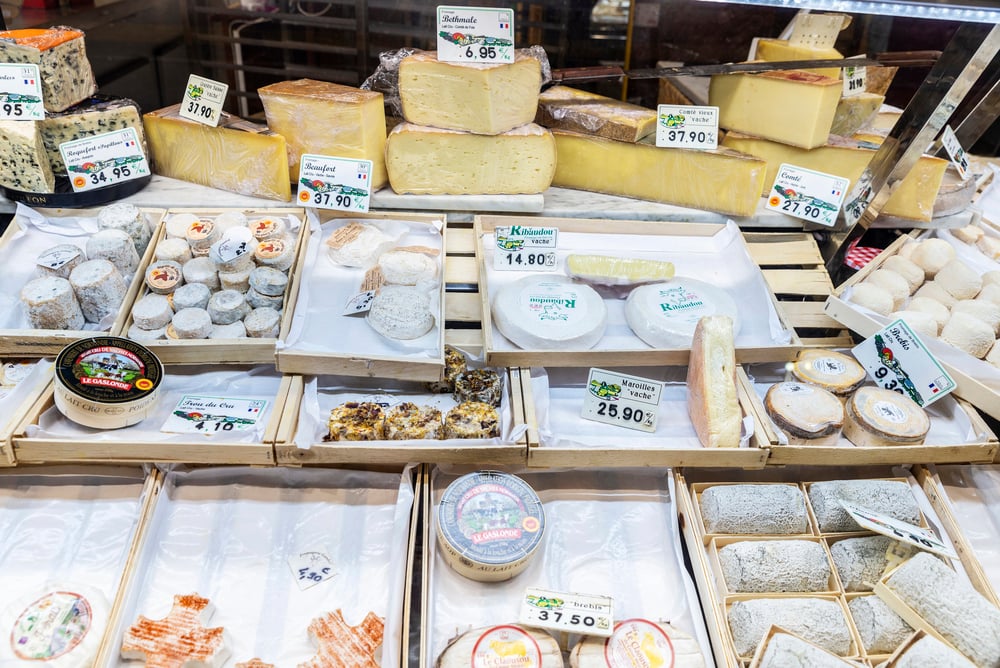
The global cheese landscape includes more than 2,000 distinct varieties, each with unique production techniques and flavor profiles. Different organizations recognize varying numbers of cheese types, with some cataloging over 1,000 varieties.
This incredible diversity stems from differences in milk sources, aging processes, bacterial cultures, and regional traditions that have evolved over centuries.
Roquefort can only be made in specific French caves

Roquefort cheese holds protected designation of origin status and can only be produced in the limestone caves of Roquefort-sur-Soulzon in southern France. These natural caves provide the perfect humidity and temperature conditions for the growth of Penicillium roqueforti mold.
The cheese must also be made exclusively from the milk of Lacaune sheep that graze on the region’s limestone-rich pastures.
Some cheese contains live maggots by design
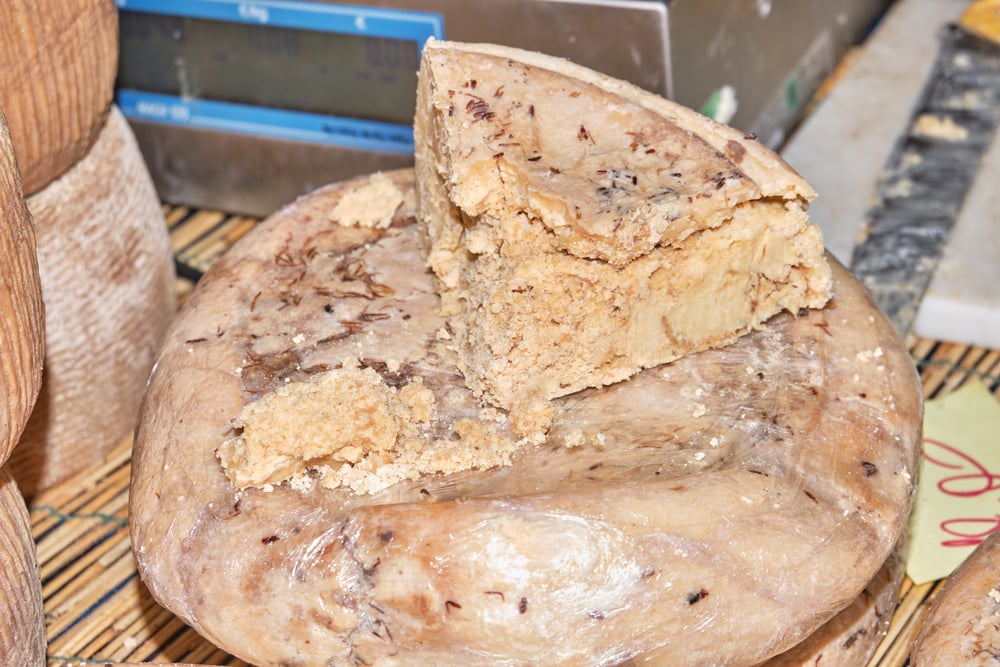
Casu Martzu, a traditional Sardinian cheese, is deliberately infested with cheese fly larvae. The maggots are introduced to pecorino wheels, where their activity further ferments and breaks down the cheese inside.
This centuries-old delicacy is considered a local treasure, though it’s banned for commercial sale in many countries due to health regulations.
Parmigiano-Reggiano takes a minimum of 12 months to mature
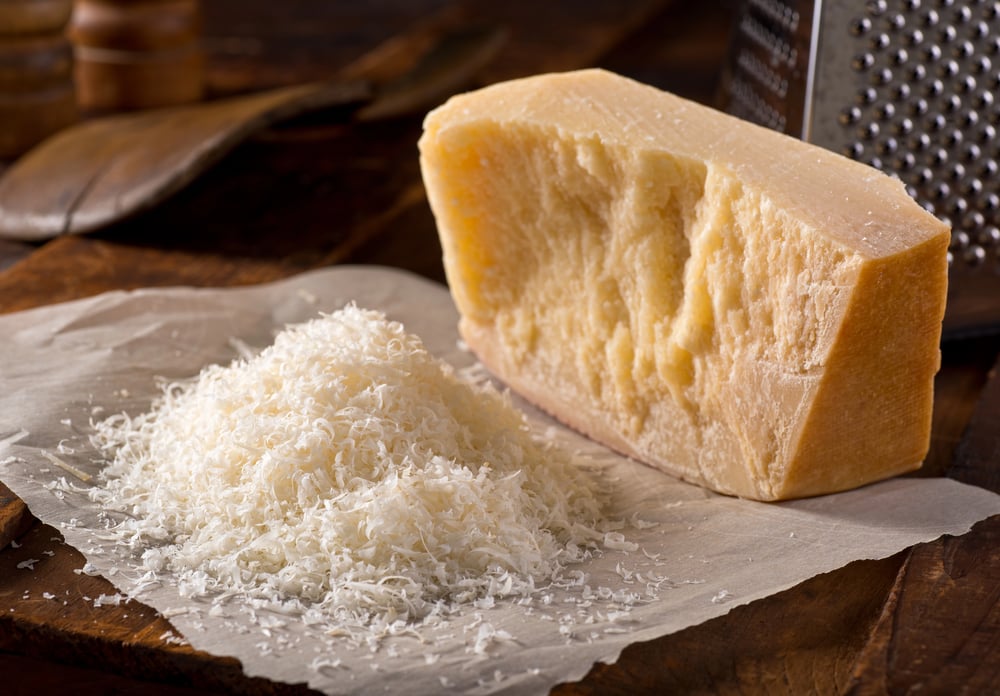
Authentic Parmigiano-Reggiano must be aged for at least 12 months, with some varieties aged up to 36 months or more. The longer aging period creates increasingly complex and nutty flavors.
During the aging process, the cheese develops its distinctive granular texture and hard, flaky consistency that tends to crumble rather than slice cleanly.
Blue cheese gets its color from the same mold family as penicillin
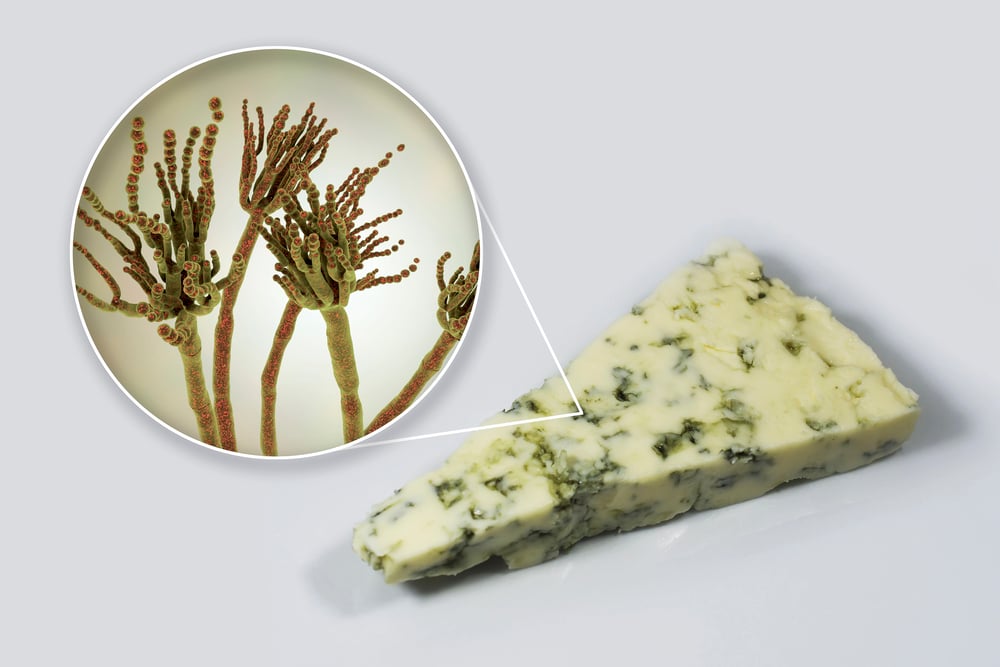
Blue cheese derives its characteristic blue-green veins from Penicillium cultures added during production. Penicillium roqueforti spores are introduced into cheese curds, where they germinate and grow, releasing enzymes that break down fats and proteins to create the complex flavor profile.
This is the same genus of mold that led to the discovery of the antibiotic penicillin.
Norwegian Gjetost tastes like caramel despite being cheese

Gjetost, pronounced ‘yay-toast,’ is a Norwegian cheese made from cow and goat milk that looks like chocolate but tastes like caramel fudge. This unique sweetness comes from the cheese-making process, where the whey is slowly cooked until the milk sugars caramelize.
It’s a popular après-ski treat that pairs surprisingly well with both coffee and brown ale.
Water buffalo mozzarella is the original version
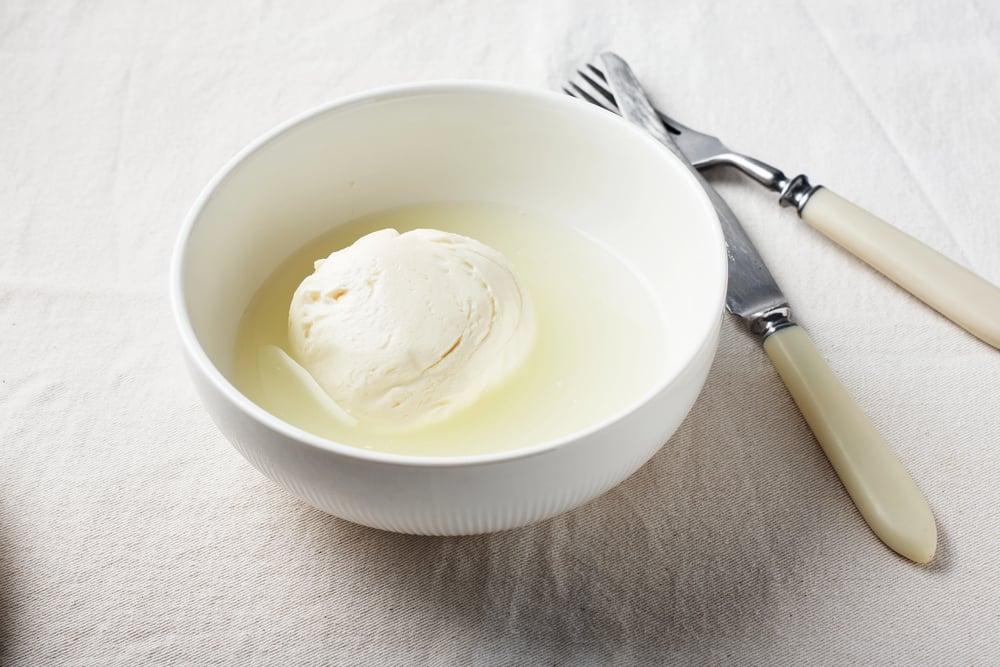
Traditional mozzarella was first made using water buffalo milk in southern Italy, particularly in the Campania region. Mozzarella was originally made in Italy using water buffalo milk, giving it a unique texture and taste.
This authentic buffalo mozzarella has a richer, more complex flavor than the cow’s milk version most people know today.
Cheese made from camel milk exists and is growing in popularity

Camel cheese is produced from local camels and is described as having ‘pleasant barnyard undertones.’ Camel milk is naturally high in vitamins and nutrients, and the resulting cheese offers a completely unique flavor profile.
While still niche, American importers began bringing camel cheese to the United States in 2008.
The world’s most expensive cheese costs over $1,000 per pound

Pule cheese, made in Serbia using donkey milk, is considered the most expensive cheese in the world. Only one farm in northern Sweden produces moose-milk cheese, making these exotic varieties incredibly rare and valuable.
The limited production and unique milk sources drive prices to astronomical levels.
Halloumi doesn’t melt when heated

Halloumi is uniquely capable of handling high temperatures without melting, allowing you to grill it like a steak. This Greek cheese, along with paneer and some whey cheeses, has a protein structure that remains intact at high temperatures and simply gets firmer as water evaporates.
Cheese production requires massive amounts of milk
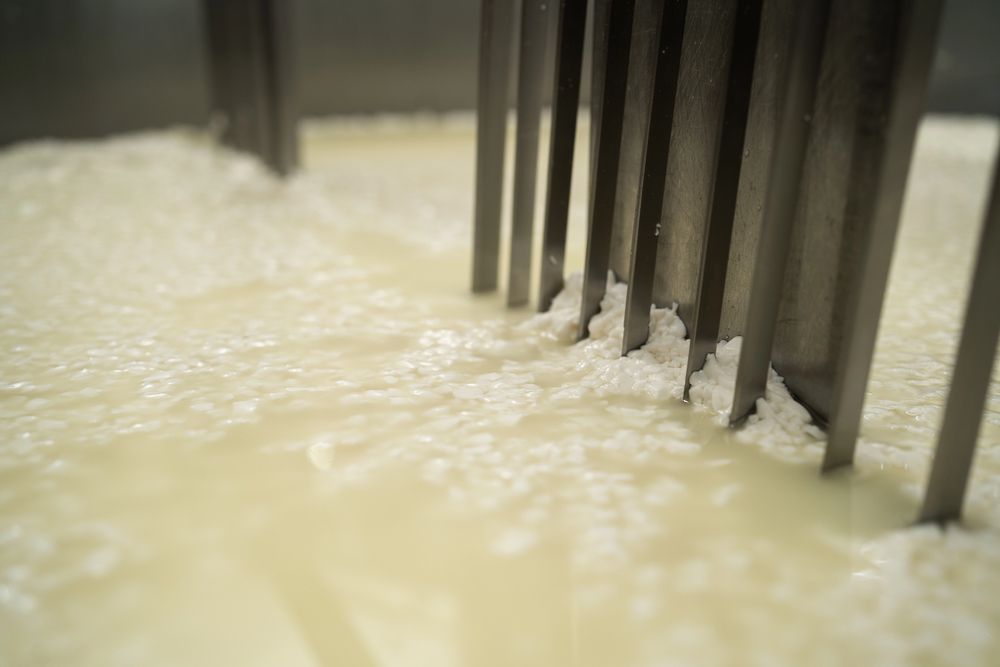
Approximately 10 pounds of milk is required to make one pound of cheese. This ratio explains why cheese was historically such a valuable commodity and why it became an essential method for preserving surplus milk.
The concentration process also explains why cheese is so nutrient-dense compared to liquid milk.
Some cheeses are naturally lactose-free
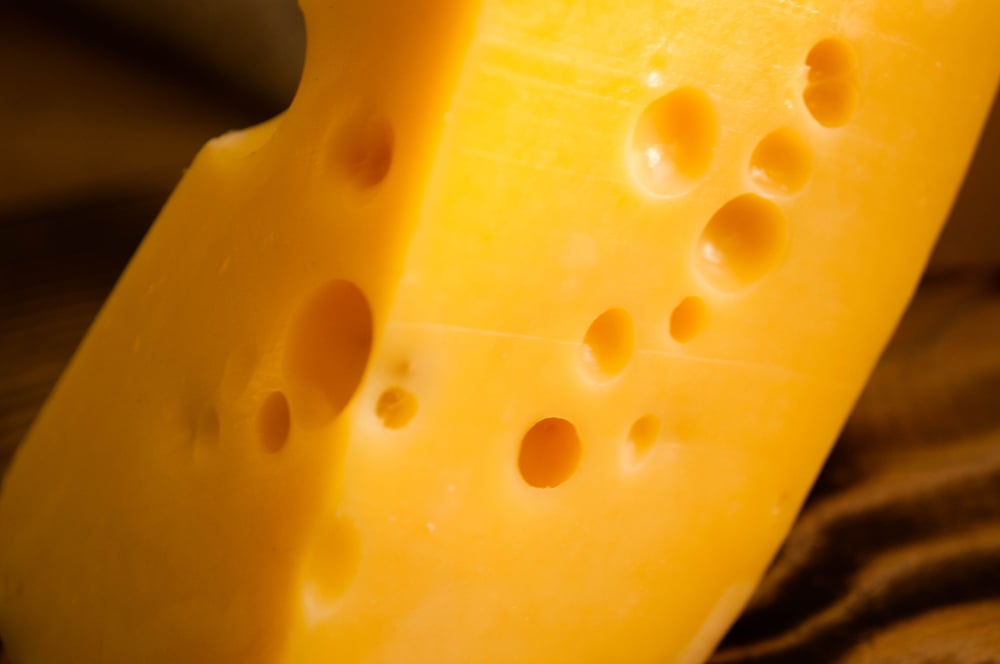
Hard cheeses like Parmesan and aged Cheddar have minimal lactose content, making them suitable for those with lactose intolerance. The aging process breaks down most of the lactose naturally, which is why longer-aged cheeses tend to be better tolerated by people who struggle with dairy products.
Tête de Moine is served in decorative rosettes

Tête de Moine, meaning ‘monk’s head,’ looks like a standard cheese but is traditionally served using a special tool called a girolle that shaves the cheese into delicate rosettes. This Swiss cheese has been made for over 400 years and was originally produced by Cistercian monks.
The rosette presentation isn’t just for show—it actually enhances the cheese’s aroma and flavor.
American cheese isn’t technically cheese

What’s known as American cheese is actually a processed cheese product made from real cheese but heavily modified with additives and preservatives. Unlike traditional cheeses that rely on natural aging and bacterial cultures, processed cheese is manufactured using emulsifiers and other chemicals to achieve consistent texture and extended shelf life.
Greece consumes more cheese per capita than any other country

People in Greece are the largest consumers of cheese worldwide, with the average person consuming around 27.3 kg of cheese every year, about three-quarters of which is feta cheese. This consumption rate is nearly double that of many other cheese-loving countries, reflecting the central role of cheese in Greek cuisine and culture.
Époisses is so pungent it’s banned on public transportation
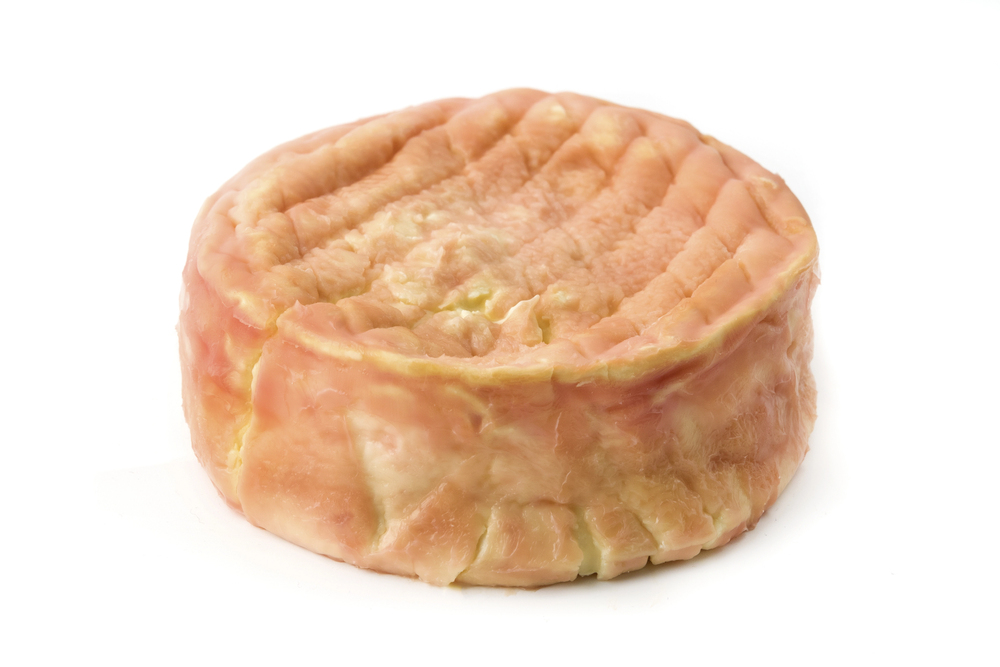
Époisses cheese from Burgundy, France, is made with brandy and develops such a strong aroma that it’s reportedly banned from public transportation in France. The cheese has a custard-like texture inside its distinctive orange rind, but its smell is so powerful that it can clear a room. Despite its intimidating aroma, it’s considered one of France’s finest cheeses.
From Ancient Innovation to Modern Mastery
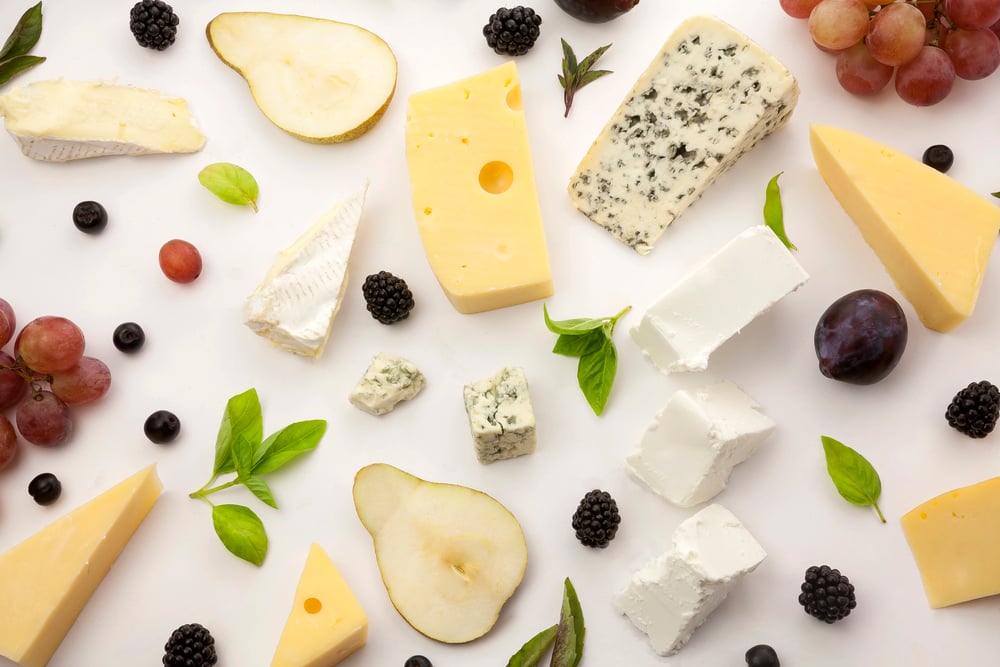
The journey from accidental discovery in ancient Mesopotamian caves to today’s artisanal cheese-making represents one of humanity’s most enduring culinary achievements. Each variety tells a story of geographic terroir, cultural tradition, and scientific understanding that continues to evolve.
Whether it’s the carefully controlled caves of Roquefort or the innovative techniques creating new varieties, cheese remains a testament to human creativity and our endless quest to transform simple ingredients into extraordinary flavors. These diverse varieties remind us that even the most familiar foods can surprise us with their complexity and rich histories.
More from Go2Tutors!

- The Romanov Crown Jewels and Their Tragic Fate
- 13 Historical Mysteries That Science Still Can’t Solve
- Famous Hoaxes That Fooled the World for Years
- 15 Child Stars with Tragic Adult Lives
- 16 Famous Jewelry Pieces in History
Like Go2Tutors’s content? Follow us on MSN.