15 Historic Events That Only Happened Because Someone Overslept
There are several instances throughout history where the slightest deeds—or lack thereof—significantly altered the trajectory of events. Sometimes, something as simple as pressing the snooze button can determine one’s destiny more than significant choices or meticulously thought-out plans.
Oversleeping has affected political environments, saved lives, impacted artistic masterpieces, and changed the course of battles throughout history. Here is a list of 15 historical events that were dramatically shaped by someone catching a few extra winks.
Harold Godwinson’s Battle Fatigue

English history was changed when King Harold Godwinson and his tired army were obliged to march south to meet William the Conqueror in 1066 after defeating Viking invaders in northern England. Many soldiers, including crucial leaders, were tired and sleepy when the Norman forces started their attack at the Battle of Hastings.
The Anglo-Saxon army was finally routed, resulting in Norman rule over England and a centuries-long change in its language, culture, and political structure notwithstanding their valiant efforts.
Disneyland’s Rocky Start

The grand opening of Disneyland in 1955 nearly became a disaster when Walt Disney overslept on the morning of the park’s dedication. After working through the night and making final preparations, Disney barely made it to the park in time for the televised opening ceremonies.
This small detail became part of Disneyland lore, adding a human element to the otherwise carefully orchestrated launch of what would become one of the world’s most beloved entertainment destinations.
The President’s Missed Call
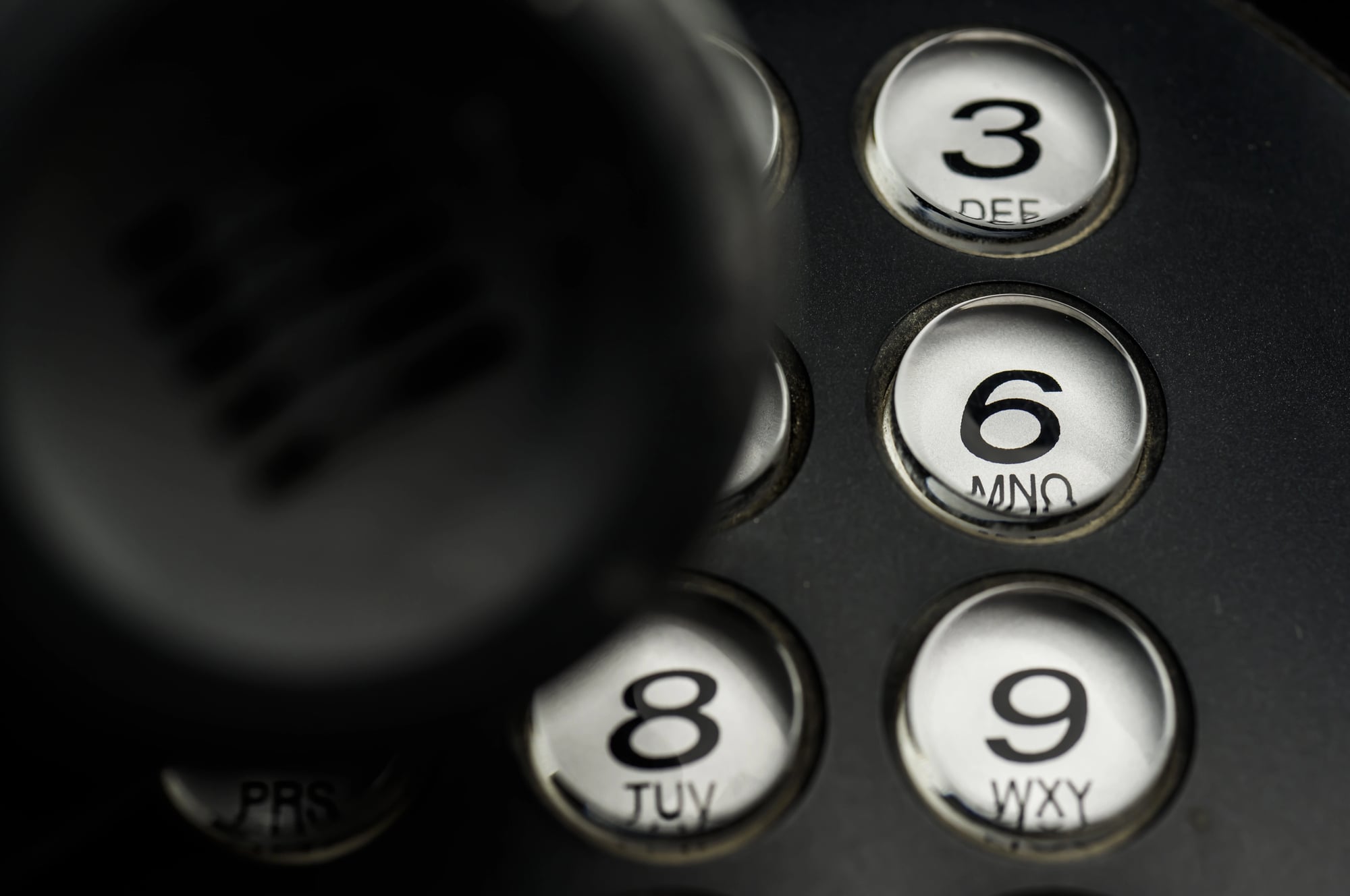
During the Cold War, a NORAD duty officer overslept, missing an alert that several Soviet missiles had been launched toward the United States. By the time backup systems engaged, officials discovered it was a computer glitch showing false positives.
The officer’s unplanned nap potentially prevented an unnecessary counter-strike that could have escalated to nuclear conflict. The incident led to significant improvements in verification protocols for missile detection systems.
Mark Twain’s Near Miss

In 1866, Samuel Clemens (later known as Mark Twain) was scheduled to take a trip on the steamer Peytona. After a night of socializing, he overslept and missed the boat—which later suffered a boiler explosion, killing dozens of passengers.
This near-death experience became a pivotal moment in Twain’s life, one he would later reference as evidence of fate. American literature would have been dramatically different had the future author not hit the snooze button that morning.
Napoleon’s Waterloo Blunder
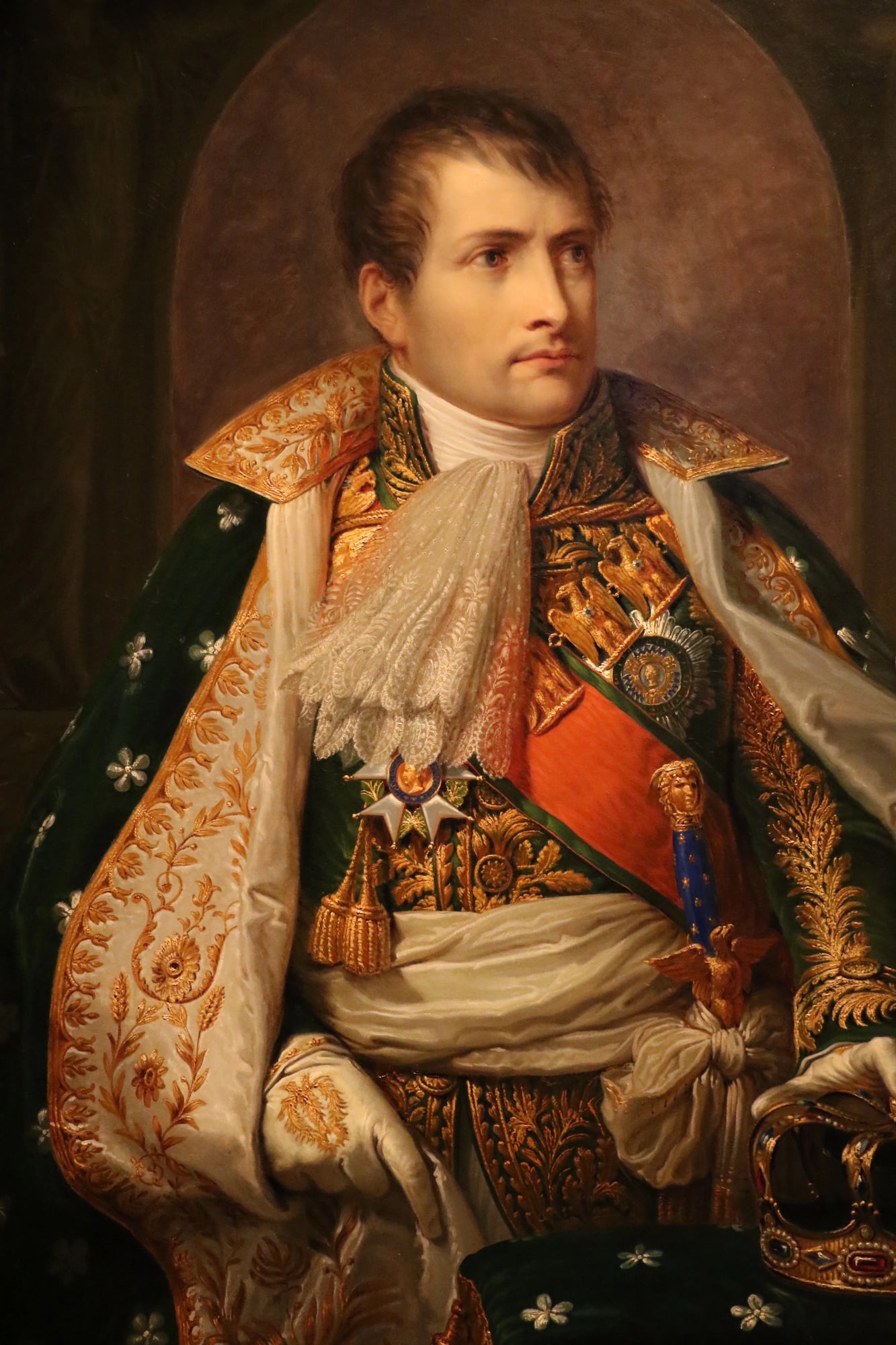
The Battle of Waterloo might have ended differently if Marshal Emmanuel Grouchy hadn’t delayed his morning attack as ordered. Historical accounts suggest Grouchy overslept and then took time for a leisurely breakfast, wasting crucial hours that Napoleon had counted on for dividing enemy forces.
This delay gave Prussian forces time to join the Duke of Wellington’s army, leading to Napoleon’s defeat and permanent exile. The extra sleep of one commander helped reshape European political boundaries for generations.
The Chernobyl Night Shift

The catastrophic nuclear disaster at Chernobyl in 1986 occurred during a night shift when several key safety engineers were found sleeping during critical test procedures. Their fatigue-induced negligence contributed to poor decision-making that eventually led to the reactor explosion.
The consequences included immediate deaths, long-term health impacts across Europe, and a fundamental reassessment of nuclear power safety standards worldwide.
Paul Revere’s Warning Ride
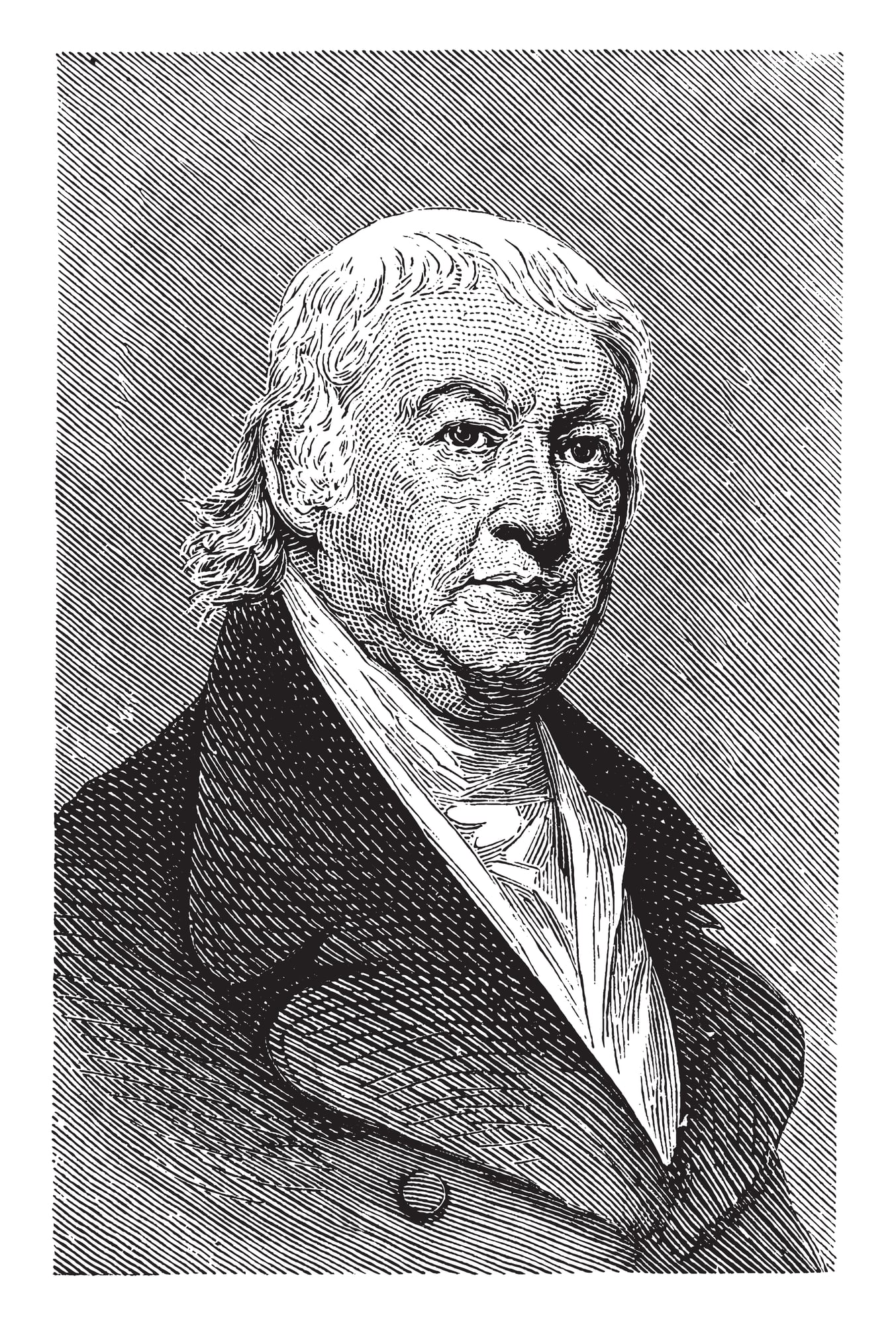
Paul Revere’s famous midnight ride succeeded partly because British officers overslept. Having spent the previous day preparing troops, several British commanders retired early and slept through the departure of colonial messengers.
This gave Revere and other riders a crucial head start in warning militia members about approaching troops. The subsequent preparedness of colonial forces at Lexington and Concord became the spark that ignited the American Revolution.
The Great Train Robbery
Britain’s 1963 Great Train Robbery, one of the most famous heists in history, almost failed when two key gang members overslept. The delay forced the gang to adjust their timeline, coincidentally placing them at the perfect moment to intercept the mail train carrying over £2.6 million.
The robbery captured the public imagination and remains notorious in criminal history, even inspiring several movies and books about the audacious theft.
D-Day Weather Forecast
A German meteorologist missed important weather readings prior to D-Day in 1944 because he slept in too late. German leadership reduced coastal monitoring because they thought the weather would continue to be too turbulent for an Allied invasion.
An important element of surprise was added to the invasion when Allied forecasters accurately projected a limited window of improved conditions. Due in part to this small human error, the biggest amphibious invasion in military history was successful.
The Cuban Missile Crisis Call

During the height of the Cuban Missile Crisis in 1962, a guard at a U.S. military installation overslept and missed his shift change. His replacement, unfamiliar with recent protocol updates, misinterpreted routine Soviet communications as attack preparations and nearly triggered an escalation protocol.
Fortunately, cooler heads prevailed, preventing what could have been a nuclear exchange. This incident later informed improvements to military communication systems.
Mount Vesuvius Victims
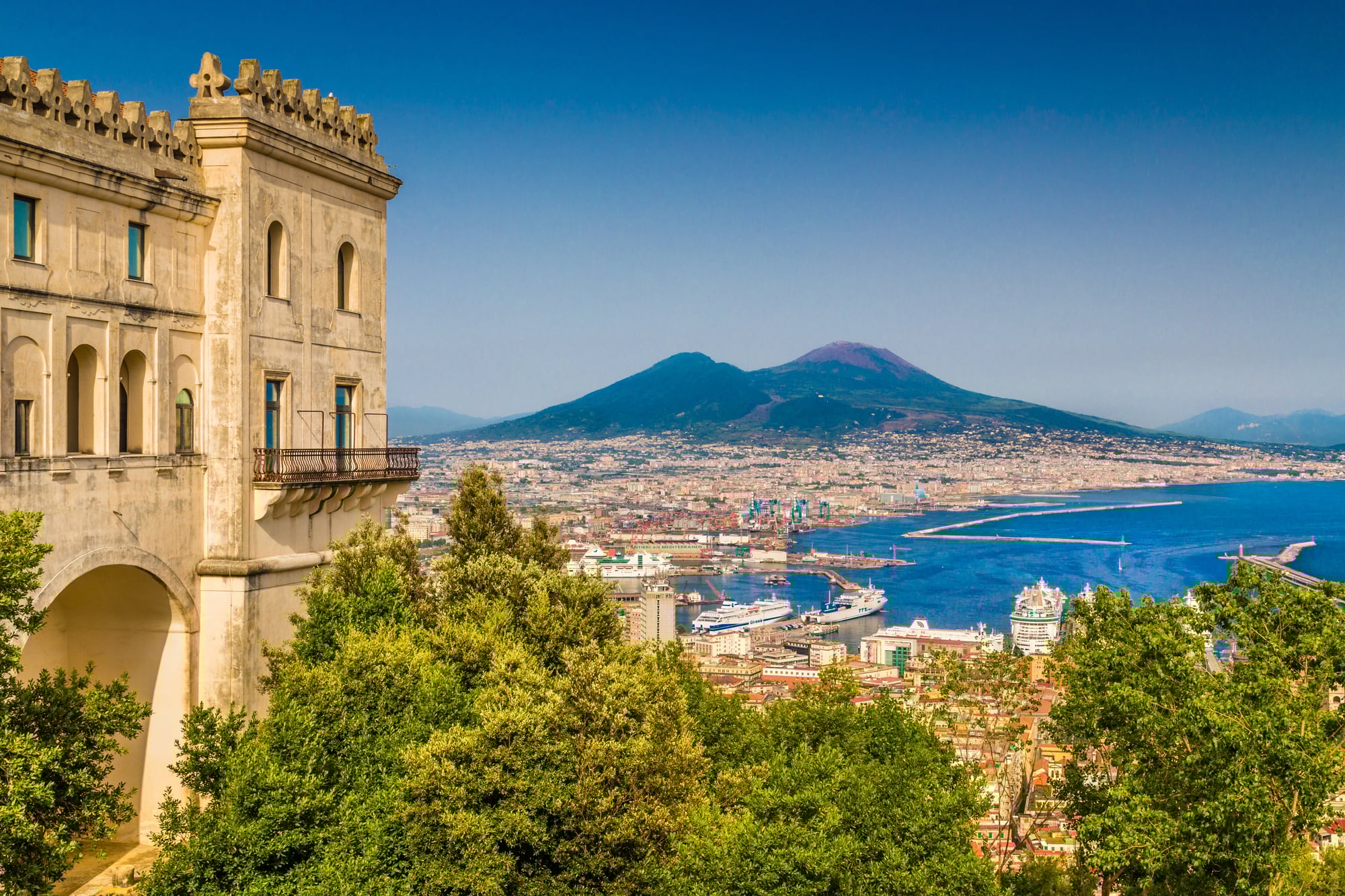
When Mount Vesuvius erupted in 79 CE, many Pompeii residents could have escaped had they left immediately. Archaeological evidence suggests numerous victims were found in bed positions, indicating they may have slept through initial warning signs like small tremors and ash falls.
Some families appear to have delayed evacuation to gather belongings or wait for sleeping members to wake, resulting in their tragic preservation as plaster casts nearly two millennia later.
The Space Shuttle Challenger
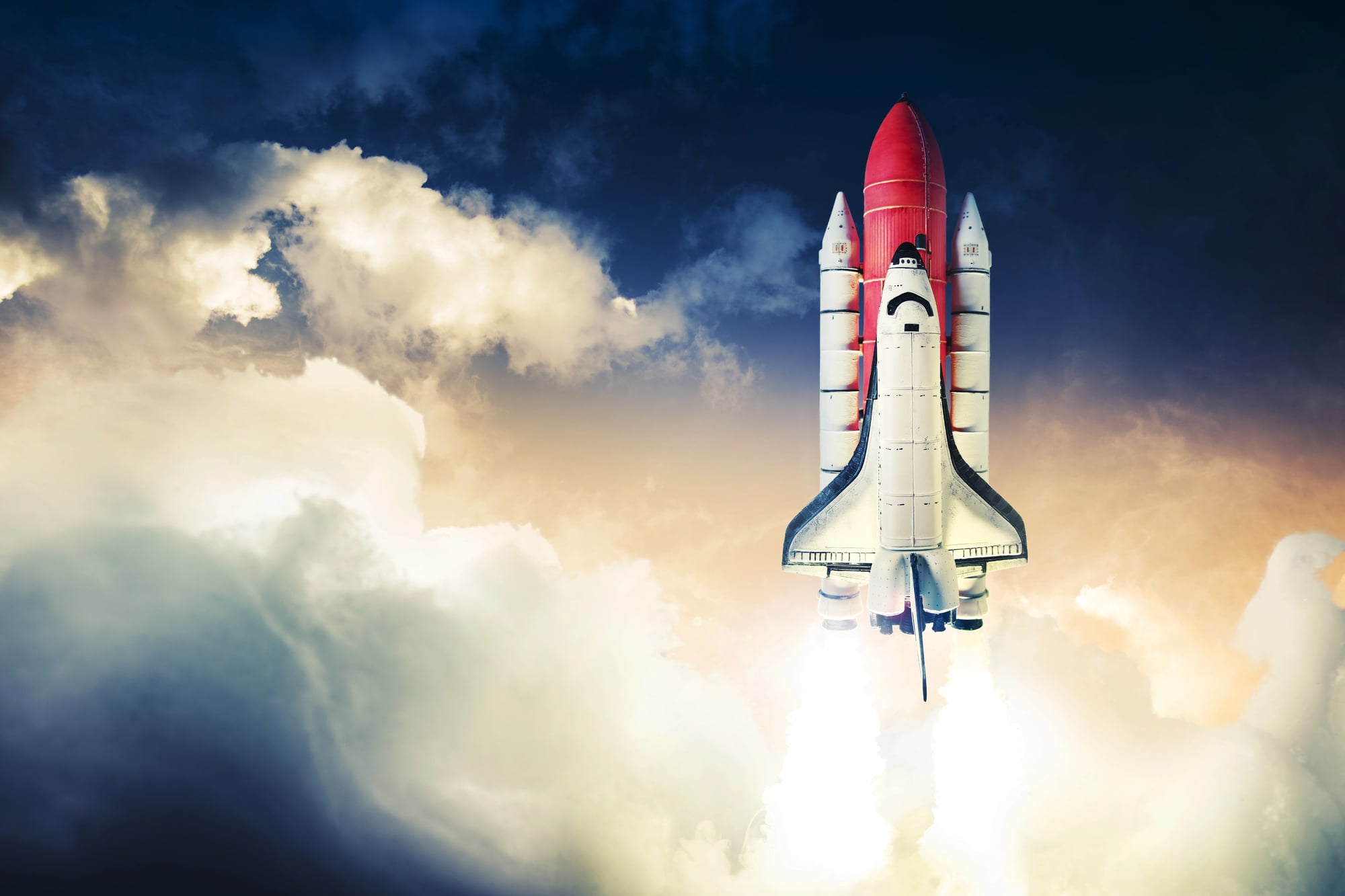
The night before the Space Shuttle Challenger disaster in 1986, key NASA officials had been awake for extended periods addressing technical concerns. Several reported microsleeps during critical decision meetings about the O-ring issues that would ultimately cause the tragedy.
Sleep deprivation impaired judgment about launch safety, contributing to the decision to proceed despite dangerous conditions. This disaster led to fundamental changes in NASA’s approach to mission safety.
Abraham Lincoln’s Bodyguard
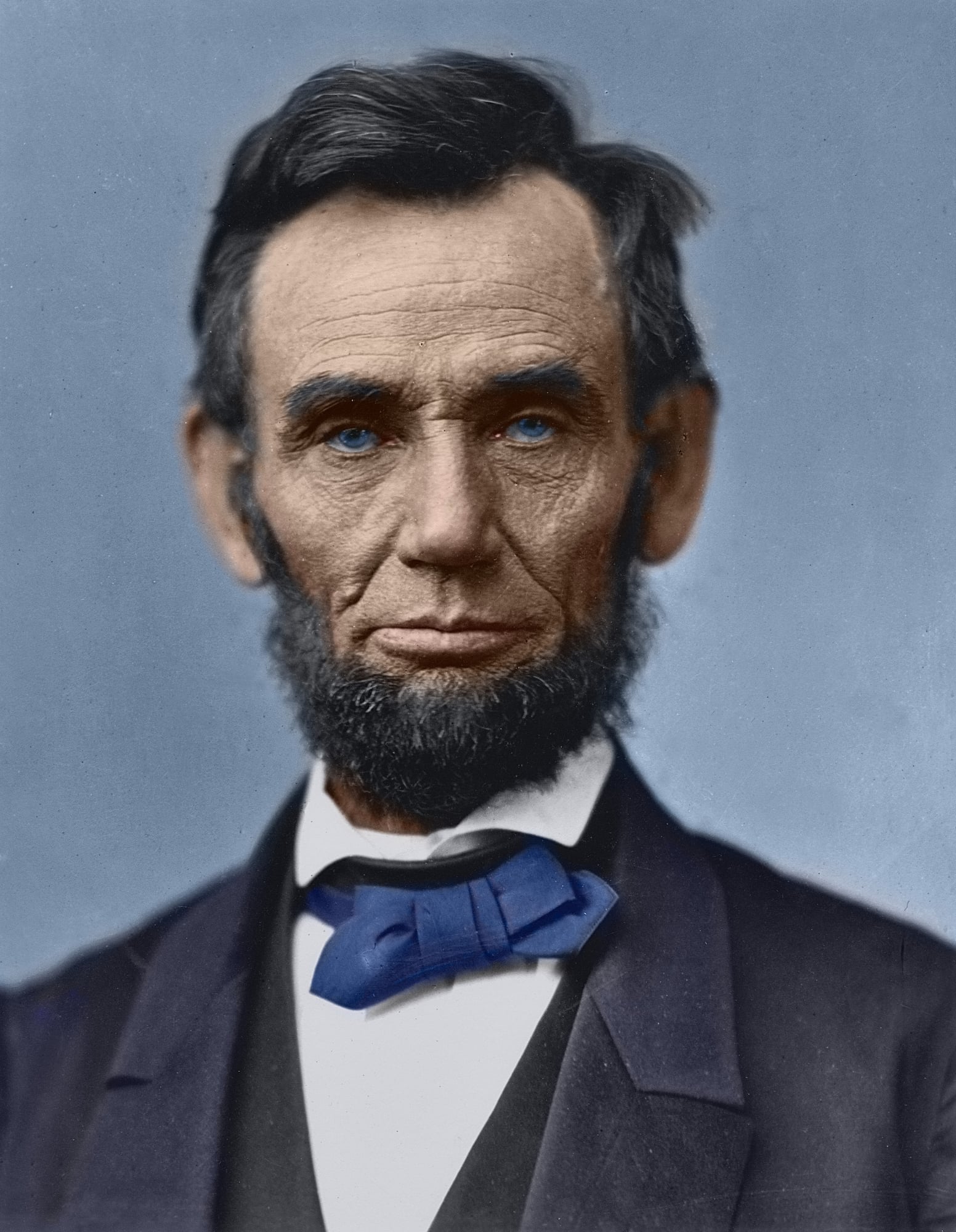
On April 14, 1865, President Abraham Lincoln’s assigned bodyguard, John Parker, left his post at Ford’s Theatre to get a drink and subsequently fell asleep at a nearby establishment. His absence left the presidential box unguarded when John Wilkes Booth entered and assassinated Lincoln.
This monumental security failure changed the course of post-Civil War Reconstruction and American history. Parker’s nap resulted in the first successful presidential assassination and led to significantly enhanced presidential security protocols.
The Ripple Effects of Rest
Throughout history, these moments where someone hit the snooze button demonstrate how even our unconscious hours can shape global events. From military conflicts to technological disasters, the human need for sleep has repeatedly intersected with pivotal historical moments.
These instances remind us that history isn’t just made by deliberate actions, but sometimes by their absence—when the key player is caught counting sheep instead of changing the world.
More from Go2Tutors!

- The Romanov Crown Jewels and Their Tragic Fate
- 13 Historical Mysteries That Science Still Can’t Solve
- Famous Hoaxes That Fooled the World for Years
- 15 Child Stars with Tragic Adult Lives
- 16 Famous Jewelry Pieces in History
Like Go2Tutors’s content? Follow us on MSN.