Most Decorated War Heroes From The Ancient World
When you think about military heroes, your mind probably jumps to modern conflicts or maybe World War II legends. But the ancient world produced warriors whose achievements were so extraordinary that their names echo across millennia.
These weren’t just skilled fighters — they were leaders who shaped empires, turned the tide of civilizations, and earned decorations and honors that made them legends in their own time.
The concept of military decoration has roots that stretch back thousands of years. Ancient Rome had its corona civica and corona muralis.
Greeks honored their warriors with public acclaim and golden wreaths. Egyptian pharaohs bestowed the “Gold of Honor” upon their most valiant soldiers.
What made these ancient heroes special wasn’t just their battlefield prowess, but how their societies recognized and celebrated their extraordinary service.
Scipio Africanus

Publius Cornelius Scipio earned his nickname by doing what no Roman general before him had managed: defeating Hannibal on his home turf. The man who brought Carthage to its knees didn’t just win battles — he revolutionized Roman military strategy and earned every honor the Republic could bestow.
Scipio received the corona civica for saving fellow citizens in battle, multiple ovations for his victories in Spain, and ultimately the grandest triumph Rome could offer. His defeat of Hannibal at Zama in 202 BCE wasn’t just a victory; it was the moment Rome secured its dominance over the Mediterranean.
The Senate showered him with unprecedented honors, and his fellow citizens treated him like a living god.
Alexander The Great

Picture warfare as a chess match where most players think three moves ahead, and then imagine someone who can see the entire game from start to finish before the first piece moves (and happens to be utterly fearless in the process). That was Alexander — not just because he conquered most of the known world by age 30, but because he did it with a tactical brilliance that left his enemies bewildered and his own soldiers convinced they were following a deity rather than a man.
And the honors he accumulated along the way tell the story of a career so meteoric that it feels almost fictional: crowned Pharaoh of Egypt (complete with divine status), declared son of Zeus-Ammon by the Oracle at Siwa, honored as the Great King of Persia, and recipient of golden wreaths from Greek city-states who competed to outdo each other in their praise.
The man never lost a battle — not one — and his soldiers loved him so completely that they followed him to the edge of the world and wept when he finally asked them to turn back. So when ancient sources describe the honors heaped upon him, you’re not reading propaganda.
You’re reading about genuine awe.
Gaius Marius
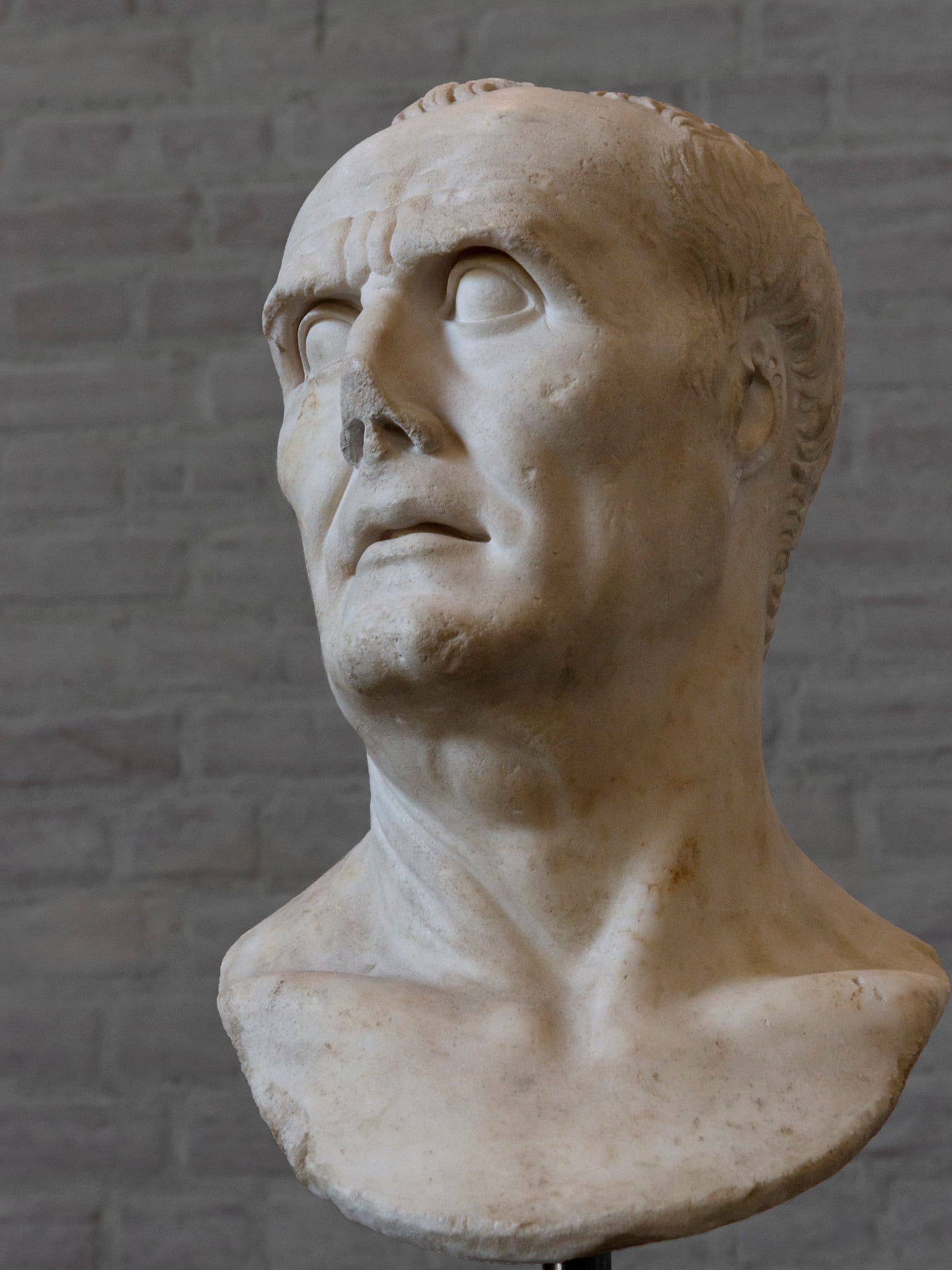
There’s something almost stubborn about the way Gaius Marius approached warfare — like watching someone methodically solve a problem that everyone else had given up on. He took the Roman military machine and rebuilt it from the ground up, turning citizen-farmers into professional soldiers and creating the legions that would dominate the world for centuries.
His innovations weren’t flashy tactical maneuvers; they were the kind of fundamental changes that only become obvious in retrospect, the way the best solutions always do.
The honors came not just for his battlefield victories against the Cimbri and Teutones, but for saving Rome itself from destruction. Seven consulships — a record that stood for generations — and the gratitude of a city that knew it owed its survival to one man’s refusal to accept that some problems couldn’t be solved.
Pompey The Great

Pompey earned his triumphs the hard way and collected them like trophies. Three separate triumphal processions marked his victories in Africa, Spain, and the East — achievements that placed him among Rome’s greatest military leaders.
His nickname “Magnus” wasn’t flattery; it was recognition of genuine accomplishment.
The man cleared the Mediterranean of pirates in three months, conquered vast territories in the East, and accumulated wealth that made him one of the richest Romans who ever lived. His contemporaries granted him extraordinary commands and unprecedented honors because his track record demanded nothing less.
When the Senate awarded him his third triumph, they were acknowledging what everyone already knew: Pompey had redefined what Roman power could accomplish.
Themistocles

The Battle of Salamis reads like the kind of military miracle that only works in fiction, except Themistocles made it work in real life by understanding something his enemies missed: that geography could be a weapon if you knew how to use it. He convinced the Greek city-states to abandon their land and trust everything to wooden ships, then lured the massive Persian fleet into narrow straits where their numbers became a disadvantage rather than an asset, watching as Persian ships crashed into each other in waters too confined for proper maneuvering while Greek triremes picked them apart with surgical precision.
The honors that followed weren’t just Greek gratitude — though Athens did award him the highest military decorations they possessed. Even the Spartans, who barely acknowledged their own heroes, granted Themistocles special recognition for his role in saving all of Greece.
And when Persian King Xerxes retreated to Asia, he reportedly offered a massive bounty for Themistocles’ head, which might be the most backhanded compliment in military history.
Julius Caesar

Caesar collected military honors like a man building a monument to ambition. The civic crown for personal bravery, four separate triumphs for his conquests, and ultimately the title of dictator perpetuo — honors that reflected both his battlefield genius and his political ruthlessness.
His Gallic Wars weren’t just conquest; they were a masterclass in military engineering and psychological warfare. Caesar built bridges across rivers in ten days, laid siege to fortress cities that had never fallen, and wrote his own account of the campaigns with the casual confidence of someone who knew history would vindicate every decision.
The Senate granted him triumph after triumph because his victories filled Rome’s treasury and extended its borders to natural frontiers that would hold for centuries.
Hannibal Barca

You have to admire the sheer audacity of marching elephants across the Alps, but what made Hannibal legendary wasn’t the spectacle — it was his ability to turn Roman military doctrine inside out and make it work against itself (which is considerably harder than it sounds, given that Roman military doctrine had been refined through centuries of constant warfare). The man spent fifteen years on Italian soil, winning battle after battle against enemies who knew the terrain better, had shorter supply lines, and could replace their losses more easily, yet somehow managed to keep his multi-ethnic army together and loyal while living off the land in hostile territory.
And here’s what’s remarkable about the honors he received: they came from his enemies as much as his allies. Romans grudgingly acknowledged his tactical genius even as they worked to destroy him, and Carthaginian gratitude elevated him to near-mythical status.
But the real measure of his achievement might be simpler than all the formal recognition: Rome changed its entire military system because of what Hannibal taught them about their own weaknesses.
Epaminondas
Epaminondas had the misfortune of being brilliant in an era when brilliance was common, yet he managed to revolutionize Greek warfare in ways that influenced military thinking for centuries. His oblique order at Leuctra didn’t just defeat the Spartans — it shattered the myth of Spartan invincibility and established Thebes as the dominant Greek power.
The honors came from grateful Thebans who understood what he’d accomplished, but also from military theorists who recognized tactical innovation when they saw it. Epaminondas took the standard Greek phalanx and made it asymmetrical, concentrating overwhelming force at the decisive point while refusing engagement elsewhere.
Simple in concept, devastating in execution, and elegant enough that commanders are still studying it today.
Alcibiades

Watching Alcibiades navigate ancient politics feels like observing someone play a game where the rules keep changing and somehow always end up favoring him — which makes sense, because he had a talent for making powerful people believe that their interests aligned perfectly with his own ambitions, regardless of what those ambitions happened to be at any given moment. Athens honored him, then exiled him, then welcomed him back with full military command because his tactical skills were too valuable to waste on grudges, and the man repaid their trust by winning naval victories that reminded everyone why they’d tolerated his arrogance in the first place.
But here’s what made him genuinely dangerous: he could switch sides and somehow make it look like principle rather than opportunism. Sparta welcomed him as a strategic advisor, Persia treated him as a valuable ally, and Athens eventually begged him to return — all because his military record was impressive enough to make his loyalty worth purchasing, regardless of the price.
Marcus Claudius Marcellus

Marcellus earned the spolia opima by killing an enemy commander in single combat — an honor so rare that only three Romans in history ever achieved it. But his real claim to fame was breaking the siege of Syracuse and capturing a city that had defied Roman power for years.
The decorations tell the story of a soldier’s soldier: multiple consulships, triumphal honors, and the respect of legionaries who served under commanders skilled enough to keep them alive while winning victories that mattered. Marcellus understood siege warfare better than almost anyone of his era, and his capture of Syracuse demonstrated Roman engineering and persistence at their most devastating.
When the city finally fell, it marked the end of Greek military independence and the beginning of Roman dominance in the eastern Mediterranean.
Belisarius

There’s something almost theatrical about the way Belisarius approached warfare — like watching a master craftsman work with materials everyone else had declared unusable, turning them into something unexpectedly beautiful through sheer technical skill and an eye for detail that bordered on the obsessive. Justinian sent him to reconquer territories the Empire had written off as permanently lost, armed with troops that other generals considered inadequate and a budget that would have embarrassed a provincial governor, yet somehow he managed to reclaim North Africa from the Vandals and large portions of Italy from the Ostrogoths using tactics so unconventional they seemed to violate basic military principles.
The honors came from an emperor who understood exactly what he’d witnessed: the last great general of the Roman tradition, achieving the impossible through a combination of tactical innovation and personal charisma that made his soldiers believe they were participating in history rather than just following orders.
And they were right.
Miltiades
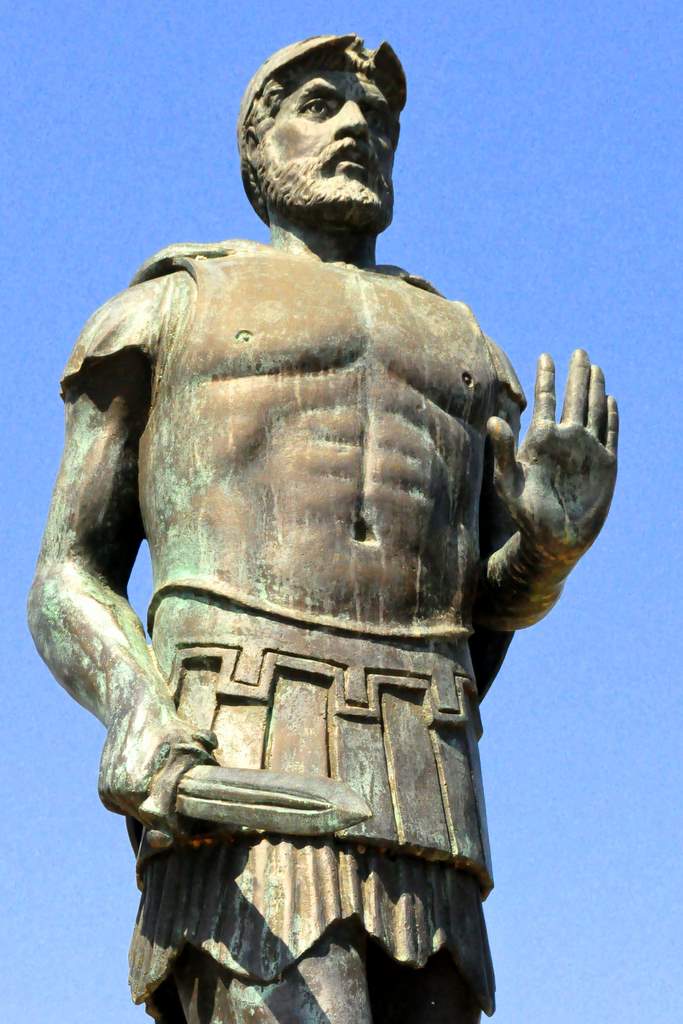
The Battle of Marathon was the kind of victory that changes how people think about what’s possible. Miltiades took a Greek force outnumbered two-to-one by Persian invaders and won through tactical innovation that seemed to violate common sense — weakening his center to strengthen his flanks, then watching as his enveloping movement turned Persian numerical superiority into a trap.
Athens awarded him the highest honors available, and rightly so. Marathon wasn’t just a battlefield victory; it was proof that Persian power could be challenged and defeated by Greek skill and courage.
The psychological impact rippled across the Greek world, inspiring the resistance that would eventually drive the Persian Empire back across the Aegean. Miltiades had shown his fellow Greeks something they desperately needed to see: that the greatest empire in the world could lose.
Xenophon
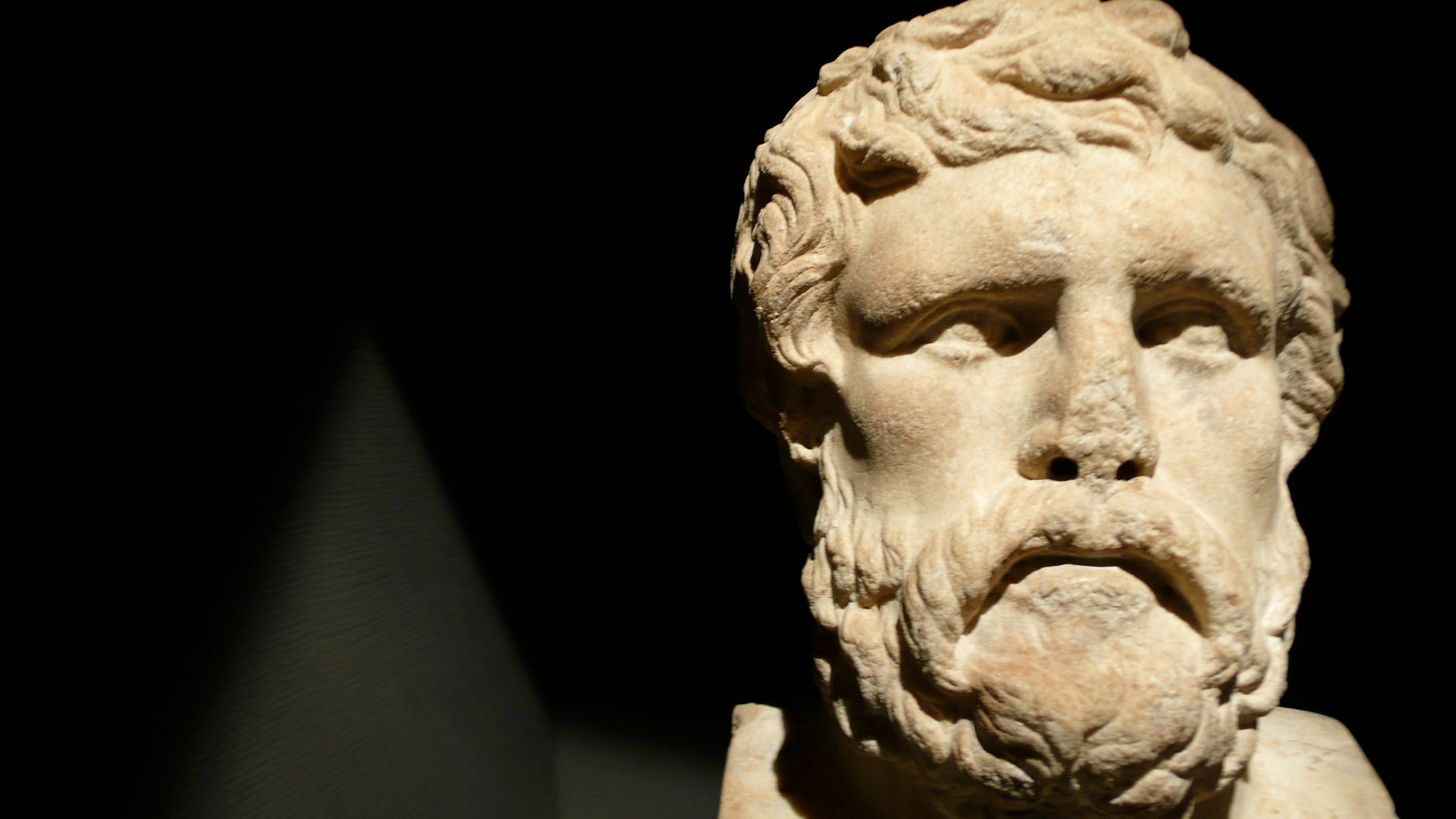
Xenophon’s Ten Thousand weren’t supposed to survive their march to the sea, but military logic has never been particularly impressed by what’s supposed to happen. When their Greek commanders were murdered under a flag of truce, leaving ten thousand mercenaries stranded in the heart of the Persian Empire, Xenophon took command and led them home through fifteen hundred miles of hostile territory — a retreat that became legendary not just for its success, but for the discipline and morale he maintained throughout the journey.
The honors he received were unique: not just military recognition, but literary immortality through his own account of the expedition. The Anabasis remains one of the finest pieces of military writing ever produced, and Xenophon’s ability to command both troops and prose established him as a figure whose influence extended far beyond the battlefield.
When his soldiers finally saw the sea and shouted “Thalassa! Thalassa!” they were celebrating more than geographical salvation — they were acknowledging the leadership that had made their survival possible.
Pyrrhus Of Epirus

Pyrrhus wins battles at such tremendous cost that his name became synonymous with victories too expensive to celebrate, but that misses the point of what made him genuinely formidable: tactical innovation that forced Roman military doctrine to evolve or face extinction. His use of war elephants, combined arms tactics, and flexible battlefield formations represented the cutting edge of Hellenistic military science, and the Romans knew it even as they bled to stop him.
The honors came from Greek city-states who recognized military genius when they encountered it, and from historians who understood that Pyrrhus had pushed the Roman war machine to its limits through pure tactical skill. His “victories” may have been costly, but they demonstrated something crucial: that Roman power wasn’t inevitable, just persistent.
And sometimes persistence is enough, but sometimes it isn’t — which is what made every battle against Pyrrhus a genuine test of which military tradition would prove superior.
The Weight Of Bronze And Memory
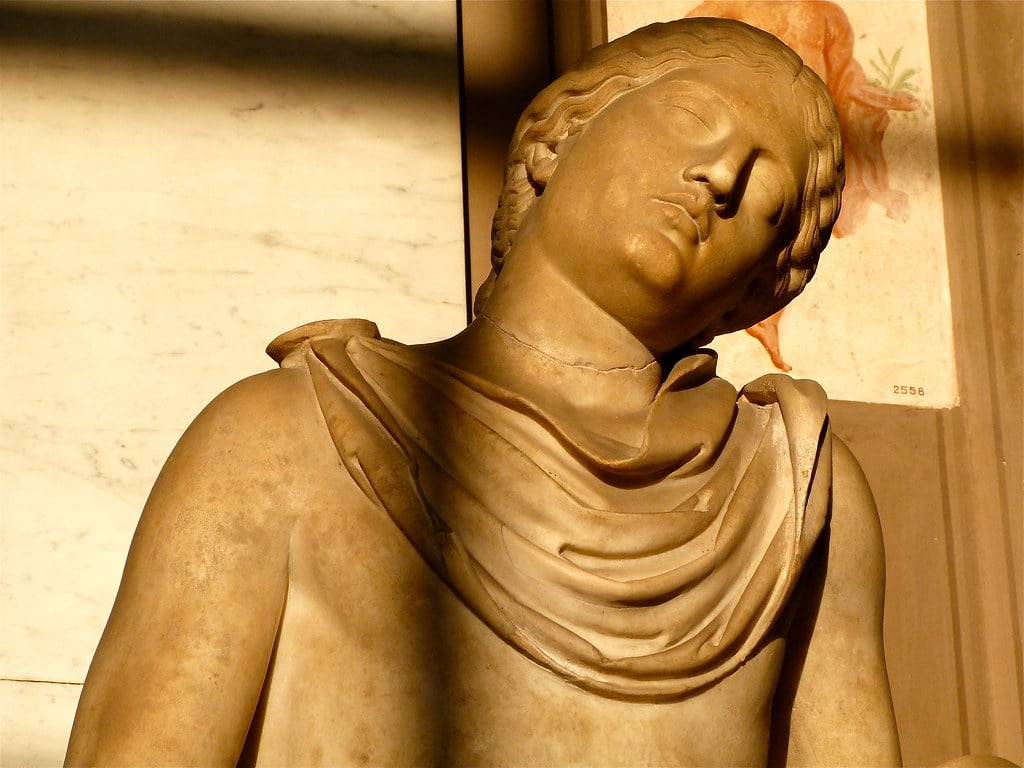
These ancient heroes collected their honors in a world where military excellence meant survival — not just for individual soldiers, but for entire civilizations. Their decorations weren’t ceremonial ribbons; they were acknowledgments of achievements that shaped the course of human history.
When you read about golden wreaths and triumphal processions, you’re seeing how societies chose to remember the individuals who secured their futures through skill, courage, and the kind of leadership that turns ordinary soldiers into legends.
The bronze and gold have long since crumbled, but the stories remain. And in those stories, you can still hear the echo of what it meant to be truly decorated in an age when honor was earned one battle at a time.
More from Go2Tutors!

- The Romanov Crown Jewels and Their Tragic Fate
- 13 Historical Mysteries That Science Still Can’t Solve
- Famous Hoaxes That Fooled the World for Years
- 15 Child Stars with Tragic Adult Lives
- 16 Famous Jewelry Pieces in History
Like Go2Tutors’s content? Follow us on MSN.